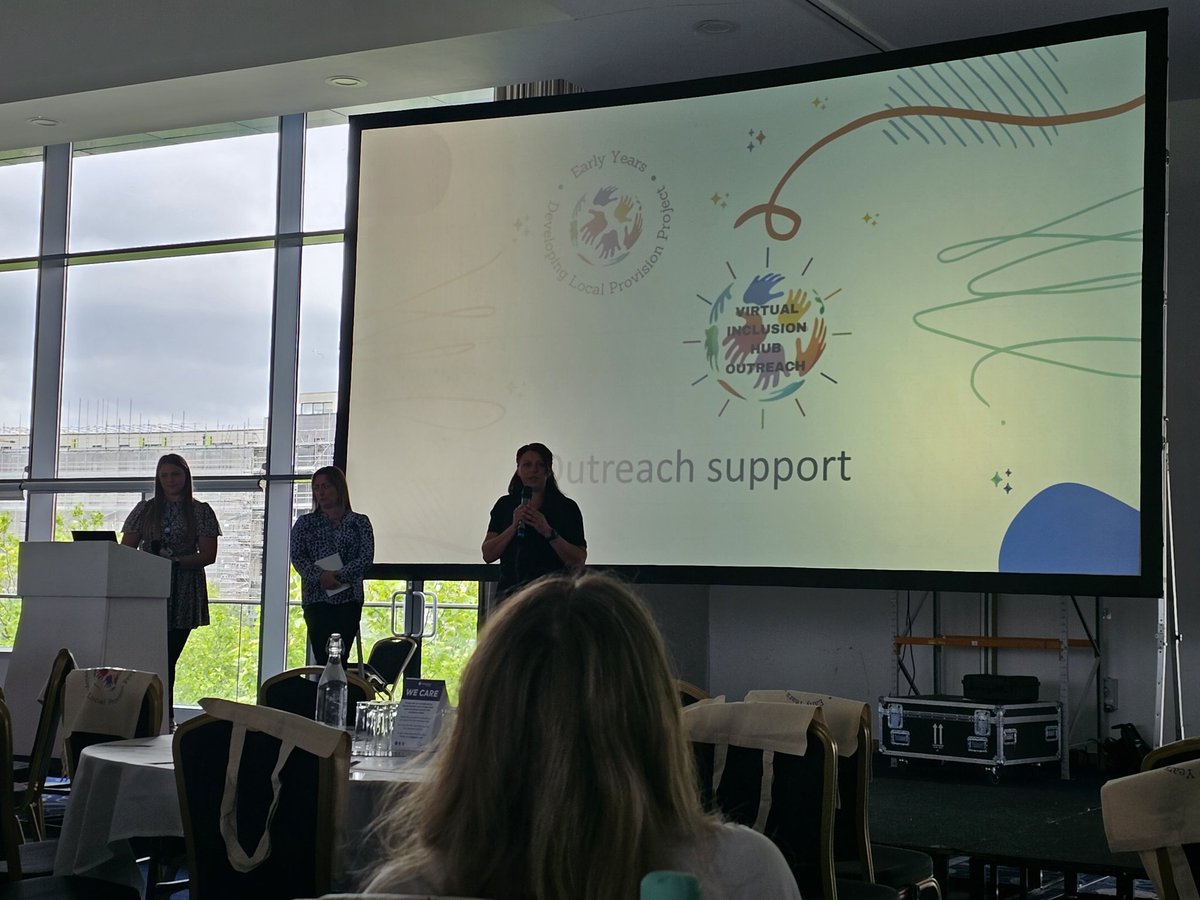
The aim of the DLP project is to support SEND & EHCP pupils in schools in the Eastwards Consortium in north-east Birmingham.
Joined October 2021
- Tweets 289
- Following 88
- Followers 98
- Likes 140
78 Photos and videos



Pinned Tweet

GL Assessment have created a series of videos to support using the Wellcomm Toolkit. Very useful for the schools who are new to the scheme.
youtube.com/watch?v=A66ygxQ2…
1
2
Use a book like 'Where's Spot?' by Eric Hill to help learn prepositions like behind, in/inside and under.
Checkout our website Section 5 Activity 5 eastwardsconsortiumdlp.co.uk… for more books to help your child understand prepositions.
13
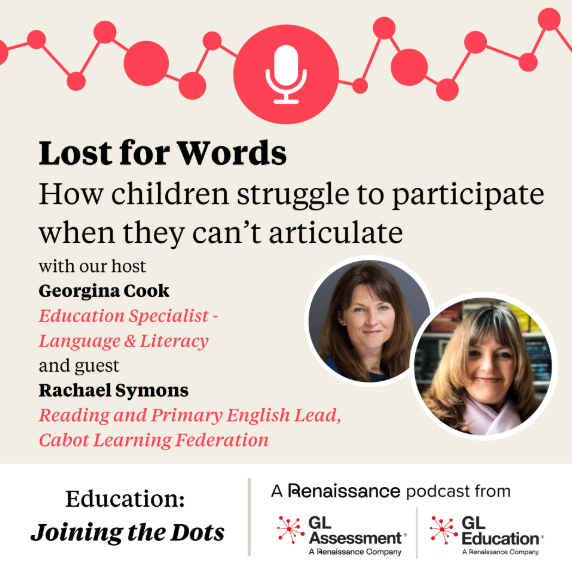
Join the Dots is an education podcast from GL Assessment. This episode highlights the growing issue of Speech & Language challenges among UK school children. There is also a 'lightbulb moment' from our DLP Project facilitator, Susanne Humpage.
gl-assessment.co.uk/news-hub…
1
14
There’s a growing crisis in children’s communication skills. #LostforWords, the new report from @GL_Assessment and @RenLearnUK, shows how children are struggling with speech and language: gl-assessment.co.uk/lost-for…
2
2
157
DLP Project - Eastwards Consortium, Birmingham retweeted

25 Feb 2025
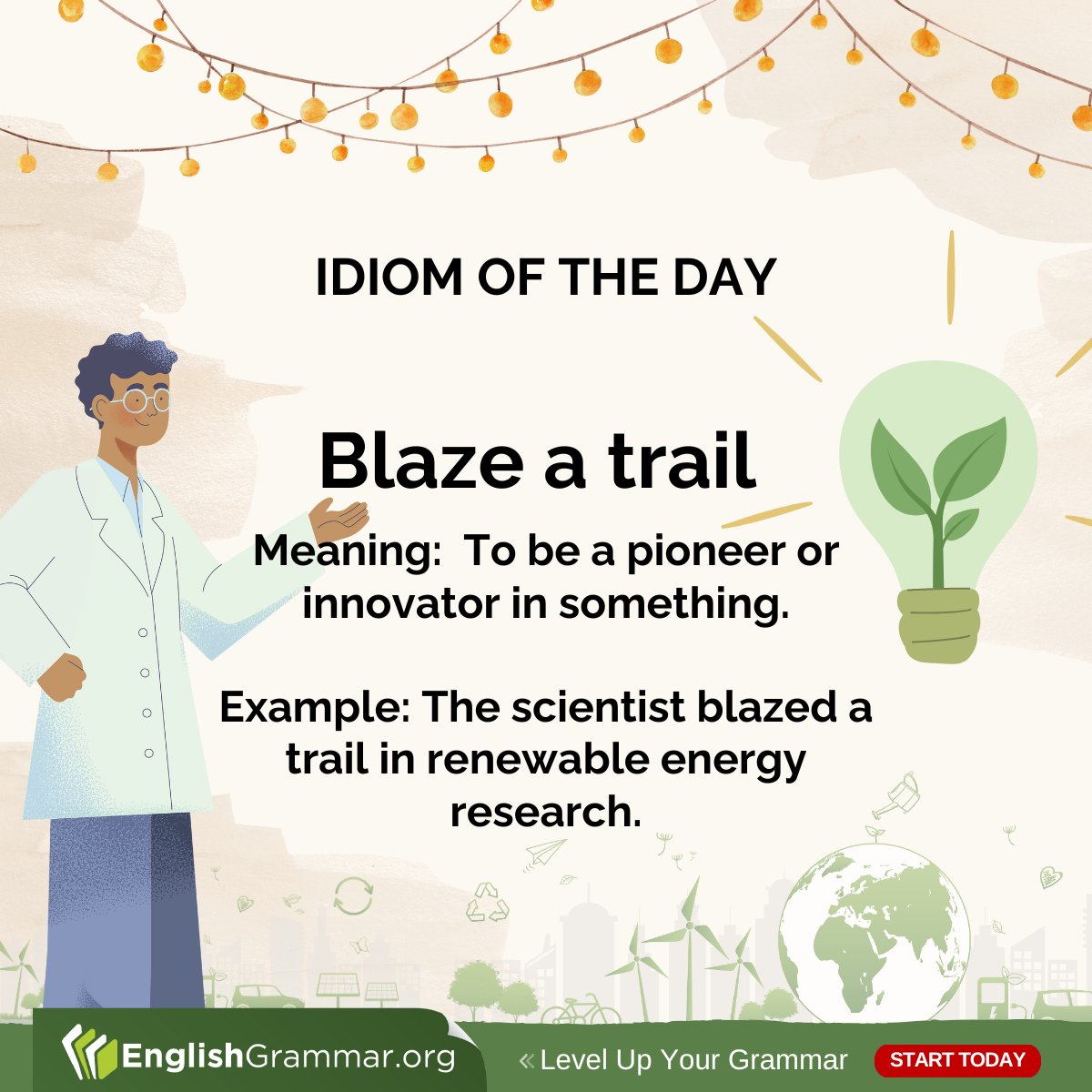
Blaze a trail
2
29
241
16,342
DLP Project - Eastwards Consortium, Birmingham retweeted

24 Feb 2025
Explore themes from the #EarlyYears Evidence Store with our 3-2-1 Quick Reads Series!
#2: Physical Development 💪
Through physical development, children engage with the world around them and lay the building blocks for later capabilities and health.
📄 birminghamearlyyearsnetworks…
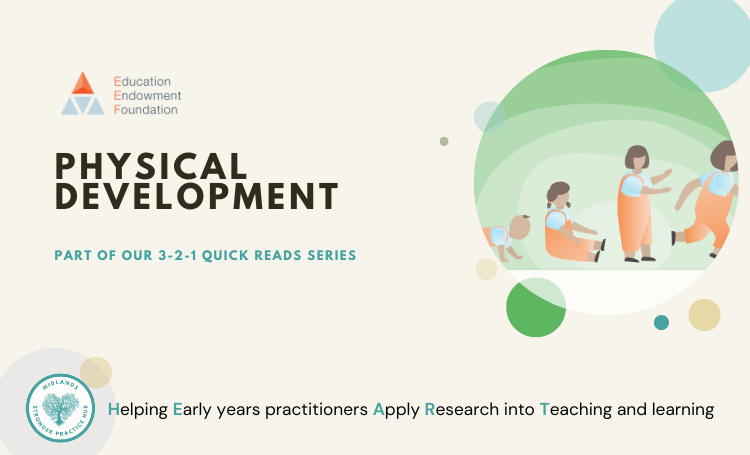
ALT Graphic image promoting the 'Physical Development' download from our 3-2-1 Quick Reads series - helping practitioners explore the 6 key themes of the EEF's Early Years Evidence Store.
4
1
94
Support for bilingual families from the National Literacy Trust:
wordsforlife.org.uk/activiti…
9
You and your family can take part in Children's Mental Health Week from 3-9 February 2025. The focus will be Know Yourself, Grow Yourself. For more information click childrensmentalhealthweek.or…
1
27
DLP Project - Eastwards Consortium, Birmingham retweeted

28 Jan 2025
“The biggest reward is when a child lights up because they feel confident enough to speak. That’s when you know it’s working, and that’s why we do this.” Eastwards Consortium’s case study about their @DlpProject and #WellComm is inspiring! #SLCN
Read now: bit.ly/3ZFOY89

ALT Image is four pupils in a primary classroom
1
122
National Storytelling Week is running from 1 to 9 February 2025. Sign up for free to find ideas for use at home:
literacytrust.org.uk/resourc…
One idea is use puppets (make your own with an odd sock!) or toys as characters. Give them a silly voice as they act out a made up story.
21
Use this link for guidelines on safer screen use for ages 0-18 year hellopediatrics.com/the-impa… 2/2
9
Research at University of Canterbury, New Zealand, found children aged 2-4 who watched 90 mins of “daily screen time” were, by 4.5 years, below average for vocabulary, communication, numeracy, and letter fluency. 1/2
32
Question words like 'what, where, why, when, who' are essential to find things out and encourage reflection and thinking skills. Listening to these stories are a good starting point to use these words...
youtube.com/watch?v=7Qttldvq…
youtube.com/watch?v=7SuV8duv…
#earlyyears #wellcomm
53
DLP Project - Eastwards Consortium, Birmingham retweeted
15 Jan 2025
“WellComm has drastically reduced the number of pupils requiring intervention by Key Stage 2.” Wow, Susanne Humpage, that’s a fantastic outcome for Eastwards Consortium!
Read our new case study by Susanne and Hanif Ur-Rehman of @DlpProject bit.ly/3ZFOY89
#WellComm #SLCN

ALT A rapt primary pupil raises her hand in the classroom to answer a question
1
144
Do your children love Supertato? Try some of these fun activities from the Words for Life website wordsforlife.org.uk/activiti…
15
wordsforlife.org.uk/ A great website for parents to find brilliant stories and activities to use with their children. Age appropriate ideas for 0-12 years!
1
11
DLP Project - Eastwards Consortium, Birmingham retweeted
17 Dec 2024
Maya went from bright and friendly, to withdrawn and argumentative. What was going on? One of her teaching assistants screened her with WellComm Digital, and the mystery was solved. Find out why so many schools choose #WellComm to address #SLCN. bit.ly/45kEJHs
1
128
DLP Project - Eastwards Consortium, Birmingham retweeted
12 Dec 2024
Eastwards Consortium was determined to tackle high levels of #SLCN with their @DlpProject. This new case study by Hanif Ur-Rehman and Susanne Humpage covers #WellComm, training, parental workshops, sample reports, personal tips, and some fabulous outcomes. bit.ly/3ZFOY89

ALT A group of four primary pupils in yellow jumpers are paying rapt attention to their teacher, one of them raising a hand to speak.
1
1
132
It gives the DLP Team great pleasure in sharing our WellComm Case study: gl-assessment.co.uk/case-stu…
The Case Study highlights the impact of WellComm and the DLP Project within the Eastwards Consortium.
A big thank you to @GL_Assessment @GL_Education
2
1
107
DLP Project - Eastwards Consortium, Birmingham retweeted

2 Jul 2024
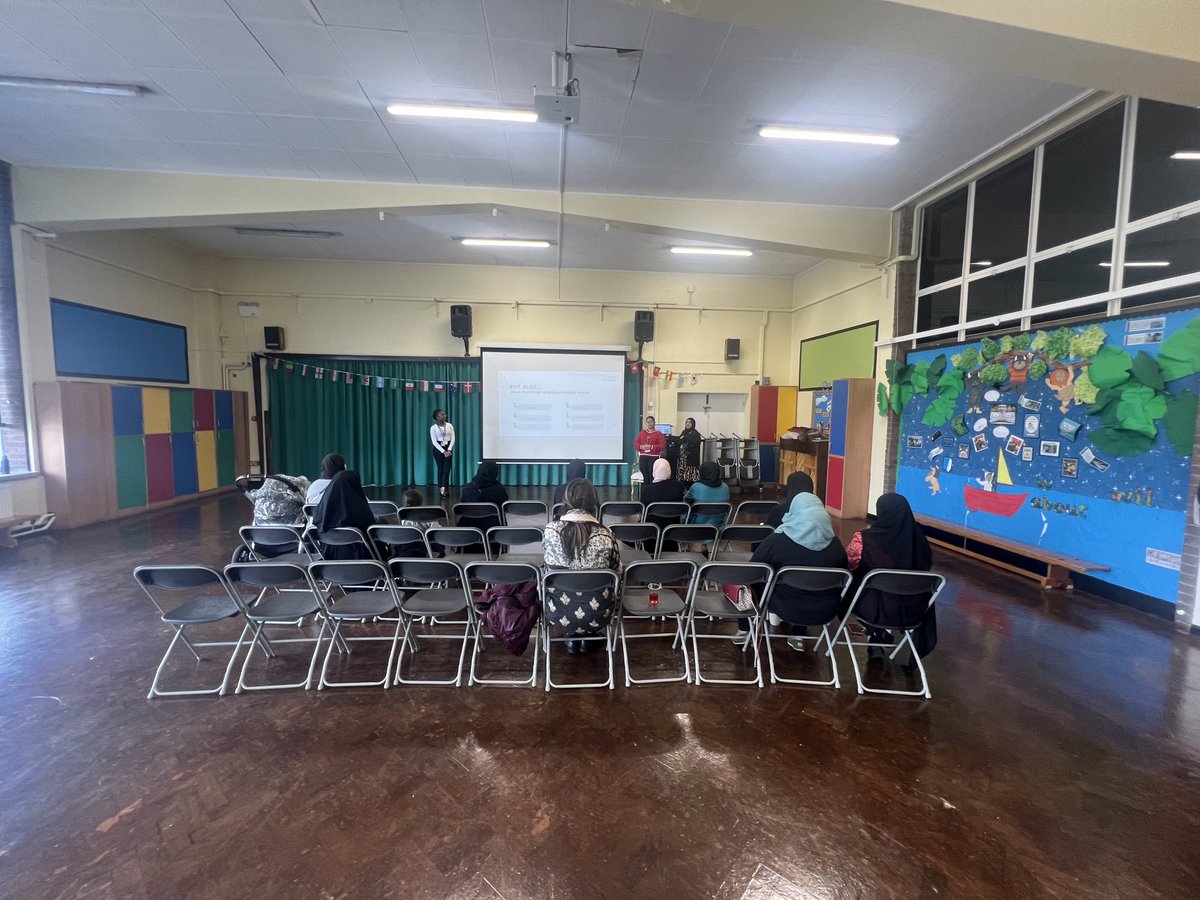
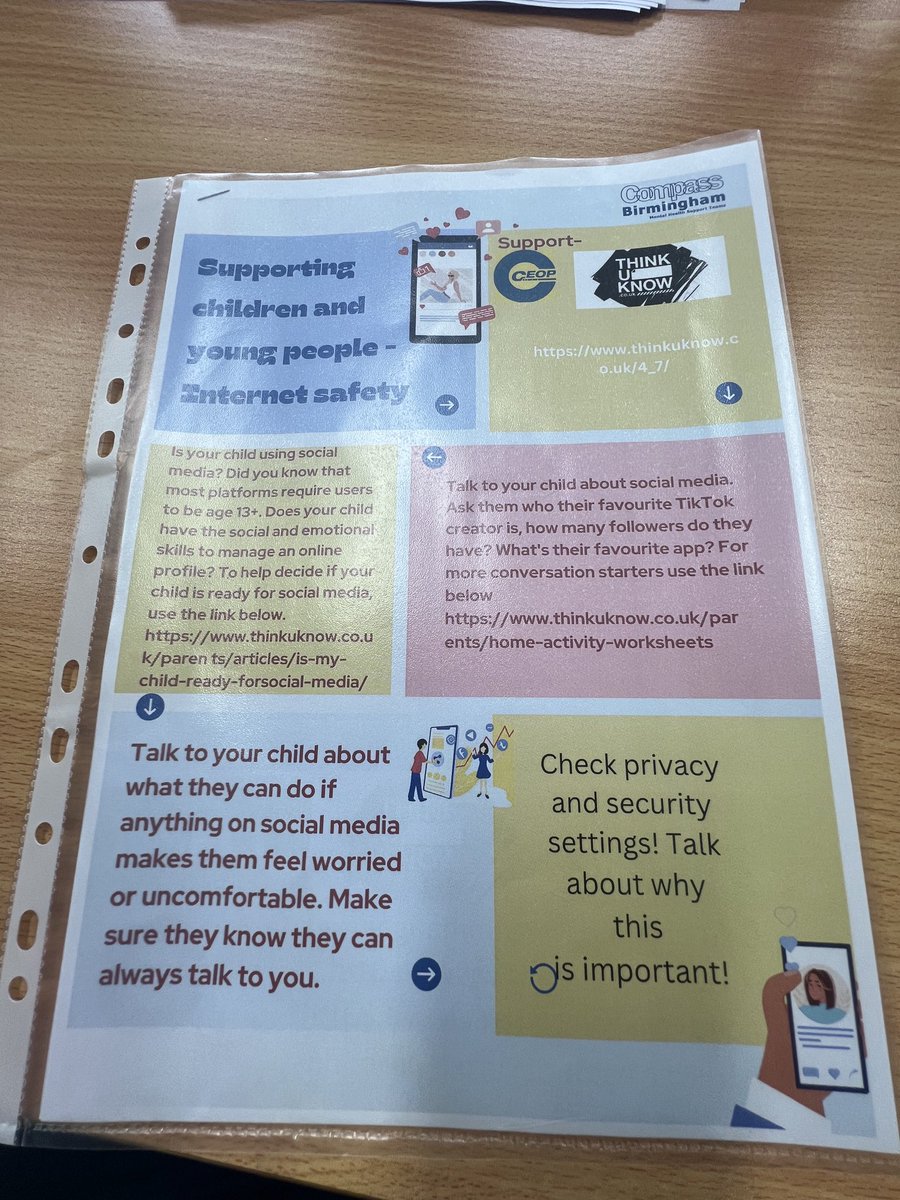
Fantastic to team up with Compass mental health support team to provide a social media and transition workshop to some of our parents @trust_create

1
3
3
1,103