
A family physician & International Health Consultant passionate about leadership. It starts with self leadership to lead others effectively. Views are mine.
Joined August 2009
- Tweets 5,223
- Following 569
- Followers 2,140
- Likes 2,211
83 Photos and videos



Brighton Chireka retweeted

May 23
A man spends 50 years teaching at MIT.
He knows his time is running out.
So he records one last lecture — everything he knows, distilled into a single hour.
He died 5 months later.
This is that lecture.
The most important hour you'll watch this week. 👇
Bookmark it for later

20
74
584
318,420

Jan 14
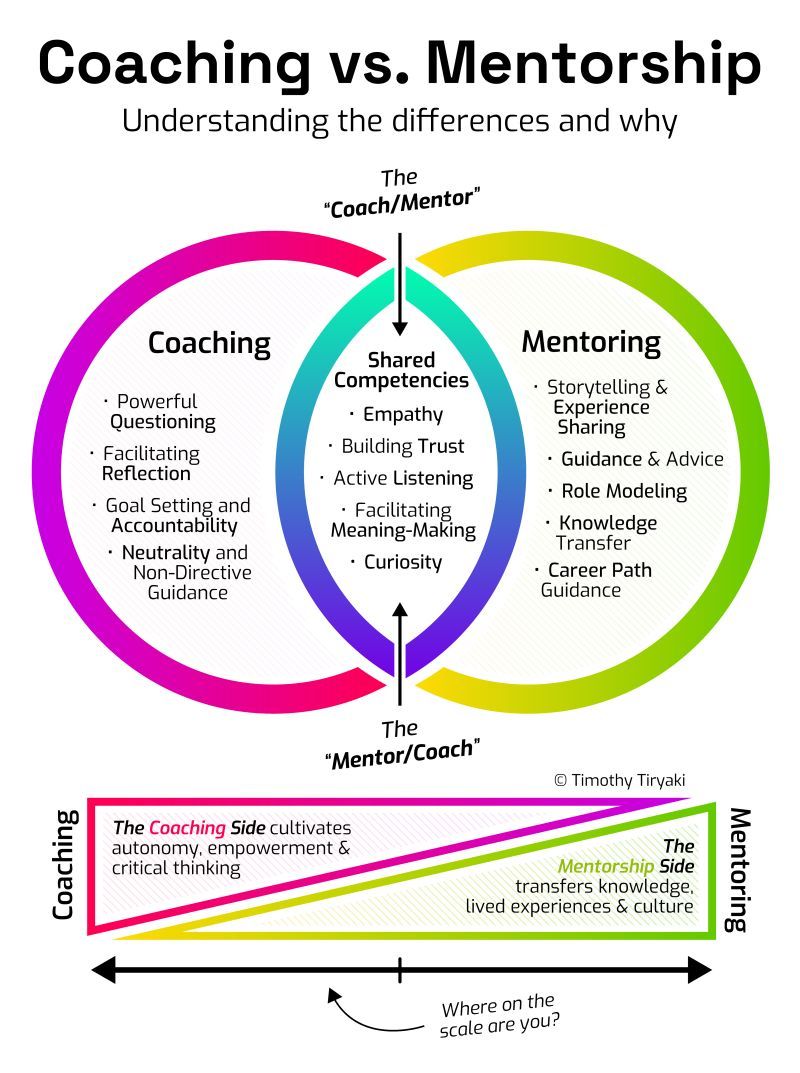
Well explained the difference between coaching and mentoring.
Jan 12

Coaching or mentoring?
Understand the distinction:
Both fuel development,
But they do so in very different ways.
Sharing valuable perspectives from Timothy Timur Tiryaki, PhD:
A) Coaching creates autonomy.
It focuses on:
Prompting self-reflection,
Posing thoughtful questions,
Allowing individuals to arrive at their own conclusions.
It strengthens ownership and deeper thinking.
B) Mentoring transfers wisdom.
It focuses on:
Personal stories,
Hard-earned lessons,
Helping others navigate routes you’ve already taken.
What links the two?
Empathy. Attention. Trust. Purpose.
But what truly matters:
In a complicated world, guidance alone isn’t enough.
We need people who think strategically and lead strategically.
That means supporting others to:
Not only develop, but to lead with intention and influence.
How to practice strategic leadership:
1. Start by stepping back
See the full landscape before focusing on the specifics.
2. Question assumptions
Don’t take the status quo for granted. Ask why it’s there.
3. Focus on leverage
Invest energy where it creates the greatest impact, not just fast results.
4. Communicate with clarity
A strategy only works if it’s understood. Keep it clear and simple.
5. Think in sequences
Strategy is movement. Plan two or three steps ahead.
The future calls for leaders who:
Can coach, mentor, and think strategically.
That’s where meaningful change begins.
P.S. Are you developing in the right direction?
♻️ Repost to spark more strategic leadership!
📌 Get my top 100 infographics for free:
1) Follow me.
2) Subscribe to my free newsletter at WildCapital.co
.
You’ll receive them (including this one) directly in your welcome email.
63
4 Dec 2025
Humbled to be part of the 4th lifestyle medicine conference in Hail in Saudi Arabia.
4 Dec 2025

🎙️| الدكتور برايتون شيريكا، طبيب معتمد في طب نمط الحياة
يشاركنا تجربته في مؤتمر حائل الدولي
لطب نمط الحياة 2025
#مؤتمر_حائل_الدولي_لطب_نمط_الحياة
#عش80
112
3 Dec 2025
Amazing. Conference with amazing people.
3 Dec 2025
🎙️| الدكتورة جيسيكا جولي، المديرة العليا لتطوير الممارسات في الكلية الأمريكية لطب نمط الحياة
تشاركنا تجربتها في مؤتمر حائل الدولي
لطب نمط الحياة 2025
#مؤتمر_حائل_الدولي_لطب_نمط_الحياة
#عش80
1
36
1 Dec 2025
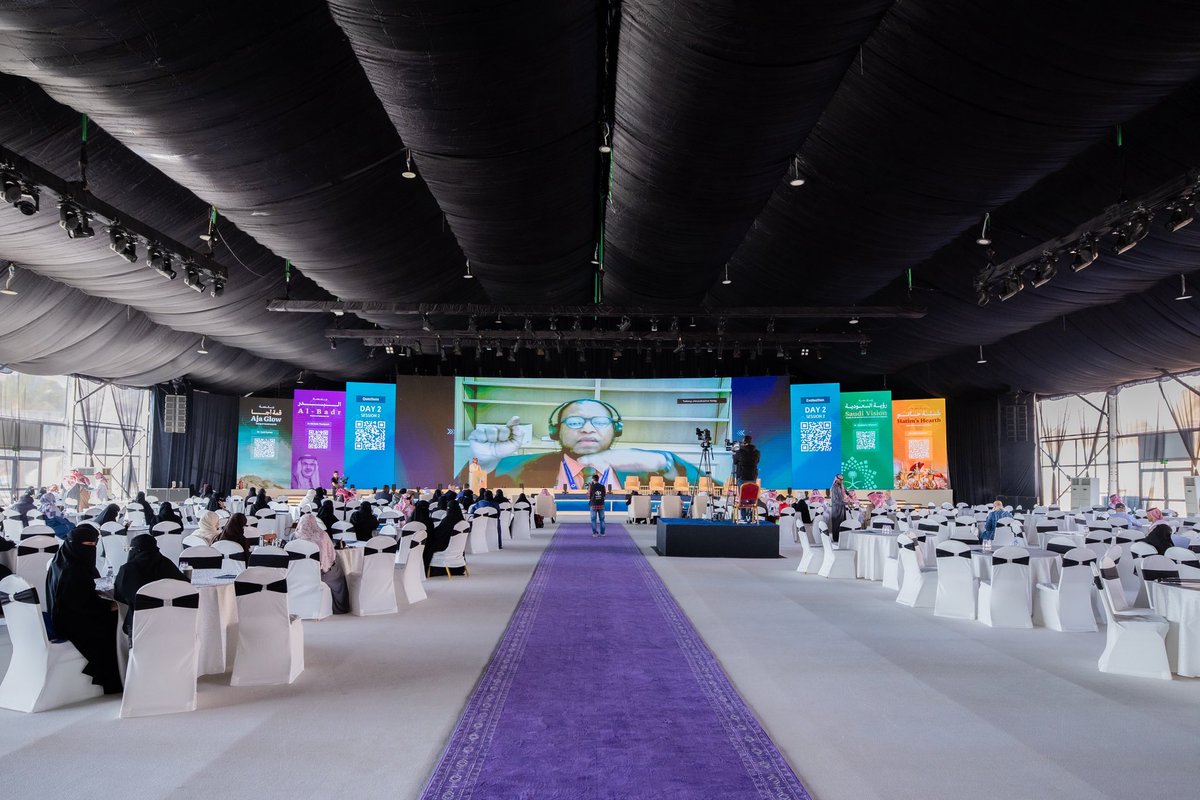
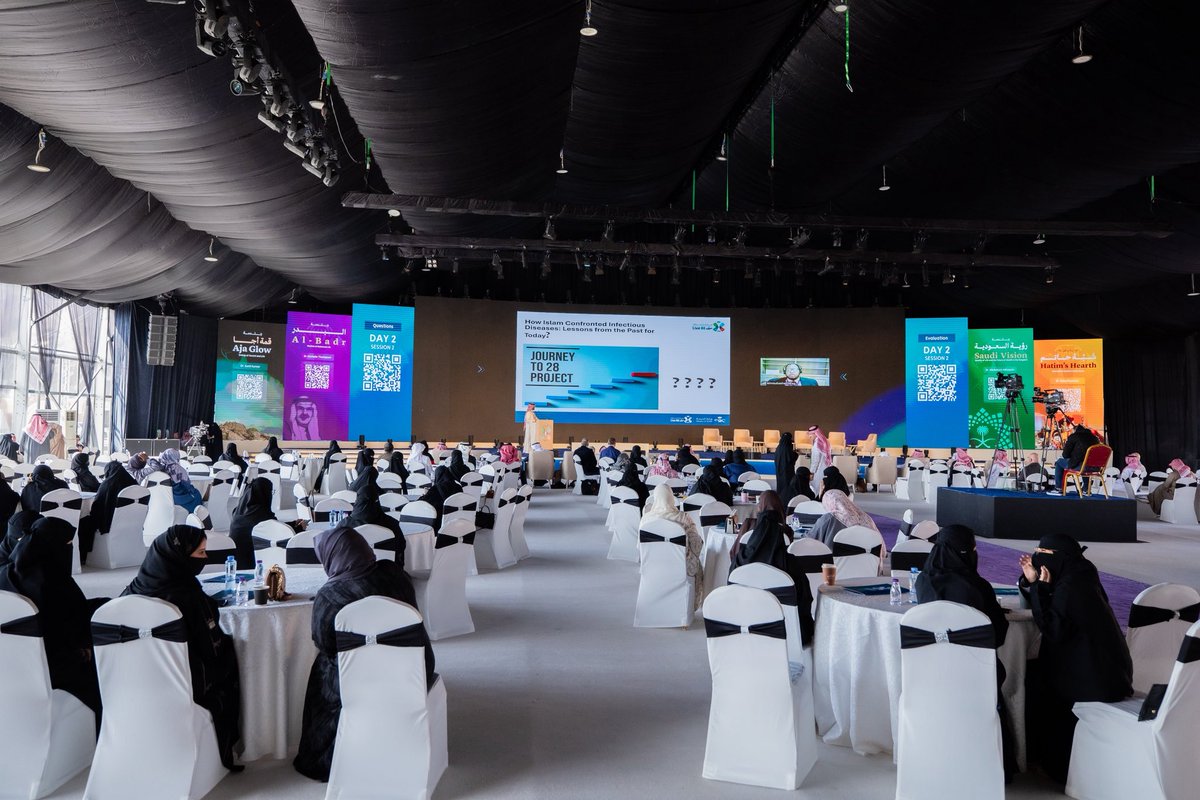
Great conversations taking place here in Hail. Amazing achievements especially the life expectancy of 83.5 years ! Next step is to make sure those years are full of quality life. Indeed more years and more life in those years through lifestyle medicine.
1 Dec 2025
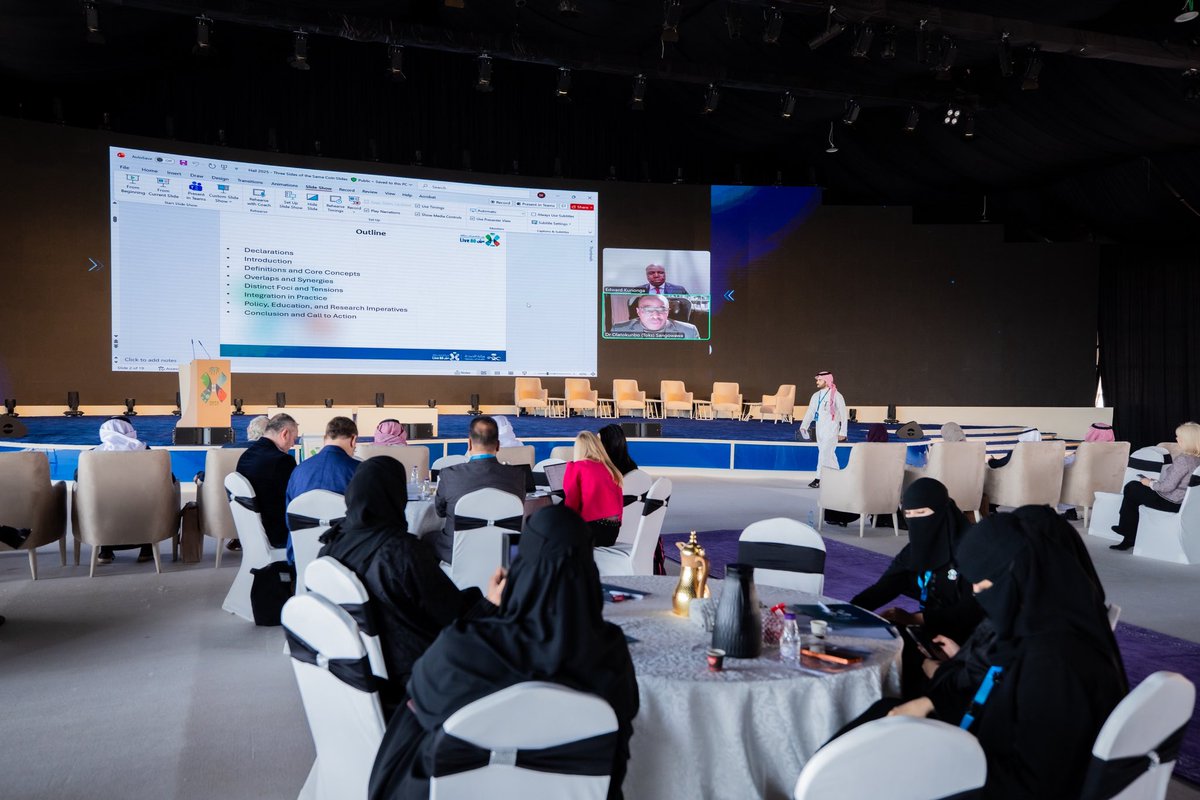
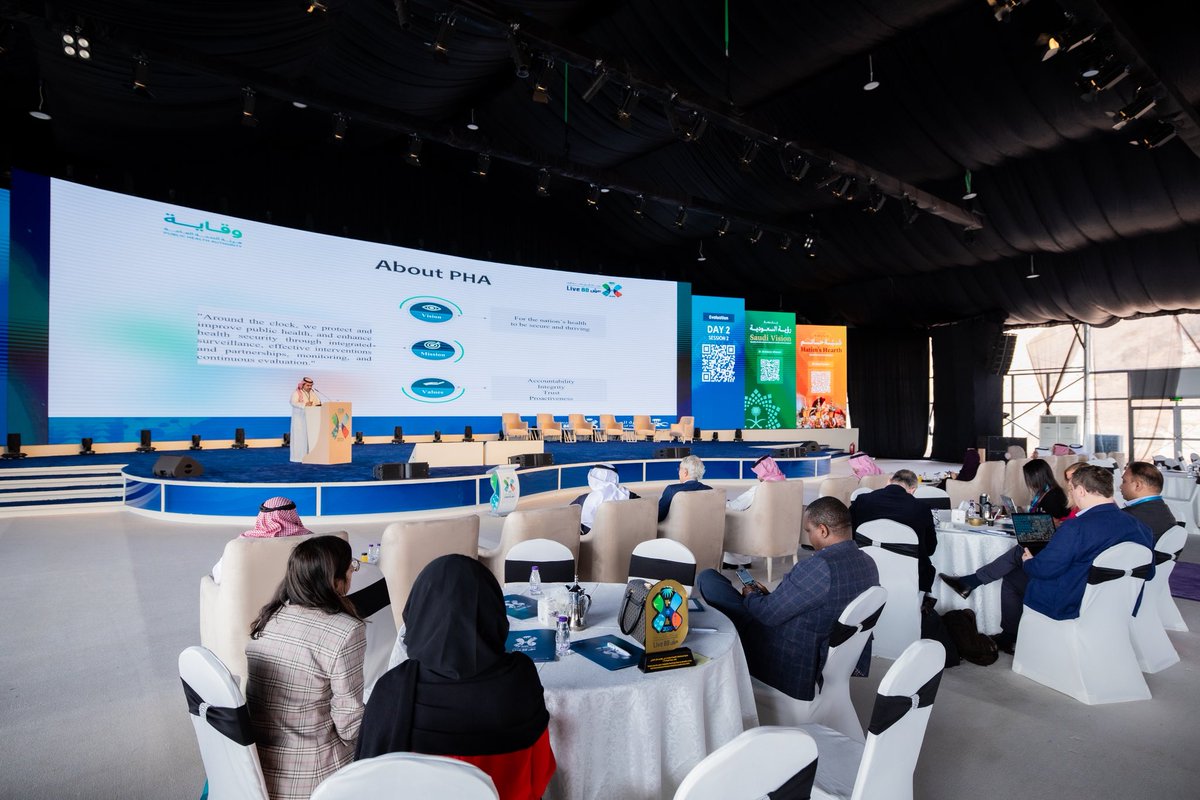
اليوم الثاني 🗓️
استمرار الجلسات الحوارية لليوم الثاني من مؤتمر حائل الدولي لطب نمط الحياة، حيث يناقش المشاركون أحدث المستجدات والتوجهات لتعزيز نمط حياة صحي
#مؤتمر_حائل_الدولي_لطب_نمط_الحياة
#عش80
49
30 Nov 2025
Indeed even listening is a choice .
29 Nov 2025

Life is about choices.
Here are 8 choices we all have to make.
1. Attitude is a Choice
2. Character is a Choice
3. Work Ethic is a Choice
4. Leadership is a Choice
5. Consistency is a Choice
6. Commitment is a Choice
7. Daily Habits are a Choice
8. Encouragement is a Choice
38
13 Nov 2025
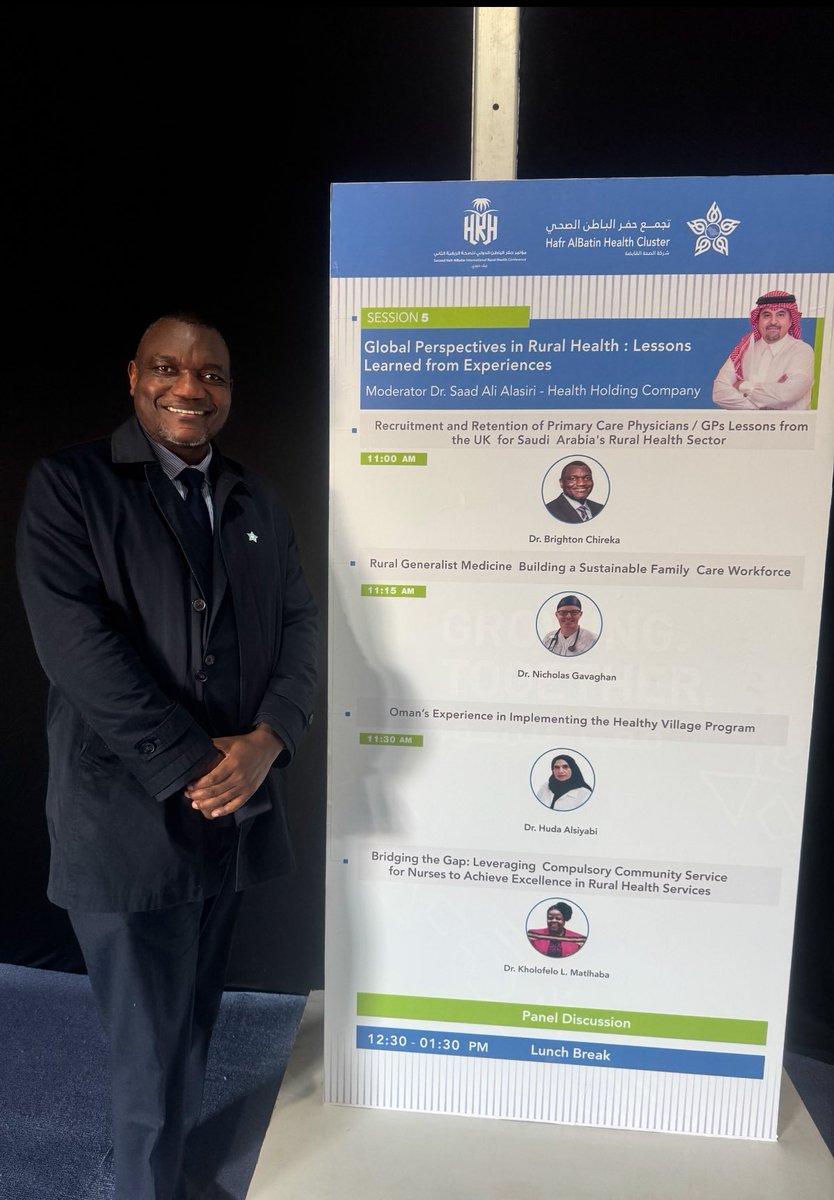
Excited to be speaking at this conference
13 Nov 2025
من حائل إلى العالم 🌍
سجل حضورك
في مؤتمر حائل الدولي لطب نمط الحياة ✨
📅 30 نوفمبر 2025
▫️برنامج علمي وورش عمل
▫️فعاليات مجتمعية ورياضية
▫️هاكاثون الأمير عبدالعزيز بن سعد لطب نمط الحياة
▫️مسابقة الطهي الصحي
#مؤتمر_حائل_الدولي_لطب_نمط_الحياة
#عش80
92
19 Oct 2025
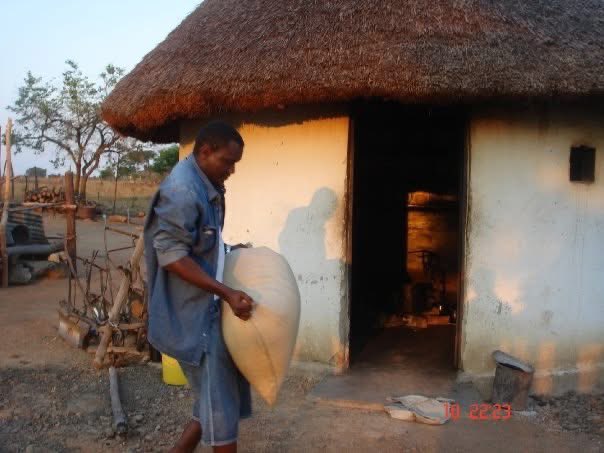
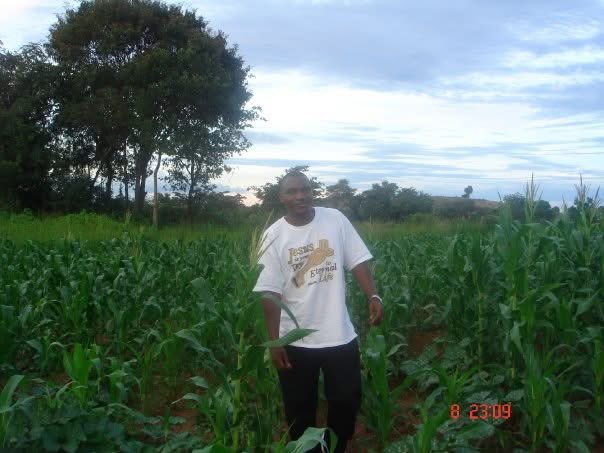
Lessons from a Farmer: Leadership Wisdom from the Fields of Zimbabwe
Growing up in the rural villages of Zimbabwe, I learnt lessons that I didn’t recognise as useful back then. Today, as I reflect on those early mornings and long days, I realise they were shaping me into the leader I am becoming.
Every morning, before school, we would wake up early to till the fields. After that, we’d prepare for our 3-kilometre walk to school and back again in the afternoon. Six kilometres a day, barefoot or in worn-out shoes, taught me more about resilience than any classroom could.
1. Prepare the Soil – Build the Team
Before we ever planted a seed, we prepared the soil. We dug deep, removed stones, and softened the earth.
In leadership, preparing the soil is about building your team creating the right environment for growth.
You can’t plant seeds of vision in hard, unprepared ground. Take time to understand your people, build trust, and establish psychological safety.
As Gallup reminds us, people need to be seen, heard, and valued before they engage fully. A leader’s job is to prepare the emotional soil.
2. Plant and Water – Meet the Needs of Your People
We planted seeds and waited patiently for rain or watered them ourselves.
In leadership, planting is about casting vision, and watering is about meeting the needs of your team.
Tony Robbins teaches that every human being has six core needs: certainty, variety, significance, connection, growth, and contribution.
A wise leader pays attention to these needs, nurturing their team so they feel supported and motivated to grow.
3. Remove the Weeds – Protect the Culture
Once the plants began to grow, we watched for weeds. Weeds compete for nutrients just like negativity and gossip compete for energy in a team.
A healthy leader must be vigilant. Address issues early. Give candid and caring feedback.
But be tactical, don’t uproot the good plants while removing the weeds. Protect your culture, but protect your people too.
4. Add the “Top” Fertilizer – Encourage and Refresh
When the crops were about to bloom, we added fertilizer and we called it “TOP,” short for “top dressing.”
In leadership, this is the stage where you top up your team’s energy and morale. Recognise their efforts, celebrate progress, and offer development opportunities.
Growth doesn’t happen by accident, it’s nourished intentionally.
5. Harvest Wisely – Sustain the Cycle
Finally came the harvest. We sold some crops, kept some for ourselves, and saved some seeds for the next season.
In leadership, harvesting is about celebrating results, sharing rewards, and reinvesting in the next cycle of growth.
Great leaders think in seasons and they know that success today prepares the ground for tomorrow.
Oh, how I don’t miss those early morning wake-ups! My favourite protest was, “Ko zvandanga ndave kutanga kurara?” (“But I was just about to start sleeping!”)
I laugh now, but that season of life prepared me for everything that followed. It taught me patience, diligence, and the rhythm of growth, both in farming and in leadership.
Because leadership, like farming, is about tending to people, preparing the soil, planting the vision, nurturing growth, and never forgetting to pull out the weeds before they take over the field.
69
19 Oct 2025
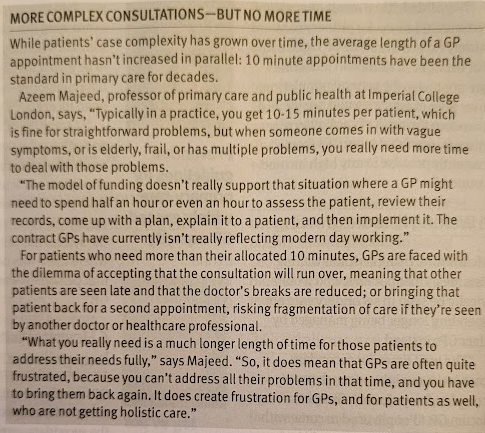
There is a great need to offer flexible appointments that allows for 30mins to 60mins appointments for complex consultations. The current 10-15 minute appointments are no longer fit for purpose in most cases since minor illnesses are now being seen by other members of the GP team leaving the GPs to deal with complicated cases.
17 Oct 2025

While the complexity of patients in primary care has increased, the average length of GP appointments have not increased in parallel with 10-15 minute appointments currently the norm. Funding models that support longer appointment lengths are essential. My comment for @bmj_latest
1
76
19 Oct 2025
Powerful nuggets
18 Oct 2025

Weak first-time managers:
-Hoard info
-Log extra hours
-Withhold feedback
-Hire people they can control
-Try to make immediate impact
Strong first-time managers:
-Share info transparently
-Prioritize & delegate
-Coach w/ care
-Hire the best
-Amplify
Lead w/ purpose, not power.
2
1,952
Brighton Chireka retweeted

18 Oct 2025
3. CULTURE: Normalized behaviors no longer serve the mission. Heroics, asshole-level aggressive, avoiding conflict. Survival mode made them acceptable, not sustainable. Fix: Name the behaviors explicitly. Define 3-5 non-negotiables. Fire people who violate them repeatedly.
1
1
5
513
Brighton Chireka retweeted
18 Oct 2025
BROAD (normalized behavior):
You have 3 typical root causes:
1. POWER: Status games are overshadowing the mission. Leaders are protecting territory instead of pursuing outcomes. Fix: Eliminate fiefdoms. Single-thread accountability. Make collaboration a KPI, not a suggestion.
1
1
4
638
Brighton Chireka retweeted
18 Oct 2025
IS THE PROBLEM NARROW OR BROAD?
NARROW (one person): The choices are simple, recovery or removal. Have a direct conversation: get better fast or get out. Set a 30-day timeline. If they can't or won't change, make the change for them.
1
1
3
700
Brighton Chireka retweeted
18 Oct 2025
WHAT'S YOUR ROLE IN THE DYSFUNCTION?
You hired these people. Or you inherited them and changed nothing. Or you've been trying ineffectively. If you can't see yourself clearly, you won't see the full problem clearly either. Own your part before you try to fix theirs.
1
1
4
747
Brighton Chireka retweeted
18 Oct 2025
IS THIS A MUST-SOLVE PROBLEM?
If fixing your leadership team always takes a backseat to "real work," nothing will change. This IS your real work. A dysfunctional leadership team is a tax on every person, initiative and decision. Be honest: worth solving or not?
1
1
5
759
7 Oct 2025
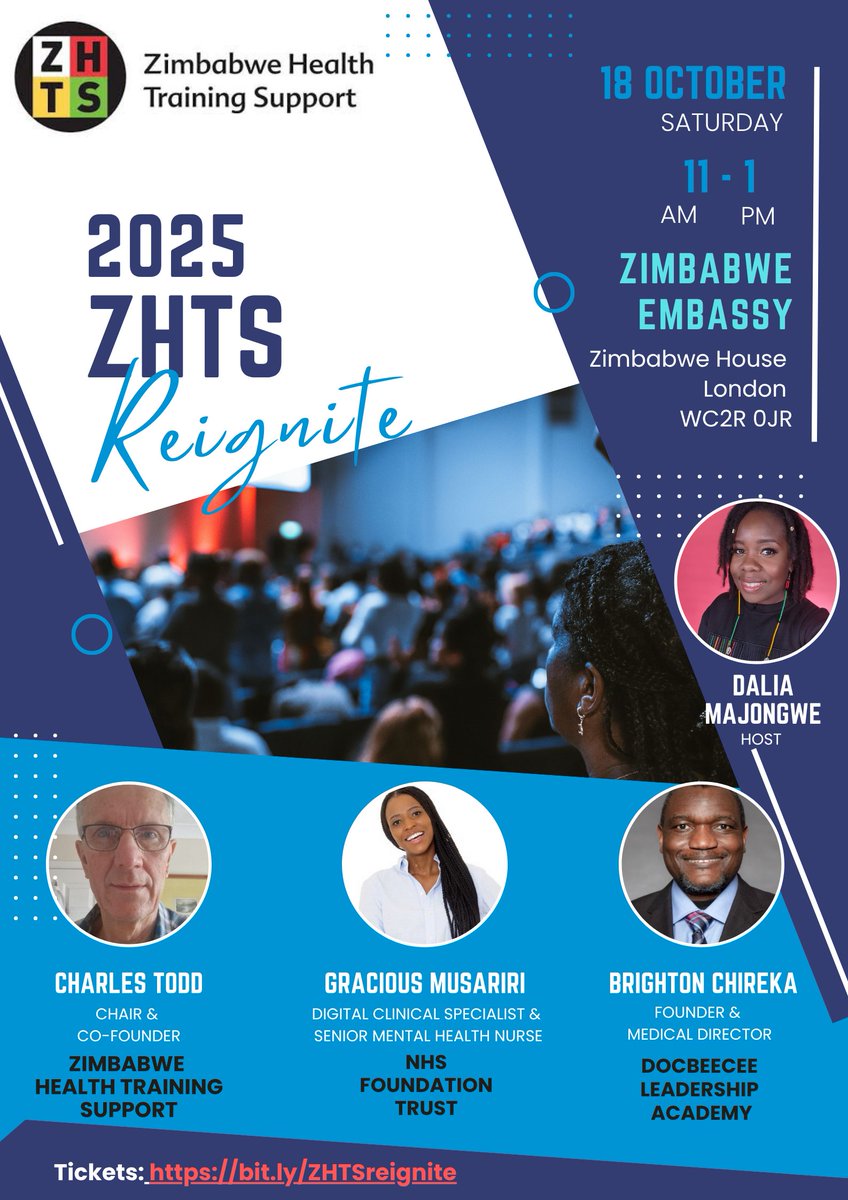
Let's meet

Join ZHTS as we reignite the Zimbabwean healthcare training space, share our impact and discuss the future.
Register here -> bit.ly/ZHTSreignite
and we'll see you there!
51
Brighton Chireka retweeted

7 Oct 2025
People with an aggressive form of lung cancer are set to benefit after we recommended a new treatment option today.
Find out more about lorlatinib: nice.org.uk/guidance/indevel…
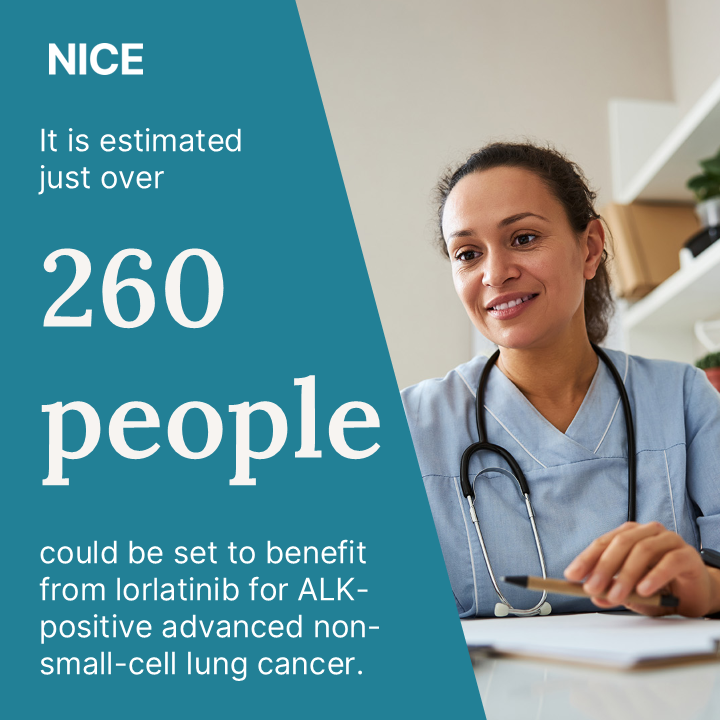
ALT Healthcare professional sits at desk holding pen. Overlaid text reads: It is estimated just over 260 people could be set to benefit from loralatinib for ALK-positive advanced non-small-cell lung cancer.
1
2
4
2,026
Brighton Chireka retweeted

4 Sep 2025
People with myeloma are now living almost twice as long as they did in the mid-2000s.
“These results show that research works, but if we are to keep improving survival, we must do whatever it takes.” - Dr Richard Francis
We must keep driving progress.
bit.ly/4gdwC5i
1
25
93
7,609
Brighton Chireka retweeted

3 Sep 2025
Often, people understand leadership via hierarchy. ShiftWorks, our online learning platform, reimagines leadership in the health and care system.
Join over 3,000 peers using ShiftWorks to explore leadership led by behaviour, communication and empathy: kingsfund.org.uk/leadership-…
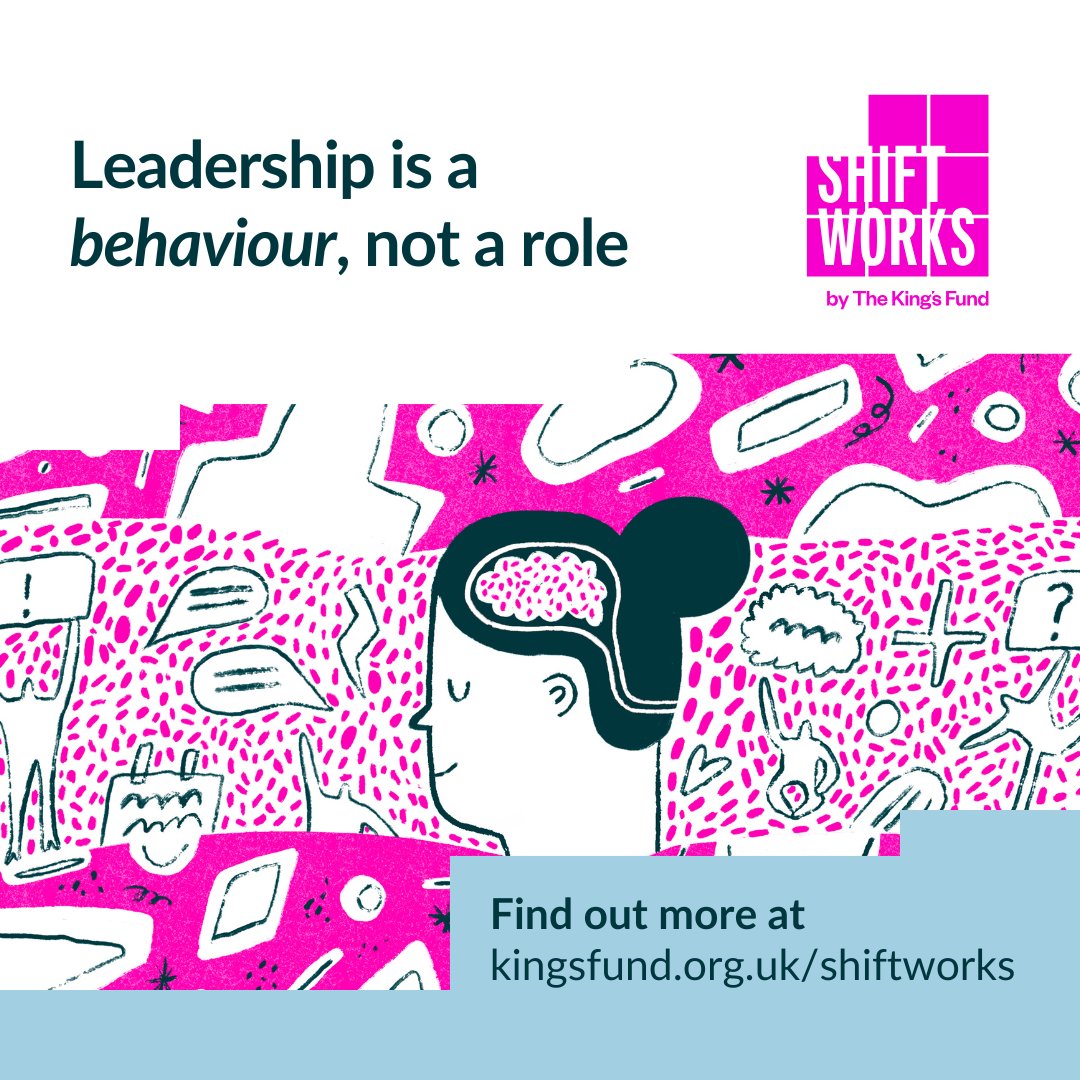
ALT Promotional illustration for The King's Fund's ShiftWorks campaign, featuring a bold pink and purple design with abstract shapes and a central silhouette of a person's profile. Text reads: 'Leadership is a behaviour, not a role' and includes a website link for more information.
3
8
1,572
22 Jul 2025
How you define leadership determines how you live it.
There are as many definitions of leadership as there are leaders attempting to define it. And that’s not a bad thing.
But here’s the truth:
The way you see leadership shapes the way you practice it.
If you see it as control, you’ll manage.
If you see it as service, you’ll uplift.
If you see it as influence, you’ll inspire.
That’s why it matters how we define leadership.
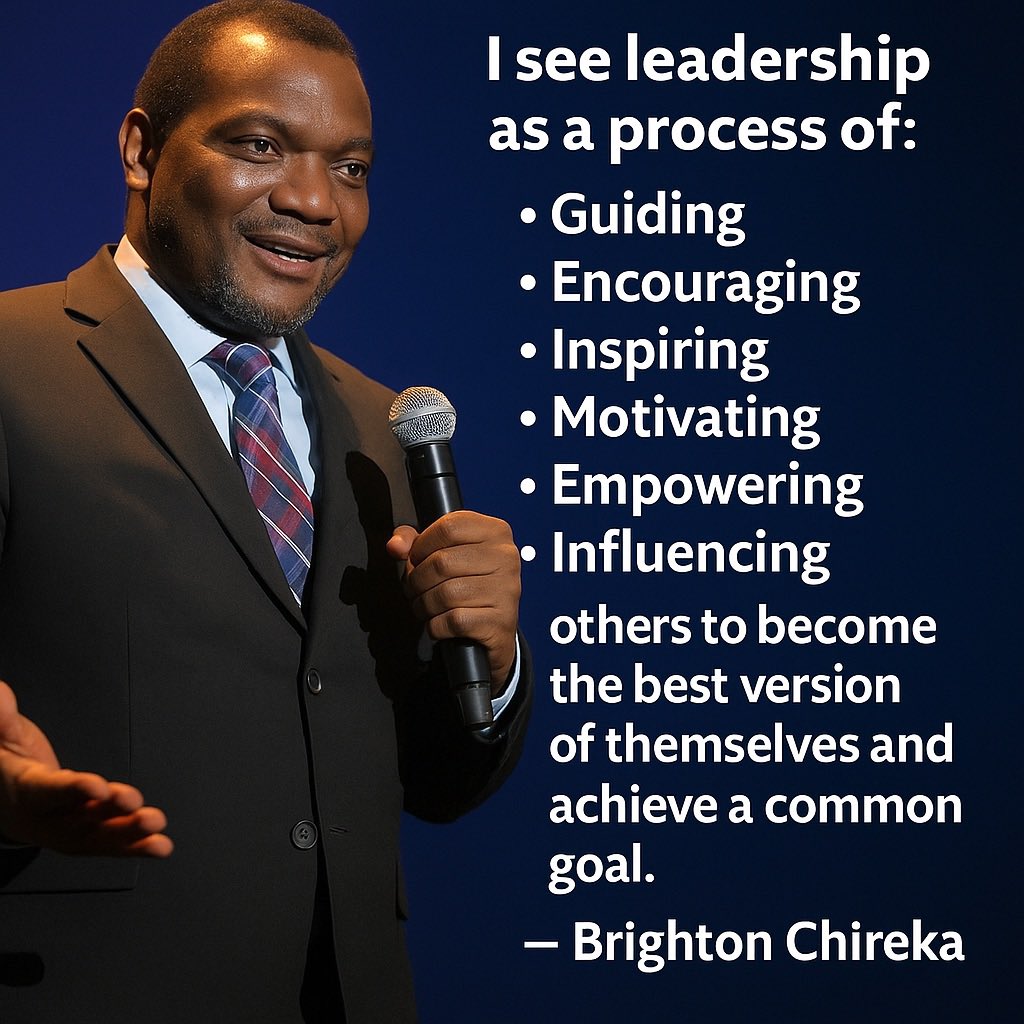
For me, leadership is a process—a journey of:
Guiding. Encouraging. Inspiring. Motivating. Empowering. Influencing.
All toward helping others become the best version of themselves and achieve a common goal.
That’s the heartbeat of leadership as I live it.
👇🏽 See the image below for my full definition.
What’s yours?
81