
Joined June 2022
- Tweets 252
- Following 60
- Followers 724
- Likes 910
136 Photos and videos

Jun 13
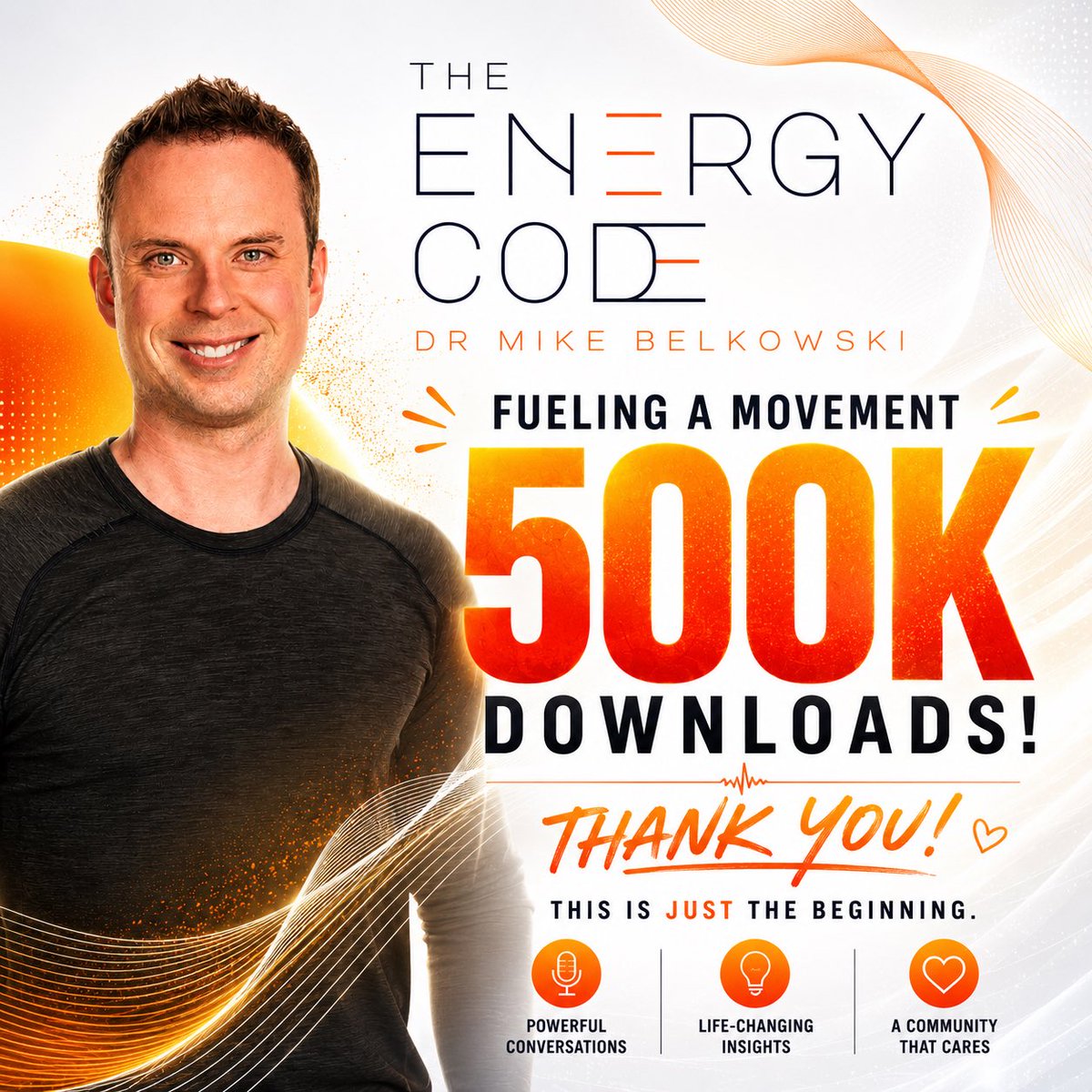
500,000 downloads.
Honestly, that number is still hard for me to wrap my head around.
What started in early 2021 as The Red Light Report — a podcast focused primarily on red light therapy and photobiomodulation — has evolved into something much bigger than I ever imagined. Along the way, my curiosity expanded beyond light itself and into the fascinating world of mitochondria, cellular energy, and the countless factors that influence our health, performance, and longevity.
That evolution ultimately led to The Energy Code.
Reaching 500,000 downloads is not something I take lightly. It’s a reflection of an incredible community of listeners who have chosen to spend their valuable time learning, questioning, and exploring alongside me. Whether you’ve been here since the earliest Red Light Report episodes or you just discovered the show recently, thank you. Your support, feedback, and enthusiasm are what make this journey possible.
I also want to extend my sincere gratitude to every guest who has joined me over the years. The researchers, clinicians, practitioners, innovators, and thought leaders who have generously shared their knowledge have helped shape both the podcast and my own understanding of health and human potential.
What excites me most is that it still feels like we’re only scratching the surface.
The mitochondrial field continues to evolve at an incredible pace. From mitochondrial peptides and cellular signaling to photobiomodulation, circadian biology, metabolic health, longevity science, and emerging therapeutic technologies, we’re entering an era where our understanding of human energy production may fundamentally change how we approach wellness and aging.
The future is incredibly bright, and I couldn’t be more excited to continue exploring it with all of you.
Thank you for being part of this journey.
Here’s to the next 500,000.
— Dr. Mike Belkowski
Host, The Energy Code
36
Jun 12
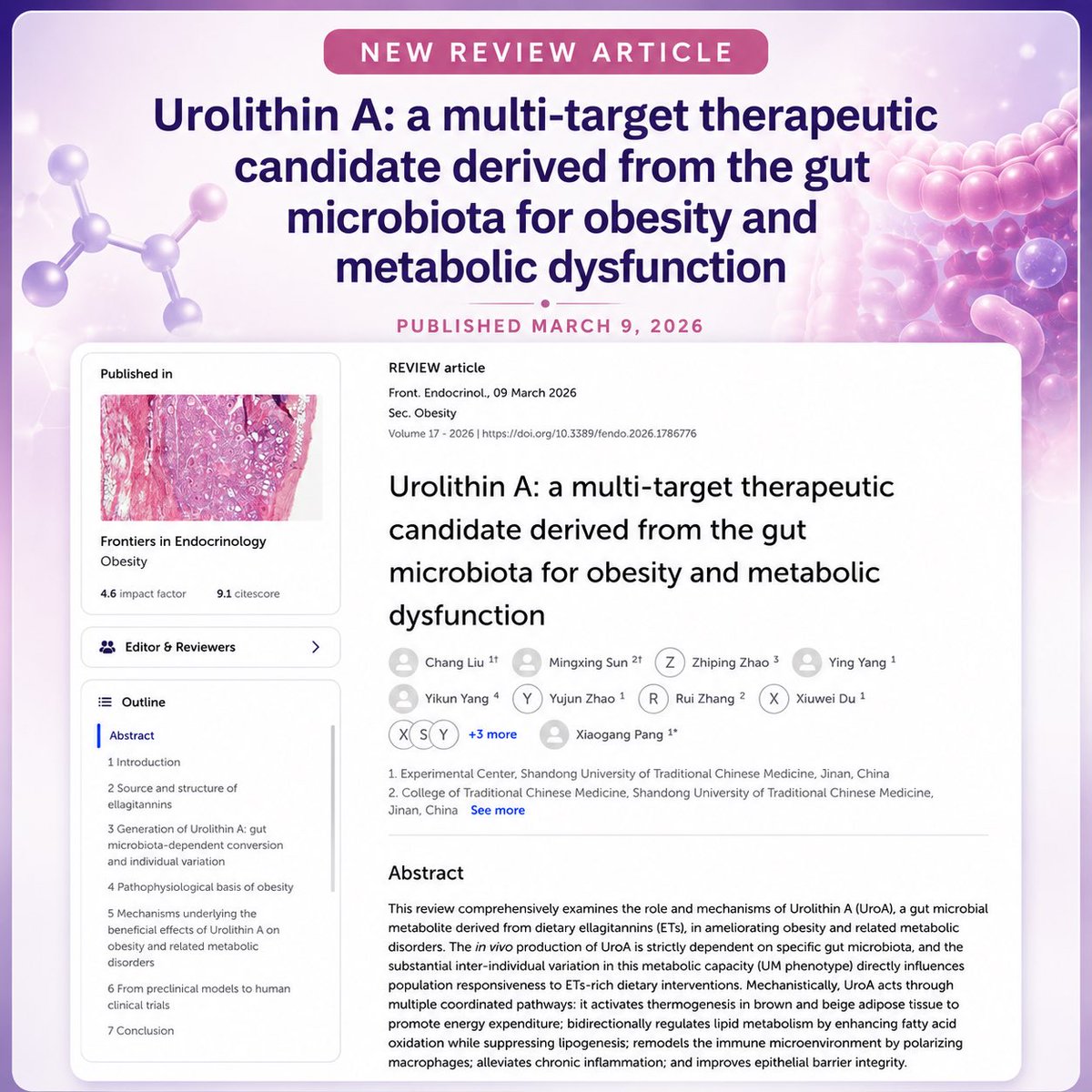
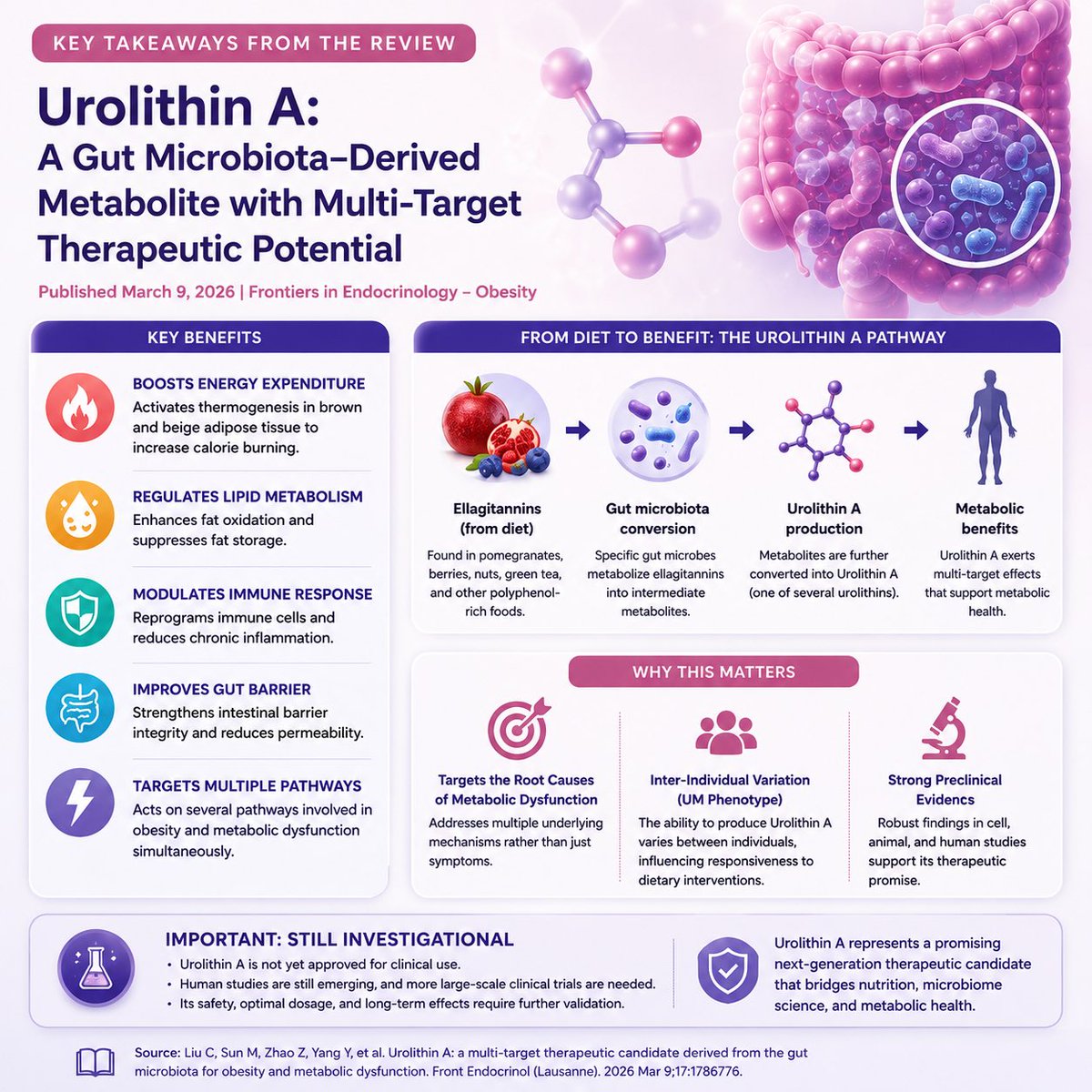
🧬 Urolithin A: More Than Just a “Fat-Burning” Compound
A new scientific review highlights Urolithin A (UroA) as one of the most intriguing compounds at the intersection of nutrition, the gut microbiome, and metabolic health.
Here’s the interesting part:
Urolithin A isn’t found directly in food. It’s produced when certain gut bacteria convert compounds from foods like pomegranates, walnuts, and berries into Urolithin A.
The catch?
Not everyone can make it.
Researchers estimate that roughly one-third of people produce little to no Urolithin A, meaning two people can eat the same foods and experience very different biological effects.
Research suggests Urolithin A may:
✅ Support mitochondrial function and cellular energy production
✅ Improve fat metabolism and metabolic flexibility
✅ Help regulate inflammation and immune activity
✅ Support insulin sensitivity
✅ Influence the health and composition of the gut microbiome
Rather than acting on a single pathway, Urolithin A appears to influence multiple interconnected systems involved in metabolic health.
That said, it’s important to keep the science in perspective.
⚠️ Most of the strongest evidence comes from cell and animal studies.
⚠️ Large-scale human trials examining weight loss and metabolic outcomes remain limited.
⚠️ Scientists are still determining optimal dosing, long-term safety, and which individuals may benefit most.
The bigger takeaway?
Metabolic health isn’t determined by diet alone. It’s shaped by the ongoing interaction between the foods we eat, the microbes living in our gut, and how our bodies respond.
Urolithin A offers a fascinating glimpse into that connection, but for now it remains a promising compound that still requires further clinical validation before definitive therapeutic claims can be made.
2
44
Dr. Mike Belkowski retweeted

Russia just committed $26 billion to anti-aging research and made longevity a national priority. Welcome to the longevity arms race!
149
168
1,414
153,411
Dr. Mike Belkowski retweeted

Jun 11
What Are Peptides?
Peptides are short chains of amino acids — the same building blocks that make up proteins. Think of them as biological messengers that help tell your cells what to do…
1
2
2
58
Jun 11
Key Points From Episode
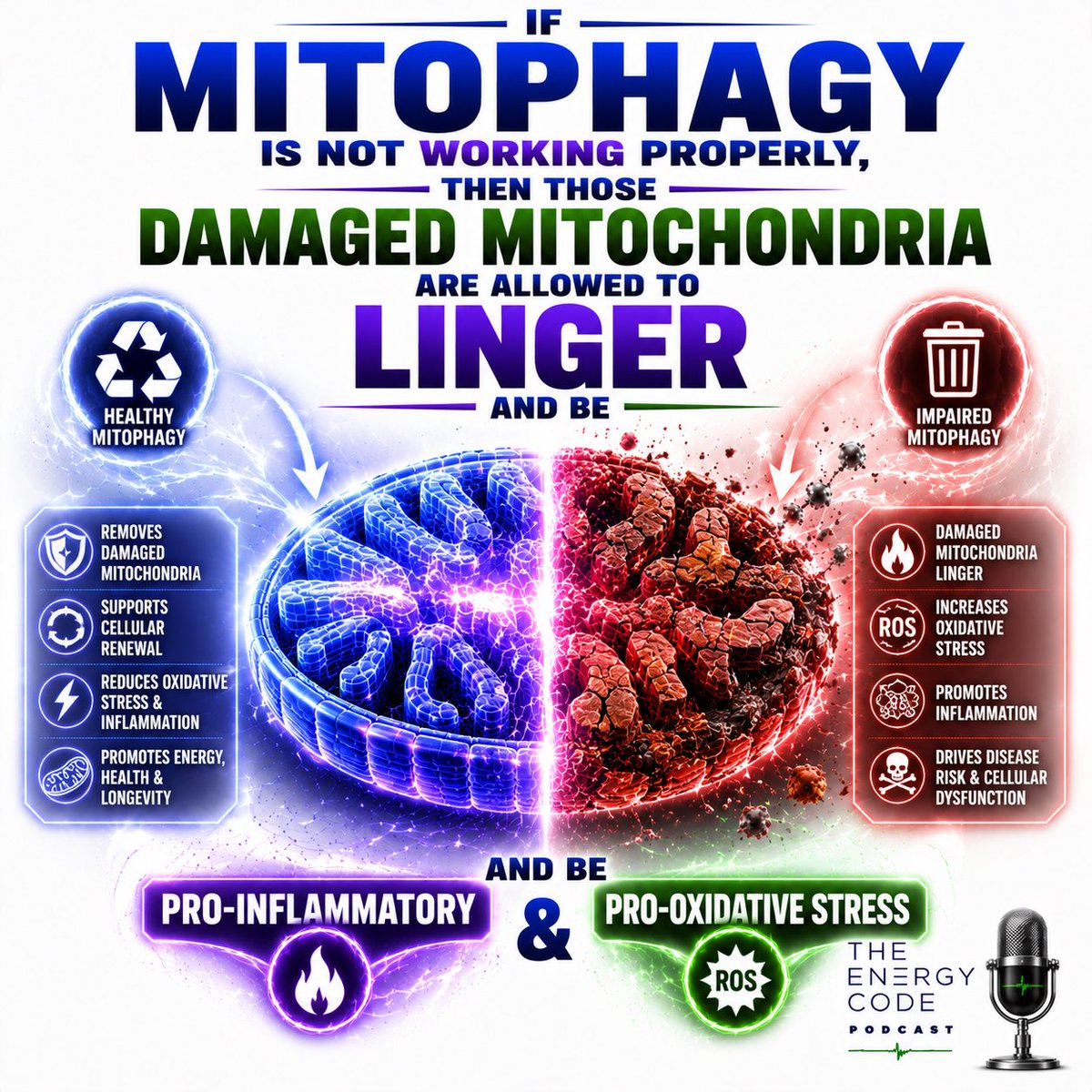
⚡️ Mitophagy = mitochondrial quality control: PINK1 “inspects,” Parkin “tags,” autophagosomes “remove.” When it fails, damaged mitochondria linger & inflammation/oxidative stress snowball.
⚡️ Dysfunctional mitochondria can self-propagate, accelerating decline unless quality control is restored.
⚡️ Mitochondrial dynamics (fusion/fission) is a Goldilocks game:
•Too much fission → fragmentation & energy collapse
•Too much fusion → damage spreading through hyperfusion
⚡️ ROS aren’t “all bad”: low-level ROS are essential signals; the goal is selective antioxidant defense, not blanket quenching.
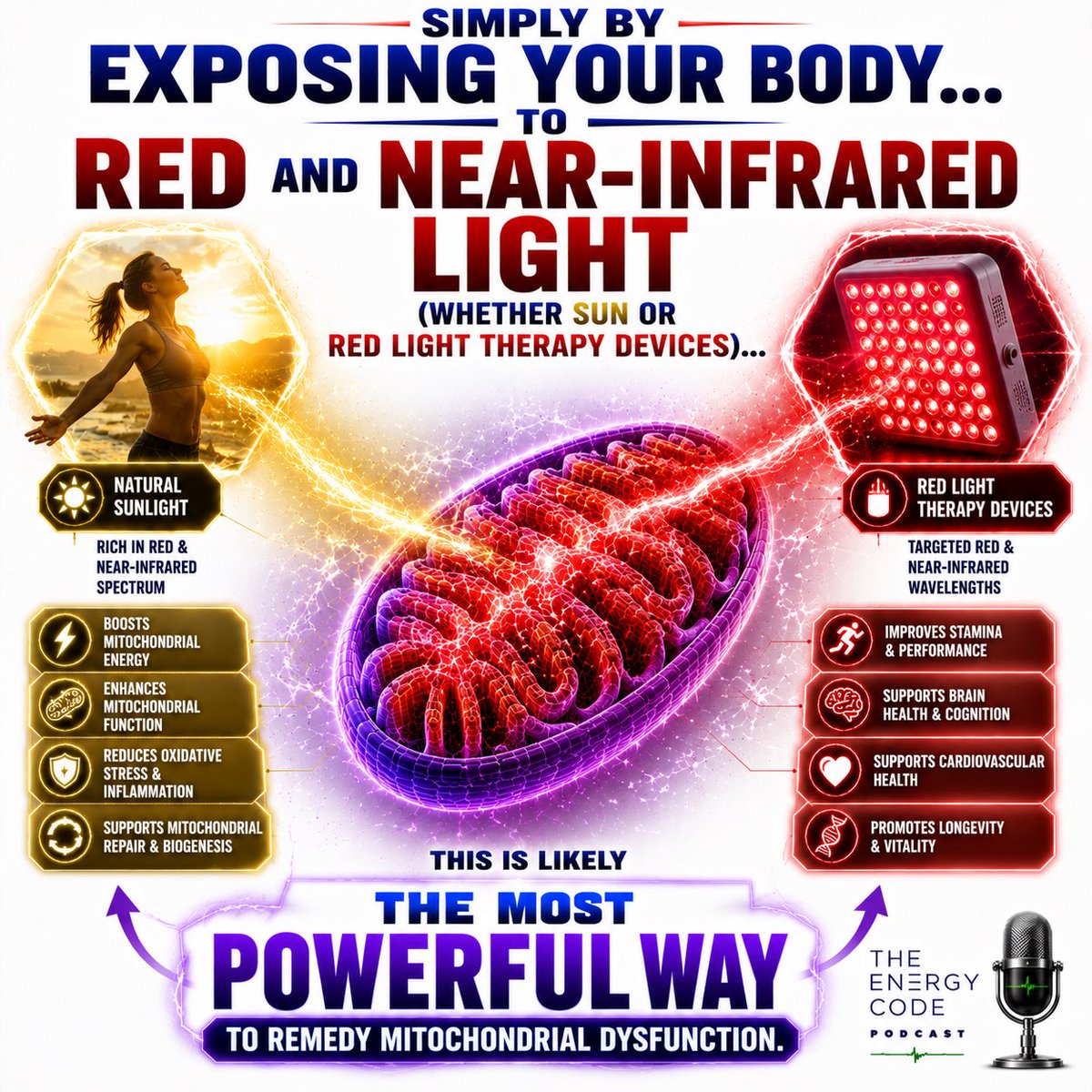
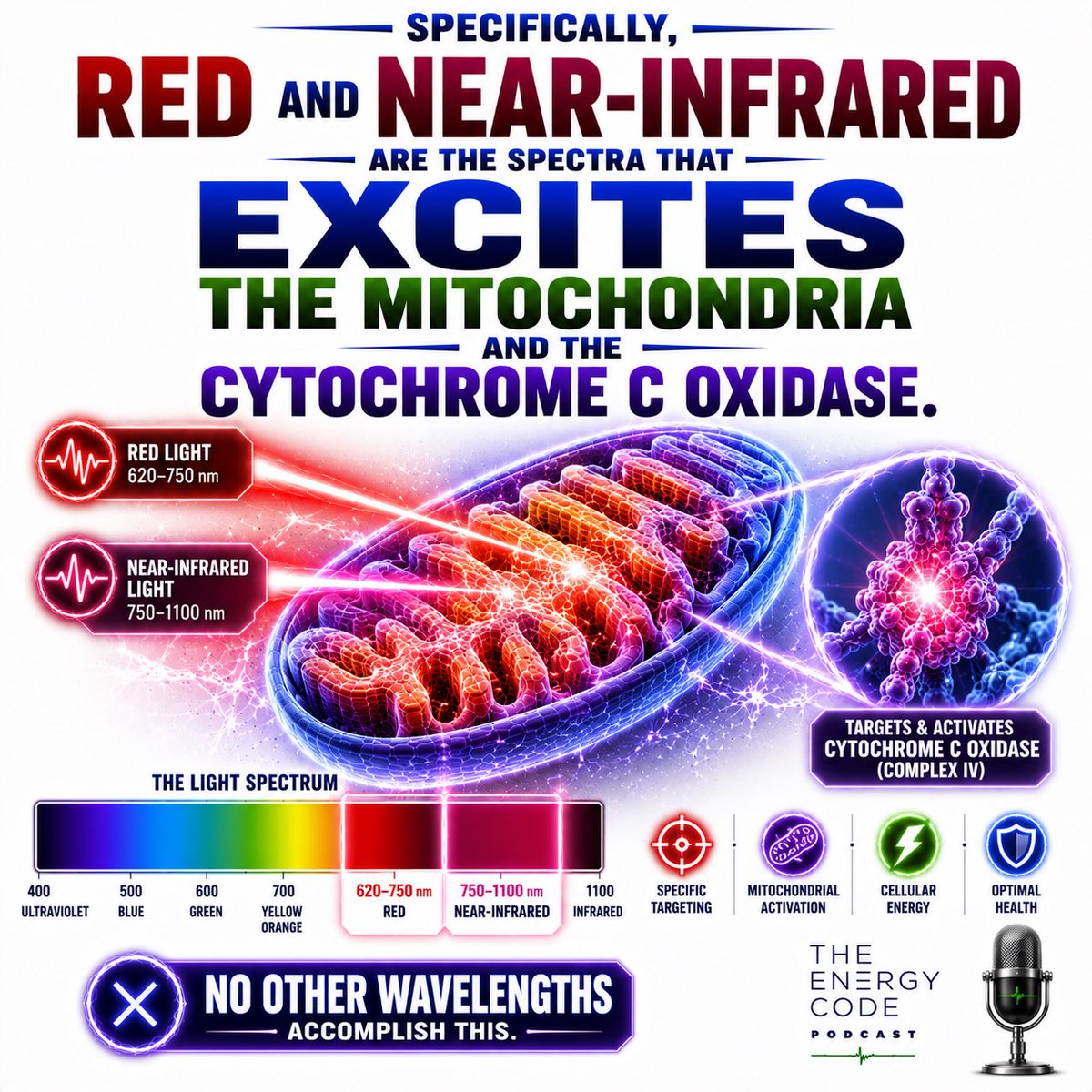
⚡️ Light is a mitochondrial master regulator: red/NIR stimulate cytochrome c oxidase, dissociate nitric oxide, allow oxygen back in → better ATP EZ water.
⚡️ Red light therapy is wavelength-driven, not “power-driven”: red = skin; NIR = deeper tissues; power mainly affects time-to-dose.
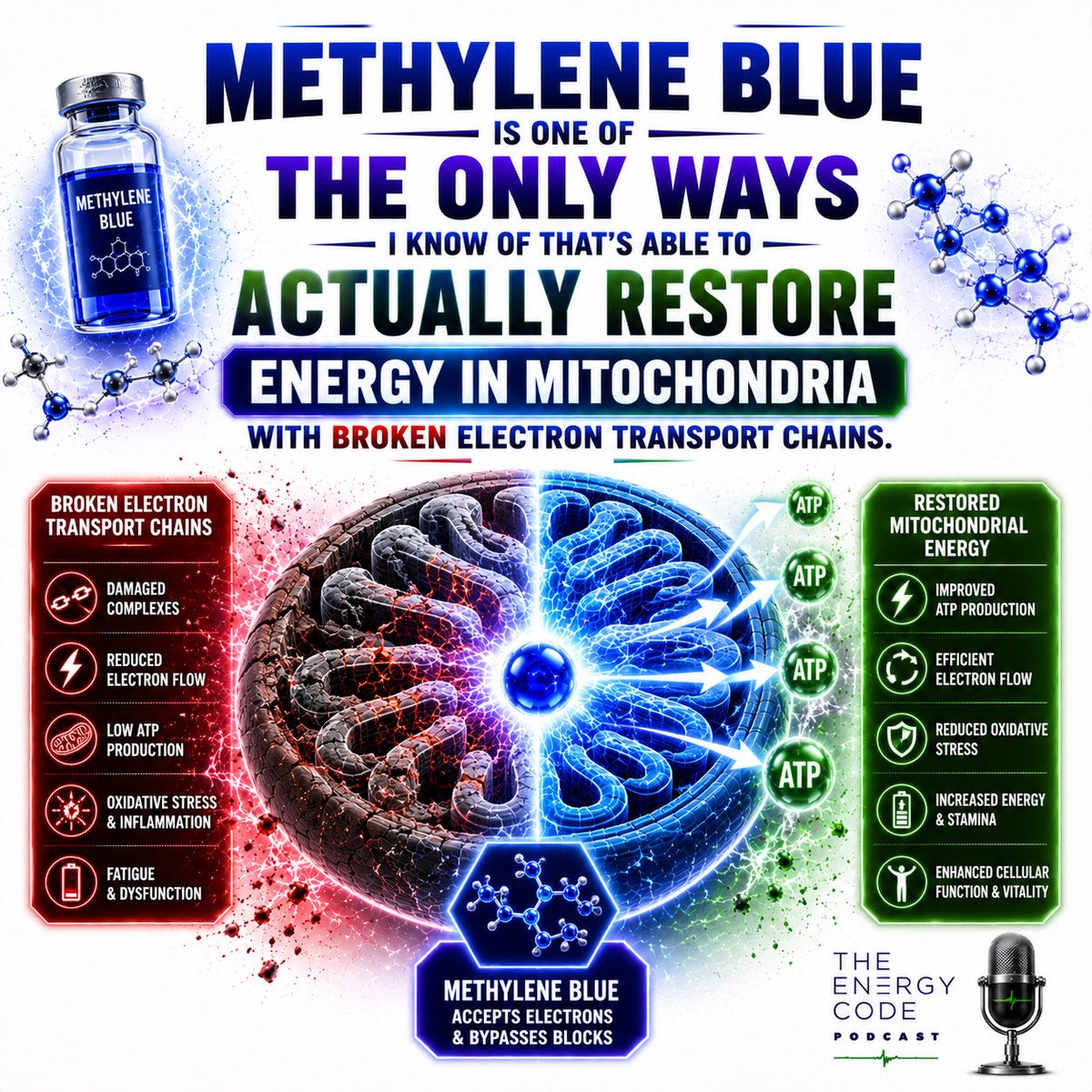
⚡️ Methylene blue = electron chaperone: bypasses ETC bottlenecks (esp. complex I/III) by shuttling electrons toward complex IV; synergizes with red light.
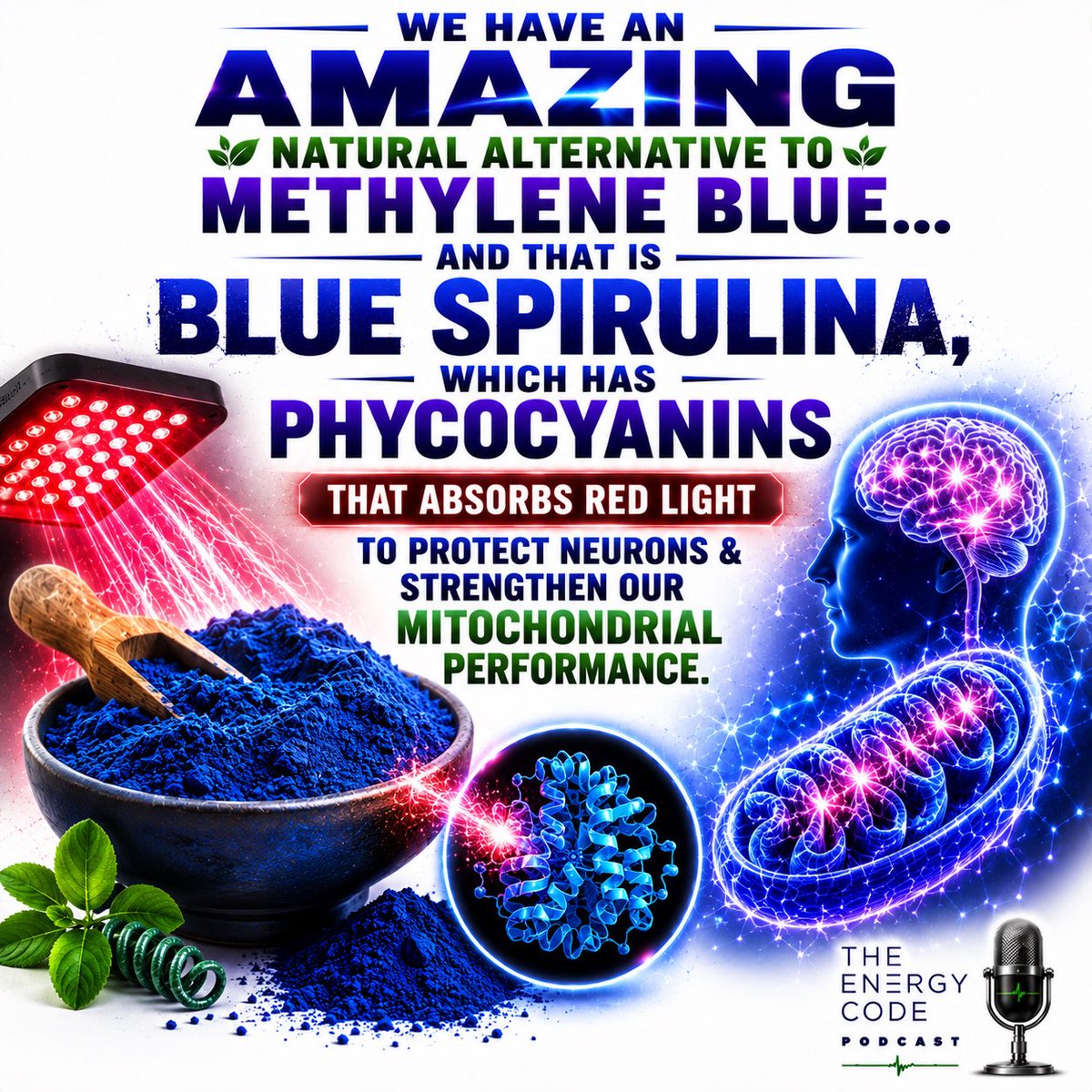
⚡️ Blue spirulina (phycocyanin) = natural photodynamic partner: less potent than MB but strong synergy with red light; quality matters (E10→E40).
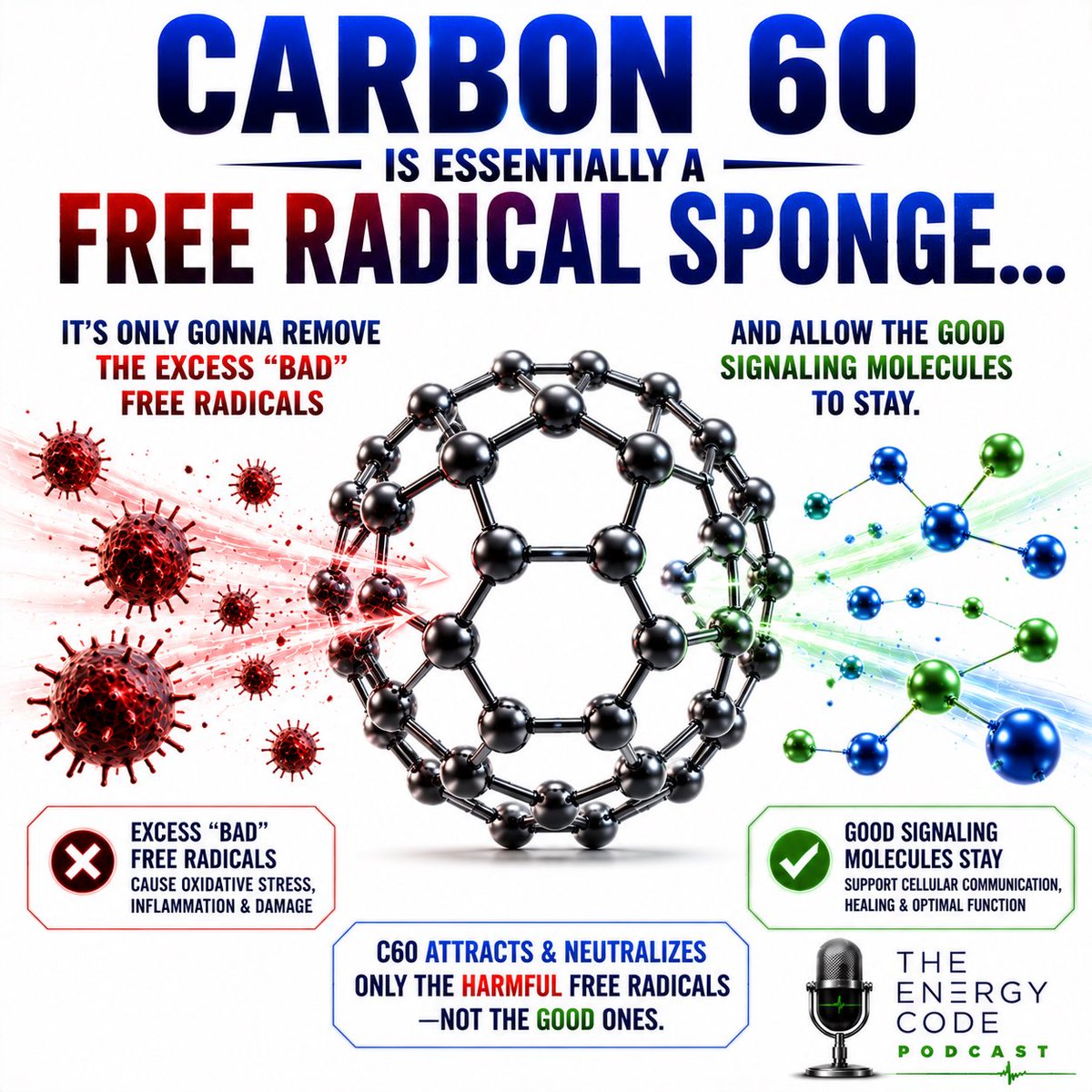
⚡️ Carbon 60 = selective free radical sponge: mops up “excess” ROS while preserving beneficial signaling; quality control is crucial.
1
1
5
145
Jun 10
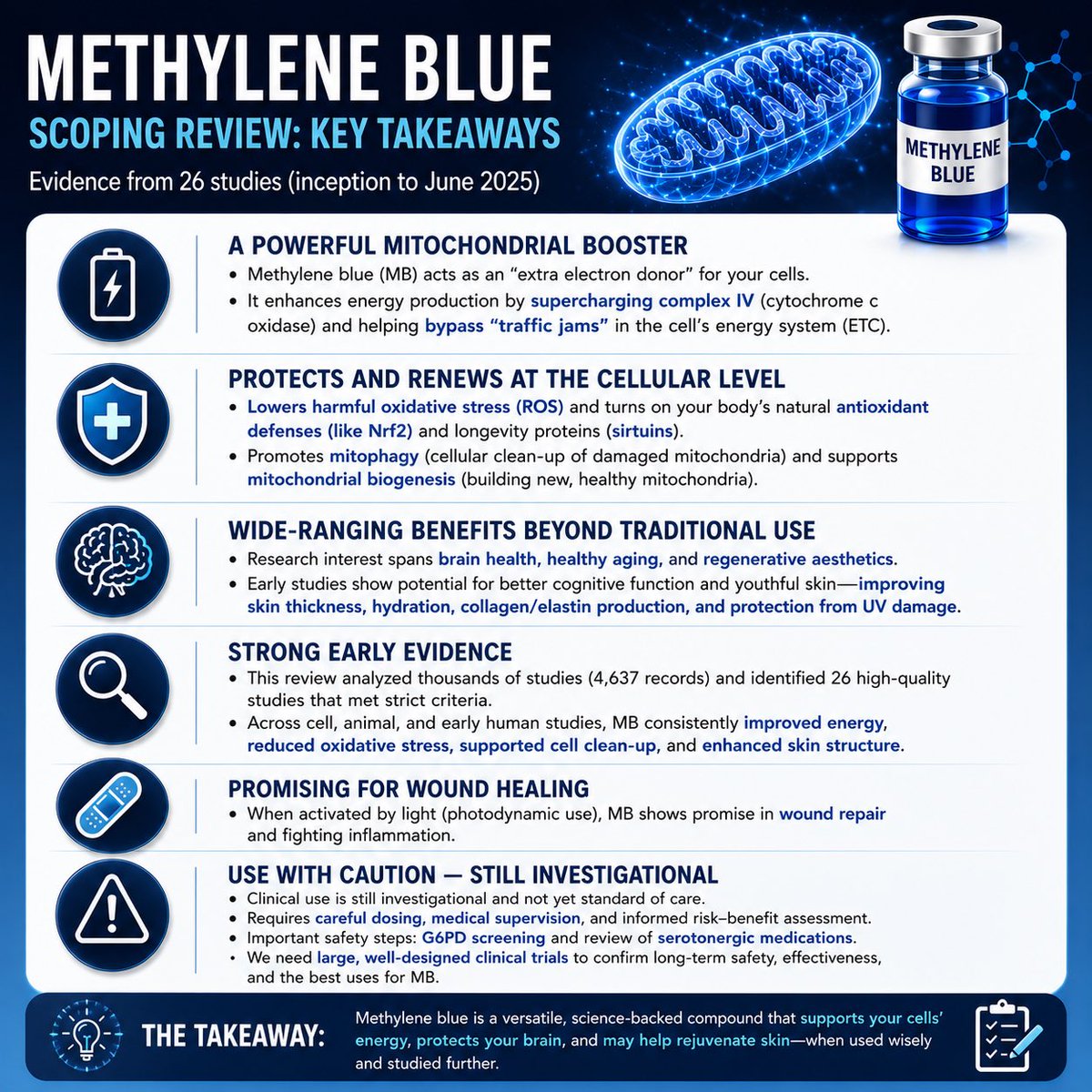
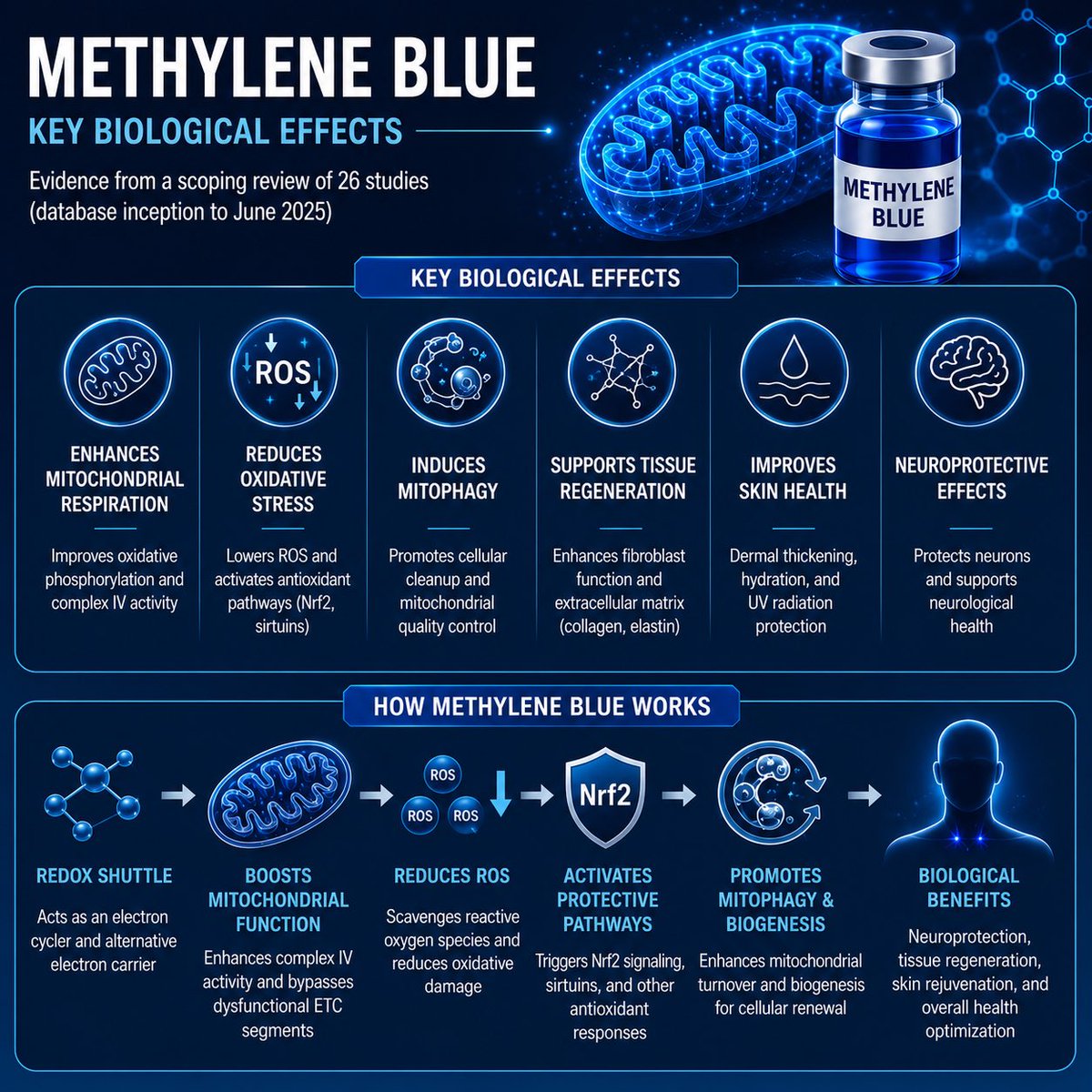
⚡️💧 Methylene Blue: More Than Just a Dye?
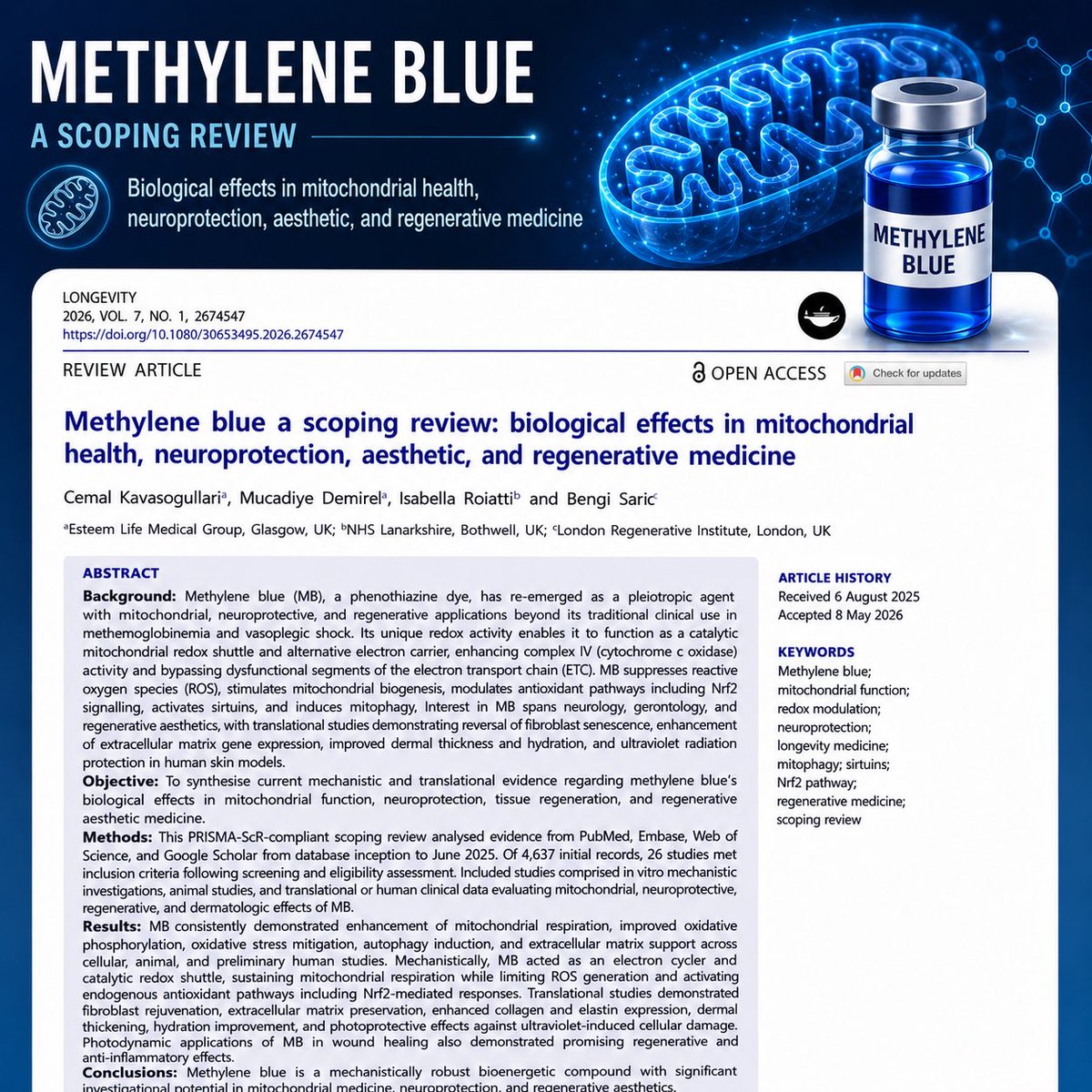
A new scientific review analyzed thousands of published papers and identified 26 studies examining methylene blue’s effects on mitochondria, brain health, tissue regeneration, and healthy aging.
Here’s the simple version:
✅ Helps support mitochondrial energy production by improving how cells generate ATP
✅ May reduce oxidative stress, helping protect cells from excess free-radical damage
✅ Appears to support the body’s natural cellular cleanup and renewal processes, including mitophagy (the removal of damaged mitochondria)
✅ Shows promise for supporting brain health and cognitive function
✅ Early research suggests benefits for skin health, including improved hydration, collagen support, and protection against UV-related damage
✅ Photodynamic applications of methylene blue may also help support wound healing and tissue repair
Perhaps most interestingly, methylene blue appears to act as an “electron shuttle,” helping energy flow through the mitochondrial electron transport chain when parts of the system aren’t functioning optimally.
That said, it’s important to keep the science in perspective.
⚠️ Methylene blue remains investigational for many of these applications.
⚠️ Proper dosing matters.
⚠️ Individuals with G6PD deficiency and those taking certain serotonergic medications require special caution.
⚠️ More large-scale human clinical trials are still needed to fully establish long-term safety, efficacy, and optimal use.
The takeaway?
Methylene blue continues to be one of the most fascinating compounds in mitochondrial medicine, with emerging research suggesting potential benefits for cellular energy, brain health, healthy aging, and tissue regeneration. The early findings are promising — but the science is still evolving.
📚 Resource: Kavasogullari, C., Demirel, M., Roiatti, I., & Sari, B. (2026). Methylene blue a scoping review: biological effects in mitochondrial health, neuroprotection, aesthetic, and regenerative medicine. Longevity, 7(1). doi.org/10.1080/30653495.202…
3
4
13
402
Key Points From Episode
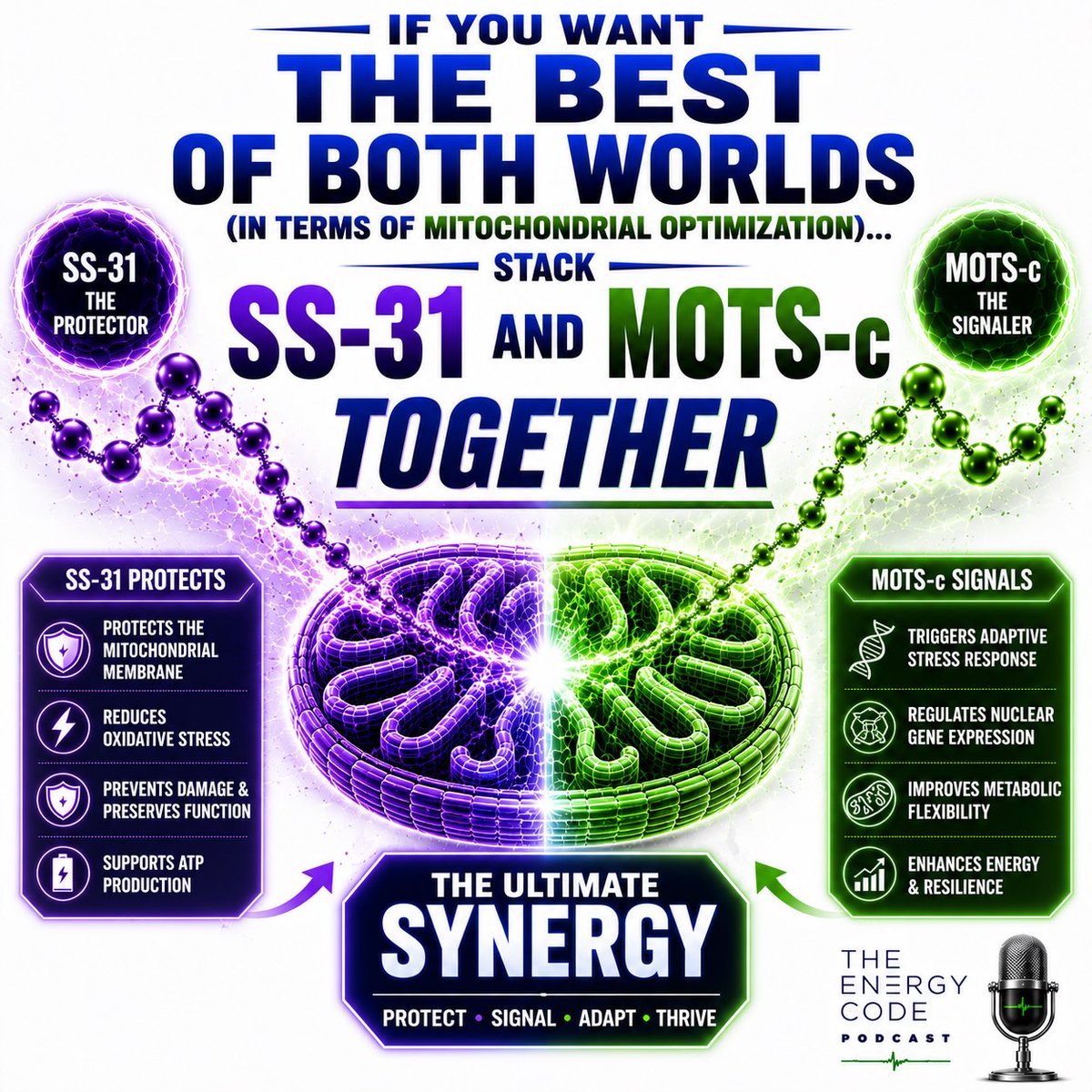
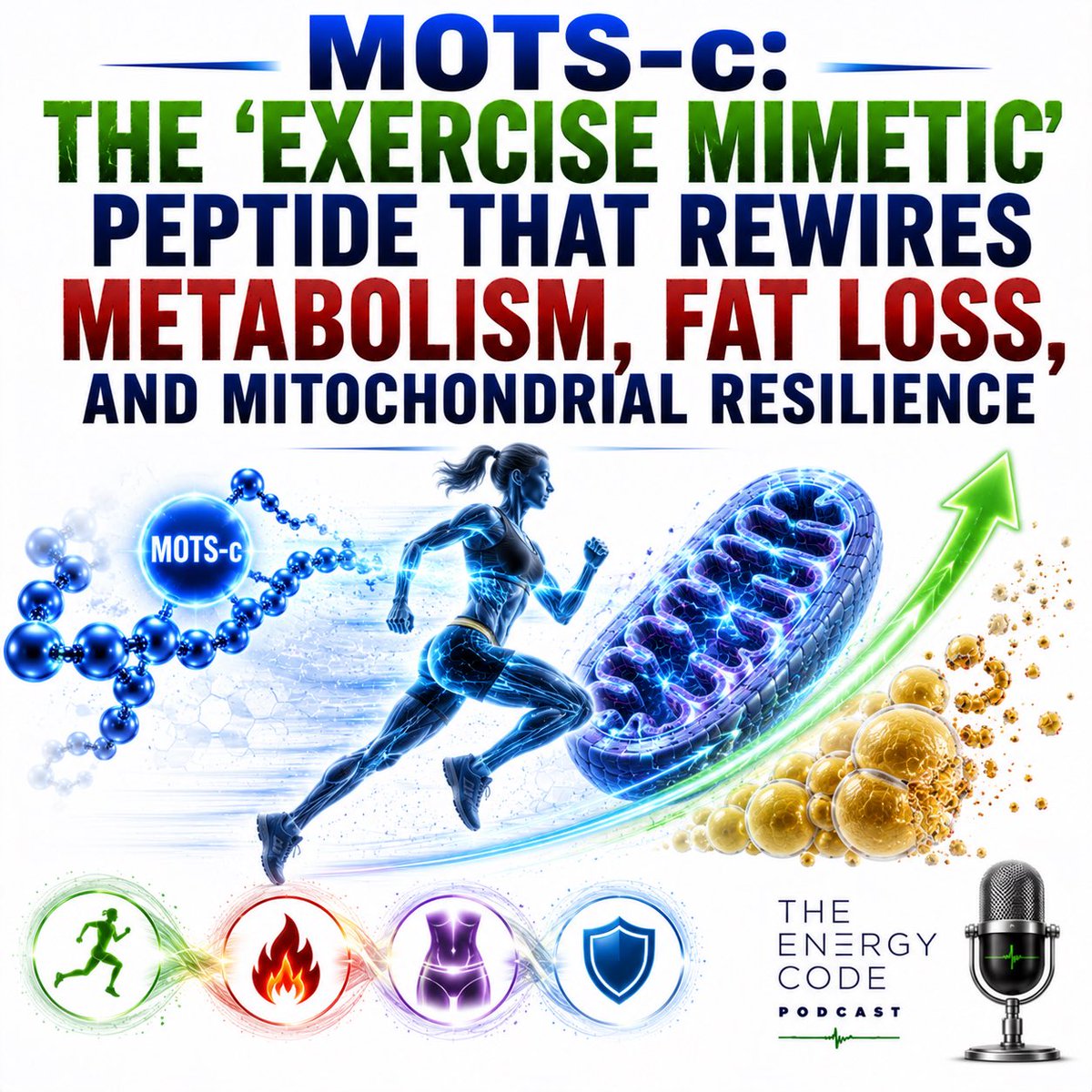
⚡️ SS-31 and MOTS-c are framed as the “top two” mitochondrial peptides (SS-31 = not mitochondrially-derived but highly mito-targeted; MOTS-c = mito-derived).
⚡️ MOTS-c is positioned as a mitochondrial optimization metabolic flexibility peptide and an “exercise mimetic.”
⚡️ Core benefits highlighted: energy production, glucose utilization/insulin sensitivity, body composition, endurance/recovery, stress adaptation, longevity support.
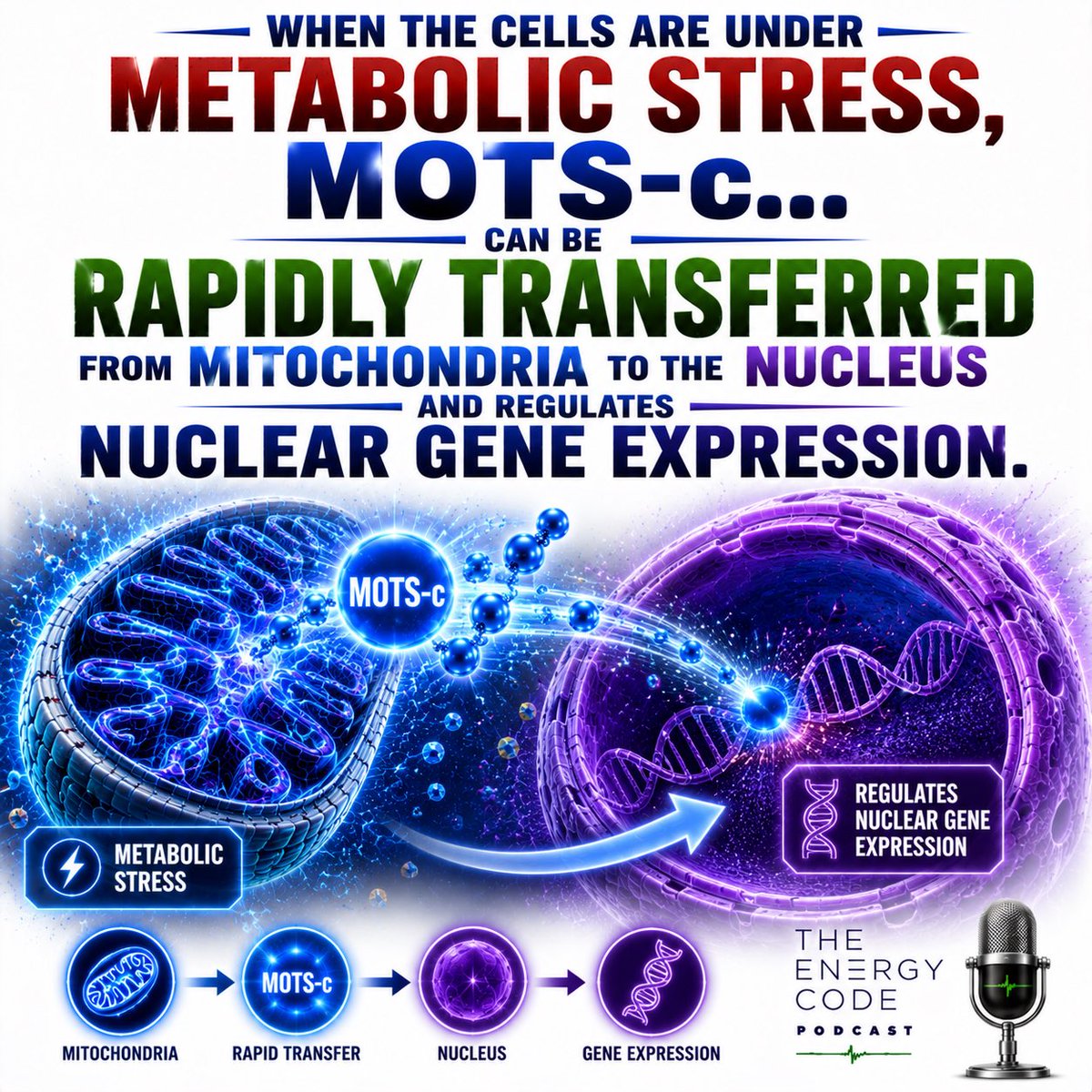
⚡️ Big concept: mitochondria aren’t passive; they signal back to the nucleus. MOTS-c can translocate to the nucleus under metabolic stress and regulate gene expression.
⚡️ Mechanism highlighted: MOTS-c disrupts folate–methionine cycle → increases AICAR → activates AMPK → boosts fatty acid oxidation insulin sensitivity.
⚡️ Review claims include: prevention of diet-induced obesity; possible cardiac protection against remodeling (NRG1–ERBB4 pathway mentioned).
⚡️ Longevity genetics angle: a mitochondrial polymorphism (noted as prevalent in Japanese population) may alter MOTS-c structure and associate with exceptional lifespan.
⚡️ Frailty/bone/muscle: MOTS-c described as inhibiting FOXO1 (muscle wasting signals), supporting myotube formation (STAT3), and reducing osteoclast differentiation (anti-osteoporosis).
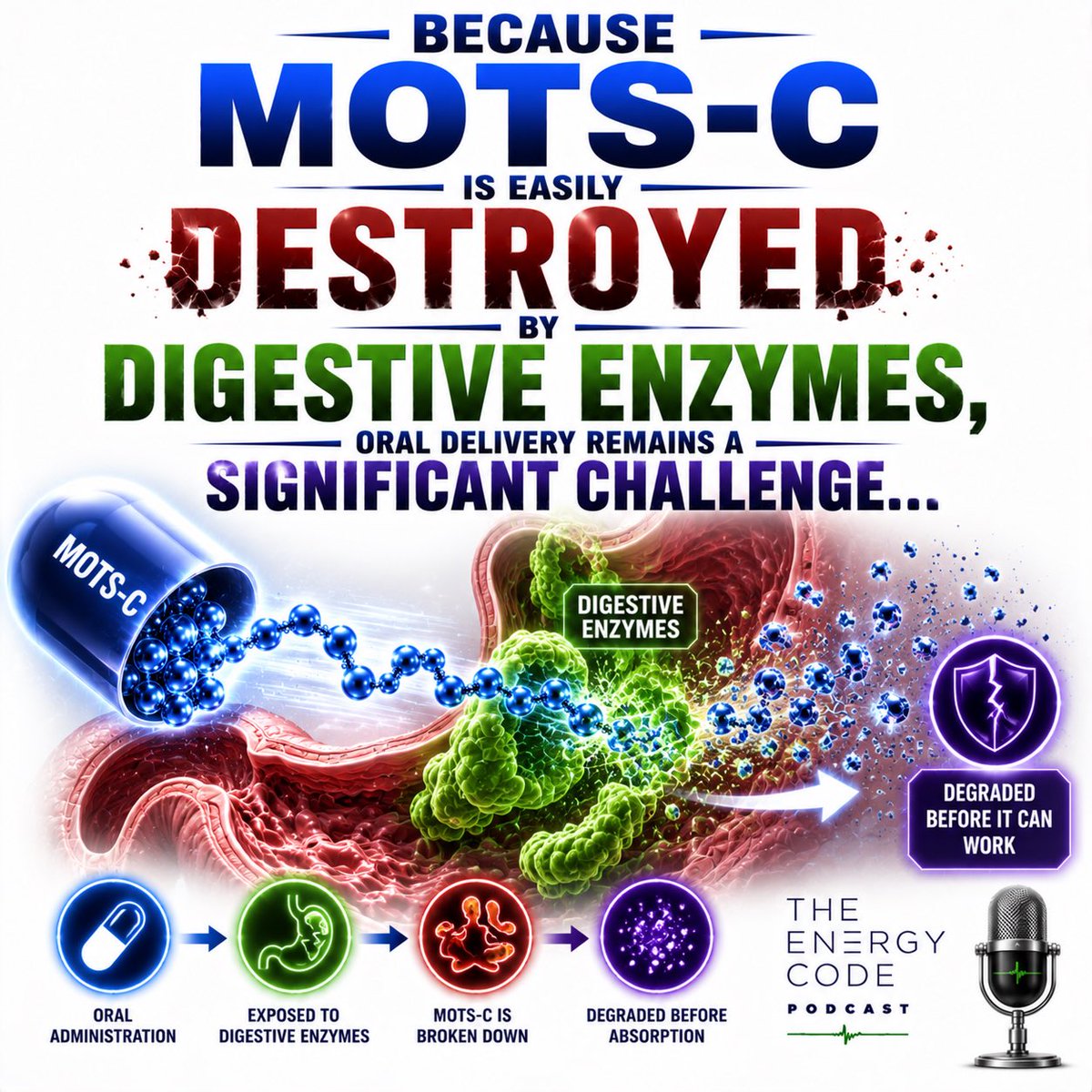
⚡️ “Endogenous edge”: as a bioidentical peptide, MOTS-c is framed as potentially less immunogenic than some drugs, but oral delivery is a challenge due to peptide fragility.
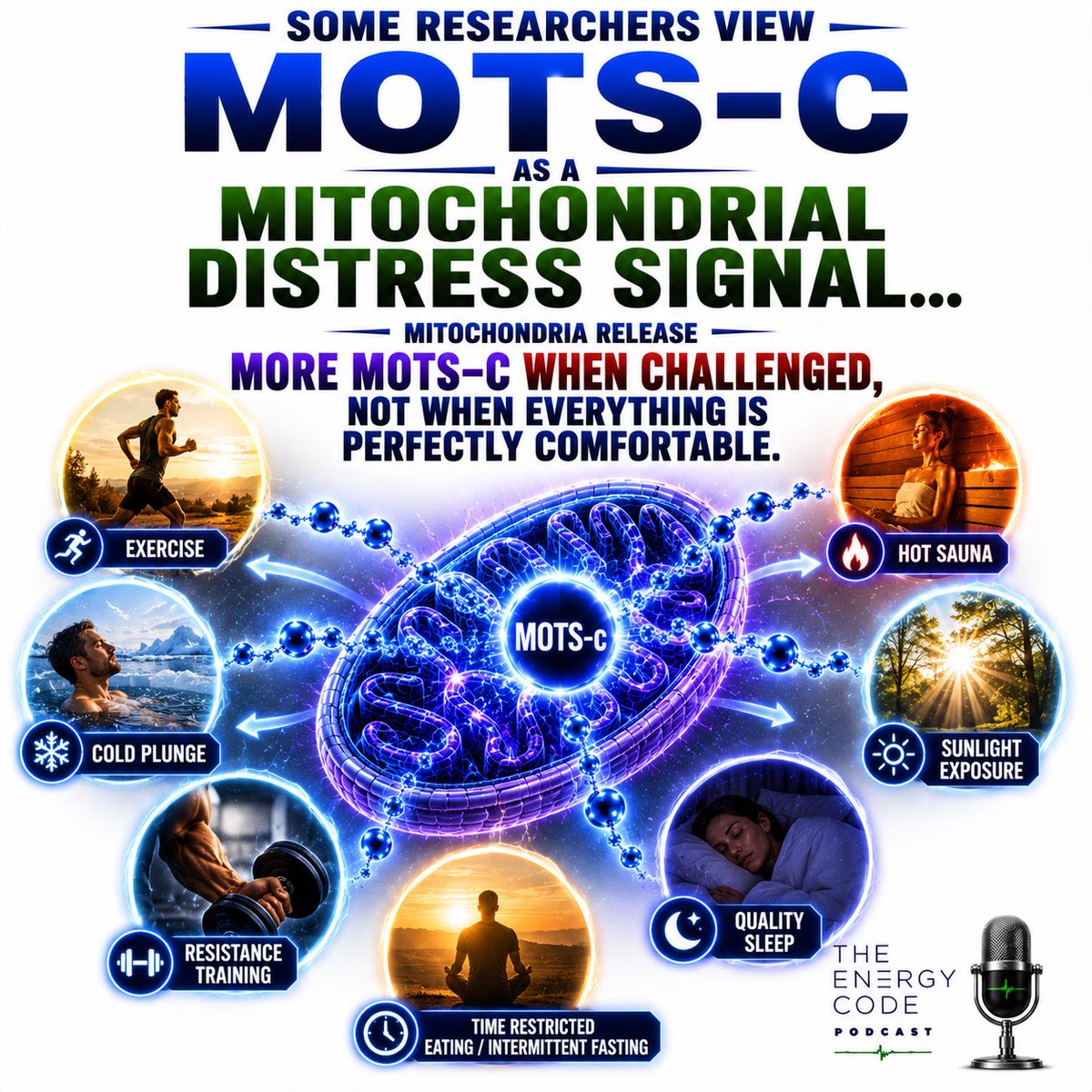
⚡️ Practical close: best endogenous stimuli are mitochondrial challenges—exercise, fasting, heat/cold, hypoxia—plus circadian alignment and mitochondrial support nutrients.
📚 Resource: Gao, Yue et al. “MOTS-c Functionally Prevents Metabolic Disorders.” Metabolites vol. 13,1 125. 13 Jan. 2023, doi:10.3390/metabo13010125
1
1
3
88