
🩺 General Physician | | Love Bringing the latest in medical insights & health tips | #MedX #MedTwitter #MedEd | Follow for daily health updates. | #NEETPG #X
Joined June 2014
- Tweets 59,447
- Following 11,024
- Followers 193,447
- Likes 78,615
21,533 Photos and videos





Pinned Tweet

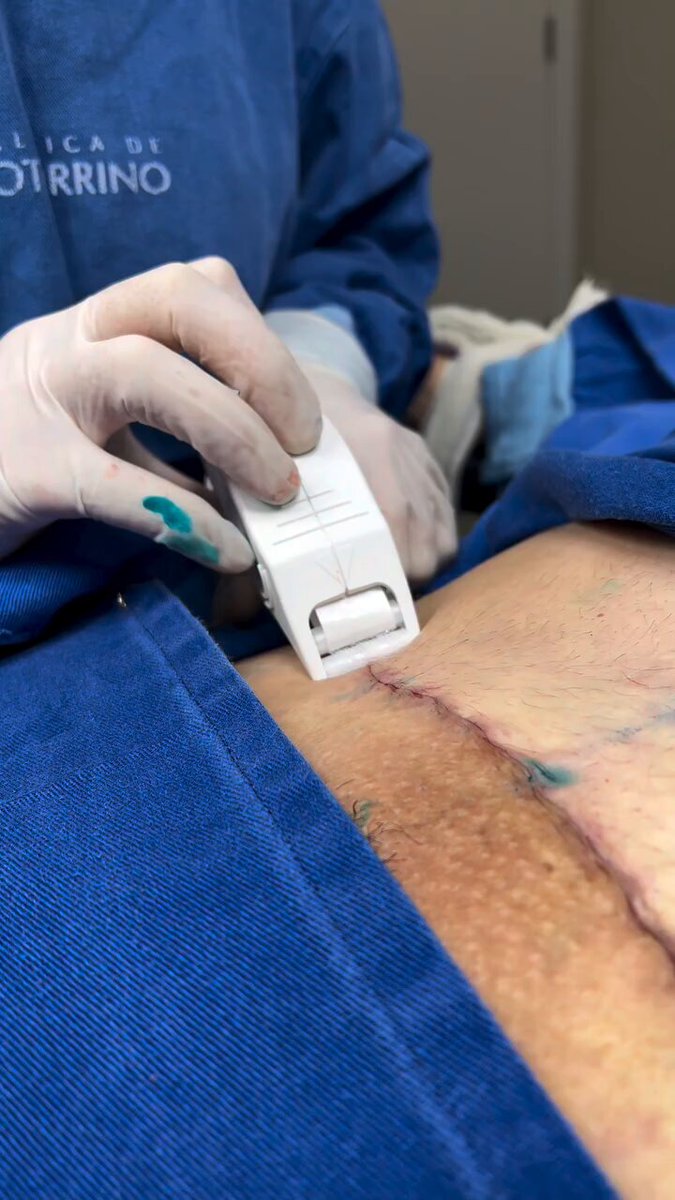
Most people think surgical glue replaces stitches.
In reality, many surgeons use it alongside sutures.
The stitches provide strength, while the glue helps seal the incision, protect against contamination, and may improve the cosmetic appearance of the scar.
Sometimes, better healing comes down to the smallest details. ✨🩹
This version avoids overstating what surgical glue can do while remaining engaging.
71
95
2,150
6,115,291
🩺 Good morning, MedTwitter.
Every chart reviewed, every night shift survived, every patient helped, every page answered — it all matters.
Medicine isn’t just a profession; it’s a daily commitment to showing up when people need you most.
Stay curious. Stay compassionate. Keep learning.
The lives you touch today may never forget your kindness. ❤️
1
1
583
Dr Honey choudhary 🩺 retweeted
The Doctor Squad Family strongly condemns the insensitive and disrespectful portrayal of cadavers and body donors for entertainment, comedy, or social media content.
A cadaver is not a prop. Every donated body represents a selfless individual who made the noble decision to contribute to medical education and help train future doctors.
Such acts undermine the dignity of body donation and disrespect the invaluable contribution these donors make to society.
We urge everyone, especially healthcare professionals and medical students, to uphold the highest standards of ethics, professionalism, and respect.
Honor the donor. Respect the gift. Preserve the dignity of medical education.
Alternative viral ending:
“The first teacher of every doctor deserves gratitude, not ridicule.” 🙏🩺
2
7
15
3,211
An abnormal or asymmetric umbilical reflex in scoliosis patients should raise suspicion for underlying spinal cord anomalies like syringomyelia. MRI is essential for evaluation.
6
27
2,851
Children's FEET are the most SUSCEPTIBLE to the HARMFUL effects of MODERN footwear. Feet do NOT DEVELOP completely UNTIL age 12. Until THEN, their feet are EXTREMELY malleable. This is EXACTLY what you need to know to KEEP your child's feet HEALTHY.🧵
4
17
2,236
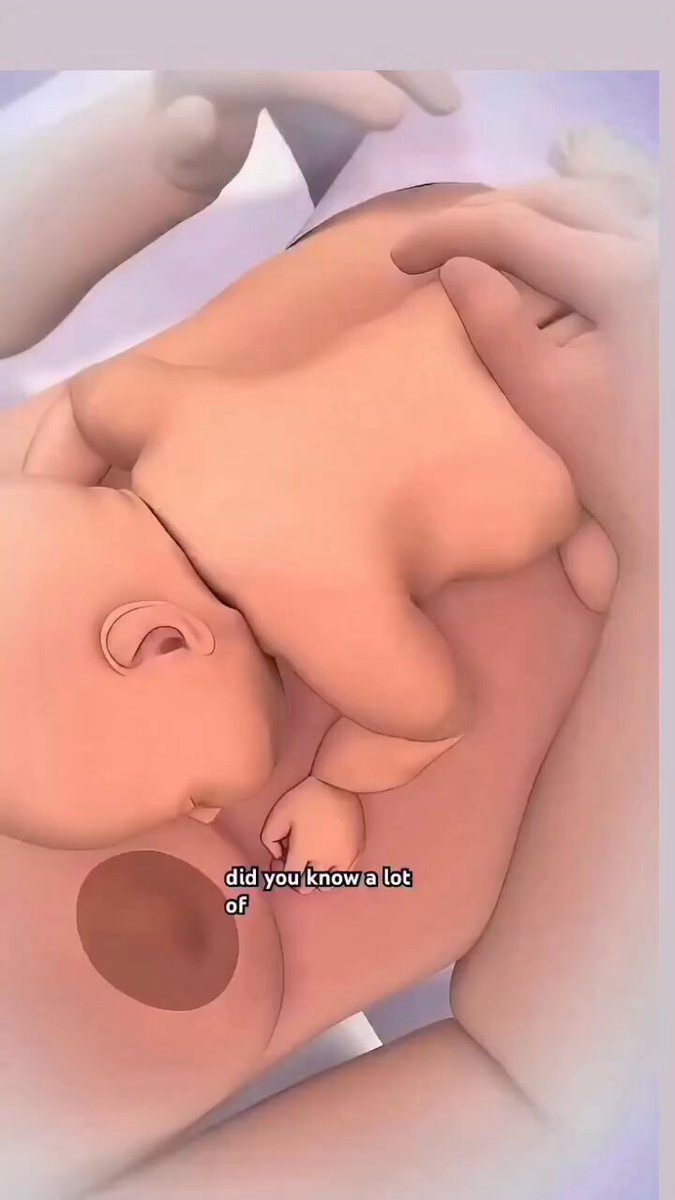
🧠 BREASTFEEDING: A PERFECTLY REGULATED NEUROENDOCRINE PROCESS
Breast milk production is not a passive process but a dynamic neuroendocrine mechanism based on supply and demand, primarily regulated by prolactin and oxytocin.
🔬 Physiology of Lactation
🧬 1. Postpartum Hormonal Changes
After the placenta is delivered, there is a sharp decline in progesterone levels. This allows prolactin to act on the lactocytes within the mammary alveoli, initiating milk synthesis.
👶 2. Suckling Stimulus
When the newborn suckles, mechanoreceptors in the nipple are activated, sending afferent signals to the hypothalamus. This triggers the release of:
• Prolactin → stimulates milk production
• Oxytocin → promotes milk ejection
💧 3. Milk Ejection Reflex (“Let-Down Reflex”)
Oxytocin causes the myoepithelial cells surrounding the alveoli to contract, pushing milk into the milk ducts. Clinically, this may be experienced as a sensation of pressure, tingling, or fullness in the breast.
🔁 4. Supply-and-Demand Mechanism
Frequent and effective milk removal regulates milk synthesis through a positive feedback system:
👉 The more the breast is emptied, the more milk is produced.
🍼 Stages of Breast Milk
🟡 Colostrum (Days 0–3)
Rich in immunoglobulins, growth factors, and proteins. Although produced in small amounts, it has exceptionally high biological value.
⚪ Transitional Milk (Days 3–5)
Gradual increase in milk volume, fat content, and lactose concentration.
⚪ Mature Milk (Day 5 onward)
A stable composition specifically adapted to meet the infant’s metabolic and nutritional needs.
⚠️ Important: Milk accumulation without adequate removal can activate the Feedback Inhibitor of Lactation (FIL), reducing milk production.
⸻
📚 Breastfeeding is a finely tuned biological process, designed to adapt continuously to the needs of the newborn. It is one of the most remarkable examples of physiological regulation in human development.
1
9
38
3,903
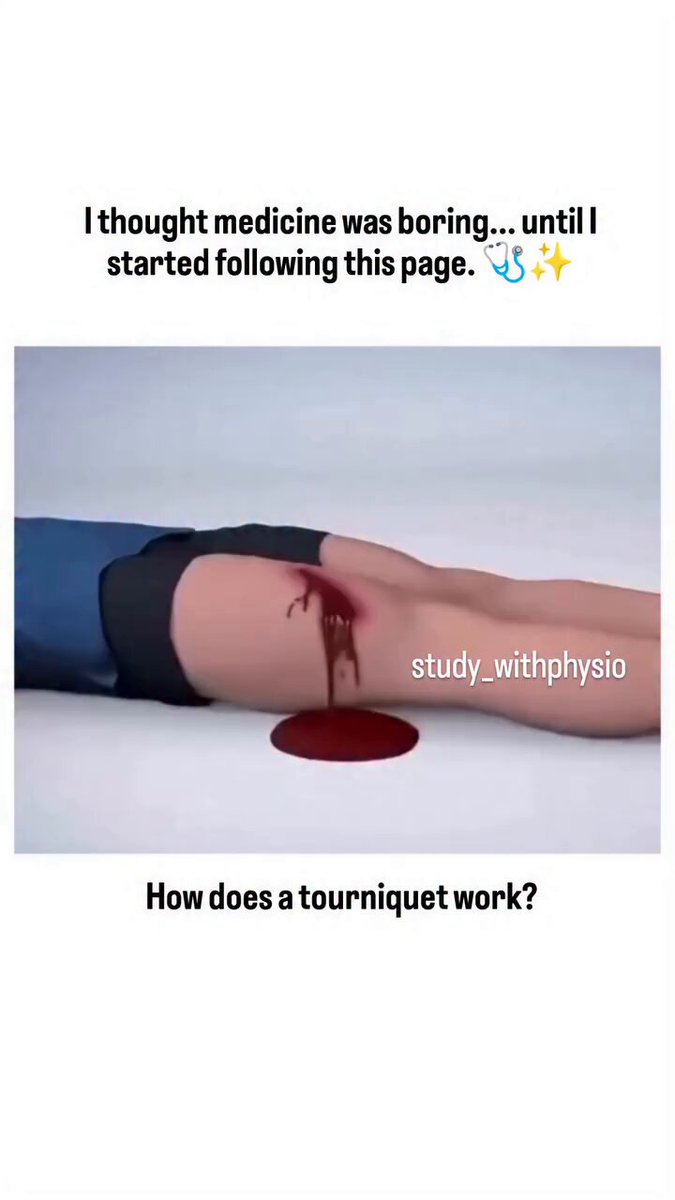
🩸 Tourniquets Save Lives — When Used Correctly 🚑
Many people think a tourniquet is simply "tying something tightly" around a limb, but it's actually a life-saving emergency technique designed to control severe bleeding.
🔍 What is a tourniquet?
A tourniquet is a device or band applied to an arm or leg to temporarily stop blood flow when life-threatening bleeding cannot be controlled by direct pressure alone.
🧠 How does it work?
• Compresses major blood vessels
• Reduces or completely stops blood flow to the injured area
• Prevents excessive blood loss
• Helps stabilize the patient until advanced medical care arrives
📍 Where should it be placed?
• Above the wound
• Between the injury and the heart
• Avoid placing it directly over a joint whenever possible
⚠️ Important points:
• Tighten until the bleeding completely stops
• A loose tourniquet may be ineffective and dangerous
• Record the exact time it was applied
• Do not remove or loosen it unless instructed by trained medical professionals
🚨 When is it used?
• Severe limb injuries
• Uncontrolled bleeding
• Traumatic accidents
• Emergency situations with rapid blood loss
💡 Did you know?
Uncontrolled bleeding can become fatal within minutes. Proper tourniquet use has saved thousands of lives in both civilian emergencies and trauma settings.
Remember: A tourniquet is not just a tight band—it's a critical emergency tool that can mean the difference between life and death.
1
3
16
2,462
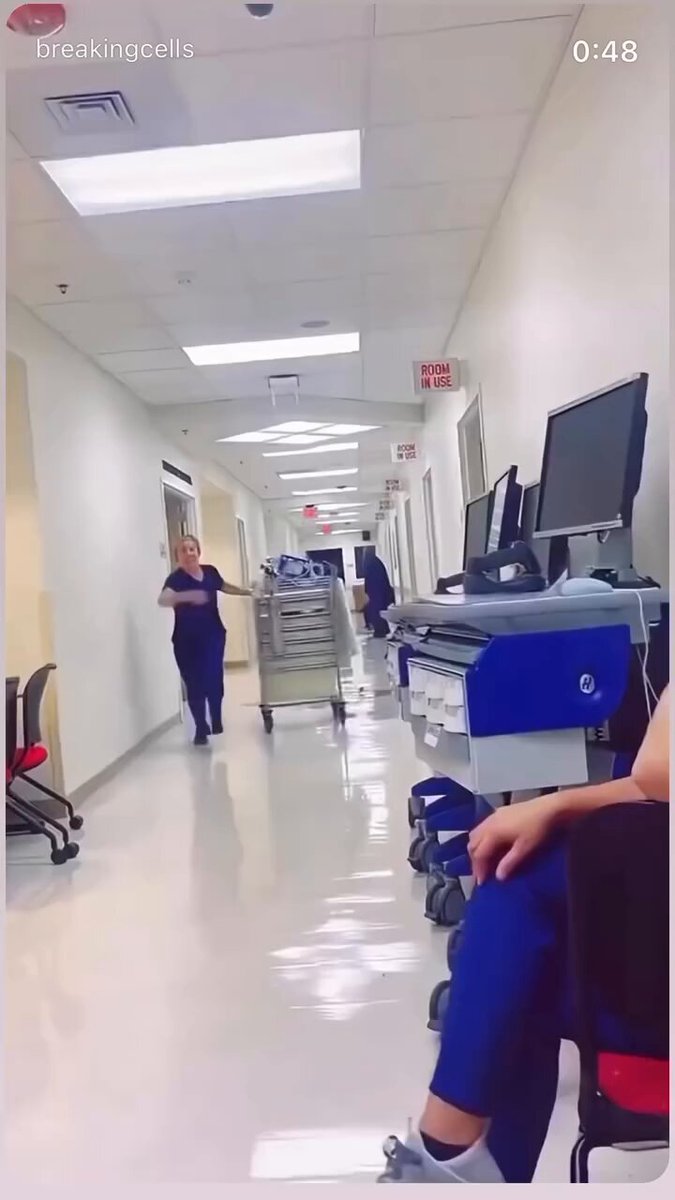
An American woman gave birth to her child while standing with complete ease,
Strong 💪🏻 woman 👩
4
23
3,418
Dr Honey choudhary 🩺 retweeted
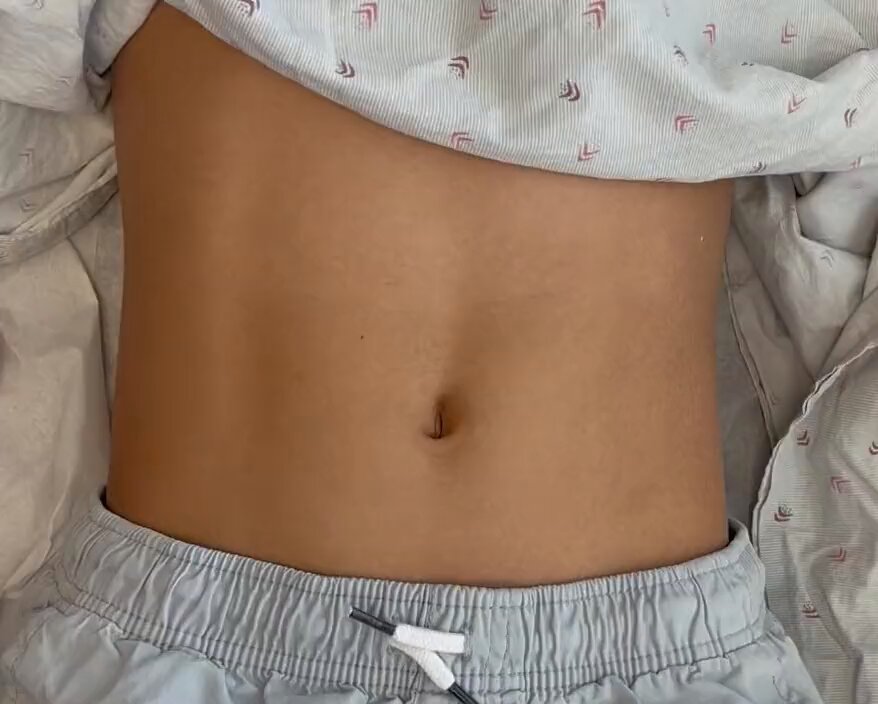
Name the reflex she is checking??
4
4
25
3,945
Dr Honey choudhary 🩺 retweeted
Doctor’s salaries by country…..
4
7
25
8,767
Dr Honey choudhary 🩺 retweeted
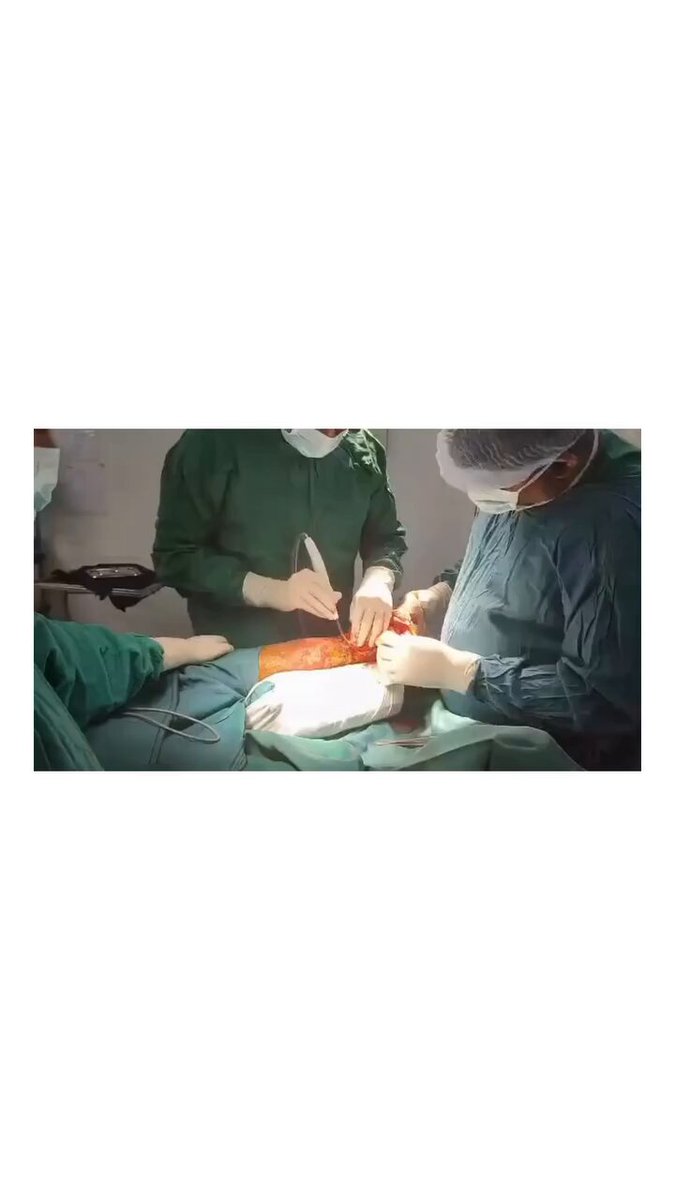
Debridement in necrotizing fasciitis - VERSAJET II in action.
When conventional tools fall short, hydrosurgery allows precise removal of slough and necrotic tissue while preserving viable structures, helping create an optimal wound bed for recovery.
6
34
6,320
Dr Honey choudhary 🩺 retweeted
A thrilling parachute landing turned into a heartbreaking tragedy when a young man lost his life after colliding with a 400KV high-voltage power line. The shocking incident left everyone stunned as the dangerous contact with the electric wire proved fatal within moments. What was meant to be an exciting adventure ended in sorrow and pain for the victim’s family and onlookers. Such incidents remind us how important safety measures and proper monitoring are during adventure activities near high-voltage areas. The video of this tragic accident is now going viral on social media, leaving viewers emotional and shocked. Authorities are expected to investigate the matter to determine how such a dangerous situation occurred. May the departed soul rest in peace, and may awareness prevent such heartbreaking incidents in the future.
2
4
10
6,737
Can i get 10 subscribers 🥲🥲🥲
x.com/Doctors__squad/creator…
1
5
1,516
Dr Honey choudhary 🩺 retweeted
A reminder that every situation in life is temporary. So when life is good, make sure you enjoy and recieve it fully. When life is not so good, remember that it will not last forever and better days are on the way.👍
3
7
3,294
Dr Honey choudhary 🩺 retweeted
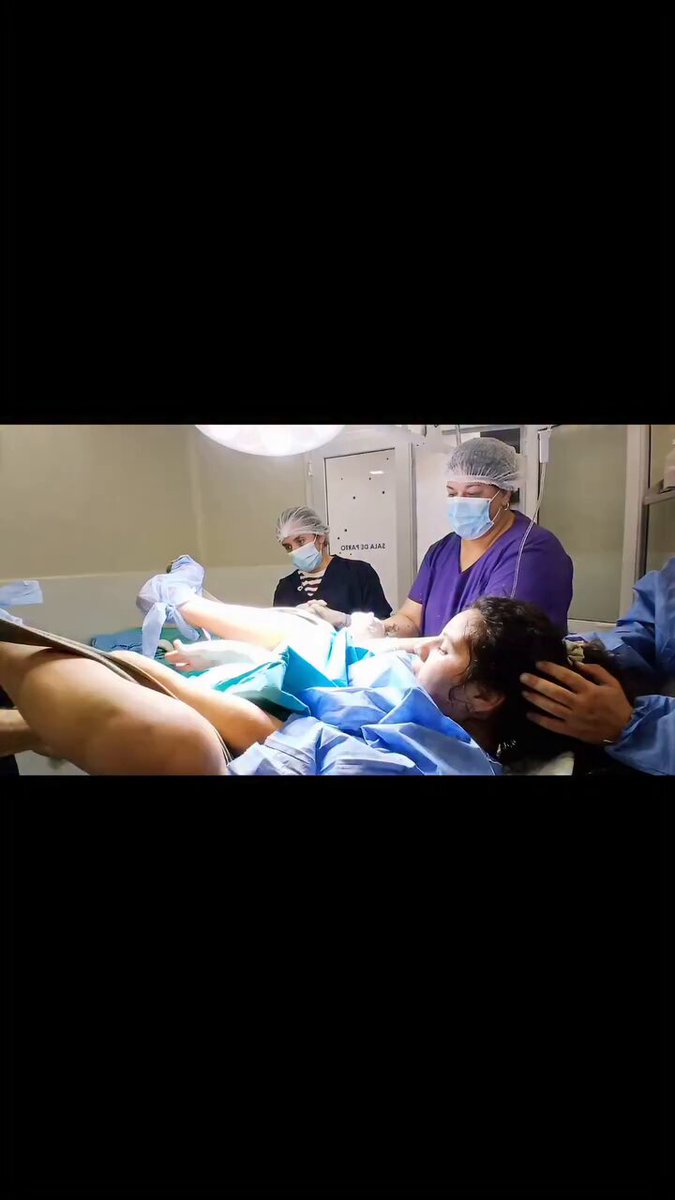
🥰 Last night, Florencia had no time to doubt, no room for fear.
It was a breath, a pure instinct for life, and suddenly, the whole world was on her chest. ❤️👶
A fleeting birth for an eternal love.
Congratulations, Florencia! ✨
Welcome, Luciana. 💖
2
8
62
10,277
Dr Honey choudhary 🩺 retweeted
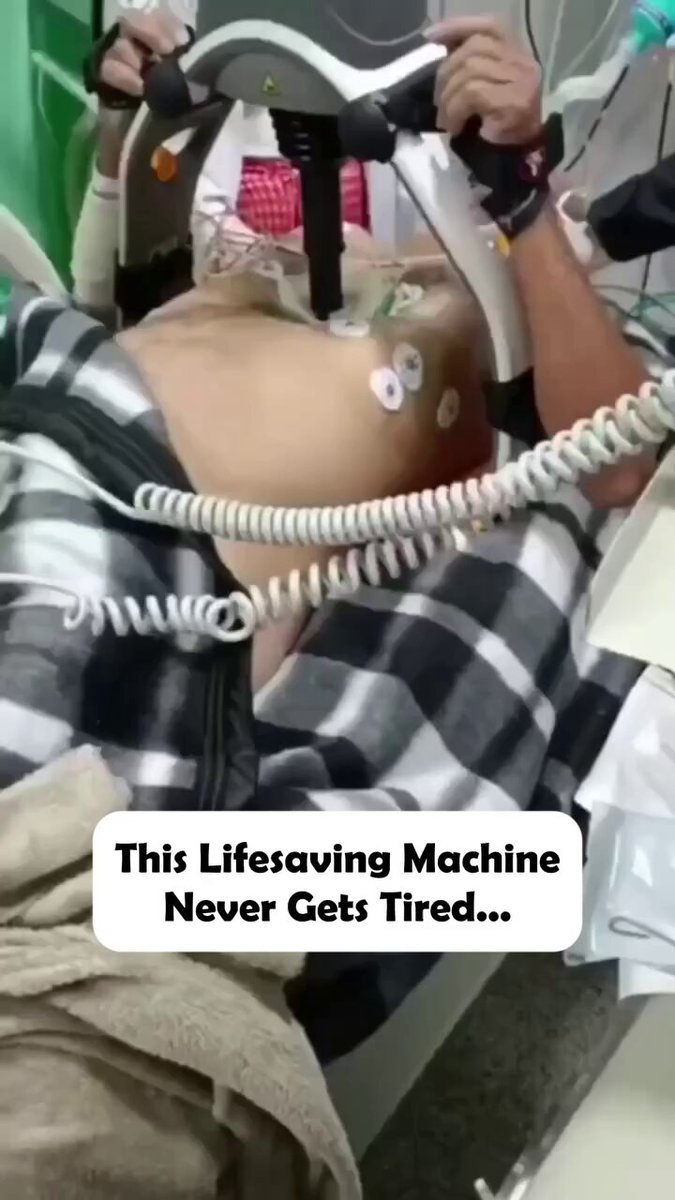
This life saving machine never get tired 😴
2
5
33
11,468
Dr Honey choudhary 🩺 retweeted
This patient has a huge amount of air between the layers lining the lung (pleura), creating tremendous pressure and disrupting their hemodynamics.
5
30
6,326
Dr Honey choudhary 🩺 retweeted
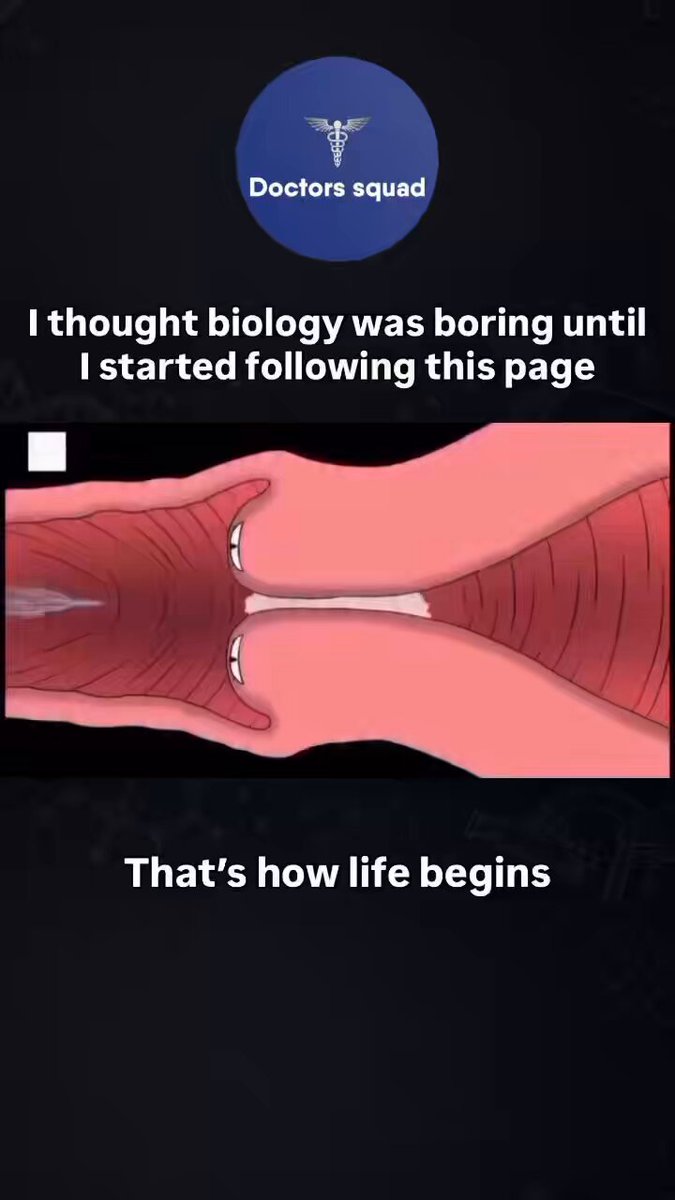
This is how life begins ❤️
2
7
39
9,144