- Tweets 19,942
- Following 160
- Followers 1,350
- Likes 125,786


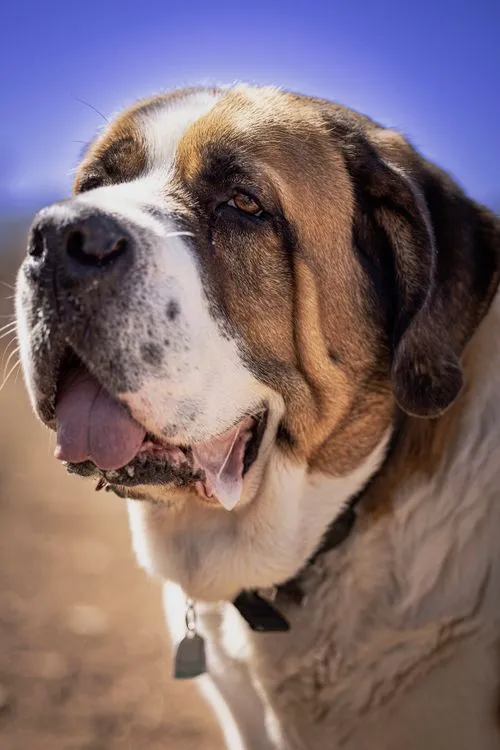








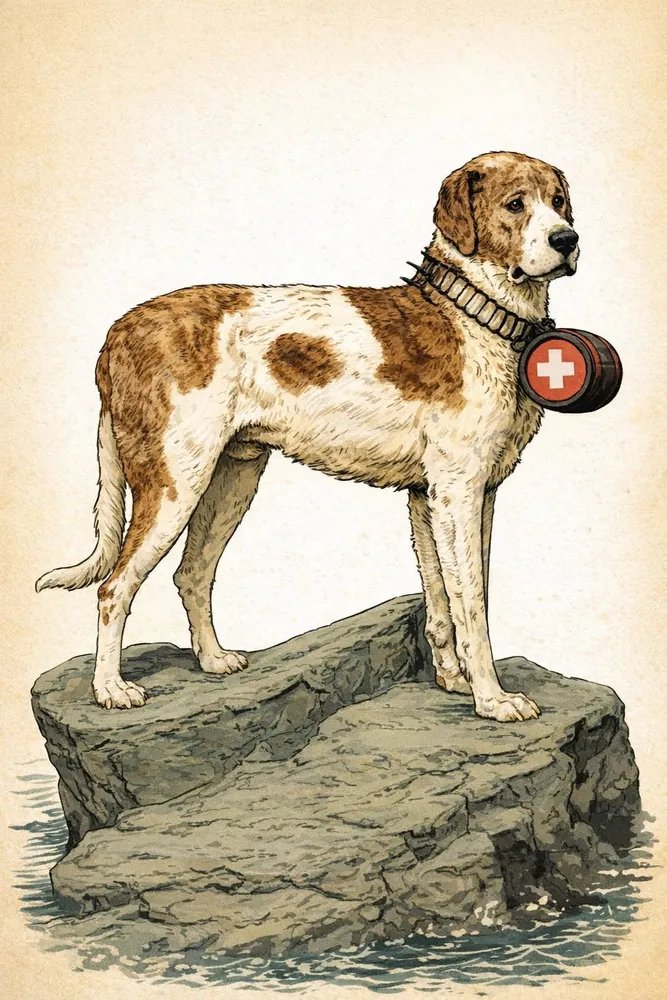
ALT Barry, the St. Bernard transformed into legend.
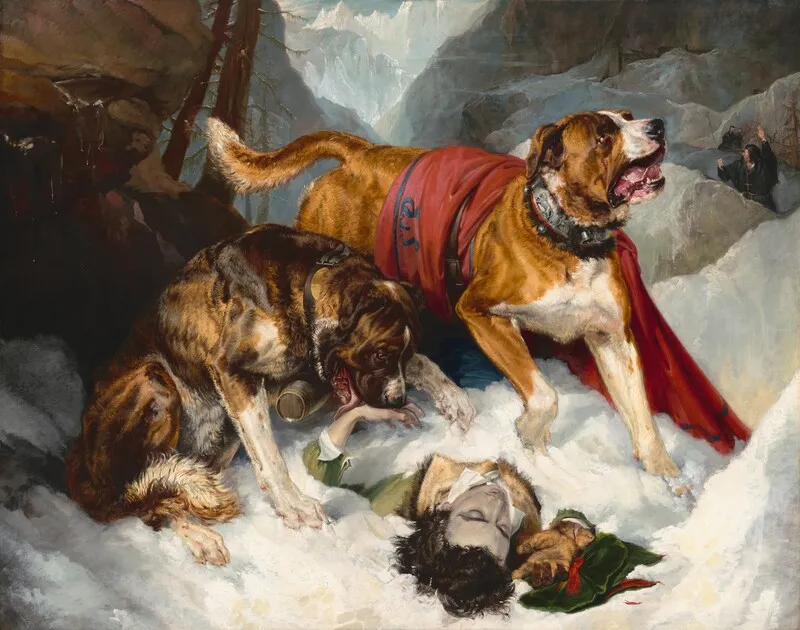
ALT 1820 painting by Edwin Landseer (Alpine Mastiffs)
ALT Barry, the St. Bernard transformed into legend.
ALT 1820 painting by Edwin Landseer (Alpine Mastiffs)
ALT Barry, the St. Bernard transformed into legend.
ALT 1820 painting by Edwin Landseer (Alpine Mastiffs)
ALT Barry, the St. Bernard transformed into legend.
ALT 1820 painting by Edwin Landseer (Alpine Mastiffs)
ALT Barry, the St. Bernard transformed into legend.
ALT 1820 painting by Edwin Landseer (Alpine Mastiffs)
ALT Barry, the St. Bernard transformed into legend.
ALT 1820 painting by Edwin Landseer (Alpine Mastiffs)
ALT Barry, the St. Bernard transformed into legend.
ALT 1820 painting by Edwin Landseer (Alpine Mastiffs)

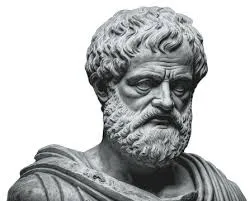
ALT Aristotle - IV century BC
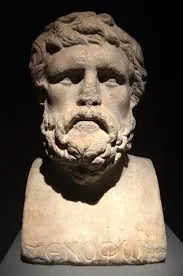
ALT Xenophon - IV century BC
ALT Aristotle - IV century BC
ALT Xenophon - IV century BC
ALT Aristotle - IV century BC
ALT Xenophon - IV century BC
ALT Aristotle - IV century BC
ALT Xenophon - IV century BC
ALT Aristotle - IV century BC
ALT Xenophon - IV century BC
ALT Aristotle - IV century BC
ALT Xenophon - IV century BC
ALT Aristotle - IV century BC
ALT Xenophon - IV century BC
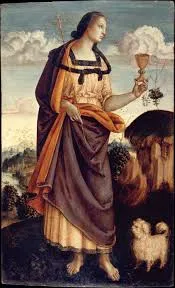
ALT Faith, from the triptych "Faith, Hope, Charity," a 15th-century painting.