
Universal Framework for the Decentralised Financial Web.
Joined October 2020
- Tweets 2,668
- Following 0
- Followers 77,178
- Likes 756
1,215 Photos and videos




Pinned Tweet

20 Nov 2024
🌐 A New Era of Web3 Begins 🌐
Dojima Foundation introduces the Omnichain Web – the future of financial connectivity.
44
222
208
75,685
May 22
Crypto didn’t just create digital assets.
It accidentally created the perfect environment for machine intelligence.
24/7 markets.
Programmable liquidity.
Real-time global settlement.
Open financial data.
We explored this shift in our latest thesis ↓ medium.com/@dojimanetwork/we…
The next layer won’t be more rails.
It will be systems that coordinate intelligence across them.
#dojimafoundation
3
11
3,301
Apr 21
Stablecoins move value.
Trading infrastructure captures it.
That’s where most of Web3 revenue sits today.
What’s missing is the layer that can interpret and coordinate it.
Full breakdown ↓
medium.com/@dojimanetwork/th…
8
22
3,955
Many AI systems look impressive in backtests.
Few survive real deployment.
Why?
Because intelligence without capital awareness is incomplete.
In real markets:
• Drawdown matters more than peak return.
• Stability matters more than accuracy.
• Survival matters more than optimization.
The next wave of financial AI will likely integrate:
• Drawdown-sensitive evaluation
• Regime-conditioned adaptation
• Uncertainty penalties
• Risk-aware capital scaling
The difference between a model and a system is risk logic. And risk logic is where most experiments fail.
6
15
4,208
Mar 23
There’s a lot of surface-level commentary around “AI replacing Web3.”
That framing misses the point.
Web3 solved:
• Trust minimization
• Programmable value
• Open execution environments
AI solves:
• Pattern recognition
• Ranking under uncertainty
• Adaptive coordination
Independently, they’re powerful.
Together, they create something new.
Systems where:
• Capital is programmable
• Intelligence is programmable
• Execution is programmable
We’re beginning to see:
• AI agents interacting with on-chain systems
• Automated execution logic
• Intelligence participating directly in economic activity
This isn’t about narratives.
It’s about convergence.
13
3
3,798
Mar 10
Most financial and distributed systems were designed for stable regimes.
They assume:
• Fixed rules
• Predictable cycles
• Human-in-the-loop overrides
But the environment has changed.
Markets are:
• Faster
• More reflexive
• More interconnected
• Influenced by autonomous systems
Static systems struggle in adaptive environments.
The next generation of infrastructure will likely be:
• Regime-aware
• Uncertainty-aware
• Capital-aware
• Continuously evaluated
The question is no longer:
“Can we automate this?”
The question is:
“Can this system adapt without collapsing under stress?”
AI, when designed properly, introduces adaptive capacity.
But only if architecture comes before hype.
3
4
4,351
Feb 26
Over the past 18–24 months, something subtle but fundamental has changed.
AI is no longer just an automation tool.
It’s becoming a coordination layer.
In earlier waves of technology:
- Web2 connected people.
- Cloud connected infrastructure.
- Web3 connected value.
AI is beginning to connect decision-making itself.
We’re moving from:
Programmable infrastructure to programmable intelligence.
In finance, in logistics, in distributed systems - we’re seeing intelligence inserted not at the surface, but inside workflows.
This isn’t about replacing systems.
It’s about systems becoming adaptive.
The next decade will likely be defined by systems that:
- Observe in real-time
- Adapt to regimes
- Coordinate capital, data, and logic
AI is not replacing Web3.
It’s layering on top of it.
The shift isn’t hype-driven.
It’s architectural.
#dojimafoundation
14
4
4,094
Quiet on the timeline, loud in the editor.
Building, debugging, rethinking, repeating.
Making steady progress. 🧭
13
13
10
2,640
31 Dec 2025
Happy New Year, everyone ✨
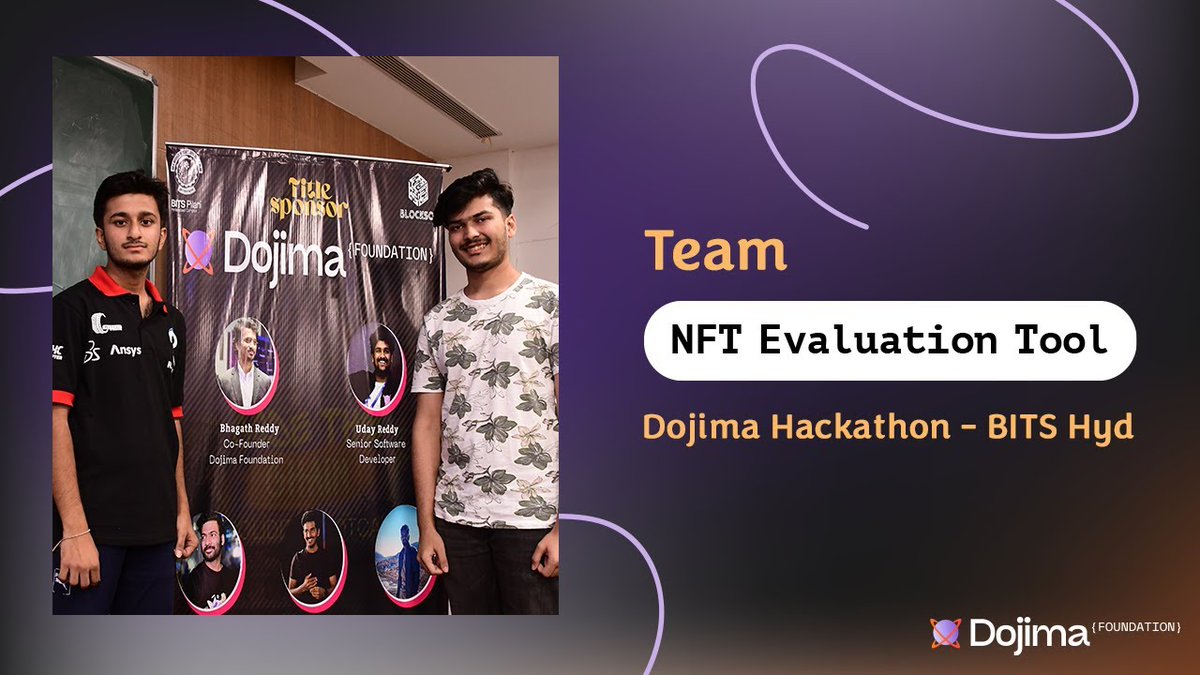
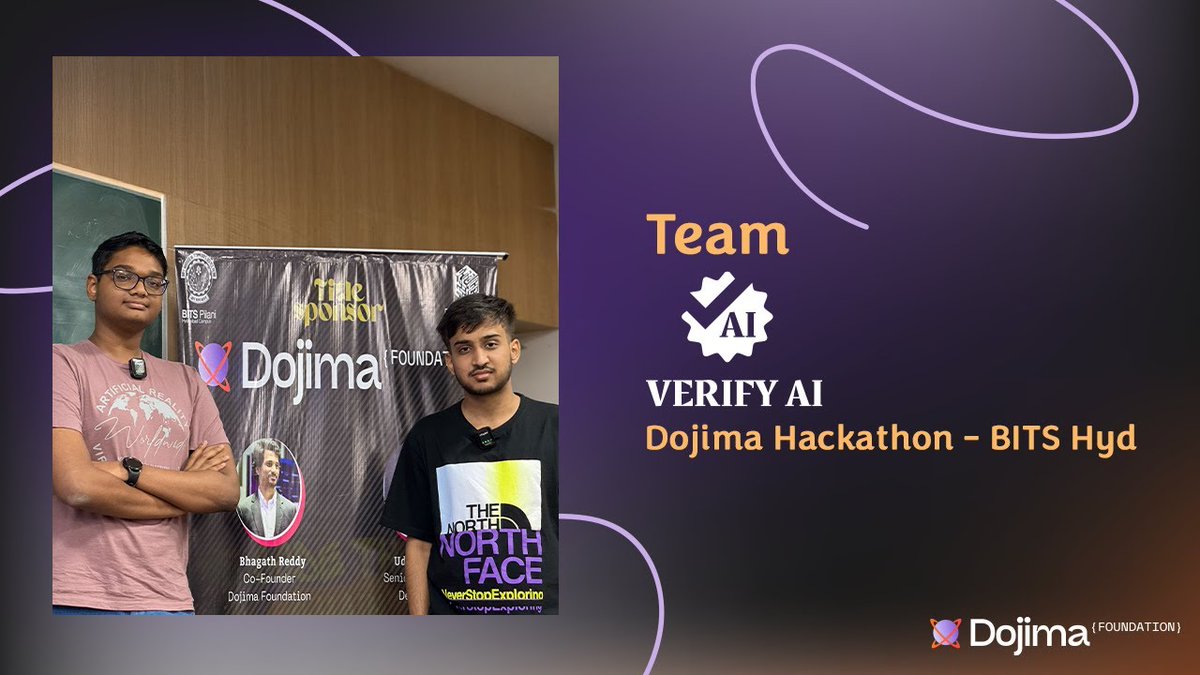
Here’s a quick flashback to 2025 at Dojima Network.
We kicked off the year by announcing the Omnichain Web, introducing a multi-layered architecture designed for seamless chain abstraction.
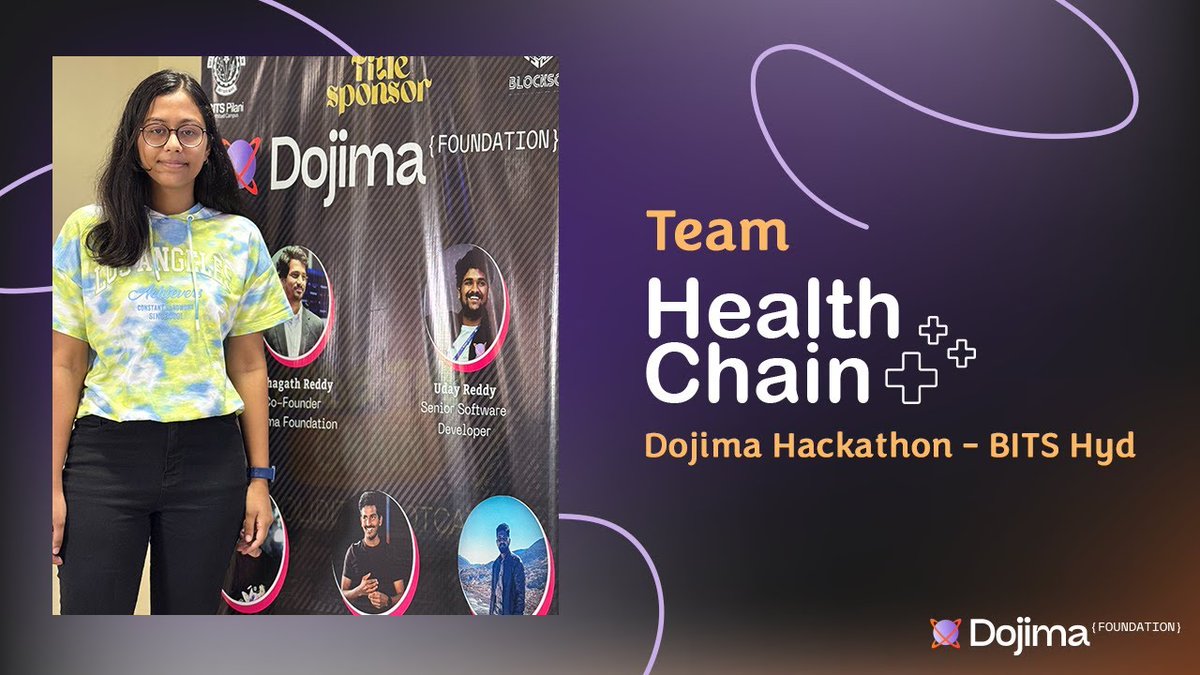
To take these ideas to builders, we hosted a BITS Pilani hackathon - exploring early concepts hands-on.
🎥 Full hackathon playlist: youtube.com/watch?v=s93WM0tp…

12
15
9
4,569
31 Dec 2025
As the year unfolded, one shift became clear.
AI is transforming how products are built, distributed, and adopted - and Web3 is no exception.
We’ve been adapting quietly for this AI-driven era.
Something interesting is coming. Stay tuned 🚀
2
2
7
1,708
25 Dec 2025
Christmas is a reminder of reflection, gratitude, and new beginnings 🎄
Wishing our community a joyful holiday season and a beautiful year ahead, filled with peace, good health, and meaningful moments with the people who matter most.
Merry Christmas from Dojima ✨
#MerryChristmas #MerryChristmas2025
9
12
5
4,313
19 Dec 2025
Utility Series – #46: Media Licensing 🎬
Content rights remain complex, fragmented, and unenforceable globally.
@DojimaNetwork’s Omnichain Web streamlines licensing for images, videos, and articles.
🌍 Fair royalties global distribution simplified.
#MediaTech #Licensing #Omnichain
11
12
2
4,136
8 Dec 2025
Utility Series – #45: Hardware Authentication 💻
Electronics supply chains are plagued by fraud and counterfeits.
@DojimaNetwork’s Omnichain Web enables to secure hardware provenance with tamper-proof component records.
🔒 Trust, transparency, and security at the chip level.
#Hardware #Cybersecurity #Omnichain
11
12
4
4,263
2 Dec 2025
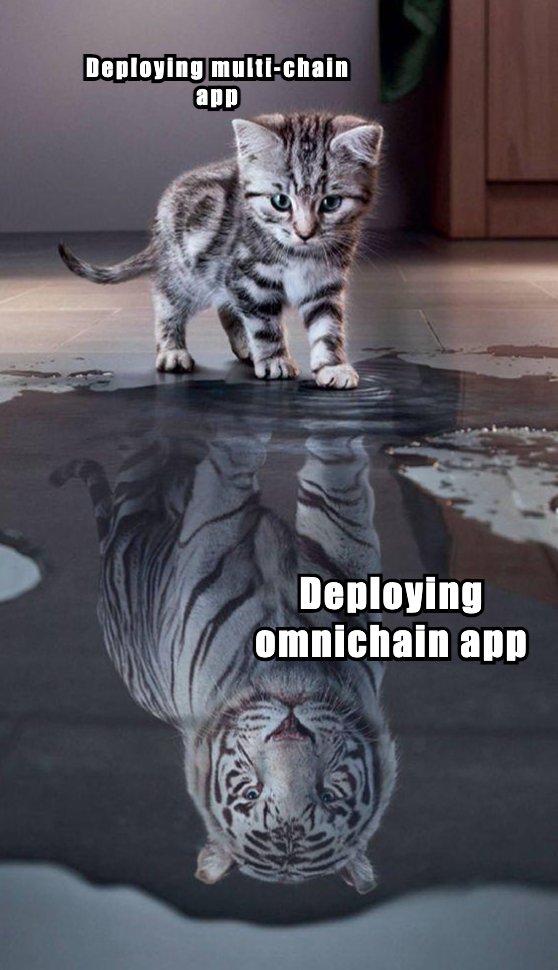
Deploying omnichain app: smooth ride.
Deploying multi-chain app: rollercoaster of pain.
11
13
11
4,218
29 Nov 2025
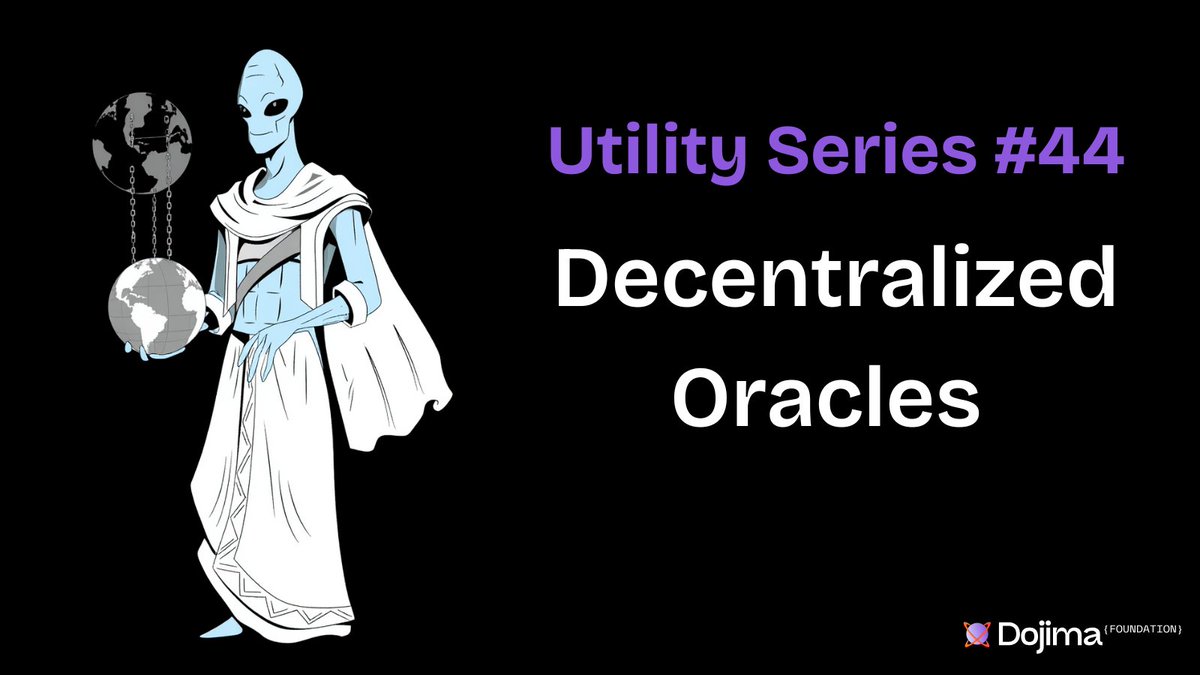
Utility Series – #44: Decentralized Oracles 🔮
Traditional oracles struggle with security and chain isolation.
Dojima Network’s Omnichain Web provides a trustless, cross-chain framework that delivers consistent real-world data to all connected ecosystems.
⚡ Unified data access = robust DeFi and next-gen cross-chain applications.
#Oracles #DeFi #Omnichain
10
13
3
4,136
25 Nov 2025
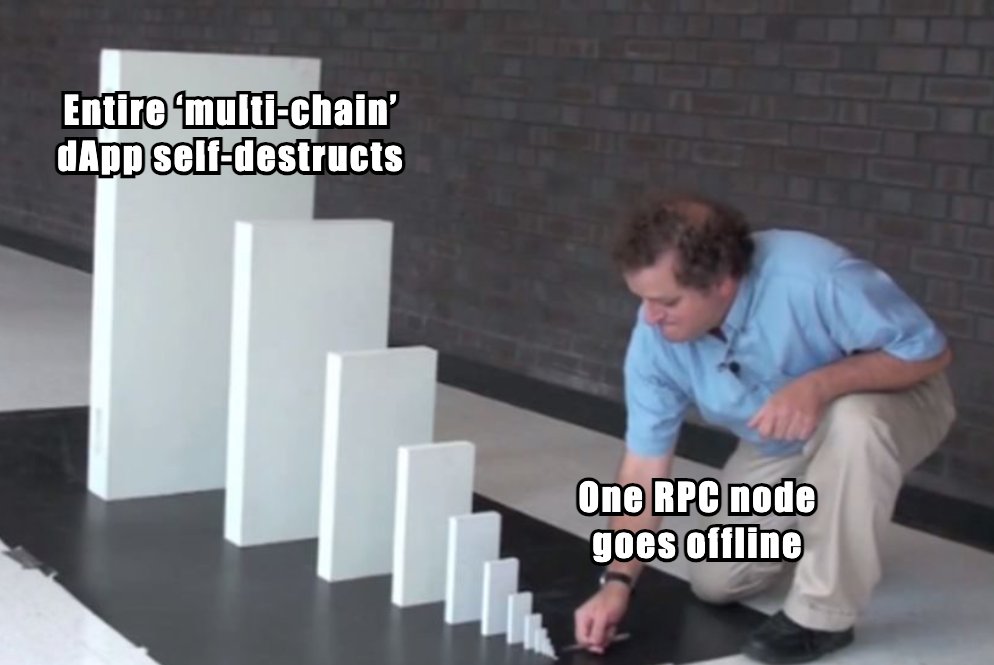
When your ‘multi-chain dApp’ breaks the moment one RPC dies.
11
15
11
4,114
21 Nov 2025
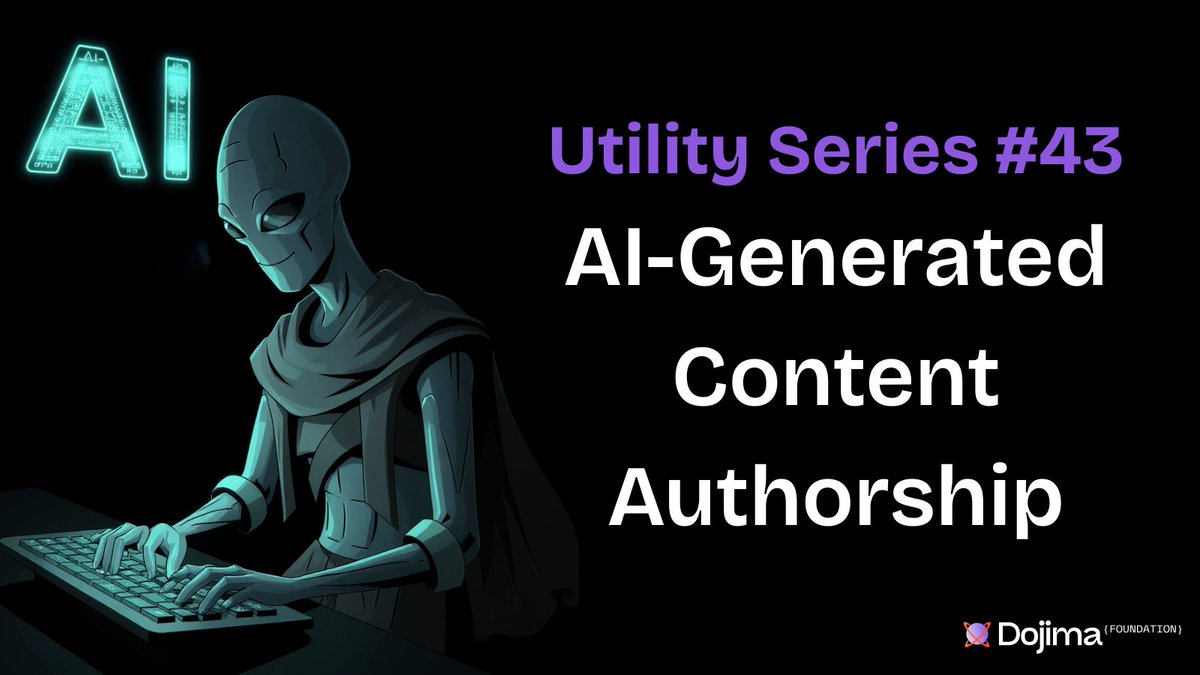
Utility Series – #43: AI-Generated Content Authorship 🤖✍️
AI content lacks verified ownership and provenance.
@DojimaNetwork’s Omnichain Web can authenticate and monetizes AI-generated work on-chain.
📜 Creators gain proof, royalties, and recognition globally.
#AI #ContentAuthorship #Omnichain
11
11
10
4,021
17 Nov 2025
Developer life: debugging Solidity on ETH, Rust on Solana, CosmWasm on Cosmos…
Dojima: one EVM, omnichain.

13
12
6
8,596
13 Nov 2025
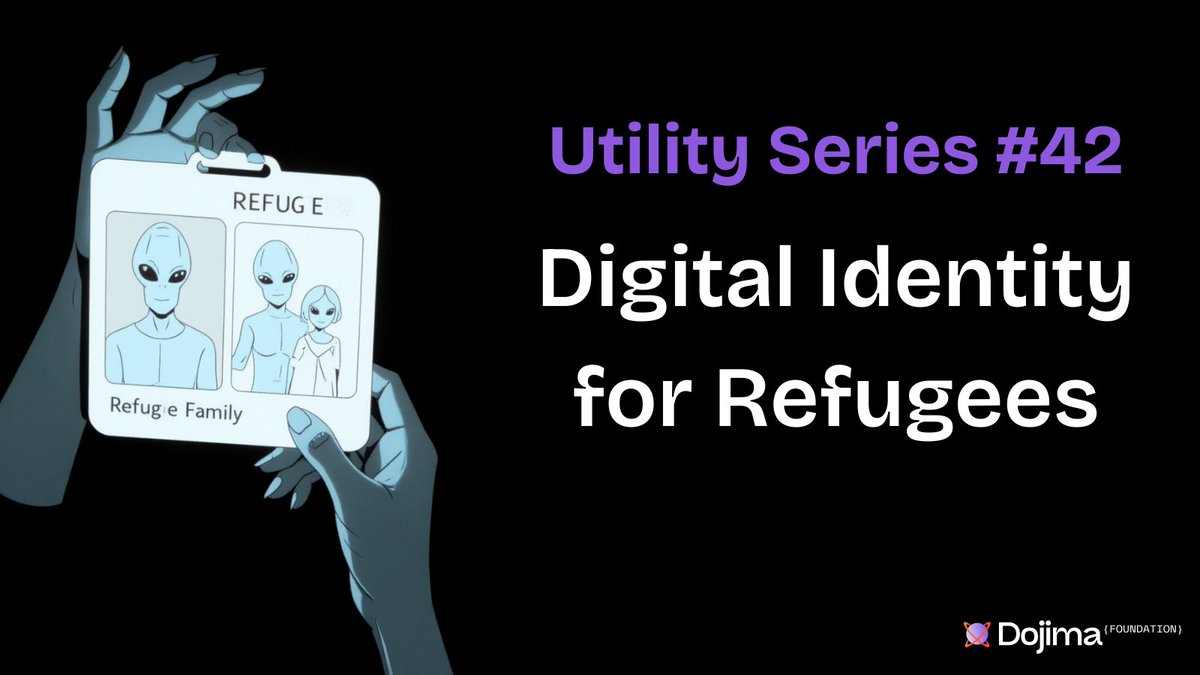
Utility Series – #42: Digital Identity for Refugees 🛂
Refugees often lose access to IDs, healthcare, and aid.
@DojimaNetwork’s Omnichain Web creates portable, verifiable digital credentials across borders.
🌍 Empowering displaced people with dignity, access, and trust.
#RefugeeTech #Identity #Omnichain
11
13
5
3,936
9 Nov 2025
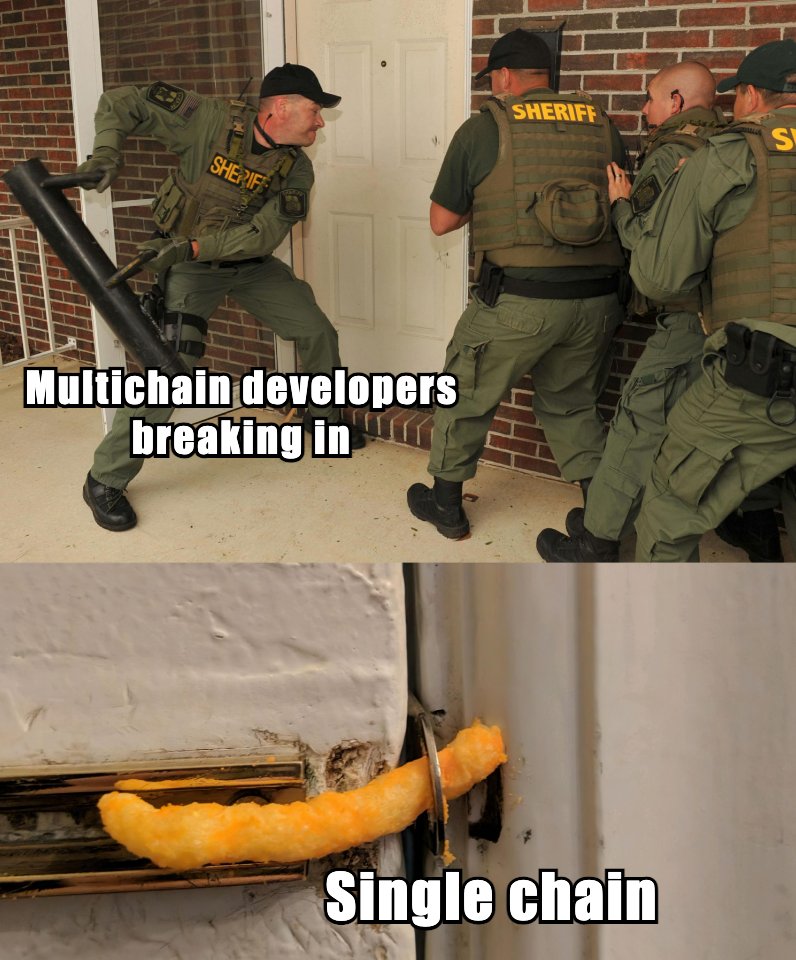
Building on one chain is like coding with one hand. Why limit yourself?
12
16
6
4,010