
Joined October 2017
- Tweets 475
- Following 737
- Followers 339
- Likes 408
13 Photos and videos









Jun 15
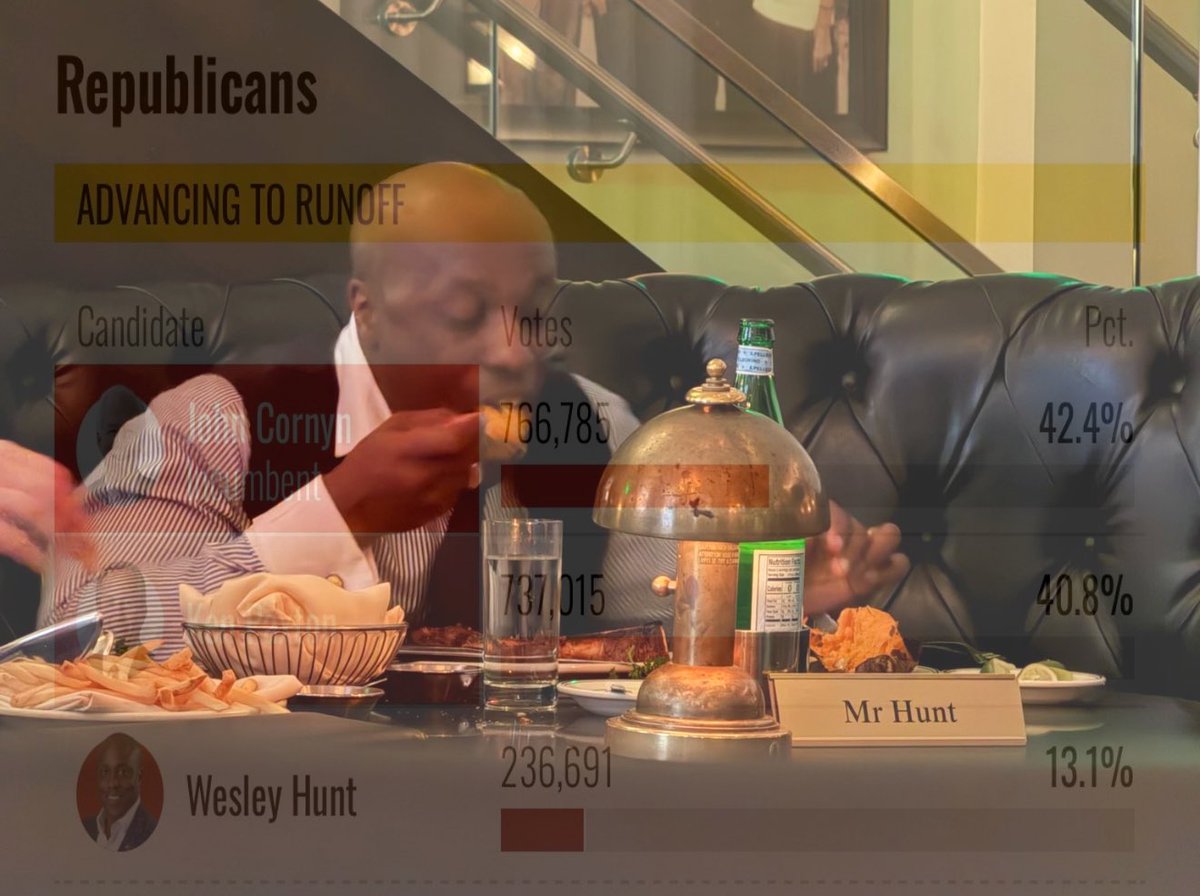
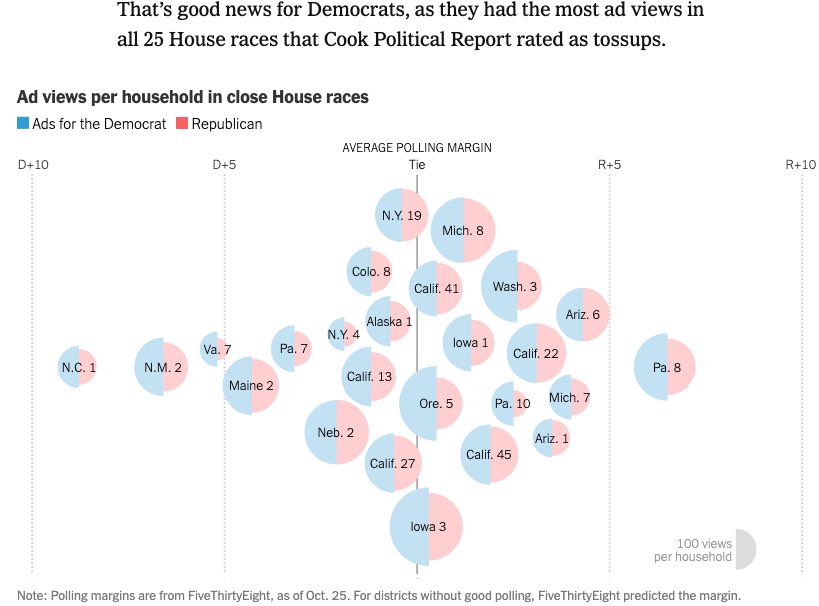
Tough day for the party of democracy(tm) - their Alaska plant officially gets booted; and the Democrat in Montana doubles down
4
23
5,723


Jun 8
*cough cough*
Jun 2

are the ads any good if they dont win votes
3
440
Domenic retweeted

Jun 5
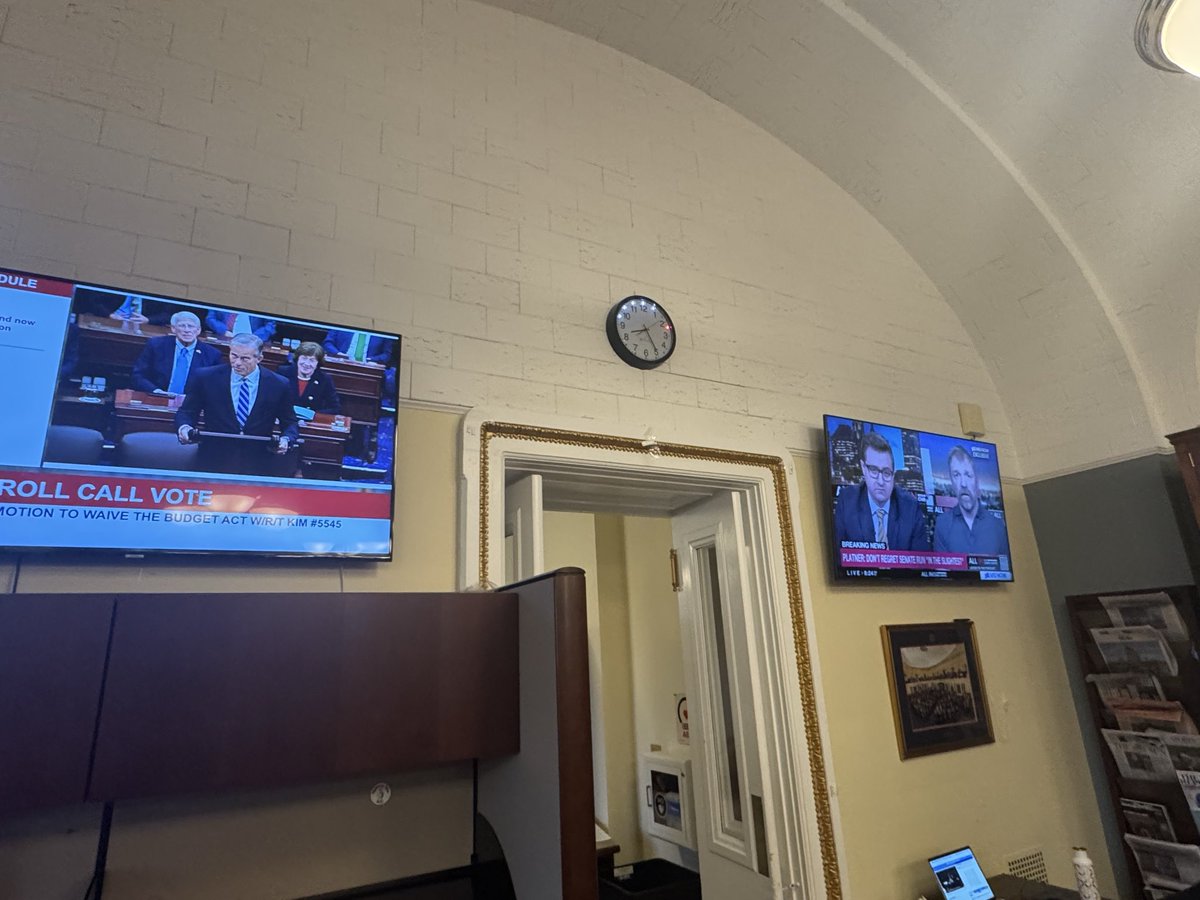
Quite the splitscreen;
Susan Collins being honored on the floor for her 10,000th vote in the Senate as Graham Platner addresses latest allegations on MSNBC
15
95
565
67,067
Domenic retweeted

Jun 4
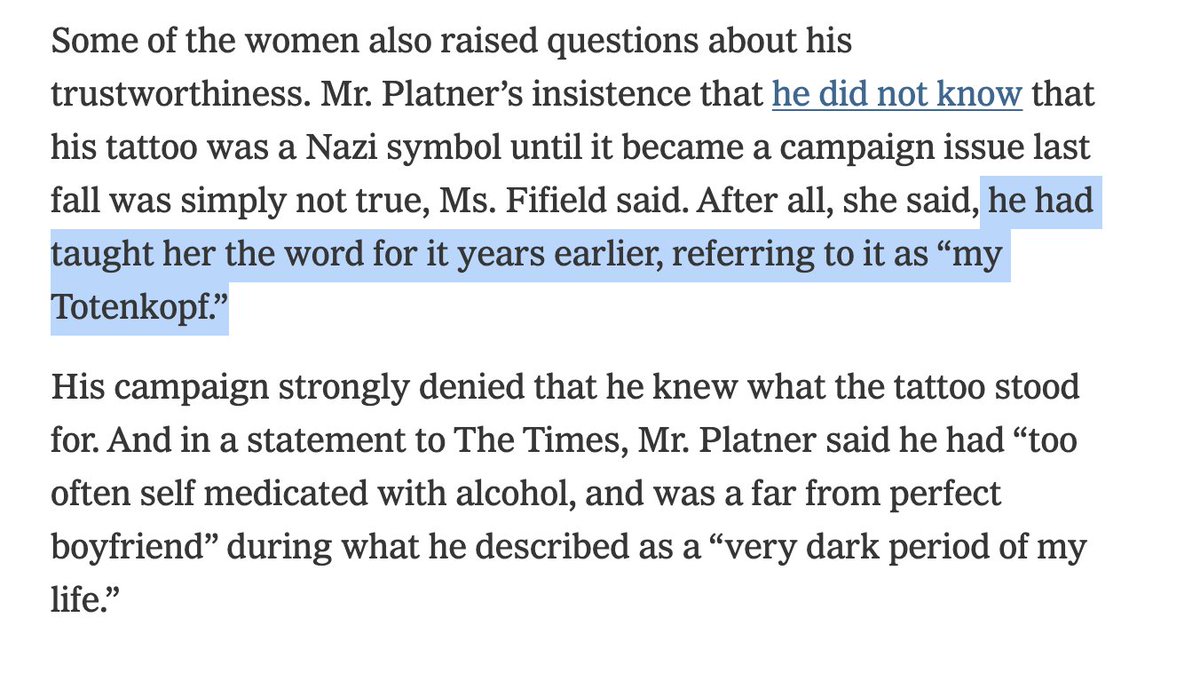
Platner did, in fact, know his tattoo was of a Nazi symbol -- enough to educate his ex-girlfriend about it, per NYT!
47
212
869
59,030
Jun 1
Chuck Schumer read the news this weekend and he said YES thats my guy!
4
17
4,022
Domenic retweeted

I genuinely think these guys owe Platner money because there really is no other explanation for this amount of water carrying for a candidate as deeply flawed as Platner
May 30

I'd just say that if the reason you don't want to support a candidate is because he and his wife chose not to share that they went through marriage counseling to deal with infidelity, that's your choice. But I do think there are other factors in the race that will have more of a direct impact on your life.
25
47
449
18,484
Domenic retweeted

This is just destroying my faith in communist porta-potty masturbators with Schutzstaffel tattoos.
May 30

Ms. McDonald said Ms. Gertner told her that her husband had been exchanging sexual messages with as many as a dozen women.
A current Platner campaign official said Mr. Platner had been communicating with up to six women.
nytimes.com/2026/05/30/us/po…
38
192
1,335
94,039
May 30
the porta potty guy? no way!
May 30

The wife of the Maine’s Democratic Senate candidate disclosed the texts between Platner and other women to his campaign. on.wsj.com/4wUyPKR
1
378
Domenic retweeted

May 26
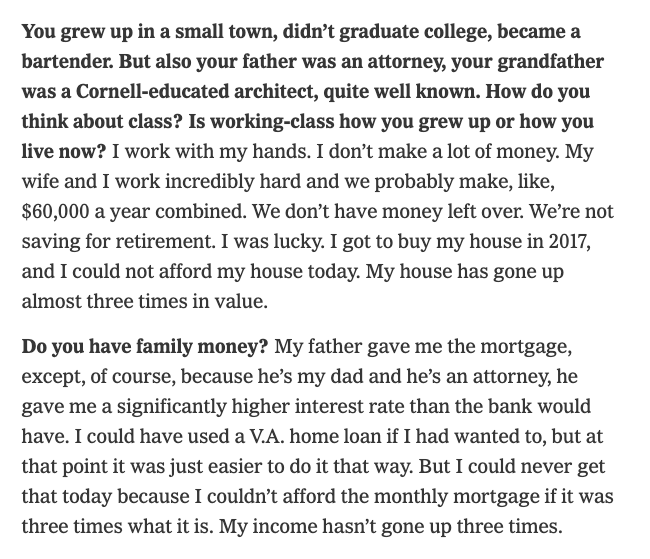
On top of voluminous early coverage of Platner, there are also failures in fact-checking, as well as failures in push-back. For example: Platner told the New Yorker that he got a VA loan for his house. New Yorker published this in their 9/25/2025 magazine.
Platner did not get a VA loan for his house. He got a loan from his father, a fact the Washington Free Beacon uncovered after they got the mortgage documents. The Free Beacon published this info on: 5/1/2026.
Not much attention was paid to it.
On 5/11/2026, the Free Beacon directly contacted the New Yorker about the discrepancy.
Then, on 5/15/2026, NYT published a profile of Platner. On 5/16/2026, they published an interview. Neither the profile or the interview pushback on the previous false claim of a VA loan.
From the 5/15/2026 profile:
"[Platner] has said the Department of Veterans Affairs gave him “the support” to purchase his home in 2017. Property and tax records show he bought the home for $205,000 and received a $200,000 mortgage loan from his father."
The New Yorker published their correction AFTER this profile was published, the same day.
In the NYT interview (5/16/2026), Platner claims (unprompted) he COULD have taken out a VA loan but didn't, then: "[my dad] gave me a significantly higher interest rate than the bank would have."
In the interview, there is no push-back on the peculiarity of the latter claim (higher interest loan from father), on top of not pushing back on the PREVIOUS claim (VA loan).
Nor is there any pushback in any piece re: Platner's claim that he and his wife make 60K/year, combined. Platner's own VA disability benefit, cited at 4.8/month, would be 57.6K. Nor is there any pushback on the 4.8k/month number, which is beyond the realm of regular 100%-ranked disability from the VA ($4,158/month).
The Washington Free Beacon is on top of this, too, just as they were about the mortgage records, asking specifically about TDIU (Total Disability based on Individual Unemployability), which would include work & income restrictions. Note Platner does not draw any income from the Oyster business, though his wife does. I don't know that anyone has asked Platner whether he has (SMC) Special Monthly Compensation, which would be its own story.
What's the point of all this? Platner got a lot of high-profile media attention out-of-the-gate. The New Yorker made a serious fact-checking error. Once the Washington Free Beacon had found the error, The New Yorker corrected and Platner changed his story. He received no pushback. Platner has also misrepresented his combined income, again, with no pushback.
Platner says things like, to the NYT, "I work with my hands. I don’t make a lot of money," but he doesn't actually draw income from the business. He pays his wife and "reinvests" the money. His only personal income is from VA benefits and a 3K stipend as harbor master. Few people bother to ask questions about this, except for Republicans.
Is he underrepresenting income in interviews? (Most definitely: Yes) How are his VA benefits so high? (We don't know, but Republicans are inquiring).
What's the structure of his business? He makes no money, but reinvests it all. Does he report the reinvestment on personal taxes? Why did a staffer say last fall that drawing an income would affect his benefits, if TDIU (Total Disability based on Individual Unemployability) is not in play? (VA benefits outside of TDIU would NOT preclude other income).
When it comes to Platner, there's been a lot of "puffery"--including in mainstream journalism--combined with a lack of serious fact-checking or vetting. And institutions are letting Republican-aligned journalists run circles around them.
Journalists should do better. And Democrats need to get on top of all of this.



May 26

Completely wrong, which you would know if you bothered to click through and read.
The New York Times is not in the habit of writing a largely glowing profile of every long-shot, little-known Democrat who announces a bid for Senate. Platner was the harbormaster of Sullivan, Maine, population 1,246.
Yet the Times wrote its profile of Platner _before_ he officially announced his campaign, in August.
In September, The New Yorker wrote its own 3,400-word profile of Platner, emphasizing how he “devoured books on military history.” (But remember, he insists he never recognized the tattoo on his chest as a symbol of the Nazi SS.) Again, The New Yorker almost never writes long-detailed profiles of little-known Democratic Senate candidates one month after they announce their bid.
Then in October, GQ – not primarily a political magazine, and not one that often spotlights candidates – published its own large spread of Platner with lots of photos.
Then in November, the culinary magazine Bon Appetit – again, not in the habit of covering obscure Senate candidates – wrote another glowing profile, this one entitled, “How Graham Platner Went From Working-Class Oysterman to Maine’s Zohran Mamdani.”
This is Beto O’Rourke-level national coverage, right out of the gate.
18
77
262
51,909
May 26
I mean come on

NEW: Increasingly in @SarahLongwell25's focus groups, a name keeps popping up among MAGA voters as someone they'd like to see lead the ticket in 2028.
That someone: @RealCandaceO
thebulwark.com/p/were-not-ta…
1
1
10
3,250
Domenic retweeted

May 25
A normal Democrats with actual guts. Thank you @JakeAuch. Democrats should want and demand better from our candidates.
May 25

💥NEW: Dem Rep. Jake Auchincloss says Graham Platner’s Nazi tattoo should be “DISQUALIFYING”🤯
“I find that tattoo and his commentary about it to be personally disqualifying. I hope Maine voters agree with me.”
CNN’s Boris Sanchez: “Wow.”
43
67
385
29,277
Domenic retweeted

May 25
Virtually all other mainstream reporting on this dude stopped when Mills dropped out.

“You don't have much experience with Latin American hookers, do you?”
More deleted Reddit comments tied to Maine Democratic Senate candidate Graham Platner are surfacing as scrutiny over his online history intensifies.
In newly uncovered posts from 2012, Platner discussed prostitution overseas and defended men who cheated on their wives while abroad, writing that infidelity and loyalty to fellow soldiers were “not mutually exclusive.”
The comments add to a growing archive linked to Platner that also includes posts insulting the U.S. Army, mocking a Purple Heart recipient, using slurs, and expressing support for political violence — creating new headaches for Democrats in his bid to unseat incumbent Republican Sen. Susan Collins.

18
296
1,478
59,840
Domenic retweeted

BAR OWNER: “You’re OK at making drinks, but are you good at changing the channel on a TV?”
BARTENDER INTERVIEWEE: “I am the literal worst channel changer of all time.”
BAR OWNER: “You start tomorrow.”
185
2,843
70,482
2,850,663
Domenic retweeted

May 22
Susan Collins and 76 other Senators authorized the Iraq war in 2002. Graham Platner joined the Marines *two years later* because, according to his Reddit posts, he wanted "to have an adventure and kill some people." x.com/grahamformaine/status/…

The GOP is attacking me for using GI Bill benefits I earned by serving in wars Susan Collins voted to send me to. Disgusting yet unsurprising.
You want to know how I paid for college? With 4 tours in the infantry.
Susan Collins needs to condemn these vile attacks on my service.
41
673
2,964
271,204
Domenic retweeted

May 22
If a candidate with Graham Platner’s online history was the Republican nominee for a Senate election, Jimmy Kimmel would be making “masturbating Nazi” jokes every single night. The current season of SNL would have featured him in five cold-opens. We notice the double standard.
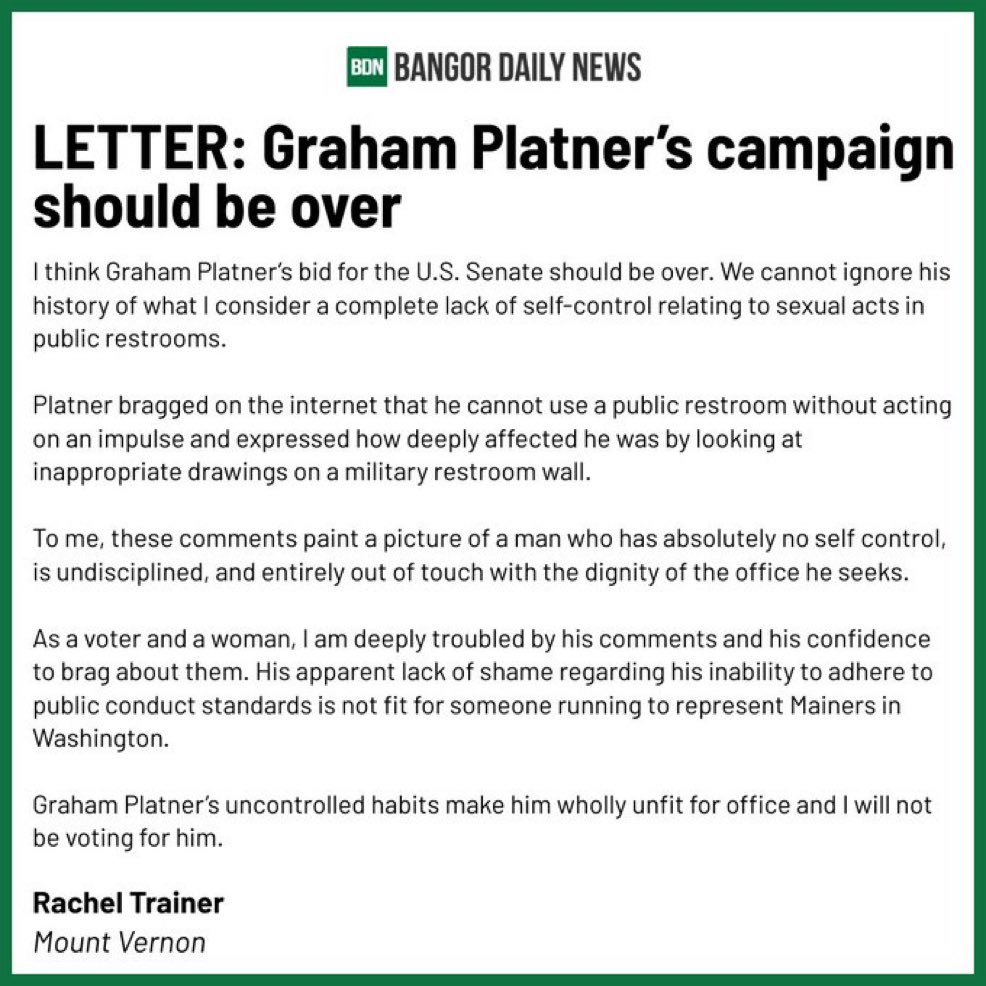
May 21

BREAKING: Maine voters are openly demanding that Graham Platner drops out of the race after multiple posts came to light of him bragging about masturbating in public.
121
984
4,554
160,089
Domenic retweeted
May 21
Not the first time a guy sporting a Totenkopf has appeared on the cover of Time Magazine.

TIME’s new cover: Even in this antiestablishment political moment, Graham Platner’s rise has been remarkable. His candidacy is forcing the party to come to terms with what it’s willing to risk in exchange for a fighter time.com/article/2026/05/20/…

78
504
3,552
132,979
May 18
Question for the enterprising journalists on here. How can the Dems say they are trying to win the senate when they are spending money on DEFENSE in 3 states including NEW HAMPSHIRE
May 18

4
9
1,680
May 17
Nope
May 17

Is any mainstream journalist going to press him on this and ask why he keeps pretending he didn’t sign up after the decision to go to war?
5
340