
Joined July 2018
- Tweets 1,054
- Following 230
- Followers 89
- Likes 3,789
144 Photos and videos

体は少しずつ衰え、記憶力も下がっていく……。
「加齢の常識」
しかし、脳科学は希望を教えてくれます。
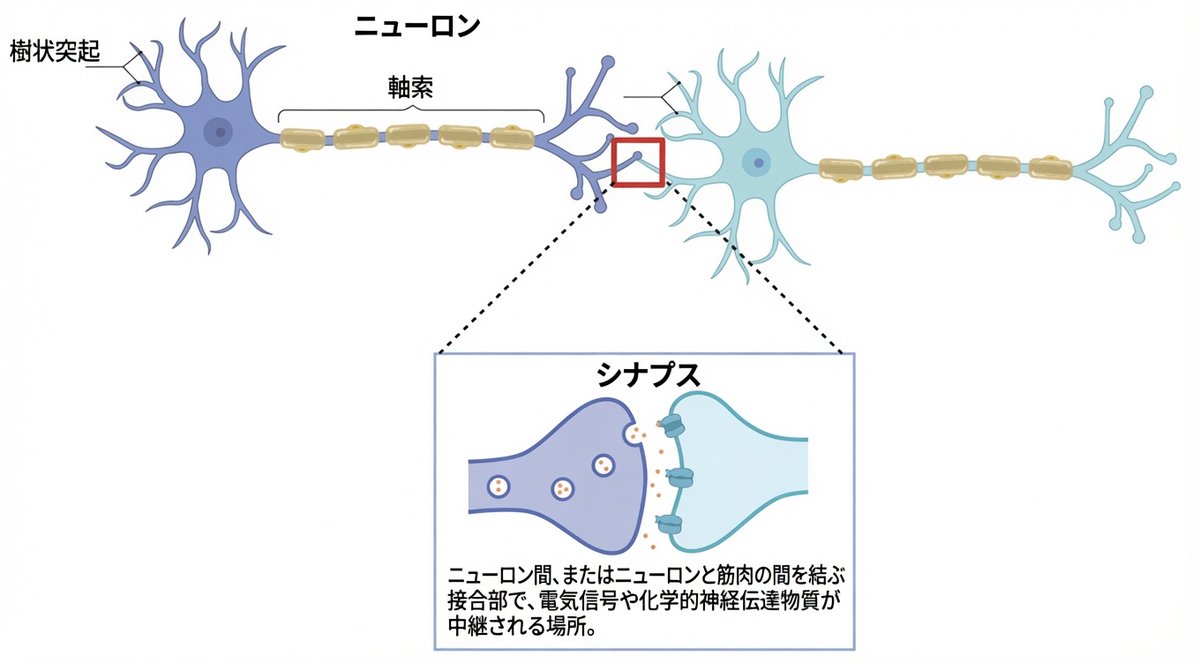
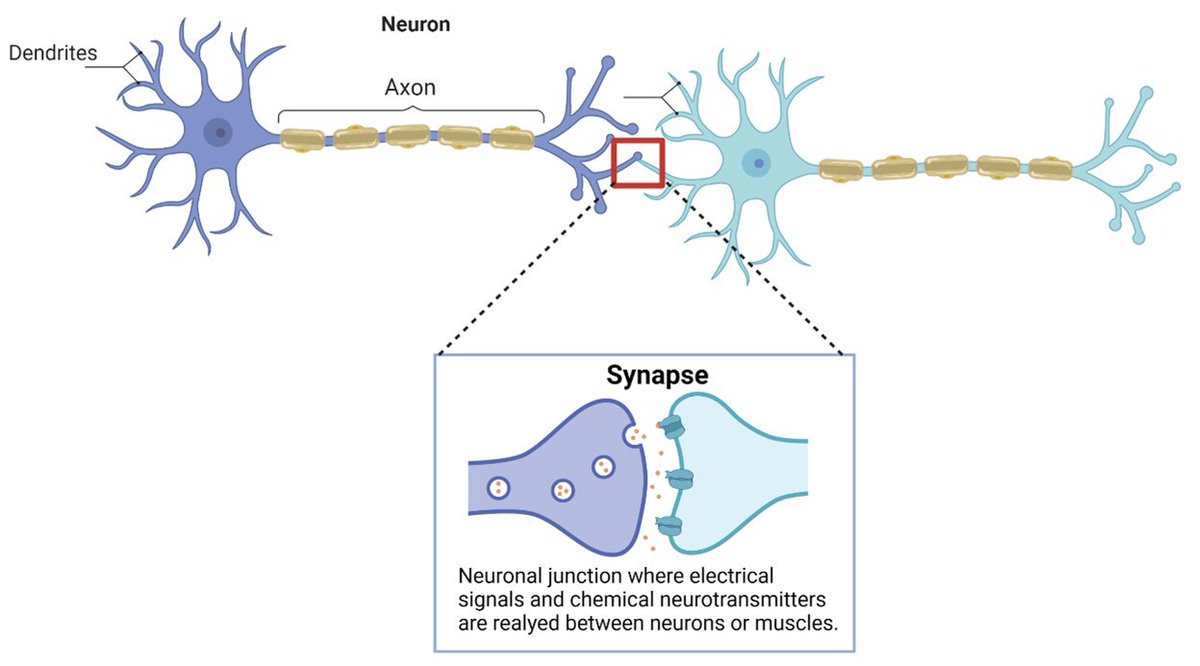
シナプスが増える=脳の接続数が増えて、
人生の可能性の接続数も増えます。
体や記憶が衰えても、
シナプスは意識的に増やせます。
運動、深い学び、呼吸や姿勢の意識——
日常の小さな積み重ねで、
脳のネットワークは豊かになります。
すると、逆境でも冷静さを保てる精神力、
新しいことに挑戦する意欲、
人間関係の深さ……
人生のあらゆる可能性が、再び広がっていくのです。
年齢はただの数字ではなく、
「これまでの経験を活かしてさらに進化できる武器」
に変わります。
人生たいてい何とかなるさ。
脳は再生する。
今からでも、十分に遅くありません。
1
1
25
新しいことを学ぶ・認知挑戦
(Donima6的解釈)
「50歳を過ぎても脳は育つ。
新言語・楽器・趣味・旅行で挑戦し続けよう。
これが神経回路を強化し、
灰白質・白質を増やし、
認知予備力を高める。」
ACTIVE試験が証明したように、
戦略的脳トレで10年後も認知低下を抑えられる。
今から始めるのに遅すぎることはない。
昨日より少し新しいことに手を伸ばせば、
脳は必ず応えてくれる。
続ける力が、50歳からの真の成長燃料です。
(Healthline ACTIVE試験に基づく)
May 24

Repetition rewires the brain.
Repetition rewires the brain.
Repetition rewires the brain.
Repetition rewires the brain.
Repetition rewires the brain.
Repetition rewires the brain.
Repetition rewires the brain.
31
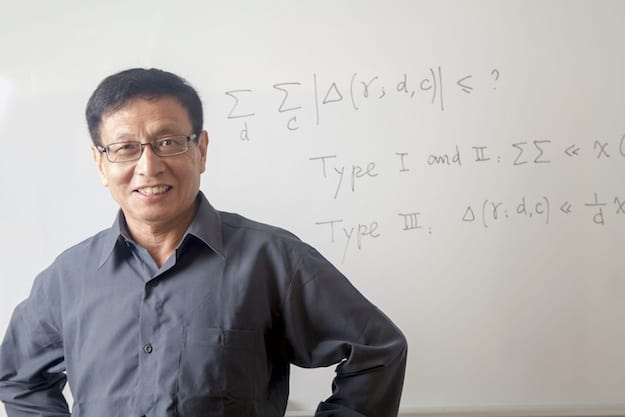
「私はただ数学が好きだった。それだけだ。」——張益唐
張教授のストーリーは、「時間に惑わされず、自分のペースで生きる」ことの大切さを教えてくれます。
「まだ遅いんじゃないか」
「もうチャンスがないかも」
——そんな声が聞こえるたび、彼の人生を思い出してください。
58歳で世界を変えた男がいる。あなたが今、何歳であろうと、決して遅くはありません。
Jun 15

A Chinese mathematician spent 7 years making sandwiches at Subway after his PhD, and at 58 solved a 150-year-old math problem nobody thought was solvable.
His name is Yitang Zhang. The problem is called the Twin Prime Conjecture.
He was born in Shanghai in 1955 and knew he wanted to spend his life on mathematics by the time he was nine years old. That year he found his own proof of the Pythagorean theorem. Nobody taught it to him. He just worked it out.
Then the Cultural Revolution arrived and took everything.
The Chinese government closed the schools. Zhang's father had political troubles with the Communist Party, so Zhang was sent to the countryside with his mother to work in the fields. He spent 10 years as a farm laborer. No high school. No classroom. No teacher.
He read math books in the fields when he could find them.
When the revolution ended, Zhang was 23. He sat the university entrance exam and got into Peking University, one of the most competitive mathematics programs in China. He finished his bachelor's degree, then a master's. The president of Peking University personally recommended him for a full scholarship at Purdue University in the United States.
He arrived at Purdue in 1985. He earned his PhD in 1991.
Then the second wall hit.
His relationship with his doctoral advisor collapsed. The advisor did not write him letters of recommendation. Without those letters, the academic job market was closed. Zhang applied. Nothing came back. He spent the years after his PhD working as an accountant, doing delivery work, sleeping in his car during the stretches when nothing else was available.
A friend eventually opened a Subway sandwich restaurant in Kentucky and offered him a job. Zhang took it. He kept the books and made sandwiches. A man with a PhD in mathematics from Purdue, working a Subway counter because the academic world had no place for him.
He did this for seven years.
He was finally hired as a lecturer at the University of New Hampshire in 1999. Not a professor. A lecturer. The lowest rung of the academic ladder, with no research funding, no graduate students, and no institutional support. He taught calculus to undergraduates and worked on mathematics alone in whatever time was left.
Most people would have stopped believing by then.
Zhang did not stop.
The Twin Prime Conjecture is one of the oldest unsolved problems in number theory. Twin primes are pairs of prime numbers separated by exactly two: 5 and 7, 17 and 19, 41 and 43. The conjecture predicts that these pairs never stop appearing no matter how far you go along the number line. Mathematicians had believed this for over 150 years. Nobody had been able to prove it.
The deeper version of the problem asks something slightly different. Not whether twin primes are infinite, but whether there is any finite gap between prime numbers that appears infinitely often. This is called the bounded gap problem. The best mathematicians in analytic number theory had been attacking it for decades. A landmark 2005 paper by three researchers came agonizingly close and still could not close it.
Zhang worked on it alone. No collaborators. No funding. No department seminars where he could road-test his ideas. He once said he would go to a friend's house and think in the garden for hours.
In 2012, during a visit to a friend's home in Colorado, something unlocked.
He submitted his paper to the Annals of Mathematics in April 2013. The Annals is the most prestigious mathematics journal in the world. Papers sit in review for months, sometimes years. The editors read Zhang's submission and immediately knew something was different. They sent it to the leading experts in analytic number theory for review.
It was accepted in three weeks.
The paper proved that there are infinitely many pairs of prime numbers separated by a gap of less than 70 million. Not two. Not the twin prime gap specifically. But a finite gap. For the first time in history, someone had proved that prime numbers keep coming back together, that the universe of numbers never lets them drift apart forever.
Peter Sarnak, one of the most respected mathematicians at the Institute for Advanced Study, said: "He is not a fellow who had done much before. Nobody knew him. His result was spectacular."
Zhang was 58 years old.
Within a year he had the MacArthur Fellowship, the Cole Prize, the Rolf Schock Prize, and a full professorship at UC Santa Barbara. The man who spent seven years at Subway was now one of the most celebrated mathematicians alive.
He said in an interview: "I was not lucky. Maybe it is more important for a person to make himself known to the public. But that was not so easy for me."
He was not complaining. He was just being precise.
The mathematics establishment has a quiet belief that great work happens young. The Fields Medal cuts off at 40. Most mathematicians who change the field do it in their thirties. Zhang proved his most important theorem at 58, after a decade of farm labor, seven years of sandwiches, and a decade of teaching calculus to freshmen with no one watching.
He did not beat the deadline.
He proved there was no deadline to beat.
22
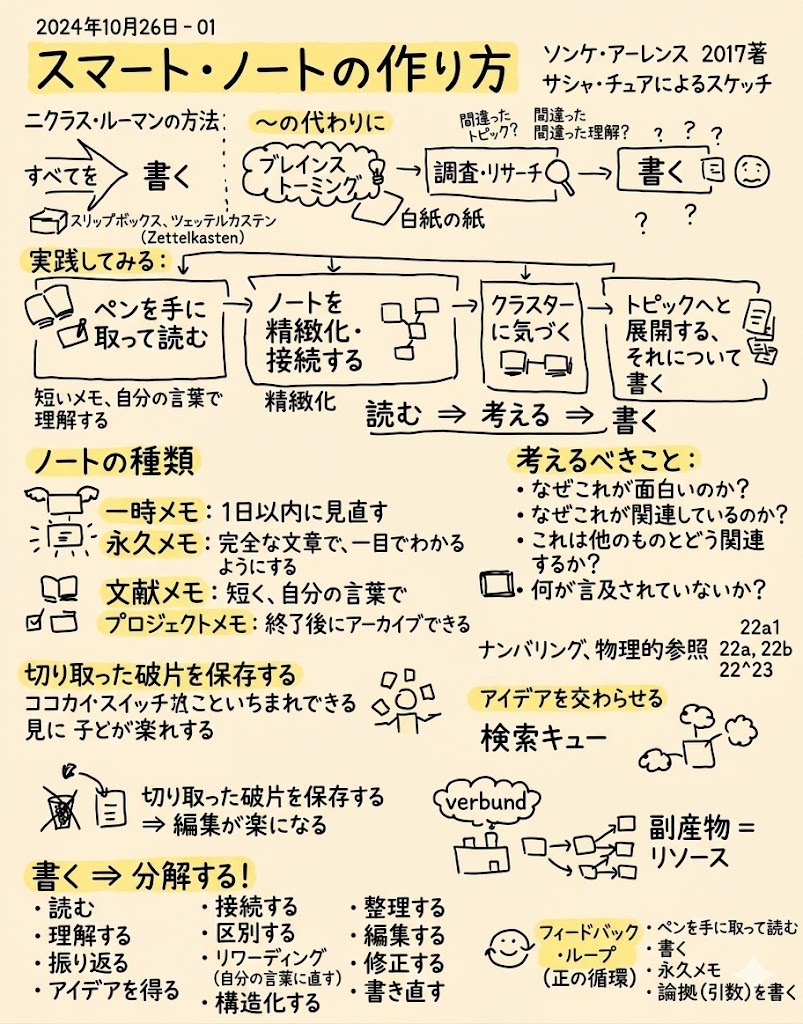
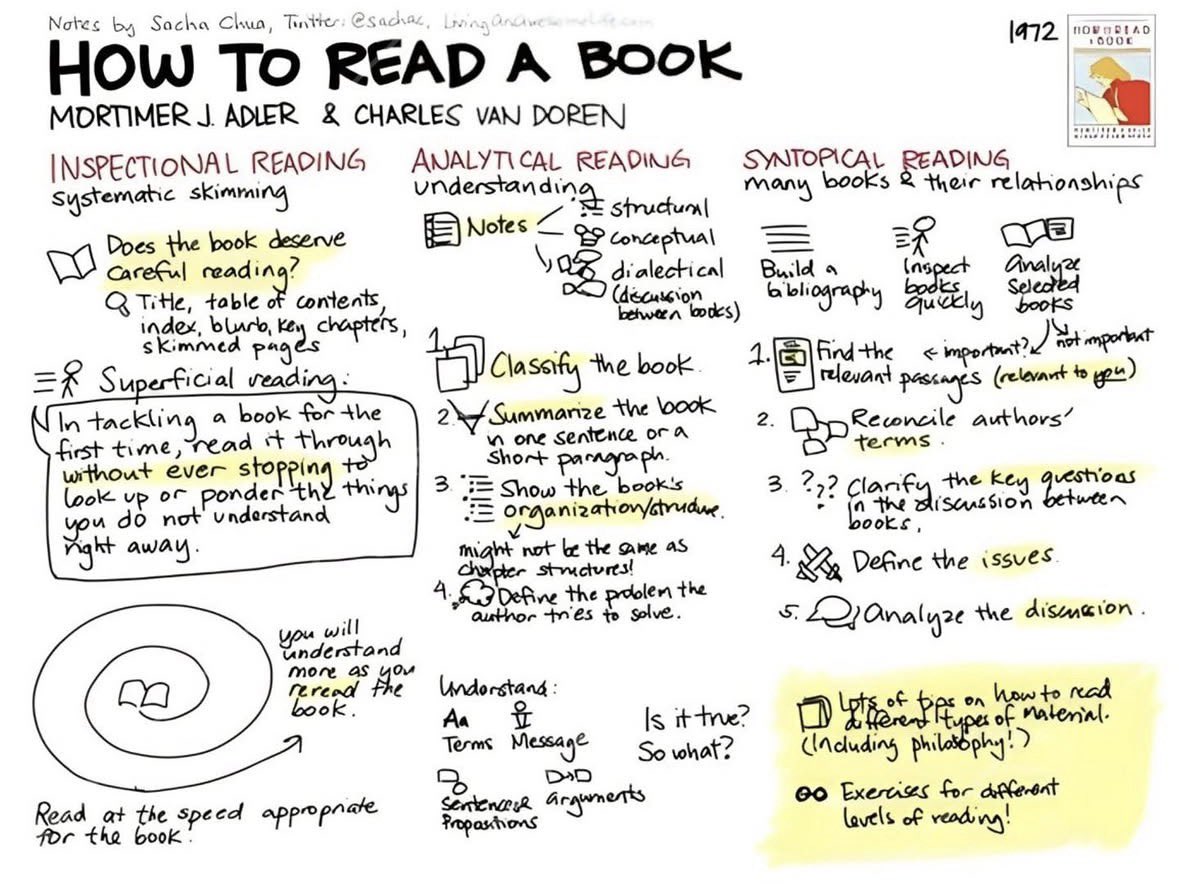
読書を自分の肥料にする読み方(Donima6的解釈)
読書は受け身ではない。
積極的に質問を投げかけながら読む積極的読書こそが、
真の理解を生む。
最初はゆっくりで構わない。
何度も読むことで理解は螺旋状に深まる。
すべての本を同じ深さで読む必要はない。
目的に合わせて読み方を選ぶ。
それが賢い読書の極意。
78

Jun 15
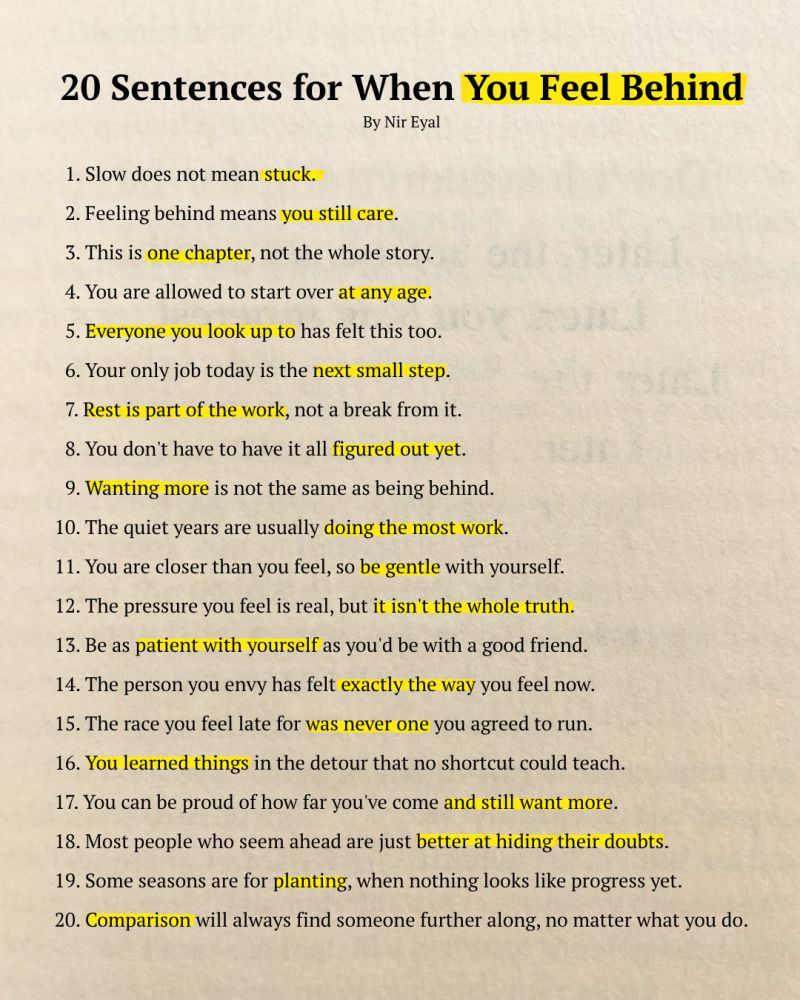
比較は「足りないところばかり」を拡大し、他人の物差しで自分を苦しめる無意味な行為です。本来見るべきは昨日の自分だけ。比べるのをやめた瞬間、やっと本当の前進が始まります。
「遅いはない。やめなければ終わらない。」
2
9
609
Jun 15
Steven Pinkerの書き方10のコツ
(@Donima6風・超短縮版)
1. 知識の呪い
「相手も知ってるはず」は危険。知らない人に確認せよ。
2. 目で読む文章
話すように書くな。目がスラスラ流れる形に。
3. 窓になれ
抽象語じゃなく、頭に絵が浮かぶ具体的な言葉を使え。
4. 流れを意識
一文良くてもつながりが悪いと読者は迷子。
5. 古典スタイル
賢いふり・前置き全部捨てて、ストレートに。
6. メタ禁止
「この文章では〜」は削除。本題だけ書け。
7. ゾンビ名詞を殺せ
「決定を下す」→「決める」。動詞で生き生き。
8. 文は木の構造
主語・動詞を先に。長い修飾は後ろに。
9. 言うな、示せ
「怒っていた」→「ドアをバタンと閉めた」。
10. 無駄を削れ
一語でも脳の負担。短い=優しさ。
Jun 15

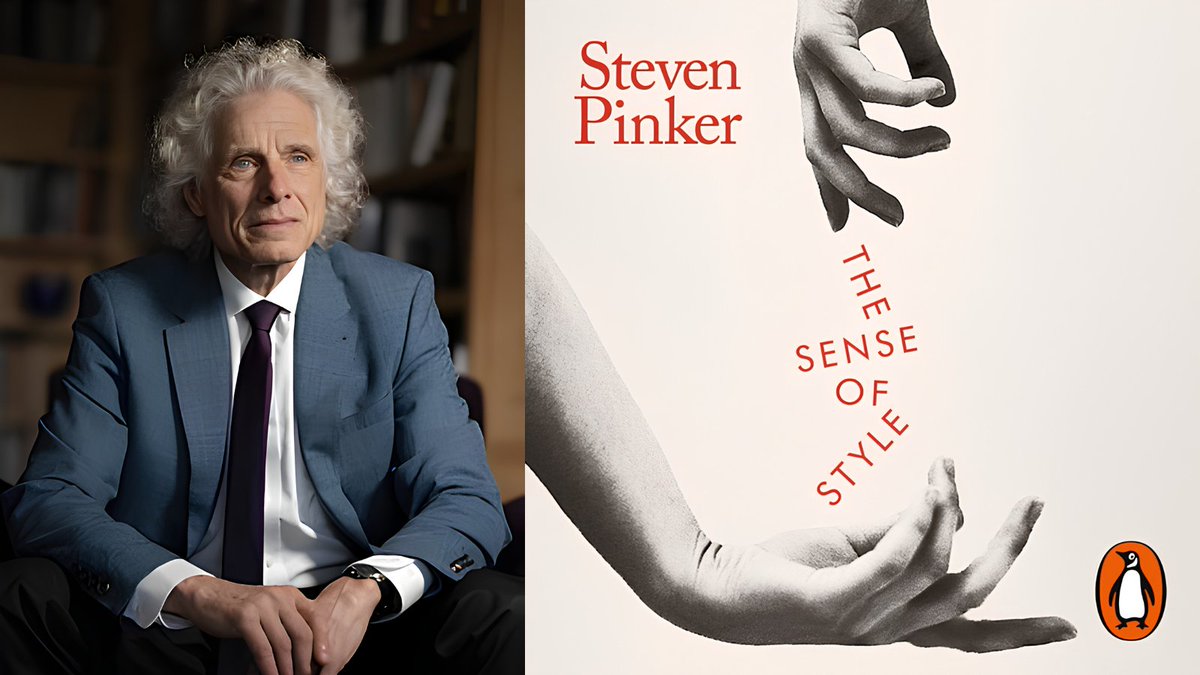
Steven Pinker is a Harvard psychologist who wrote the only style guide based on how the brain actually reads.
Here are 10 writing fixes from "The Sense of Style" rooted in cognitive science, not grammar rules.
1) The curse of knowledge ruins more writing than laziness
36
Jun 11
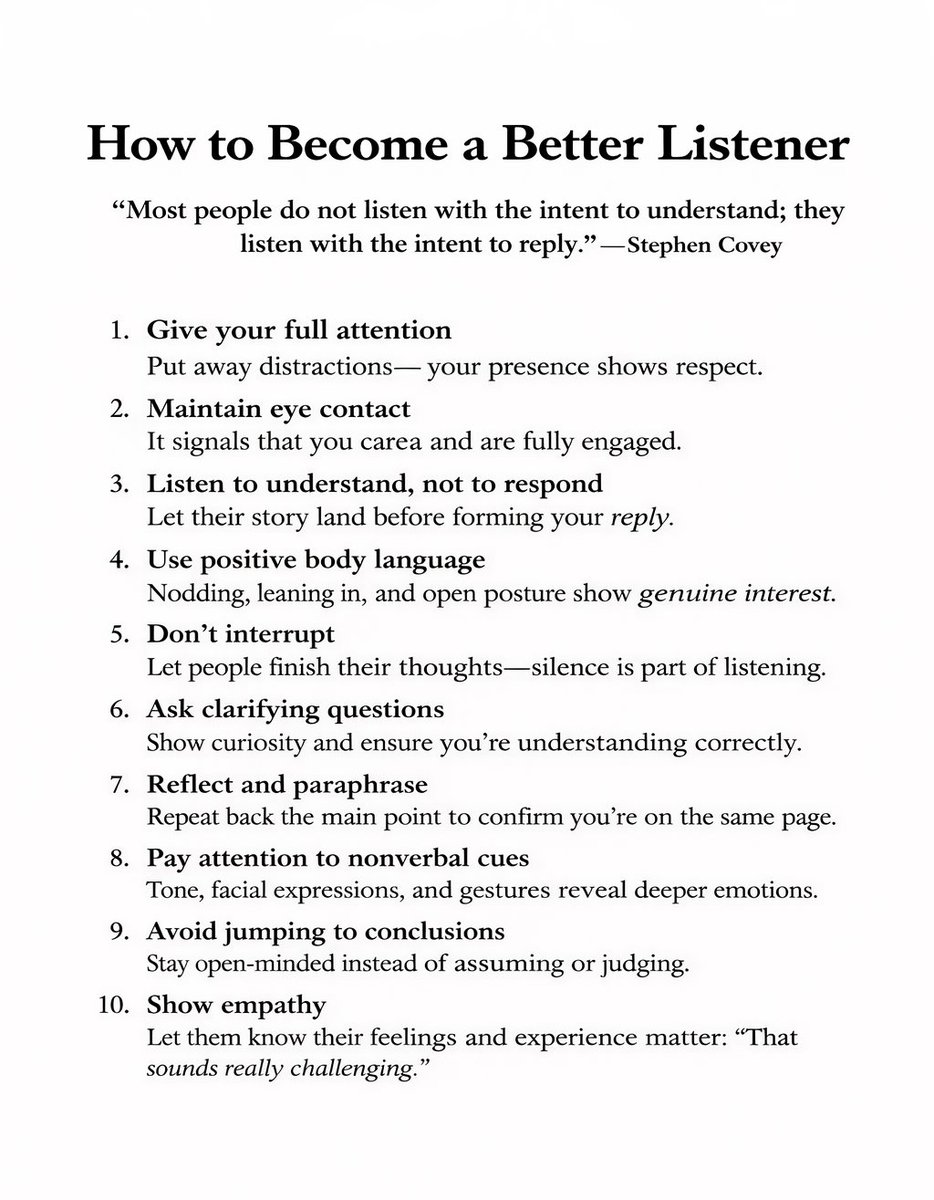
10の良い聞き手になる方法
1.全力で注意を向ける
スマホや周りの distractions を置いて、相手に集中。存在自体が敬意を示す。
2.目を合わせる
相手の目を見て、ちゃんと聞いていることを伝える。
3.理解するために聞く(返事のためじゃない)
相手の話を最後まで聞いてから、自分の返事を考える(Coveyの引用の核心)。
4.肯定的なボディランゲージを使う
うなずく・身を乗り出す・オープンな姿勢で興味を示す。
遮らない
5.相手が話し終わるまで待つ。沈黙も聴く一部。
確認質問をする
6.「それってこういうこと?」と聞き返して、正しく理解しているか確かめる。
7.要約して返す(Paraphrase)
「つまり〜ってことだよね」と自分の言葉で繰り返して確認。
8.非言語のサインに注意
声のトーン、表情、ジェスチャーから本当の感情を読む。
9.早合点しない
決めつけず、開いた心で聞く。判断は後回し。
10.共感を示す
「それは大変だったね」など、相手の感情を認めて伝える。
24
Jun 11
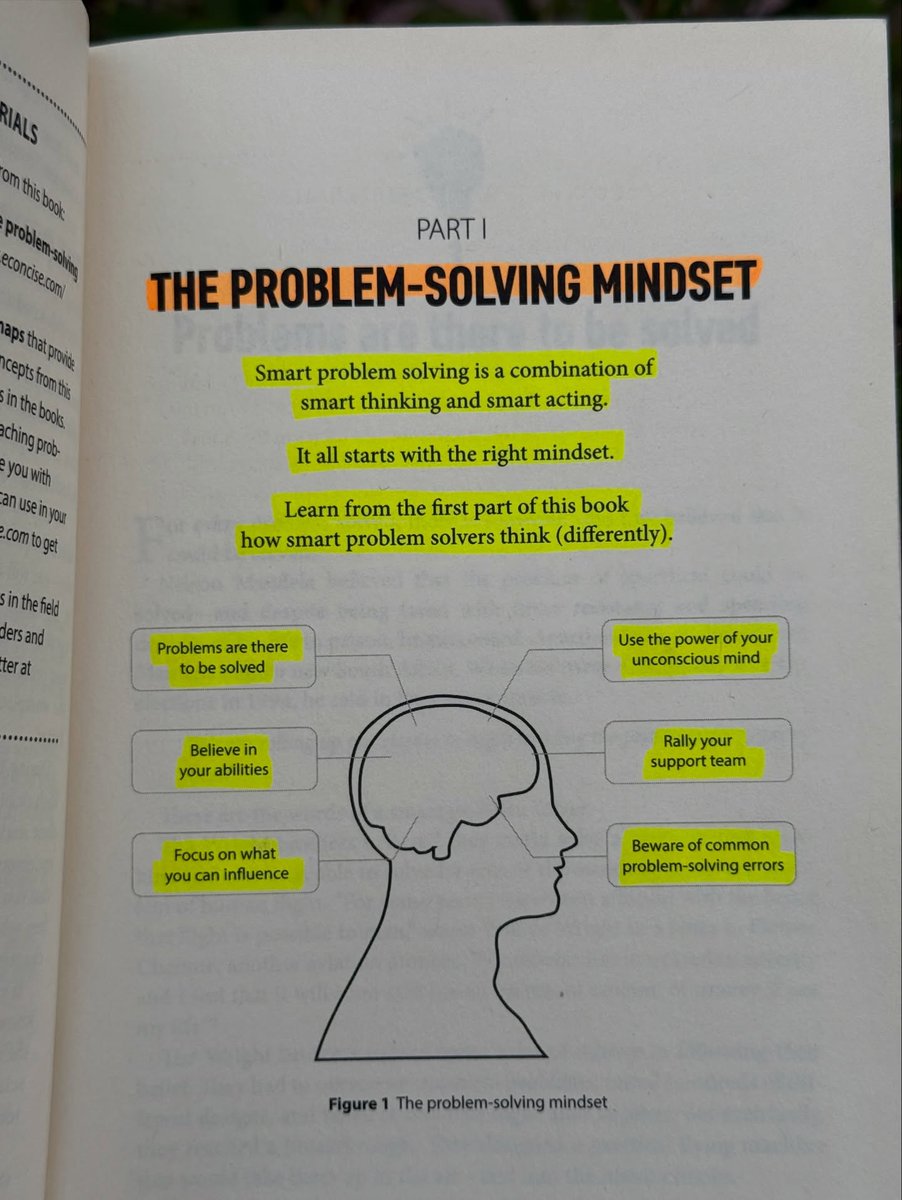
問題解決はまず心構えから。
問題は必ず解決できると信じて、自分で変えられることに集中し、行動しながら学び続けること。
17
Jun 11
「過去を責めず、今に集中し、未来を広く開け。」自己批判を手放し、現在を全力で生き、未来の選択肢を広げる。
それが脳のバランスと生産性を最も高める道である。
Jun 11
The past needs compassion.
The present needs discipline.
The future needs room to surprise you.
15
Jun 10
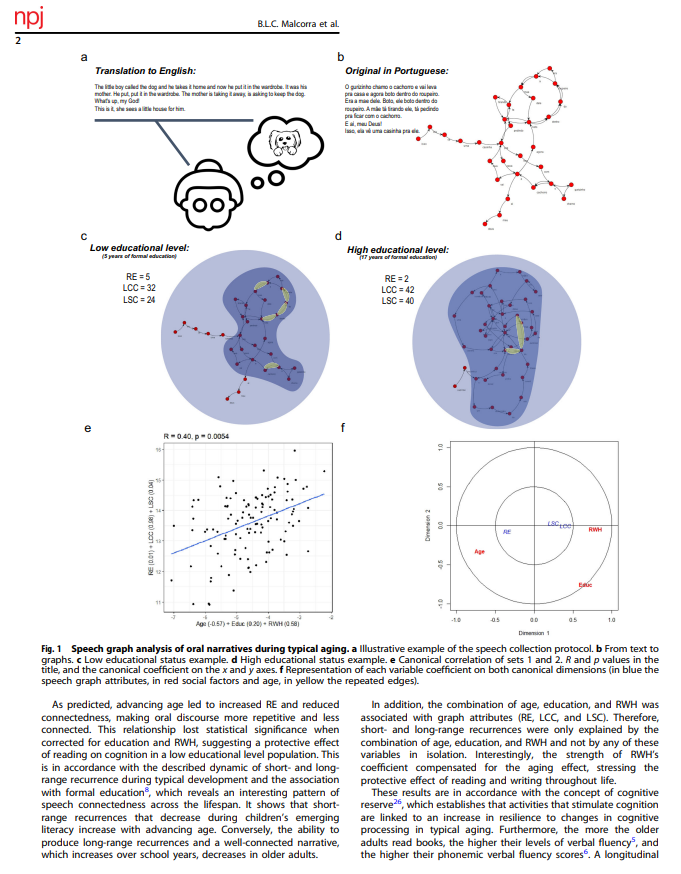
「読書と執筆は『脳の手入れ』である。
知識獲得を超えて、加齢で弱まる『思考のつながり』を守り、頭の中を整理された状態に保つ。
毎日少しでも読んで書き続ける人は、年を取っても話が散漫になりにくい。
脳科学が示す、静かで強力な習慣。」
In simple words, people who read and wrote more often were better able to keep their thoughts connected when telling stories.
Every page you read and every sentence you write may be doing more than building knowledge.
It may be helping your brain stay active, organized, and engaged. Maybe reading and writing are not just habits. Maybe they are brain-care.
Do you read or write every day?
1
19
Jun 10
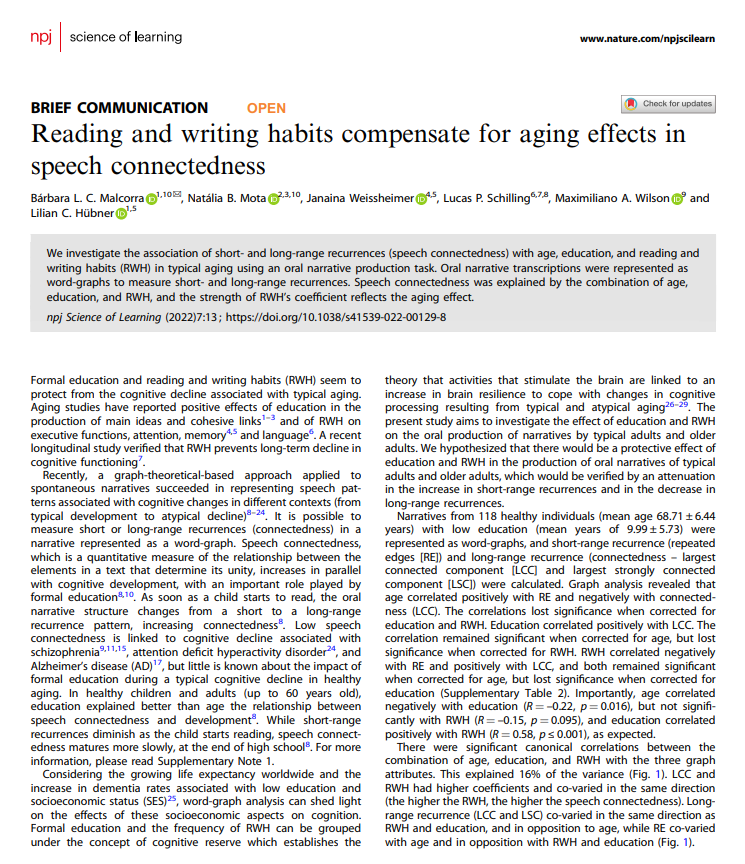
2022年の研究によると、日常的な読書・執筆習慣は、加齢による話し言葉のつながり低下を防ぎ、高齢者でも思考のつながりを保ちやすくする。認知予備力を高め、脳の健康維持に有効。
Reading is not just for learning. Writing is not just for expressing thoughts. Both may help protect the way the mind stays connected with age.
A study found that regular reading and writing habits helped compensate for aging effects in speech connectedness, especially in older adults.
14
Jun 10
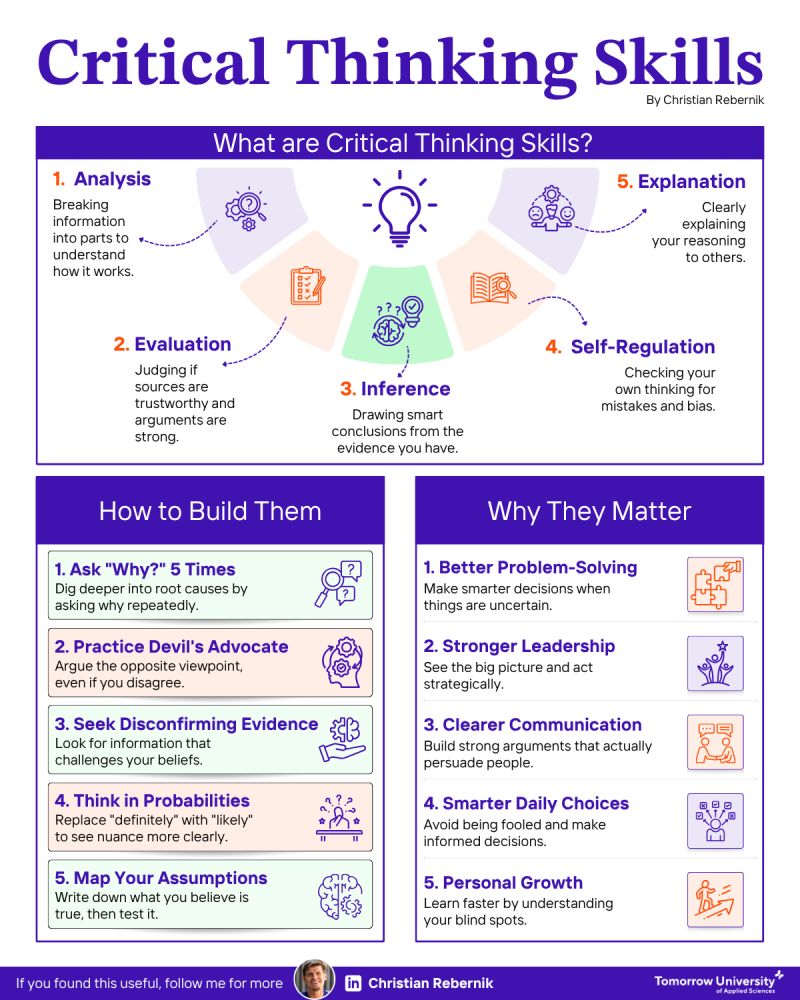
「ロジカルシンキング=論理の構築力
クリティカルシンキング=論理の検証力
この違いをしっかり分けることを意識すると、思考の質が上がり、脳がスッキリと心地よく働くようになる。
混ぜて使うより、分けて活かす方が遥かに効果的だ。」
1
2
40
Jun 10
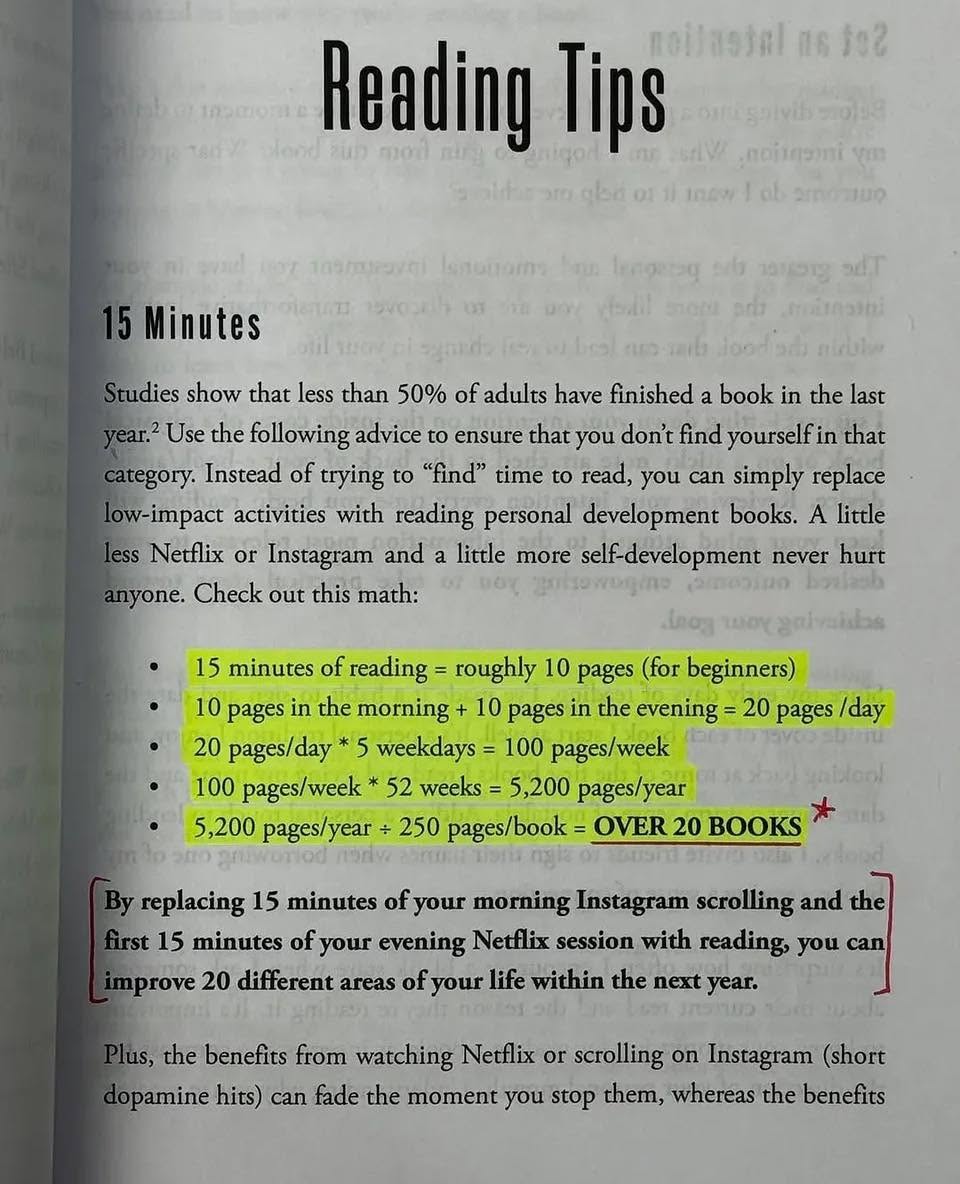
「1日15分の読書習慣で、年間10冊以上。
これはGritの証明だ。
毎日コツコツ続けるたび、脳の回路は書き換わり、集中力と知性が静かに向上する。
続けることこそが、最大の自己投資。
脳は変わる。あなたも変わる。」
1
12
Jun 10
読書は脳の接続性を高める——左側頭皮質を中心に、記憶と認知が数日持続して向上する科学的エビデンスあり。 毎日少しずつ小説を開く習慣が、散漫な頭を整理し、持続的な頭の冴えを生む。
Brain Rebornの基本はここにある。
Jun 10
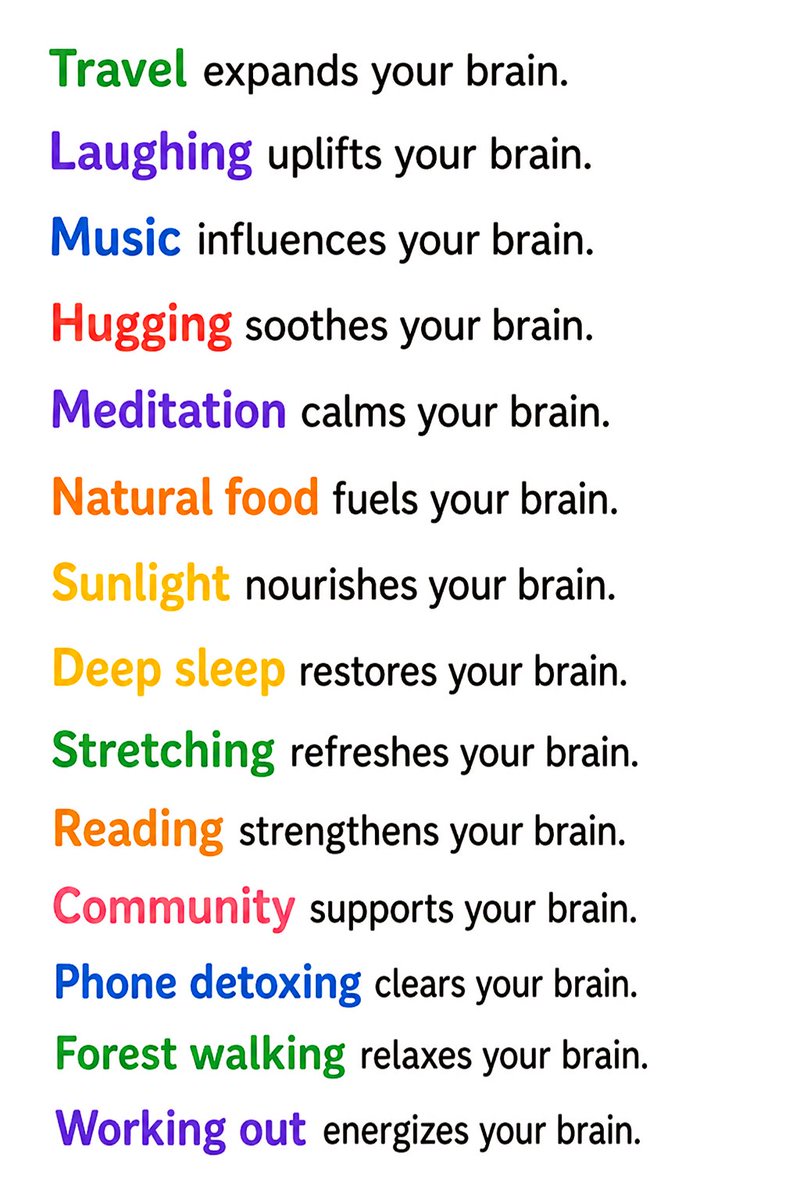
Reading strengthens your brain.
Reading strengthens your brain.
Reading strengthens your brain.
Reading strengthens your brain.
Reading strengthens your brain.
Reading strengthens your brain.
9
今泉 睦|代表者の考え翻訳家 retweeted

Jun 5
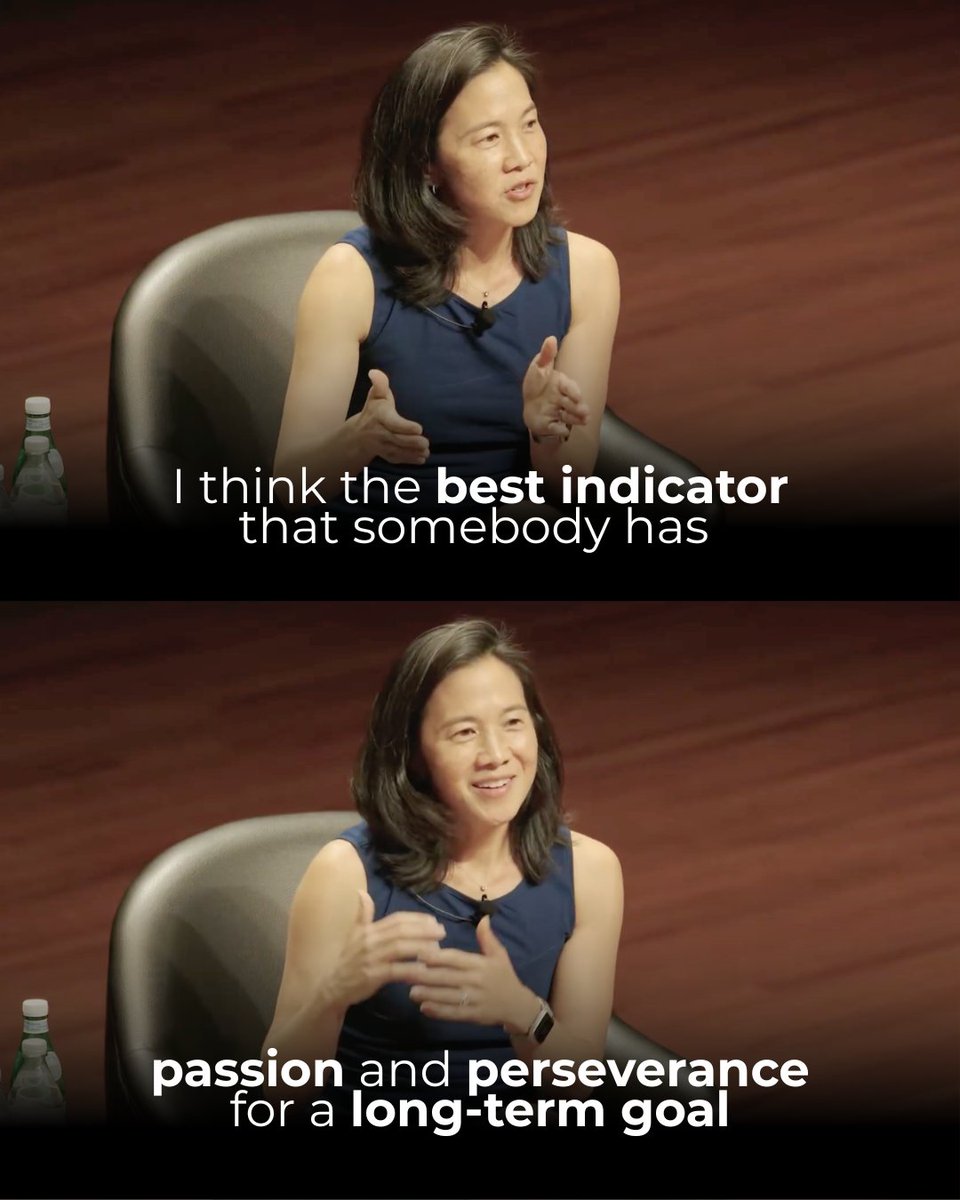
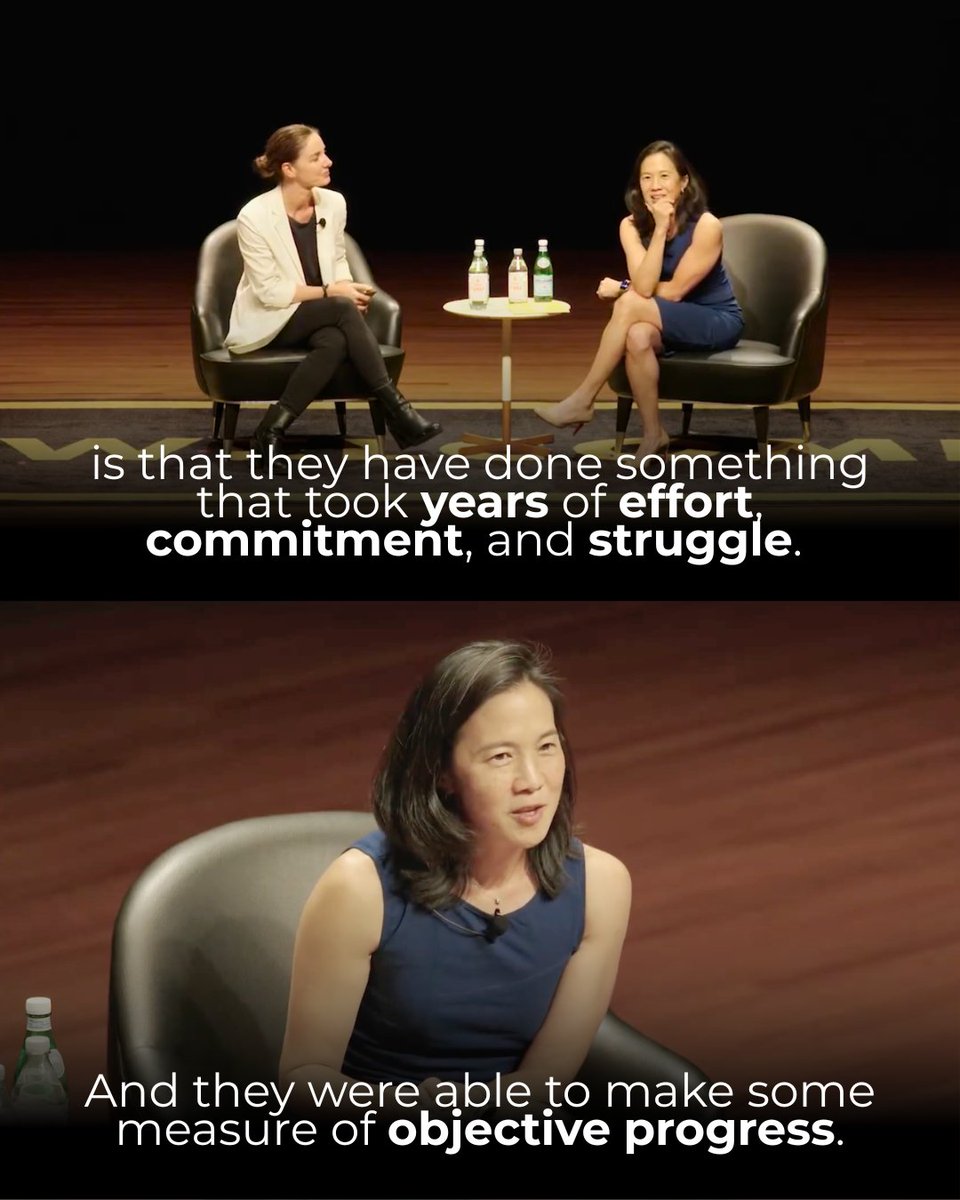
How do you find grit in a resume?
Look for this pattern: multi-year commitments with evidence of progress.
5
66
592
57,385
May 28
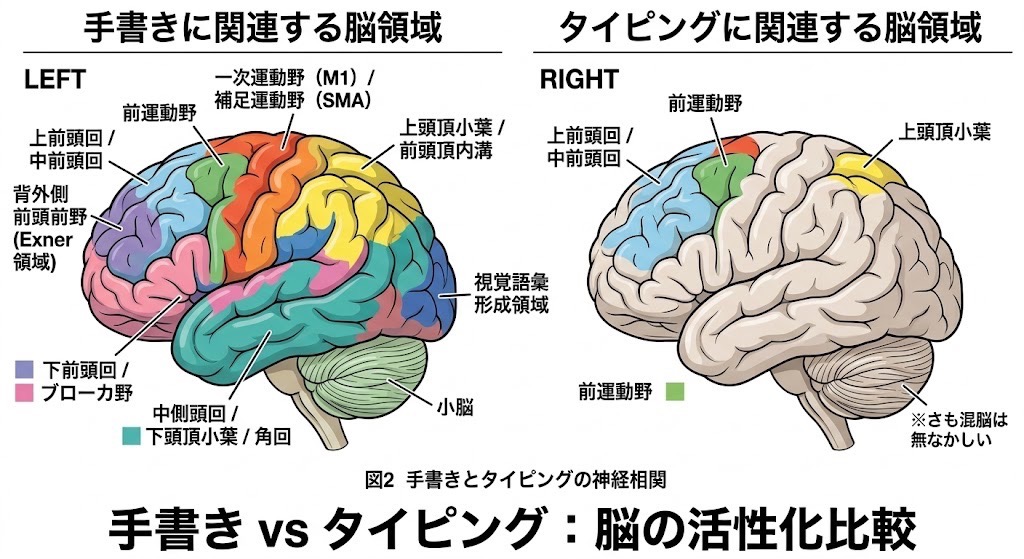
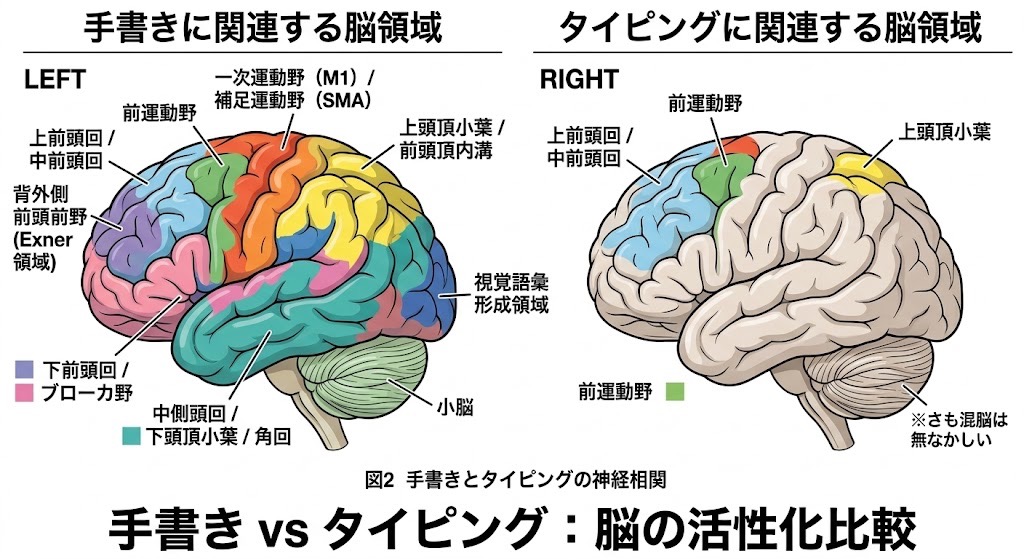
「手書き vs タイピング」
脳科学が証明する、学習効率の差。
手書きは脳の複数の領域をフル稼働させ、記憶の定着と理解を深めます。
研修や自己成長で成果を出したいなら、まずはノートを「書く」ことから。
1
42
May 27
良い環境は、国を選びません。日本でもありますよ。
May 26

A curious person who is eager to learn will always find a willing teacher.
24

Knowing your nature is critically important to understanding what success is for you.
I can't tell you literally what is best for you, but I can tell you that success is not having a lot more money or status than you need. Having the time and freedom to do what you most want to do is far more important.
What is success for most people? It is a matter of having meaningful work and meaningful relationships. If you can make your work and your passion one and the same, and do it with people who you care about and care about you, you will have a happy, successful life.
Explore Principles for the Graduating Class of 2026 with my AI Twin, Digital Ray in Beta, here: tr.ee/nqaoLk
48
145
904
98,427