
Joined January 2021
- Tweets 2,979
- Following 407
- Followers 193
- Likes 28,234
241 Photos and videos






May 31
65
🚩Proles Revenge 💀⚔️🩸 retweeted

May 31
All of this outrage at the homeless for existing is very beta behavior. How do you consider yourself a strong, able bodied person, see members of your own species struggling, and go dick around on your ipad in your cyber truck? How do you not feel like a huge fucking loser
33
39
274
8,640
May 28
71
1
2
213
🚩Proles Revenge 💀⚔️🩸 retweeted

Watching a documentary about the fall of the USSR
6
45
344
3,927
🚩Proles Revenge 💀⚔️🩸 retweeted

Feb 18
im a hater first & foremost but im also a lover
11
23
281
9,353
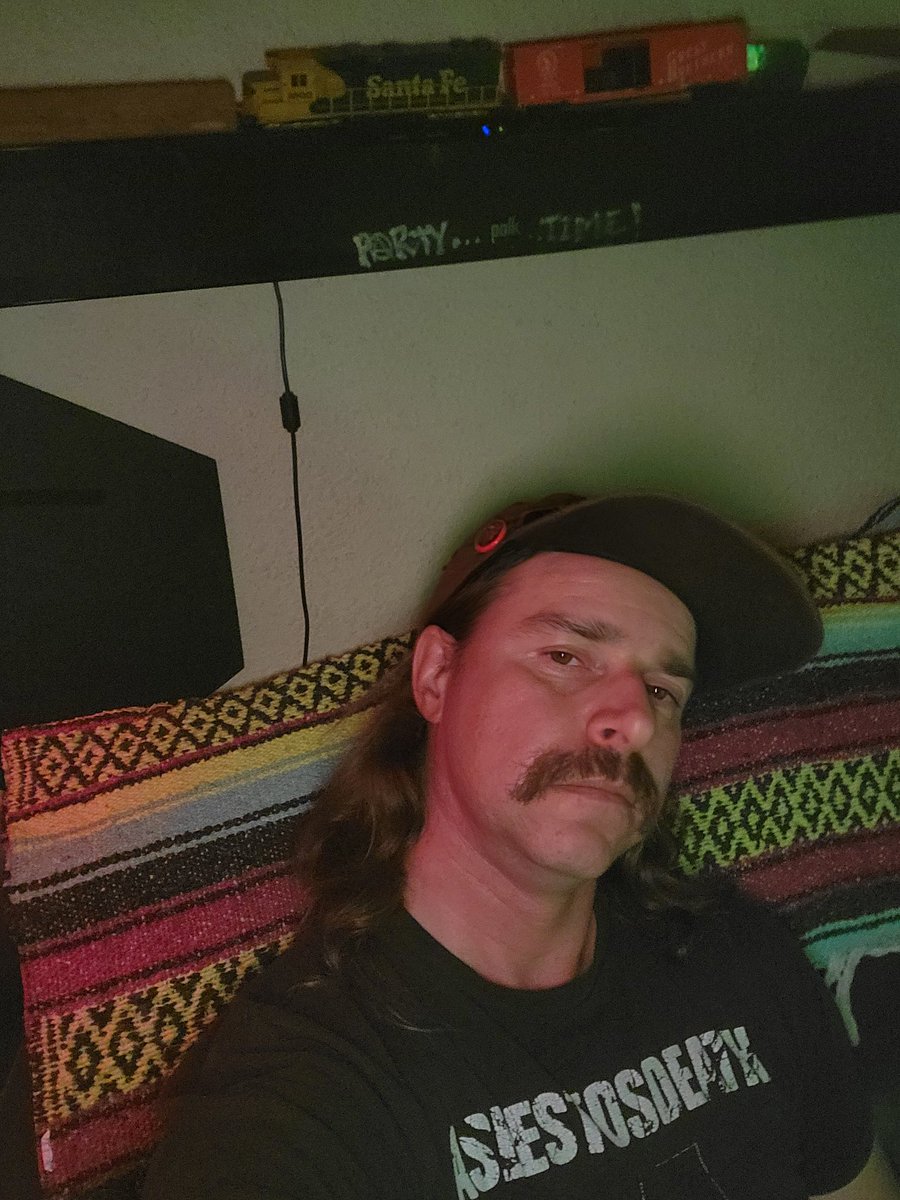
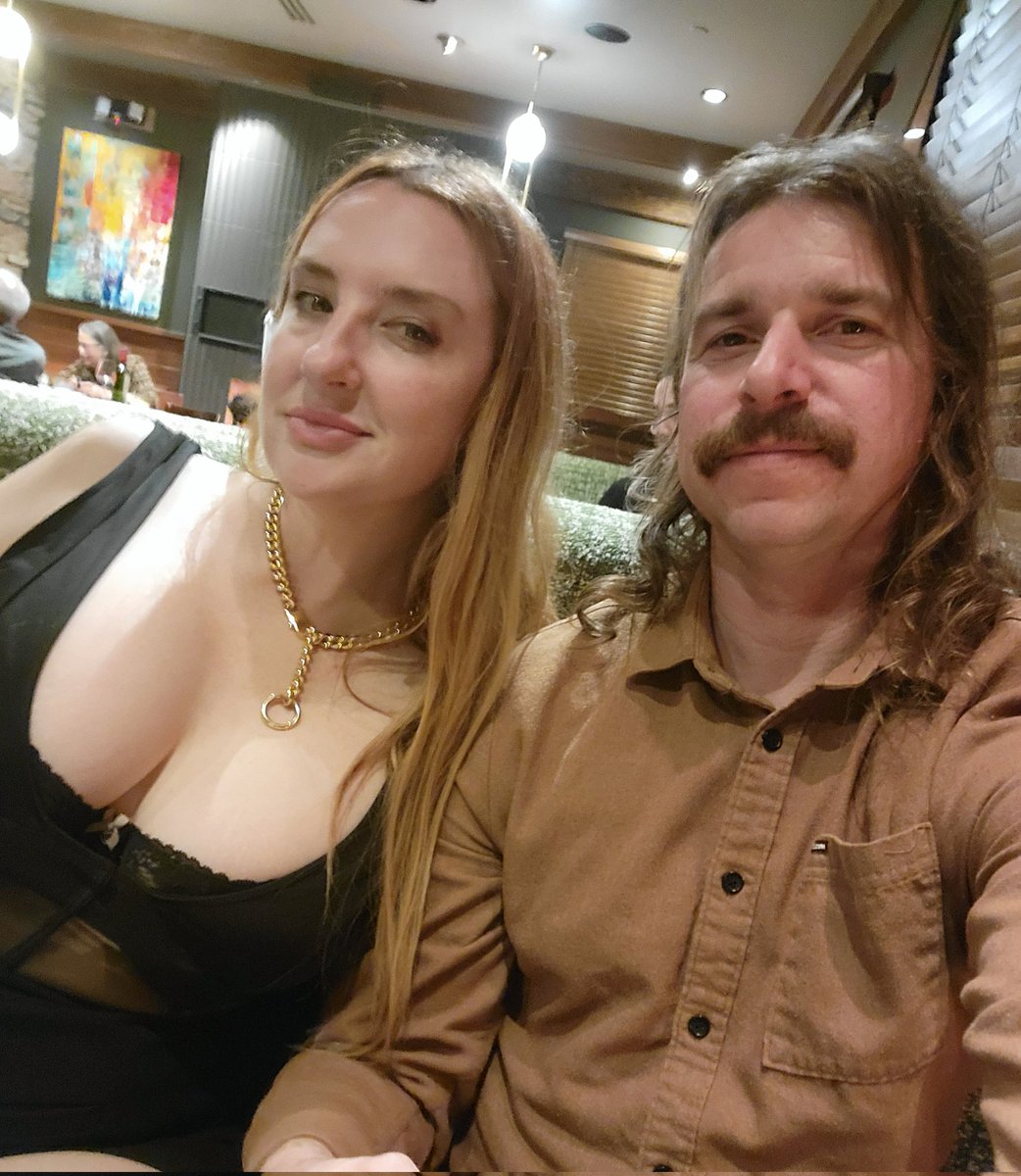
yes, the world is more fucked everyday, but I just got my residential HVAC certificate and my love has been working her ass off in behavioral health, research, running a needle exchange, and fighting the most recent draconian city ordinance. we are enjoying a meal!
2
140
🚩Proles Revenge 💀⚔️🩸 retweeted

Jan 28
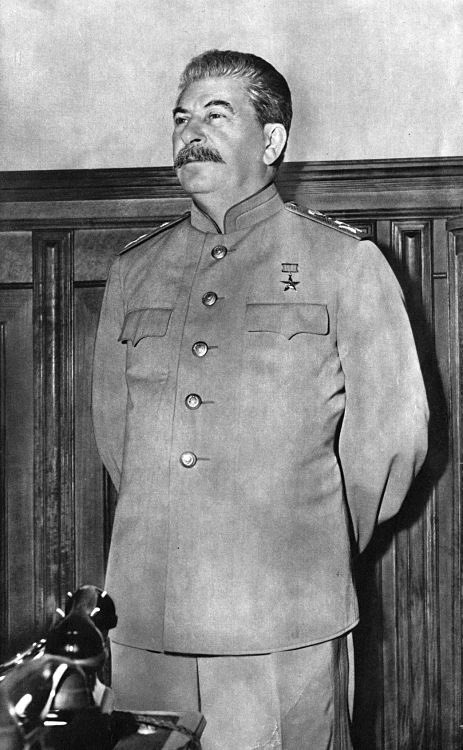
In reply to a question from the German author Emil Ludwig about the Soviet government’s ruthlessness toward its enemies, Joseph Stalin said in a 1931 interview:
“When the Bolsheviks first assumed power they adopted an attitude of mildness towards their enemies. The Mensheviks continued to exist legally and conduct their own paper. The Socialist Revolutionaries also continued to exist legally and had their own paper. Even the Constitutional Democrats continued to publish their own paper. When General Krasnov organised his counter-revolutionary attack on Leningrad and fell into our hands, according to the rules of warfare, we might at least have kept him prisoner. In fact, we ought to have shot him. But we released him on his “word of honour.” What was the result? It soon became clear that such mildness was only serving to undermine the strength of the Soviet government. It was a mistake to have displayed such mildness towards the enemies of the working class. To have persisted in that mistake would have been a crime against the working class and a betrayal of its interests. That very soon became only too clear. It soon became obvious that the milder our attitude towards our enemies, the more bitter their resistance. Very soon the Right Socialist Revolutionaries—Gotz and this like—and the Right Mensheviks began to organise the military cadets in Leningrad for the purpose of carrying out counter-revolutionary attacks, as a result of which many of our revolutionary sailors perished. This very Krasnov, whom we had released on his “word of honour,” organised the White Guard Cossacks. He joined forces with Mamontov and for two years waged an armed struggle against the Soviet government. It very soon appeared that behind the White Guard generals stood the agents of western capitalist states, such as France, England, America and Japan. And so we became convinced that mildness was a mistake. Experience taught us that the only way to cope with such enemies is to adopt a ruthless policy of suppression.”
26
303
1,581
53,813
🚩Proles Revenge 💀⚔️🩸 retweeted

Jan 28
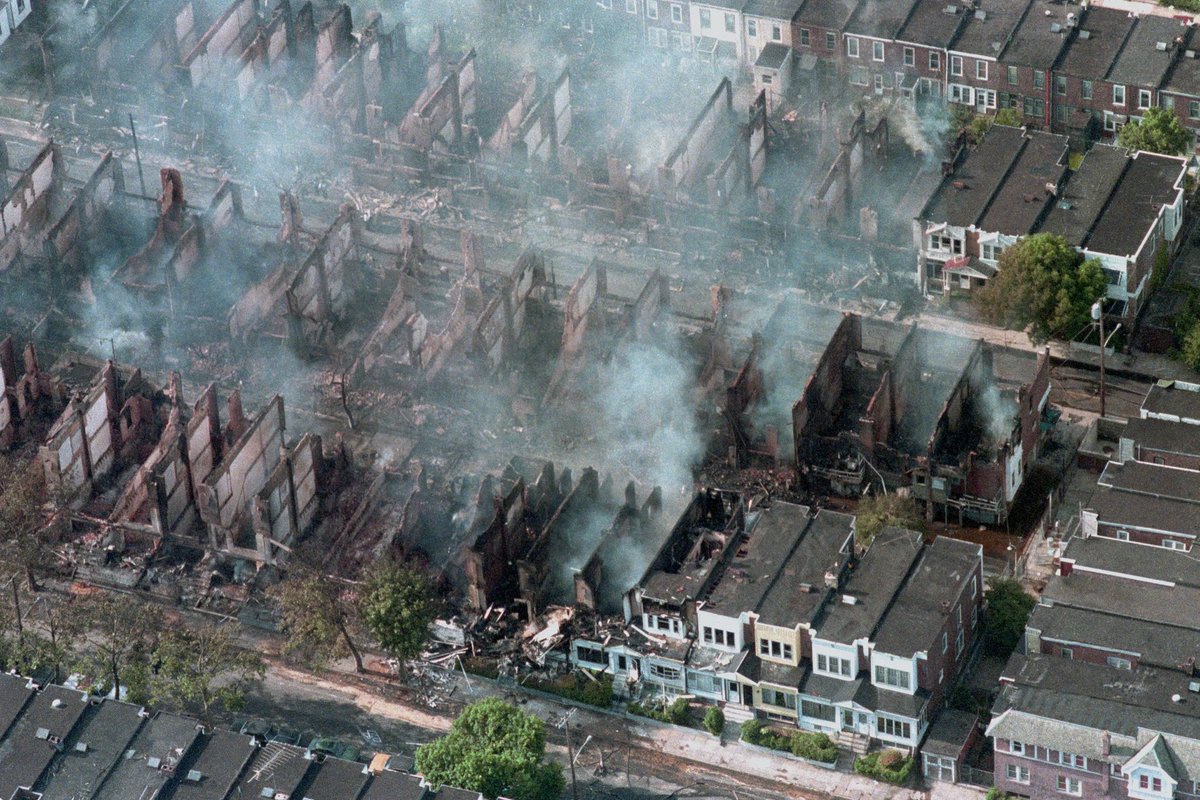
On May 13, 1985 in Philadelphia, the Pennsylvania State Police dropped a bomb from a helicopter onto a Black neighborhood.
11 people were killed, 5 of whom were children.
As we see ICE terrorize communities, understand that saying “this isn’t who we are” is false.
808
7,741
25,902
1,957,335



🚩Proles Revenge 💀⚔️🩸 retweeted

Jan 24
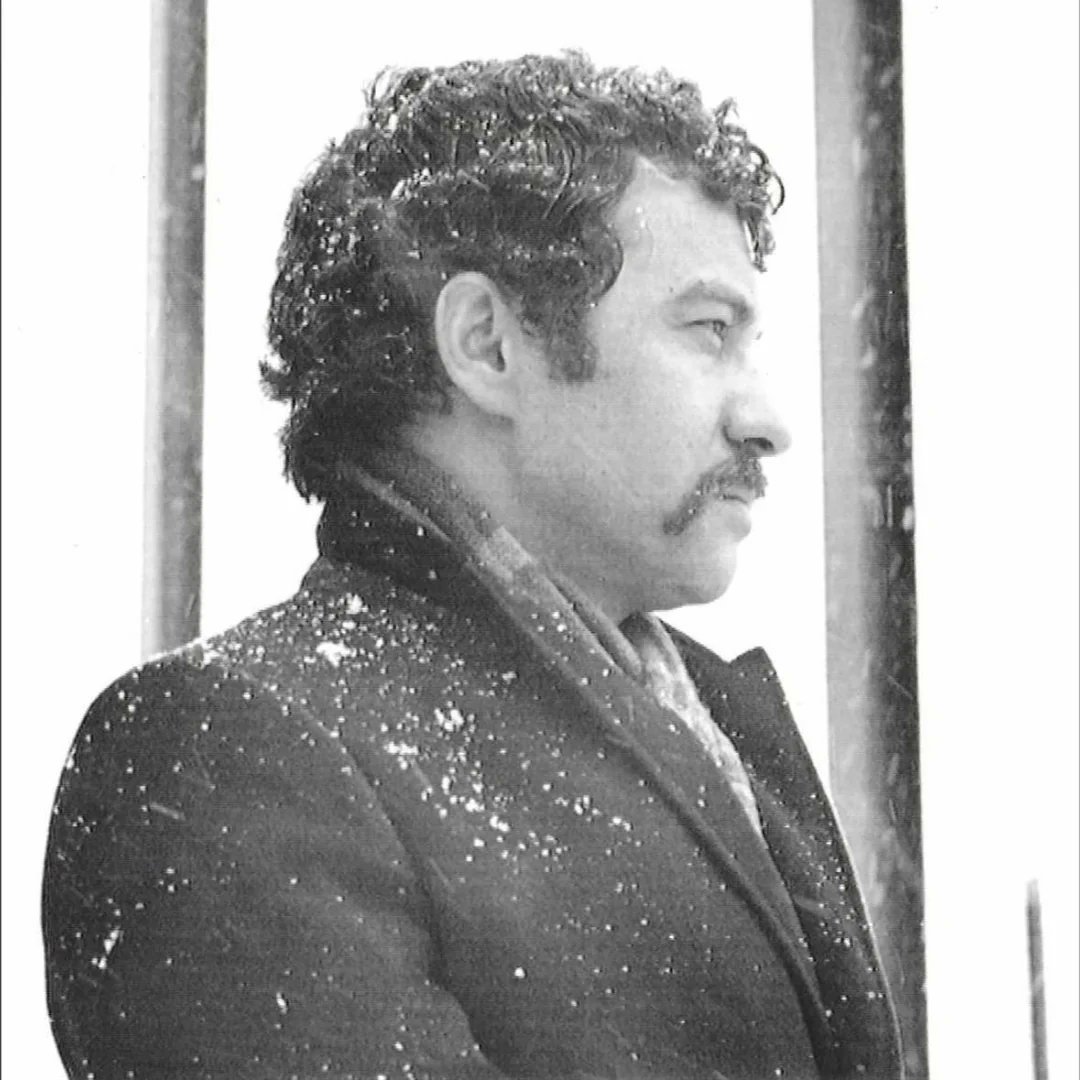
Michael Parenti (1933-2026) died today. He has, as his son Christian said, 'gone to the Great Lecture Hall in the Sky'. A socialist from early into his life till the very end, Michael Parenti wrote in a feisty way and spoke bluntly the truths that were not always easy to digest in a wretched capitalist system. He was a fierce critic of imperialist wars and suffered the consequences of this because he could keep and then hold academic jobs even in liberal states such as Vermont.
The toughest test for all of us came when the USSR collapsed, and it was in this period that Michael Parenti played an important role in the Battle of Ideas, fighting the reactionary Western media and the intellectual cowardice of his peers. His books on Yugoslavia's destruction earned him terrible attacks, which he brushed off as the necessary price you pay in this struggle. In the midst of it all, Michael wrote 'Blackshirts and Reds: Rational Fascism and the Overthrow of Communism' (1997), a rebuttal to the anti-Marxist and anti-Communist blather that had begun to infect the world. The book remains an essential tool to fight against the ridiculous anti-communist historiography that demeans the great achievements of the workers' movements.
He spent the last period of his life within himself, which was a loss to the rest of us, and now his departure leaves us without that anchor which he provided.
Michael Parenti. Comrade. Our Red Flag dips in your honour.
93
1,863
7,220
183,141
🚩Proles Revenge 💀⚔️🩸 retweeted

Jan 24
if this was actually the victims gun, you can see one of the agents disarming him BEFORE he’s shot numerous times.
Jan 24

It appears from zooming in just moments before ICE/CBP shoot yet another US citizen, one agent removes the victims firearm from his waste holster.
The victim was UNARMED when he was shot multiple times.
This is a state execution. Again.
154
2,264
20,503
591,120
Jan 14
I think you are the one struggling with the truth, the fact that your president is a pedophile himself and protecting other pedophiles. honestly, you look a little sus yourself.🧐 like that old Chinese proverb says "3 things can't be hidden for long, the sun ,moon, and truth"
2
85