Cardiologist & researcher trying to better understand coronary plaque through imaging, AI & data science | @CedarsSinai @BartsHospital @MonashHeart
Joined December 2020
- Tweets 110
- Following 825
- Followers 993
- Likes 961
9 Photos and videos
Pinned Tweet

23 Mar 2022
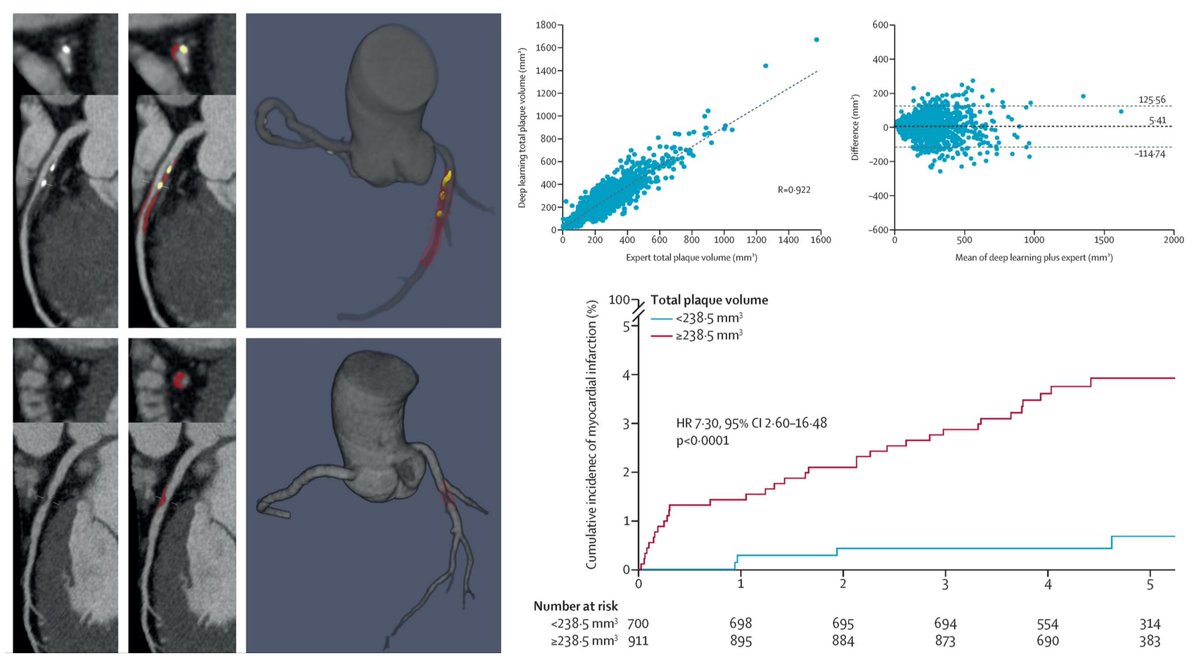
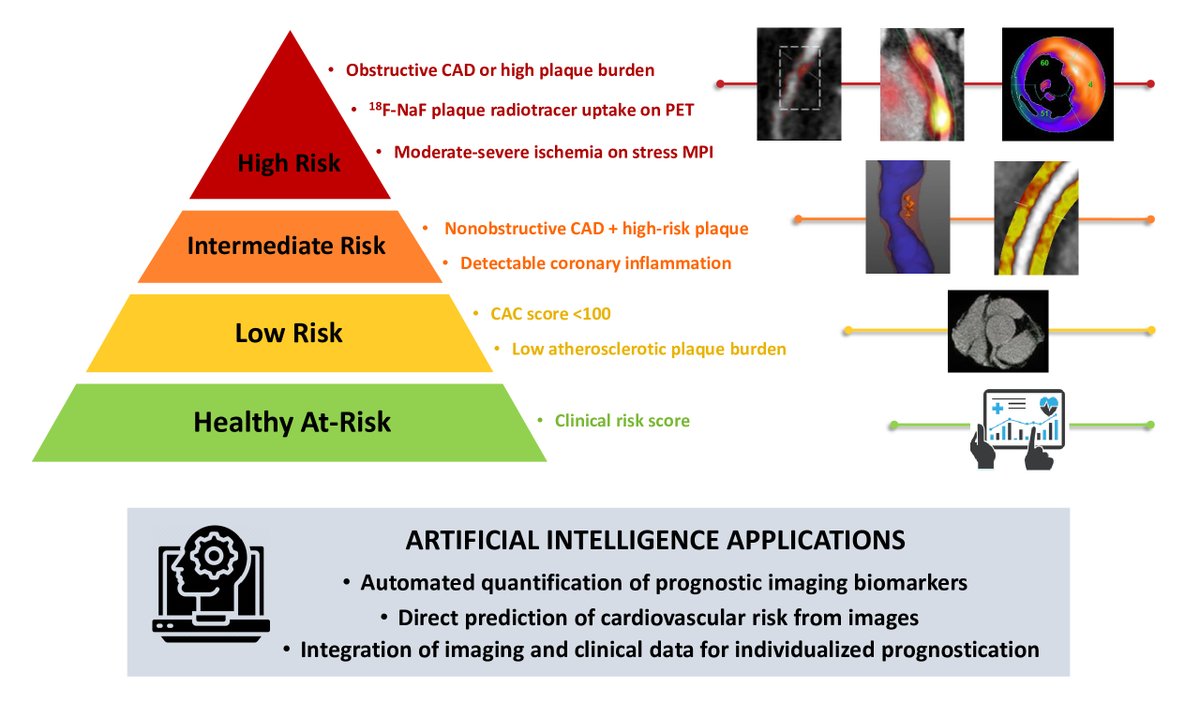
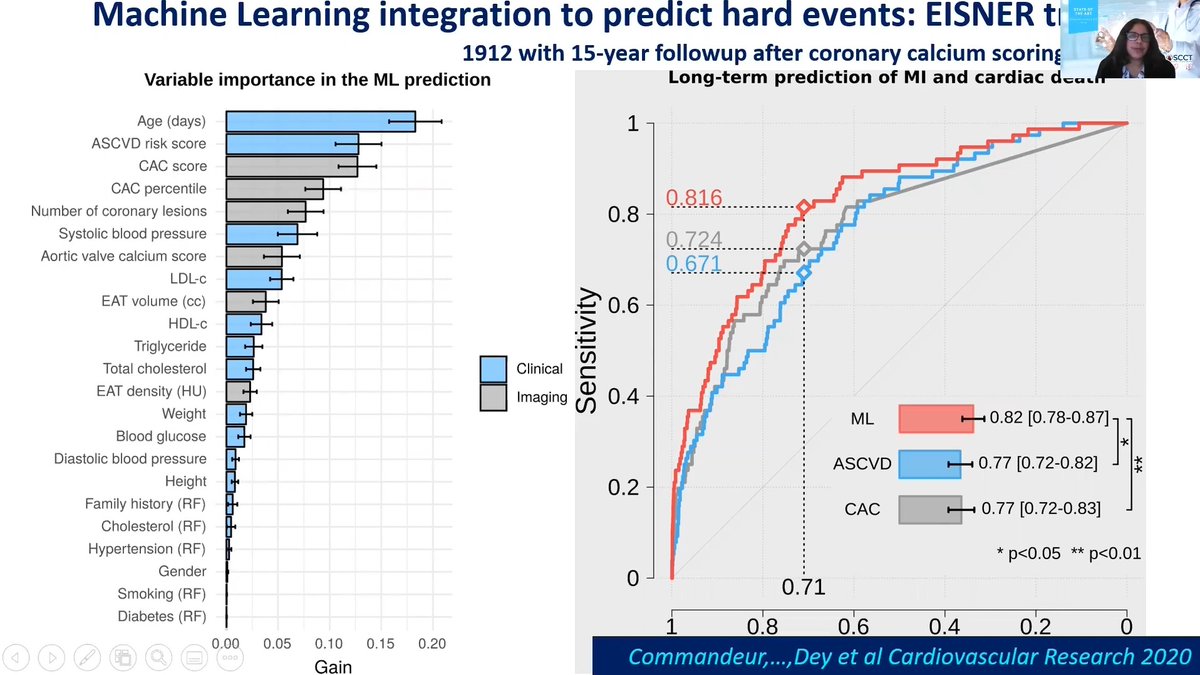
In an international collaboration, we develop and validate a deep learning-based AI system for plaque quantification, stenosis grading, and risk prediction from #YesCCT
Published today: thelancet.com/journals/landi…
@damini_dey @imagingmedsci @MarcDweck @ProfSNicholls @Steph_Achenbach
8
15
85
Andrew Lin retweeted

29 Mar 2025
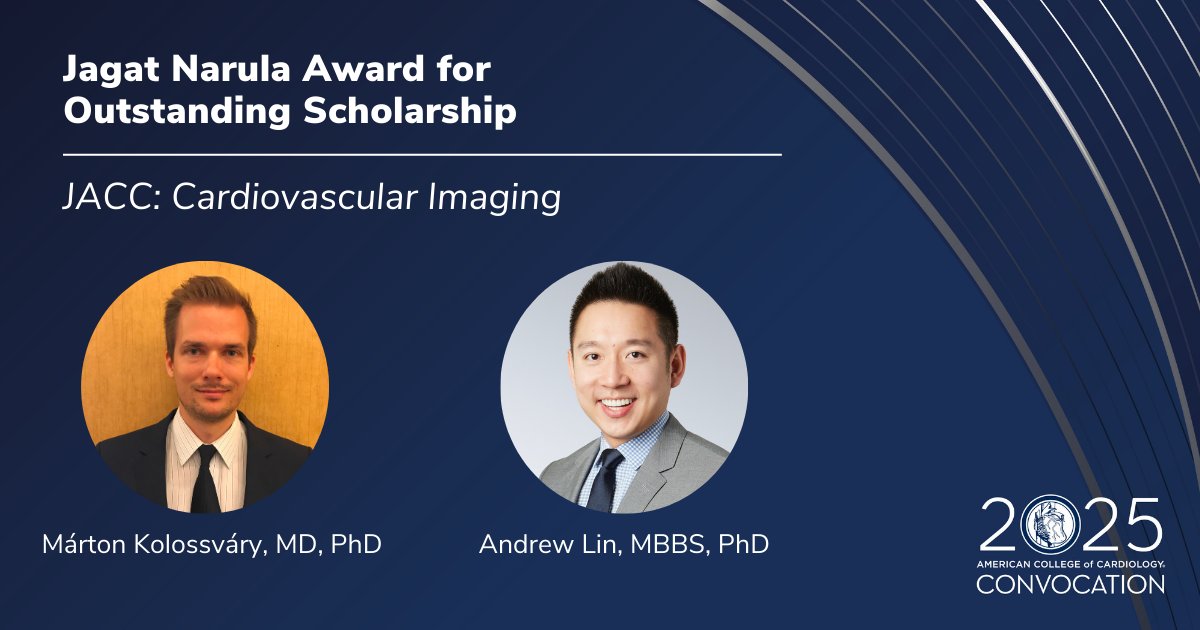
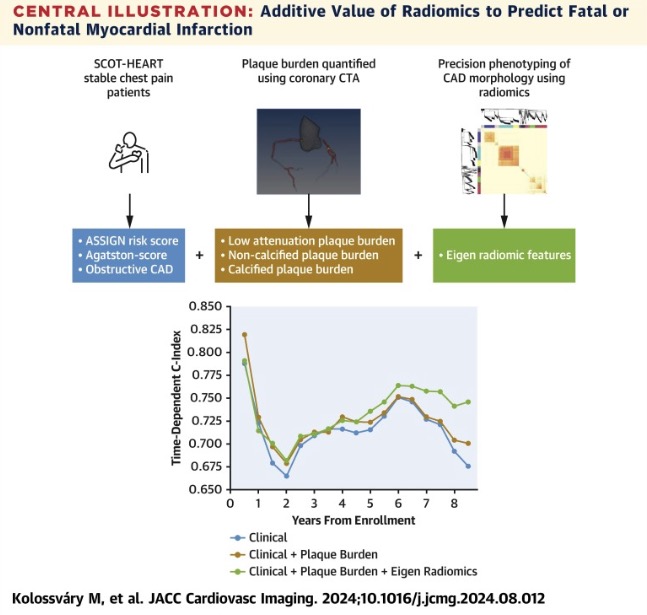
#JACCIMG honors Drs. Márton Kolossváry & Andrew Lin with the Jagat Narula Award for their groundbreaking research on coronary plaque radiomic phenotypes predicting fatal or nonfatal MI! 🎉
📎: jacc.org/doi/10.1016/j.jcmg.…
#ACC25 #TheFaceOfCardiology #cvMI #cvImaging @MKolossvary
1
4
18
4,835
Andrew Lin retweeted
7 Mar 2025
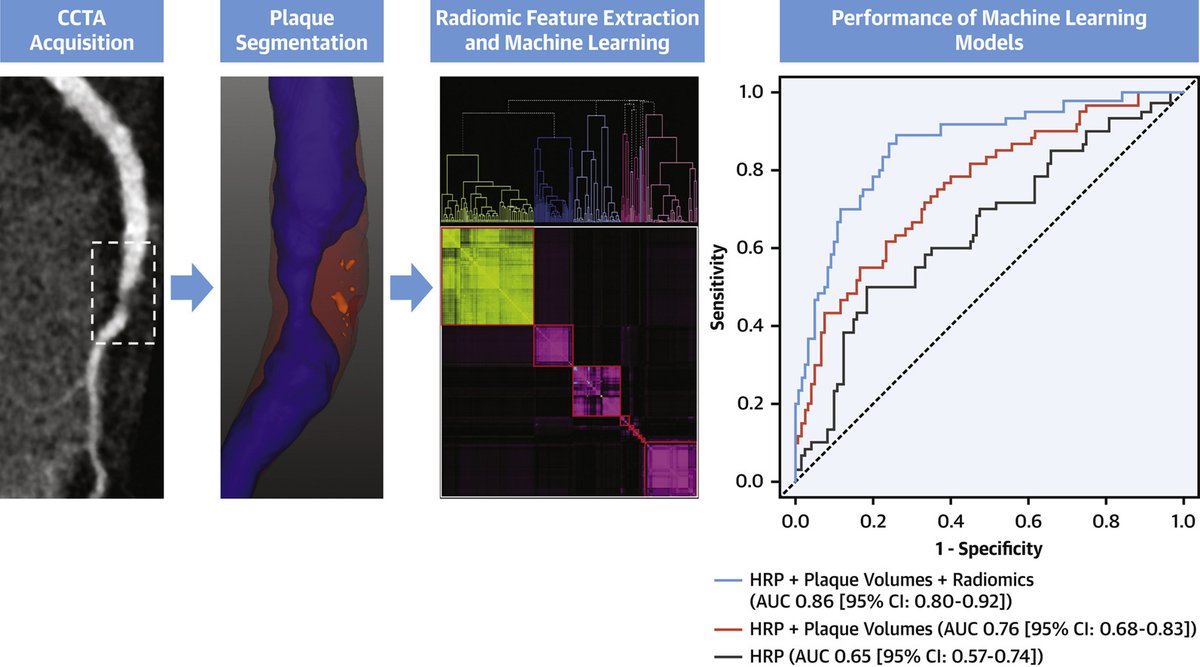
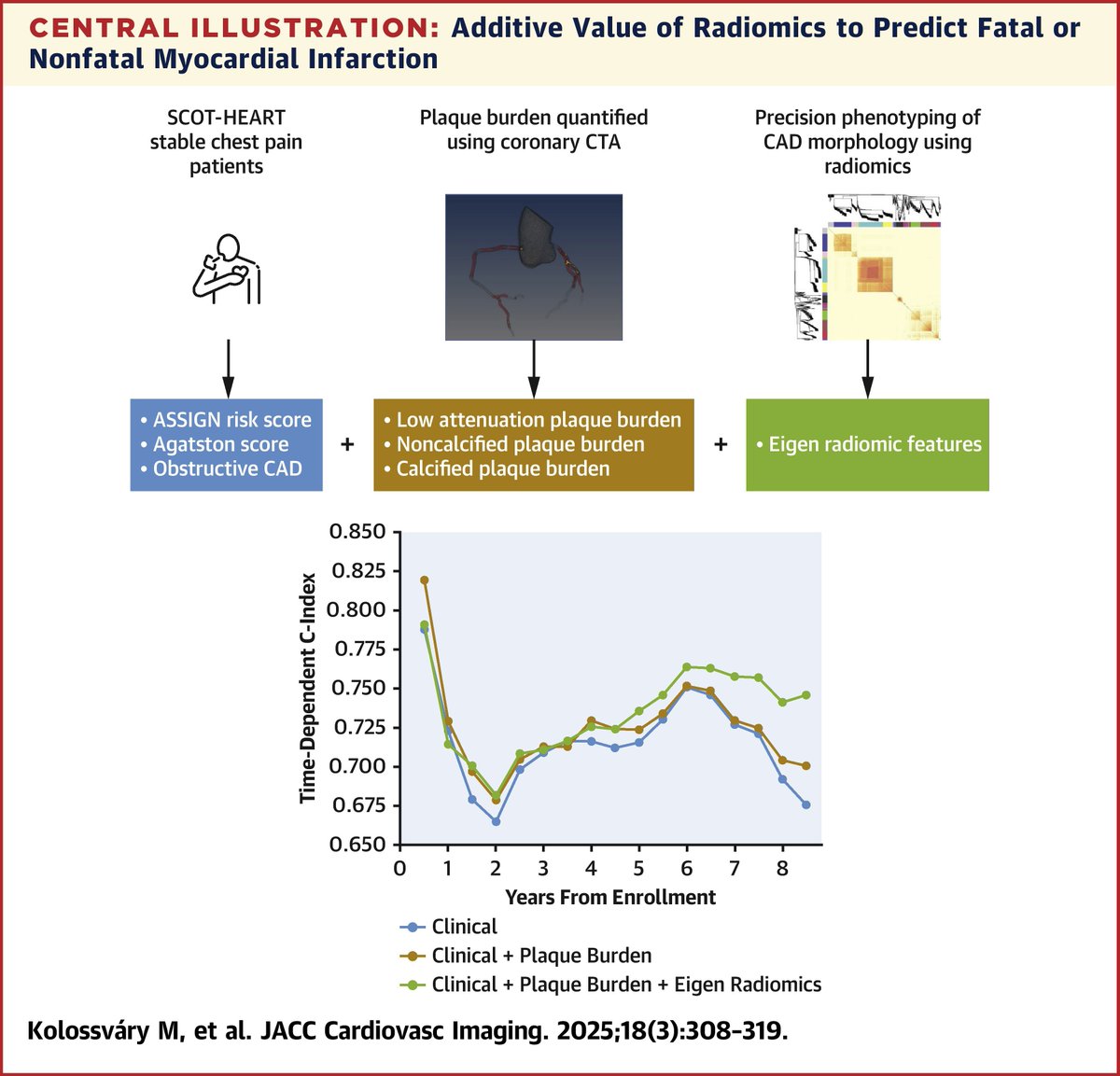
Radiomics – seeing deeper into CCT plaque? Radiomics-based precision phenotyping of coronary plaque morphology improved prediction (c-statistic 0.7 to 0.74) of #cvMI by #YesCCT over & above clinical factors & plaque burden in the SCOT-HEART trial. jacc.org/doi/10.1016/j.jcmg.… #JACCIMG
7
19
3,422
Andrew Lin retweeted
5 Mar 2025
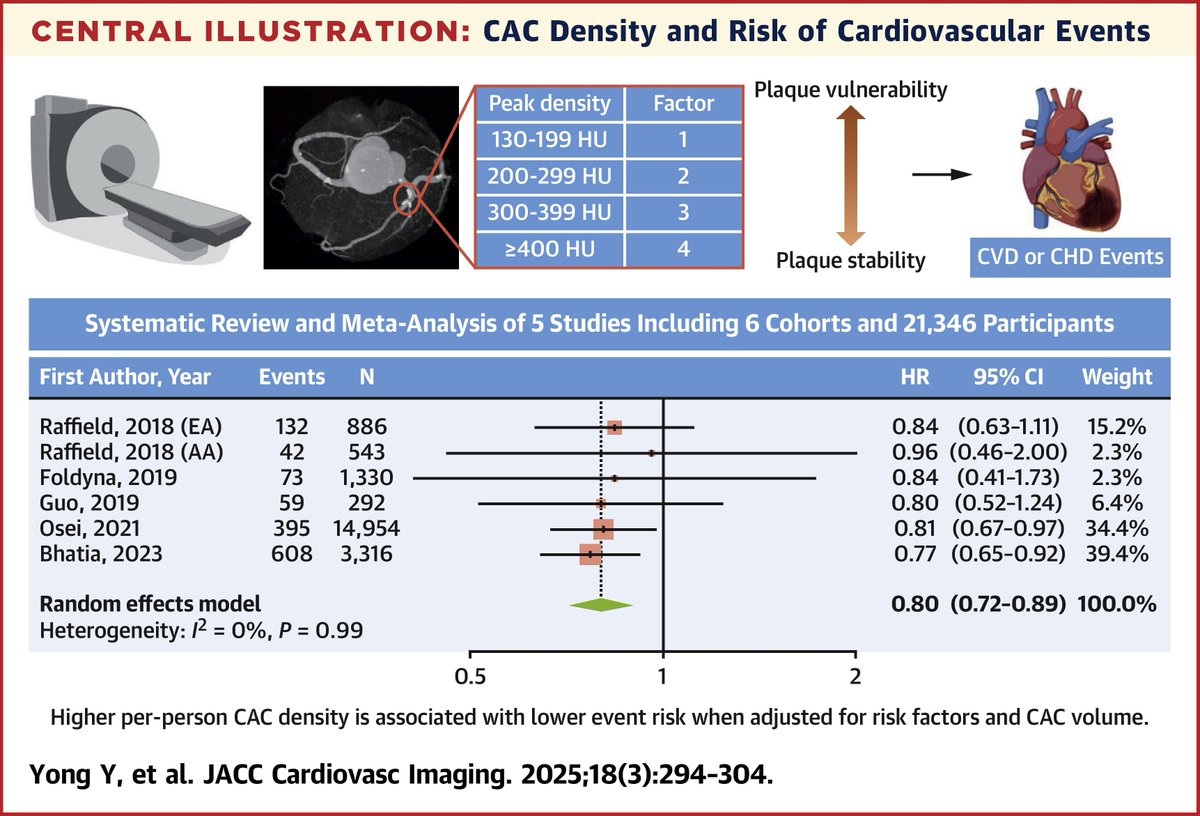
Higher density, lower risk #cvCAD plaque? Higher #CAC density confers a lower risk of future #CVD events with a ~20% lower risk for each standard deviation increase in density in this systemic review and meta-analysis jacc.org/doi/10.1016/j.jcmg.…
#YesCCT #JACCIMG @DrAndrewLin
1
25
49
7,277
Andrew Lin retweeted

1 Nov 2024
Can #radiomic phenotypes help improve MACE prediction beyond plaque burden? Does plaque morphology play a role in long-term outcomes? Long-term SCOT-HEART analysis 👇@DrAndrewLin @damini_dey @imagingmedsci
jacc.org/doi/10.1016/j.jcmg.…
1
7
15
1,348
Andrew Lin retweeted

28 Jul 2023
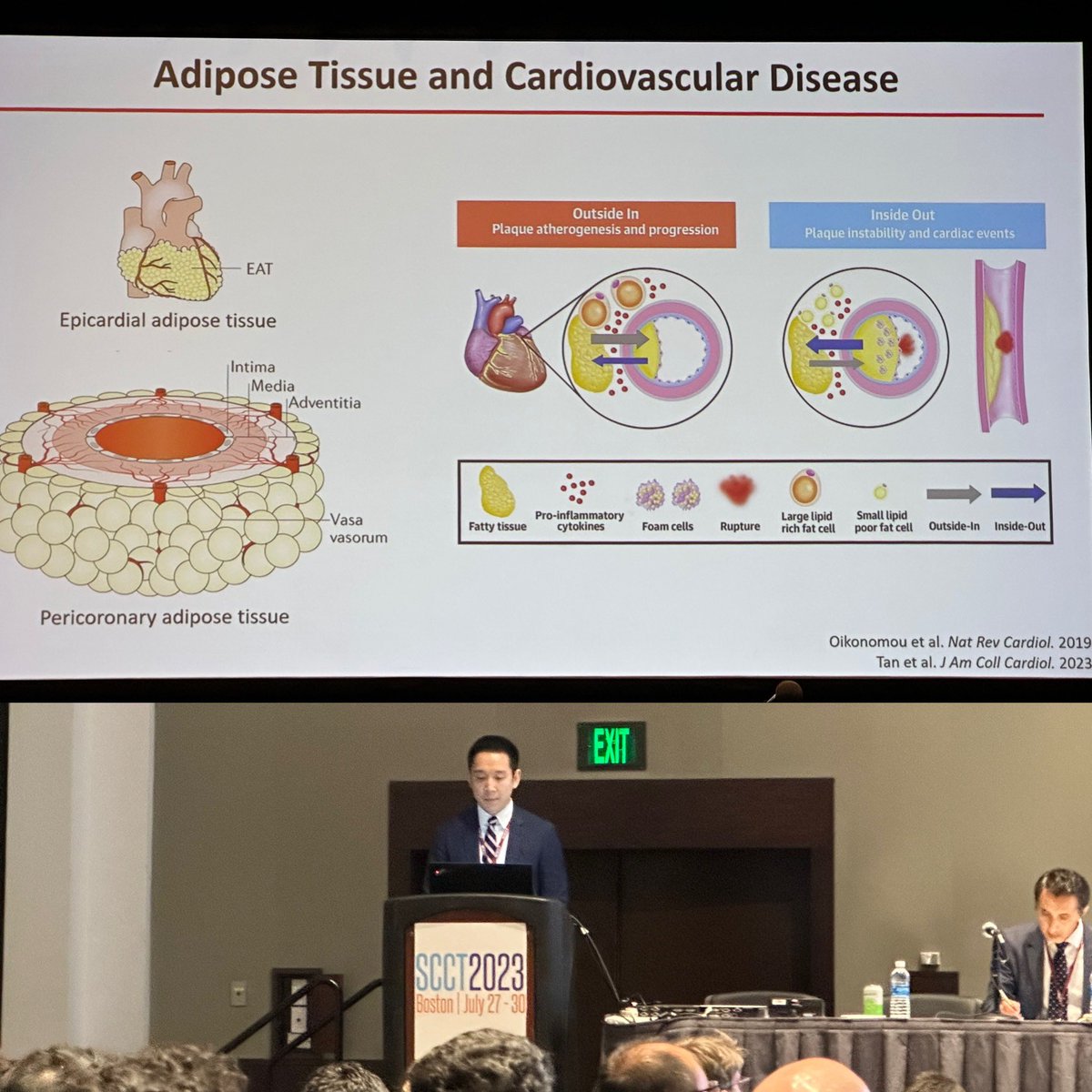
Dr Andrew Lin (@DrAndrewLin) from @MonashUni showing that inflammation inhibits local adipogenesis in pericoronary adipose tissue (PCAT) and this can be detected by AI-driven🤖algorithms on #YesCCT as an increase in CT attenuation of PCAT which improves prognosis #SCCT2023
6
17
1,946
Andrew Lin retweeted

5 Apr 2023
We are excited to announce that our blinded randomized clinical trial of AI LVEF (EchoNet-Dynamic) has been published in @nature! @bryandhe @james_y_zou @StanfordDBDS @CedarsSinaiMed
nature.com/articles/s41586-0…
1/n
33
127
434
94,340
Andrew Lin retweeted

18 Oct 2022
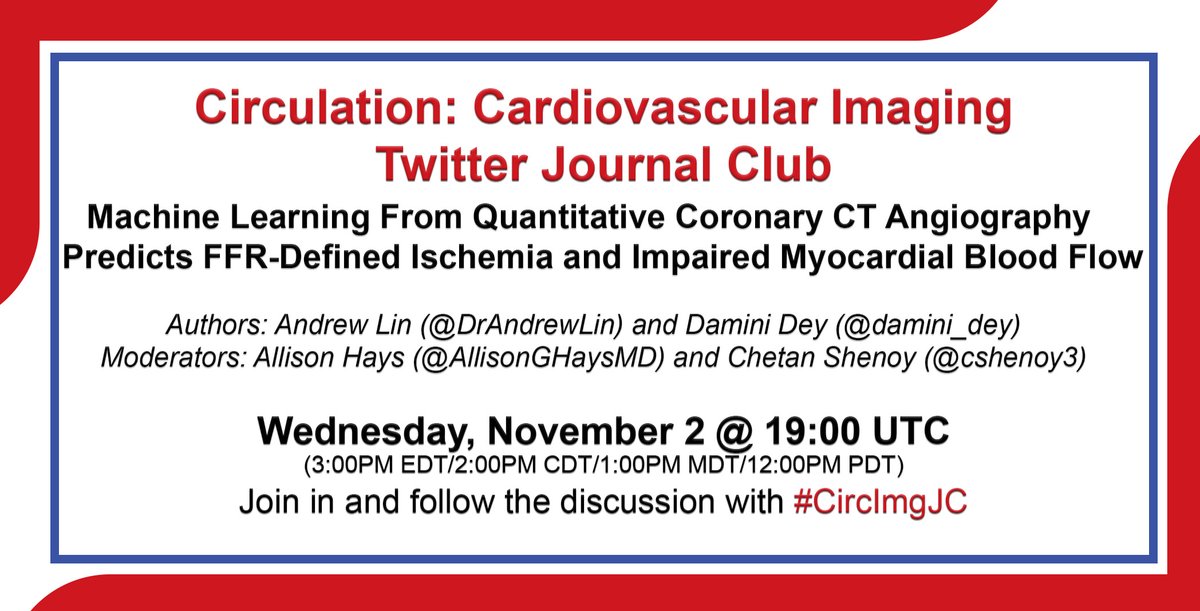
Save the date for the next #CircImgJC! Weds, Nov 2 at 3PM ET with @DrAndrewLin @damini_dey and @AllisonGHaysMD @cshenoy3 moderating. Paper: ahajournals.org/doi/10.1161/…
9
25
13 Oct 2022
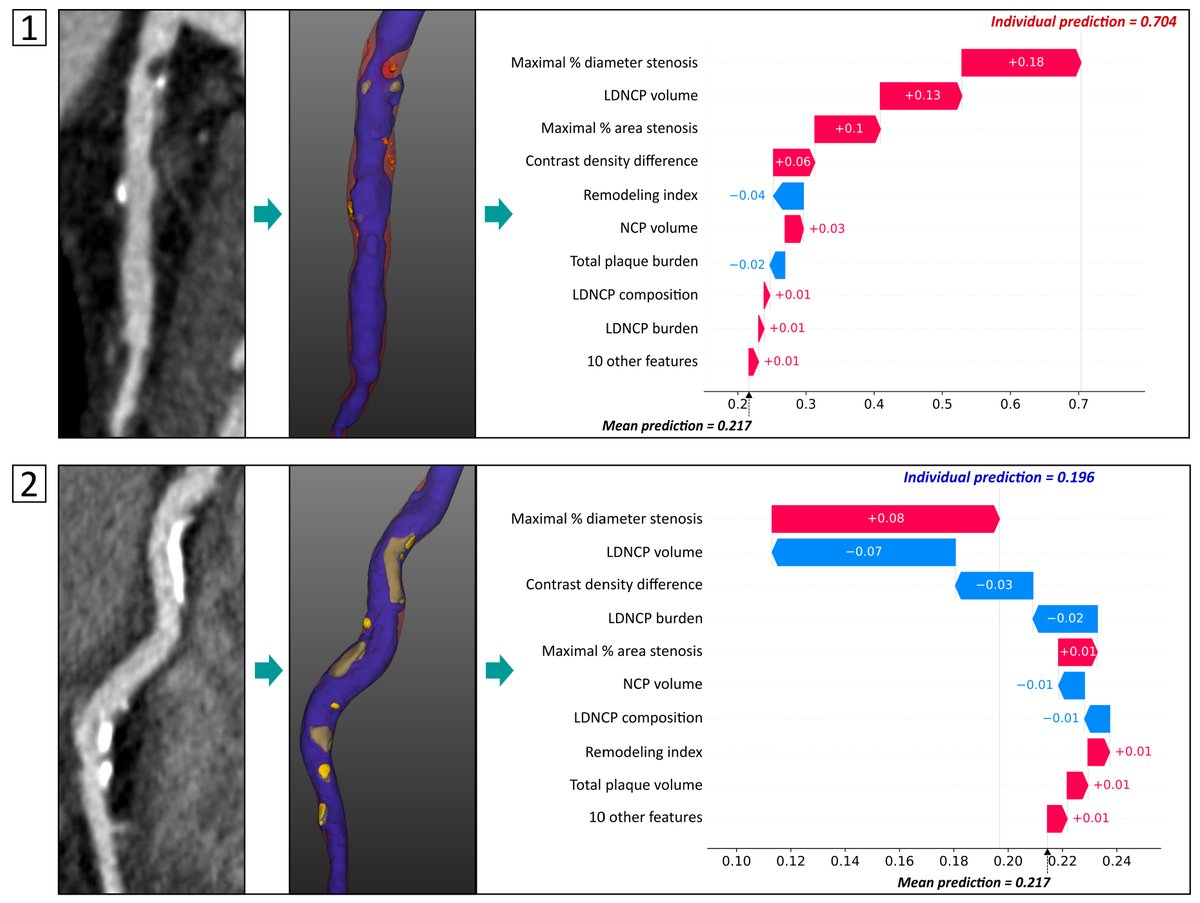
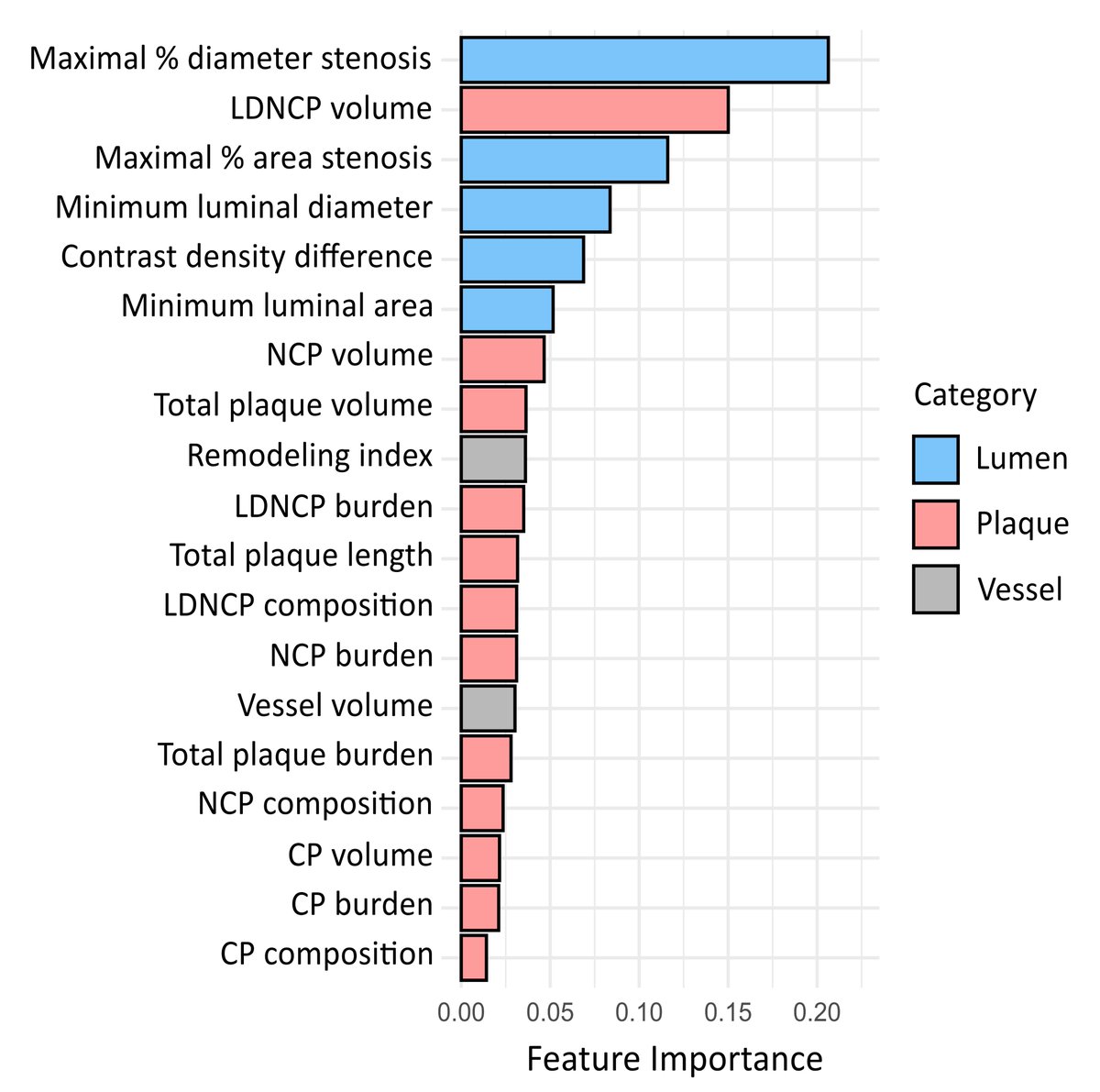
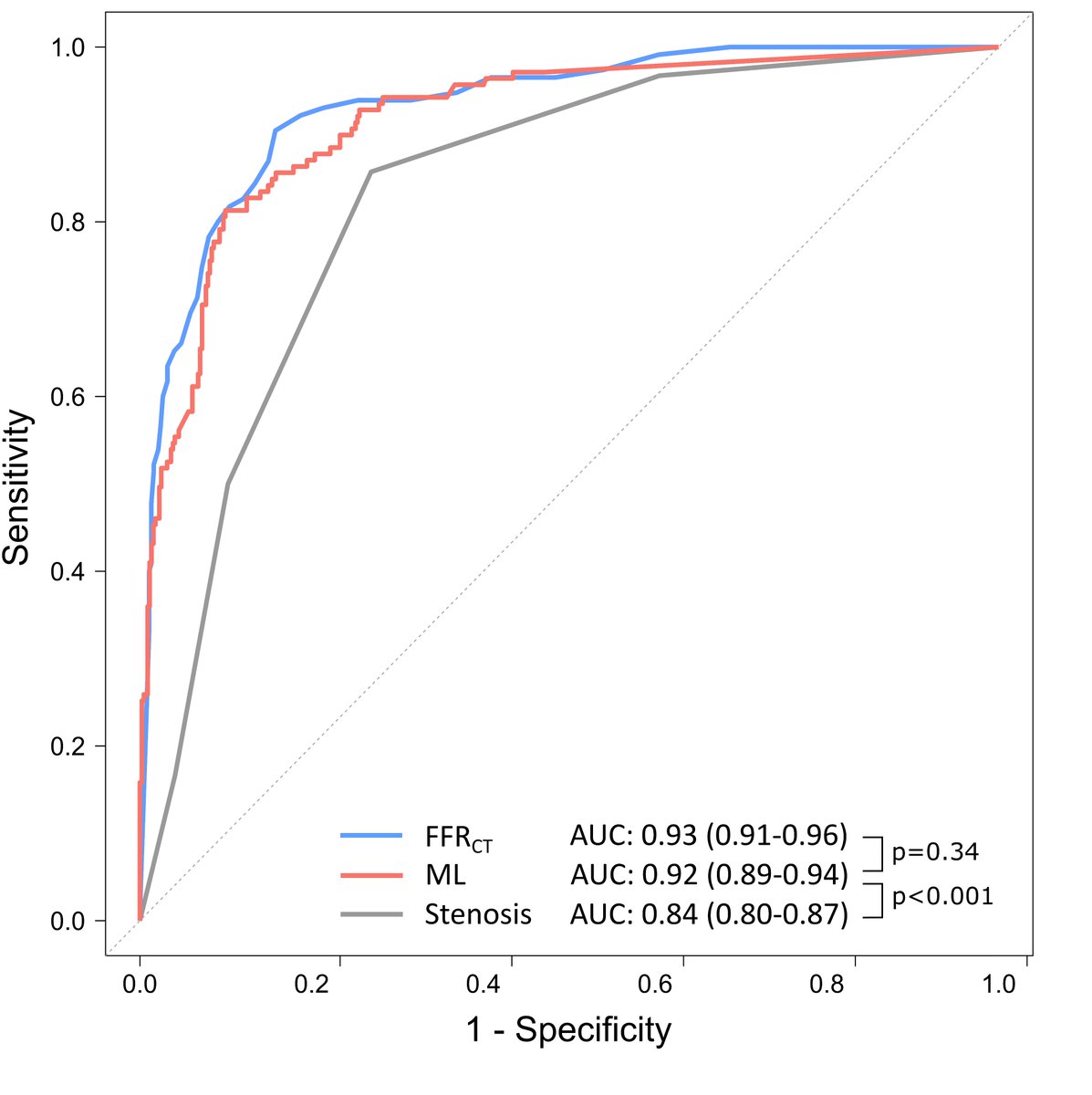
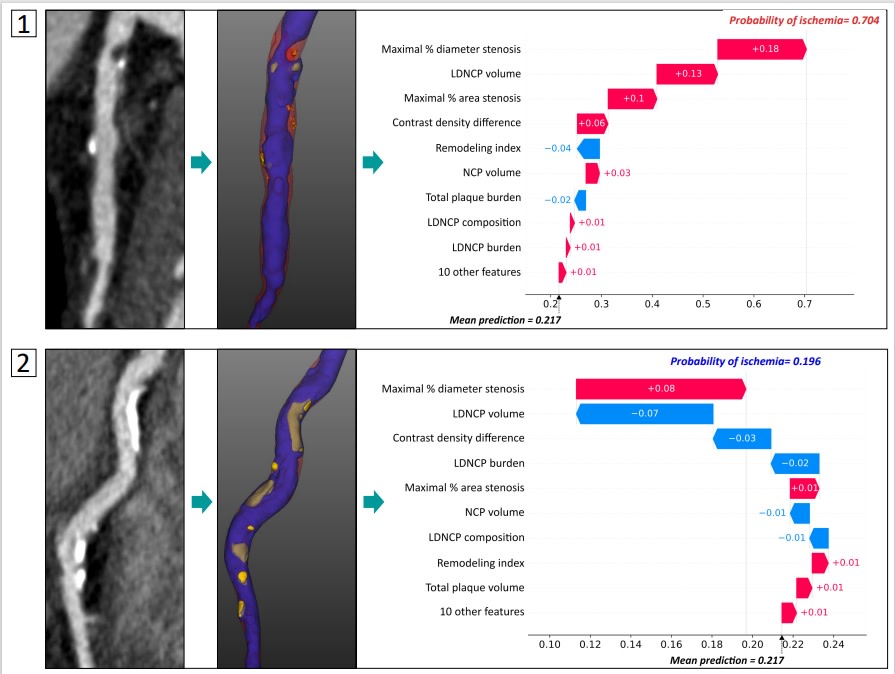
Our paper now out in @CircImaging. Machine learning integration of quantitative plaque features from #YesCCT predicts ischemia by invasive FFR and ⬇️myocardial blood flow by PET. A multicenter collaboration with data from NXT & PACIFIC trials.
@damini_dey @Doc_Tiger @Heart_SCCT
13 Oct 2022

A machine learning score using CCTA-based quantitative plaque features accurately predicts FFR-defined ischemia and impaired PET myocardial blood flow @DrAndrewLin @Doc_Tiger @damini_dey @cshenoy3 @AllisonGHaysMD #AHAJournals ahajrnls.org/3MJz4BP
1
5
46
Andrew Lin retweeted
7 Oct 2022
#PCAT is considered a marker of inflammation on #YesCCT But do associations with #PCAT persist if you correct your models for potential confounders? In our analysis of >2000 patients, No...
sciencedirect.com/science/ar…
@DrAndrewLin @damini_dey @PalMaurovich @M_Boussoussou @Heart_SCCT
1
11
24
7 Oct 2022
Delighted to receive Postdoctoral Fellowship funding. Thanks to @heartfoundation for supporting our research using coronary CT and AI to better understand the effects of statins on plaques.
@MonashUni @VicHeartInst @ProfSNicholls
5 Oct 2022

We're excited to announce our 2022 research funding portfolio! The Heart Foundation will be supporting 59 research projects, investing a total of $13.25 million into fighting the no.1 cause of death in Australia - heart disease. Read more about the projects and recipients 👇
5
3
66
17 Jul 2022
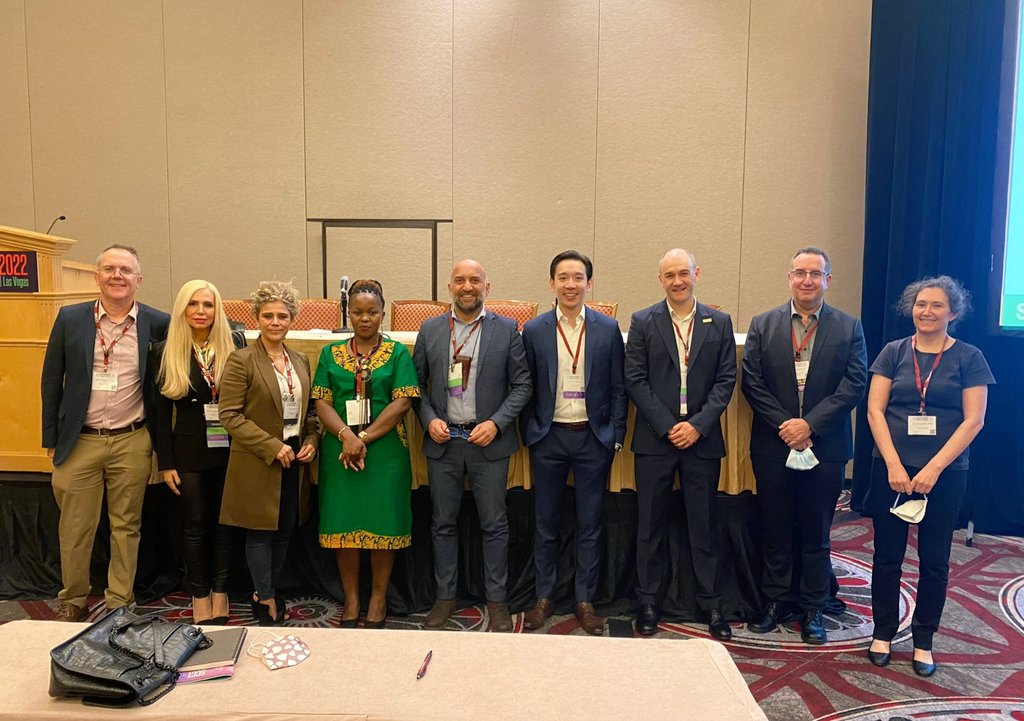
Great session at #SCCT2022 on global challenges in delivering #YesCCT. Common themes include advocacy, appropriate use, expanding rural access, and training technologists.
@Heart_SCCT @AlohaMeaveMD @gpontone1 @james_shambrook @RonenRub1 @RitNass @ghoshhajra
3
5
32
18 Jul 2022
Glad to give an update on the Australian experience and future directions @Dr_JYounger @appropriateuse @DennisTLWong @AIhdayhid @ProfSNicholls @VicHeartInst
4
Andrew Lin retweeted

17 Jul 2022
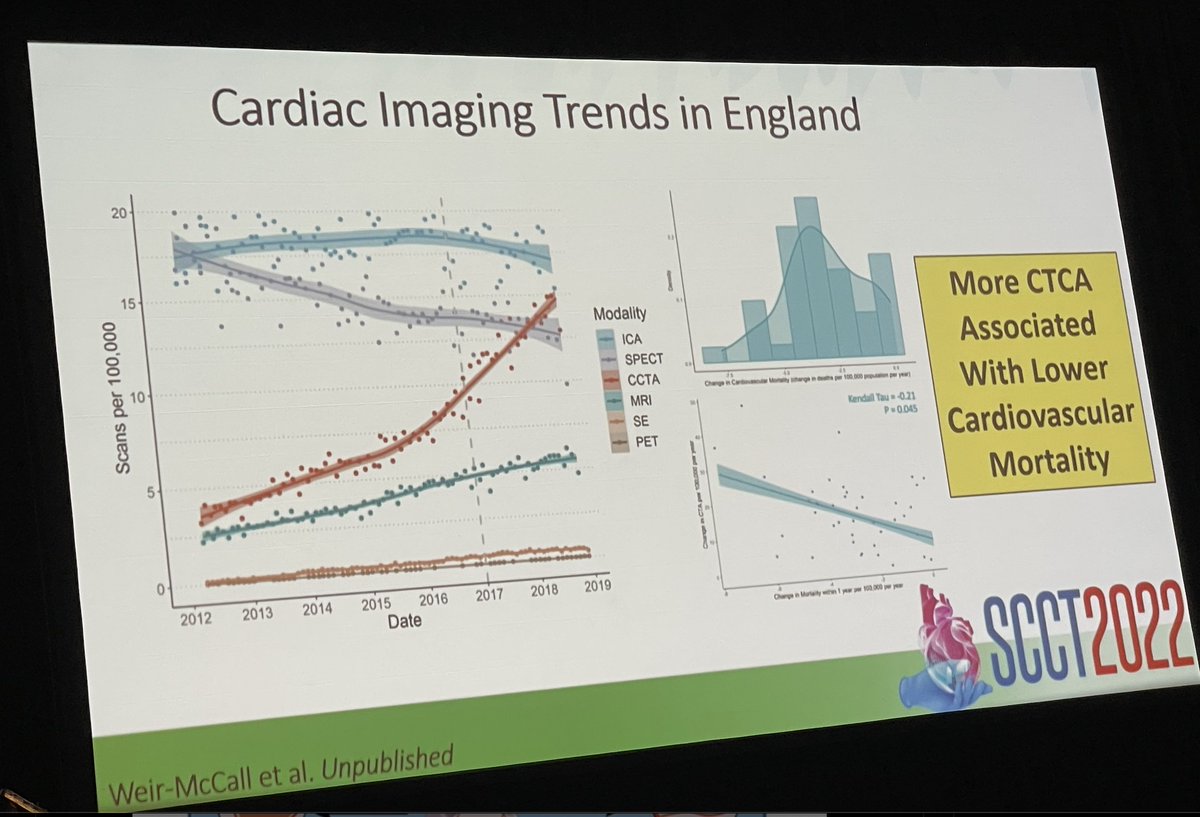
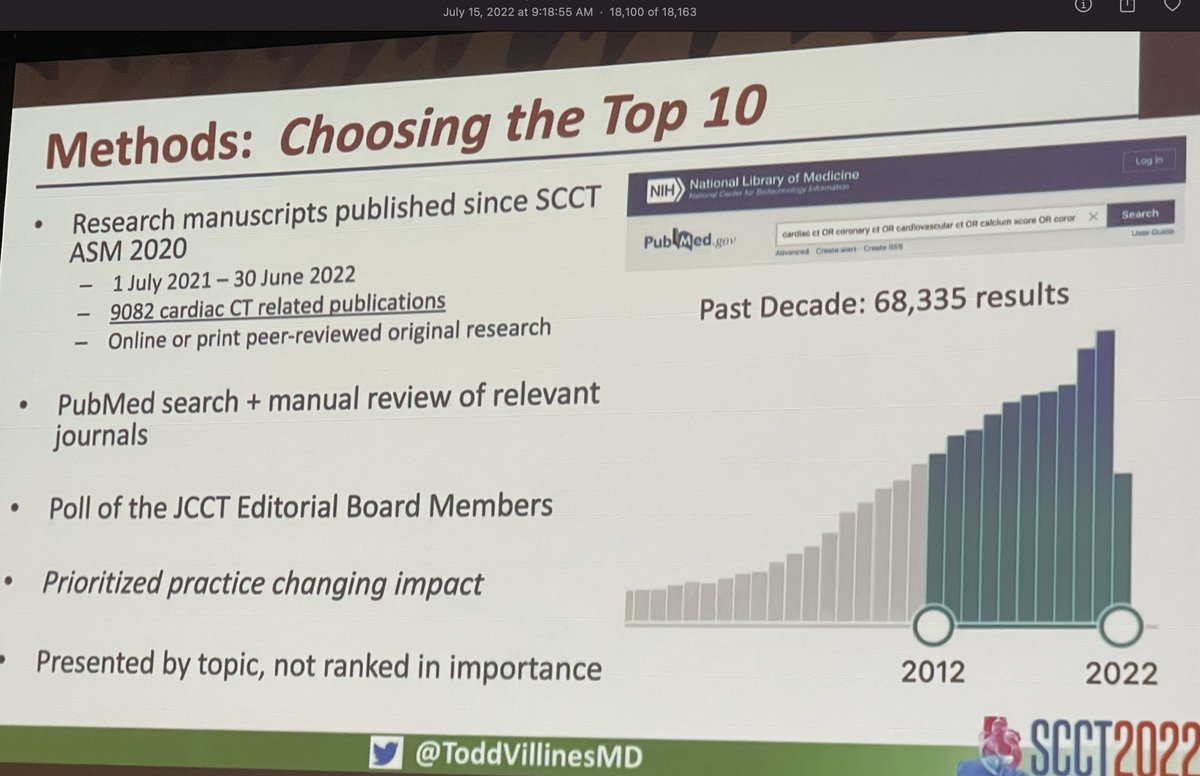
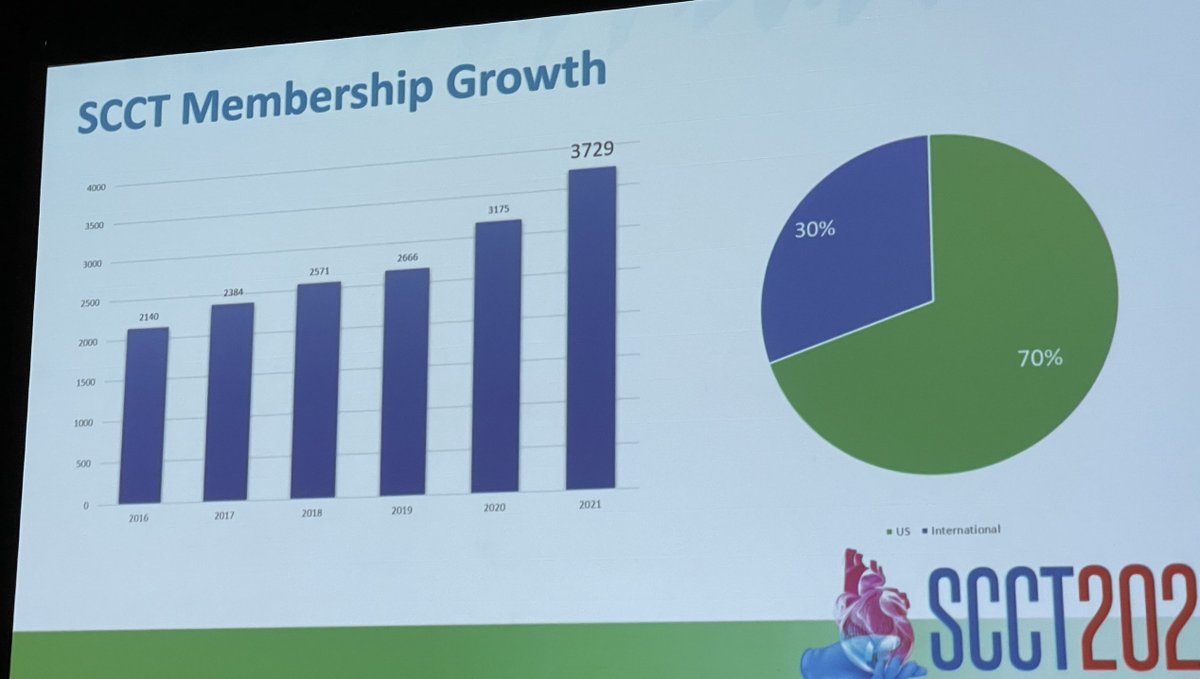
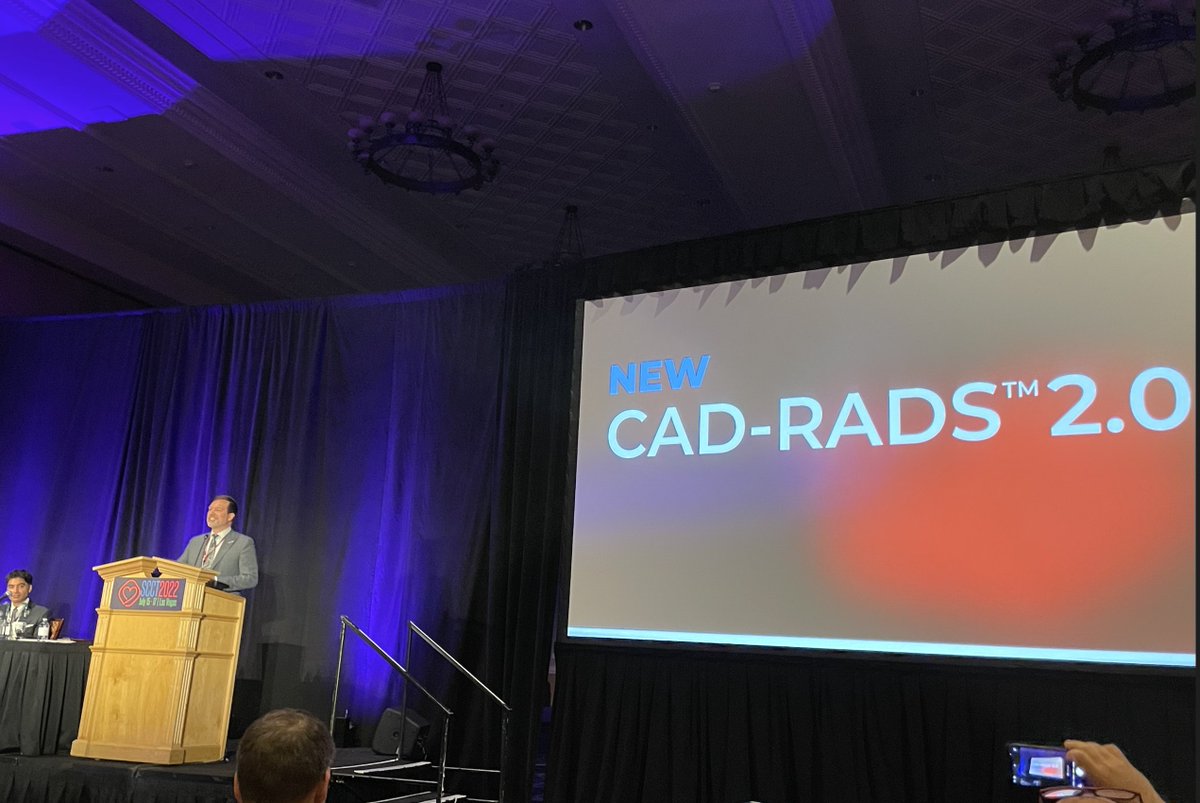
Key message from #SCCT2022: Substantial growth of Cardiac CT around the globe!
Fueled by innovations, scientific data, guidelines, and more...
👇trends in England, publications, @Heart_SCCT membership
24
58
Andrew Lin retweeted

15 Jul 2022
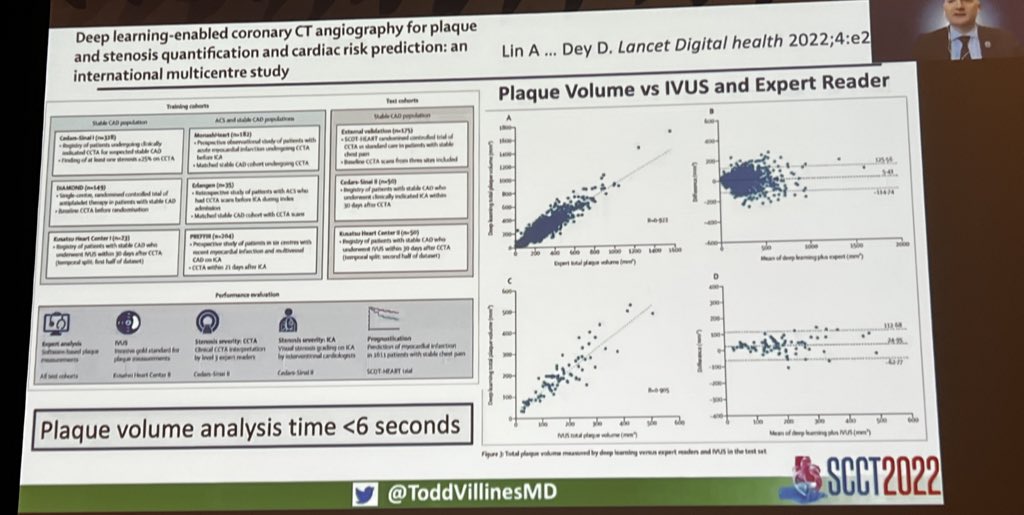
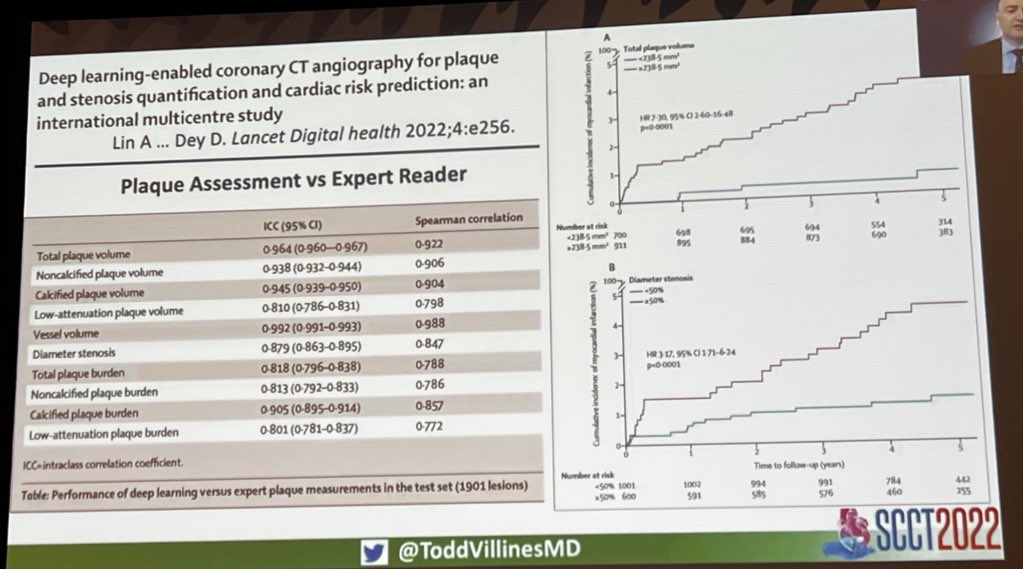
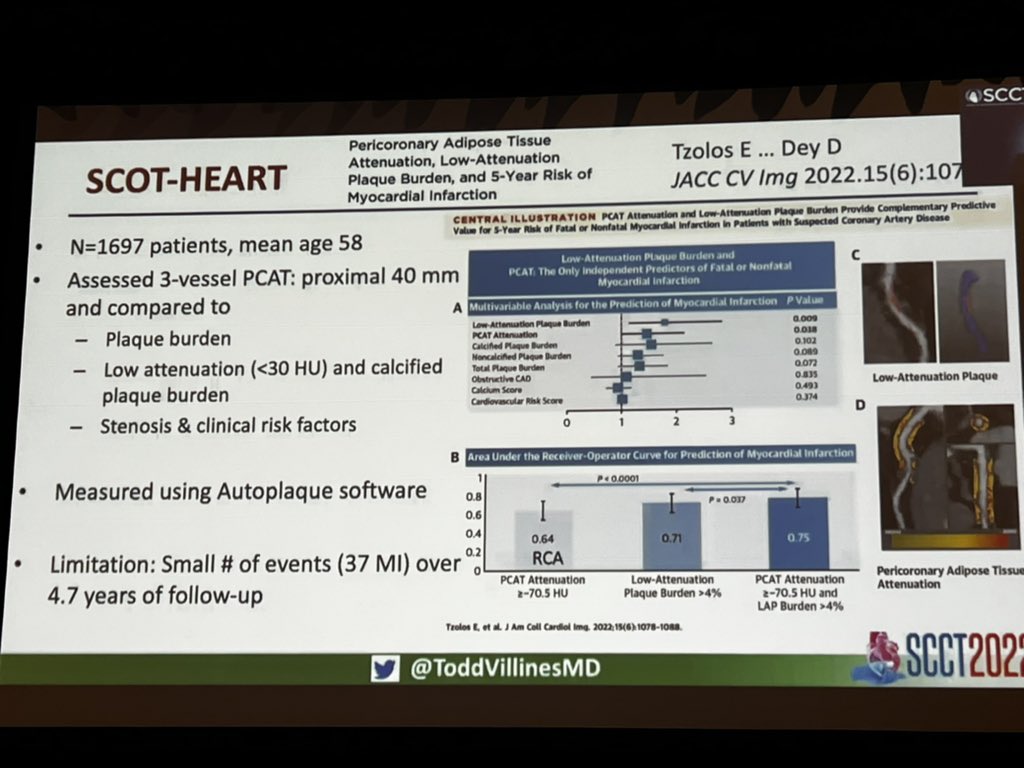
@ToddVillinesMD #Topten 📝s #SCCT2022
6. #DeepLearning Plaque volume 🆚 IVUS 🆚 expert :DL rapid (<6 sec!) assessment of plaque volume stenosis accurate!
bit.ly/3Pag8fG
7.Scot-heart
CTA LAP burden & PCAT attenuation predicts risk of mi
bit.ly/3RFepAQ
4
15
Andrew Lin retweeted
26 May 2022
After a very successful first volume, with @damini_dey and @DrAndrewLin we are inviting everyone to consider submitting their radiomic research in CVD to @FrontCVMedicine 🧪♥️🩺(IF: 6.050)

#CallForPapers "Radiomics in Cardiovascular Imaging, Volume II"
🗓️ 8th September 2022
Submit your paper here 👉 fro.ntiers.in/RUij
1
2
8
Andrew Lin retweeted
20 May 2022
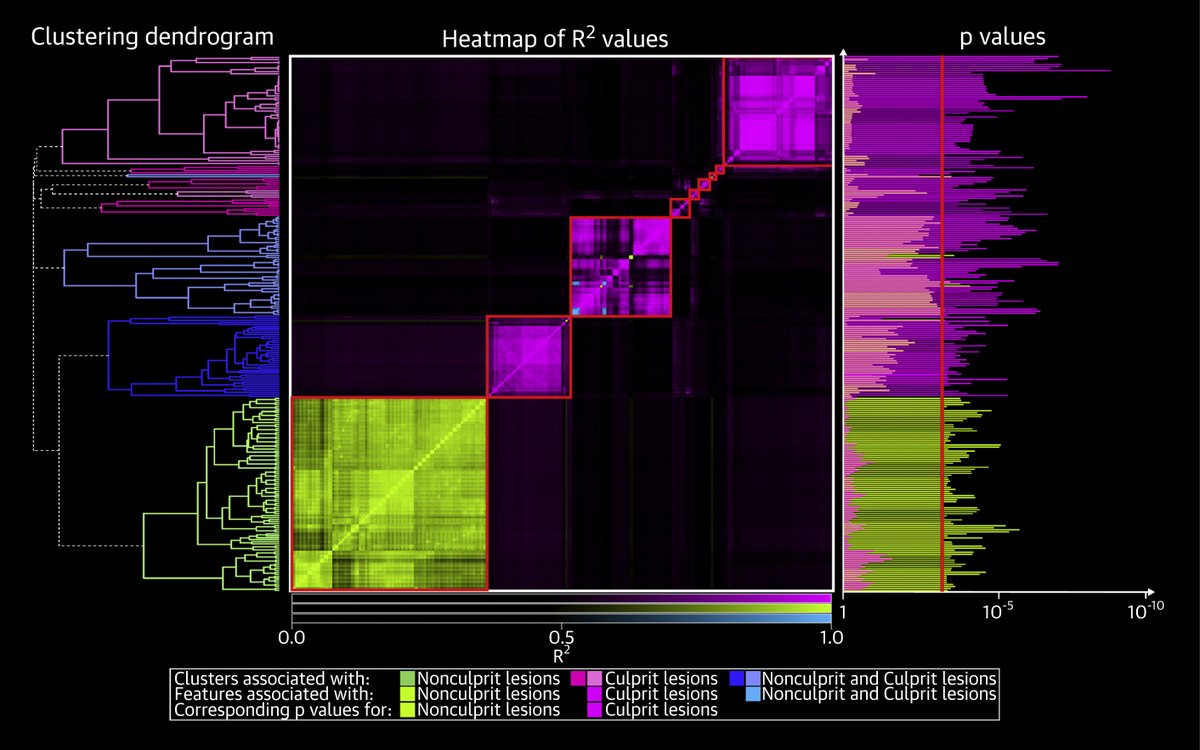
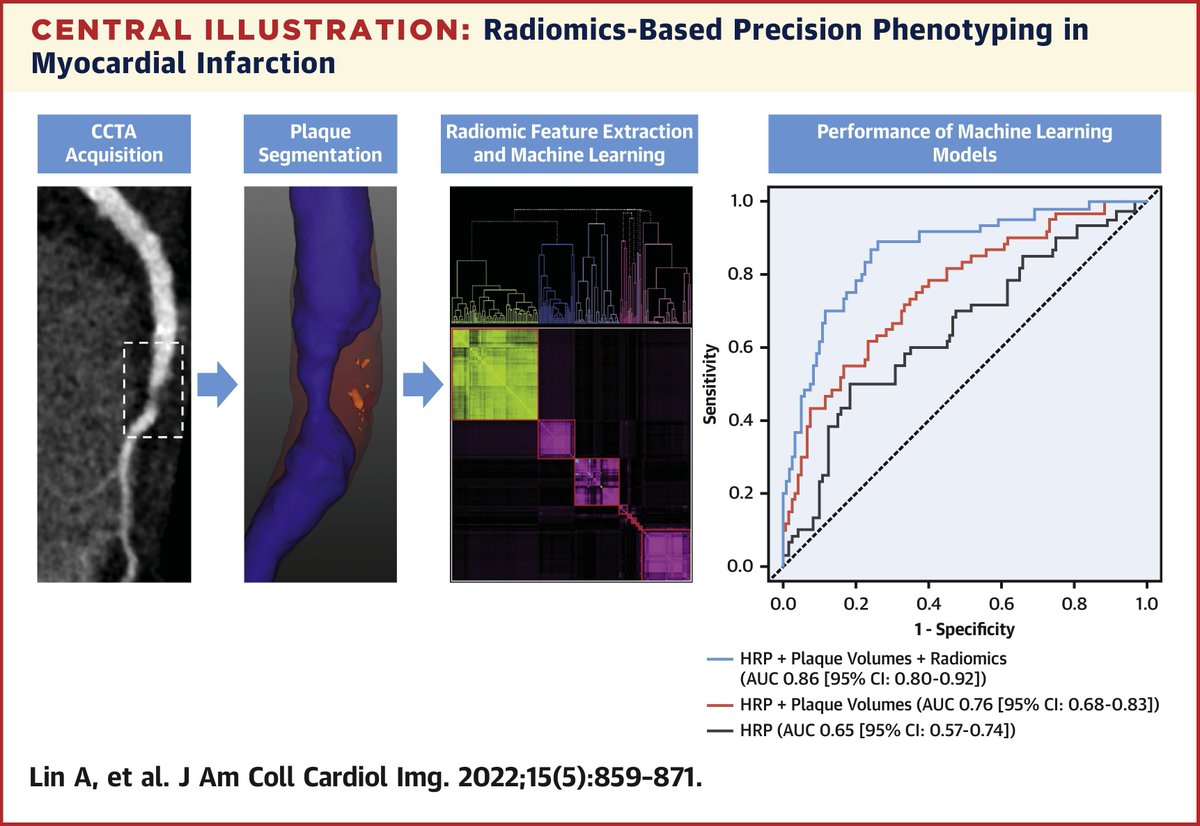
Using #AI radiomics to automate the identification of culprit plaque in #cvAMI? In this study, culprit and nonculprit lesions in AMI have distinct radiomic signatures of high risk plaque on #YesCCT. bit.ly/3G1GnkR
#JACCIMG #CardioTwitter #cvCAD #cvImaging @DrAndrewLin
8
16
4 Apr 2022
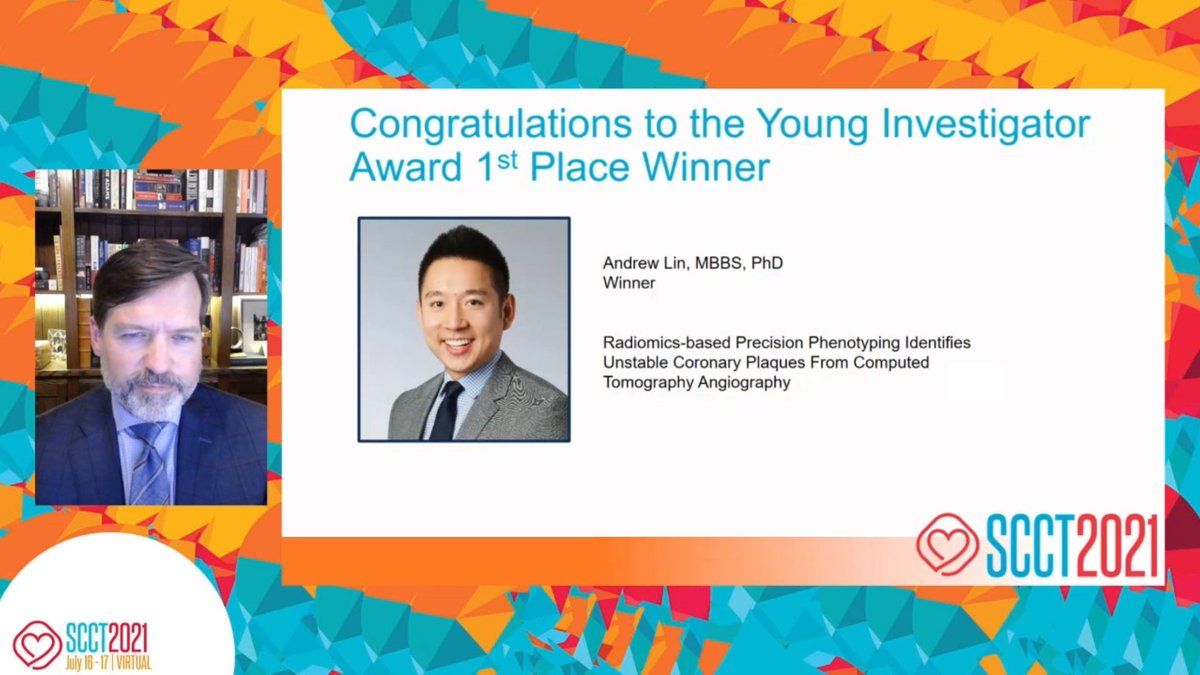
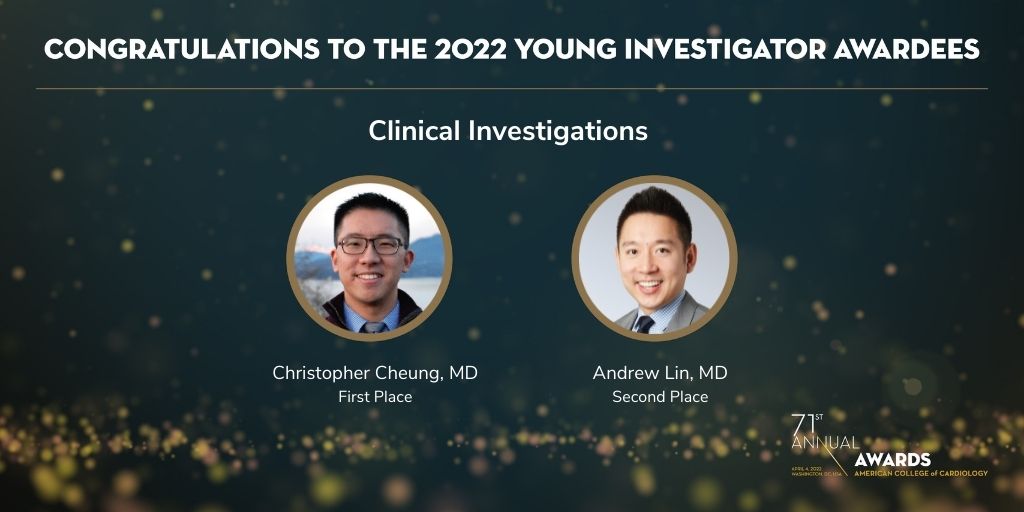
Delighted to place 2nd in YIA Clinical Investigations at #ACC22. Congratulations to all awardees on the outstanding science & innovation @ACCinTouch
Thank you @damini_dey for the mentorship and our superb team @nipunmanral @Piotr_JSlomka @MarcDweck @imagingmedsci @ProfSNicholls
4 Apr 2022

Winners of the Young Investigator Award in the Clinical Investigations category are Dr. Christopher Cheung @ChrisCheungMD (1st place) & Dr. Andrew Lin @DrAndrewLin (2nd place).
#ACC22 #TheFaceOfCardiology
8
4
54
5 Apr 2022
Our work on an AI system for rapid plaque measurements and stenosis estimation from coronary CTA, with prognostic value and potential for future workflow implementation now published:
thelancet.com/journals/landi…
14
Andrew Lin retweeted
31 Mar 2022
Get up to date with what happened last year in the field of CCT! What a year!!!
1
3
4
Andrew Lin retweeted

28 Mar 2022
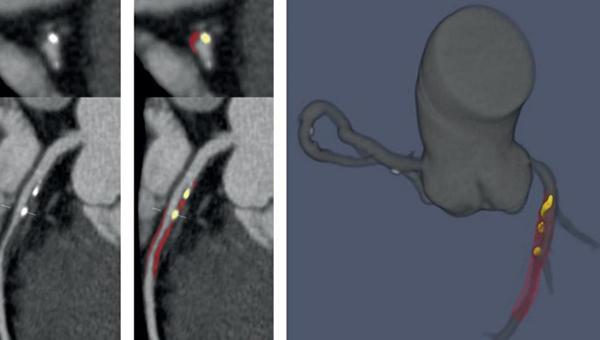
An AI-based tool can rapidly and accurately measure plaque volume and stenosis severity from coronary CTA images in patients w/ stable chest pain, according to new data. It also has the potential to better predict future MIs.
tctmd.com/news/deep-learning…
@damini_dey @toddvillinesmd
2
12
30