Professor in Exercise Physiology with interests in metabolic health and human performance. Views my own.
Joined March 2014
- Tweets 5,142
- Following 2,041
- Followers 3,167
- Likes 18,974
395 Photos and videos

Brian Carson retweeted

Jun 9
🚨 We are hiring a PhD and a Post-doctoral assistant at the Ghent Muscle Lab (Ghent University, Belgium) with strong interest in muscle & exercise physiology, bioinformatics, metabolomics or molecular biology.
Apply by June 30.
jobs.ugent.be/job/Ghent-Post…
ugent.be/en/work/scientific/…
5
8
1,756

Jun 3
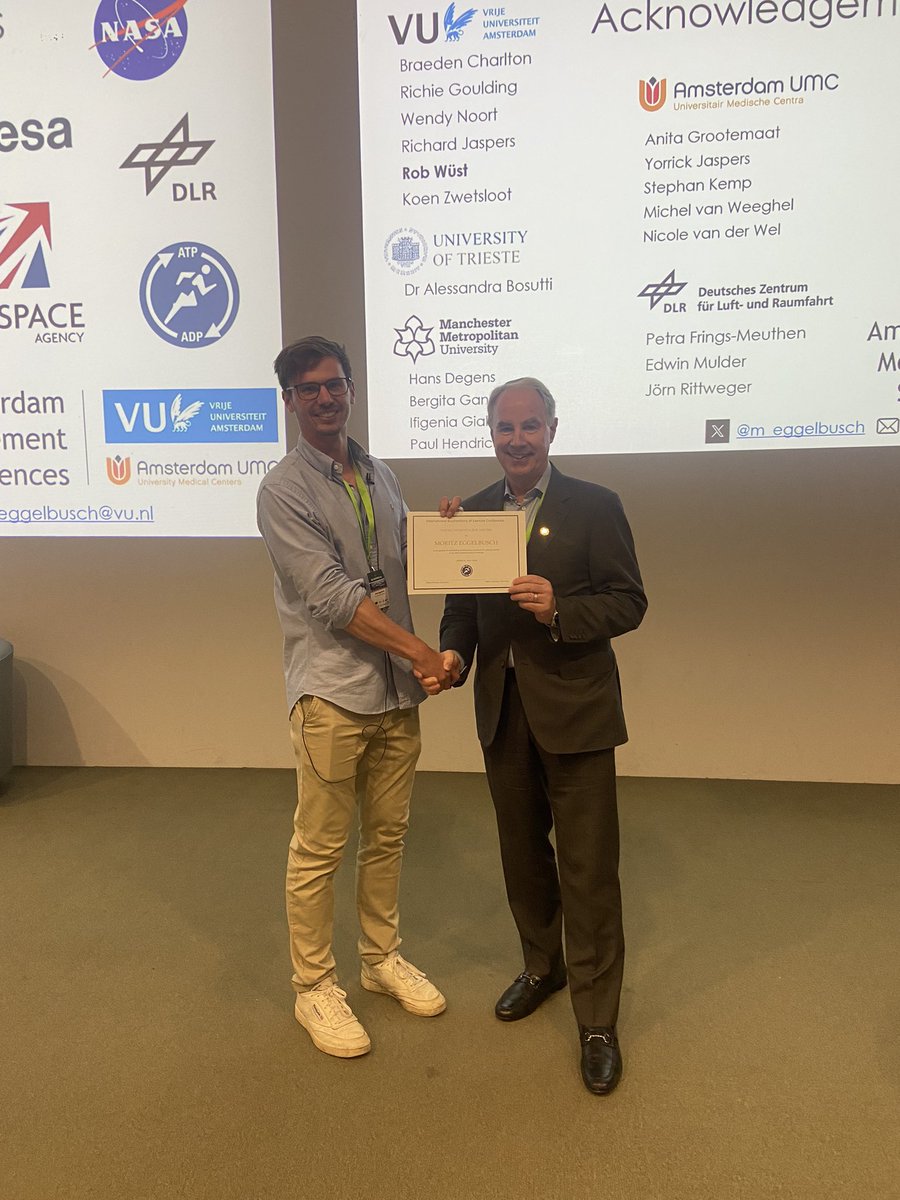
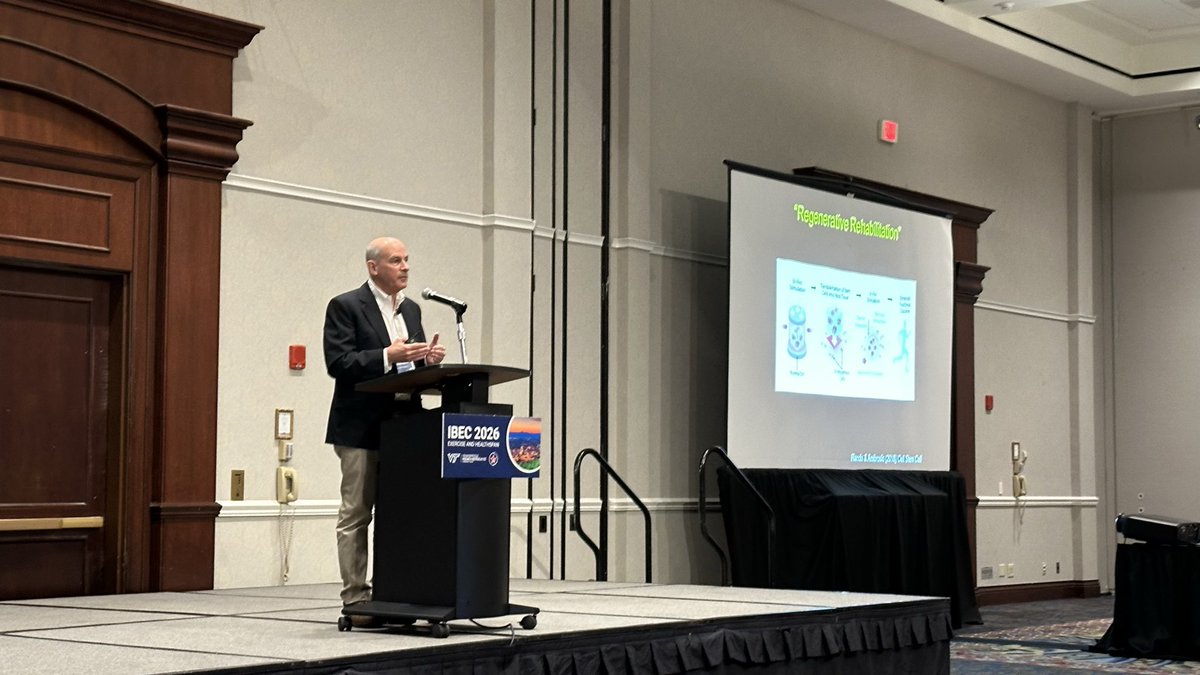
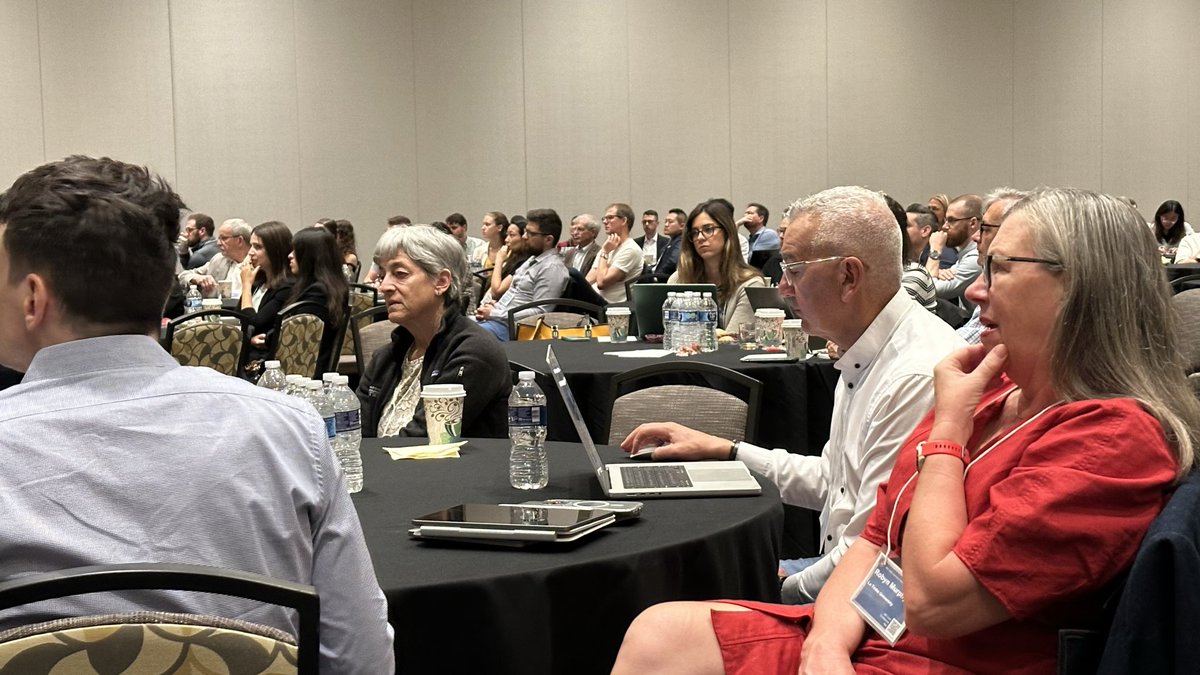
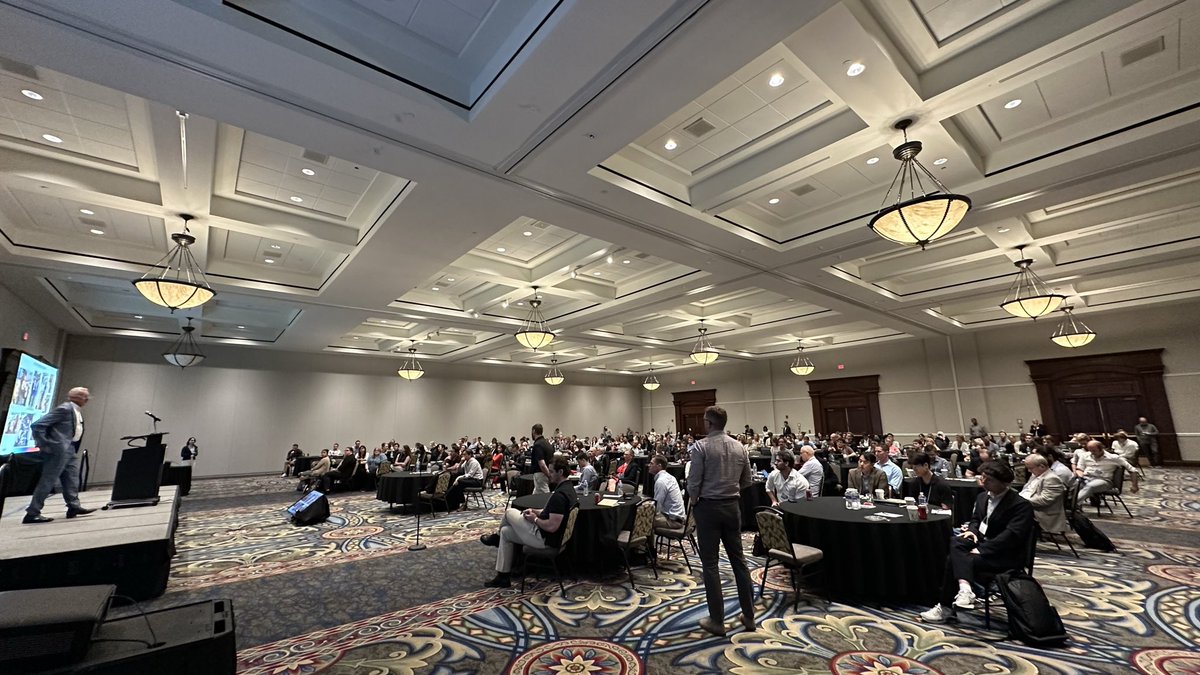
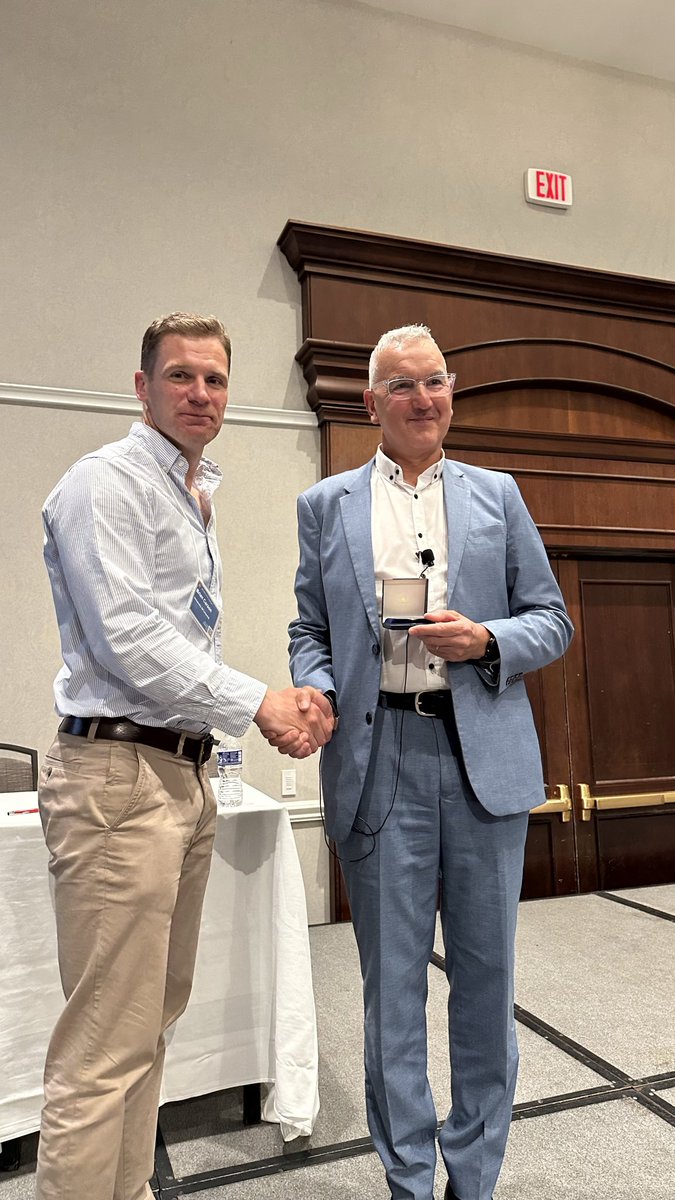
It was a privilege to present Dr Mark Febbraio with the IBEC Honour Award 2026 and introduce him for the Jacques Poortmans lecture
Jun 2

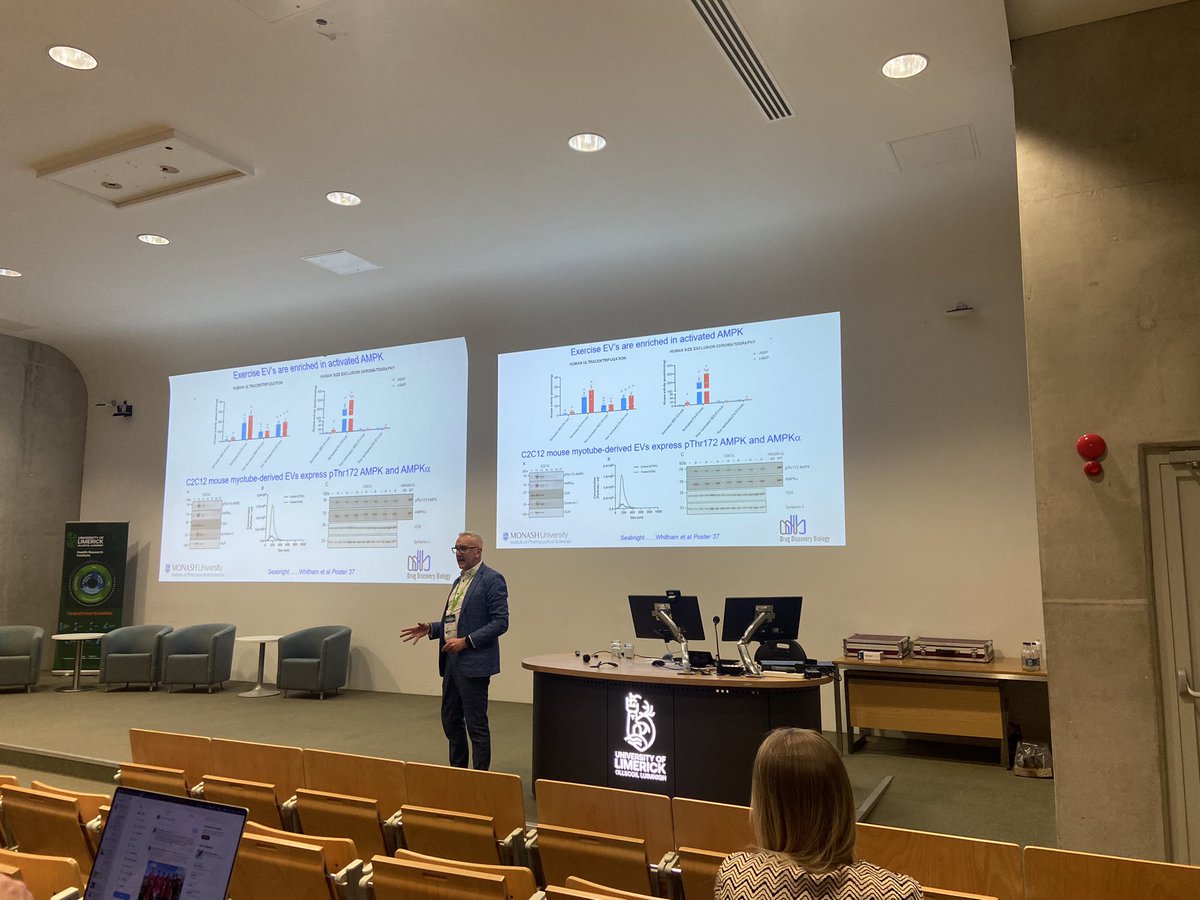
A great day of @IBEC2026 kicked off by Dr. Tom Rando and wrapped by Honor Award Lecture by Dr. Mark Febbraio
2
8
801
Brian Carson retweeted

Tim, with respect, several of these don't hold up. Going through them.
1/ The "no RCT longer than 4 weeks" criterion is convenient but doesn't dissolve the contrary evidence. Burke's Supernova series (J Physiol 2017, J Physiol 2021, MSSE 2021) consistently showed impaired economy and race performance in elite athletes at 3 to 3.5 weeks. Your reply is that longer adaptation would reverse this. That is itself an unproven hypothesis. You are requiring receding goalposts, which is exactly the move you accuse the field of making.
2/ "Only elite athletes" cuts both ways. Your foundational RCTs are in recreational athletes doing capacity tests. The 5 to 7% ATP-yield-per-litre-O2 deficit (Krogh and Lindhard 1920, which you cite) shows up only at intensities that recreational athletes cannot sustain. Dismissing elite data while resting your case on recreational time-to-exhaustion is the double standard, not the rule against it.
3/ The SGP/LGP framing is a useful lens. The 16 lines of evidence include real contributions. They also include retrospective reinterpretations of studies whose original authors drew the opposite conclusion, rat models you criticize when others lean on them, and the "88%" claim that arithmetically gives 84% in your own Table 8 (105/125). I went through the Zenodo file line by line. The pattern is real, the framing is generous.
4/ The "cake problem" is not a strawman. Volek, Noakes and Phinney 2015 (Eur J Sport Sci) argued fat adaptation eliminates CHO dependence. If 10 to 20 g/h carbs during exercise is now required, that founding claim has collapsed. Ketones do not rescue it: Whitfield et al 2021 (MSSE 53:776-784) showed acute ketone ester plus LCHF impaired race walk performance.
5/ The biochemistry. Less ATP per litre O2 from fat is settled. At the oxidative ceiling that determines elite endurance pace, that deficit shows up as lost speed. None of the 16 lines of evidence engage with this directly. They route around it.
6/ On agenda. You were a high-CHO advocate for 35 years before reversing. The same charge of motivated reasoning applies symmetrically. I have no books to sell, no nutrition company shares, and no foundation downstream of the conclusion.
7/ "Bottom line" is a summary, not a fixed verdict. Carbs yield more ATP per litre O2. Fat oxidation tops out around 2 g/min even after weeks of keto adaptation. Elite marathon pace demands more energy per minute than fat can supply. Every elite marathoner, Kipchoge included, ingests 80 to 100 g/h of carbs during competition. When the evidence changes I will update. Until then, carbs win at the top end. That is a conclusion, not an advertisement.
Mechanistic mechanisms for the glycogen-fatigue link that have nothing to do with rigor are well documented and you know this: SR Ca2 release (Ørtenblad et al 2011, J Physiol 589:711; Gejl et al 2014, MSSE 46:496), subcellular pool depletion (Jensen et al 2020, J Physiol 598:4271), and downregulated PDH and glycogenolysis after fat adaptation (Stellingwerff et al 2006, AJP-EM 290:E380). The TAT you keep dismantling is not the position the field holds.
Honestly, thanks for your diatribe. But it's just more of the same.
1
18
118
10,726
May 21
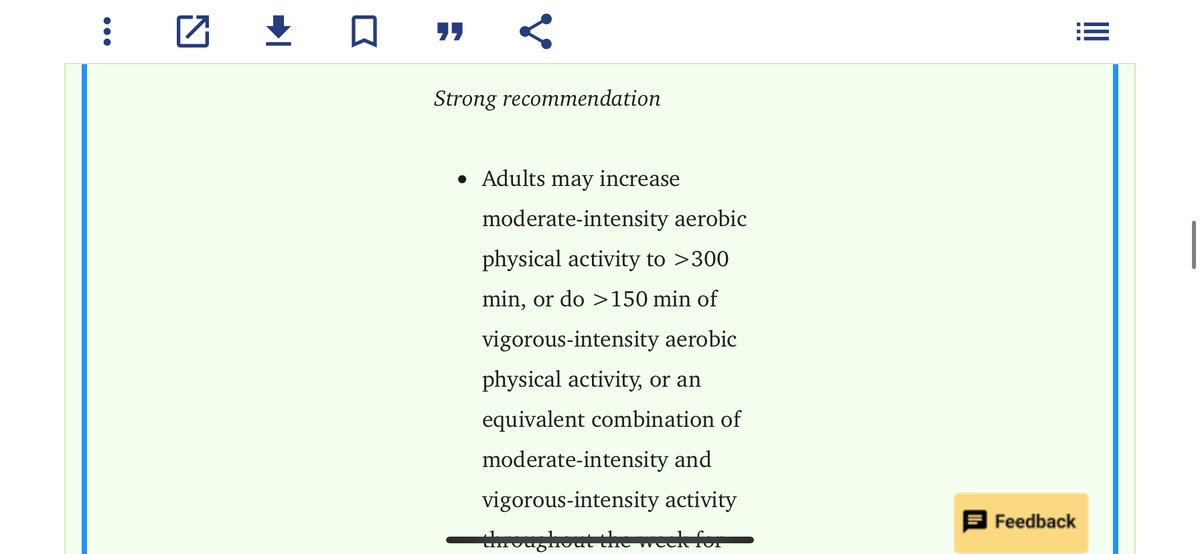
This misrepresents the PA guidelines. The MINIMUM recs are for 150-300/75-150 mins MVPA/VPA additional strength training on 2 days per week. It provides a “strong recommendation” for achieving more. A bigger issue is the public don’t know what MVPA is! pmc.ncbi.nlm.nih.gov/article…

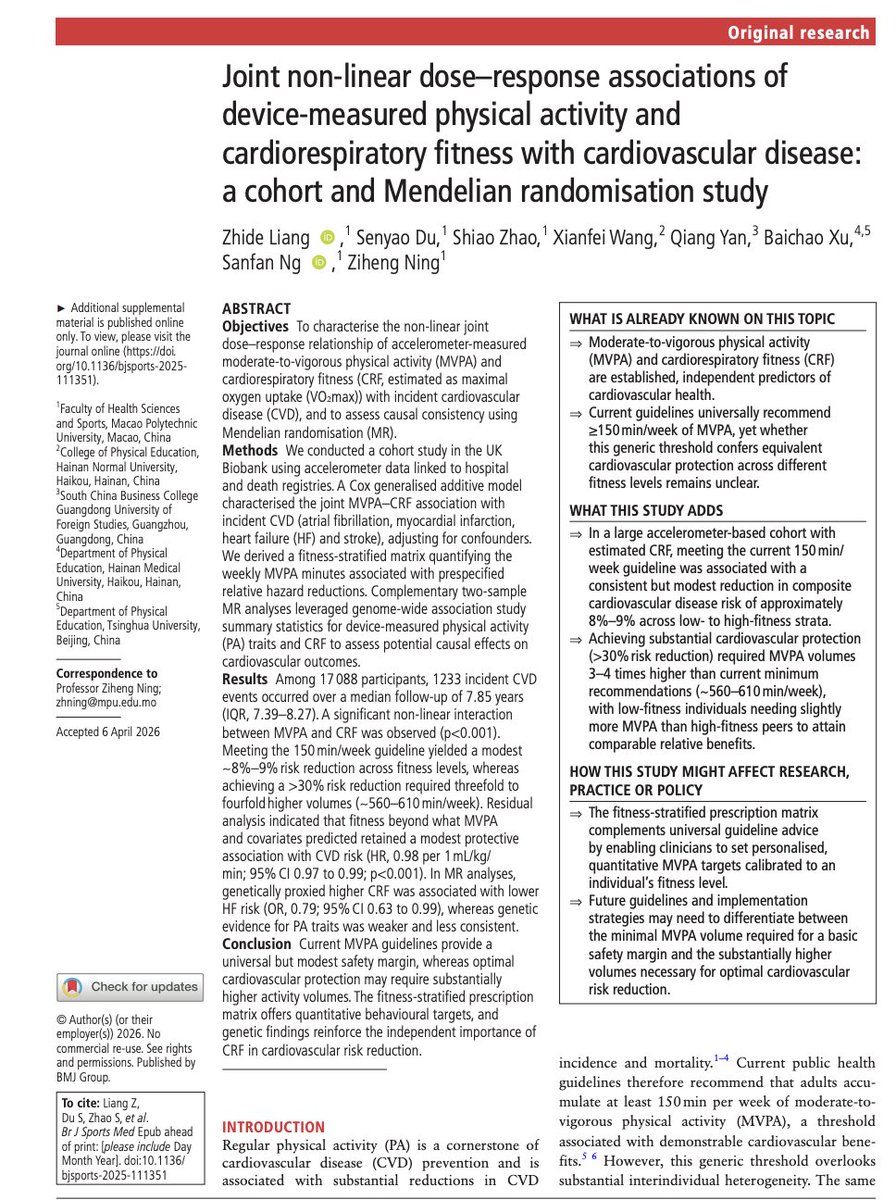
The current physical activity guidelines are too low.
I've been saying this for a while. And a new study confirms it.
Meeting the standard 150 minutes/week was associated with only a modest ~8–9% lower cardiovascular risk.
The biggest protection occurred at roughly 560–610 minutes/week, about 3–4× higher, where cardiovascular risk was 30% lower.
We need to distinguish between the minimal activity volume required for basic protection, and the substantially higher volumes required for optimal resilience.
1
1
980
Brian Carson retweeted

Now recruiting an experienced Post‑Doc in Skeletal Muscle Molecular Physiology @nih_sognsvann Oslo, Norway
Join our multi‑omics EMMA project on mitochondrial epigenetic memory in human muscle aging. 4‑year position
Start May 2026
Apply via Jobbnorge: jobbnorge.no/en/available-jo…
21
37
3,771
Brian Carson retweeted

Feb 11
Sigerson Cup Final
RESULT
@ul_gaa : 0-17 (17)
@ucc_gaa : 1-11 (14)
Brian Mc is going up them steps!
SIGERSON CUP CHAMPIONS FOR THE FIRST TIME 🏆
@HigherEdGAA
#ULGAA #BelongToThePack 🐺
9
112
19,441
Brian Carson retweeted

19 Dec 2025
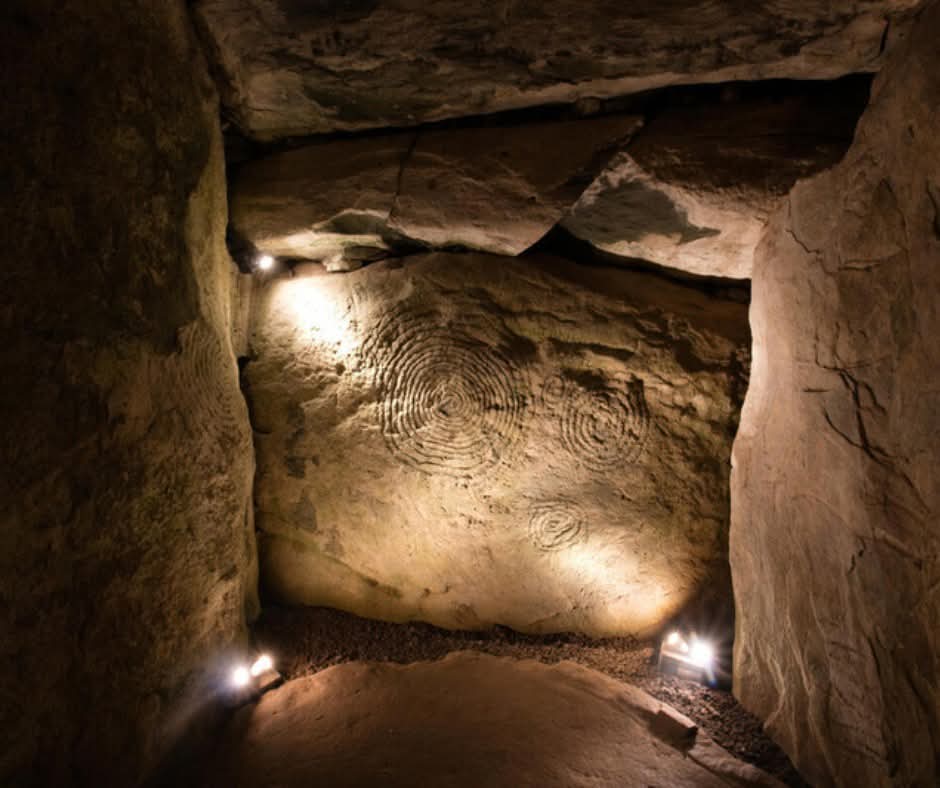
The Newgrange Winter Solstice livestream link is now available on Heritageireland.ie
No matter where you are in the world, you can be a part of this extraordinary event by tuning in at 8.40am on 21 December by visiting heritageireland.ie/visit/new…
I hope you find time to watch
24
720
2,253
115,185
Brian Carson retweeted

👨🔬👩🔬 CALL: YOUNG INVESTIGATOR AWARD 👨🔬👩🔬
Application deadline January 25, 2026. Winner will deliver the John Holloszy lecture at #IBEC2026!!
Details in link!
fbri.vtc.vt.edu/research/res…
6
6
2,857
Brian Carson retweeted
Abstracts and conference registration will open January 1! Time to start thinking about your submission!
Reminder: only abstracts submitted during the early registration (January 1- March 1) will be considered for speaking opportunities!
6
8
1,211
Brian Carson retweeted

5 Sep 2025
My recent Editorial Focus on the work from the @GeorgeABrooks3 lab relating to adaptation in mito form & capacity with aging. Thank you to @AJPEndoMetab for the opportunity
@PessLimerick
@HRI_UL
@EHSFacultyAtUL
@PAfH_UL
@SportHumanPerf
@LDCRC_UL
journals.physiology.org/doi/…
3
15
705
Brian Carson retweeted

4 Sep 2025
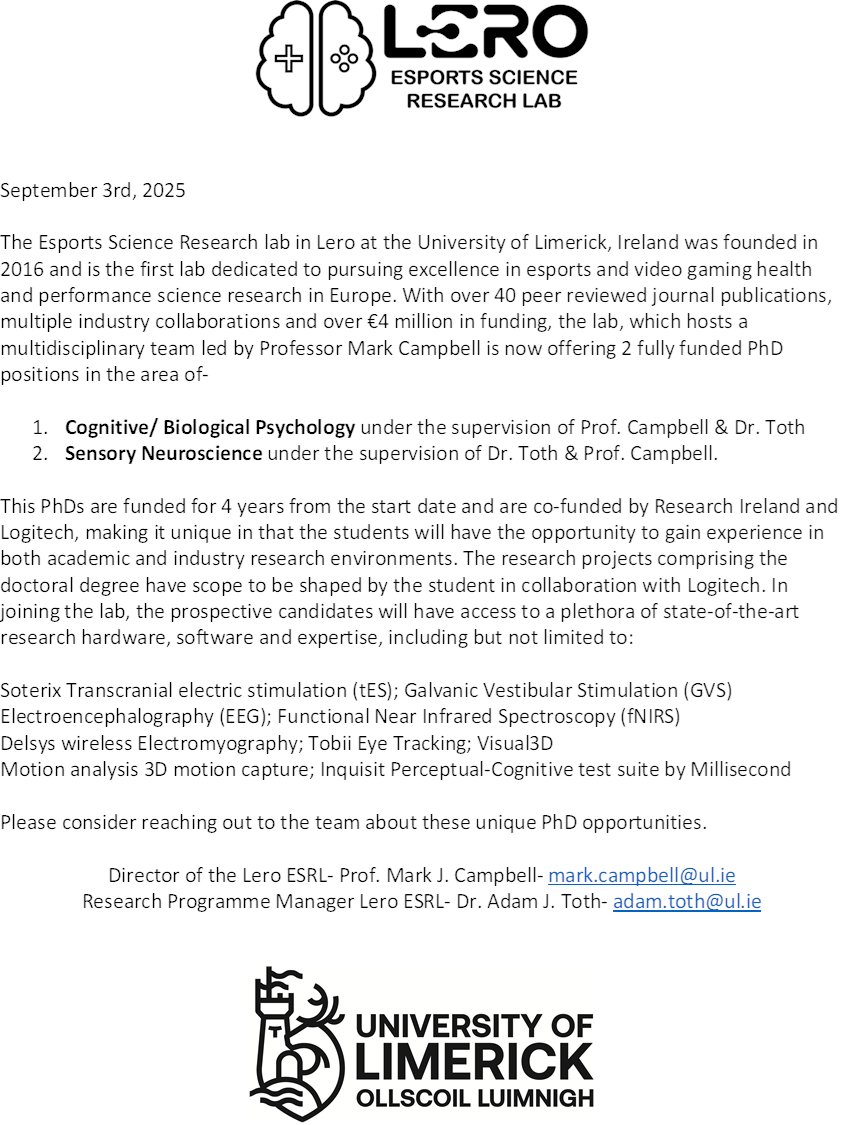
2 Fully funded PhD positions available here @EsportsSRL @AToth_88 Get in touch if interested @LeroCentre @LogitechG @IrishResearch
2
30
62
5,648
Brian Carson retweeted

1 Aug 2025
🚨 3-year Post-doc opportunity at the Centre for Nutrition, Exercise and Metabolism, @CNEM_Bath @UniofBath
Opportunity to lead on an RCT involving symbiotic supplementation and ketogenic diets
bath.ac.uk/jobs/Vacancy.aspx…
Building in our prior work pubmed.ncbi.nlm.nih.gov/3910…
1
35
72
6,837
Brian Carson retweeted

28 Jul 2025
🚨🚨 New PhD alert 🚨🚨with me, @orla_flannery, @tiagopecanha and Dr Damian Rivett, funded by HTC Health. Excellent opportunity with a level of autonomy given to the student to explore different nutritional interventions to attenuate age-related declines in health.
1
9
9
1,935
Brian Carson retweeted

15 Jul 2025
Definitely an opportunity I would be taking advantage of if I was looking for a postdoc at the moment!
14 Jul 2025

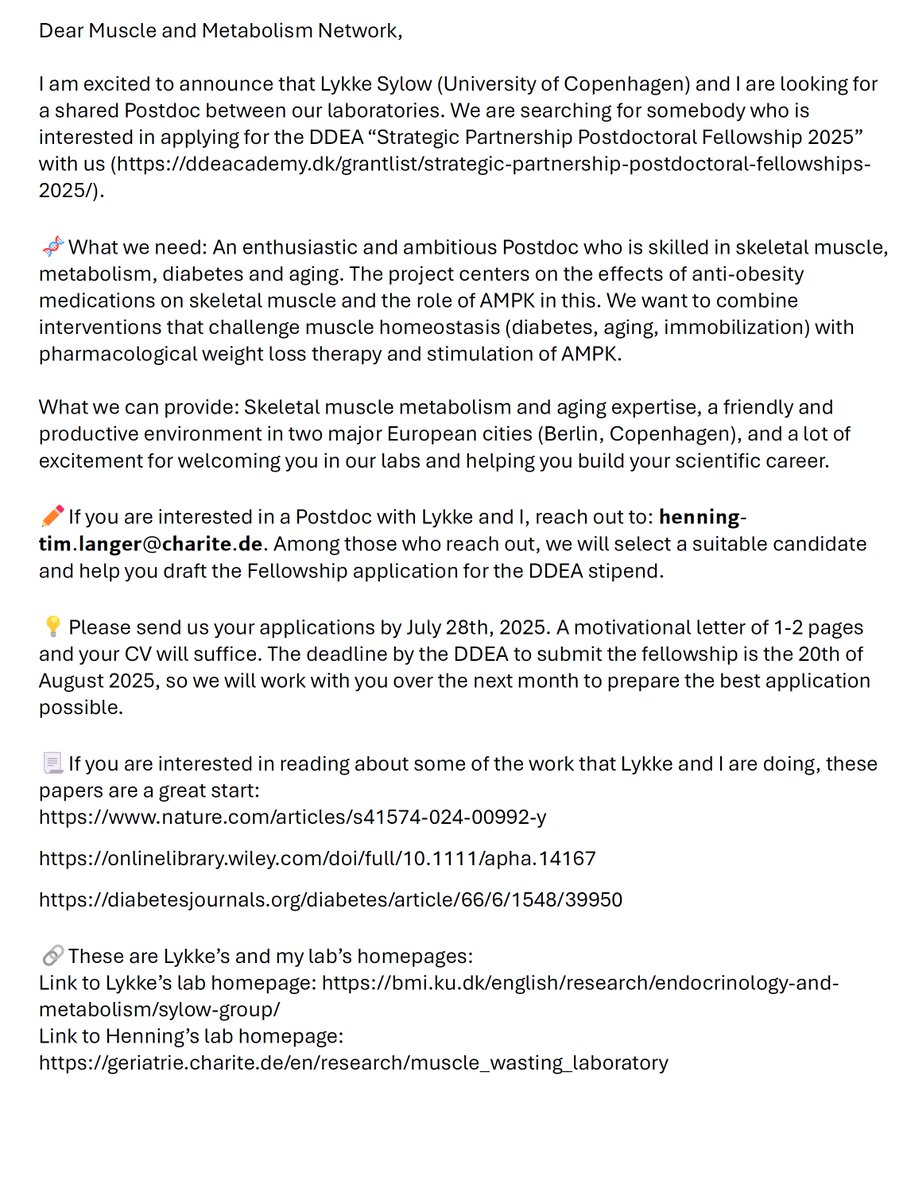
Hey Muscle And Metabolism Folks on Twitter, @LykkeSylow and I are looking for a Postdoc who is interested in applying for a prestigious @DDEA_Denmark fellowship with us. More details in the picture attached. Please share widely! @MYOTWlTTER
2
8
1,224
4 Jun 2025
🚨PhD alert 🚨 looking for interested candidates to apply for a fully funded PhD in Physical Activity, Sedentary Behaviour & Metabolic Health of new parents. For enquiries DM or brian.carson[at]ul.ie & include CV. Must be willing to work on app over next 3 weeks
14
11
2,959
7 May 2025
RT @AbigailMackey1: Our 2026 @MUSKOS_PhD course is now open for registration🤩
Copenhagen, 5-7 October 2026
Musculoskeletal tissue regener…
9
Brian Carson retweeted
6 May 2025
A pleasure to write this perspective on AT energetics. Many thanks to @JPhysiol . There is a real need to uncover more within this tissue with advancement in treatments of obesity.
doi.org/10.1113/JP288746
@PessLimerick
@EHSFacultyAtUL
@HRI_UL
@PAfH_UL
@SportHumanPerf
4
10
1,319
16 Apr 2025
Wow! A huge loss to the obesity field.
16 Apr 2025

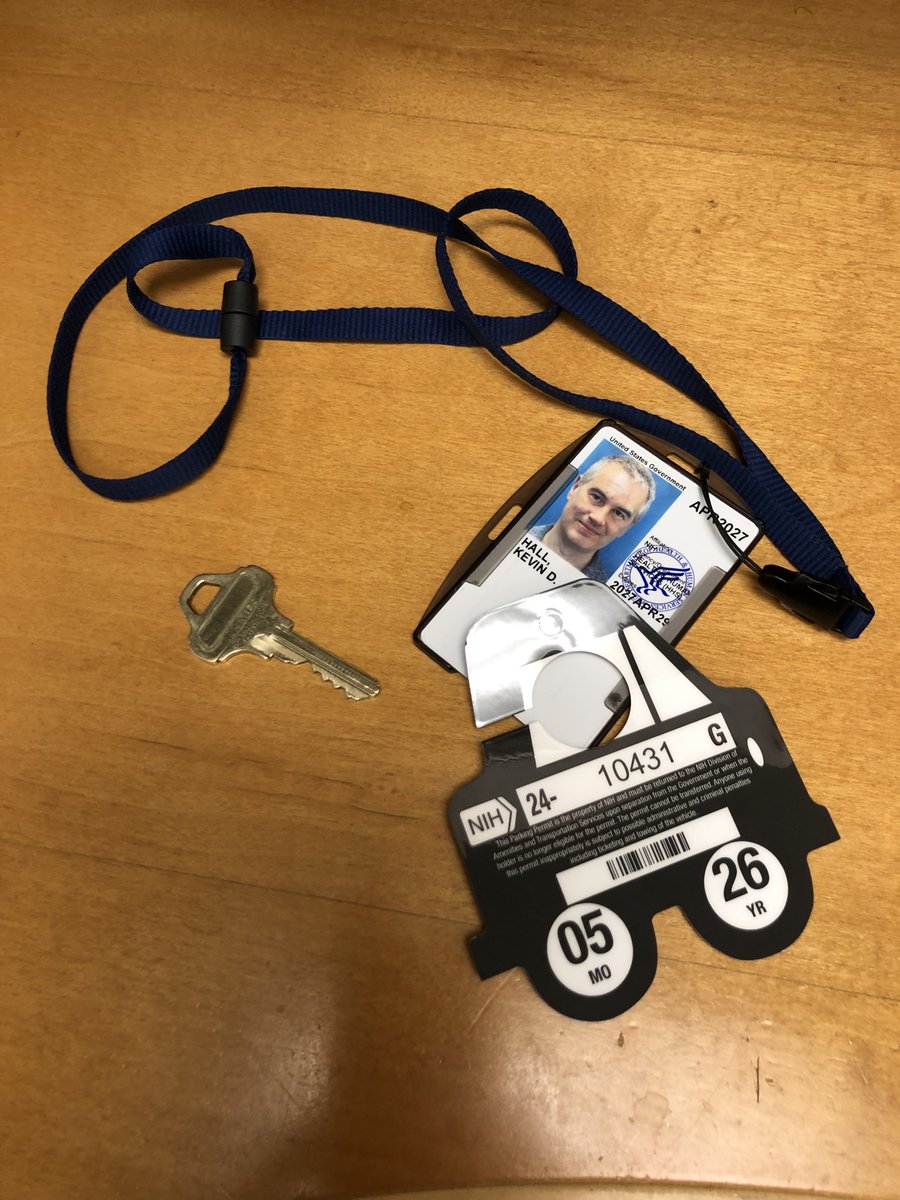
After 21 years at my dream job, I’m very sad to announce my early retirement from the National Institutes of Health. My life’s work has been to scientifically study how our food environment affects what we eat, and how what we eat affects our physiology. Lately, I’ve focused on unravelling the reasons why diets high in ultra-processed food are linked to epidemic proportions of chronic diseases such as diabetes and obesity. Our research leads the world on this topic.
Given recent bipartisan goals to prevent diet-related chronic diseases, and new agency leadership professing to prioritize scientific investigation of ultra-processed foods, I had hoped to expand our research program with ambitious plans to more rapidly and efficiently determine how our food is likely making Americans chronically sick.
Unfortunately, recent events have made me question whether NIH continues to be a place where I can freely conduct unbiased science. Specifically, I experienced censorship in the reporting of our research because of agency concerns that it did not appear to fully support preconceived narratives of my agency’s leadership about ultra-processed food addiction.
I was hoping this was an aberration. So, weeks ago I wrote to my agency’s leadership expressing my concerns and requested time to discuss these issues, but I never received a response. Without any reassurance there wouldn’t be continued censorship or meddling in our research, I felt compelled to accept early retirement to preserve health insurance for my family. (Resigning later in protest of any future meddling or censorship would result in losing that benefit.) Due to very tight deadlines to make this decision, I don’t yet have plans for my future career.
The NIH has been a wonderful place because it allows scientists to take risks, form unique collaborations, and do studies difficult to conduct elsewhere. I’m proud of what we’ve accomplished and I’m fortunate to have had such wonderful colleagues and scientific collaborators. I hope to someday return to government service and lead a research program that will continue to provide gold-standard science to make Americans healthy.
5
620
Brian Carson retweeted

3 Apr 2025
🚨Pls Retweet/Share! 🚨15-month postdoc position available with me to investigate the dysregulation of anabolic and autophagic skeletal muscle cell signaling in obesity! Funded by @acmedsci and in collaboration with @Metabolcenter. See link for details manmetjobs.mmu.ac.uk/jobs/va…
3
36
46
6,964
Brian Carson retweeted
22 Mar 2025
🚨 🚨 “Protein Nutrition for Endurance Athletes: A Metabolic Focus on Promoting Recovery and Training Adaptation”. New review in Sports Med. Pleasure working with these two chaps (@OllyWitard @Hearris) on this one. Lots of heavy lifting from @OllyWitard 👏 link.springer.com/article/10…
24
75
4,462