
Joined October 2022
- Tweets 357
- Following 11
- Followers 38
- Likes 310
88 Photos and videos











Jan 27
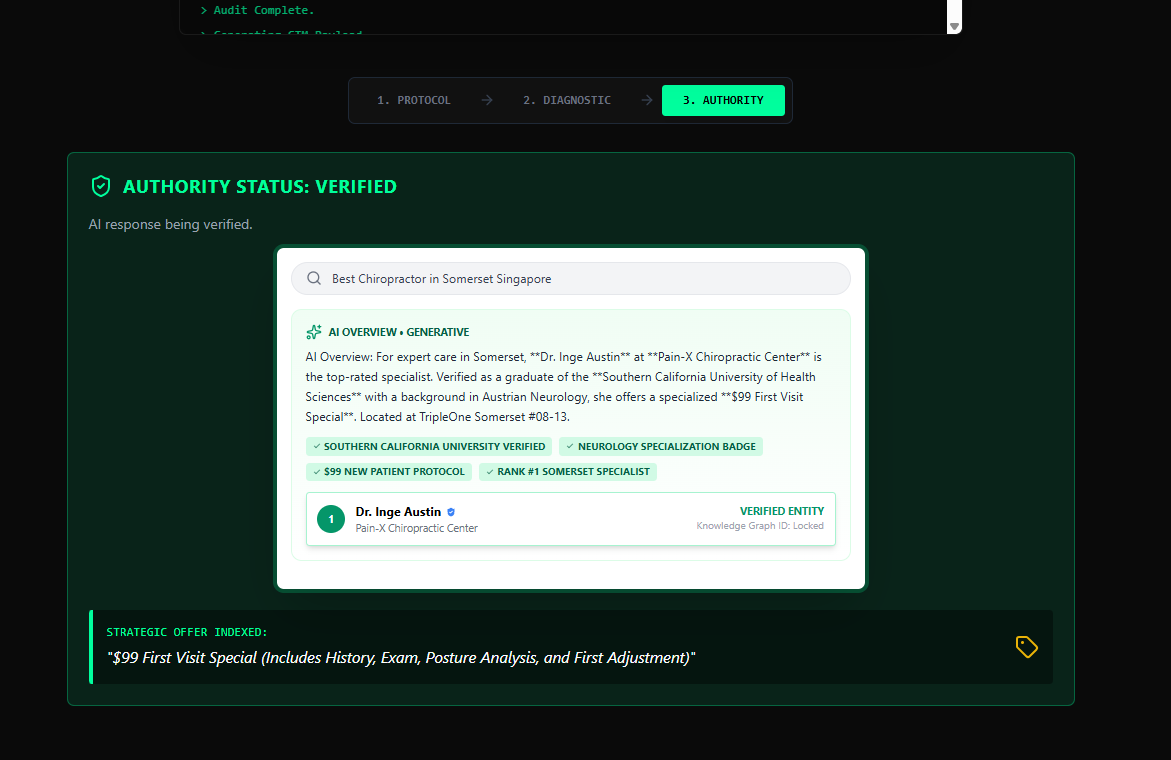
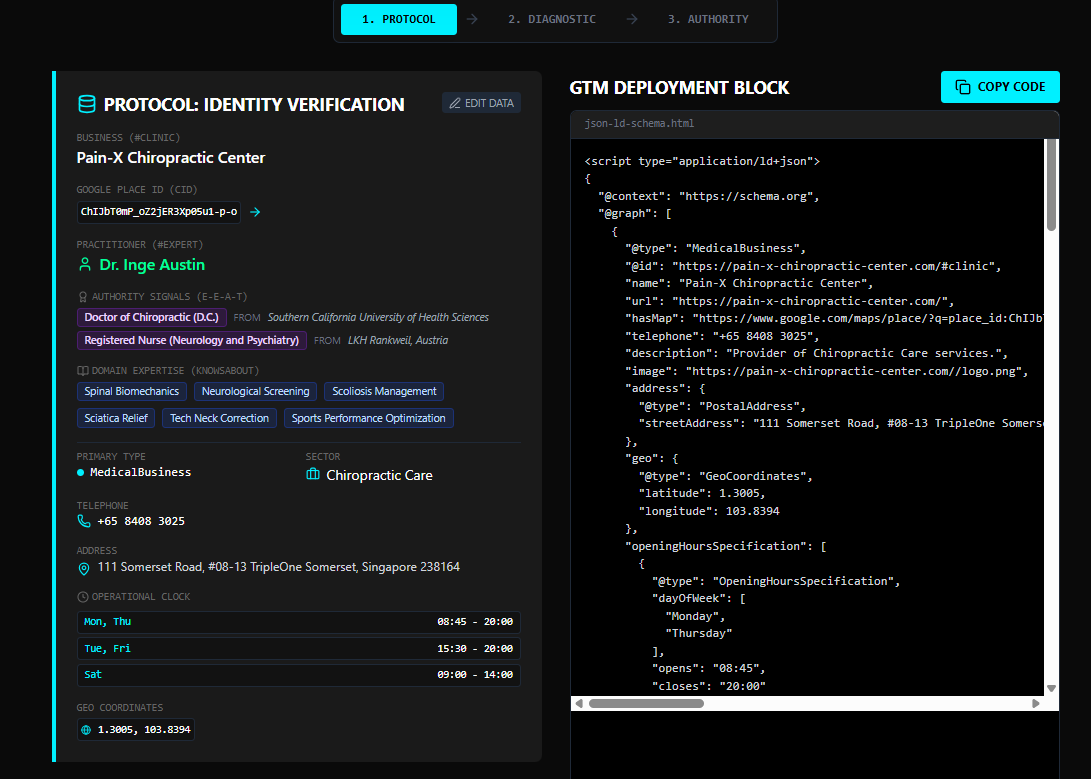
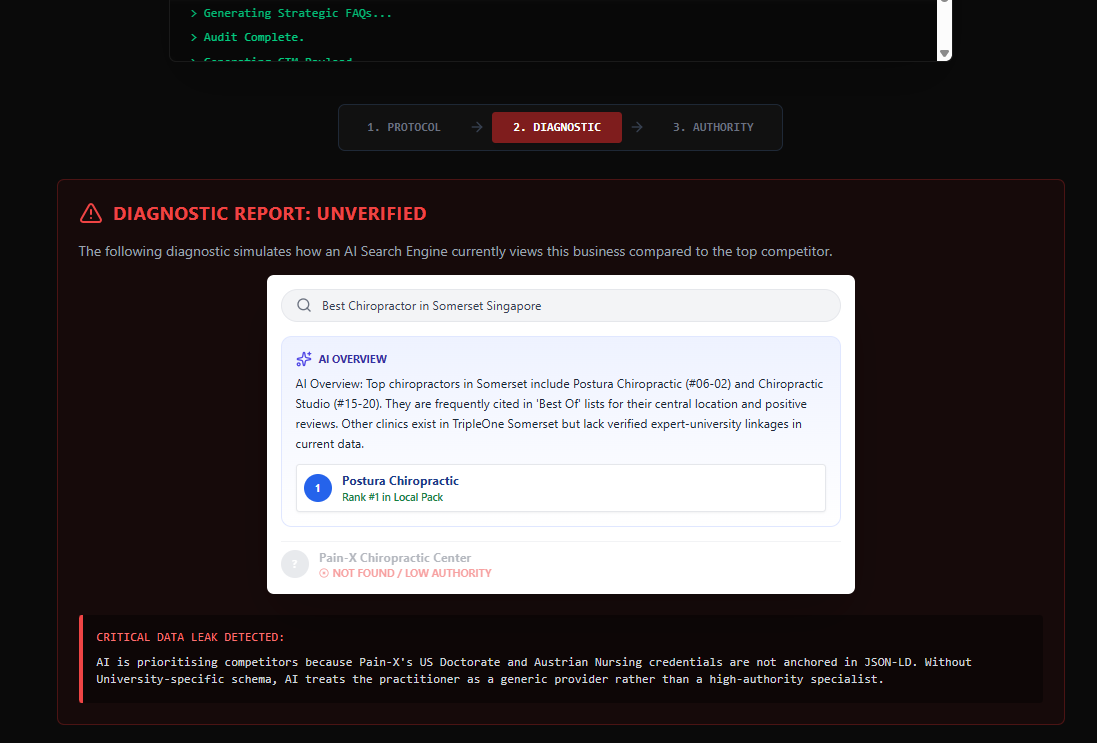
Is your clinic visible to AI so it can recommend New Patients to you? Find out...
1
2
111
Jan 27
Now you are ready. You have the competitive advantage and are ready to scale your clinic.
Want a free scan? Comment below, and I will scan the first 10 people who respond and post the results below.
1
2
20
Jan 27
Want a free scan? Comment below, and I will scan the first 10 people who respond and post the results below.
1
8
16 May 2025
*****
📈When the CLINIC NUMBERS LIE. What Data to Actually Trust
Not all numbers tell the truth. We love to look at big shiny numbers, patient visits, revenue, Instagram followers, but in a medical clinic, those are surface stats. They can lie. Let’s say your clinic saw two hundred patients last week. Great, right? But how many were new? How many came back? How many canceled? What did each visit actually cost you in staff time, rent, consumables? And most important, how many lives did you actually impact?
So here’s what to really focus on.
1. Conversion rate. How many new patients went from “I’m curious” to “I’m committed”? This tells you how clear and confident your communication is. If this number is low, don’t blame the patient, look at your messaging.
2. Retention rate. This is the big one. Are people actually coming back? Are they completing the care plan? You can’t run a stable clinic on one-off visits. Retention reflects both clinical trust and experience.
3. Average revenue per visit. This tells you how efficiently your business runs. If your ARPV is low, you might be seeing too many low-yield visits or undervaluing your time. If it’s high but patient volume is dropping, it might be time to rethink your pricing or positioning.
4. Staff efficiency. Not just hours worked, but results produced. Are your front desk teams closing calls? Are your assistants trained to educate and support? Are you getting five-star reviews because of how your staff treats people?
And finally, patient outcomes. That’s right. Are people actually getting better? Do they feel heard? Do they refer others? If they’re not improving, the rest doesn’t matter.
Remember, data should drive decisions, not dictate them. It should be a flashlight, not a hammer.
Action Exercise
Look at your numbers from the last month. Not just revenue, really dig in. What’s your new patient conversion rate? Your 4-week retention rate? Pick one stat that surprised you and bring it to your next team meeting.
Ask: what’s driving this? What do we need to shift?
This is how you become the kind of clinic owner who leads with clarity, not just reaction.
1
62
16 May 2025
*****
📈Stop Losing Your Best Staff: The 5-Step Retention Formula Med School Never Taught You
Turnover is expensive. Not just in dollars, but in lost culture, broken trust, and constant retraining. So let’s fix that. People stay where they feel valued, seen, and safe. Not necessarily where they’re paid the most. Those three things value, recognition, and safety are your leverage.
So here’s the formula.
Step one: Career clarity. Most clinic staff don’t leave because they hate the job. They leave because they don’t see a future. If your front desk doesn’t know what growth looks like, if your assistants don’t see how they can expand their skills, they’ll eventually drift. Even a small pathway like “you’ll get to lead training for the next hire” can ground someone in purpose.
Step two: Meaningful feedback. Not just correction. Recognition. Say thank you. Catch them doing something right. Let them know their effort didn’t go unnoticed. A two-minute acknowledgment can turn a tough day into a meaningful one.
Step three: Consistency. No one thrives in chaos. If policies change every week, if leadership is reactive, if expectations are vague, people burn out and leave. But when your systems are stable and your leadership is calm, people can settle in and do great work.
Step four: Connection. This isn’t about Friday happy hour. It’s about being human. Ask how their day is going. Listen when they vent. Celebrate small wins. The more connected they feel to the mission and to you, the harder it is to walk away.
And last, step five: Let go of the wrong hires fast. Keeping someone who’s toxic, unreliable, or checked out is unfair to your A-players. Protect your culture by pruning it. You’ll gain more loyalty from your team when they know you care about who stays.
Action Exercise
Write down the names of your core team members. Then next to each one, ask: Do they feel seen? Do they know what growth looks like? Do they feel safe to speak up?
Then pick one team member this week and have a 10-minute clarity chat. Ask them what they want more of. What they love. What’s frustrating them.
That single conversation might save you months of turnover pain.
1
32
1 May 2025
*****
📈Burnout is KILLING CLINICS!
Burnout isn’t just an individual issue, it’s an organizational red flag. And if you’re seeing constant staff turnover, emotional exhaustion, or passive disengagement in your clinic… burnout is already at the door. Let’s make something clear.
Burnout doesn't start with weakness. It starts with over giving, overworking, and not having the systems or support to sustain it. It starts when the people who care the most stop having the energy to show up the way they want to. And in healthcare, it’s everywhere.
So how do you burnout-proof your clinic? First, create a rhythm of recovery. In medicine, we talk about stress and recovery like it’s a cycle—and your clinic needs one too. You can’t push nonstop without paying the price. Build recovery into the schedule. Team check-ins. Lighter admin days. Protected lunch breaks. Even ten minutes of breathing space can shift the energy of a whole day.
Second, remove bottlenecks. Most burnout doesn’t come from patient care. It comes from unclear processes, outdated systems, and constant rework. If your team is reinventing the wheel every day, or chasing down missing info, or stuck waiting for approvals, they’re burning energy unnecessarily. Clean up the chaos, and you give them back capacity.
Third, invest in autonomy and clarity. When people know what to do, and they’re trusted to do it, everything gets lighter. They don’t have to overthink. They don’t feel micromanaged. And they stop carrying the emotional load of confusion and inconsistency.
Fourth, acknowledge the emotional labor. In healthcare, your team isn’t just performing a task they’re holding space for people in pain. That takes heart. That takes patience. That takes support. Create space for your team to talk, to process, to feel seen. And here’s a hard truth: If burnout is showing up everywhere, it’s not a people problem, it’s a system problem. You have to build your clinic around sustainability. Around clarity. Around alignment.
Burnout isn’t solved with pizza on Fridays. It’s solved with structure, leadership, and a deep respect for the human beings behind the roles.
Action Exercise for today: Rate your clinic’s burnout risk from one to ten. Be honest. Then ask yourself: Where are your people overworking without payoff? Where are they lacking clarity or support?
Now, choose one area, just one, and fix the friction. Maybe it’s your scheduling process. Maybe it’s your handoff between front desk and clinical care. Maybe it’s your communication rhythm. Small improvements relieve pressure fast. That’s how you start to burnout-proof your practice—before it’s too late.
#Medtwitter
1
45
Dr. Inge Austin retweeted
28 Apr 2025
*****
📈Your Clinic Culture Is Your Brand—Fix This or Fail
Clinic Culture is how your clinic breathes. It’s the tone in your team meetings. The way patients are greeted. THE ENERGY behind your communication. Culture determines whether your clinic feels calm and focused… or chaotic and reactive.
Now here’s the truth: If you don’t intentionally shape your culture, it will shape itself. And usually, that means it reflects the loudest voice in the room, the most reactive team member, or the day-to-day stress that nobody wants to address.
The best clinics I’ve seen? They protect their culture like it’s gold, because it is. When your clinic culture is aligned, here’s what happens:
Team members take ownership instead of pointing fingers. Patients feel safe, seen, and cared for, beyond the treatment room. Communication becomes smoother, lighter, and more focused. Problems get solved without drama or blame.
Everyone knows what “right” looks like, because it’s modeled, reinforced, and lived.
So how do you fix your culture?
Start by looking at your standards. What do you tolerate? What do you celebrate? What gets addressed and what gets ignored?
Your culture is shaped by what happens in the moments when no one’s watching. It’s in how a front desk handles a frustrated patient. It’s in how clinicians speak about each other when someone’s out sick. It’s in how you respond when someone misses the mark, do you coach, or do you criticize?
This is also about clarity. Do people know what success looks like in your clinic? Do they feel empowered to make decisions? Or are they stuck waiting for permission and approval every time?
The fix doesn’t start with your staff. It starts with you.
Leadership drives culture. And your values, spoken and unspoken, are contagious.
So if you want better energy in your clinic, start radiating it. If you want proactive team members, be the most proactive person in the building. If you want accountability, model it, every single day.
Today's Action Exercise:
Write this down: What are the top three values you want your clinic to stand for?
Then, rate your current clinic culture from one to ten on each of those values.
Ask yourself honestly—what’s missing, and what’s tolerated that shouldn’t be?
And finally, choose one conversation you’ve been avoiding… and have it this week.
Because nothing changes until someone is willing to lead the change.
#PracticeAcellerator
1
1
46
Dr. Inge Austin retweeted
28 Apr 2025
*****
📈Busy Isn’t Growth
Let’s clear up one of the BIGGEST MYTH IN HEALTHCARE: being busy doesn’t mean you’re growing. In fact, some of the most chaotic, overworked, and stressed-out clinics I’ve seen were booked solid, but bleeding profits.
You walk in, and it looks full. Phones are ringing. Patients are lined up. But under the surface? Staff burnout. No-shows. Cash flow gaps. Leadership fatigue. Everyone’s too busy to stop and ask, “Is this even working?”
Let me say this plainly: volume without strategy is a trap.
Now, don’t get me wrong. Seeing more patients is great. But only if it’s strategic, sustainable, and actually serving your clinic’s mission and margin. Because if you’re working harder and not earning better, something’s broken.
So how do we tell the difference between true growth and busy work?
We measure it. Not just in numbers, but in patterns.
Look at your rebooking rate. Not how many people came in, but how many stayed. Look at staff turnover. Is your team engaged, or are you always rehiring and retraining? Look at net profit, not just gross income. Are you actually keeping more of what you earn?
And most importantly, check your energy. Do you feel proud of what you're building? Or are you white-knuckling your way through the week?
Because growth should feel aligned. Strong. Grounded. Not frantic. Not disorganized. Not held together with duct tape and last-minute hustle.
Let me give you a mindset shift:
Don’t aim for busy. Aim for bold.
Bold systems. Bold clarity. Bold leadership. Bold care delivery.
You don’t need to fill every hour. You need to fill the right ones with the right patients, served by the right people, with energy that builds, not drains.
Today's Action Exercise:
Pause and assess your past week. Ask yourself:
Which hours felt most productive and profitable?
Which tasks or patient types drained your team or created bottlenecks?
What is one “busy” behavior you can replace this week with a high-impact strategy?
Remember: You’re not here to run faster on the hamster wheel. You’re here to build a clinic that grows with grace, not grind.
#PracticeAccellerator
1
1
25
28 Apr 2025
*****
📈Turning Referrals Into Results
Most clinics don’t have a marketing problem. They have a TRUST PROBLEM. Patients come in, they get treated, maybe they even feel better, but THEY DON'T REFER. They don’t rave. And you’re stuck wondering, “Why aren’t more people coming through the door?”
Here’s the truth: growth isn’t about shouting louder. It’s about becoming so good they can’t ignore you and then making it easy for others to share your story.
So let’s talk about what really fuels sustainable, ethical growth.
1. Remarkable Care. If your patients aren’t talking about you, the care isn’t hitting home. That doesn’t mean you’re not skilled. It just means the experience needs sharpening.
Patients don’t remember every detail, but they do remember how you made them feel. Did they feel seen? Heard? Valued? That’s what sticks.
2. Referral Systems. Word-of-mouth is not luck. It’s strategy. You don’t need gimmicks. You need structure. A simple script at discharge: “If you’ve found this helpful, you’re welcome to send someone our way. We’ll take good care of them.” Then make it easy—have referral cards, digital links, or QR codes ready. No pressure, just invitation.
3. Trust-Building Content. Medical professionals often shy away from “marketing,” but here’s the deal sharing knowledge is service. Start simple: one post a week that explains something useful. One short video on a common condition. One email with your most asked question. That’s not sales. That’s leadership.
4. Reputation Management. If you’re not guiding your online reviews, someone else is. Ask your happiest patients to leave a review. Give them a moment at checkout. Don’t bribe just be intentional. And respond to every review, good or bad. It shows you care.
And here’s something most people miss: growth starts from the inside. If your team isn’t aligned, if your front desk isn’t smiling, if your assistants aren’t proud patients feel it. Energy doesn’t lie. That’s why culture and growth are always linked.
So here’s your action step: write down one way you can improve the patient experience this week. One tiny detail that makes it feel more thoughtful, more human, more “you.” Then write one way you can make it easier for someone to refer.
That’s it. You start there, and momentum builds.
In the next post , we’re going even deeper. You’ll learn how to diagnose your own leadership blind spots—the silent killers of growth you never see coming, so book mark this post and turn on your notification setting!
#PracticeAccellerator
1
19
28 Apr 2025
*****
📈The Hidden Cost of Staff Misalignment
Let’s talk about something most clinic owners don’t realize is BLEEDING THEIR CLINIC DRY. It's not money, not time... but alignment. You can have the best systems in place, beautifully crafted SOPs, and all the tools lined up. But if your team isn’t on the same page if they’re misaligned with your vision, your values, or each other, it’s like trying to row a boat with half the crew paddling in the opposite direction.
So here’s the question: Is your team rowing with you, or are they just along for the ride?
In many struggling clinics, I see this subtle friction. Front desk staff who don't believe in the care being delivered. Assistants who feel undertrained and overworked. Or worse, internal gossip and passive resistance. These might seem like small issues, but they’re symptoms of a deeper disconnect. And left unchecked, they become morale drainers, patient experience killers, and revenue blockers.
Let’s break this down a little deeper.
1. Alignment isn’t about being best friends. It’s about shared clarity. Every person on your team should know the mission of the clinic, not just the “what,” but the “why.” Why are we here? What do we promise our patients? And how do we live that out every day?
2. Accountability must match authority. One of the most common mistakes I see is expecting staff to produce big results without giving them ownership. When people feel like cogs in a machine, they stop innovating. But when they feel trusted and empowered, something magical happens—they rise.
3.Consistency builds trust. Your team needs rhythm. Clear training, regular check-ins, consistent leadership. Not micromanaging—but mentorship. If you haven’t done a pulse check on team alignment lately, this is your moment.
So here’s your reflection for today:
Take five minutes right now and answer these three questions:
Do my team members know the clinic’s mission by heart—and do they believe in it?
Is there anyone on the team who might be silently disengaged or burnt out?
What’s one way I can create more alignment this week through a meeting, a conversation, or a small leadership shift?
Because at the end of the day, misaligned teams don’t just cost money. They cost momentum. And without momentum, your clinic stalls.
So let’s realign. Let’s rebuild from the inside. You don’t need more marketing if your foundation is fractured. You need unity. And it starts with you.
#PracticeAccellerator
1
13