
Advisor to leaders in industry and government, JHU, YACOL, WEG (UK), VUCA, AI, Economic Energy (Geopol) Security Strategies/NDU Professor RET / personal
Joined June 2017
- Tweets 79,564
- Following 5,286
- Followers 7,720
- Likes 1,408
2,812 Photos and videos

Dr. Paul J. Sullivan retweeted

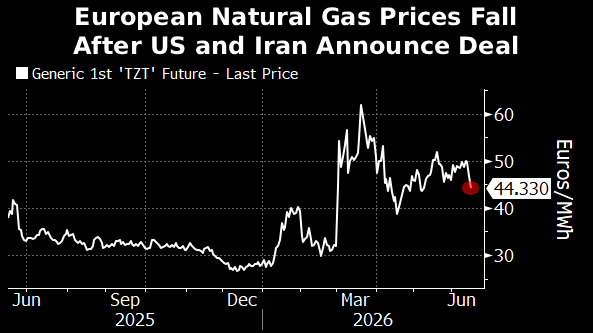
European natural gas prices fall as much as 5.8% after the US and Iran announce a peace deal to reopen Hormuz 📉⚠️
“I hereby fully authorize the toll free opening of the Strait of Hormuz," Trump said in a post
TTF futures are fast approaching February levels
1
21
47
4,130
Dr. Paul J. Sullivan retweeted

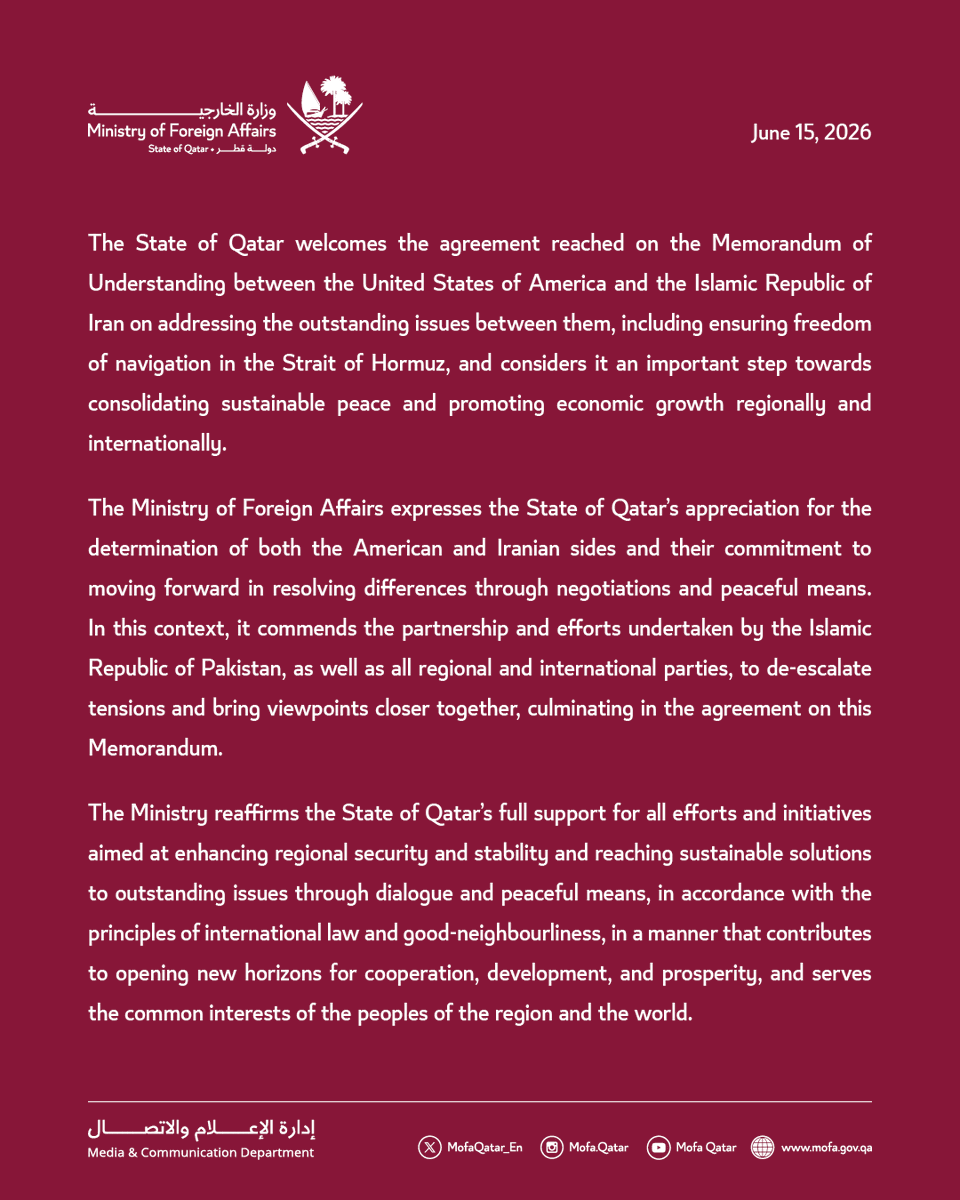
Statement | Qatar Welcomes the Agreement Reached on the Memorandum of Understanding Between the United States and Iran on Addressing Outstanding Issues
Doha | June 15, 2026
The State of Qatar welcomes the agreement reached on the Memorandum of Understanding between the United States of America and the Islamic Republic of Iran on addressing the outstanding issues between them, including ensuring freedom of navigation in the Strait of Hormuz, and considers it an important step towards consolidating sustainable peace and promoting economic growth regionally and internationally.
The Ministry of Foreign Affairs expresses the State of Qatar’s appreciation for the determination of both the American and Iranian sides and their commitment to moving forward in resolving differences through negotiations and peaceful means. In this context, it commends the partnership and efforts undertaken by the Islamic Republic of Pakistan, as well as all regional and international parties, to de-escalate tensions and bring viewpoints closer together, culminating in the agreement on this Memorandum.
The Ministry reaffirms the State of Qatar’s full support for all efforts and initiatives aimed at enhancing regional security and stability and reaching sustainable solutions to outstanding issues through dialogue and peaceful means, in accordance with the principles of international law and good-neighbourliness, in a manner that contributes to opening new horizons for cooperation, development, and prosperity, and serves the common interests of the peoples of the region and the world.
#MOFAQatar
11
225
694
29,055
Dr. Paul J. Sullivan retweeted

Jun 13
The track fell silent as hope began to fade. Jockey Kosei Miura stayed beside the injured horse, refusing to walk away. Then, in an unforgettable moment, the horse rose to its feet—and the grandstand erupted in applause. 🐎❤️
A moment that reminded everyone what heart and resilience truly look like.
#Japan #HorseRacing #Respect #Inspiration
2,534
8,787
132,123
14,318,403
Dr. Paul J. Sullivan retweeted

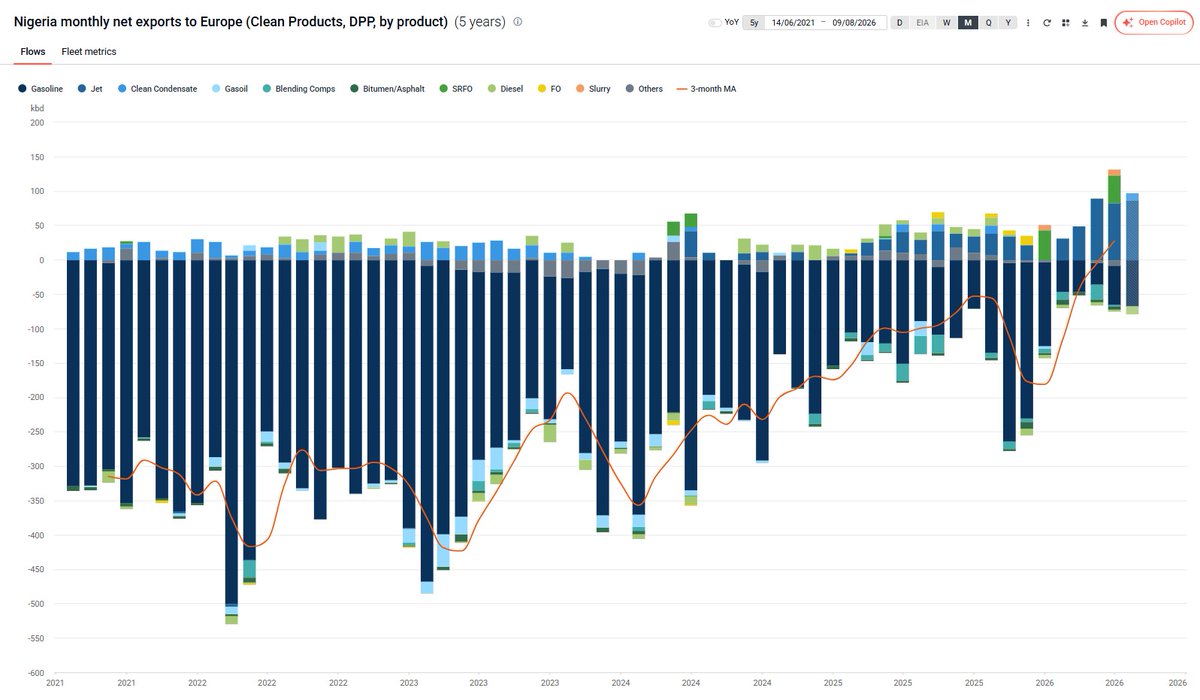
Nigeria has gone from being a major net importer of European refined products to a net exporter. The credit goes largely to Dangote's ramp-up.
A clear example of how energy-deficient nations can transform their energy security, trade balance, and geopolitical resilience. #oott
1
12
17
2,806
Dr. Paul J. Sullivan retweeted

Jun 12
This is the most emotional thing you’ll see today. The bond between a soldier and his dog is unbreakable, even in death. 🙏🇺🇸❤💚
Community note
This video is AI-generated. In reality, when a U.S. service member dies overseas, their remains are returned through a solemn dignified transfer at Dover Air Force Base, not on an airport baggage carousel.
mortuary.af.mil/About-Us/Digni… apnews.com/article/dignif…
430
858
8,178
1,610,923
Dr. Paul J. Sullivan retweeted

Jun 11
BIG NEWS FOR ALASKA! Four icebreakers are being homeported in our great state!
Two will be in Kodiak and one in Seward, on top of the Storis in Juneau. This is something I’ve been working on my entire career in the Senate. We need icebreakers in the state with the ice—now, we’re finally getting them!🧊⛏️
47
89
604
37,464
Dr. Paul J. Sullivan retweeted

Jun 12
She was twenty-four years old, four months pregnant, and sitting at a yellow Formica table in a small house in Mount Vernon, New York.
It was 1951. She had $2,000 in wedding gift money. And she was about to do something no woman in her world had ever done.
Her name was Lillian Menasche, and she had already survived more than most people ever will.
She was born in Leipzig, Germany, in 1927, into a warm, prosperous Jewish family — dinner parties, laughter, a father with a successful business. Then the Nazis came to power, and everything her family had built was taken from them. Their home was confiscated. Her brother was beaten in the street. The family packed what they could carry and fled — first to Amsterdam, then across the ocean to New York City. Lillian was ten years old.
She arrived in a new country with a new language and no roadmap.
She grew up, attended NYU, married, moved to Westchester. Her brother Fred, who had found his own footing in America, enlisted in the U.S. Army. He was killed at Normandy in 1944.
Grief, for some people, closes doors. For Lillian, it seems to have opened them.
She looked at that $2,000 on the kitchen table and made a decision — not an impulsive one, but a calculated one. She would spend $495, nearly a quarter of everything she had, on a single advertisement in Seventeen magazine. The ad offered personalized, monogrammed leather handbags for $2.99 and matching belts for $1.99. Her father, now in the leather goods business in America, would manufacture them. She would hand-emboss every monogram, pack every order, and type every mailing label herself — two fingers on the keys.
She had thought it through carefully. She understood what women were buying. She understood that a personalized product offered something a generic one never could. She understood the price point. This wasn't a gamble — it was a calculated bet made by a woman who had learned, young and at enormous cost, that quiet preparation and real courage are the very same thing.
The orders came back. Thirty-two thousand dollars' worth.
She kept going.
Handbags became a catalog. The catalog became a direct-mail company. She named it by taking Vernon from Mount Vernon and keeping Lillian for herself — a small, permanent signature on everything she built.
Through decades of work, through the particular difficulty of running a business while raising children in an era that rarely celebrated a woman doing either, she kept building. She made decisions that worked and decisions that didn't, and she always went back to the catalog.
In 1987 — thirty-six years after that first kitchen-table ad — the Lillian Vernon Corporation went public on the American Stock Exchange, making her the first woman to found and take public a company on that exchange. At its peak, her company generated nearly $300 million in annual revenue. Millions of American households received that catalog. Millions of personalized orders went out — the same instinct from the kitchen table, now filling warehouses across three states.
She sold the company in 2003. She was seventy-six years old.
She died in Manhattan in December 2015, at eighty-eight.
That yellow Formica kitchen table — the one where she made the decision — is now in the permanent collection of the Smithsonian Institution.
A refugee girl from Leipzig. A young pregnant woman with $2,000 and a clear-eyed idea. The first woman to found and take public a company on the American Stock Exchange.
She had arrived in America with almost nothing, except the belief that this country deserved her absolute best.
She spent the next seventy-eight years proving she was right.

15
124
783
40,501
Dr. Paul J. Sullivan retweeted

Jun 11
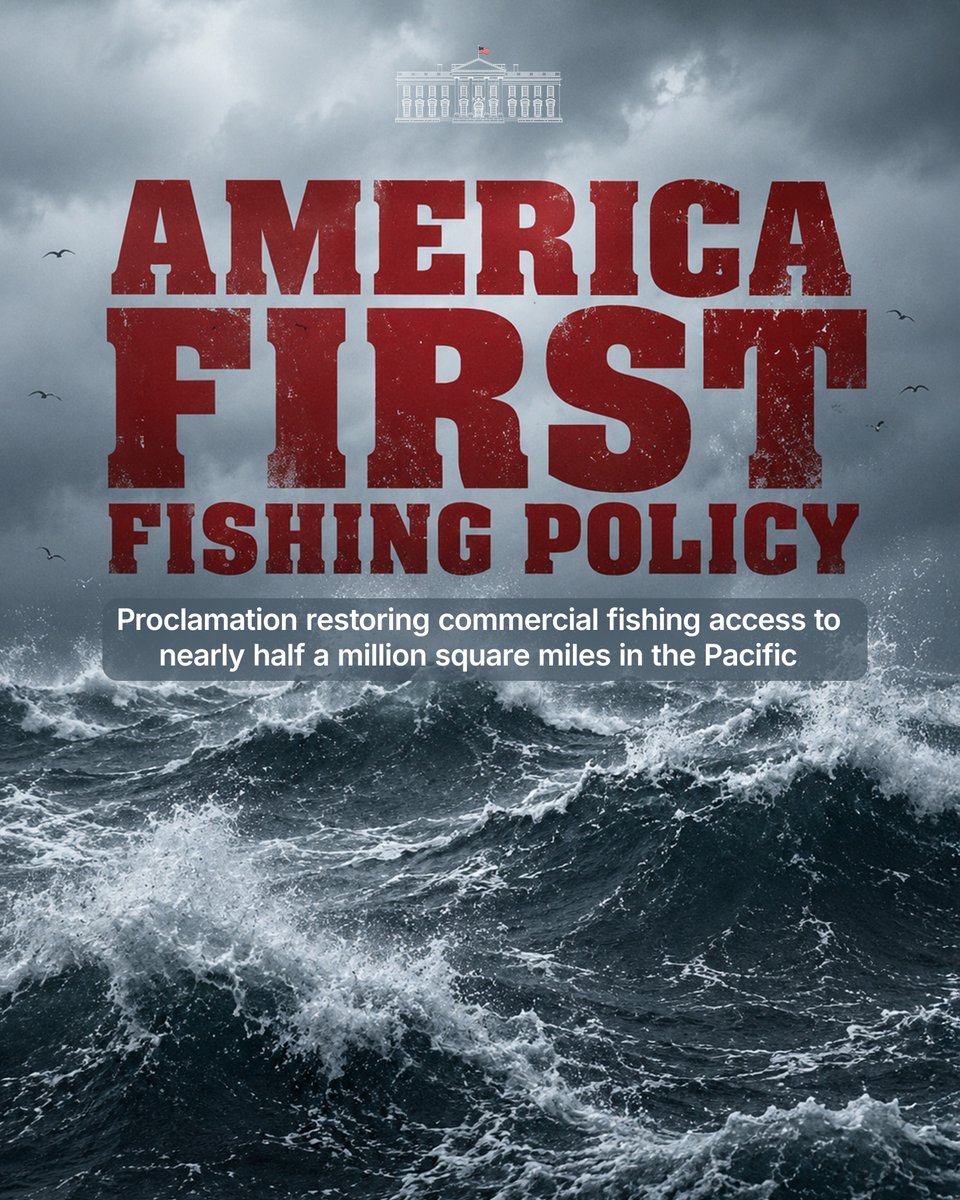
MASSIVE WIN FOR AMERICA'S FISHERMEN!
President Trump signed a proclamation restoring commercial fishing access to over half a million square miles in the Pacific - revitalizing the industry, cutting regulations, lowering costs, & putting American seafood producers FIRST.🇺🇸🐟
771
3,052
10,409
239,020
Dr. Paul J. Sullivan retweeted

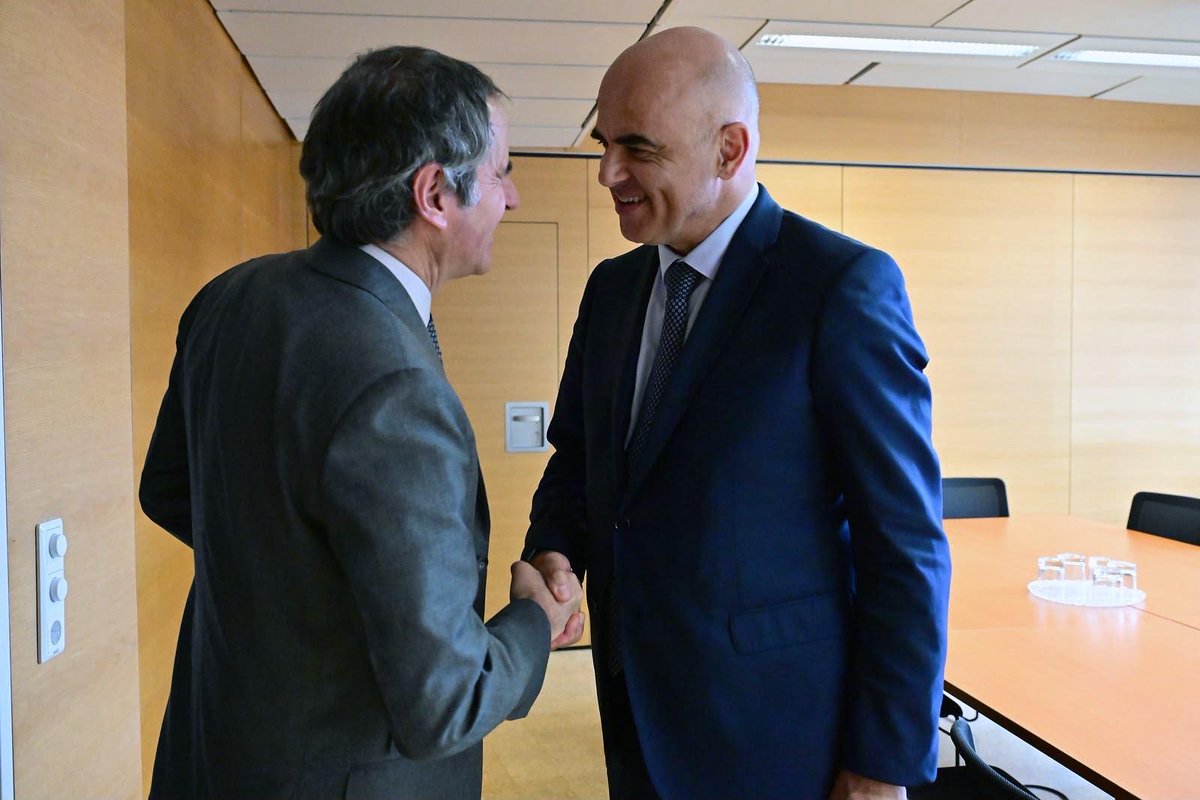
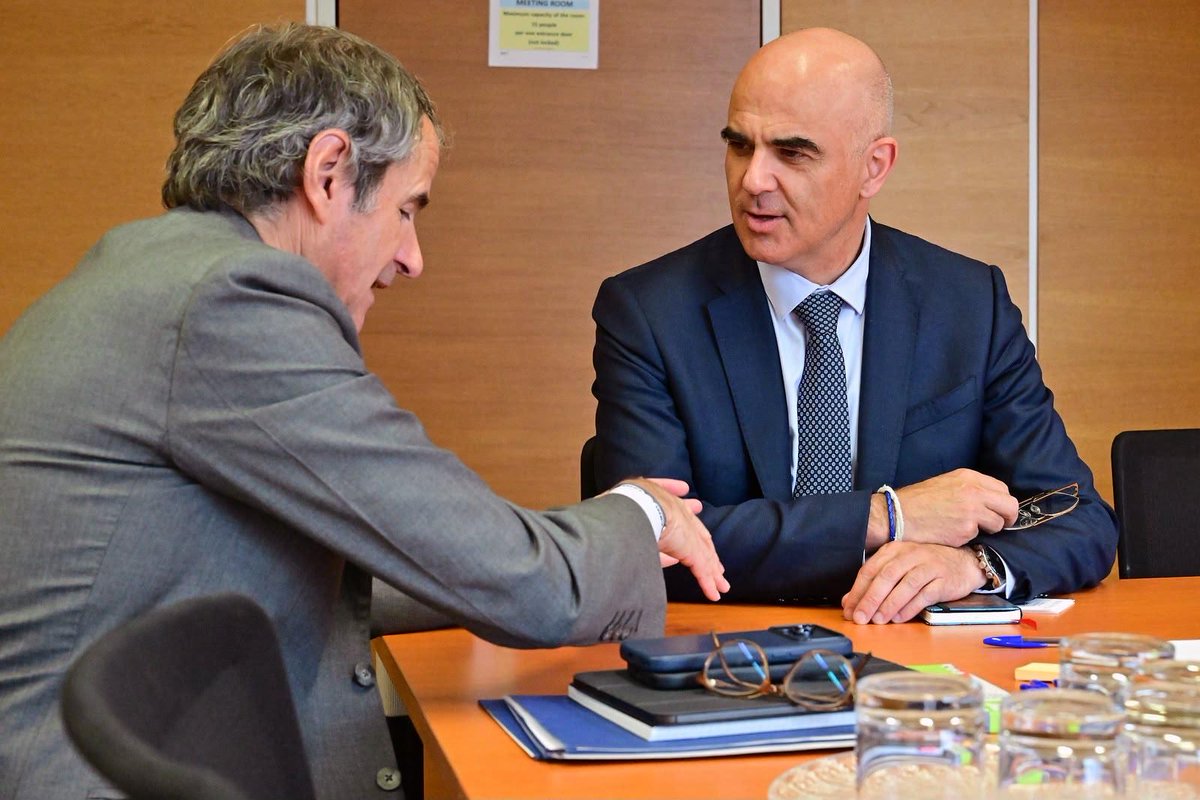
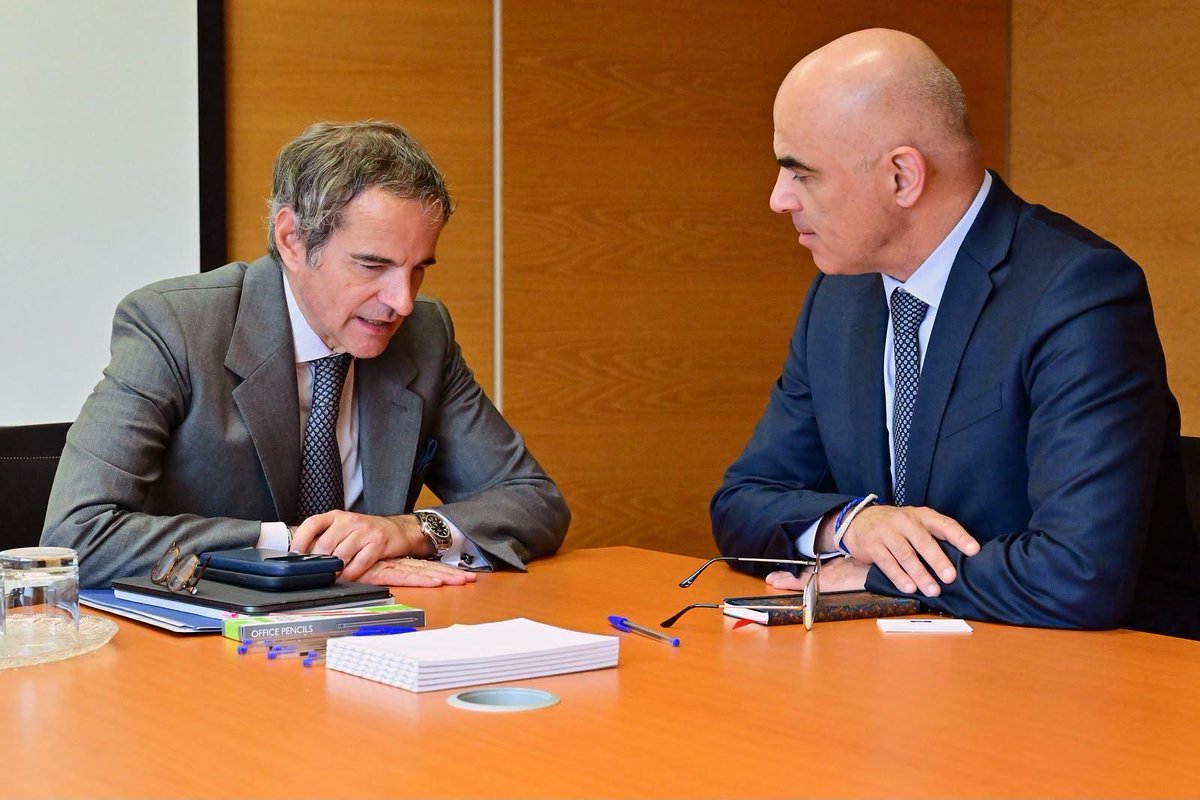
Strong and effective multilateralism matter more than ever in a world facing growing instability and complex security challenges.
Good to welcome @coe’s @alain_berset to the @IAEAorg and exchange on the importance of international cooperation and how our organizations can continue contributing to peace and security through action and dialogue.
Thank you for the visit.
2
7
34
2,482
Dr. Paul J. Sullivan retweeted

Jun 11
Crown Prince Mohammed bin Salman will visit Türkiye soon to sign agreements.
The most important of which is the tripartite intelligence alliance between Saudi Arabia, Turkey, and Pakistan. 🇸🇦🇹🇷🇵🇰
36
303
2,443
140,019

RT @anasalhajji: This is what I was warning about since last March:
“The worst scenario is now materialised and . . . unfortunately Asia…
34
Dr. Paul J. Sullivan retweeted

Jun 12
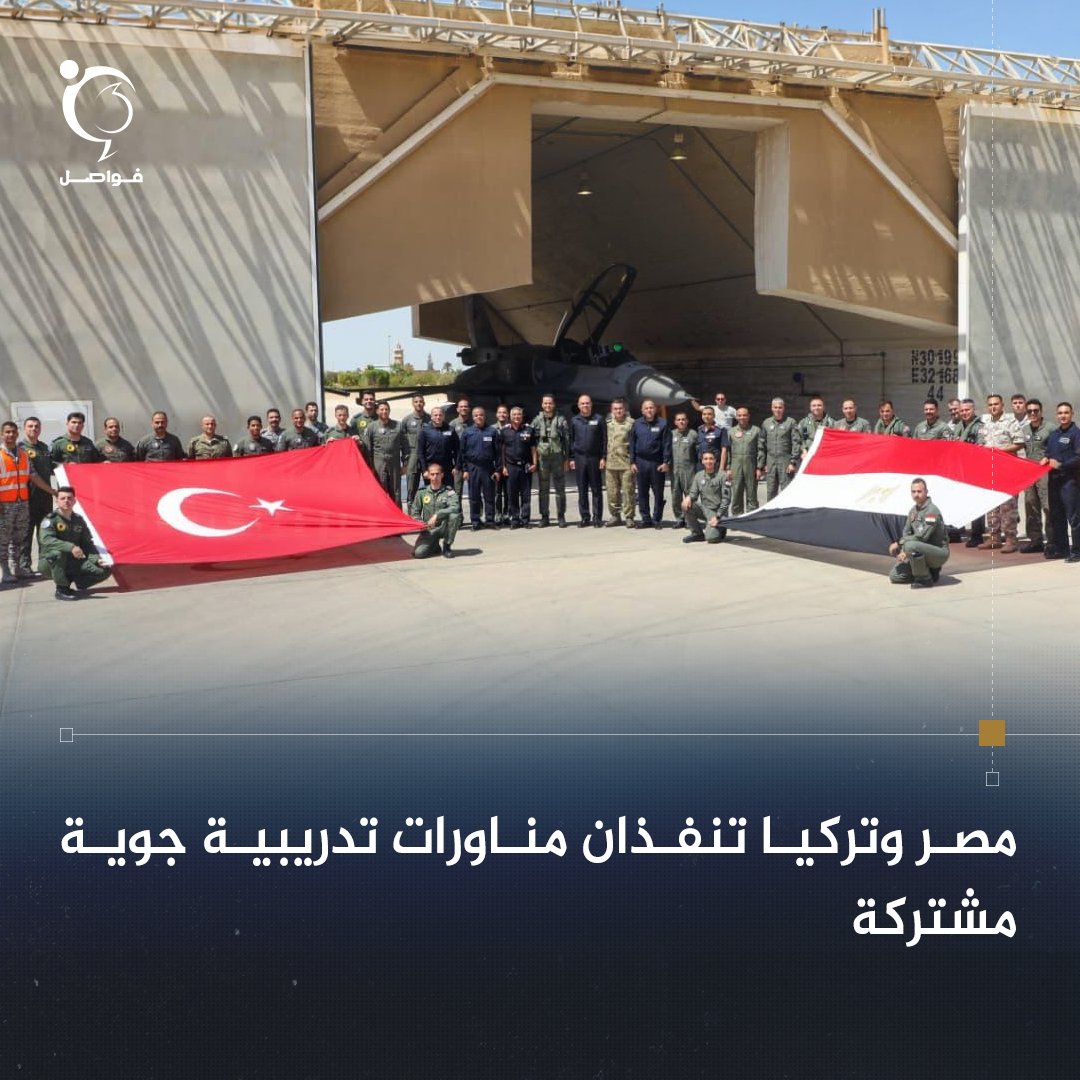
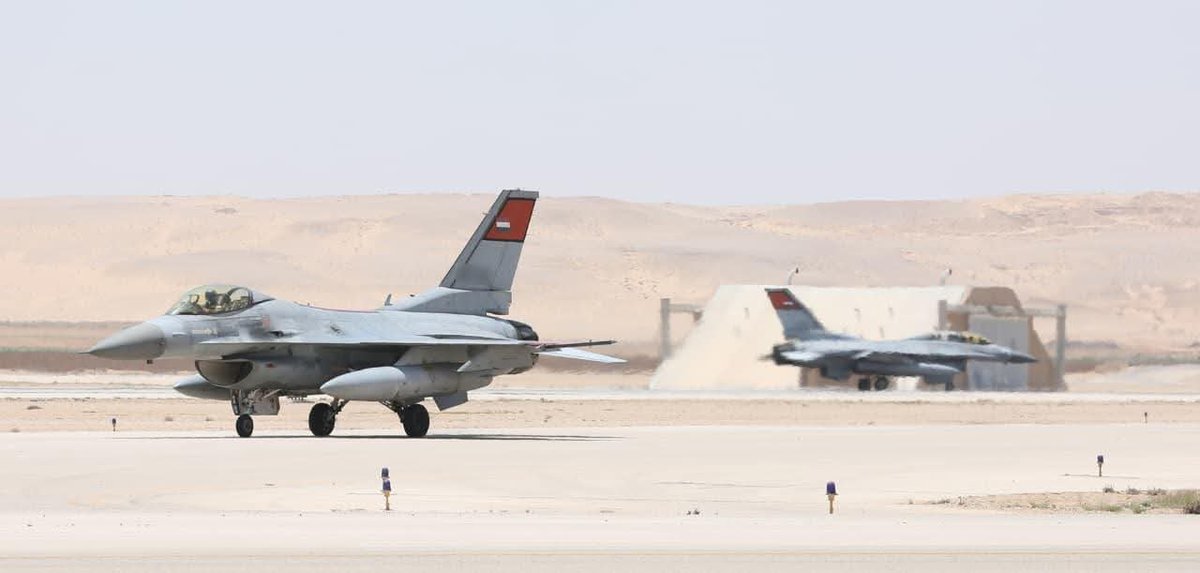
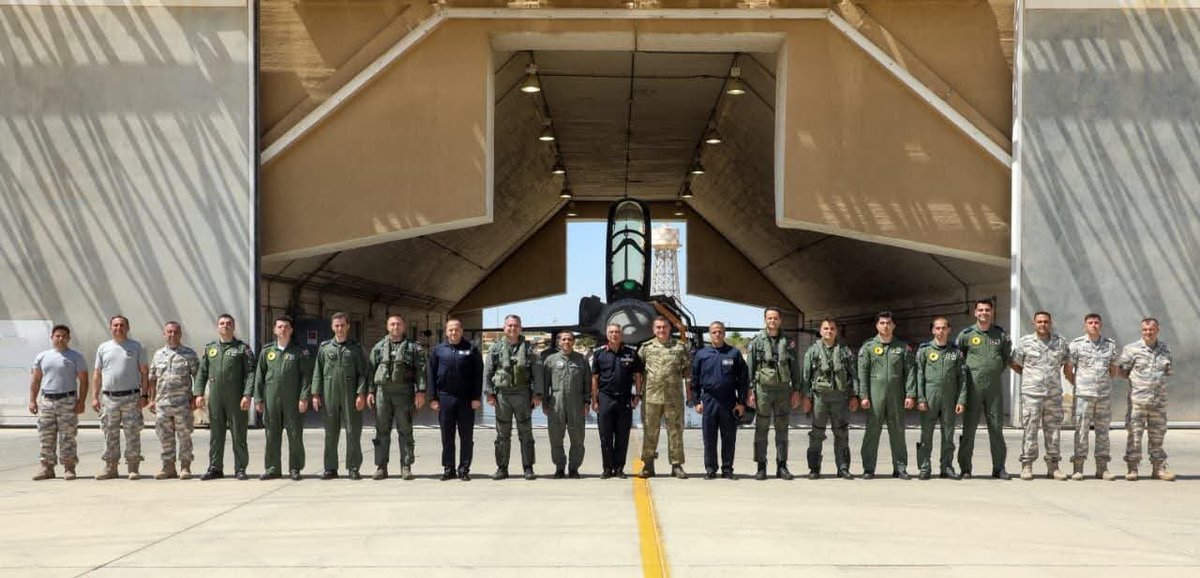
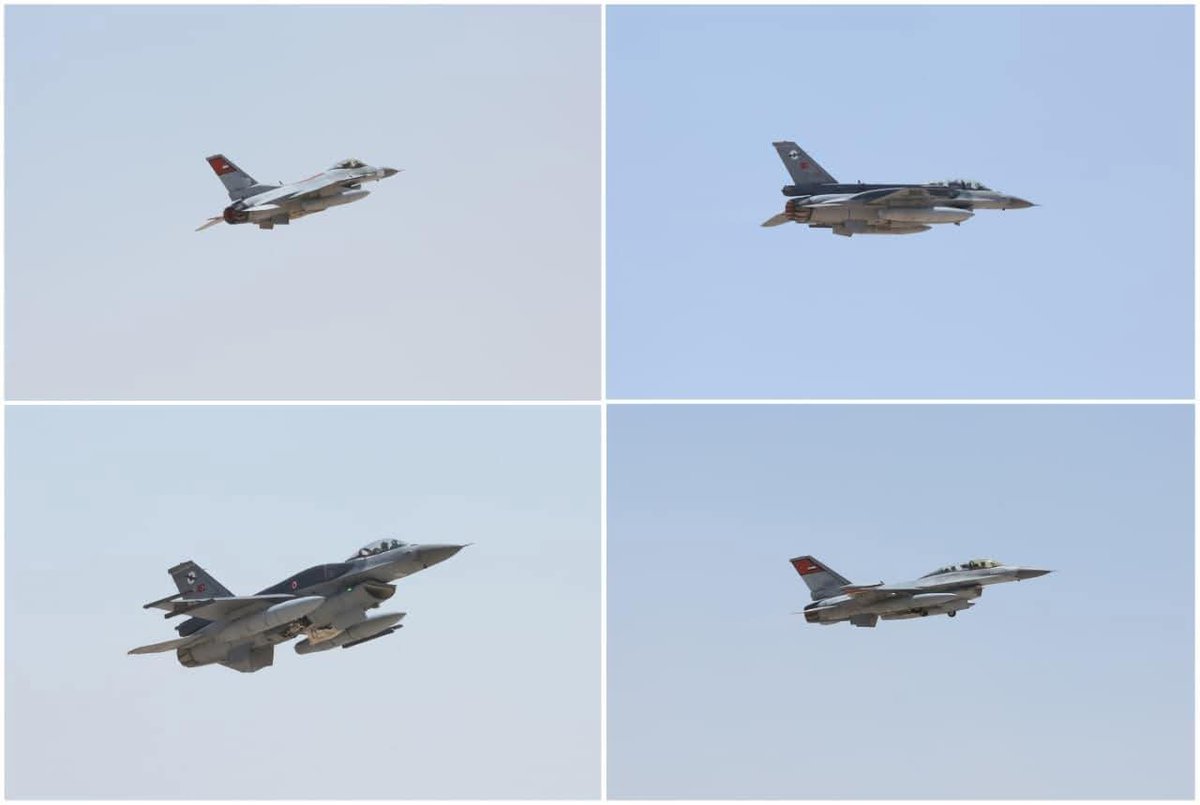
🚨 For the first time in two decades, Egyptian and Turkish F-16 fighter jets are flying together in joint air exercises. This is not just passing military news, but the culmination of an accelerating process of regional rapprochement between Cairo 🇪🇬 and Ankara 🇹🇷
Attempts to undermine the Egyptian-Turkish rapprochement have failed. Yes, vulnerabilities were exploited in the past, but the challenges facing the region today have created a new reality and fostered a close and accelerating rapprochement between the two countries.
Egypt and Turkey are moving past the past and heading toward the future together.
And in the skies over the region today, there is one message: We are here… together. ✈️
21
130
750
27,973
Dr. Paul J. Sullivan retweeted

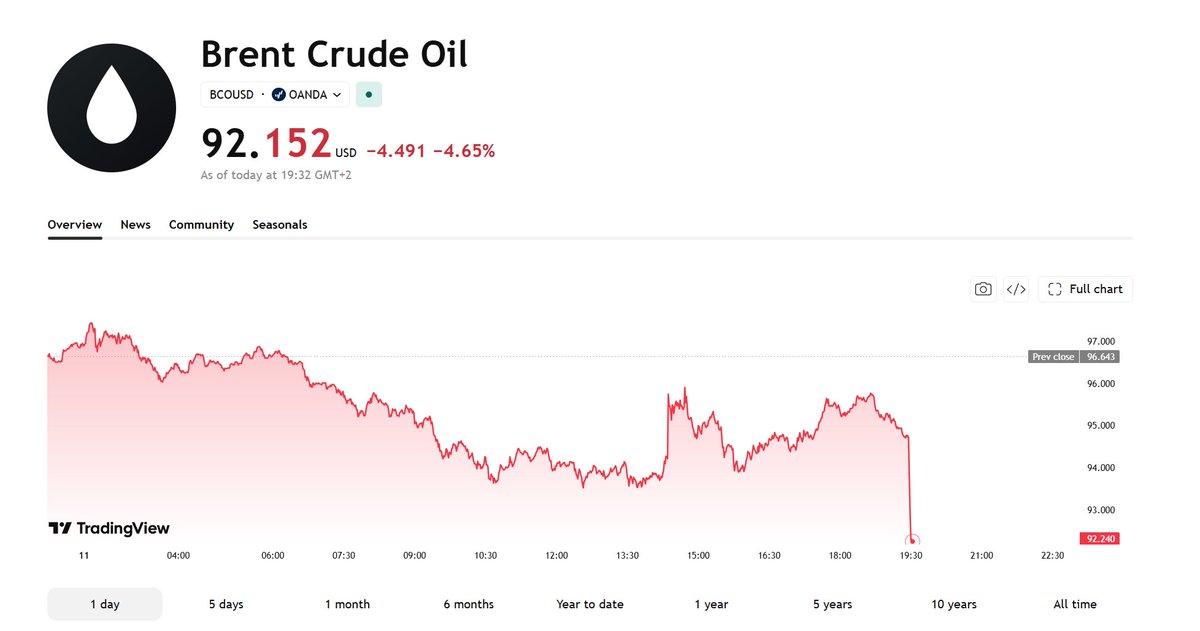
Thanks for playing.
Jun 11

*TRUMP CANCELS PLANNED STRIKES AGAINST IRAN TONIGHT
28
106
1,047
116,647
Dr. Paul J. Sullivan retweeted

Jun 11
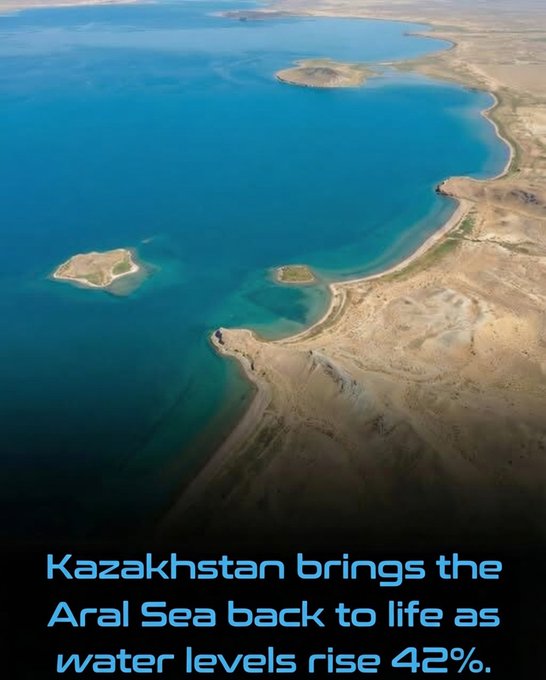
The Northern Aral Sea is staging an extraordinary revival — its water volume has surged by an impressive 42%!
Once the site of one of the planet’s most devastating environmental catastrophes, the Northern Aral Sea in Kazakhstan is now emerging as a powerful symbol of ecological hope.
Thanks to the construction of the Kok-Aral Dam and smarter regulation of the Syr Darya River’s flow, the northern basin now holds 27 billion cubic meters of water — a dramatic 42% increase. This vital barrier has successfully isolated the healthier northern section from the severely depleted southern Aral, allowing the “Small Aral” to stabilize and flourish.
The transformation goes far beyond rising water levels. Salinity has dropped by nearly 75%, creating conditions where native fish species — long considered gone forever — are returning in force. Annual fish catches have climbed to around 8,000 tons, breathing new economic life into communities that had lost their primary livelihood when the sea retreated.
Kazakhstan’s ongoing restoration efforts continue to build on this success, positioning the Northern Aral Sea as a shining global example that decisive engineering, sustained river management, and strong political commitment can reverse even the most severe ecological damage and restore life to seemingly lost landscapes.
15
140
668
25,308
Dr. Paul J. Sullivan retweeted

Jun 11
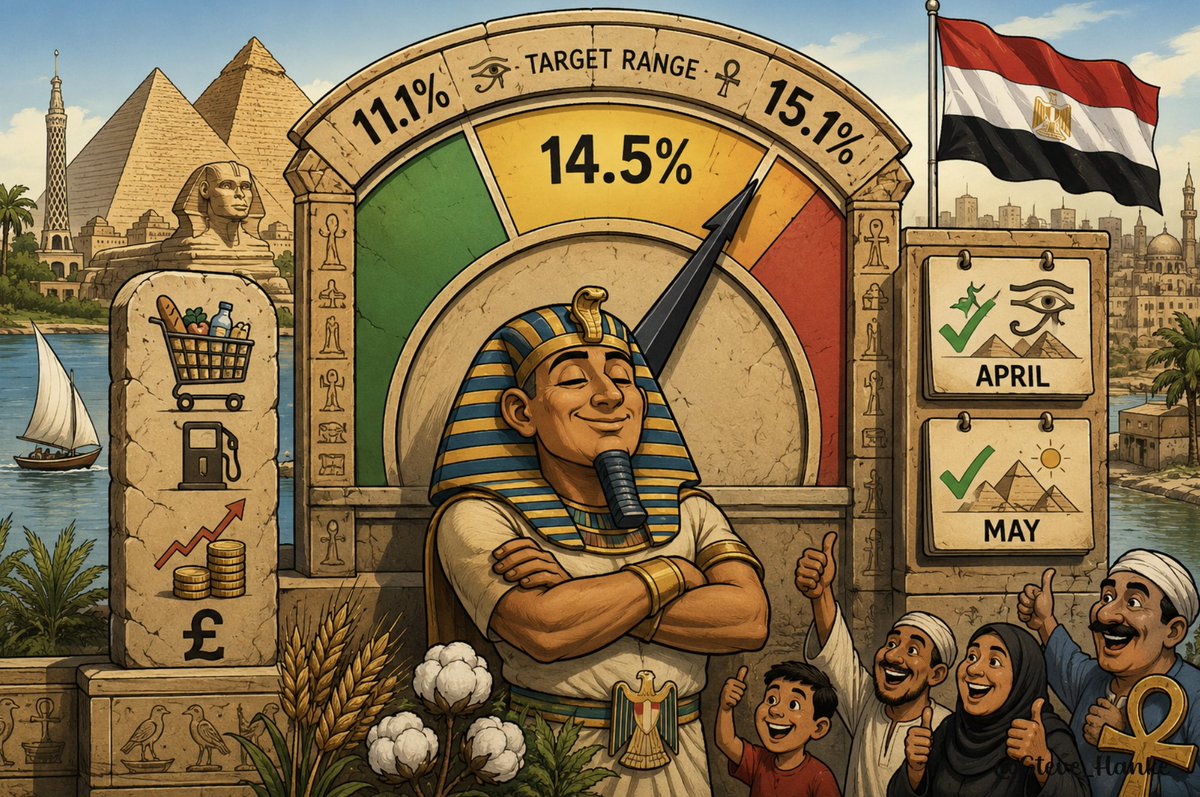
Egypt’s inflation comes in at 14.5%/yr in May.
That is WITHIN its target inflation rate of 11.1%/yr-15.1%/yr.
This is now the 2nd consecutive month that Egypt’s inflation has been WITHIN its target.
8
22
105
26,858
Dr. Paul J. Sullivan retweeted

Jun 11
🚢 NEW SHIP ANNOUNCEMENT
⚓️” Built entirely with 100% Turkish capital and innovation, the next-generation vessel Kaşif Kalkavan is leading the way in sustainable maritime logistics. The eco-friendly ship boasts a 4,000 TEU capacity and features an advanced design capable of operating on five distinct fuel types.”
🌊According to the latest corporate announcement, the planned operational and testing phases during the vessel’s ongoing voyages are progressing successfully. Emphasizing a commitment to expanding their maritime operations, the company declared, “We are ready to increase our power across the seas.”
#maritime #ship #seaman #vessel #shiplife
6
44
2,641
Dr. Paul J. Sullivan retweeted

Jun 11
For the 5th consecutive year, the UAE has been ranked the world's best place to start a business — topping the @GEMNOW report across infrastructure, funding access, government policy and innovation. Five years running, and the results speak for themselves. arabianbusiness.com/abnews/u…
2
19
43
6,219
Dr. Paul J. Sullivan retweeted

Jun 11
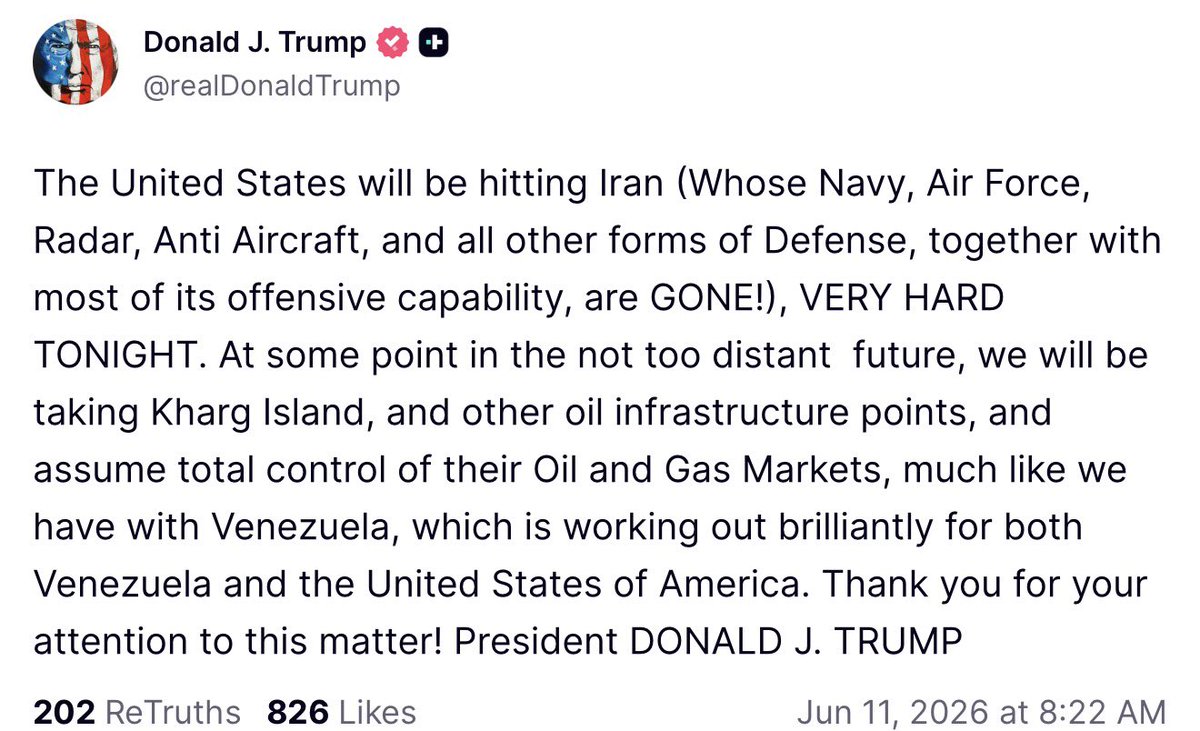
Trump says US will be hitting Iran “VERY HARD TONIGHT” and at some point “will be taking Kharg Island.”
17
20
70
142,880
Dr. Paul J. Sullivan retweeted

From Kosovo to Somalia to Afghanistan the UAE has ALWAYS stood strong with America and continues to do so now. They have absorbed the most strikes by far as Iranian regime lashes out at its neighbors. We stand shoulder to shoulder with the Emiratis to ensure the regime can NEVER hold the world hostage w nuclear weapons 👊🇺🇸🇦🇪
Jun 10

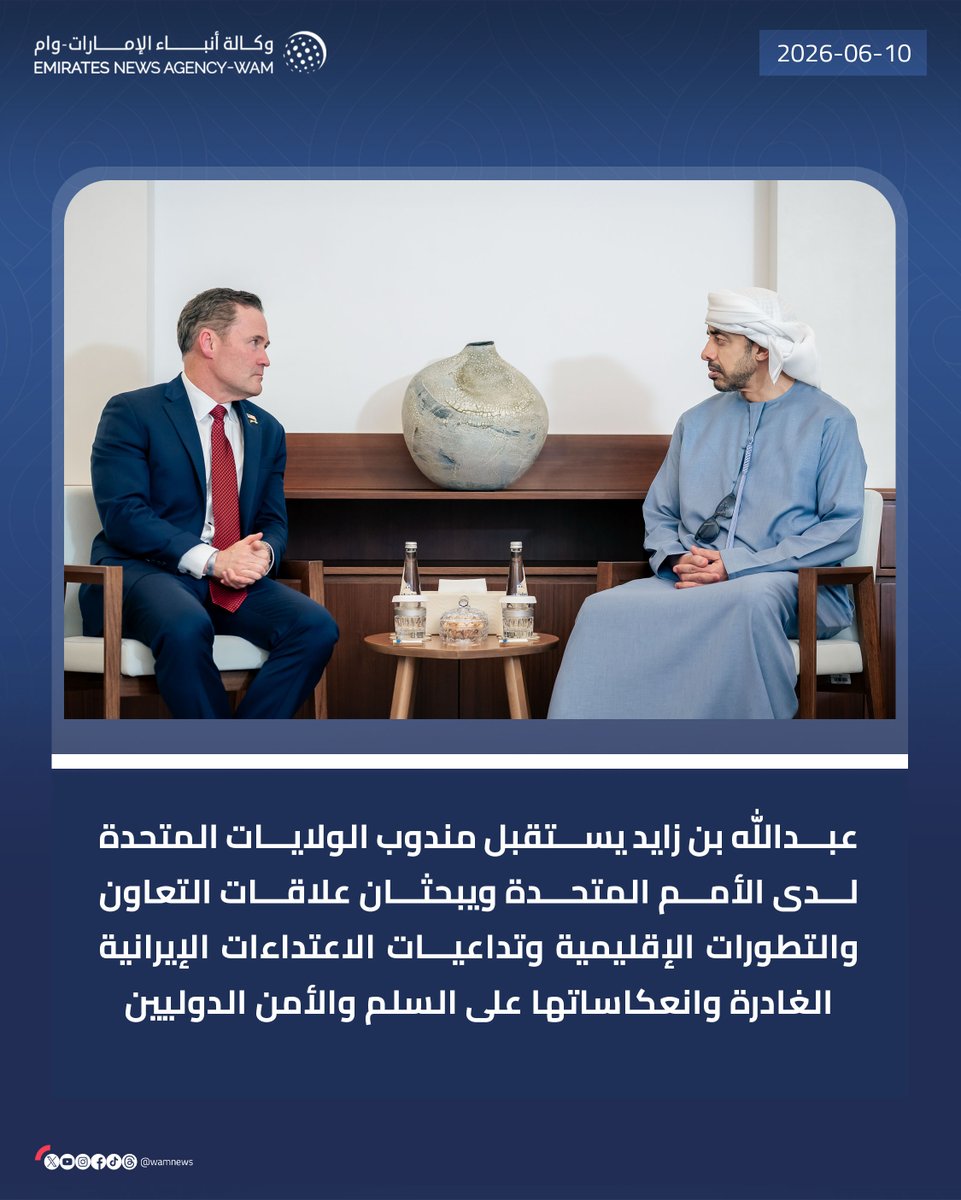
عبدالله بن زايد يستقبل مندوب الولايات المتحدة لدى الأمم المتحدة ويبحثان علاقات التعاون والتطورات الإقليمية وتداعيات الاعتداءات الإيرانية الغادرة وانعكاساتها على السلم والأمن الدوليين
#وام
wam.ae/a/3c6jwuw7
10
25
93
16,274
Dr. Paul J. Sullivan retweeted

Jun 10
I looked into the U.S. Navy's Corsair drone boat that just rescued two American pilots in the Strait of Hormuz, and the engineering is remarkable.
Built by Texas-based Saronic Technologies, the Corsair is a 24-foot autonomous surface vessel powered by AI. It hits 40 mph, carries 1,000 pounds of payload, and can sail more than 1,000 miles without a human aboard. Each unit costs roughly $1 million to produce, which is a fraction of what comparable manned naval assets cost.
The platform runs on Saronic's autonomy stack, which fuses real-time sensor data, computer vision, and AI decision-making to navigate, identify targets, and execute mission objectives without remote piloting. It's part of the Navy's Task Force 59, the unit dedicated to AI-powered unmanned vessels operating in the Middle East.
Saronic stood this up in 12 months from prototype to production. The company is on track to build more than 20 vessels per year by 2027.
This is what American AI looks like in the field. 🇺🇸

146
1,059
6,441
204,565