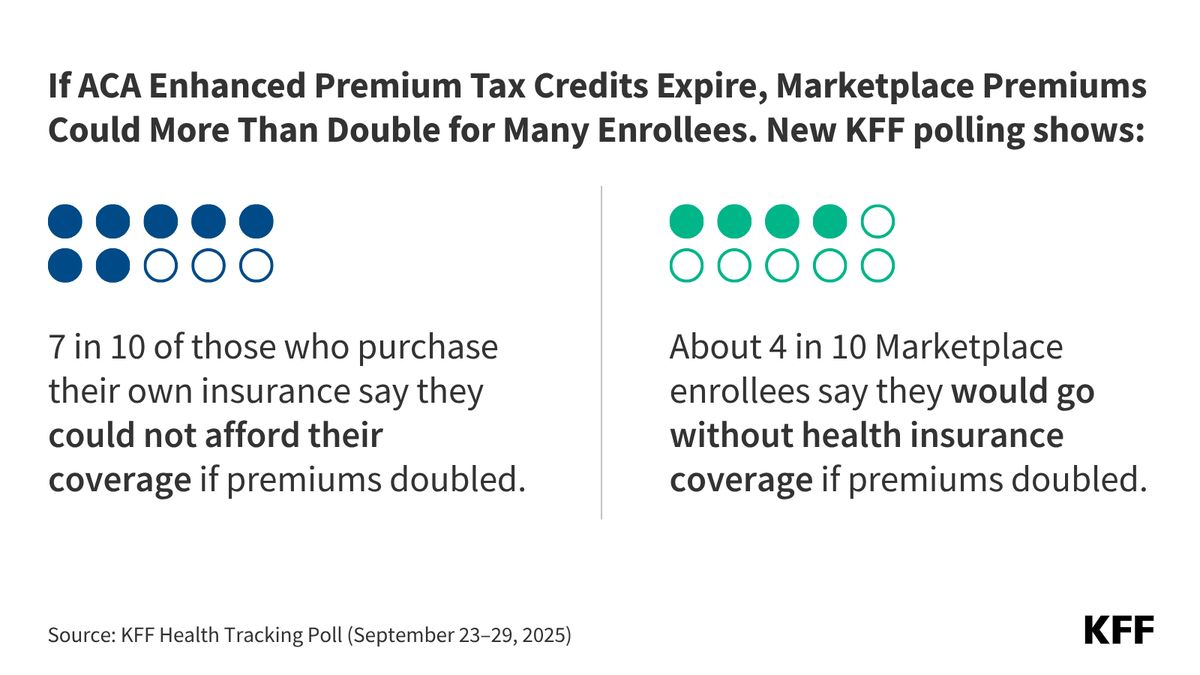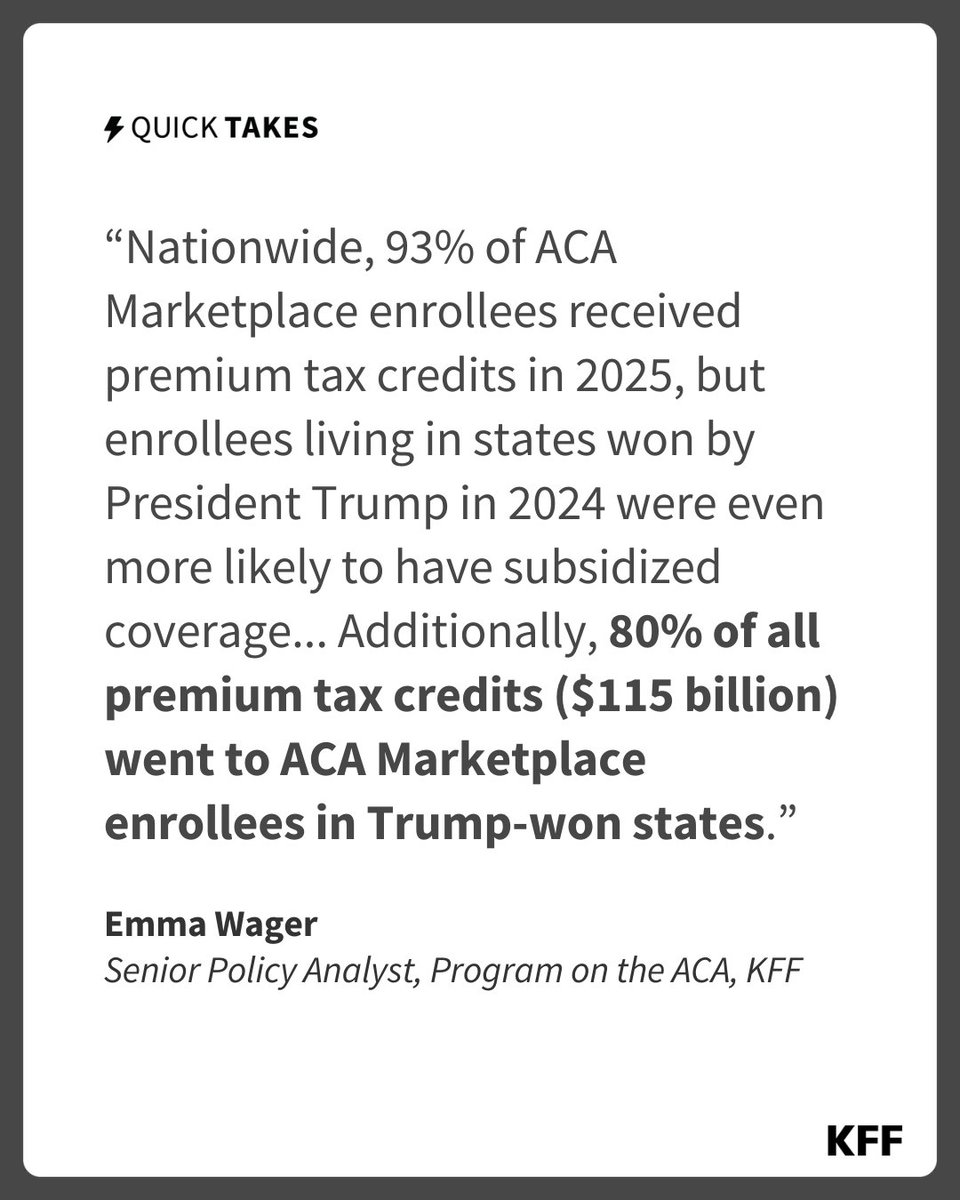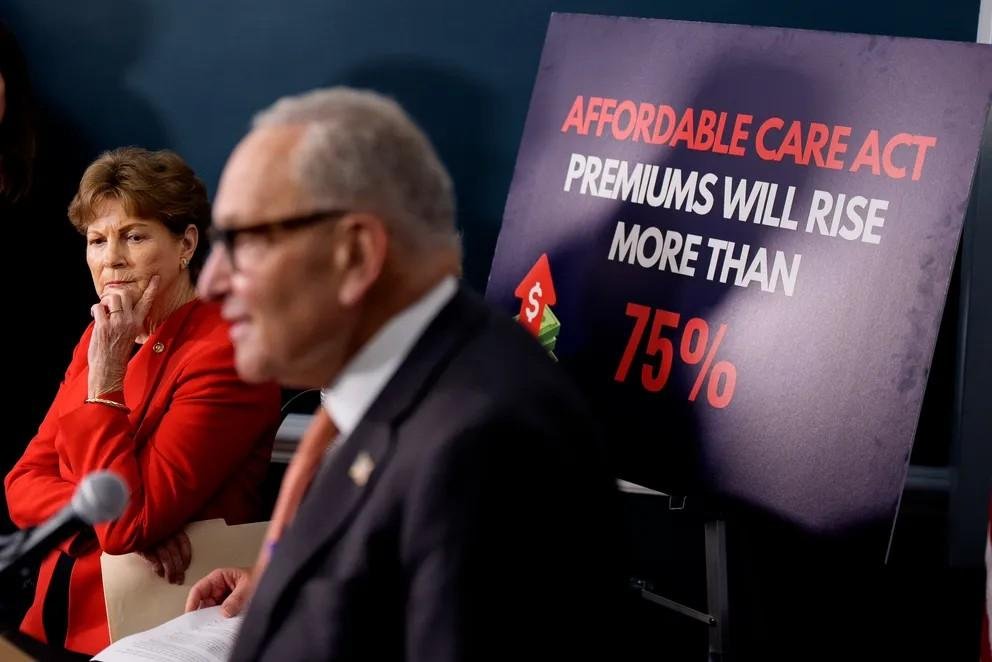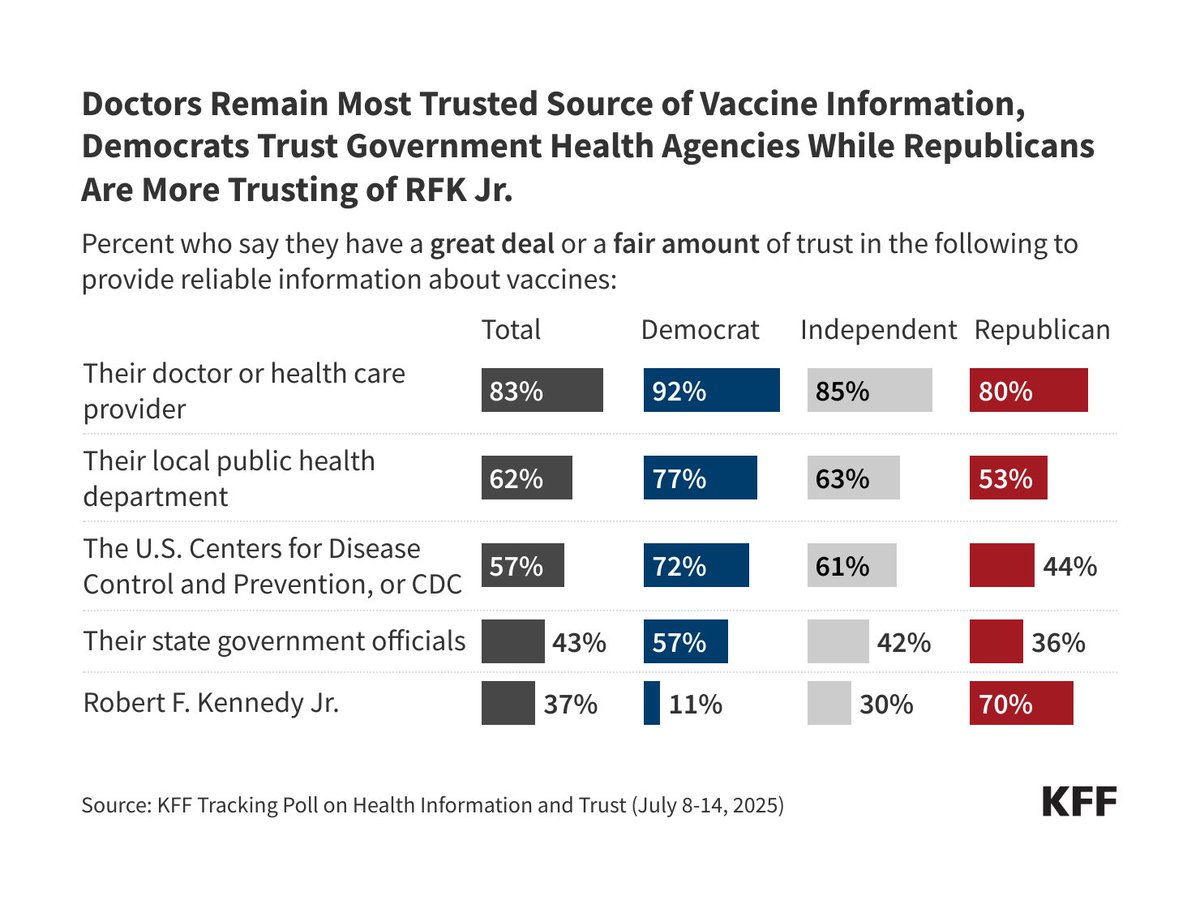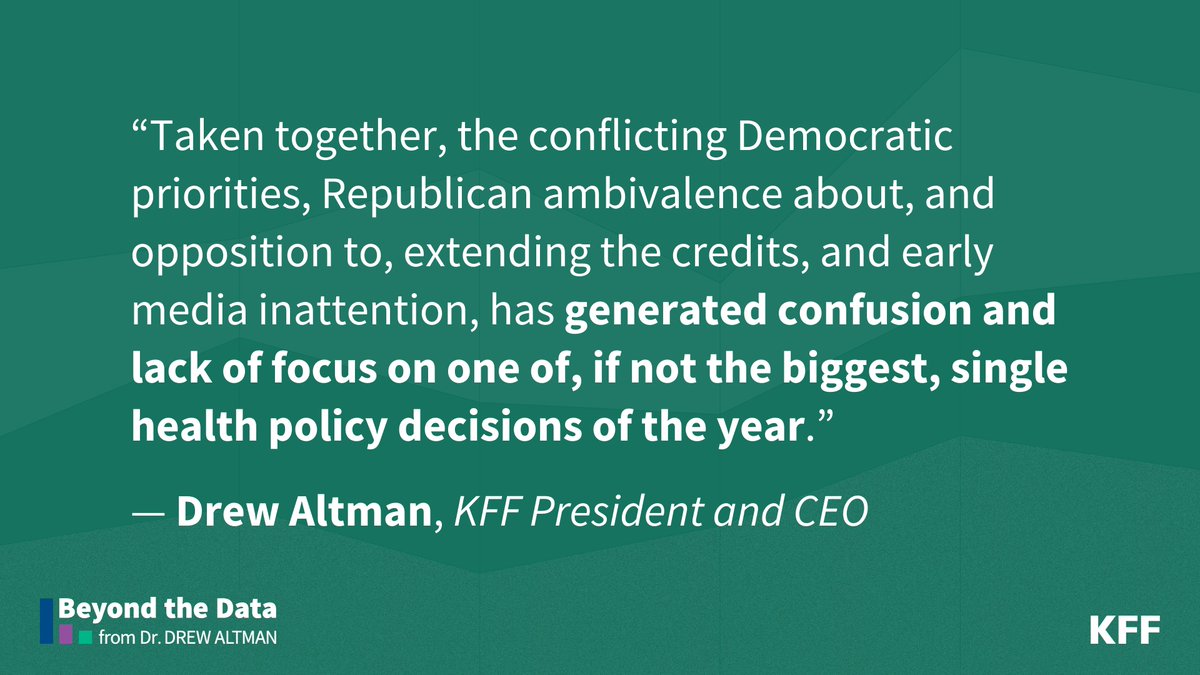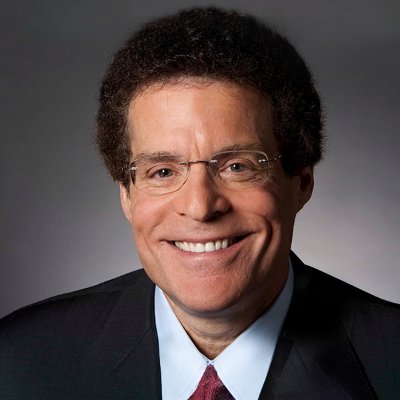
Dr. @DrewAltman shared more about KFF and what’s ahead:
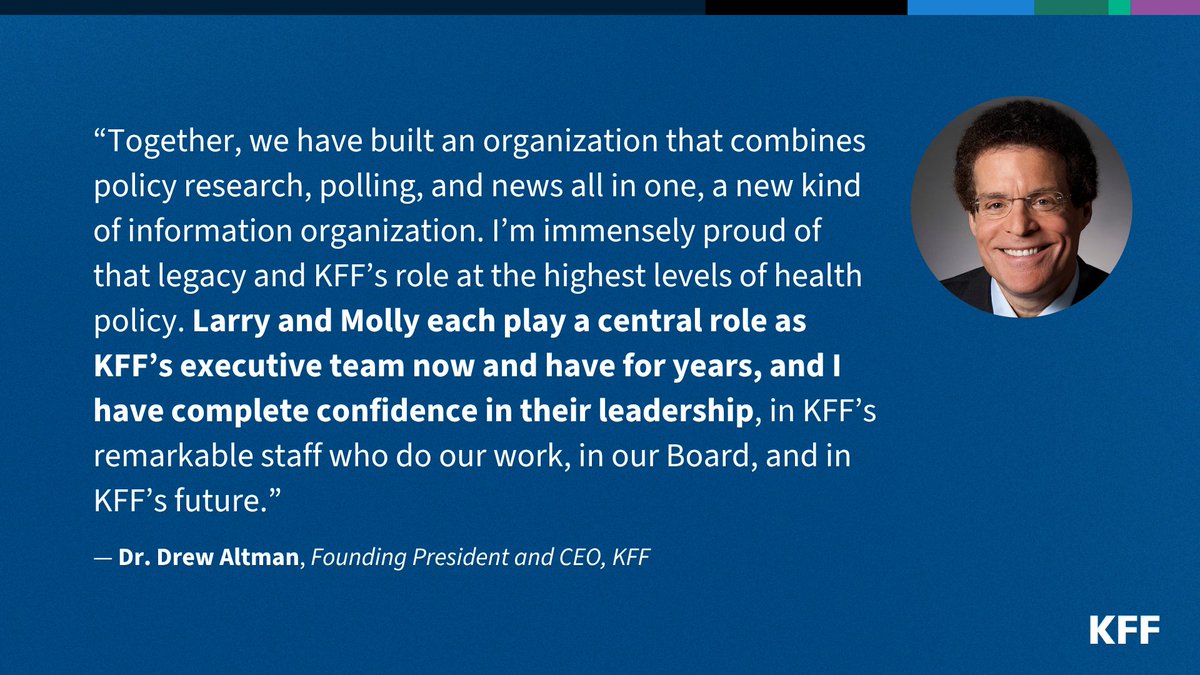
ALT White text on a blue background featuring a quote from KFF Founding President and CEO Drew Altman. It says: “Together, we have built an organization that combines policy research, polling, and news all in one, a new kind of information organization. I’m immensely proud of that legacy and KFF’s role at the highest levels of health policy. Larry and Molly each play a central role as KFF’s executive team now and have for years, and I have complete confidence in their leadership, in KFF’s remarkable staff who do our work, in our Board, and in KFF’s future.”
Drew built KFF into a trusted, independent source of health policy information, and I’m excited to continue working with @larry_levitt to lead this organization of talented staff.
KFF will continue our focus on how health policies and the health care system affect real people.
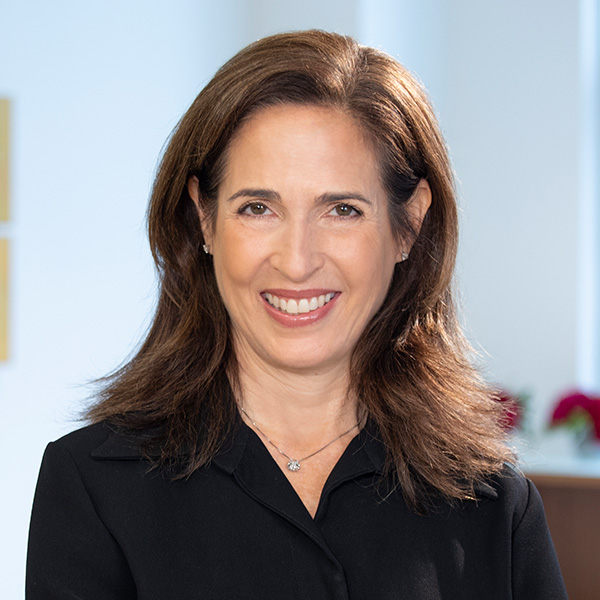
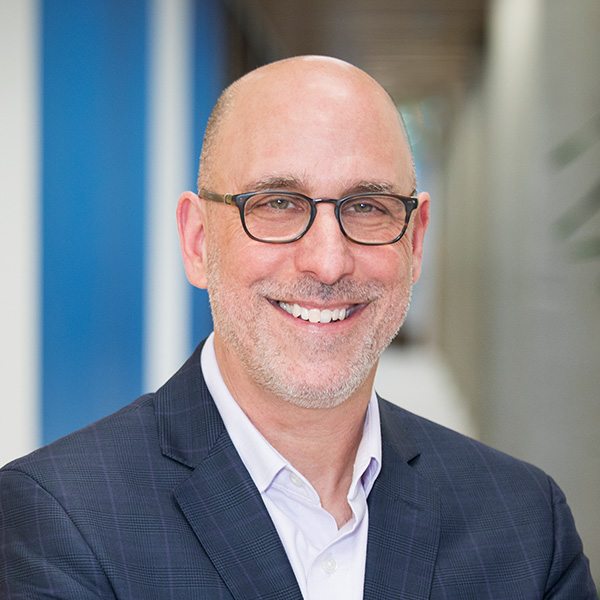
Following Dr. Altman’s retirement at the end 2026, Larry Levitt will serve as KFF’s CEO and Dr. Mollyann Brodie will serve as President.
They bring with them a combined six decades at KFF in senior positions guiding policy research and polling.
I’ve worked with @DrewAltman for a long time and am grateful for his vision in building @KFF. There are many health policy challenges ahead, and I look forward to leading KFF with @Mollybrodie to provide timely facts through our independent and trusted research and journalism.
After nearly 40 years shaping the national health policy landscape, our founding president and CEO, Dr. Drew Altman, has announced he will retire at the end of the year.
Under Dr. @DrewAltman’s leadership, KFF has become the nation’s leading independent source of health care policy information, anchoring pivotal debates with rigorous, nonpartisan research, polling, and reporting.
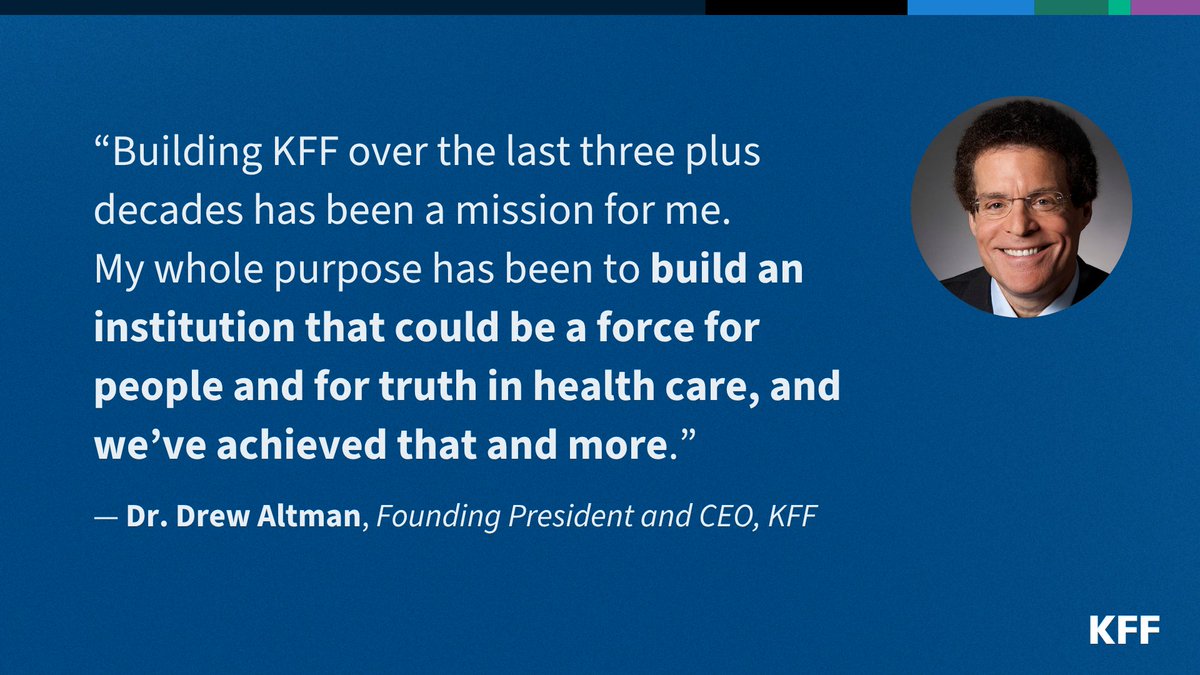
ALT White text on a blue background featuring a quote from KFF Founding President and CEO Dr. Drew Altman. It says: “Building KFF over the last three plus decades has been a mission for me.
My whole purpose has been to build an institution that could be a force for people and for truth in health care, and we’ve achieved that and more.”
Nothing was certain when I came to California to start KFF with little more than an idea. Now 37 years later, @KFF is at the height of its effectiveness, and I have the perfect opportunity, thanks to our board, to hand over leadership to Larry Levitt and Molly Brodie next year.
When Hale Champion, Barbara Jordan, Joe Califano, and others hired me in 1990 to chart the future here, they took the decision incredibly seriously. Today’s board exceeded even that high standard.
@larry_levitt and @Mollybrodie have worked hand in glove with me to provide strategic direction for and oversee KFF, and I trust they will sustain what we have built.
They will be the perfect leadership team for KFF’s next chapter. on.kff.org/kff-leadership-ne…
As a Boston guy and MIT PhD, Harvard has long been known as hard to get in to (except for athletes) and easy to get through. But this is a mixed bag that will have negative consequences for many motivated students who want to explore different fields. washingtonpost.com/education…
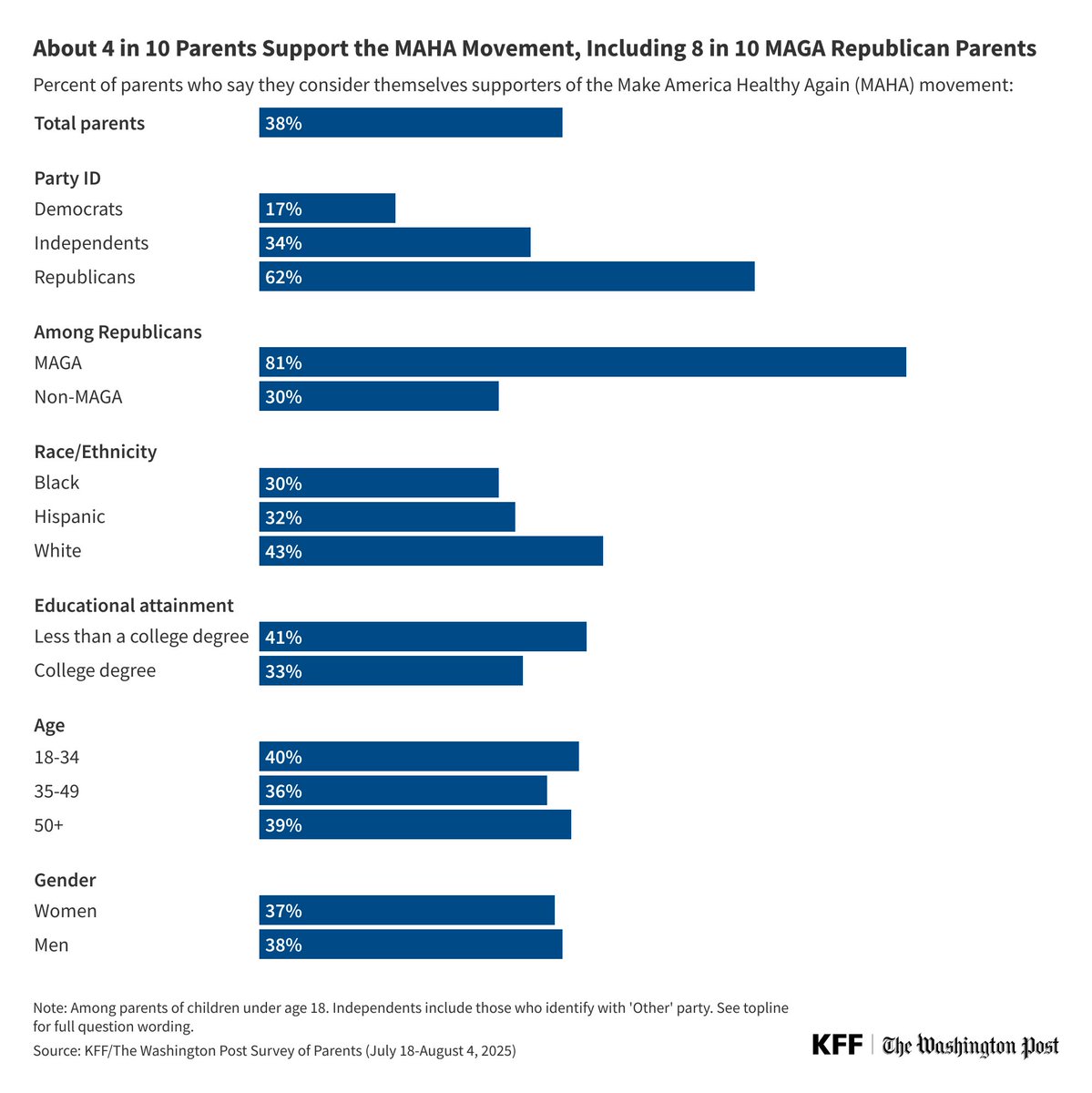
Parts of MAHA can be very influential (think pesticides), but is it a coherent movement or a voting block.. more than a name? My column: on.kff.org/4ngGWwO
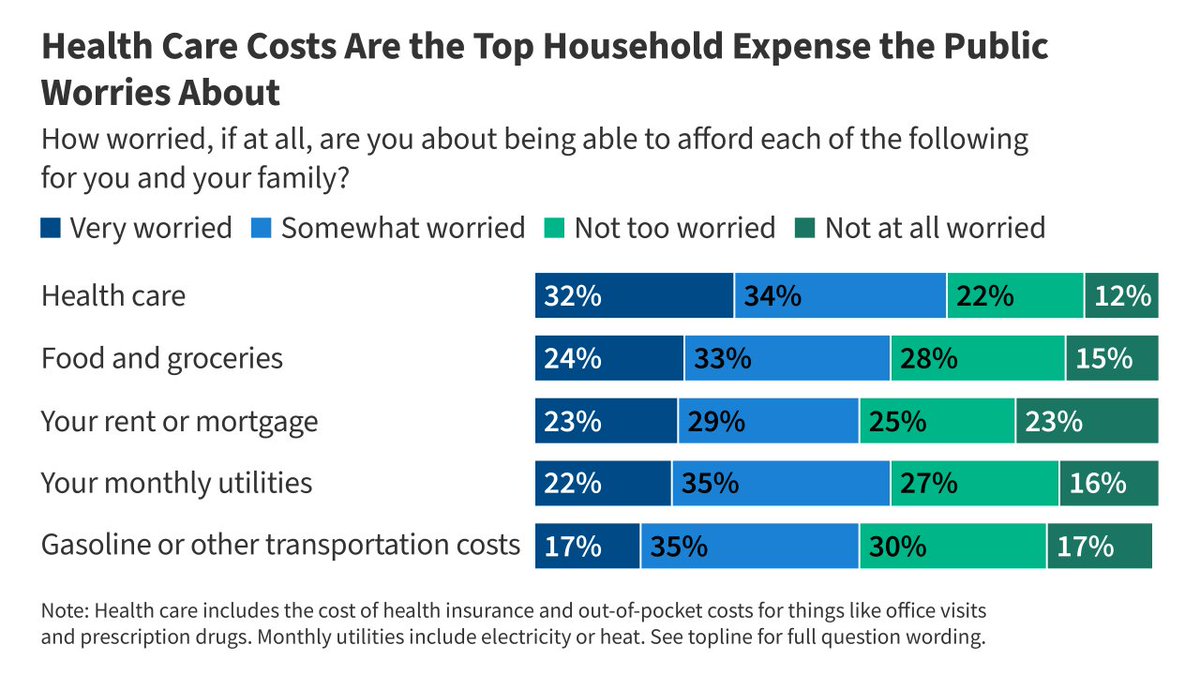
There are many MAHAs, with different priorities. They have too many different interests to be a movement or a single voting block. Their top priority is health care costs, like other voters, but their leaders don’t talk about costs much. My new column: on.kff.org/4ngGWwO
Surgeon General and Assistant Secretary of Health were combined in ‘77 under the great Julius Richmond giving the SG much more than a podium, but separated again with the star power of Everett Koop in ‘81. Chief doctor for HHS, for the nation, or both?
How can candidates reach voters on health care? Show they care? Have a plan? Not so much.
Some surprising clues from polling in my new column: on.kff.org/4de0NsT
The biggest change in health care over my long career - the gradual shift from a nonprofit to a largely for profit system, including most non-profits who are driven by maximizing revenues. Whose different? A small number of critical safety net hospitals and community clinics.
Hospitals are responsible for the largest share of cost increases but have largely had it easy while drug and insurance companies have been villainized. They ARE more popular, but their armor may now be thinning.
I was challenged to write about the problems with the U.S. health system in ONE PAGE (not the reasons for them or the solutions). What would you add/subtract? Remember, one page!
My latest column: on.kff.org/4sP7PJe
Remarkable. Even with single payer advocates running, an HHS secretary and the issue on voter’s minds, not a single health question during the televised part of the California governor’s debate. Police 24/7 was more important.