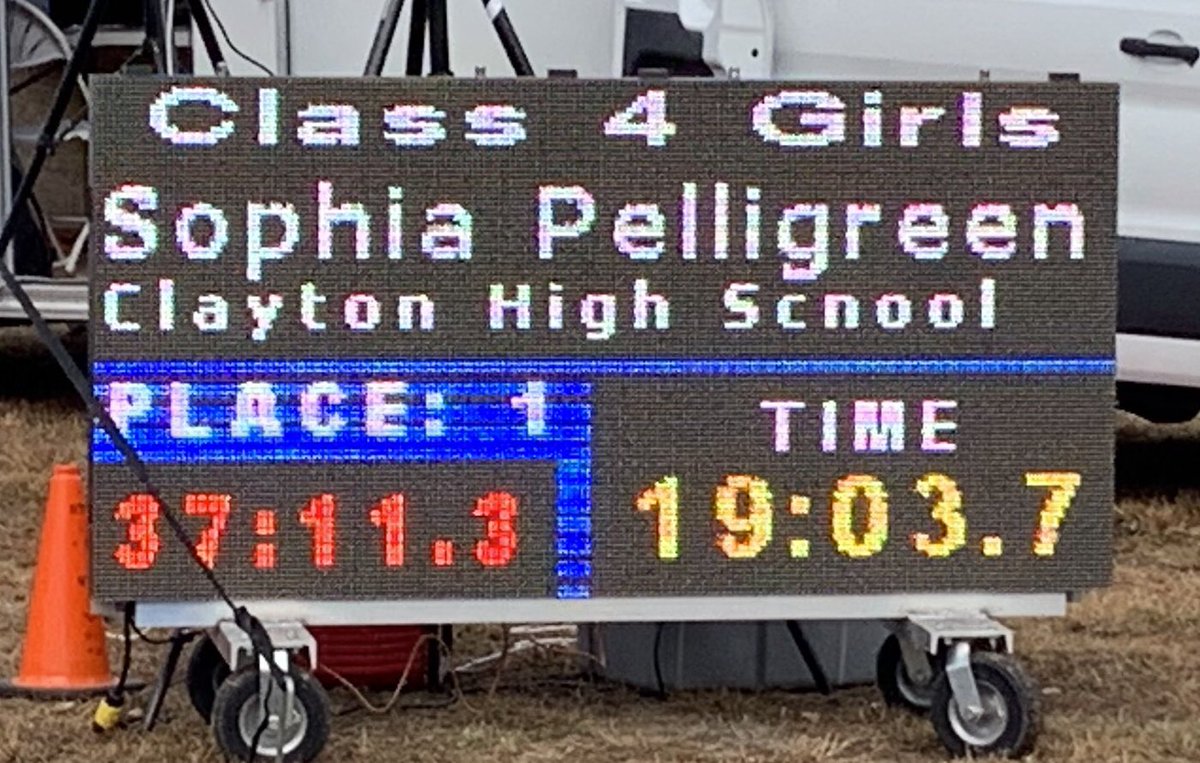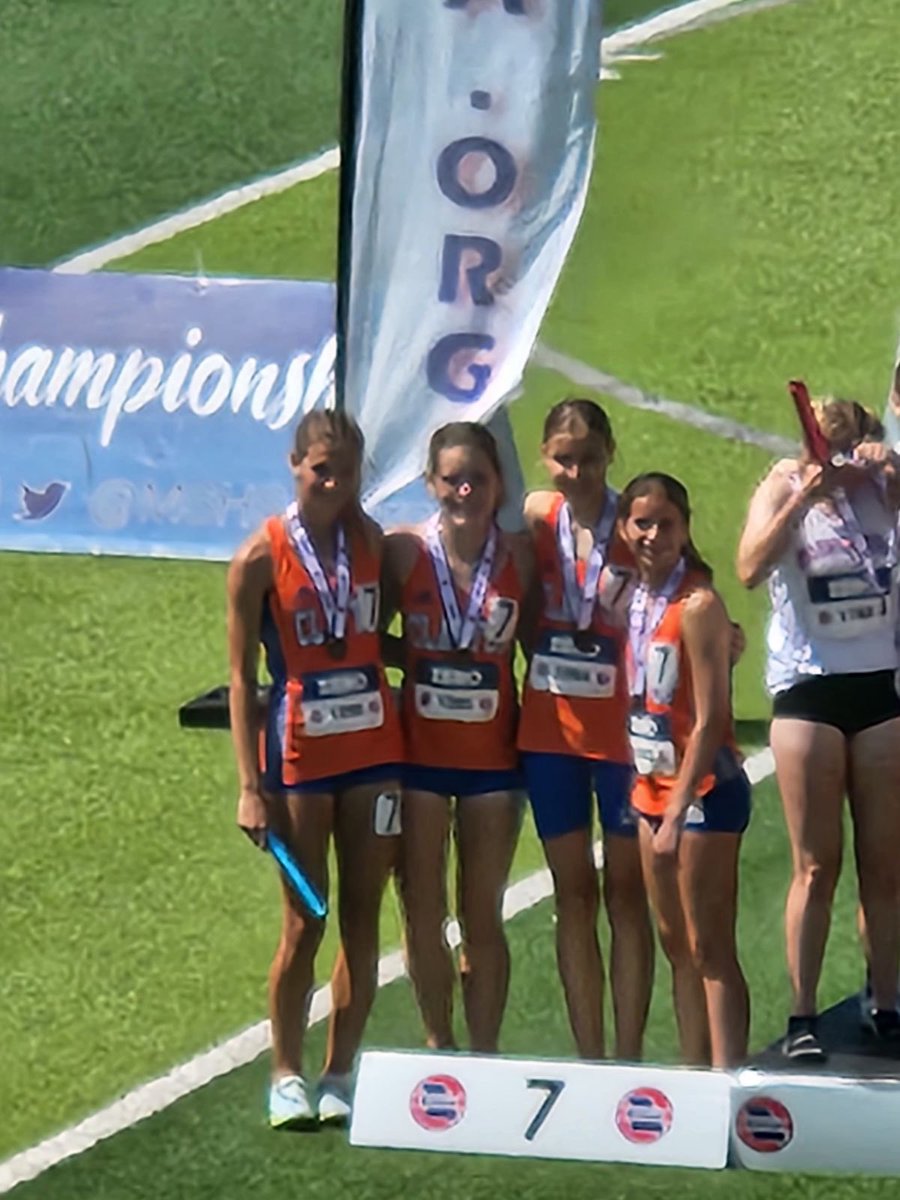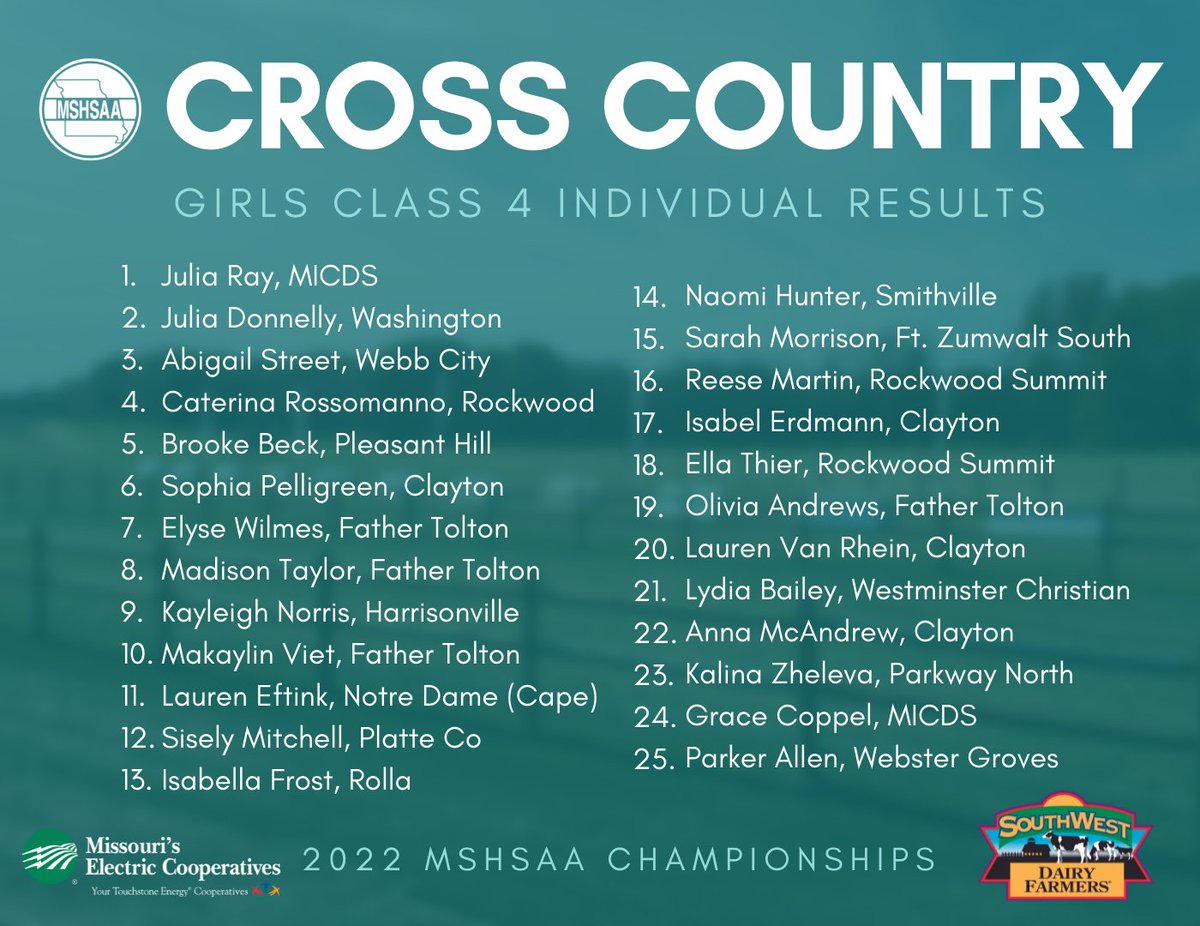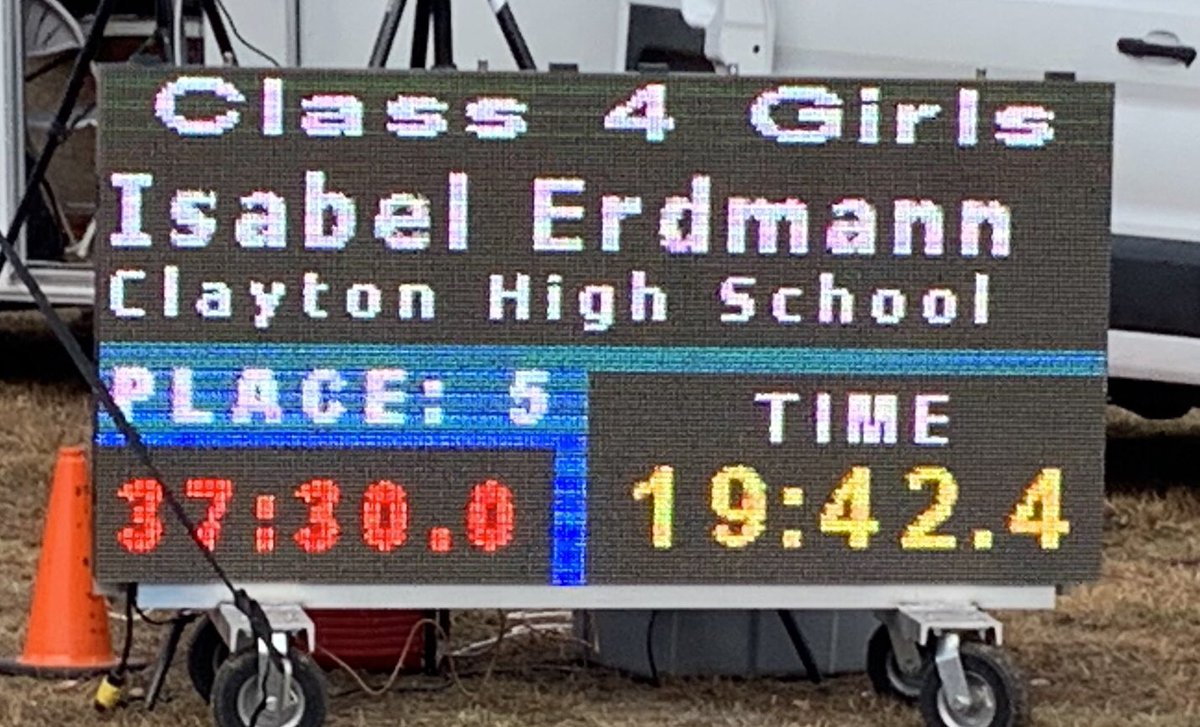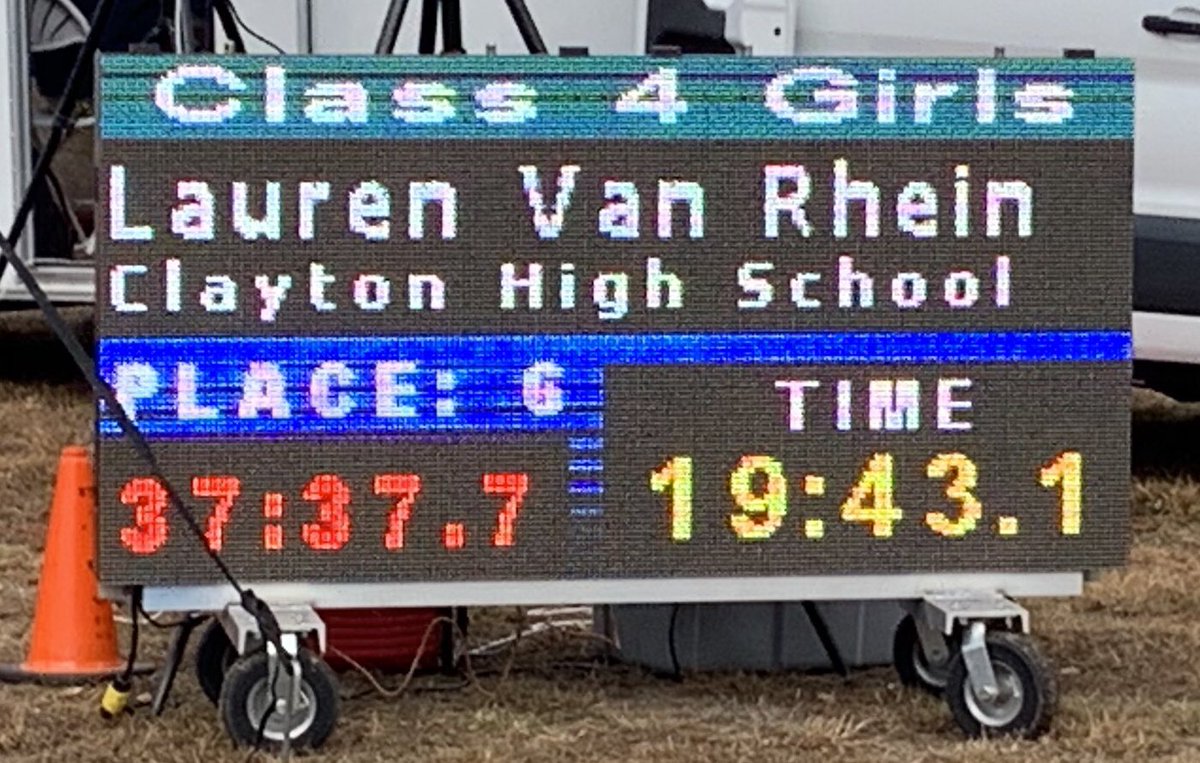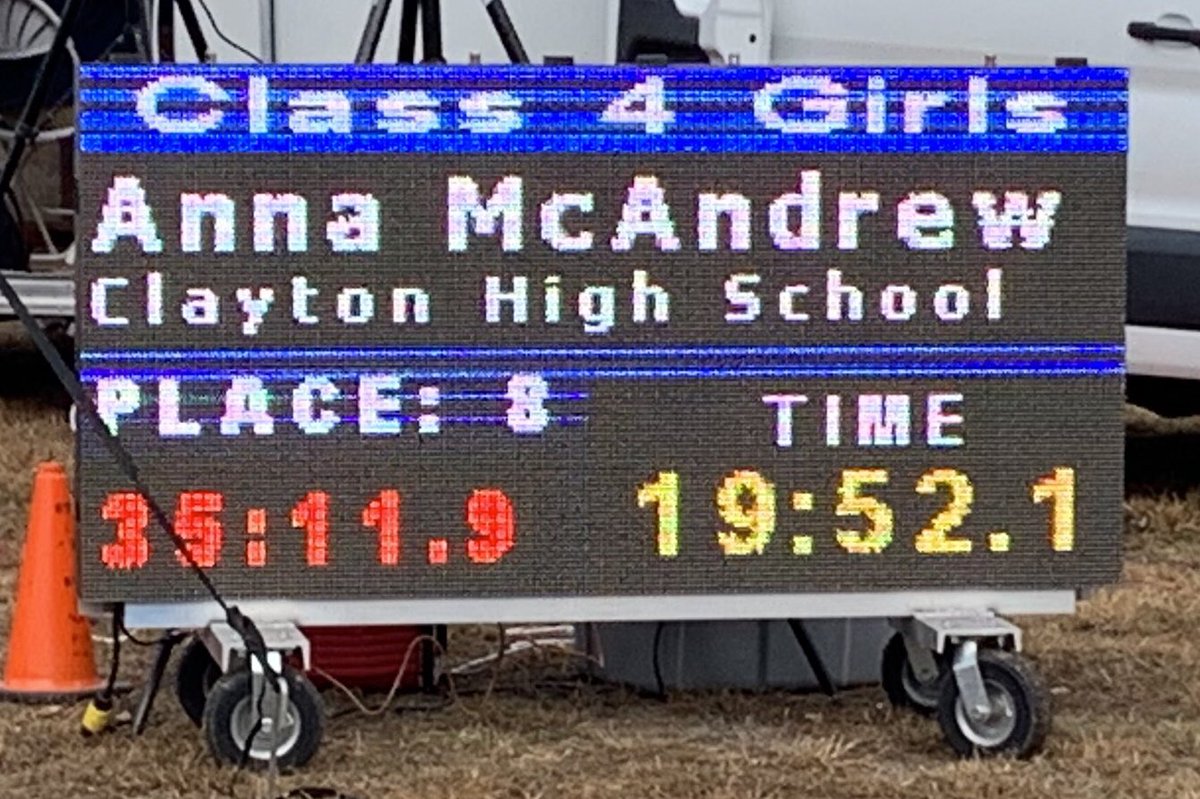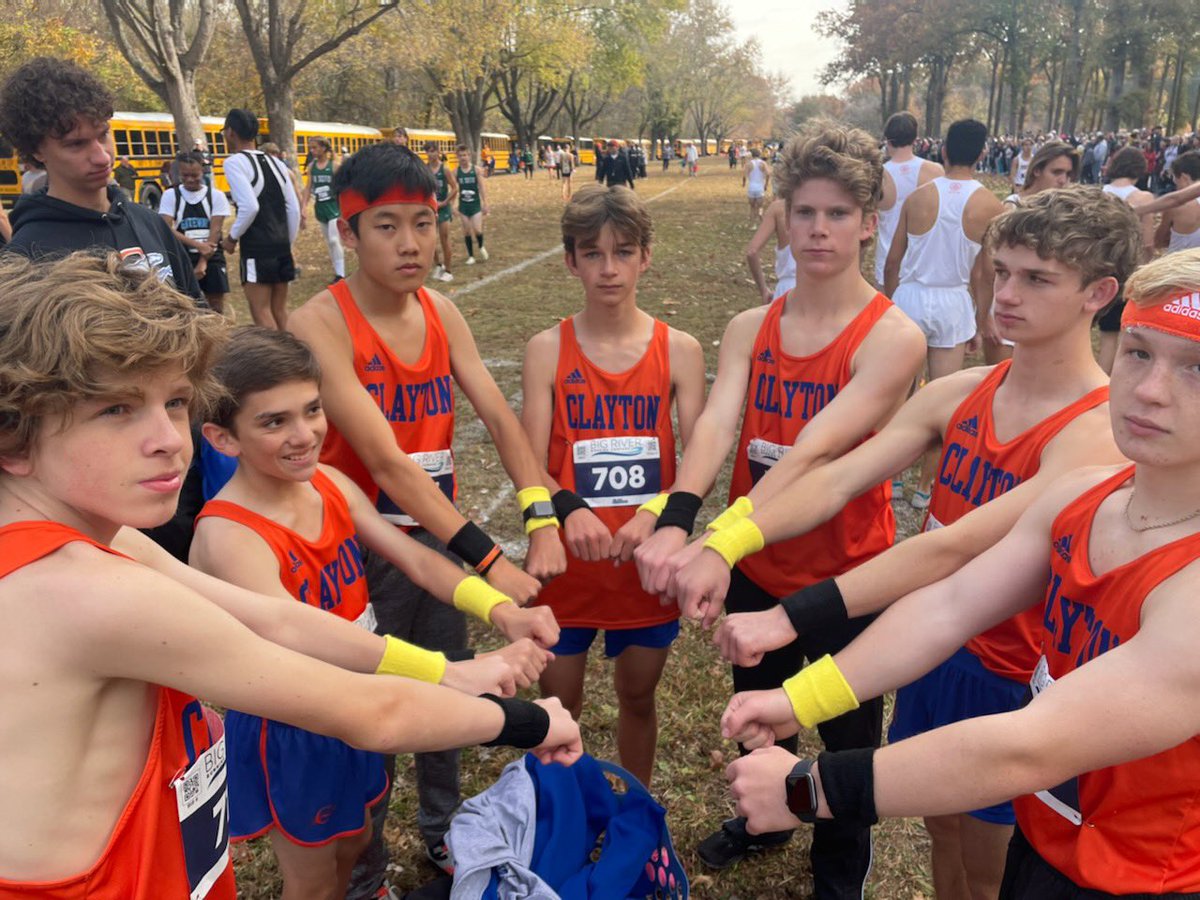
Taking home another medal!! Sophia Pelligreen taking 2nd in the 1600. Izzy Erdmann also taking 10th. Great work ladies, the future is bright for both of you!! @CHSGreyhounds
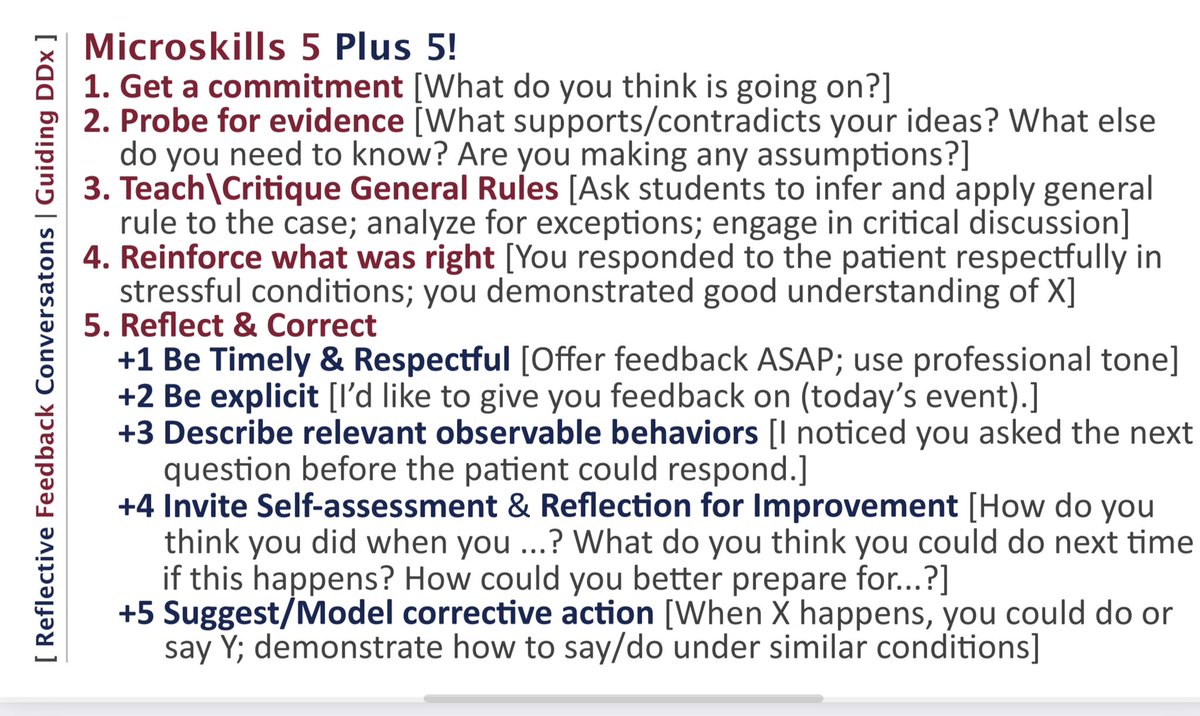
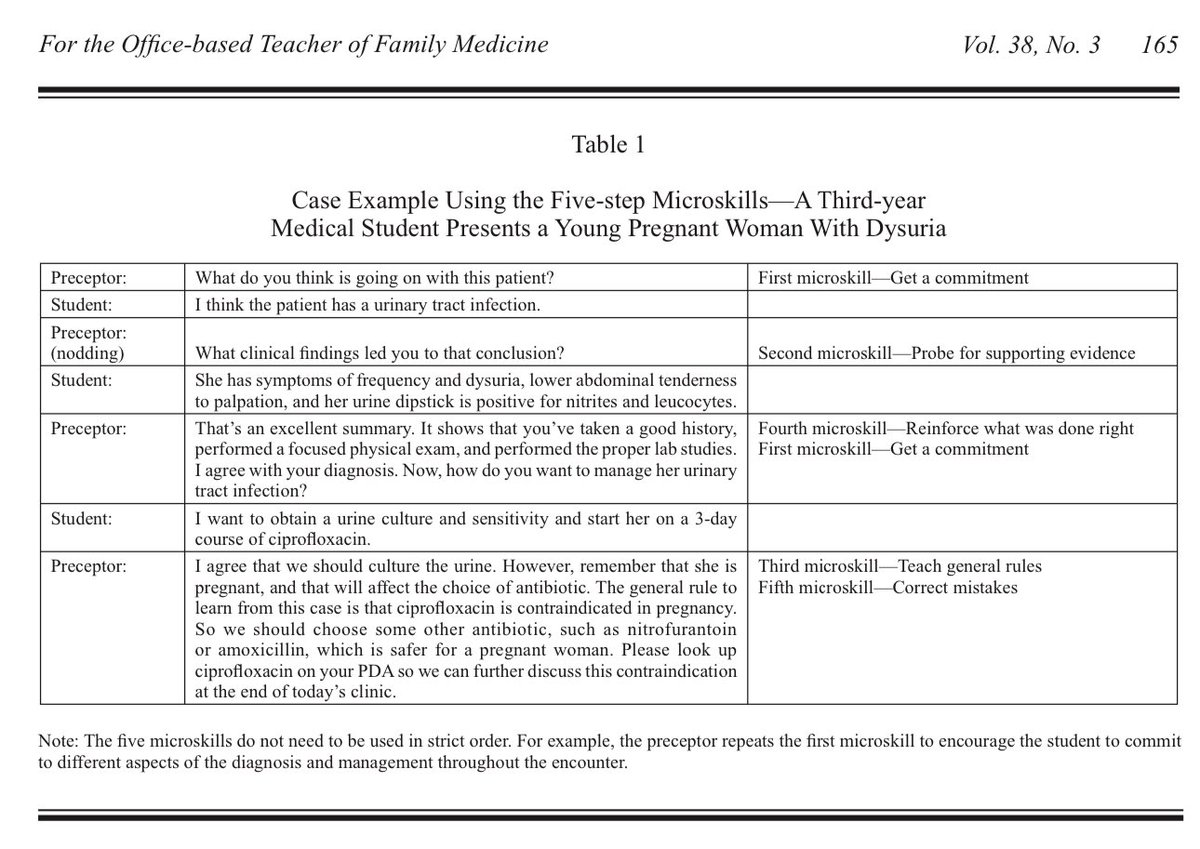
Want to get better at giving on-the-job training? Borrow from doctors training medical students and try the microskills approach.
Even if you have not done a lot of teaching before, using these 5 steps can help better you coach learners to become good practitioners themselves.
“Boring management matters and it is a source of competitive advantage for the companies that take it seriously” - nice summary of the research showing why the myth of the charismatic superhero CEO can be misleading by @raffasadun. hbr.org/2022/11/the-myth-of-…
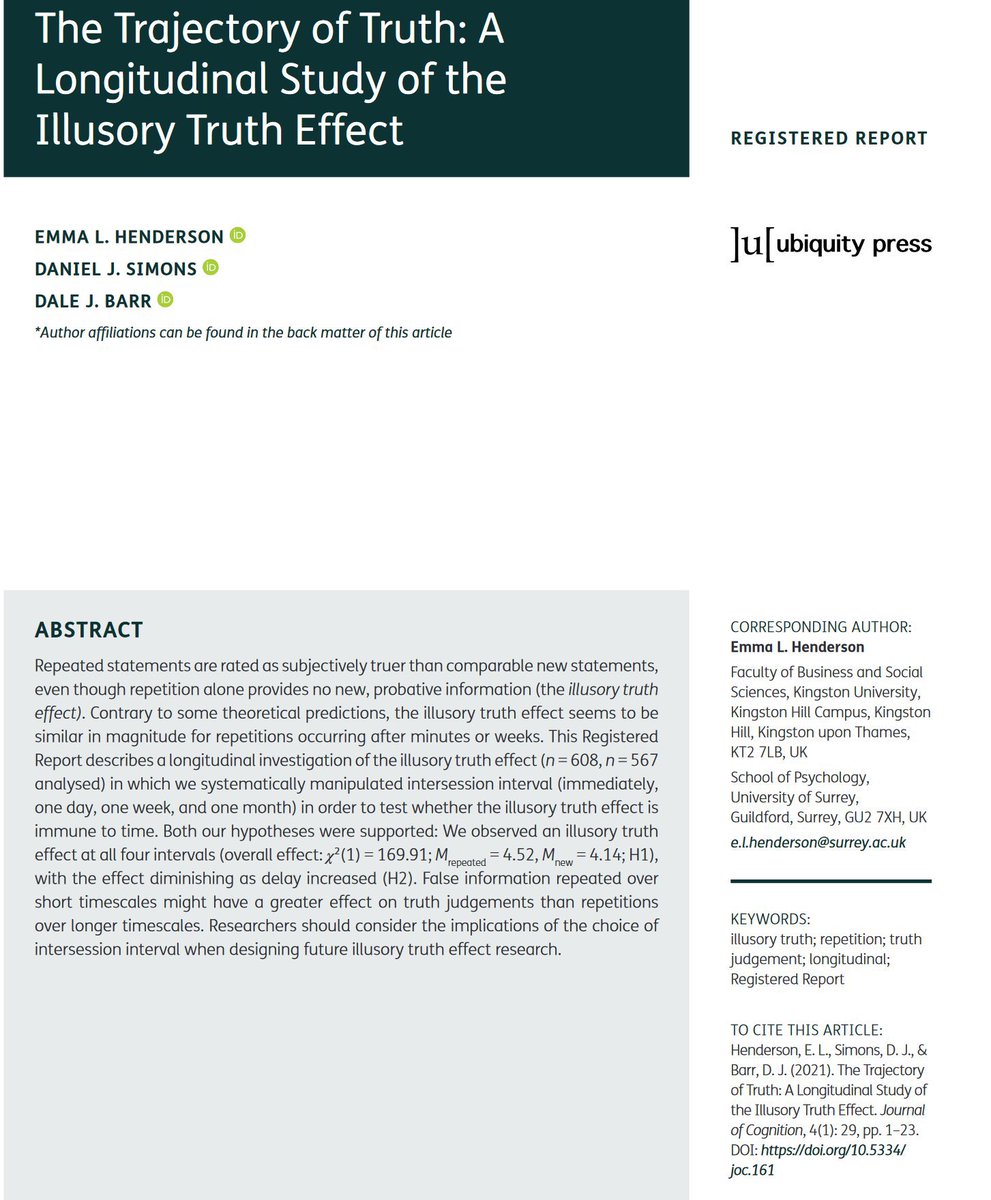
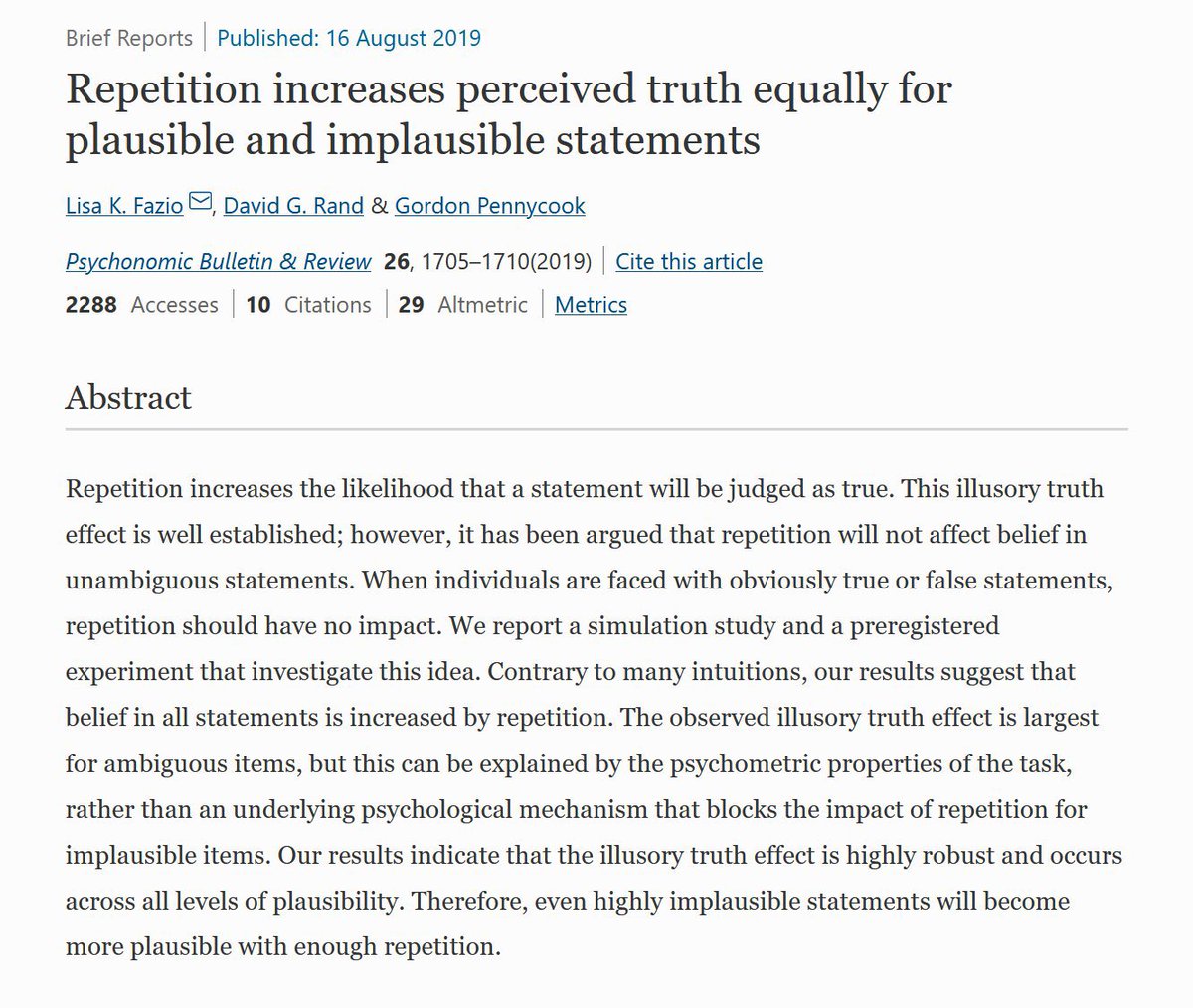
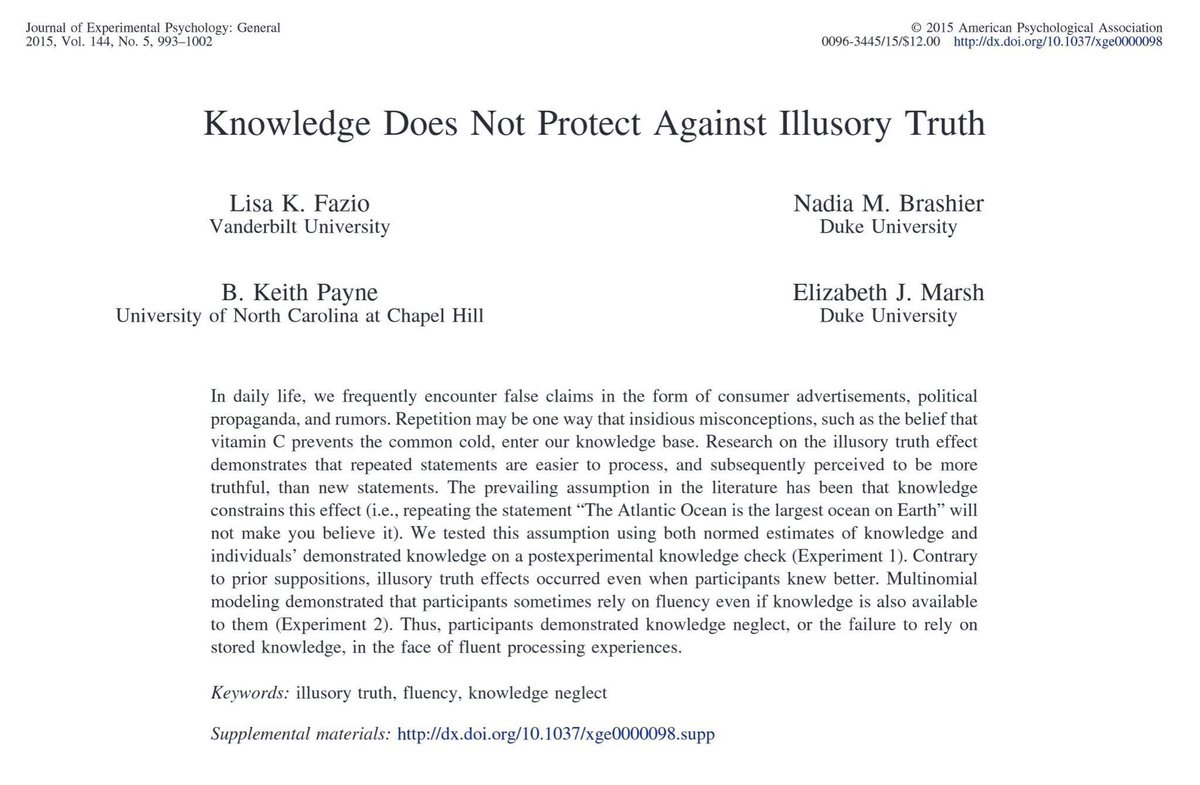
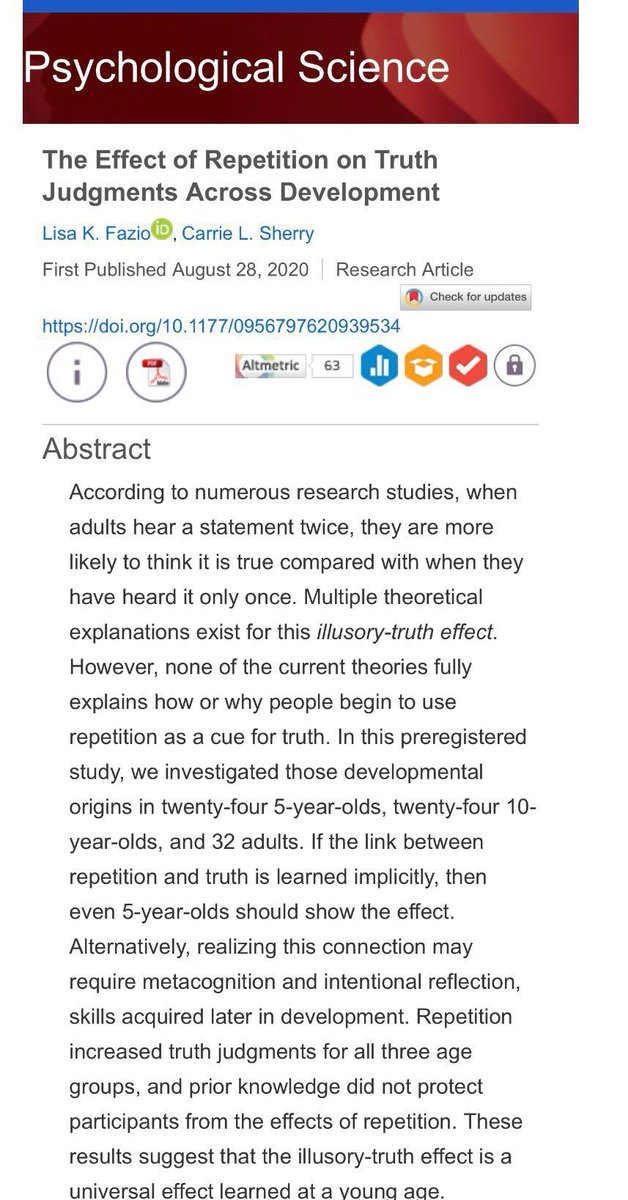
Everyone on social media should know about the Illusory Truth Effect
If you see something repeated enough times, it seems more true. Multiple studies show that it works on 85% of people. Worse, it still happens even if the information isn't plausible & even if you know better.
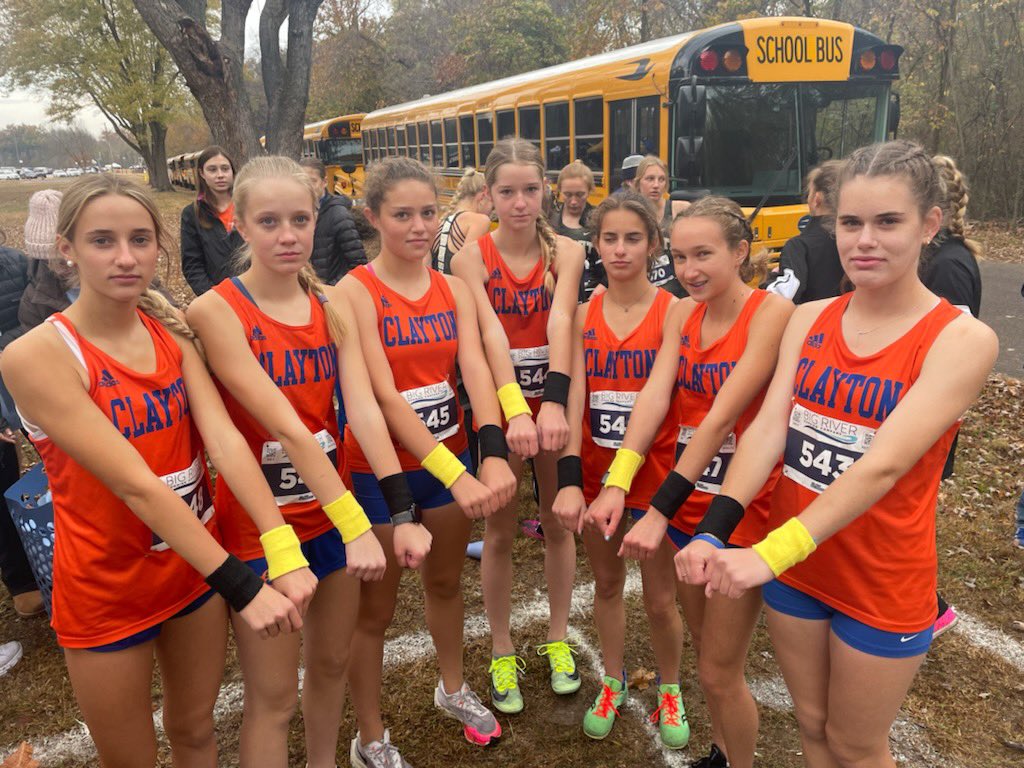
Congratulations to @CHSGreyhounds Girls Cross Country for their team victory in @MSHSAAOrg Class 4, District 1 meet!
Four Greyhounds placed in the top ten!
Best of luck at the state championships in Columbia!
@ClaytonSchools
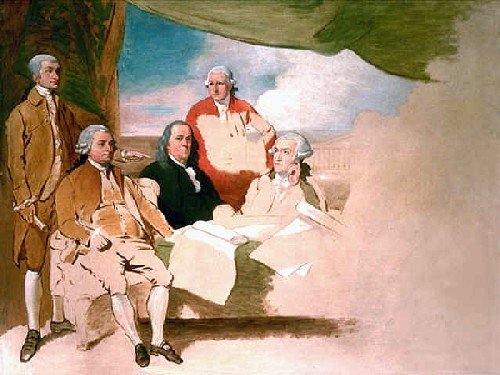
On this day in 1783, the Treaty of Paris officially ends the American War of Independence. The British delegation to the peace conference is so perturbed by their country's defeat that they refuse to pose for a painting of the signing ceremony.
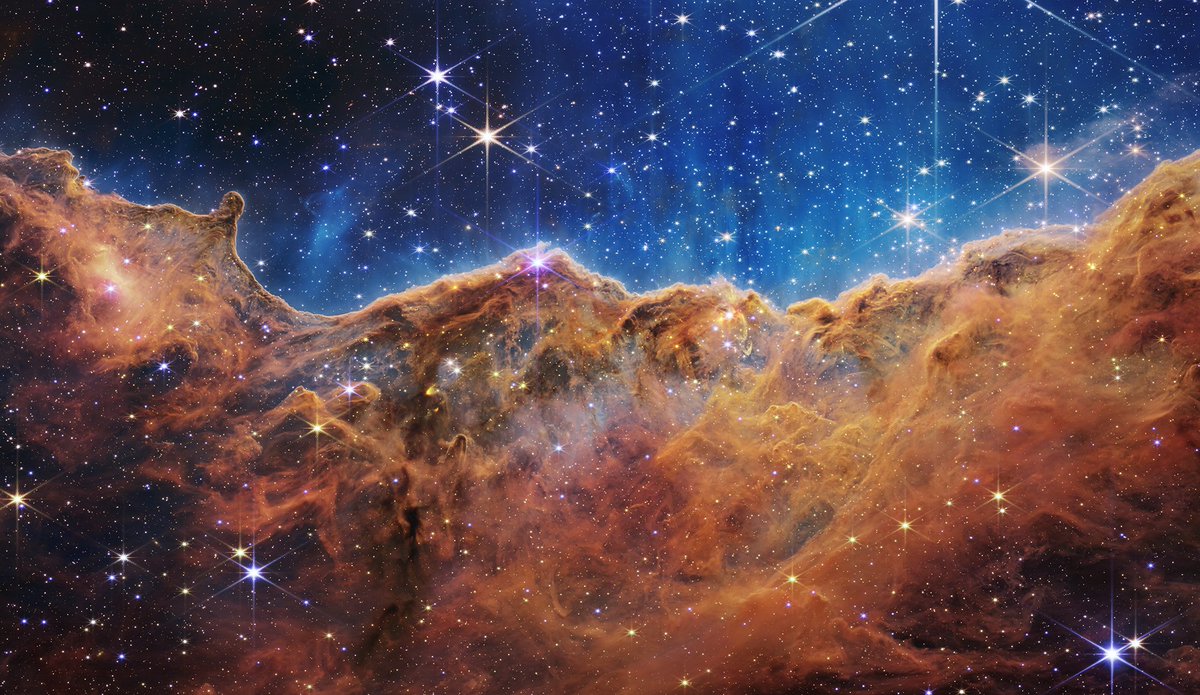
🌟 A star is born!
Behind the curtain of dust and gas in these “Cosmic Cliffs” are previously hidden baby stars, now uncovered by Webb. We know — this is a show-stopper. Just take a second to admire the Carina Nebula in all its glory: nasa.gov/webbfirstimages/#UnfoldTheUniverse
ALT The image is divided horizontally by an undulating line between a cloudscape forming a nebula along the bottom portion and a comparatively clear upper portion. Speckled across both portions is a starfield, showing innumerable stars of many sizes. The smallest of these are small, distant, and faint points of light. The largest of these appear larger, closer, brighter, and more fully resolved with 8-point diffraction spikes. The upper portion of the image is blueish, and has wispy translucent cloud-like streaks rising from the nebula below. The orangish cloudy formation in the bottom half varies in density and ranges from translucent to opaque. The stars vary in color, the majority of which, have a blue or orange hue. The cloud-like structure of the nebula contains ridges, peaks, and valleys – an appearance very similar to a mountain range. Three long diffraction spikes from the top right edge of the image suggest the presence of a large star just out of view.
Hundreds of new stars.
Examples of bubbles and jets created by newborn stars.
Galaxies lurking in the background.
@NASAWebb Deputy Project Scientist Amber Straughn details new discoveries about Carina Nebula. nasa.gov/webbfirstimages#UnfoldTheUniverse
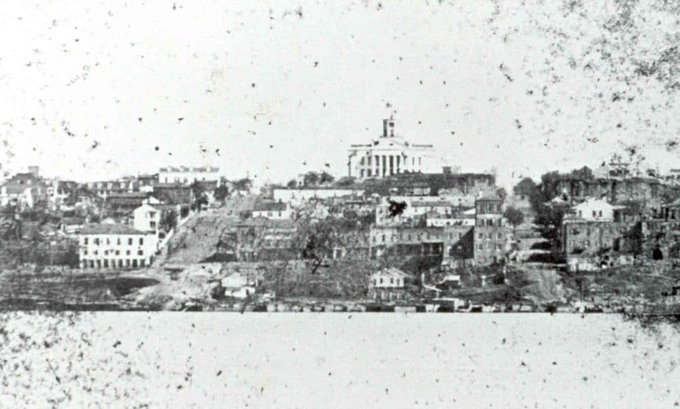
On this day in 1863, Union troops capture the Confederate stronghold of Vicksburg after a 44-day siege. The victory leaves Union forces in control of the Mississippi River. "The Father of Waters again goes unvexed to the sea," remarks Lincoln.
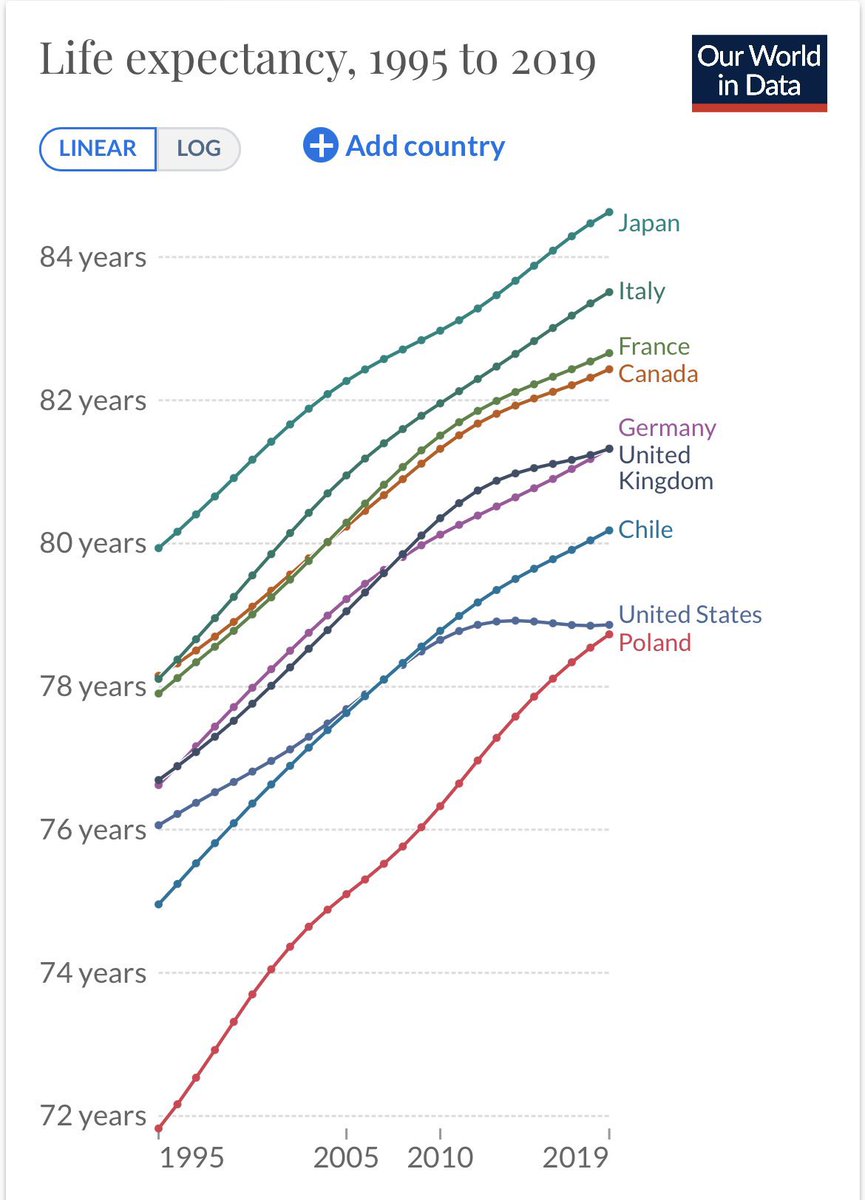
one of the most disturbing demographic data trends you’ve ever seen.
the united states—pre-pandemic, mind you—vastly underperforming the g7 in life expectancy
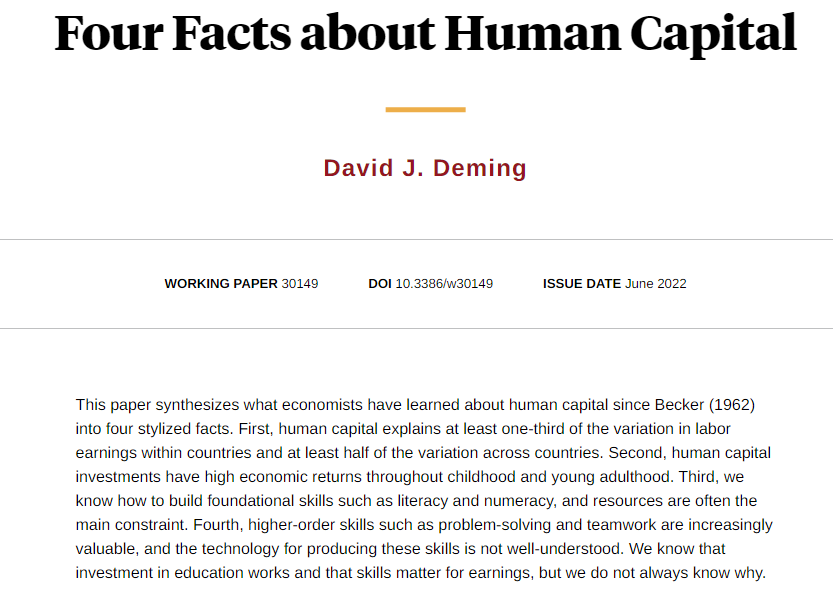
The economic returns to education are huge: this analysis of many papers concludes that the level of education accounts for 1/3 of the variation in earnings in the US & half the variation between countries. Also has a very good discussion on why learning, not signaling, matters.
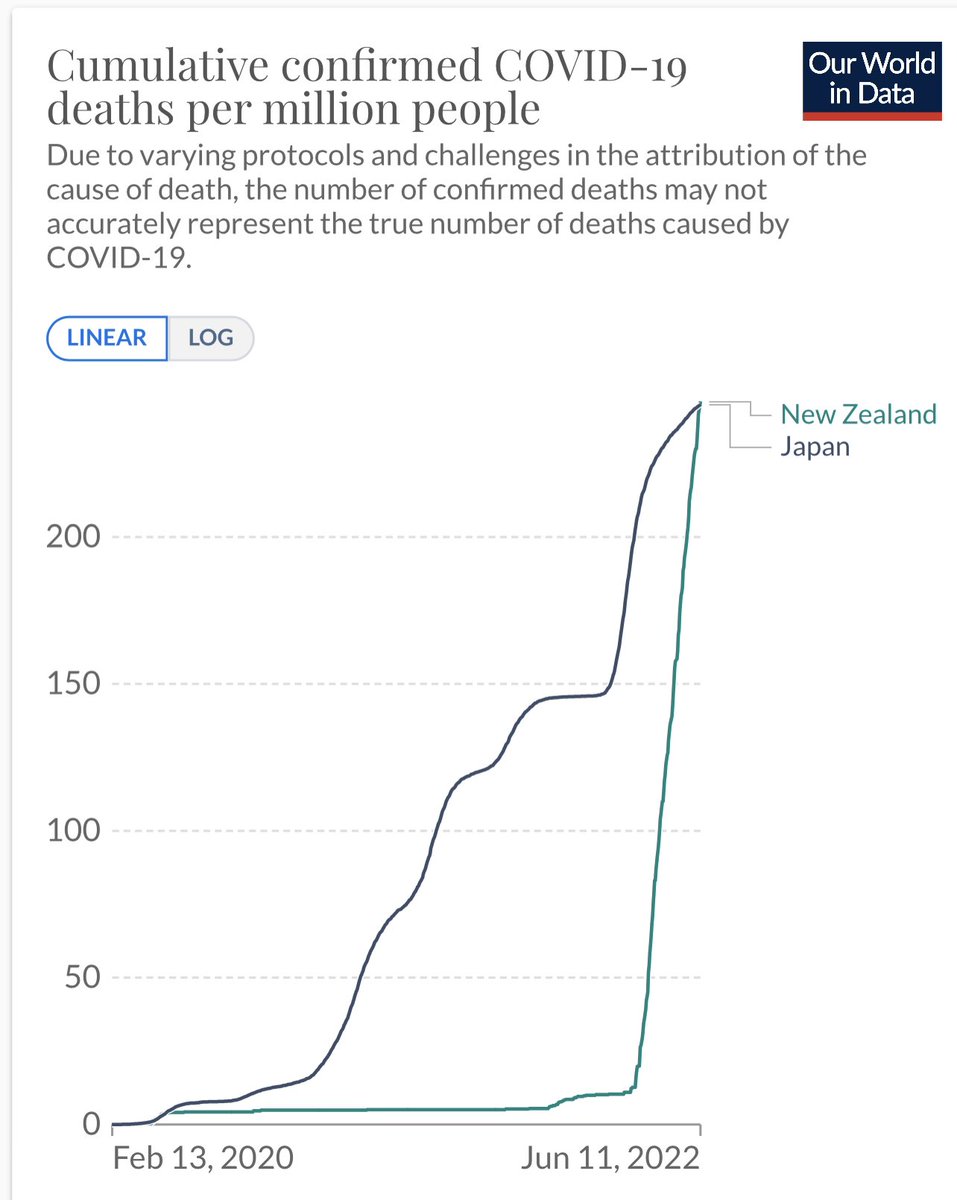
Covid deaths per capita in New Zealand have now surpassed Japan. That means Japan, which never once locked down, now has the lowest deaths per capita of all 38 OECD countries. Lessons from the country, that could be useful in future pandemics, have been largely ignored.
Great to know @PetraLevin her @WUSTL lab are back engaged, in person, in expanding understanding of the foundations of #Microbiology… on an international stage 😀
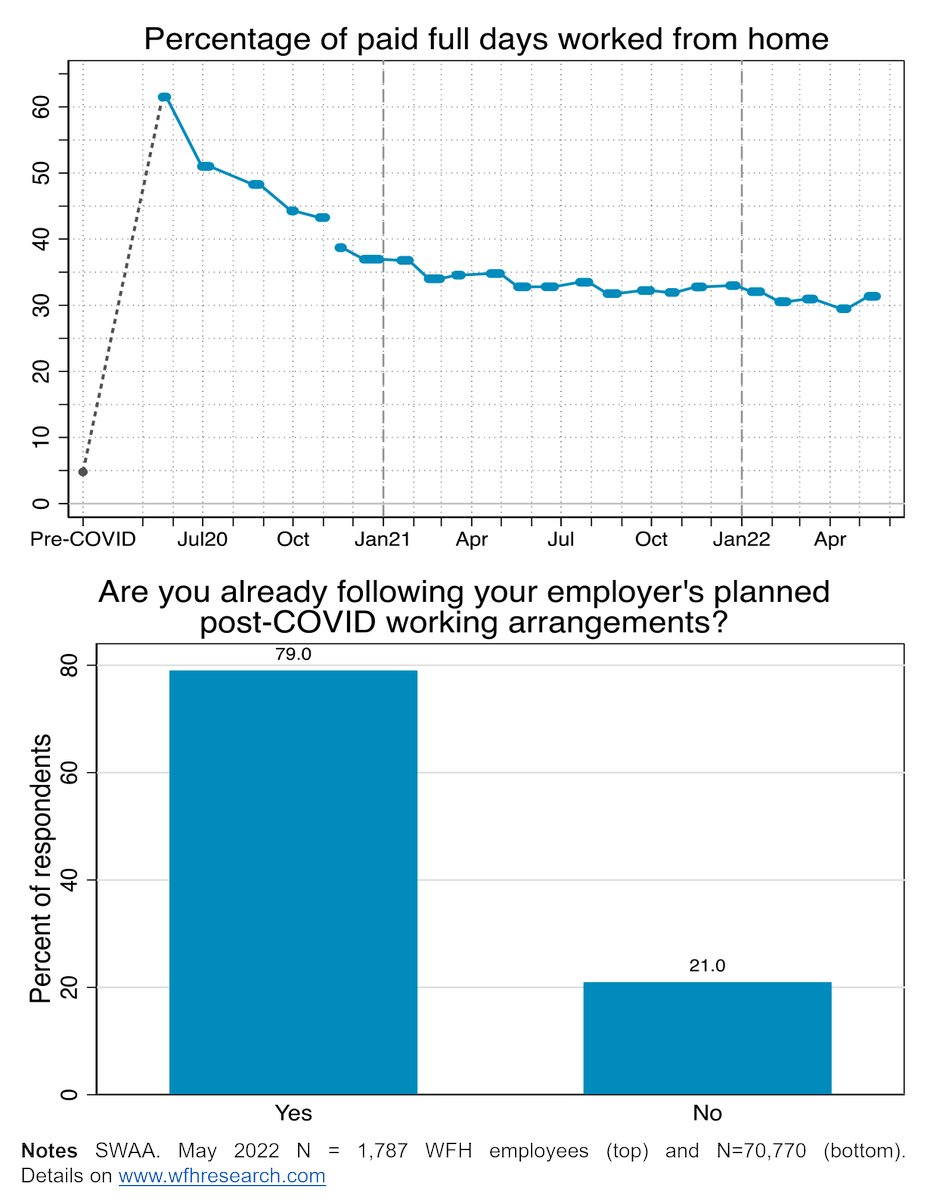
#WFH levels are converging to about 30% of days
Most of us - 80% of employees - are now in their post-COVID working arrangements
This means the pandemic generated the largest shock to working life since World War II: a six-fold increase in remote working in just two years