
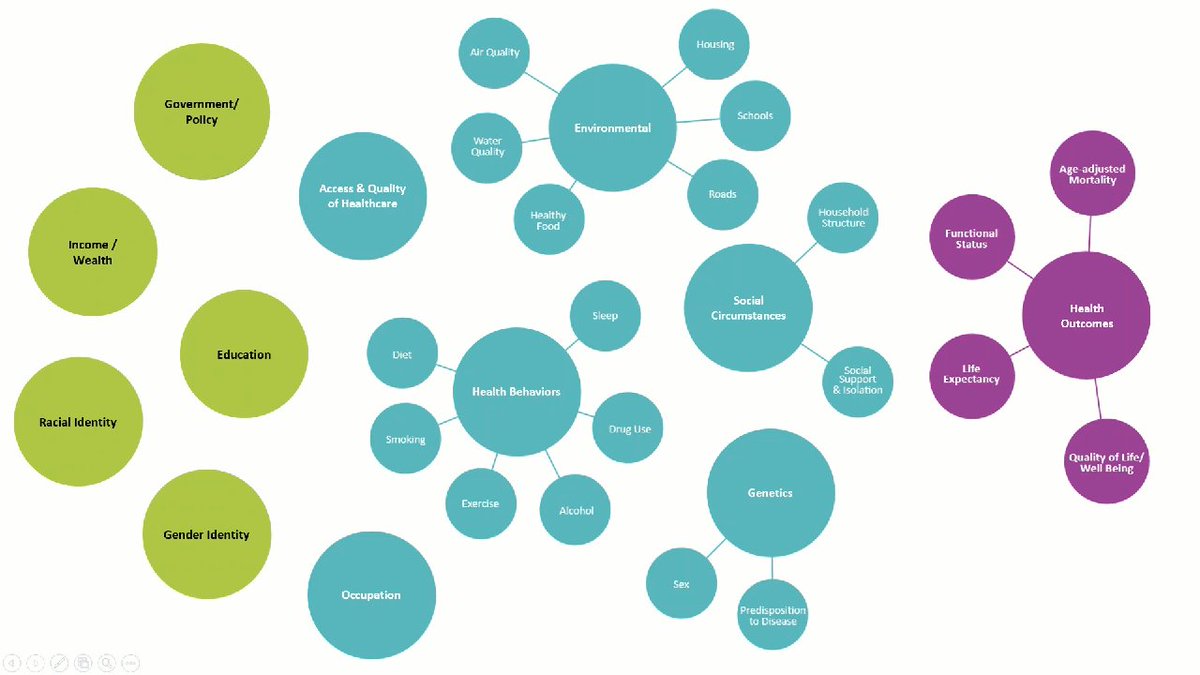
Social determinants such as exercise, air, education, income & more affect our health. But how? A research project in search of better answers @HarvardGH @RWJF
Joined May 2019
- Tweets 388
- Following 69
- Followers 710
- Likes 125
16 Photos and videos


Pinned Tweet

21 Nov 2019
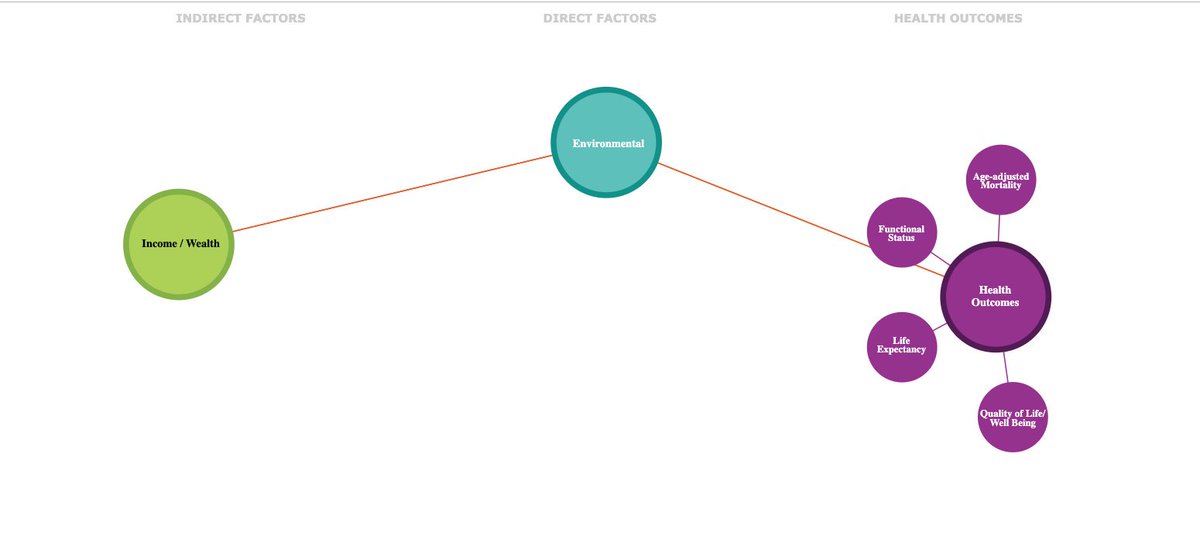
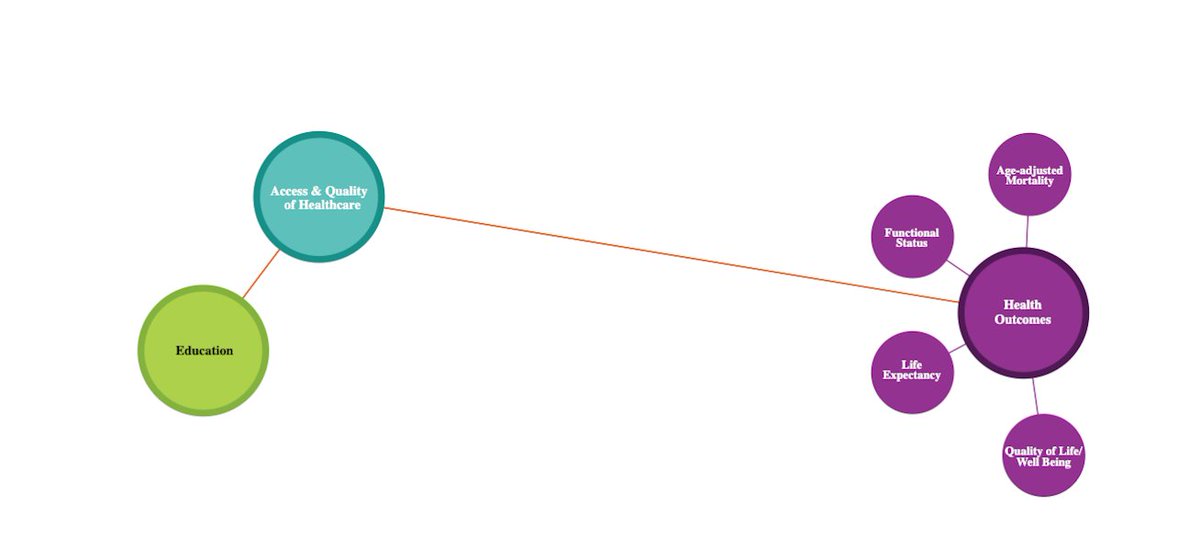
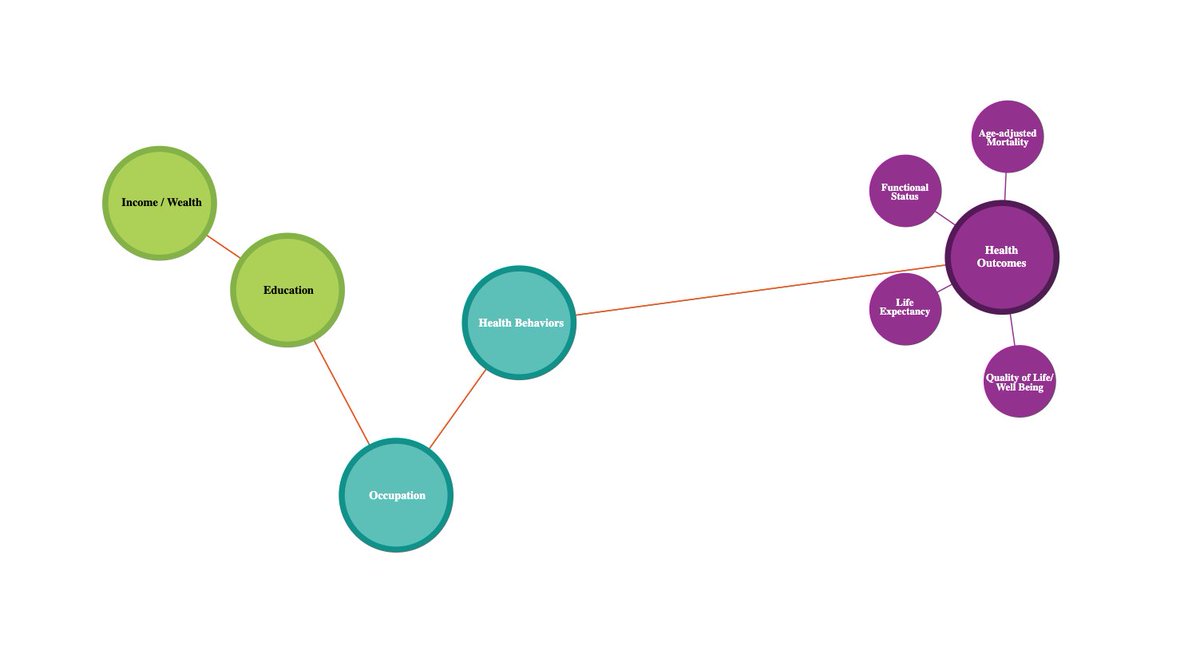
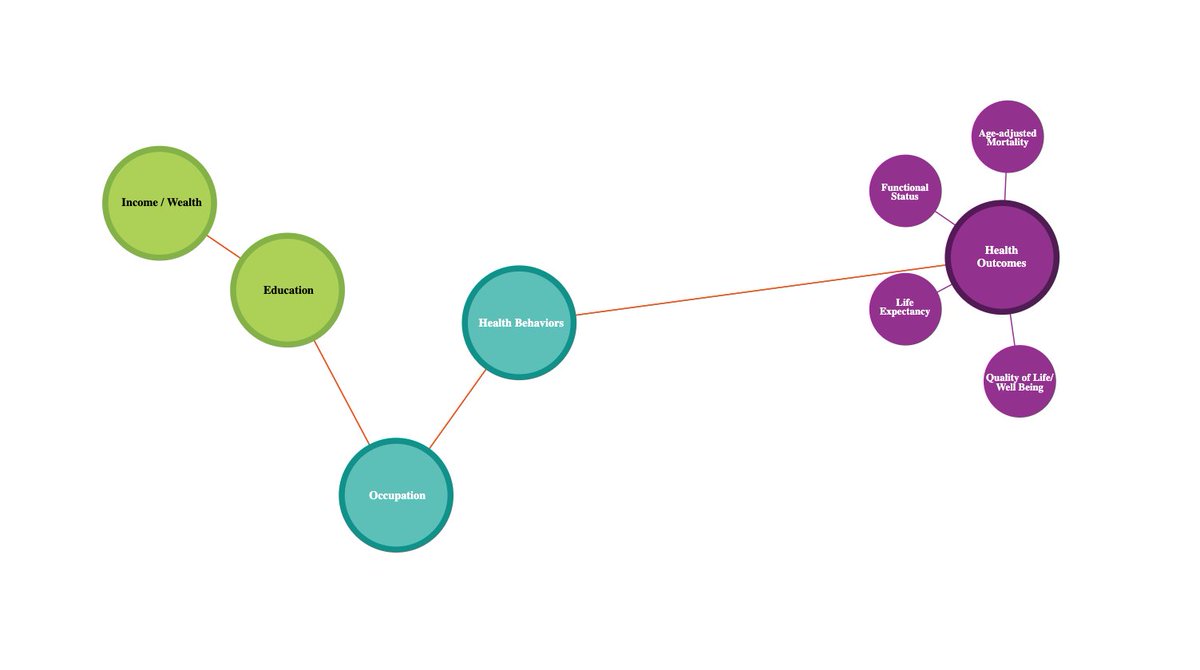
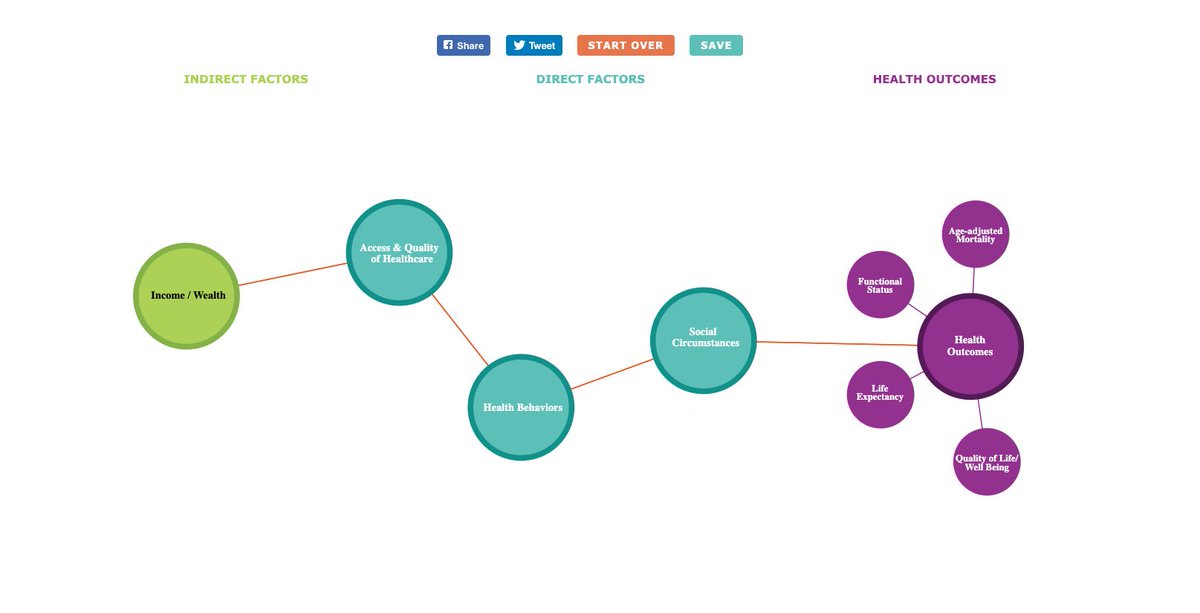
How many people think income affects education? What about how govt. policy affects health care access? Here are some early data from people who've engaged with our interactive. Want to add your voice on how these factors relate? Play the game here: driversofhealth.org/the-game…
10
9
Drivers of Health retweeted

13 May 2021
IN 1 HOUR! Join HGHI, @FXBHarvard, & an expert panel of scholars & advocates for a timely discussion on immigration policy & the resultant public health crisis along the U.S./Mexico border.
Register now! bit.ly/border_health
@EuniceRendon @RESCUEorg @YaelSchacher
4
4
16 Apr 2021
During the pandemic, the connection btw poor-quality information & poor health outcomes is especially pronounced.
Holding unique influence, healthcare providers are leading the fight against COVID-19 #misinformation. Learn more about their methods below!
bit.ly/3ahzqNU
2
26 Mar 2021
In a new paper, @JuliaRaifman @JacobBor @atheendar find that during the pandemic, larger unemployment benefits resulted in larger reductions in food insecurity - confirming past research & showing that amount of benefits matter.
@cecilleavila explains 👇
driversofhealth.org/2021/03/…
3
4
15 Jan 2021
In a first ever Texas public opinion survey on #SDoH, @Health4Texas found that Texans largely agree on many questions regarding non-medical factors & health. Although, views at times diverge along various demographics.
Key findings detailed below!
driversofhealth.org/2021/01/…
2
4
16 Dec 2020
Paid family leave promotes the health of working parents & their children. Yet, the U.S. is the only high-income country that does not provide this job & income protection to workers.
@DrDianaMW asks, when will policymakers catch up?
driversofhealth.org/2020/12/…
1
4
30 Nov 2020
Homelessness is associated with high utilization of public services.
New research from @MKushel @mravenEM & @mjniedz reveals how an intervention of PSH w/ voluntary supportive services can successfully house & retain chronically homeless individuals.
bit.ly/2VhYMU3
1
1
12 Nov 2020
To what extent has COVID-19 disproportionately impacted racial and ethnic minority communities?
Below, Allison Kolbe & Sean Klein offer a snapshot of the current COVID-19 case and mortality demographic data at state, tribal and county levels.
driversofhealth.org/2020/11/…
1
9 Nov 2020
Missed our two-part webinar series featuring authors from the @HSR_HRET theme issue on DoH?
Follow the link below for an overview & to watch the full recordings of both sessions!
driversofhealth.org/2020/11/…
1
3
30 Oct 2020
Missed the Drivers of Health webinars these past two weeks?
Click below to watch the full recordings of both webinars with authors from the @HSR_HRET 2020 special theme issue on #SDoH!
driversofhealth.org/engage-w…
2
1
28 Oct 2020
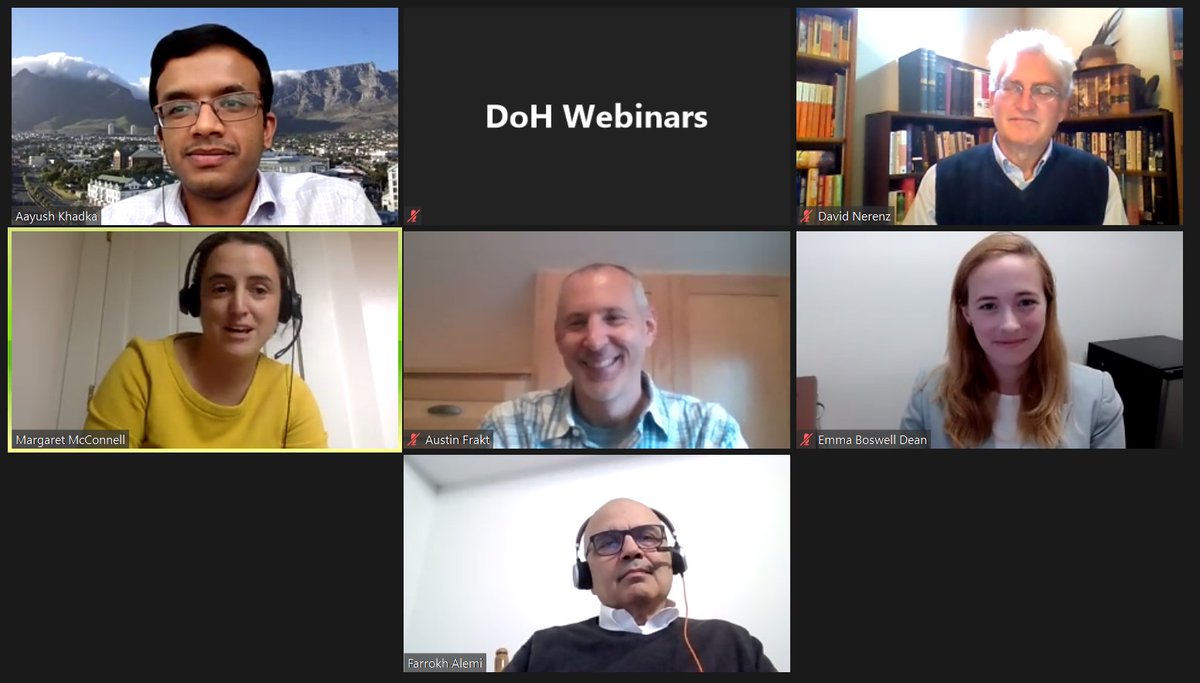
Thank you to our fantastic panelists
@emorgan_the_epi, Abigail R. Barker, Linda Li, @AditiVasan, @J_hnMorgan, and moderator @afrakt for a great webinar!
#DriversofHealth
2
28 Oct 2020
COVID Policy Implications for CHW programs:
1. Preserve acute care capacity
2. Create needed jobs boost economic recovery
3. Serve as critical workforce for contact tracing
4. Improve outreach and vaccine uptake in communities most impacted by COVID
@AditiVasan @J_hnMorgan
1
3
28 Oct 2020
"Health-system based social interventions aimed at reducing hospitalizations and improving health should be built around tailored, longitudinal relationship-based support" @AditiVasan @J_hnMorgan
1
5
28 Oct 2020
Key finding from @AditiVasan and @J_hnMorgan:
Structure CHW interventions can reduce hospitalizations (both fewer hospitalizations and shorter mean length of stay)
#DriversofHealth
1
28 Oct 2020
"Our findings indicate a dose/response relationship between insurance coverage and self-reported health..this has implications for states that have not expanded Medicaid programs"
Policy Relevance from Abigail Barker and Linda Li
#DriversofHealth
2
28 Oct 2020
Percent of time insured is associated with a reduction in odds of being in "fair or poor health".
#DriversofHealth
2
28 Oct 2020
Key Findings from Abigail Barker and Linda Li:
People who are fully covered are more likely to report excellent or very good health.
People who report fair or poor health are much more likely to report gaps in health coverage.
#DriversofHealth
1
2
28 Oct 2020
People who report excellent, very good, or good health status have much lower utilization and cost
1
28 Oct 2020
Abigail Barker now presenting on the cumulative impact of health insurance on health status
1
28 Oct 2020
Earned Income Tax Credit (EITC) cash transfers are paying a strong role for mental health benefits
@emorgan_the_epi
1
1
28 Oct 2020
Key findings from @emorgan_the_epi:
1. EITC was beneficial to frequent poor physical health
2. EITC was beneficial to frequent poor mental health (Most notable during tax season)
1