Supporting the SDF in Rojava with FPV drones. Join our mission to empower the fight for freedom. Join our Telegram for updates: t.me/dronesforrojava
Joined December 2024
- Tweets 65
- Following 0
- Followers 6,650
- Likes 8
15 Photos and videos


Pinned Tweet

13 Jan 2025
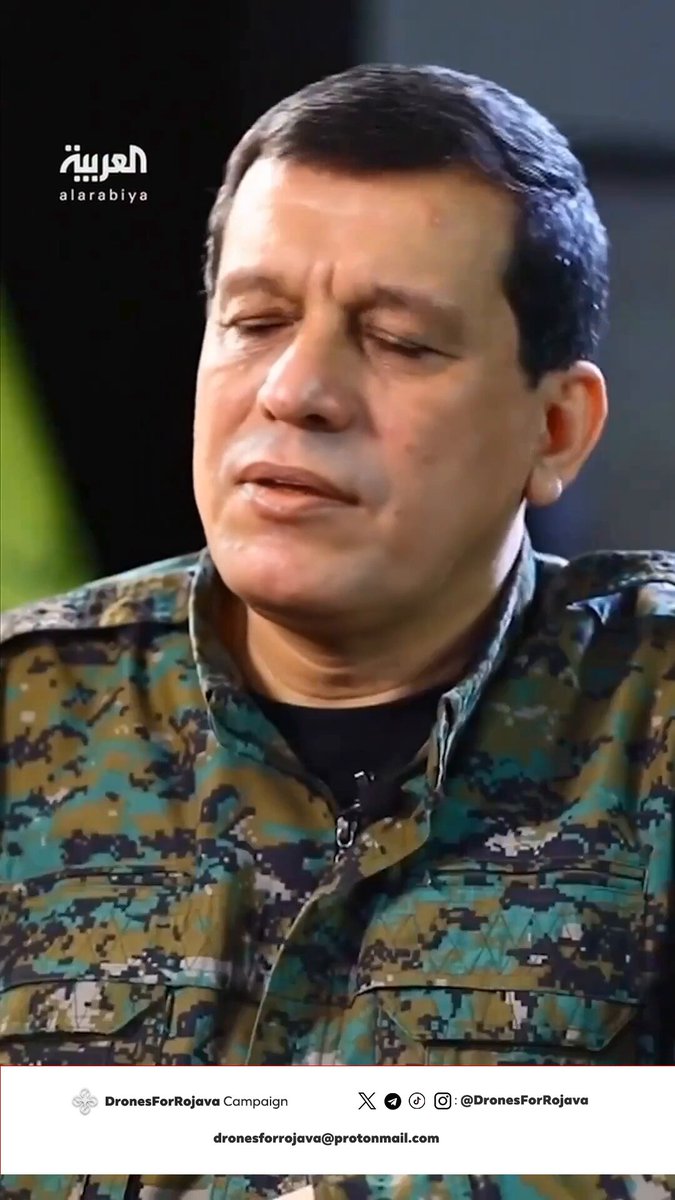
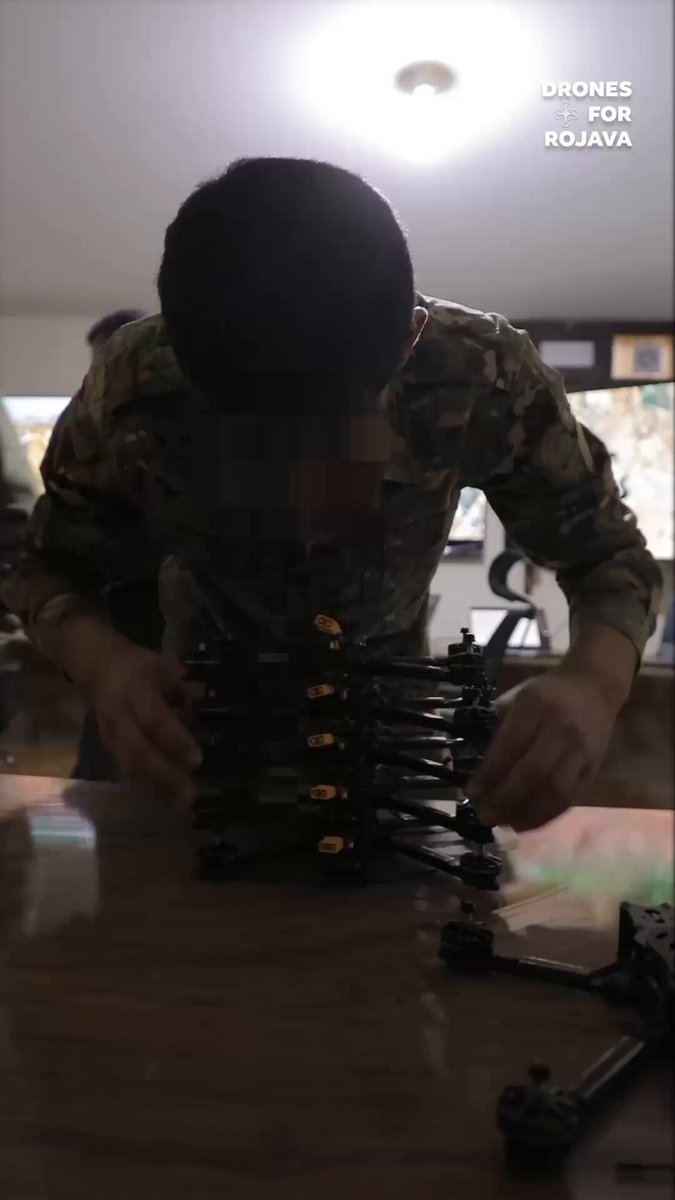
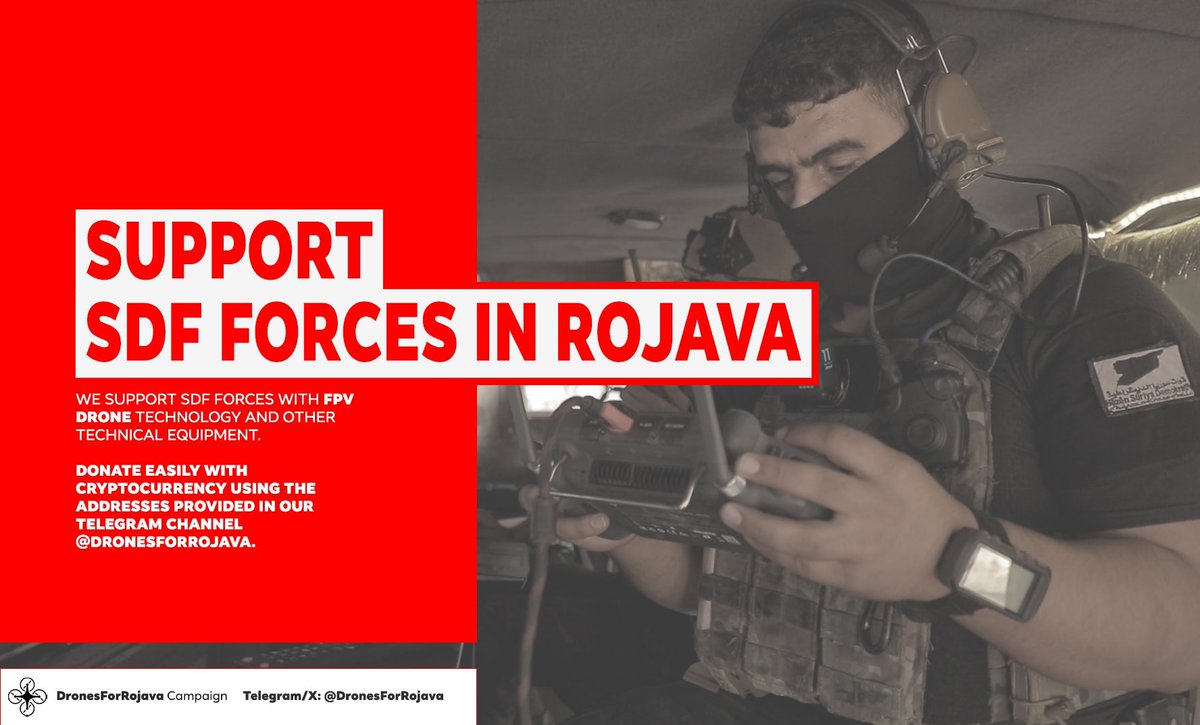
Check out our exclusive video from Rojava, featuring interviews with trainers and operators from the Şehîd Harûn unit of SDF. We visited the unit to learn more about how FPV drones are used to defend Rojava.
“When they hear sound of drones, they don’t know whether to run or hide”
Me serdana yekîneyên Şehîd Harûn li Rojava kir û me bi wan re hevpeyvîn kir. Dronên FPV di parastina Rojava de çawa tên bikar anîn? Fermo, temaşe bikin.
“Dema dengê dronan dibihîzin, nizanin xwe di ku de veşêrin”
64
295
1,478
130,326
Drones For Rojava retweeted
7 Apr 2025
PIRS:
Ji bo [Artificial Intelligence/Yapay Zeka/الذكاء الاصطناعي], bi Kurdî divê kîjan nav were bikaranîn?
41%
Jîriya Destkird
40%
Aqlê Çêkirî
19%
Tiştek Din (binivîse👇🏼)
157 votes • Final results
21
5
36
13,197
13 Feb 2025
Another impersonator. 👇🏼 There are several accounts impersonating us on this platform. Make sure to double check before making any transaction. Copy addresses directly from our Telegram channel or get in touch with us.
Çend hesab hene me taqlît dikin û daxwaza bexşan dikin. Baldar bin û adresên me tenê ji kanala me ya Telegramê bigirin—an jî bi me re pêwendî çêkin.
34
110
11,279
Drones For Rojava retweeted

1 Feb 2025
The sky also belongs to the revolution - Drones for Rojava! 🔥🔥🔥
If you have a donation, please contact us via the social media channels, at our events or via widerstandsvernetzung[at]immerda.ch
Long live the revolution in Rojava - long live the resistance!
7
70
631
17,542
Drones For Rojava retweeted
27 Jan 2025
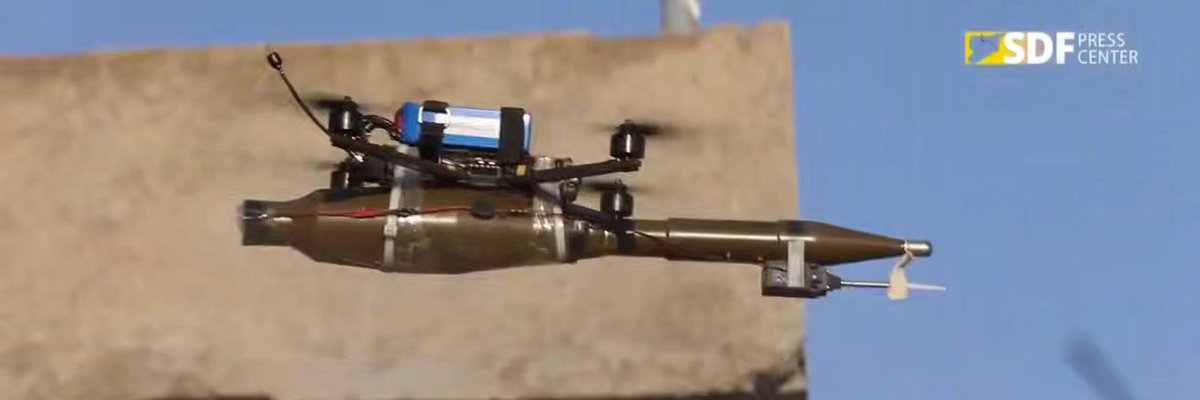
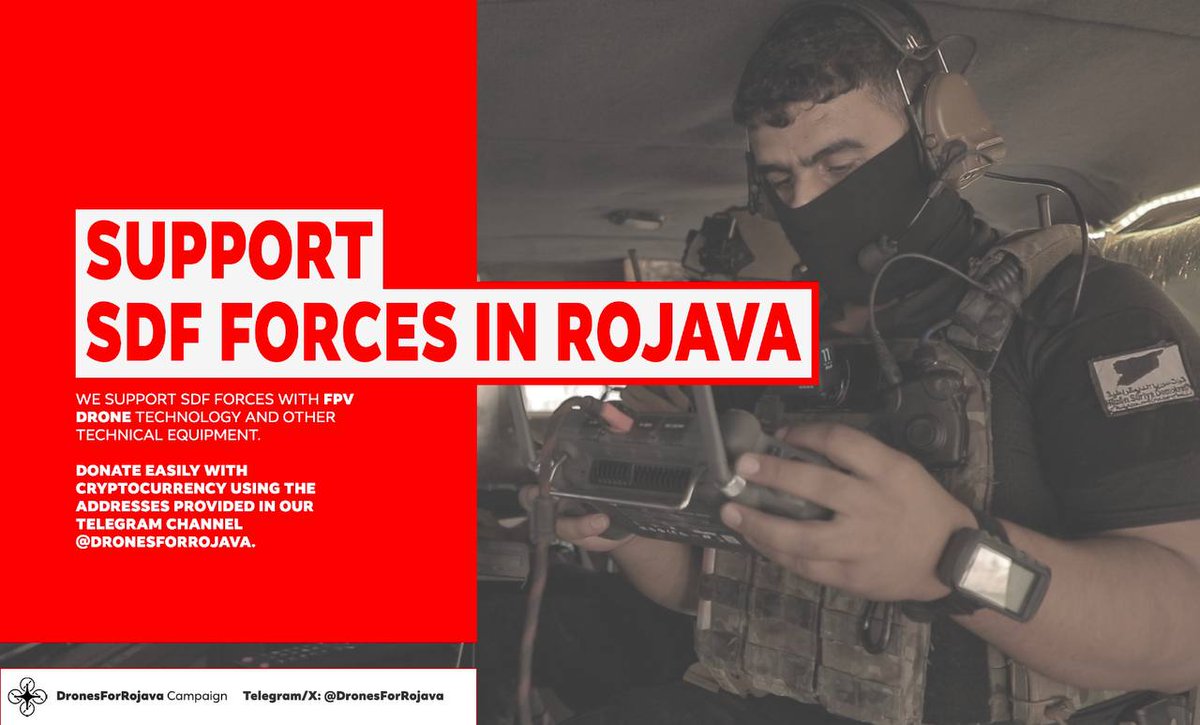
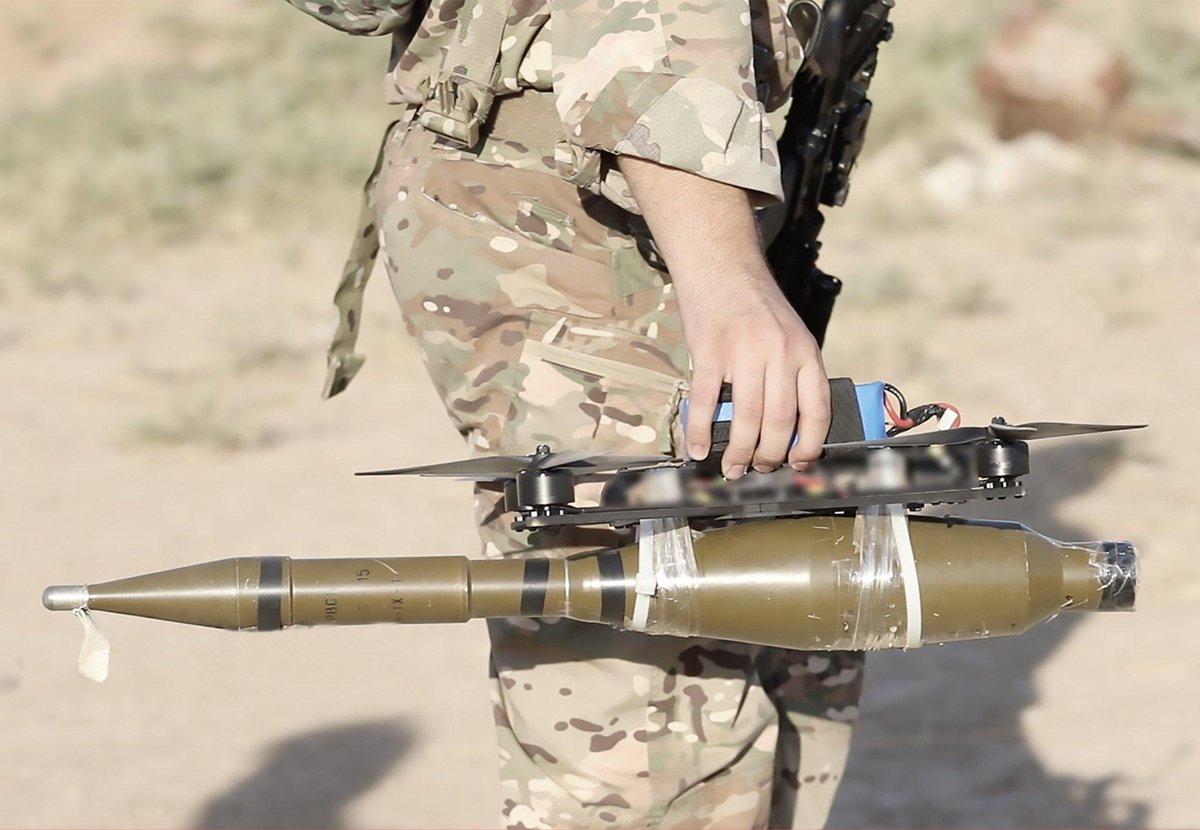
💥An international alliance wants to support the SDF with donations for unmanned weapons systems: @DronesForRojava
➡️ Read the Interview they gave to @ndaktuell now here in English: riseup4rojava.org/interview-…
And donate ⤵️
1/
2
10
41
4,670
22 Jan 2025
Important Update
Some of our followers have informed us that certain crypto addresses are being blocked by platforms like Binance and Coinbase. If you experience this, please reach out to us for alternative addresses. Thank you for standing with us.
Agahdarî
Hin ji şopînerên me destnîşan kirin ku hin platformen wek Binance û Coinbase rê li ber hin adresên me yên krypto digirin an jî asteng dikin. Eger hûn rastî vê pirsgirêkê bên, ji kerema xwe re peywendiyê bi me re bikin da ku em adresên alternatîf bidin.
6
49
221
19,599
22 Jan 2025
General Mazloum Abdi, Commander-in-Chief of the Syrian Democratic Forces (SDF), reiterated in an interview with Al Arabiya that the SDF has no ties to Iran, neither covert nor overt.
“We have no relations with Iran and do not receive any weapons from them, nor do we require their support. All the drone technology we possess and deploy on the battlefield is a product of our own development, derived from years of combat experience. Furthermore, we have the capability to intercept and neutralize large Turkish drones operating within our airspace.”
Fermandarê Giştî yê Hêzên Sûriya Demokratîk (HSD) Mazlûm Abdî, di hevpeyvîneke bi El Erebiye re careke din tekez kir ku tu têkiliyên HSDê bi Îranê re tune ne, ne yên veşartî û ne jî yên eşkere.
"Tu têkiliyên me bi Îranê re tune ne û em ne çekan jê werdigirin û ne jî hewceyê piştgiriya wan in. Hemû teknolojiya dronên ku em di qada şer de bi kar tînin, encama pêşxistina me bi xwe ye ku ji ezmûnên me yên şer ên salan hatiye bidestxistin. Ji bilî vê yekê, hêza me heye ku em dronên mezin ên Tirkiyê yên di qada me ya asîmanî de difirin, rawestînin û bêbandor bikin."
25
143
1,158
44,303
14 Jan 2025
WARNING - A fake account is impersonating us and sharing false PayPal information. Please be cautious and verify all details through our official channels. We do not use PayPal for donations.
HIŞYARÎ - Hesabeke sexte bi navê me agahiyên PayPalê yên şaş belav dike. Ji kerema xwe haydar bin û hemû agahiyan ji kanalên me yên fermî kontrol bikin. Em ji bo bexşan PayPalê bi kar naynin.
6
94
281
21,921
14 Jan 2025
Em kî ne? Em komek ciwanên Apocî û welatparêz in. Em komek Kurdên li dîaspora û Kurdistanê ne û em dixwazin piştevaniya hêza xwe ya parastinê bikin. Hûn jî dikarin tevlî me bibin.
dronesforrojava@protonmail.com
10
26
203
22,827
13 Jan 2025
Check out our exclusive video from Rojava, featuring interviews with trainers and operators from the Şehîd Harûn unit of SDF. We visited the unit to learn more about how FPV drones are used to defend Rojava.
“When they hear sound of drones, they don’t know whether to run or hide”
Me serdana yekîneyên Şehîd Harûn li Rojava kir û me bi wan re hevpeyvîn kir. Dronên FPV di parastina Rojava de çawa tên bikar anîn? Fermo, temaşe bikin.
“Dema dengê dronan dibihîzin, nizanin xwe di ku de veşêrin”
64
295
1,478
130,326
13 Jan 2025
Campaign details here / Agahdarî di derbarê kampanyayê de👇🏼
Reach out to us:
Telegram username dfr_campaign
Signal username dronesforrojava.11
dronesforrojava@protonmail.com
4 Jan 2025

Hûn hîn jî dikarin beşdarî kampanya me bibin.
You can still join the call and make a donation to our crypto addresses below:
BTC:
bc1qrlydkrs3zpnnnxzmm8gtu5aul27rynss2f6kna
ETH:
0xB183BEb379194f78a36FC1cb1ff27315e5F9Bb07
XMR [Monero]:
46rnSpoqSJS5eAJ8GSFMR9Z7NX2YDmi6FR4fbQQnF7rpHbzAL1J5q2vSrRXYiY4NZShESkeVFQG8e5LawjP4Z1DzFwQGLKN
LTC:
ltc1q5we5053lzd4eg2nd2l8whzq3xvqnpk9ls4h553
DOGE:
DBd5h4KrmJ9HAcPDPtVfeCy7J7QM4TCZB9
SOL:
3AEBVCjDQtjGfWREADTApfhq4XZ6q8SC3VMnZ5Ld633j
USDT (Tron):
TQrCSEMjzjMUcRN8d6iih8oQs9P2zPTqPk
USDT (ETH):
0xB183BEb379194f78a36FC1cb1ff27315e5F9Bb07
1
34
118
20,666
4 Jan 2025
Yarın Amed saati ile 22:00’da X Spaces odasındayız. Kampanyamızı ve Rojava devrimini konuşacağız.
6
20
148
26,990
4 Jan 2025
Tomorrow’s discussion will be in Turkish. We’re planning to host Kurdish and English spaces soon as well.
Tartışma Türkçe olacak. İlerleyen zamanlarda Kürtçe ve İngilizce odalar da yapmaya çalışacağız.
1
5
67
12,203
4 Jan 2025
Update on our communication channels
Agahdarî li ser navnîşanên me yên pêwendiyê
dronesforrojava@protonmail.com
telegram @/dfr_campaign
signal @/dronesforrojava.11
1
18
75
14,881
4 Jan 2025
Hûn hîn jî dikarin beşdarî kampanya me bibin.
You can still join the call and make a donation to our crypto addresses below:
BTC:
bc1qrlydkrs3zpnnnxzmm8gtu5aul27rynss2f6kna
ETH:
0xB183BEb379194f78a36FC1cb1ff27315e5F9Bb07
XMR [Monero]:
46rnSpoqSJS5eAJ8GSFMR9Z7NX2YDmi6FR4fbQQnF7rpHbzAL1J5q2vSrRXYiY4NZShESkeVFQG8e5LawjP4Z1DzFwQGLKN
LTC:
ltc1q5we5053lzd4eg2nd2l8whzq3xvqnpk9ls4h553
DOGE:
DBd5h4KrmJ9HAcPDPtVfeCy7J7QM4TCZB9
SOL:
3AEBVCjDQtjGfWREADTApfhq4XZ6q8SC3VMnZ5Ld633j
USDT (Tron):
TQrCSEMjzjMUcRN8d6iih8oQs9P2zPTqPk
USDT (ETH):
0xB183BEb379194f78a36FC1cb1ff27315e5F9Bb07
2
53
180
48,735
3 Jan 2025
Our interview with ND is out! We discussed our campaign, our team, and our goals. Check it out to learn more about what drives us!
Hevpeyvîna me bi rojnameya ND re.
nd-aktuell.de/artikel/118791…
3
35
205
18,144
3 Jan 2025
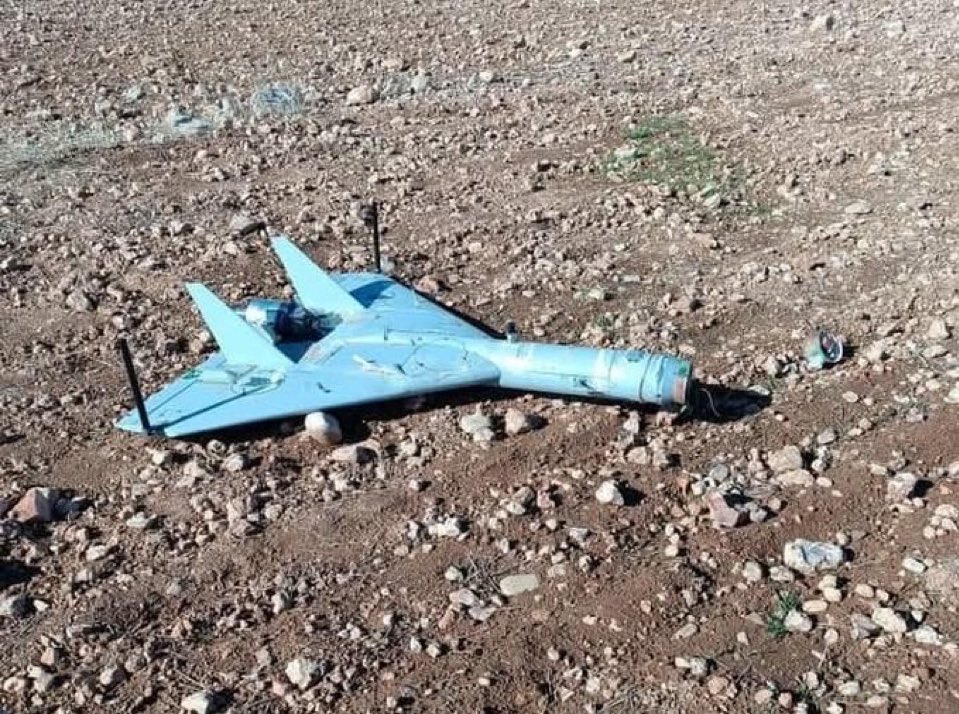
“Who’s helping Kurds for these technologies?”
Answer: No one.
The SDF has been developing drones and anti-drone technology independently since 2015, relying solely on their own resources and expertise. While the Kurds welcome any support, we can confidently say that the drone and anti-drone tech in Rojava is entirely their own creation, without external financial or technical aid.
The Turkish claim that Iran has supplied the Kurds with drones and missiles such as Shaheed and 358, along with other claims that the US and Israel have provided them with technology, are equally baseless and incorrect.
2 Jan 2025

Guess who’s helping Kurds for these technologies.
Kurds are not alone
dozens of their friends(Advisors) from different countries are there helping them to establish the power that can change the middle east for the next 100 years.
16
80
505
44,783
2 Jan 2025
Kürdistan ve diasporadaki Kürt gençlerine tavsiye. 2025 yılı içinde mutlaka öğrenmeniz gerken şeyler:
- Yapay zeka modelleri ve onlara temel oluşturan yazılım teknolojileri
- Veri bilimi temelleri ve kullanım alanları
- En az bir programlama dili
- Robotik ile ilgili ilk girişimler—örnek olarak Arduino ve Raspberry Pi gibi donanımları kurcalamaya başlamak
Tüm bunları yaparken 3 ayda İngilizce’yi de söktüğünüzü göreceksiniz.
18
79
589
72,092
2 Jan 2025
Some thoughts on FPV drones
EN
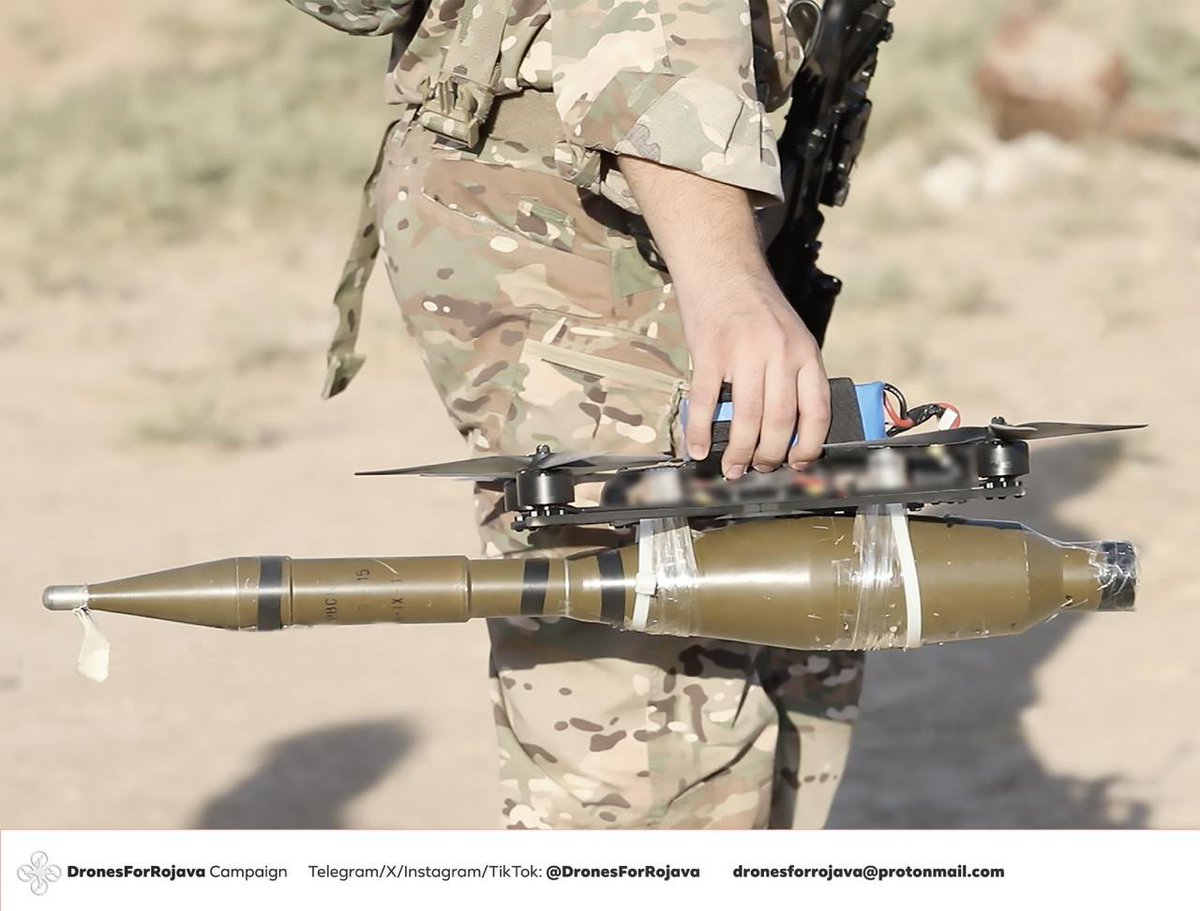
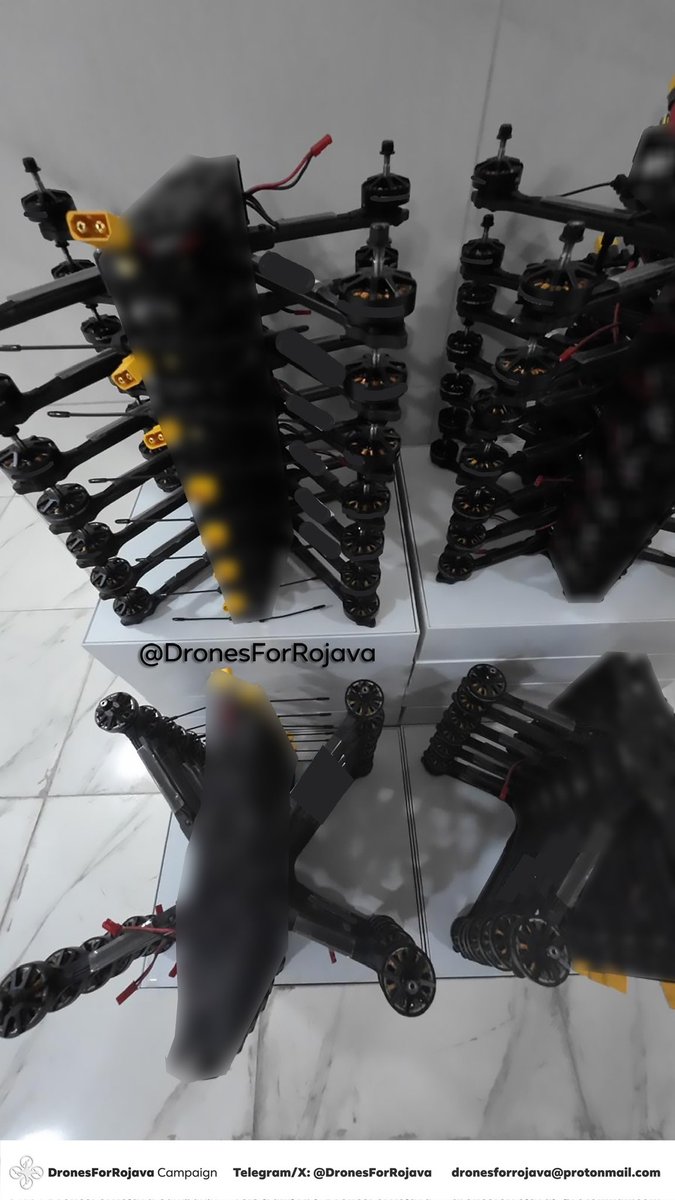
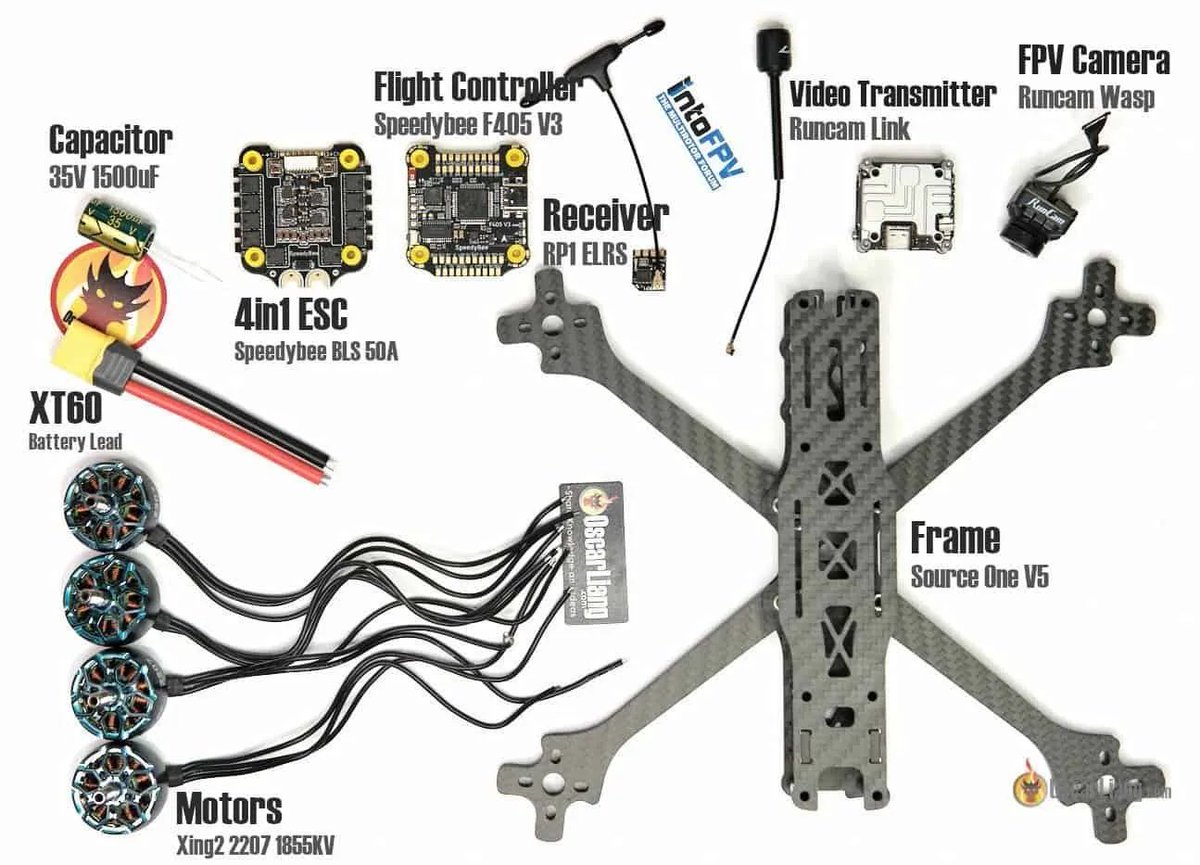
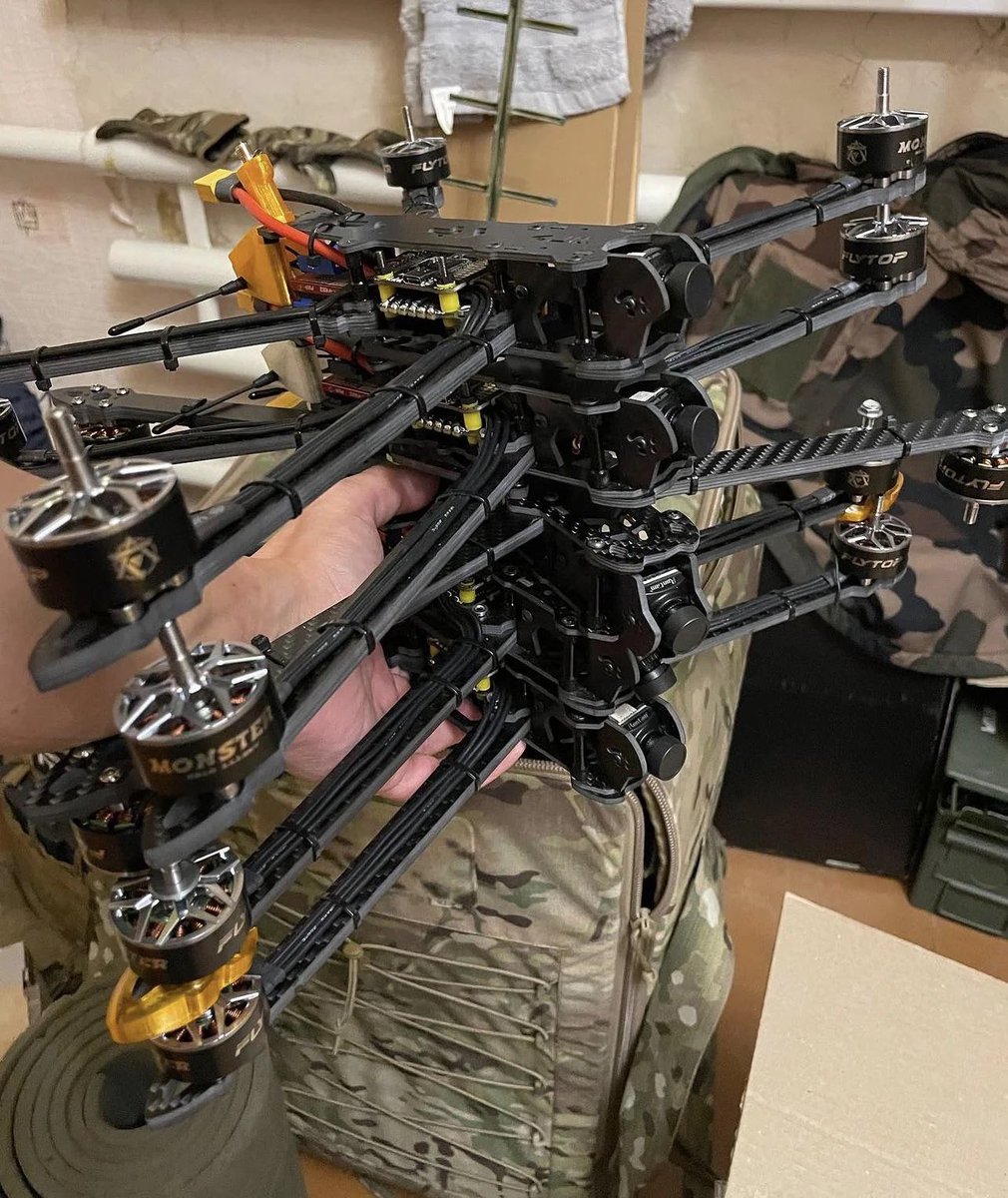
FPV drones are completely redefining modern warfare, and it’s not hard to see why. These compact machines bring a level of speed, precision, and adaptability that traditional weapons simply can’t match. Designed with modular components—motors, ESCs (electronic speed controllers), LiPo batteries, and HD cameras—they’re essentially flying computers. The real-time video feed gives operators an unparalleled edge, whether for reconnaissance, targeting, or even coordinating broader missions.
The beauty of FPV drones lies in their accessibility. Many are built using COTS (commercial off-the-shelf) components, making them highly customizable. Open-source flight controllers allow even intermediate builders to tweak everything from stability to navigation systems. It’s not just militaries building these either—hobbyists with the right know-how can craft mission-capable drones in home workshops. This democratization of tech means even smaller groups or asymmetric forces can field advanced tools, challenging traditional military hierarchies.
For non-state actors facing off against large armies with advanced tech, FPV drones level the playing field in ways that were unimaginable a decade ago. They provide a low-cost, high-impact solution for surveillance, targeted strikes, and even psychological warfare. A single drone can locate vulnerabilities in heavily fortified positions, disrupt supply lines, or deliver precise payloads, all while avoiding detection by sophisticated radar systems. Their portability and ease of assembly allow non-state groups to deploy them in swarms, overwhelming even advanced defenses. In essence, FPV drones give smaller, less-equipped forces the ability to outmaneuver and outthink armies with vastly superior resources.
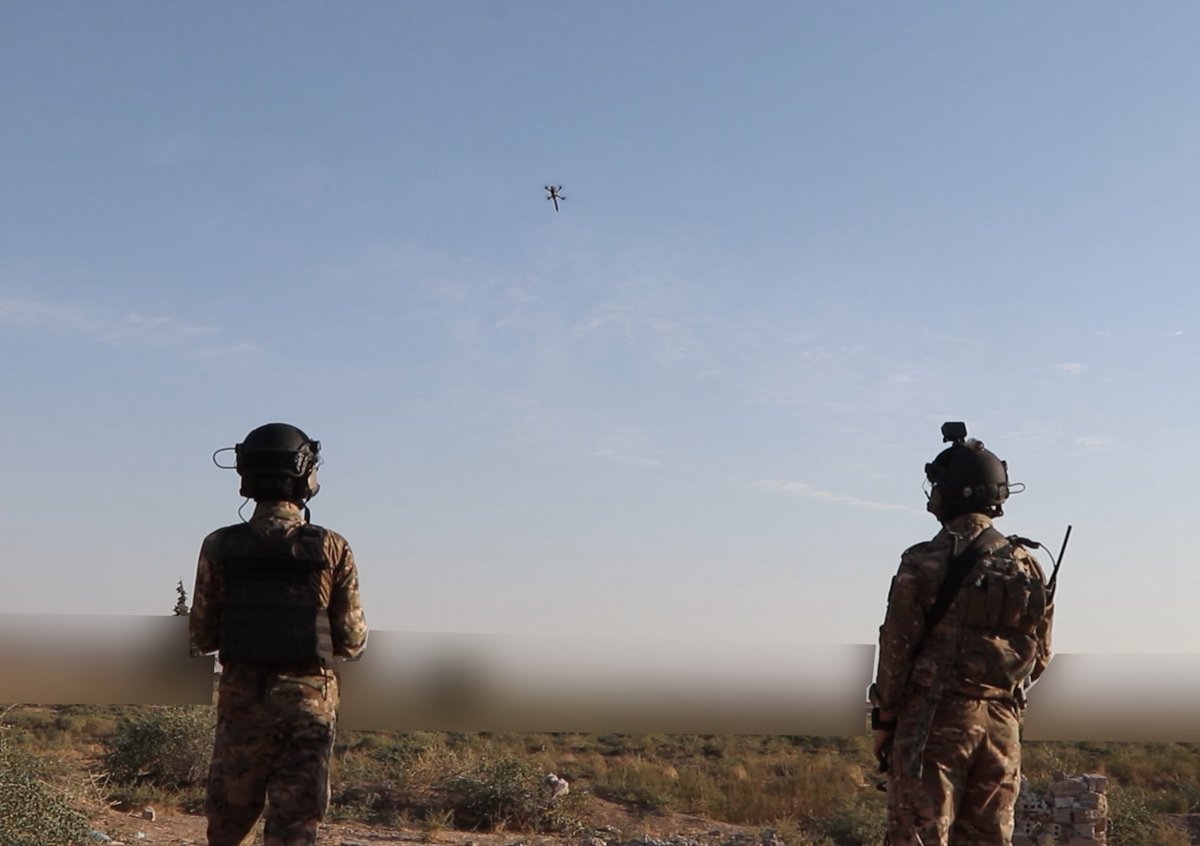
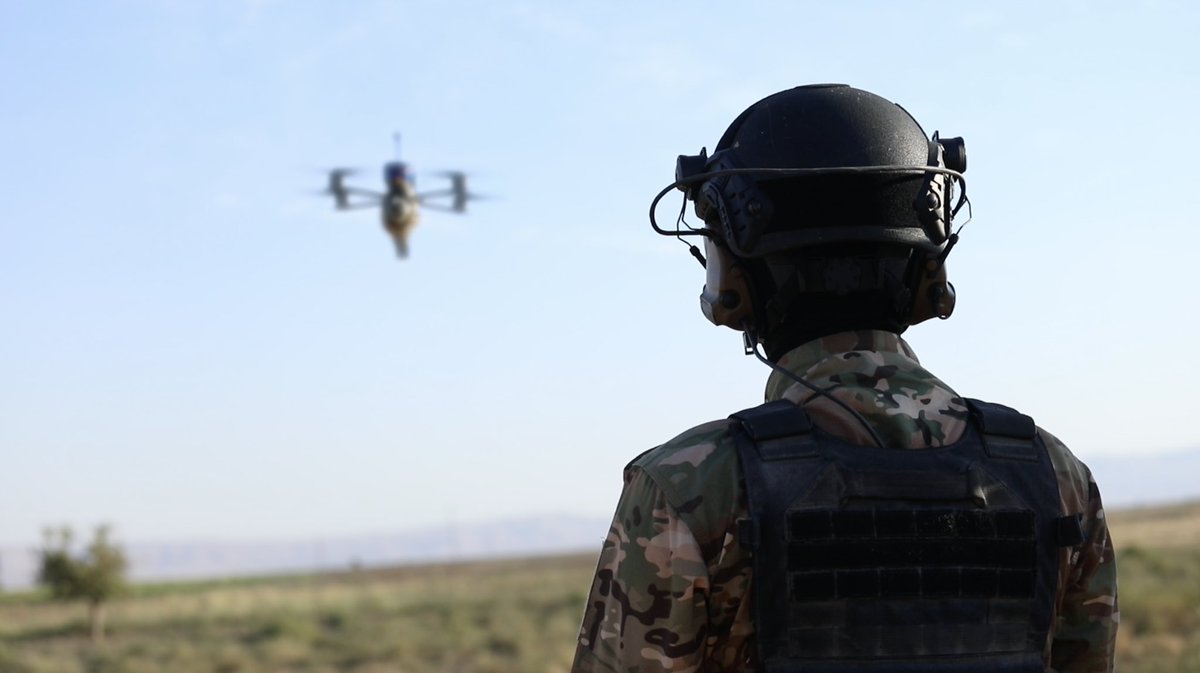
The SDF in Rojava has mastered FPV drone tactics, using them to outmaneuver its enemy. They’ve leveraged drones for real-time reconnaissance in complex terrain, identifying enemy positions with precision. More importantly, they’ve adapted them for strikes on high-value targets, including vehicles and fortifications, disrupting enemy operations. This low-cost, high-impact strategy has proven essential in leveling the battlefield against technologically superior adversaries.
9
73
481
50,031
2 Jan 2025
TR
FPV dronlar, modern savaşın kurallarını tamamen değiştiriyor--nedenini anlamak çok kolay. Bu küçük makineler, geleneksel silahların sunamadığı hız, hassasiyet ve esneklik sağlıyor. Motorlar, ESC’ler (elektronik hız kontrolörleri), LiPo bataryalar ve HD kameralar gibi modüler parçalarla tasarlanan bu dronlar, adeta uçan bilgisayarlar gibi çalışıyor. Gerçek zamanlı video aktarımı sayesinde operatörlere keşif yapma, hedef alma veya daha büyük operasyonları yönetme konusunda büyük bir avantaj sağlıyor. Maliyet ise en büyük avantajlardan.
FPV dronların en etkileyici yanı, erişilebilir olmaları. Çoğu ticari olarak kolayca bulunabilen parçalarla üretilebiliyor ve tamamen kişiselleştirilebiliyor. Açık kaynaklı uçuş kontrolörleri sayesinde, bu işten biraz anlayan biri bile stabilite veya navigasyon sistemlerini kendi ihtiyaçlarına göre ayarlayabiliyor. Bu teknolojiyi sadece ordular değil, işi bilen hobi meraklıları bile evlerinde bir araya getirip savaşta kullanılabilecek dronlar üretebiliyor. Teknolojinin bu kadar ulaşılabilir olması, küçük grupların bile büyük güçlere kafa tutabilecek araçlara sahip olmasını sağlıyor.
Büyük ve ileri teknolojiye sahip ordulara karşı mücadele eden gruplar için FPV dronlar, oldukça önemli. Düşük maliyetli ama çok etkili bir çözüm sunuyorlar. Gözetleme yapabiliyor, hassas saldırılar gerçekleştirebiliyor ve hatta psikolojik üstünlük sağlayabiliyorlar. Bir dron, iyi korunan mevzilerde açıklar bulabilir, lojistik hatları kesintiye uğratabilir ve hedefe tam isabetle saldırabilir. Üstelik taşınabilirliği ve kolayca monte edilebilmesi sayesinde, bir grup bu dronları sürüler halinde kullanıp en gelişmiş savunma sistemlerini bile zorlayabiliyor. Küçük ve sınırlı kaynaklara sahip gruplara, dev ordulara karşı bile avantaj sağlıyor.
Rojava’da Suriye Demokratik Güçleri, FPV dronları gerçekten çok etkili bir şekilde kullanıyor. Zorlu arazi şartlarında gerçek zamanlı keşif yapmak, düşman mevzilerini tespit etmek için bu dronlardan faydalanıyorlar. Bunun yanında, araçlara ve tahkimatlara yönelik hassas saldırılar düzenlemek için de bu teknolojiyi uyarladılar. Ucuz ama etkili bu strateji, teknolojik olarak üstün olan düşmanlara karşı dengeleri değiştirebilir.
8
81
12,237