
Dubhe Engine is an open-source, high-performance engine for real-time, fully on-chain Move apps, built on @SuiNetwork, backed by @SuiFoundation.
Joined March 2025
- Tweets 566
- Following 109
- Followers 31,986
- Likes 444
111 Photos and videos







Pinned Tweet

May 27
🚀 Dubhe Wallet v0.6.0 Community Early Access is now open!
The OG Early Access phase has ended, and the latest version is now available for everyone in the community to try early.
Explore the wallet and share your feedback with us 👇
dubhe.obelisk.build/en/walle…
#DubheEngine #Wallet #Sui #Community
15
9
71
4,639
Dubhe Engine retweeted

Jun 1
We're live.
Following last week's outages related to the 1.72 release, join @EmanAbio and @b1ackd0g as they walk through what happened and the steps taken to restore the network.
@technicaldebtor from the Sui Core Team is also joining to add technical context.
x.com/i/broadcasts/1dKrPPdLv…
65
84
559
121,884
Dubhe Engine retweeted
May 21
Now live and fully rolled out on mainnet: Stablecoin transfers on Sui are free.
No $SUI, no problem.
Just send.
206
636
2,563
606,874
May 27
💎Dubhe Wallet is evolving from a basic wallet tool into a unified wallet layer across Web and Extension.
In our latest article, we break down how Dubhe Wallet v0.6.0 brings together accounts, assets, transfers, Swap & DeFi, DApp Connectivity, security controls, signer support, Gas Abstraction, and operational tooling into a more complete wallet experience.
Read the full article to explore how one wallet layer can support multiple interaction flows , and try Dubhe Wallet with a new wallet address for a cleaner and safer experience.
Read more: medium.com/@dubheengine/dubh…
Try Dubhe Wallet: dubhe.obelisk.build/en/walle…
8
7
42
1,233
Dubhe Engine retweeted
May 16
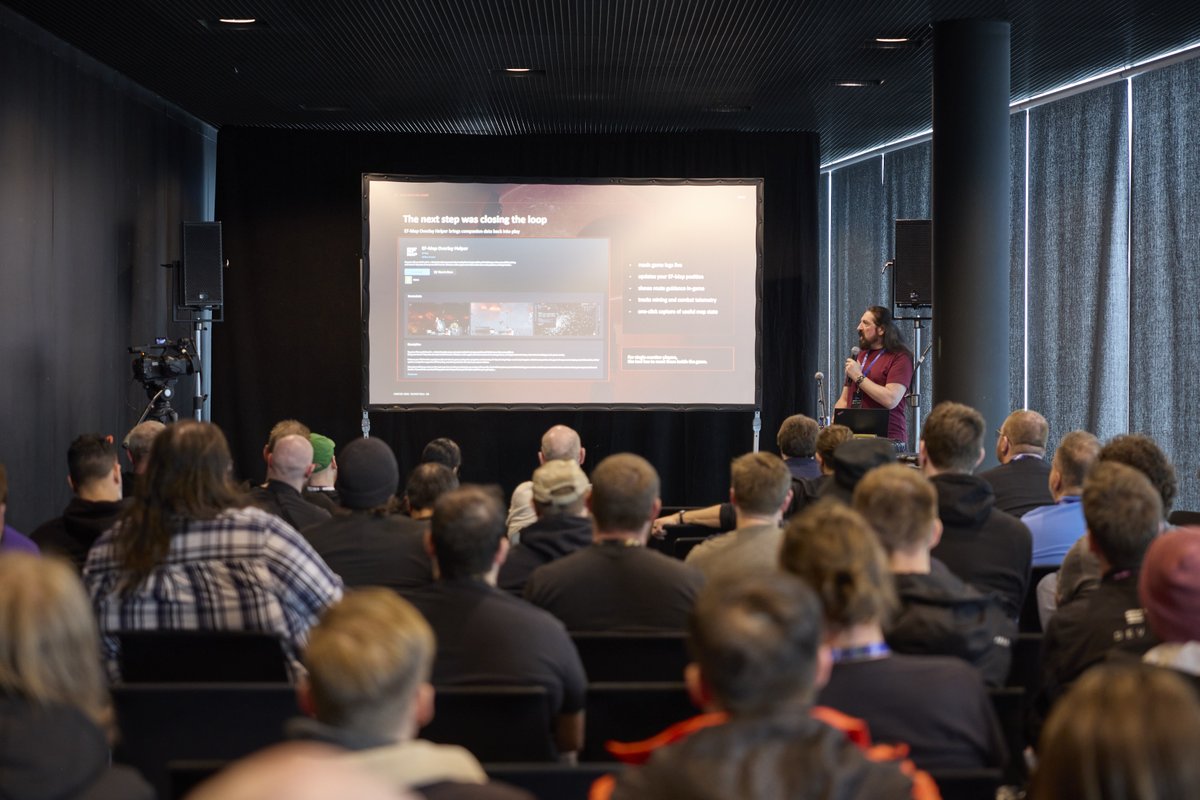
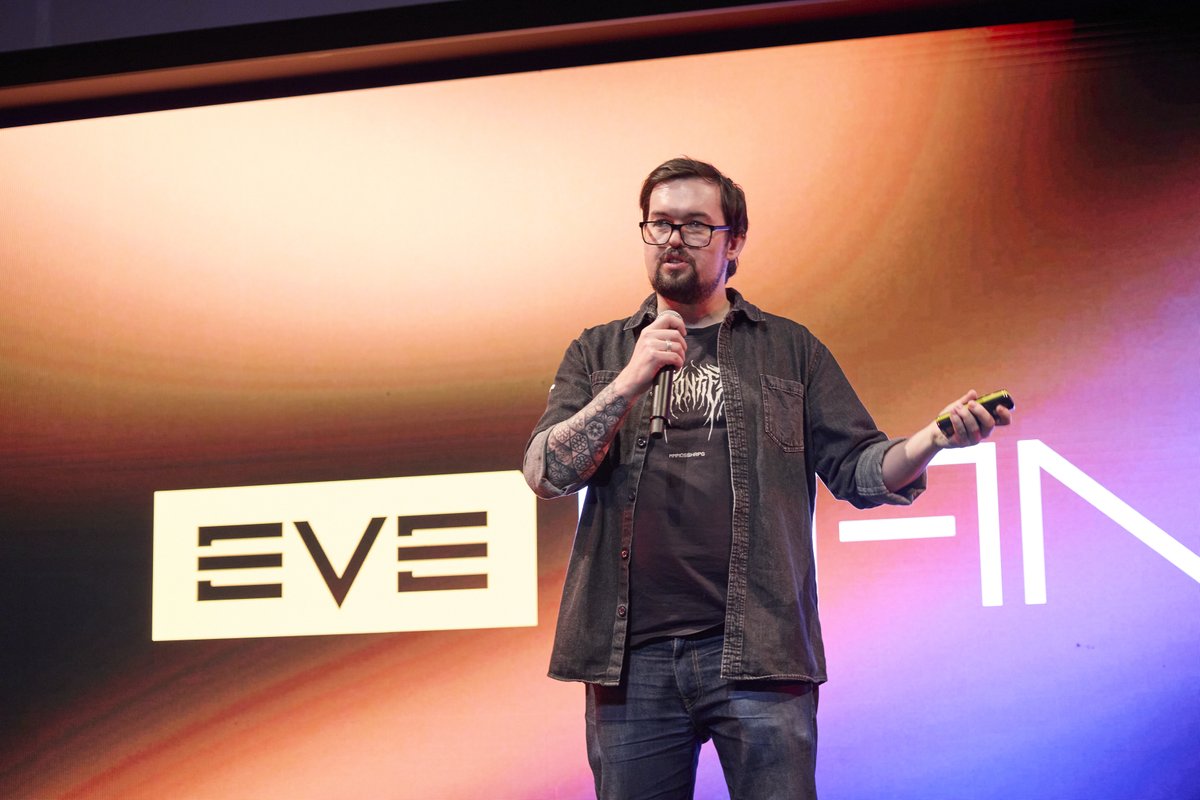
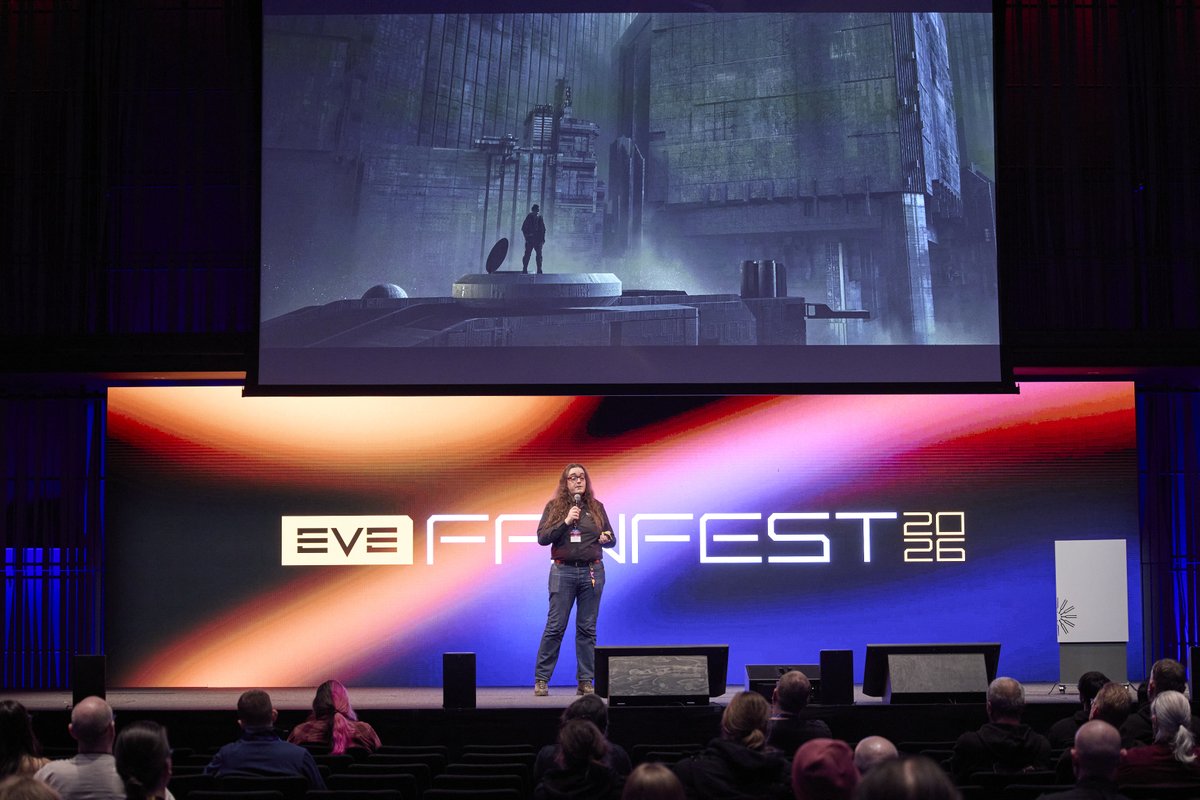
Sui is proud to power the Builder Village at EVE Fanfest with hackathon highlights, live gameplay, smart assembly content, and more.
The energy has been electric. See you on the Frontier!
May 14

Builders, riders, and devs had an amazing first day at Fanfest.
The energy around EVE Frontier has been incredible, and it all sets the stage for the Frontier Keynote this Saturday at 14:00.
A huge shoutout to all the devs in the Sui Builder Village. It's our first time having a dedicated builders area, and something that is amazing to see come to life.
Day one was just the beginning. See you on the Frontier.

18
53
377
23,378
Dubhe Engine retweeted
May 4
Sui turns 3.
3 years of Sui Mainnet.
3 years of building a full stack.
3 years of the best community.
To the builders and the believers: the journey is only 1% done.
Happy birthday, Sui.
222
198
1,307
203,429
Apr 30
Dubhe v2 update summary is here.
In this update, we've completed a full upgrade of the core architecture, along with major improvements to performance, security, developer experience, and upgrade workflows.
If you're building on-chain apps on @SuiNetwork , this is an update you don't want to miss.
👉 Full details:medium.com/@dubheengine/tech…
23
6
75
2,064
Apr 27
Dubhe v2 Upgrade — Upgrade Flow Improvements🔧
Dubhe v2 brings a fully reworked DApp upgrade flow:
• Package-id-based version validation, no more fragile version string comparisons
• New--bump-version flag for automated version bumping in one command
• CLI guard lint confirmation prompts before any upgrade executes
Upgrades should be predictable, not scary.
#Sui #DubheEngine #Web3Dev
23
8
71
1,967

Dubhe Engine retweeted

Apr 19
The Territory of Sober Realism - How Dubhe is Changing the Future of On-chain Gaming
Let us rise above the mountains of illusions to the height of sobering realism and observe how blockchain gaming is evolving. First, an idea emerges - bold, almost blinding. It promises to overturn the market, shatter old rules, and empower users with a freedom previously only dreamed of. Then comes the first wave of enthusiasm: startups, investments, loud slogans, and daring presentations. And then - the inevitable sobering. It turns out that a great idea alone guarantees nothing. Between possibility and reality lies a vast, heavy, and thankless territory infrastructure.
To write even the simplest on-chain game, one had to be a game designer, a blockchain engineer, and a cryptographer simultaneously. You had to independently design smart contracts, decide how to store and update world states, build client-blockchain interactions, handle security, and adapt all of this to game loops and UX. This cut off 99% of talented game creators. An Autonomous World was more of a philosophical concept than a technical reality
Remember what happened when Epic Games made Unreal Engine accessible to everyone? An explosion of creativity occurred. Indie studios began creating masterpieces that were previously only possible for giants with hundred-million-dollar budgets. And @DubheEngine - one of the stars in the raging Web3 ocean where projects flare up and fade away - is preparing a similar explosion in the world of on-chain games. Its ECS engine, a result of meticulous craftsmanship aimed at radical change - much like an Alphabet of the Universe - unifies state management, multi-chain architecture, and developer tools
Dubhe transforms the creation of Autonomous Worlds from the domain of a handful of blockchain geniuses into an accessible craft for thousands of developers worldwide. The more people build, the higher the chance someone creates something that changes the industry. Imagine that 50 years from now, your grandchildren find a game artifact online created today on Dubhe, because the ECS logic is etched into the blockchain for an eternal digital legacy
Dubhe is interesting because it can be viewed as an attempt to think not in atomic transactions, but in holistic worlds, their states, and interaction logic. This difference, which seems technical, is actually deeply philosophical. When you design transactions, you create a financial mechanism. When you design world states and their interactions, you lay the foundations of a full-fledged game
One of the most beautiful ideas of Web3 is that applications can be interconnected, living environments rather than isolated fortresses. Assets, identities, data, and mechanics can seamlessly coexist and be reused. In the context of games, this idea is particularly promising, and Dubhe becomes its embodiment.
The Architecture of a New Reality
Hidden within the Dubhe documentation is a secret that would make any engineer applaud: Harvard Architecture. This means a deep separation of logic and data, providing unprecedented flexibility and scalability.
ECS Framework Core The foundation upon which the world stands - its physical laws and basic mechanics
Dubhe Channel An off-chain execution layer that gives games "superhuman" speed. Complex calculations happen here, while only the final, indisputable result is recorded to the blockchain, relieving the load on the main chain
DubheOS The blockchain operating system. It manages resources and provides a unified interface so that different applications and modules do not conflict, creating a harmonious ecosystem
Dubhe Bot An integration tool. Your world on Dubhe can "speak," turning game events into notifications and allowing the community to interact with the world through familiar messengers
Grammar of a New Language: Schemas and Types
The documentation on Schemas and Data Modeling is the grammar of our new language. It describes how to define "data types." Want your character to have "Mana"? Or "Thieves' Guild Reputation"? In Dubhe, you simply describe this in a schema, and the engine automatically generates secure code in Move and TypeScript - your world's insurance policy. The system simply won't let you make a mistake that could collapse the economy or, by some ridiculous accident, grant a player immortality
Speed, Stability, Scale
Dubhe Engine embodies key principles
Type-Safe Development Mistakes in blockchain cost millions. Dubhe automatically generates a TypeScript SDK, ensuring full type safety. If you make a mistake in the client-side code, the system will tell you before you even send a transaction
Real-Time State Sync WebSocket - the thing games were missing most. Dubhe features a built-in indexer with WebSocket support. This is the "nervous system" that delivers updates from the blockchain to the game instantly. Skepticism about "slow blockchain" crumbles when a game on Sui or Aptos starts performing with the speed of a desktop application
Unified Space Multi-chain Diplomacy. The Web3 world is fragmented. There is Sui, Aptos, and the promising Rooch and Initia. Each network is a separate planet. Dubhe Engine becomes a bridge; its future role is that of a Universal Standard. The principle of "Deploy Once, Play Everywhere" means a developer writes code on Dubhe and can deploy it on any supported Move network. For the ecosystem, this means talent liquidity. A developer no longer needs to pick a side in the "blockchain wars." They choose Dubhe and gain access to all Move audiences at once.
Creative Freedom and Digital Trust
For Developers - It is freedom from the infrastructure nightmare. The Command Line Interface from 0xobelisk allows you to deploy a project with a single command. This puts game development back into the hands of creators, not just system administrators
For the Industry - It is a transition to Proven Game Logic. Anything running on Dubhe makes it impossible to cheat or forge a result. This is the highest form of digital trust
The Future is Already Compiled
Steady development led to the Dubhe v2 Update - an architecture oriented toward maximum performance. A new 3-tier storage model has been launched: DappHub / DappStorage / UserStorage. In v2 user records are isolated into their own storages and now execute in parallel, significantly increasing total system throughput. The write path is also optimized: dependencies on shared global objects are removed, and all user records are executed independently. This reduces the load on the consensus layer and increases stability during high contention.
Dubhe on @SuiNetwork is capable of making game states more open, guiding you through creation on Move from scratch. Here, you learn the ECS model in practice. Within the "Build Your First DApp" framework, you go from an empty folder on your computer to a working application on the Sui blockchain in 30 minutes - a simple yet powerful multiplayer counter game.
This approach facilitates integration, creating a base for external tools. The user's world history is preserved; game societies gain more autonomy; the ecosystem is not entirely dependent on the will of a single operator. All this helps form interconnected gaming ecosystems, strengthening cross-project compatibility. This makes Web3 gaming more accessible for studios, indie teams, and developers who previously avoided on-chain due to its complexity, reaching far beyond a single category of games.
The Philosophy of Code and Architecture
If you are a player, Dubhe is an unshakable guarantee that your achievements will never be erased and your progress will never be reset at someone’s whim.
If you are a developer, Dubhe is liberation from the tedious technical routine of blockchain, allowing you to focus on pure creativity and the crafting of game experiences.
If you are a skeptic, Dubhe is an argument backed by code and architecture that is incredibly difficult to refute.
#Sui #dubheengine
Версия статьи на русском языке medium.com/@irasaadet/т…
47
4
118
2,088
Dubhe Engine retweeted

I wrote a deep dive on @DubheEngine - why it's
different from other Web3 frameworks.
Built on @suinetwork, Dubhe brings clean
architecture, schema-driven dev, and sub-50ms real-
time execution.
Read the full article here 👇
medium.com/@d16167381/dubhe-…
#Sui #dubheengine
7
2
43
577
Dubhe Engine retweeted

Apr 13
Dubhe Engine Explained: The Lego Factory for Building Faster Blockchain Apps
If you’ve just stepped into the world of Web3 and blockchain, you might hear words like "dApps" (decentralized apps) and think they're just websites. But building these apps is often slow, expensive, and technically messy. Imagine trying to build a skyscraper but you have to mine the metal and cut the wood yourself, that’s the headache developers face today.
Enter Dubhe Engine. Let’s break down what this tool actually is and, more importantly, why it stands out in a sea of confusing crypto projects.
So, What is Dubhe Engine in Plain English?
Think of Dubhe Engine as a high-performance construction kit, specifically for the Move programming language ecosystem (used by blockchains like Sui and Aptos). Instead of coding every single screw and bolt from scratch, developers use Dubhe’s ready-made, structured blueprints.
The official term is a "MoveApp Creation Engine." But for a beginner, just picture this: It’s the difference between building a car with a pile of loose metal parts versus having a complete engine and chassis frame ready to go. Dubhe handles the boring, tricky backend stuff, like how data is saved, sorted, and updated, so developers can just focus on making the app fun or useful.
Why is Dubhe Different? (The "Aha!" Moment)
There are many tools that claim to make blockchain development easier. But Dubhe does three specific things that make it a unicorn for newcomers and pros alike.
1. It Solves the "Slow Refresh" Problem (Real-Time Magic)
Most blockchain apps are *slow*. You click a button to trade a token or move a character in a game, and you have to wait for the blockchain to "wake up" and confirm it. Dubhe is built for real-time, high-frequency action. If you're building a fully on-chain video game (think Stardew Valley but on the blockchain) or a trading bot that needs to move faster than a blink, other engines choke. Dubhe breathes easy. That’s its core difference: Production-grade speed.
2. The "Harvard" Architecture (Clean Kitchen, Messy Kitchen)
This is a technical detail that makes a huge difference for users. Dubhe uses something called Harvard Structural Architecture. In simple terms: It keeps the Recipe Book (Logic) and the Pantry (Data) in completely separate rooms.
Why does this matter to you? Because if a developer wants to upgrade the game rules or fix a bug in the future, they can swap out the recipe book without having to empty and reorganize the entire pantry. For you, the user, that means apps that can evolve and improve without breaking everything or making you migrate your assets to a new app every month.
3. The "Lego" Approach to Blockchains (Multi-Ecosystem)
Most projects marry one blockchain. Dubhe is compatible with multiple Move-based networks. It’s like having a universal power adapter. Whether developers are building on Sui or another Move chain, Dubhe works. It doesn't trap them on one island.
The Verdict for the Curious Newbie
You don't need to code to understand why Dubhe matters. You just need to know that you’re tired of clunky, slow crypto apps. Dubhe Engine is the infrastructure that allows a new wave of apps, games that feel like real games, social networks that update instantly, and AI tools that live on-chain, to finally work properly.
While other projects are just "toolboxes," Dubhe is positioning itself as the factory. And for a Web3 world that desperately needs better user experience, that factory line can't start running fast enough.
Curious to see the code or try a sandbox? The team keeps everything transparent at [github.com/0xobelisk/dubhe](github.com/0xobelisk/dubhe).
@DubheEngine @SuiNetwork #Sui #dubheengine
61
9
97
6,818
Apr 22
Dubhe v2 Upgrade — Engineering Improvements⚙️
Dubhe v2 brings three major upgrades:
1. Sui dependency upgraded from v1.46.3 → v1.68.1, synced across all Move packages and CI
2. Full docs overhaul aligned with the v2 architecture, storage model, access control, upgrade flow
3. New Agent Skill system: structured kowledge modules with separate tracks for framework and DApp developers
Better foundations. Better dev experience.
#Sui #DubheEngine #Web3Dev
17
8
62
2,056
Dubhe Engine retweeted
Apr 21
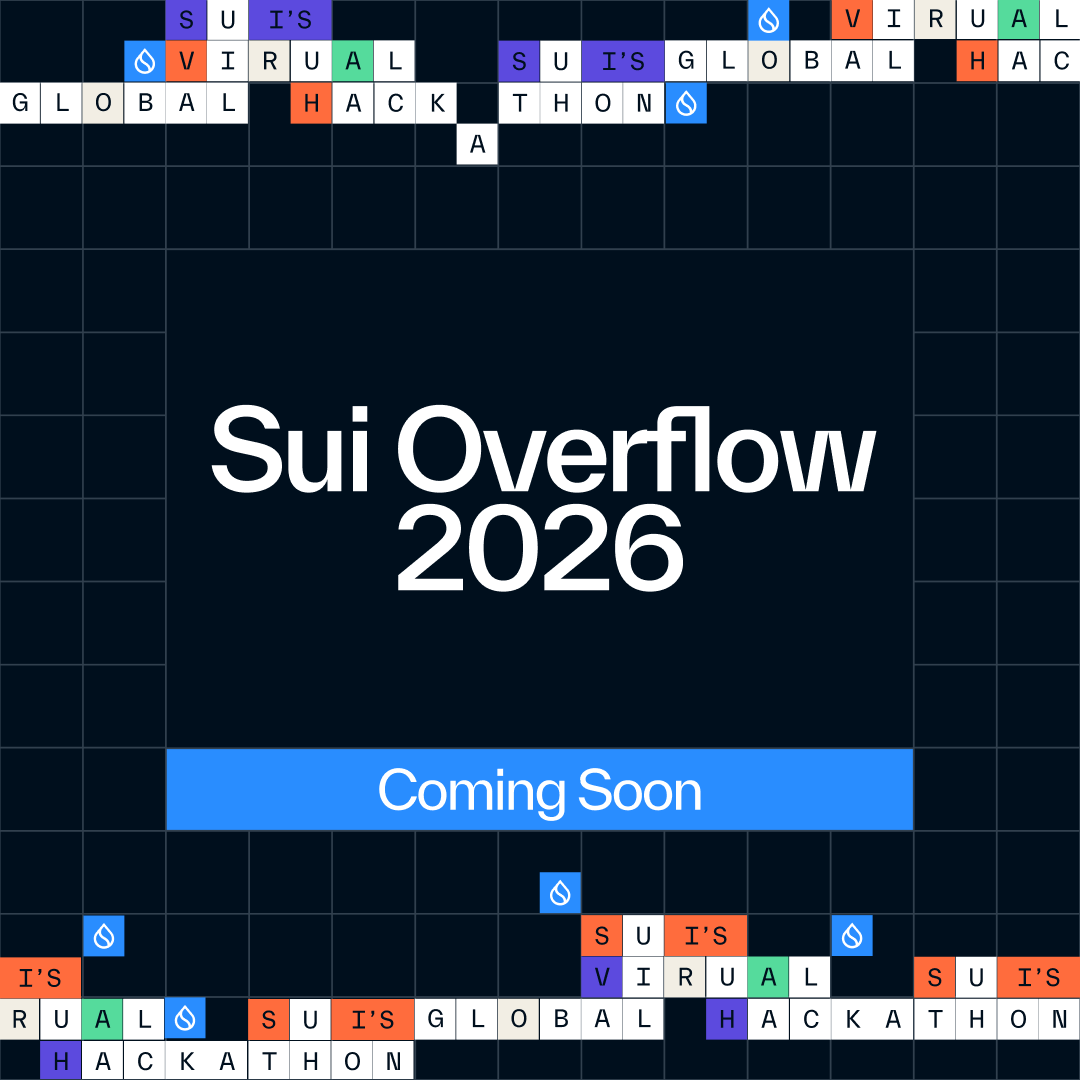
Builders, this is where it starts.
Sui Overflow 2026 is coming. Get in early 👇

23
41
300
21,605
Apr 20
Dubhe v2 Upgrade —Developer Experience 🛠
Codegen Pipeline Upgrade
• dubhe.config.ts remains backward compatible
• Now supports auto-generation for: global / user / offchain resources
• Simplifies the development workflow, no extra configuration needed.
Framework Version Gate
• Enforces strict version consistency validation
• Calls from older versions will be automatically invalidated after an upgrade.
Less setup, fewer version issues, smoother dev experience.
#Sui #DubheEngine #Web3Dev
20
11
78
2,594
Apr 17
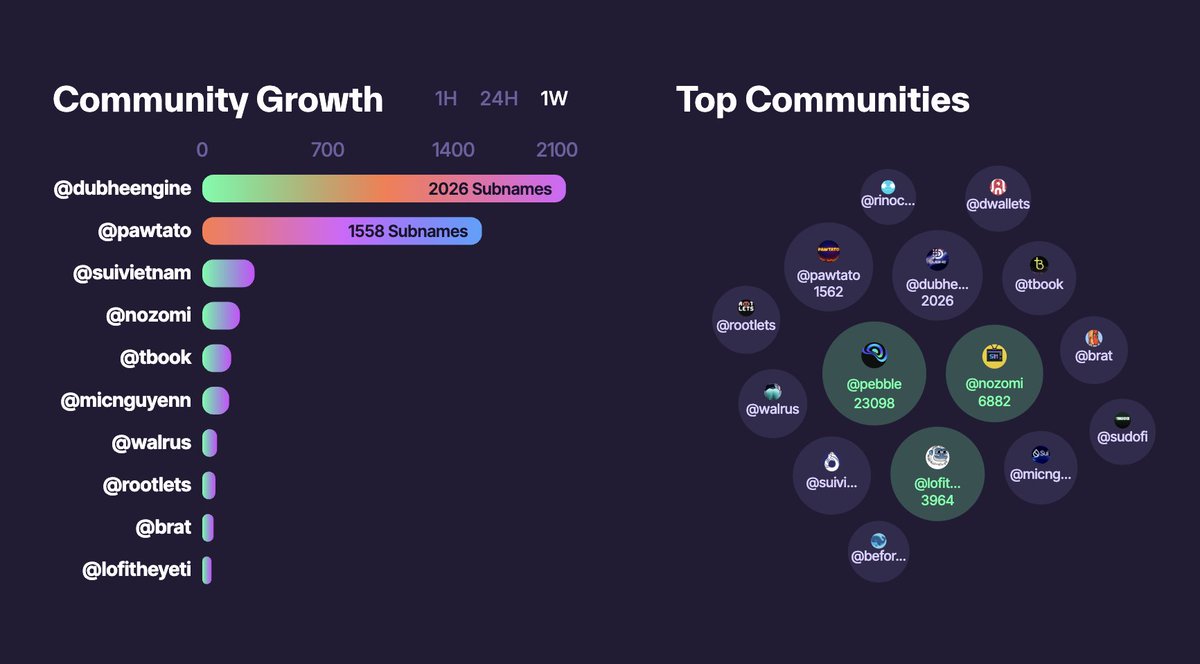
2,000 subnames in under 24 hours. 🤯
The Dubhe Engine community is ranked #1 in growth on @SuiNSdapp right now, picking up serious momentum and only getting faster.
This is more than just a number.
Every subname helps shape the community.
Join us:suins.io/communities/dubheen…
Let's gooo, your subname is waiting.🚀🔥
#DubheEngine #Sui #SuiNS #Community #Web3
22
7
72
2,288
Apr 17
Dubhe v2 Upgrade — Account & Security 🔐
Session Keys
• Enable temporary authorization (e.g. in-game scenarios)
• No need to constantly sign with your main wallet
• Revocable anytime, with automatic expiry
Ownable2Step
• Two-step ownership transfer for admin control
• Helps prevent losing access due to mistakes
Security, without sacrificing user experience.
#Sui #DubheEngine #Web3Dev
13
4
53
1,638
Apr 16
We're now live on SuiNS Communities 👥
If you're interested in next-generation on-chain applications, come join the Dubhe Engine community and explore what we're building.
Join & claim your subname (yourname@dubheengine):
suins.io/communities/dubheen…

SuiNS Communities is live. The new way to discover what's next on Sui 👥
Claim a subname (yourname@community), explore what that community holds onchain, and find your next move... then swap directly on @SlushWallet
→ suins.io/communities

19
15
88
23,519
Apr 16
Dubhe v2 Upgrade — Architecture & Performance Optimization ⚙️
The 3-layer storage model is now live:
DappHub / DappStorage / UserStorage
• Replaces the single shared DappHub bottleneck in v1
• User writes are isolated to their own storage
• Writes can now execute in parallel across users
→ Significantly improves system throughput 🚀
Optimized parallel write paths
• Removes reliance on shared global objects
• All user writes execute independently
→ Reduced consensus-layer pressure🚀
#Sui #DubheEngine #Web3Dev
11
8
61
1,882
