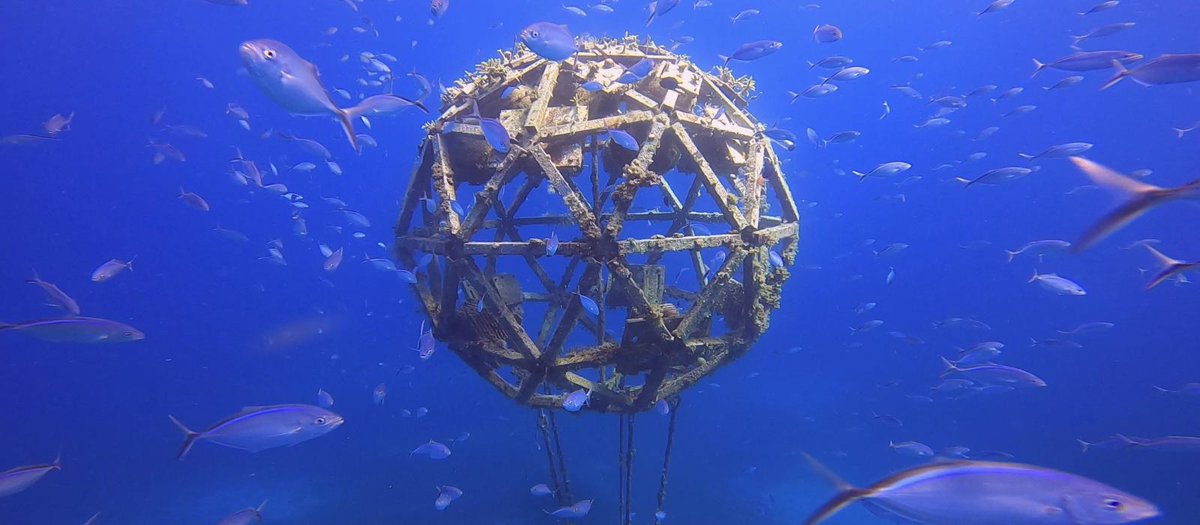
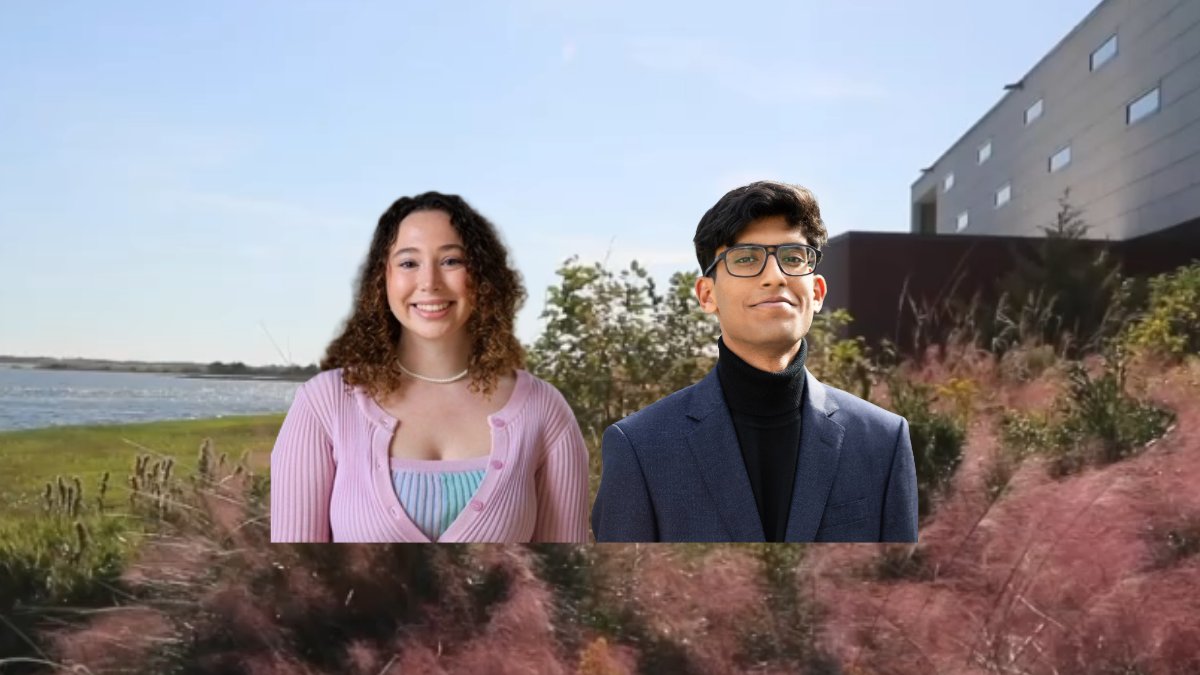
Extreme heat is reshaping ecosystems, human health and communities. Nicholas School researchers are studying topics ranging from heat stress on coral reefs to the potential links between rising temperatures and kidney disease in agricultural communities. today.duke.edu/2026/05/extre…
What if offshore wind farms could support marine life and fisheries?
New research led by Brian Silliman outlines a roadmap for "ecotech," which draws inspiration from nature to solve environmental, economic and social challenges. nicholas.duke.edu/news/intro…
Seasonal allergies are getting worse & Duke research on tree life cycles helps explain why.🌼Scientists @DukeEnvironment study rising pollen levels, while Duke Health clinicians care for patients feeling effects. Video courtesy @pattrn & @climatecentral
🎥 climatecentral.org/video/the…
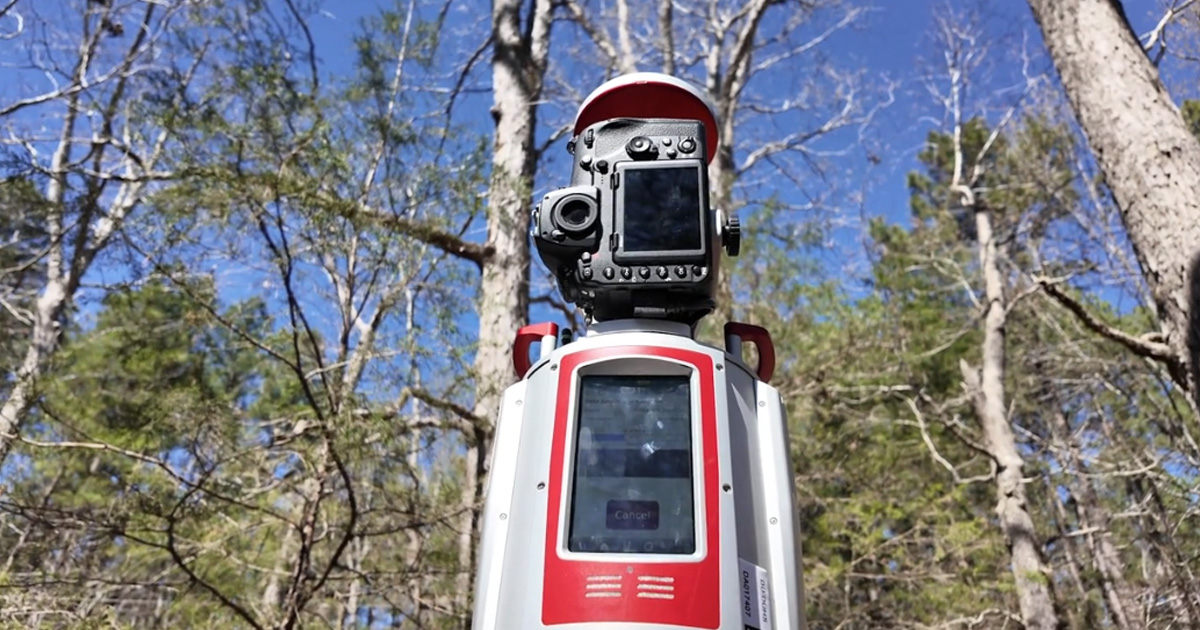
ALT A robotic scanner stands center of the image surrounded by trees with a blue sky above.
A state government leader. A Disney sustainability manager. A timberland investor.
This Earth Day, the latest Nicholas Narratives features seven alumni reflecting on their Duke journeys and where they are now. 🌎💙 duke.is/earthday
ALT Collage showing a group of students on a beach holding a Duke banner, a group covered in colorful powder celebrating outdoors, and three students taking a selfie indoors during a cultural event.
The March Research Rundown examines the geochemistry of South America's lithium trove, the impact of tree structure on seasons, how disaster damage shapes policy support, and the influence of stingrays on seagrass growth. nicholas.duke.edu/news/march…
The vast, boundless waters surrounding Antarctica play an outsize role in global climate, largely thanks to plankton that soak up carbon. A new DNA survey led by researchers, including Nicolas Cassar, offers fresh insight into their role in climate change. nicholas.duke.edu/news/resea…
In this month's Research Rundown: Tree growth tradeoffs in a warming world, air purifiers and fire smoke, wild rice stewards, and a predator-like threat to whales. Read the full Rundown: nicholas.duke.edu/news/febru…
The Nicholas School and the Duke Divinity School are pleased to announce new concurrent degree programs at the intersection of theological studies and environmental issues. nicholas.duke.edu/news/new-c…
What do we know about the effects of historic lithium mining on North Carolina water quality? A team from the Nicholas School of the Environment recently reported results from a study on surface water and groundwater: nicholas.duke.edu/news/when-…
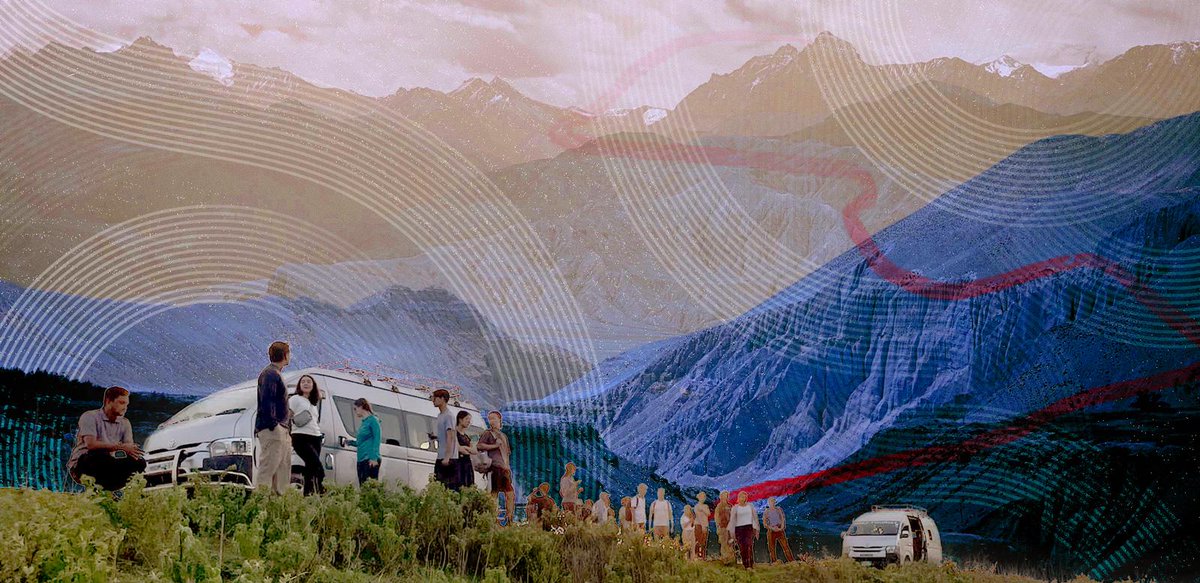
Duke researchers and students traveled across Nepal, from Lumbini to Lo Manthang, to explore how climate change is impacting people and communities. Read the latest Nicholas Narrative: nicholas.duke.edu/narratives…
ALT Collage-style image of students and faculty gathered near white vans in a grassy field with a dramatic mountain range in the background. Overlaid with circular graphic patterns and a red winding path, symbolizing exploration and learning in the field.
Introducing the Research Rundown, highlighting papers published by faculty and students across our academic divisions.
This month: electric vs. gas vehicles, microbe-embryo interactions, data center energy demand and classifying small-scale fisheries. nicholas.duke.edu/news/janua…
Deepfake whales, lithium mining, urban biodiversity and energy system forecasting are just a few of the topics explored in the Nicholas School’s top research and impact stories of 2025. nicholas.duke.edu/news/2025-…
It's been 15 years since an independent performance review of the regulatory bodies that manage fisheries in two-thirds of our oceans. A new analysis led by Gabrielle Carmine, Ph.D.'25, and Pat Halpin’s lab, provides an updated picture. nicholas.duke.edu/news/high-…
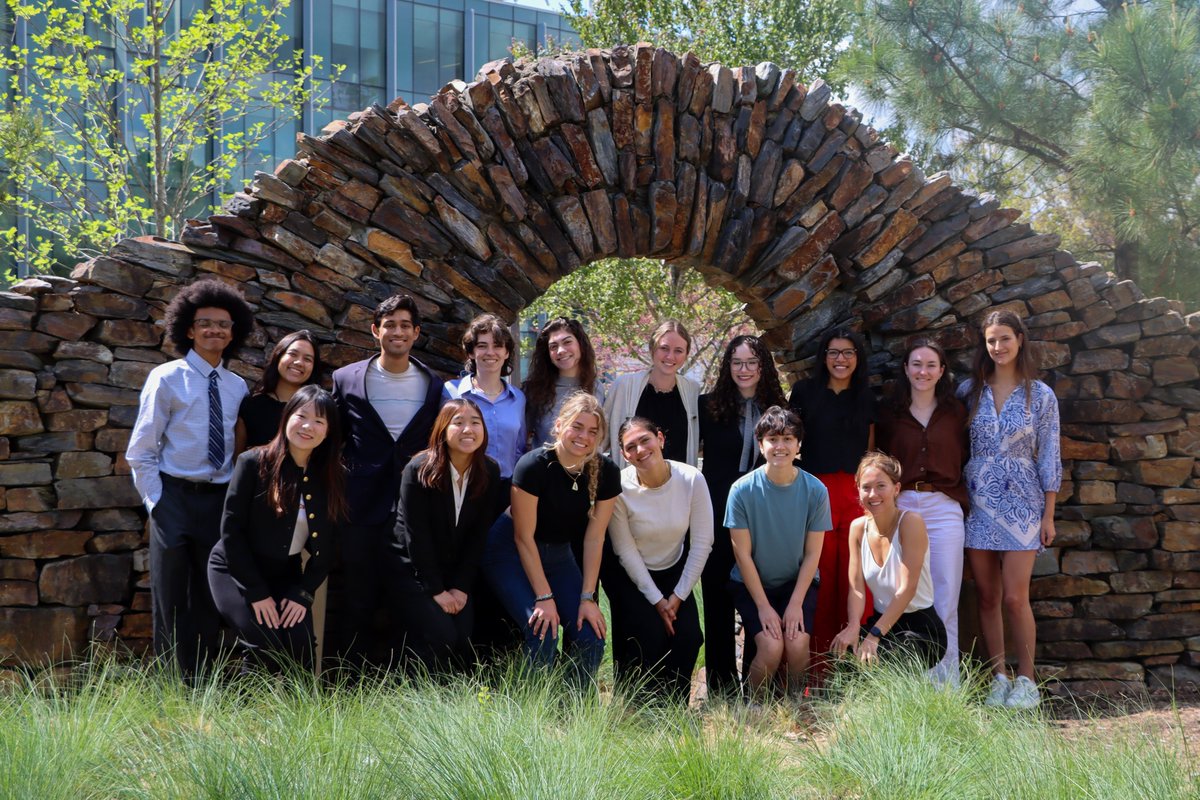
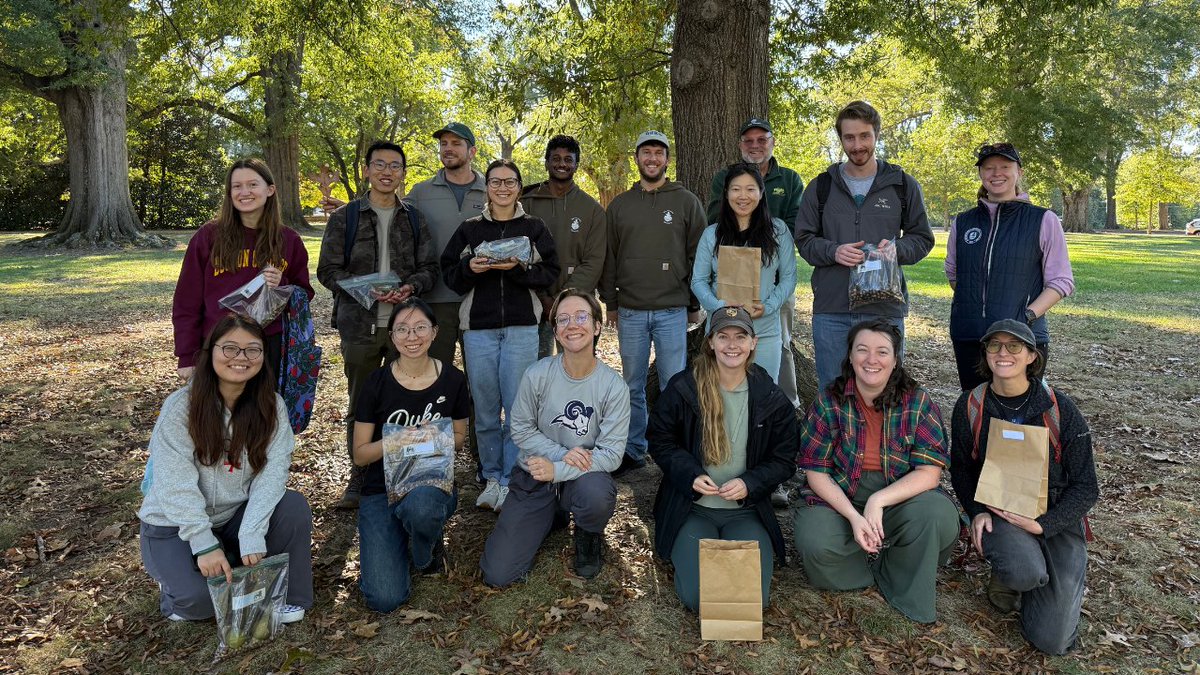
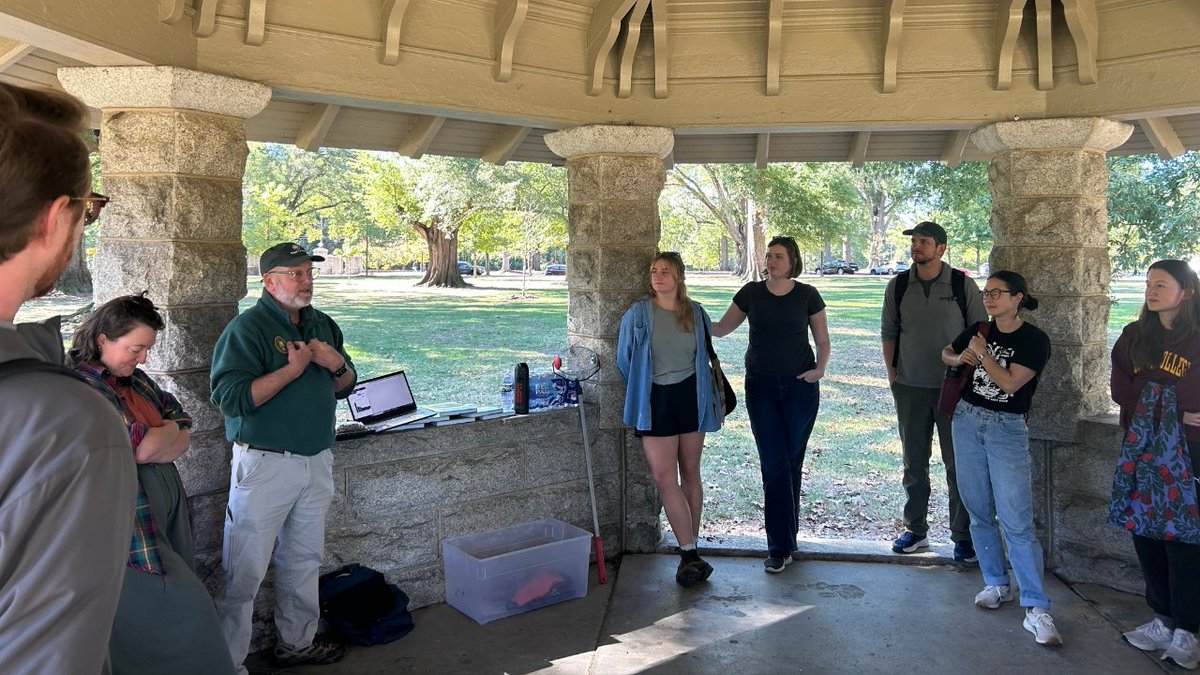
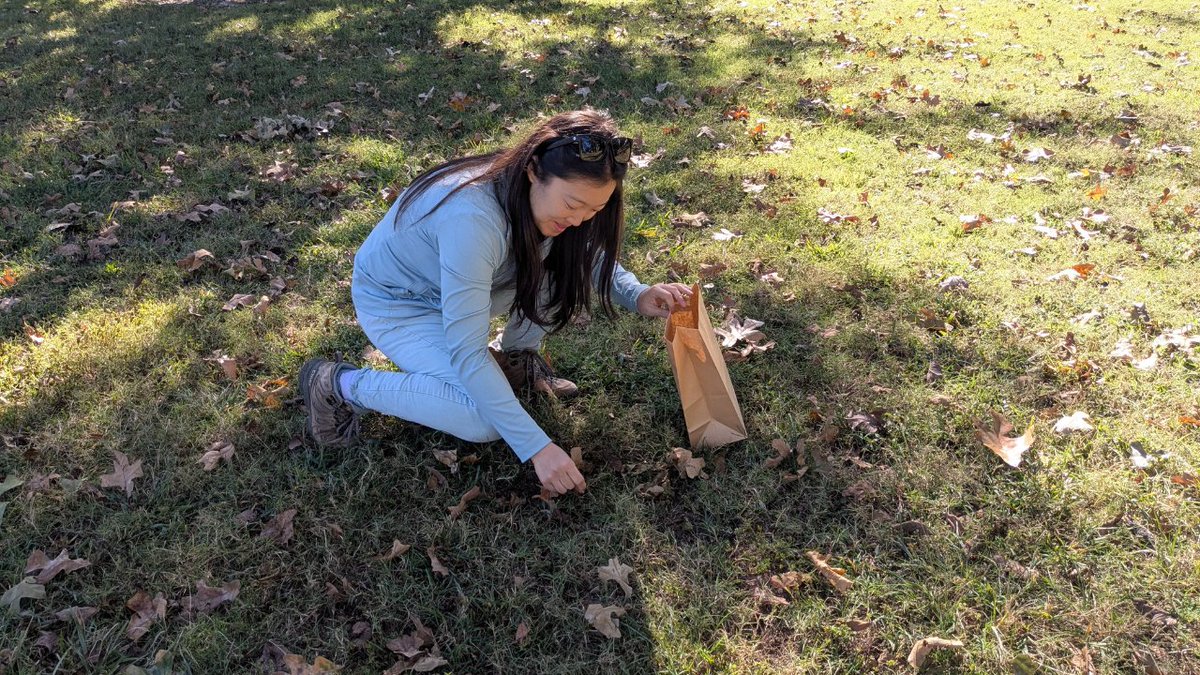
On a recent Friday, 16 students from @DukeEnvironment and a handful of Duke staff members traversed East Campus, looking high and low for seeds that will ensure the future of Duke’s tree canopy.
Read more on Facebook: bit.ly/4avKzdF
In this issue of Coastwatch, Julie Leibach of @DukeEnvironment details ongoing research to see how hyper-realistic videos and images called "deepfakes" can help scientists study rare species like the North Atlantic right whale. go.ncsu.edu/deepfake-whales
The late coastal geologist Orrin Pilkey frequently spoke about the dynamic nature of N.C.'s barrier islands. In this essay, Pilkey's son Charles explores the geologic processes that formed those islands and other ocean features less visible to the eye: duke.is/wlb
ALT Stylized illustration of a lighthouse casting a beam of light across a rocky coastline, with the “Nicholas Narratives – Duke Environment” logo appearing in the upper-right corner.
Feeling the squeeze from rising electricity rates? Cost savings are hiding in plain sight, explains Ph.D. student Tyler Norris, in an op-ed for @nytimesduke.is/energy-nyt
Congrats to Ph.D. student Tyler Norris, who was named to the 2025 @TIME 100 Climate list. His research on electric power systems is helping the tech and energy industries find ways to meet rising electricity demand using the existing grid.
time.com/collections/time-10…
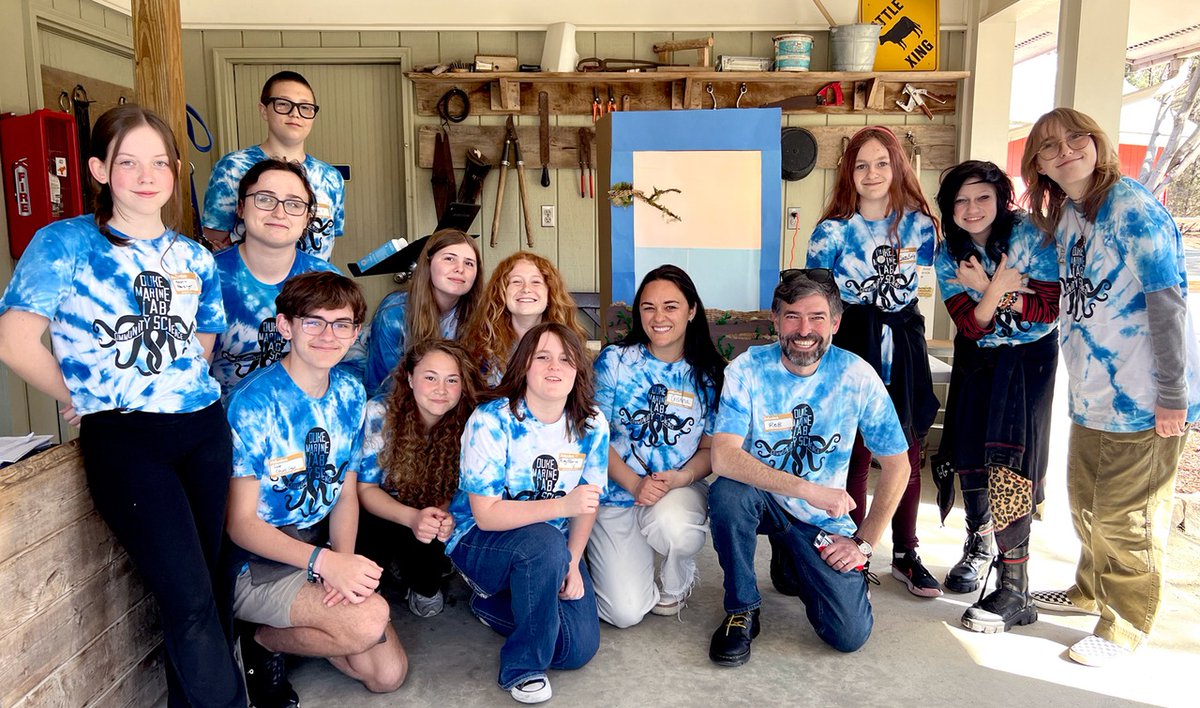
A year after Hurricane Helene, young North Carolina students are learning resilience through fables and shadow puppets, turning challenges into strength.
See how this curriculum is preparing our coastal communities: nicholas.duke.edu/narratives…@NichInstitute | @DukeEnvironment
ALT A group of 15 people poses together in a workshop setting, wearing matching blue tie-dye shirts featuring an octopus design. Behind them is a painted backdrop depicting a simple beach scene. The group appears to be engaged and cheerful, conveying a sense of camaraderie.
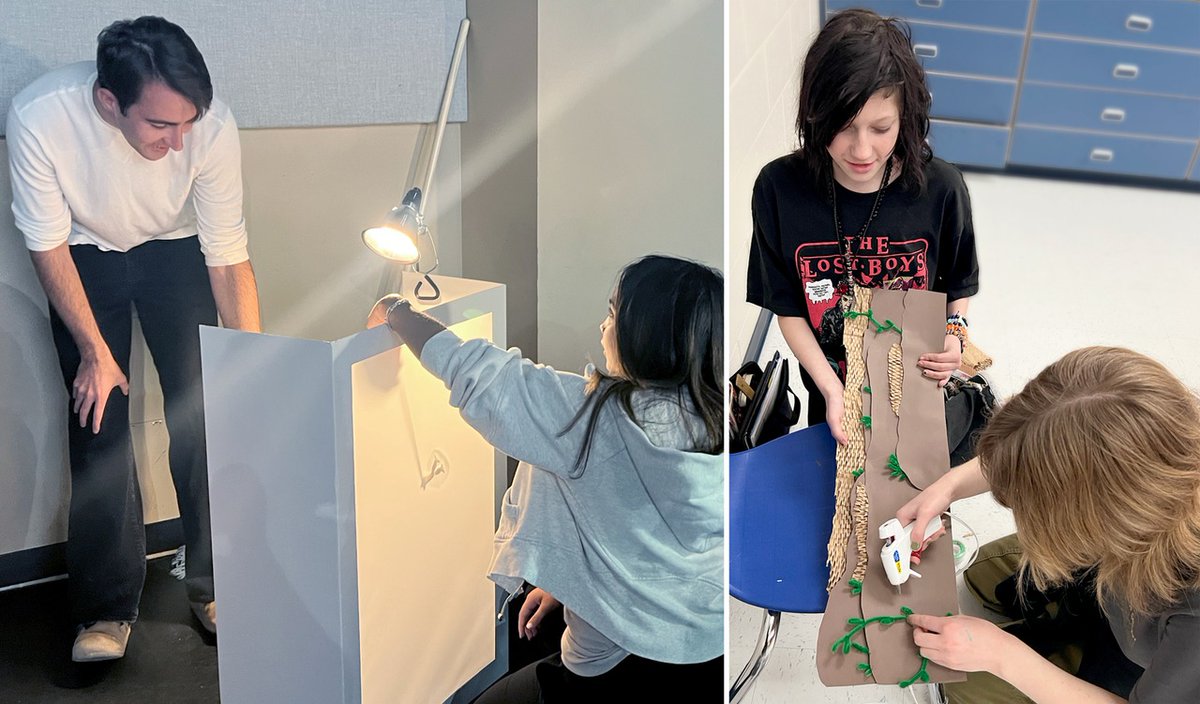
ALT A split image showing two scenes. On the left, a young man leans over to observe a young woman working with a lamp and a white surface. On the right, two young women collaborate on an art project, adding details to a cardboard piece decorated with green accents.