
A collaborative department with associated PhD programs broadly focused on research related to cellular signaling and its impact on disease
Joined May 2021
- Tweets 596
- Following 103
- Followers 642
- Likes 225
122 Photos and videos
Pinned Tweet

In addition to our X account, the Duke Department of Pharmacology and Cancer Biology is now sharing news, research, and departmental highlights on LinkedIn.
Follow us to stay informed and connected: linkedin.com/company/duke-de…
280
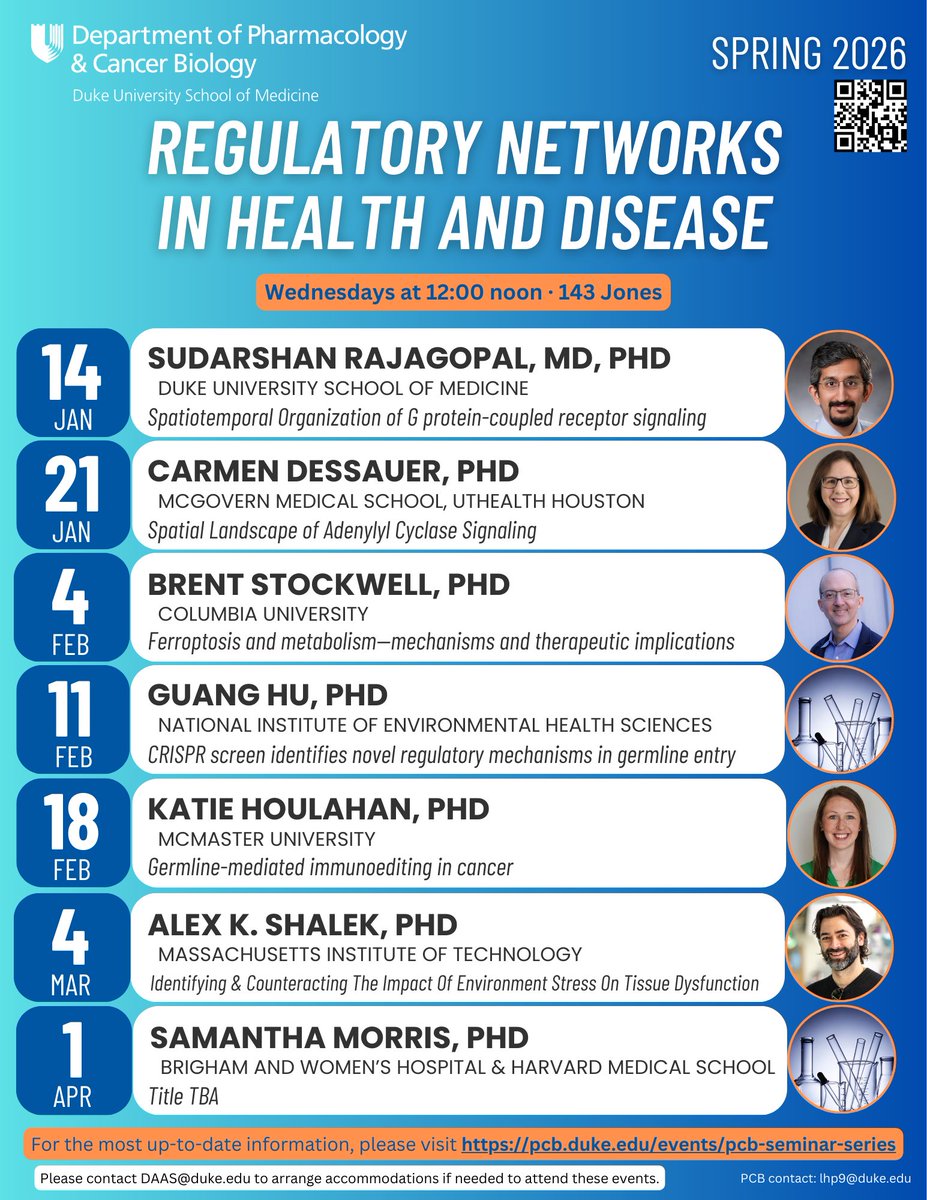
📣The Spring 2026 schedule of the PCB seminar series entitled Regulatory Networks in Health and Disease has been released! 📣
Details: pcb.duke.edu/events/pcb-semi…
51
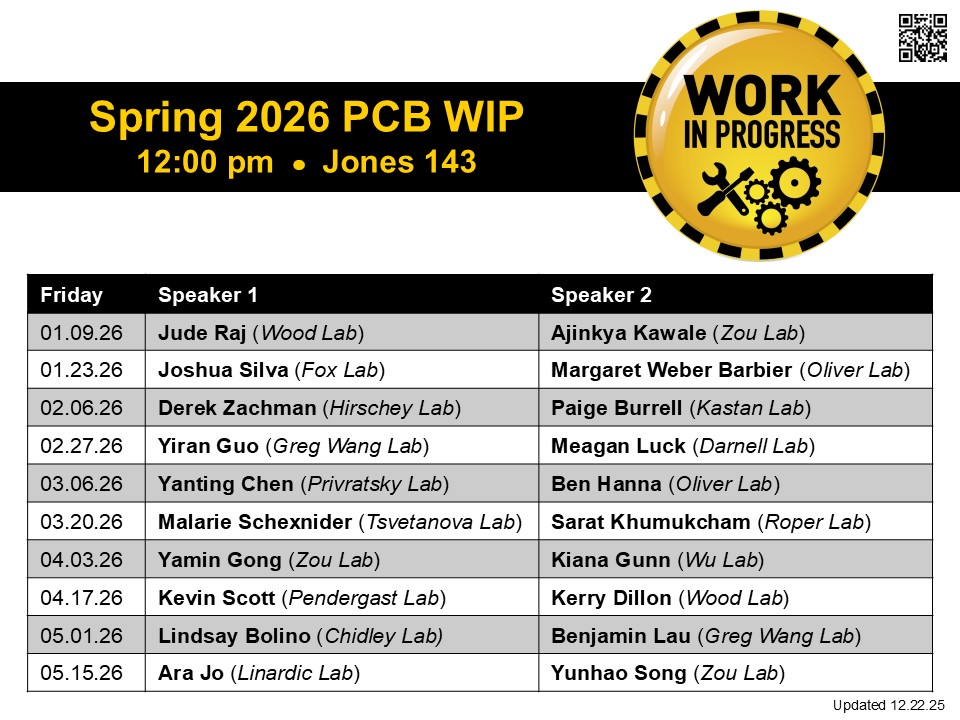
📣The Spring 2026 schedule of the PCB Works in Progress series has been released!📣
pcb.duke.edu/events/works-pr…
46
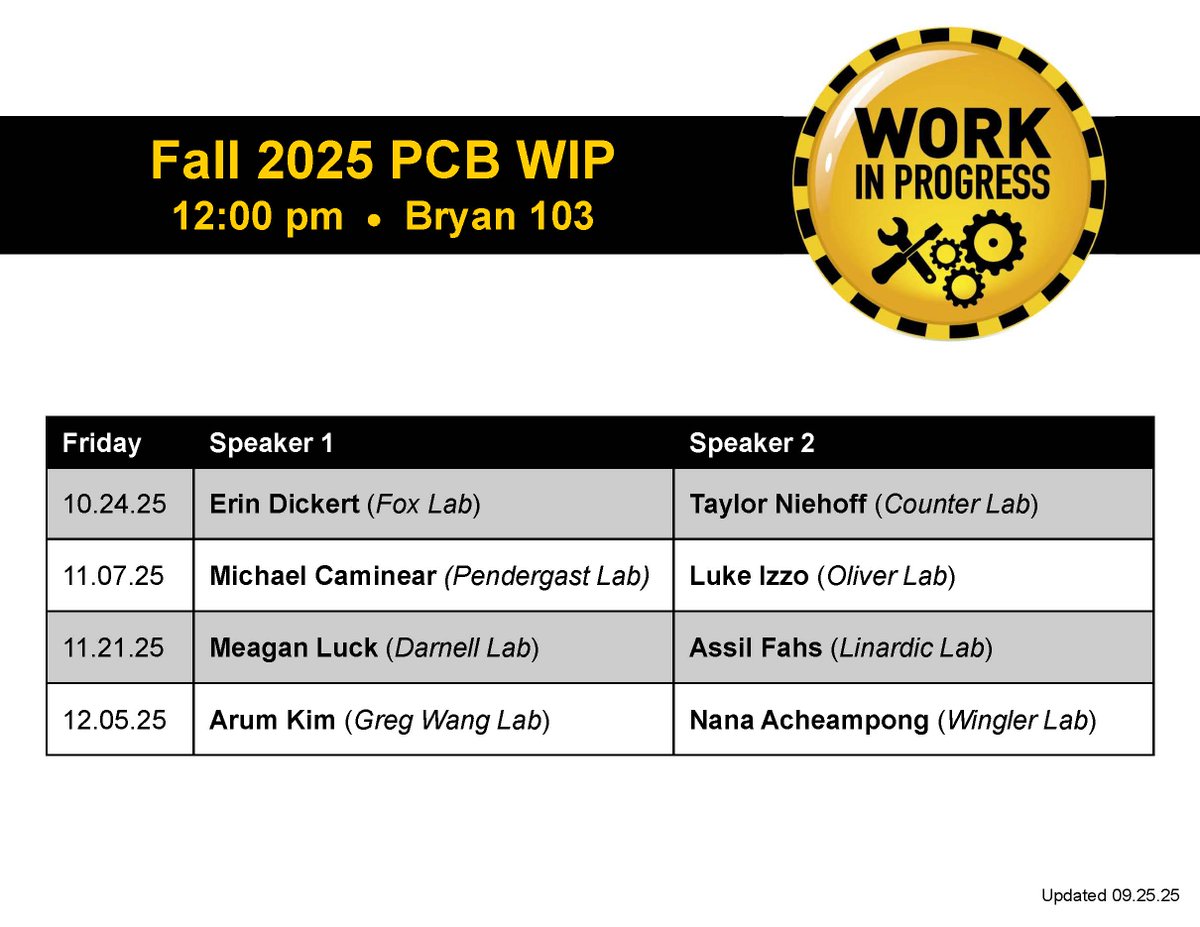
Join us tomorrow for our first Works in Progress of the semester in Bryan 103 at noon!
1
140
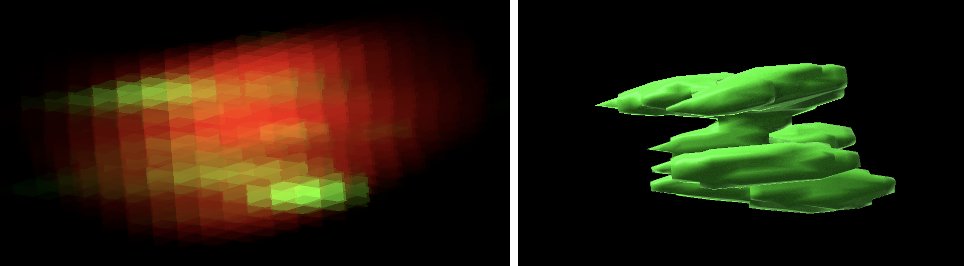
Archan Chakraborty and colleagues in the Fox lab on their preprint describe a new role of COX7A in cardiomyocyte ploidy: doi.org/10.1101/2025.09.29.6…

What prevents an enlarged heart? Check out our new preprint: "Organ-specific rewiring of mitochondrial integrity through COX7A dictates cellular ploidy." First author is K99/R00 fellow Archan Chakraborty- currently on the job market!!!
biorxiv.org/content/10.1101/…
1
250
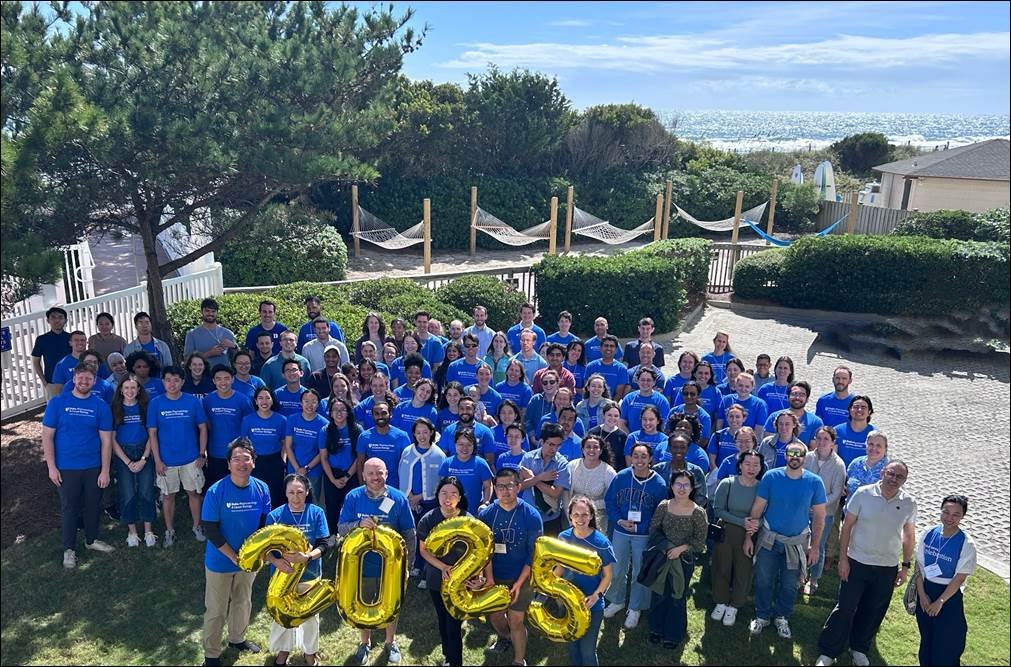
What a weekend! PCB came together for an inspiring departmental retreat full of outstanding science and community building. A special thank-you to our keynote speaker @bradylabupenn as well as faculty and trainee speakers for sharing your science and making this event a success.
1
9
2,542
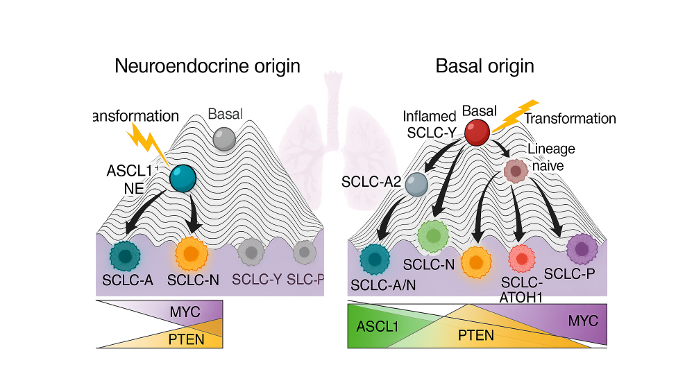
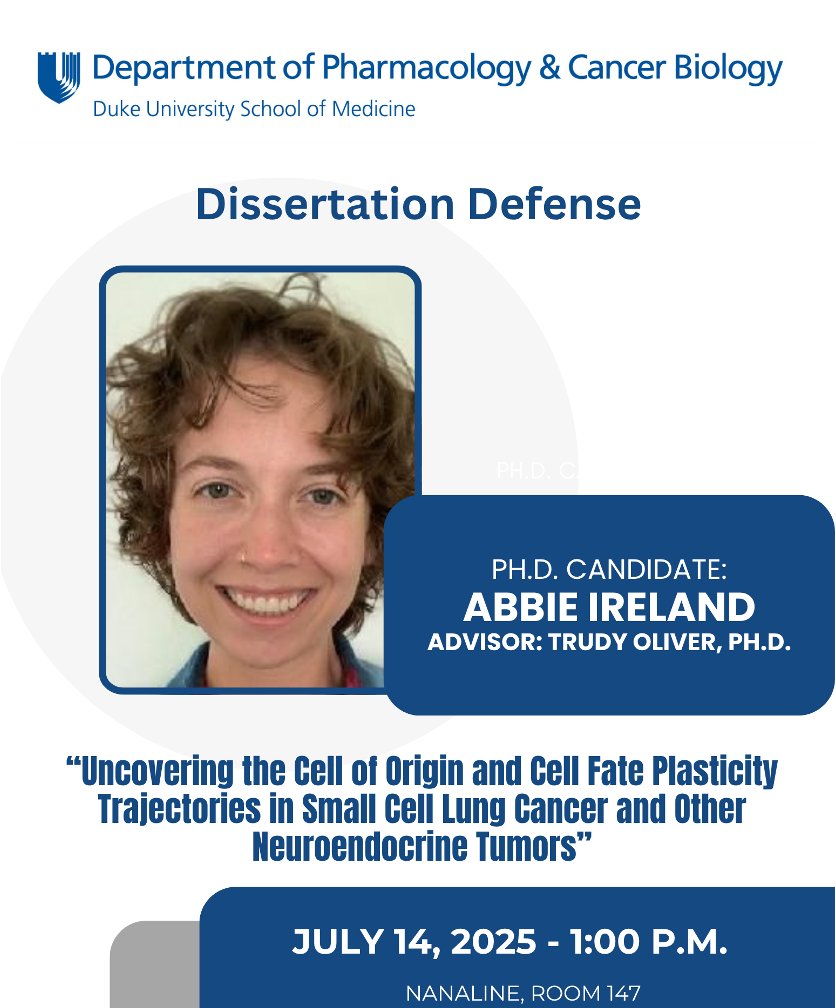
📢A new study led by Abbie Ireland in the Oliver lab overturns long-standing beliefs about the origins of small cell lung cancer! 1/2
1
4
387
Abbie and team show that basal stem cells, not neuroendocrine cells, can give rise to both classic and tuft-like SCLC. Implications for detection, treatment, and tackling therapy resistance.
The study: doi.org/10.1038/s41586-025-0…
Highlight: corporate.dukehealth.org/new…
112
📣Nominations are now open for the following awards:
-Outstanding Postdoc at Duke (nominate here: duke.qualtrics.com/jfe/form/…)
-Outstanding Postdoc Mentor at Duke (nominate here: duke.qualtrics.com/jfe/form/…)
Deadline to nominate: 9/10/25 at noon
More info: research.duke.edu/postdoc/aw…
1
1
204

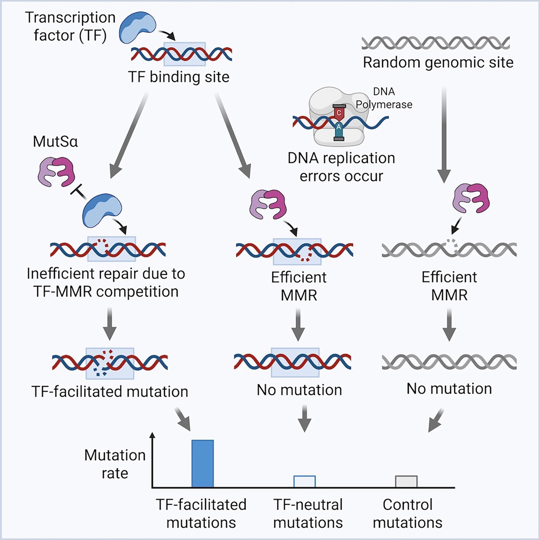
New work from the MacAlpine Lab uncovers that transcription factors compete with DNA repair proteins, leading to increased mutagenesis at regulatory sites. This mechanism explains mutational clustering in cancer genomes and reveals a mutagenic cost of transcriptional regulation.
1
86
This study was a collaborative effort with the Gordân Lab (UMass/formerly Duke), Jinks-Robertson Lab (Duke), Erie Lab (UNC), and Weninger Lab (NC State), an amazing cross-institutional team tackling the intersection of DNA repair, gene regulation, and cancer biology.
1
79
Read here: doi.org/10.1016/j.cell.2025.…
51
Belated congratulations to our colleague, Dr. Kris Wood, on his @TheVFoundation grant.
28 Jul 2025

Congratulations to DCI's Kris Wood, PhD, on receiving this year's All-Star Translational Cancer Research Grant from @TheVFoundation. Wood's research will focus on drugs that can kill residual #LungCancer cells.
duke.is/2/mfxt
@DukeHealth | @Duke_PCB
6
354
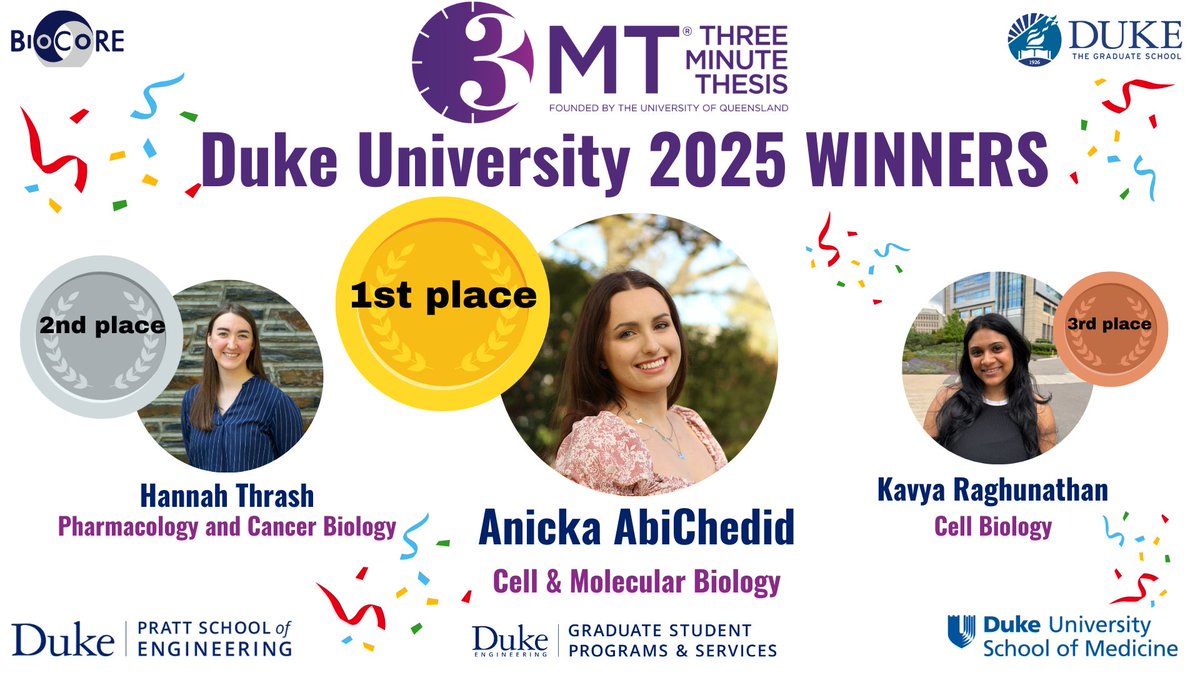
🎉👏Congratulations to Anicka AbiChedid (Counter Lab) and Hannah Thrash (Pendergast Lab) for placing in the 2025 3MT!
3
571