
Diagnostician. Author of Diagnomicon. Gang of One. Software Surgeon. Machine Learning and AI for Software Diagnostics and Observability. Generative Debugging.
Joined June 2009
- Tweets 28,256
- Following 6,051
- Followers 7,976
- Likes 2,194
2,184 Photos and videos
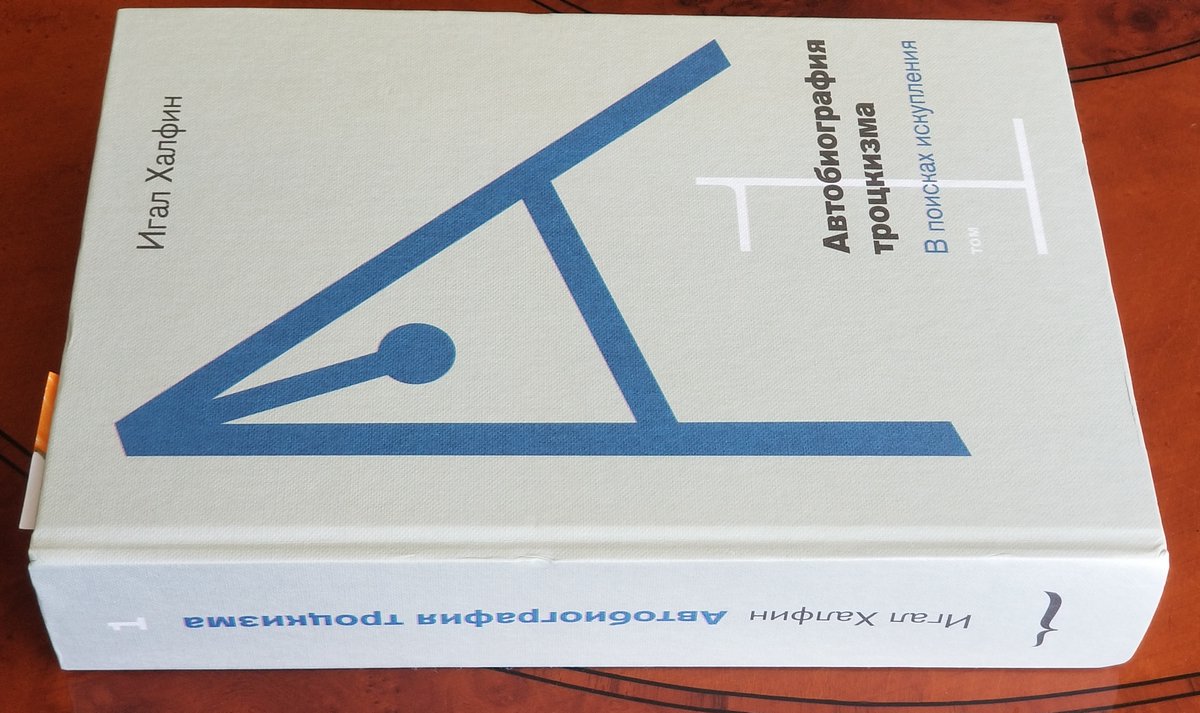

I'd been reading the 700-page eBook "Autobiography of Bolshevism: Between Salvation and the Fall" for 1.5 years while commuting infrequently. It has some chapters on diagnostics, which I didn't mention in my post in November, 2024. It only covers the period up to 1924-25. I finished it yesterday and started reading the next book, now in hardback, from the same author, the 2-volume, almost 2,000-page set "The Autobiography of Trotskyism: In Search of Redemption". On my eBook reader, instead, I'm now reading another book about the Bolsheviks, partially related to cryptography, which I'll post about next time. The book summary from the Latvian seller's site where I got it: "Igal Halfin's large-scale research project is devoted to the key ritual of Bolshevism - the critical analysis of one's own "I", the re-forging of the personality with the help of communist ethics. Analyzing the process of this specific form of self-knowledge, as reflected in the era's ego-documents, the author seeks to understand how the Great Terror became possible and why the Bolsheviks themselves perceived it as natural. This book is the second part of the study, which differs from the first ("Autobiography of Bolshevism") in its greater chronological coverage (the narrative goes up to 1937) and is based mainly on materials from Siberian archives. The heroes of this book are oppositionists: ordinary communists, peasants with partisan experience, trained workers, builders of Kuzbass, then expelled from the party and imprisoned in camps as Trotskyists or Zinovievists. Using their ego documents and materials from the control commissions of the 1920s, Halfin traces the internal logic of the thinking of the future victims of the Great Terror, as well as the changes in language and worldview that accompanied the political and ideological transformations of the post-revolutionary era. Igal Halfin is a professor in the Department of History at Tel Aviv University, and a specialist in early Soviet history, literary theory, and cinema."
2
34
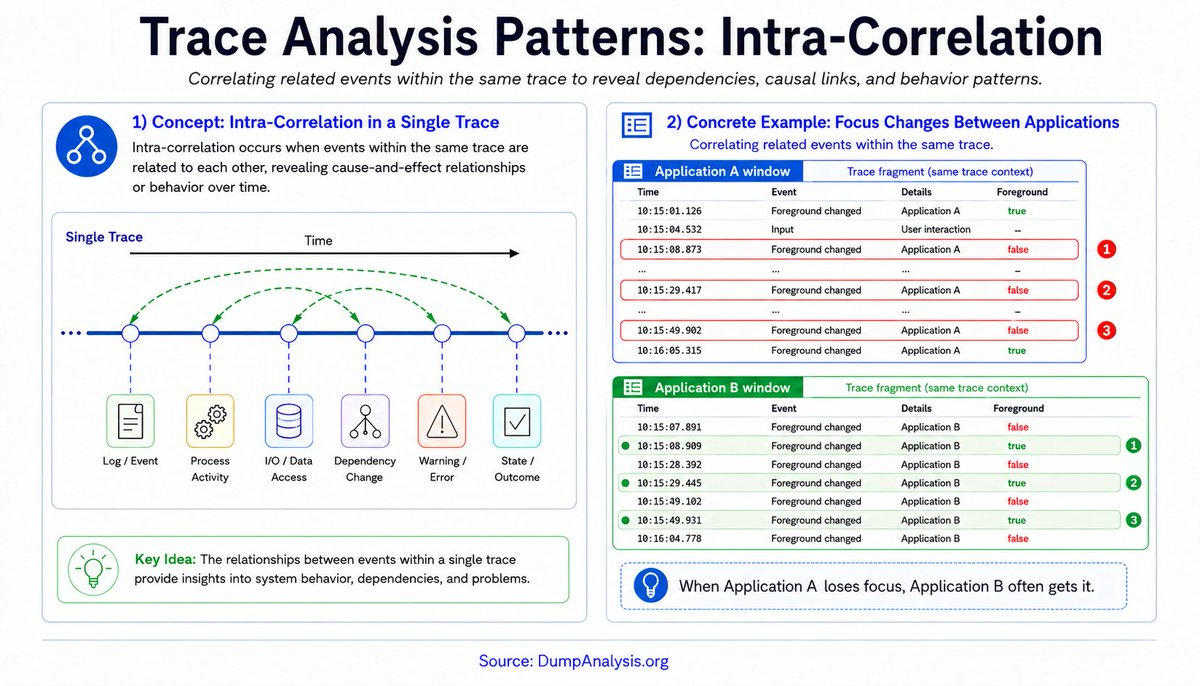
An AI-generated illustration of the Intra-Correlation trace and log analysis pattern.
1
110

The bundle x86-64 Assembly Language and Windows Pattern-Oriented Disassembly Analysis by Dmitry Vostokov is on sale on Leanpub! Its suggested price is $69.00; get it for $44.99 with this coupon: leanpub.com/b/disassembling/… @DumpAnalysis
1
1
135

Jun 13
I've finished watching Hands-on Generative AI Using OpenAI APIs (3 hours). It was a good refresher in the context of the new Responses API. credly.com/badges/eb137a74-5…
73
Jun 12
Brings back distant memories of my first computer and OS (PDP-11 Soviet Union clones RSX-11M) and my work in a machine room with system terminals, where all the booting occurred. sim-11.net/
82
Jun 11
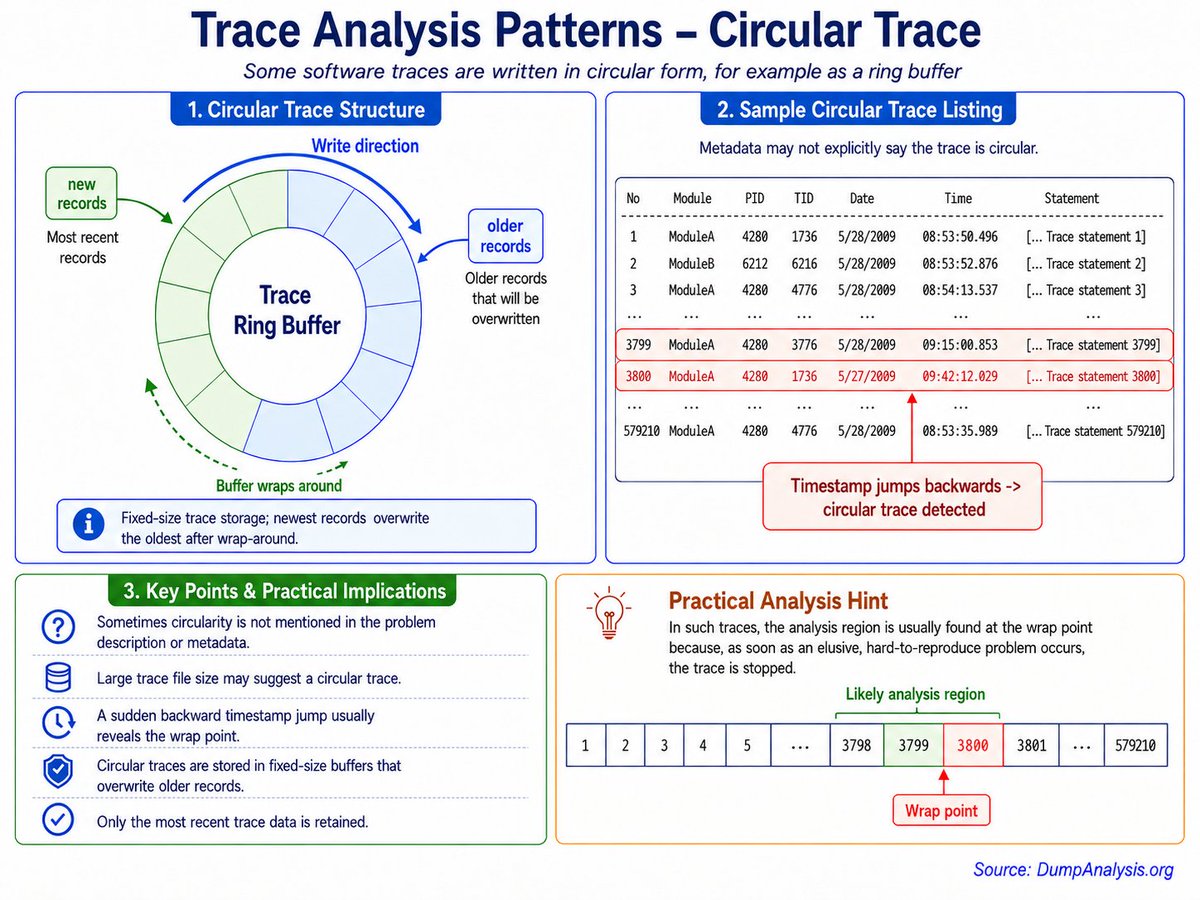
An AI-generated illustration of the Circular Trace analysis pattern.
1
124
Jun 11
Analogical Reasoning in Science (free online for the next 2 weeks) cambridge.org/core/elements/…
1
65
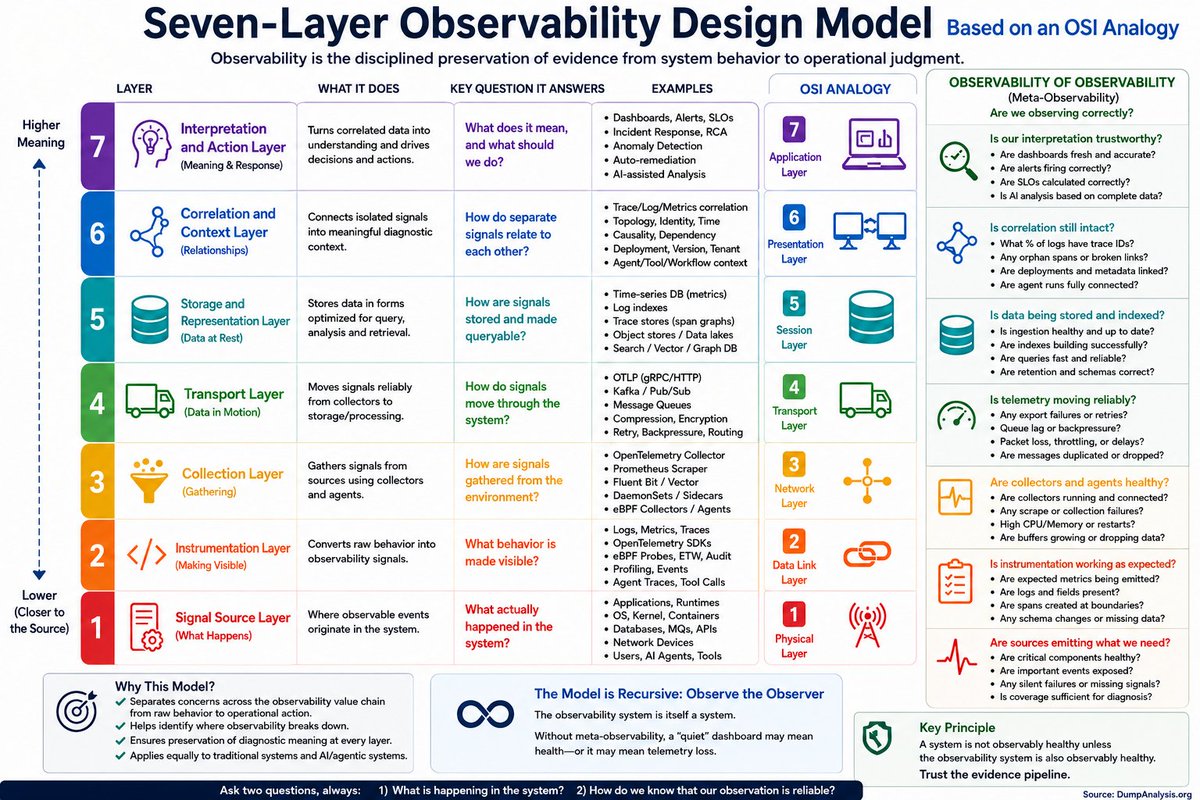
Seven-Layer Observability Design Model: Based on an OSI Analogy dumpanalysis.org/7-layer-obs… The detailed article with examples is forthcoming.
99
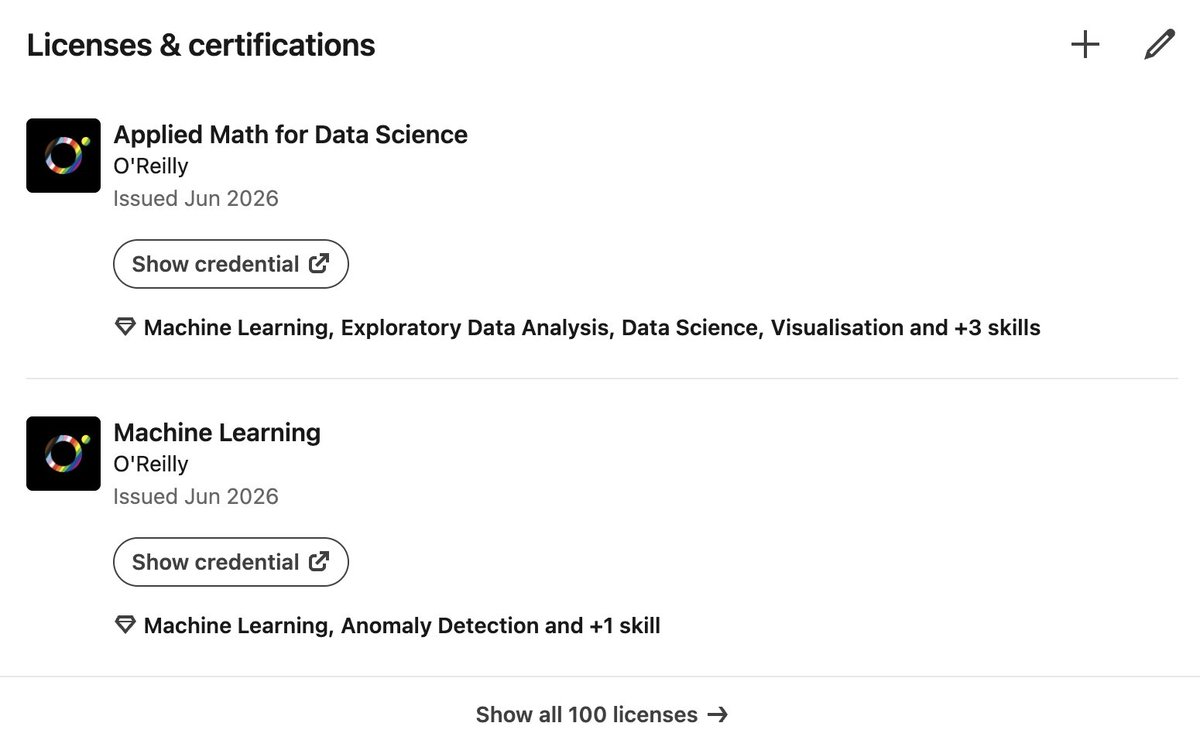
I've finished the Applied Math for Data Science course ( 5 hours). It was a good refresher on some basic concepts that I had previously only learned from books, so it was helpful to hear how the terminology is pronounced. credly.com/badges/f9710bb2-8…
70
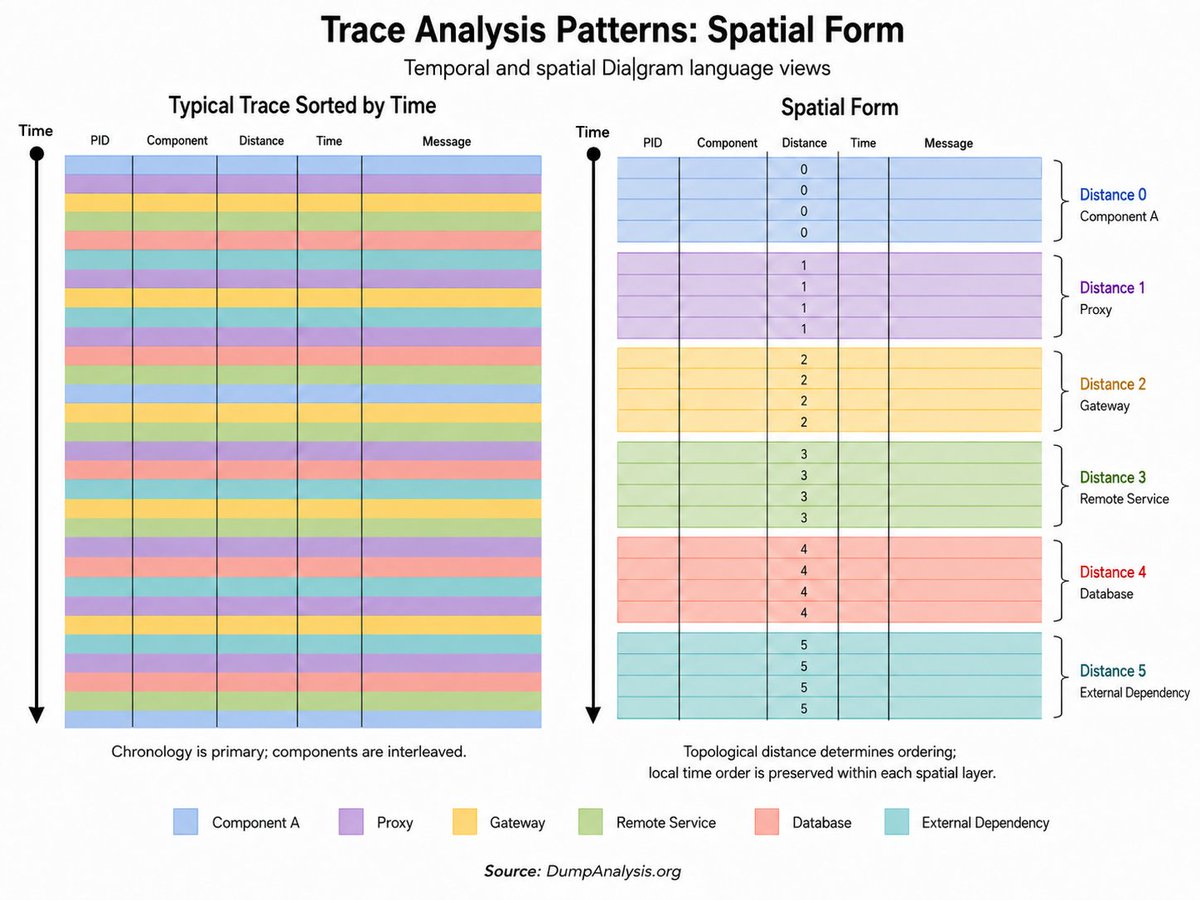
Spatial Form trace and log analysis pattern has been submitted to the Software Diagnostics Library: dumpanalysis.org/blog/index.…
The Spatial Form analysis pattern idea came from Joseph Frank’s "The Idea of Spatial Form," which I read about in another book on literary narrative that I'm going to post separately. I also showed GPT-5.5 a few examples of my Dia|gram language, and it created an illustration, saving me time that would have been spent doing this manually in Visio.
4
297
Listening to the next set of chorale cantatas while working on the next trace and log analysis pattern: tidal.com/album/474723051/u
1
78
I've finished watching Machine Learning from Scratch: Build Machine Learning Algorithms from Scratch with Python (5 hours). It was a good refresher for me on basic, non-DNN traditional ML approaches. credly.com/badges/83cff601-9…
62
A reminder that tomorrow is the last day for this Summer sale!

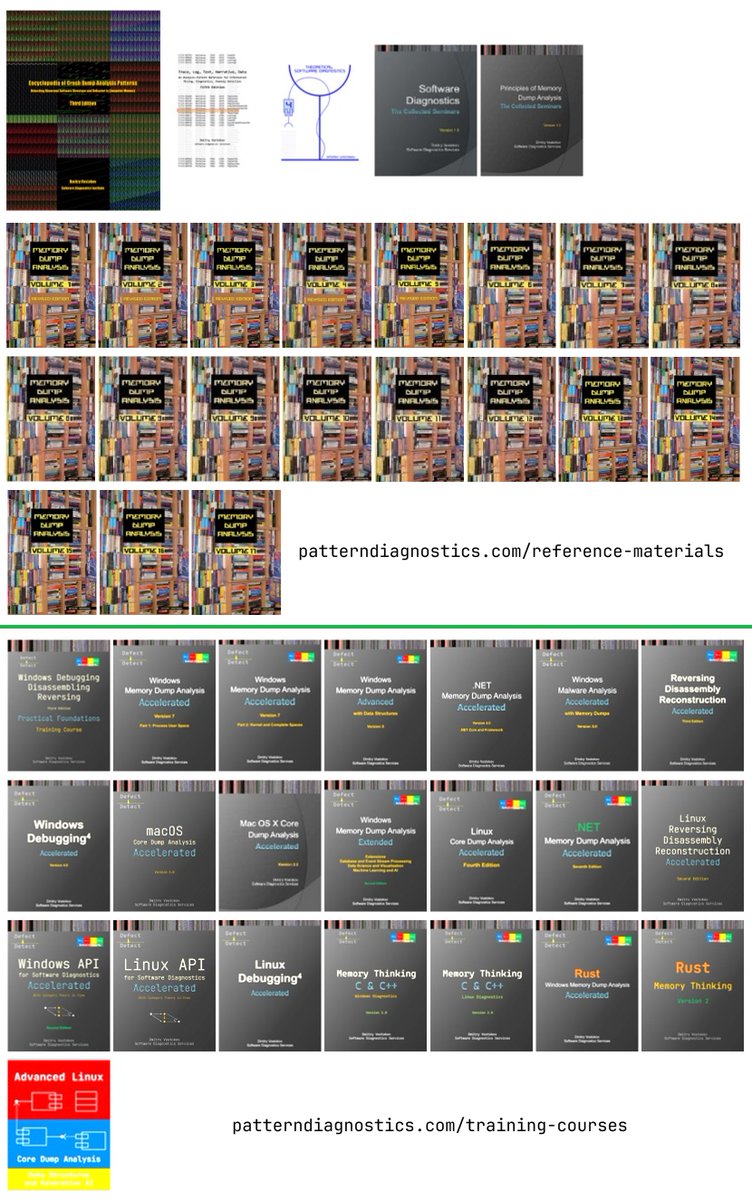
June Summer Sale. Start your Summer by learning diagnostic analysis patterns. 50% discount · 1–5 June inclusive.
patterndiagnostics.com/june-…
- Memory Dump Analysis Anthology Volume Set (Diagnomicon)
- Pattern-Oriented Software Diagnostics and Anomaly Detection Reference Set
- GDB Training Pack
- WinDbg Training Pack
- Complete Pattern-Oriented Software Diagnostics Training Pack
84
I've just finished the "Building with the Claude API" course from Anthropic: a good refresher on topics also applicable to other providers. verify.skilljar.com/c/cbnxnz…
1
74
Dmitry Vostokov 🇮🇪 retweeted

Jun 3
Cleaned up my old ETW notes from Obsidian and put them into one post.
No new research here.
Just a practical map of the parts I keep coming back to, providers, sessions, kernel loggers, ETWTI, tampering, and detection.
kernullist.github.io/kernull…
56
236
12,030
MarxistLLM brings my school memories :-) journals.sagepub.com/doi/ful…
2
133
June Summer Sale. Start your Summer by learning diagnostic analysis patterns. 50% discount · 1–5 June inclusive.
patterndiagnostics.com/june-…
- Memory Dump Analysis Anthology Volume Set (Diagnomicon)
- Pattern-Oriented Software Diagnostics and Anomaly Detection Reference Set
- GDB Training Pack
- WinDbg Training Pack
- Complete Pattern-Oriented Software Diagnostics Training Pack
5
269