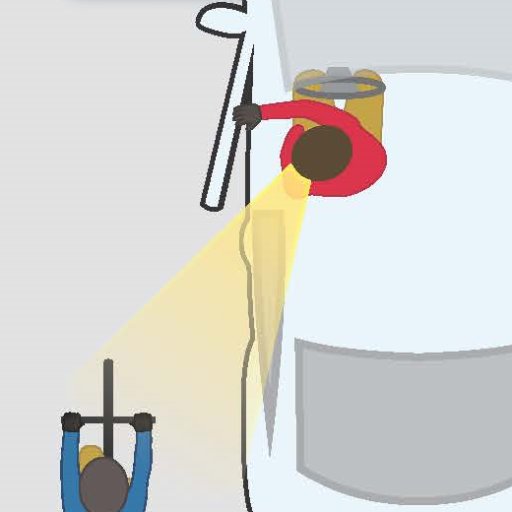
#DutchReach Project 2 prevent #dooring. Use/Teach/Promote Dutch far-hand opening habit. c DR site 4 int'l grassroots educ, advocacy news. & @dutchreach@masto.ai
Joined September 2016
- Tweets 30,529
- Following 1,027
- Followers 534
- Likes 11,507
3,186 Photos and videos



Michael Charney retweeted

Jun 12
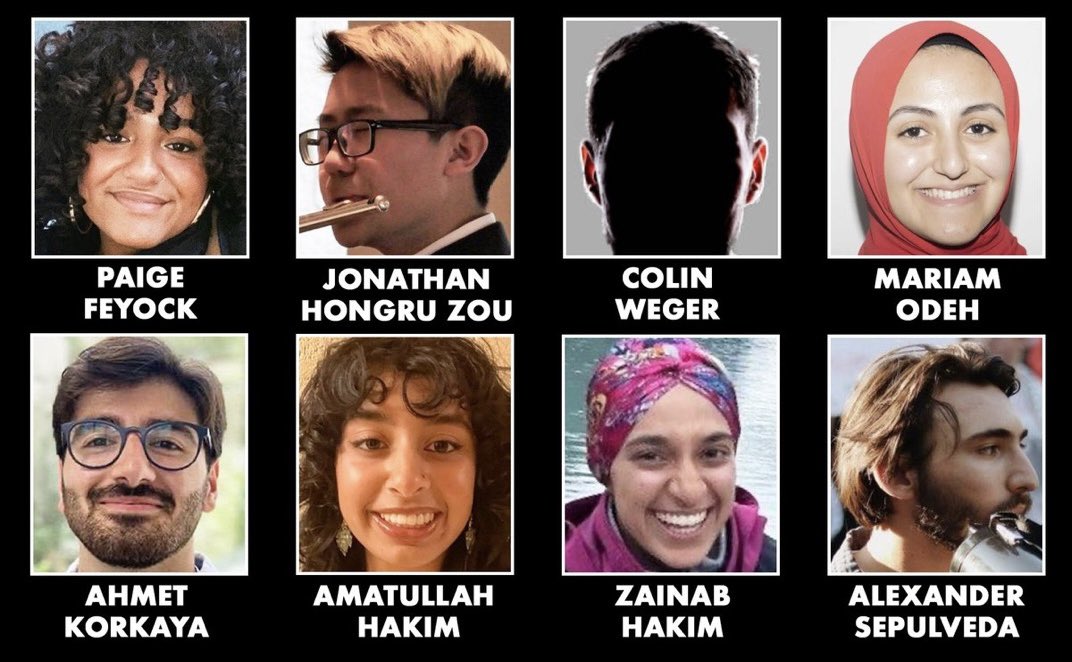
HORRIFYING: Eight pro-Palestinian students at the University of Michigan have been indicted for allegedly vandalizing the homes of and plotting to poison and murder members and families of the local Jewish and pro-Israeli community.
The opposite would never happen, but can you imagine if it did? The country would be in an uproar. Unfortunately, the extreme violence and terrorism of the pro-Palestinian movement have been too normalized.
Even worse, one of them is a former staffer for Abdul El-Sayed, the Muslim candidate for Senate in Michigan.
They are now facing up to 20 years in prison.
415
3,757
8,229
133,325
Michael Charney retweeted

Jun 12
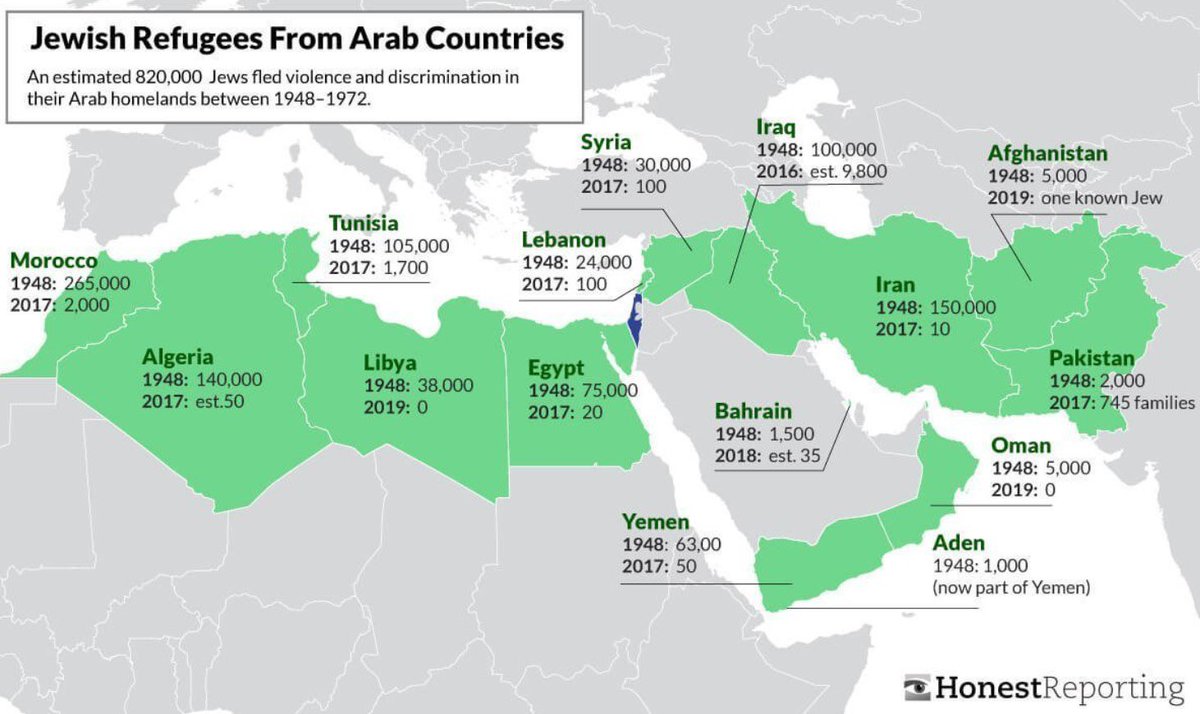
Then you should REALLY be directing your attention to the Jew-free ethnostates and not the one safe place for Jews.
Jun 12

Arabs and Jews are treated equally under the law in Israel. In a binational Arab-majority state, however, Jews would be massacred and exiled as they have been from virtually every Islamic nation (and this is the goal of its champions.) The notion that "Palestinians" would embrace a multi-ethic nation and liberal principles is so preposterous that no intelligent person could ever believe it.
2
2
26
383
Michael Charney retweeted

Jun 11
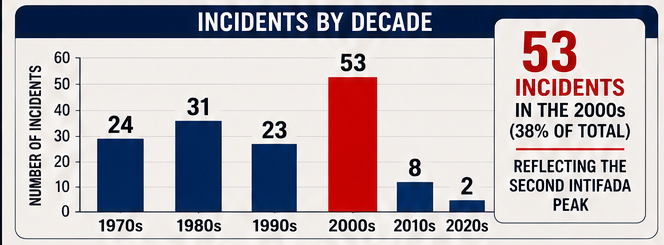
You can see that bus bombings have trailed off in recent years.
Did Palestinian Arabs suddenly become less fanatical?
No, Israeli heroes just got better at enforcing border checkpoints to prevent the entry of materials that may be used for "Allahu Akbaring."
1
5
31
801
Michael Charney retweeted
Jun 11
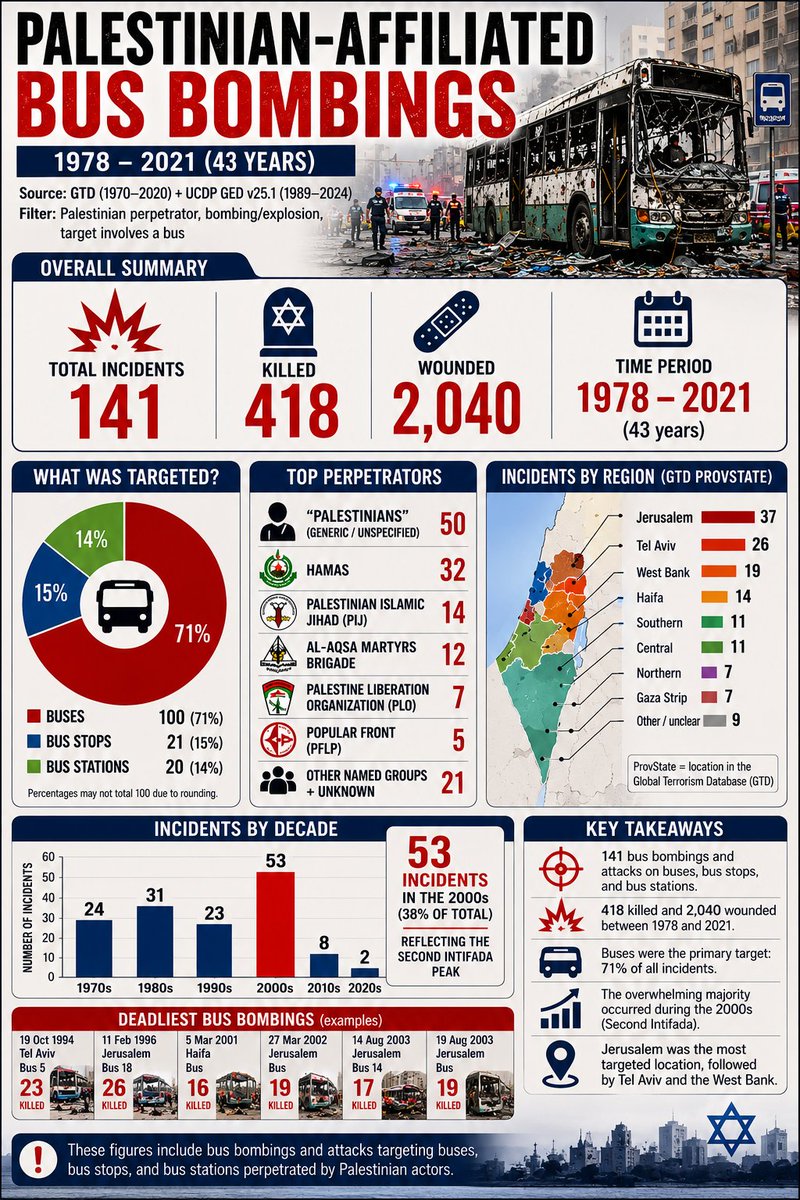
PALESTINIAN CULTURE LESSON: BUS BOMBINGS
Did you know: Between 1978 and 2020, innocent Palestinian civilians bombed 141 buses and bus stations.
They believe that Allah commanded them to murder bus passengers, as mass murdering bus passengers will grant them entry into the highest levels of Jannah (Heaven).
Imagine how deranged your society is to behave in such a way.
It not started 7 October.
14
177
399
4,887
Michael Charney retweeted

Jun 11
This is my favorite argument.
In Hiroshima, roughly 140k people died due to the nuclear bomb out of 350k. That’s 40% of the city.
In Nagasaki, 80k people died out of 263k. That’s 30% of the city.
In Gaza, 73k people have died (according to GHM) out of 2.3 million. That’s about 3% of the population. A substantial percentage of that are terrorists.
So Israel has dropped an amount of bombs on Gaza that exceeds the power of the nuclear bombs we dropped on Japan and yet the death toll is far lower both proportionally and on a raw numbers basis.
How is that possible if Israel is committing genocide? Maybe it’s because they’re not.
Jun 10

One of the most brutal scenes in human history has been leaked.
The amount of explosives that Israel dropped on the Gaza Strip exceeded the power of the two atomic bombs that the United States dropped on Japan at the end of World War II.
A video that the world must never forget.
1,517
4,168
29,935
2,784,247

Jun 10
RT @Shoshana51728: The ridiculous "nakba" narrative is so fucking tiresome.
🚨The Jews spent 100 years building the modern state of Israel…
4,519
Michael Charney retweeted

Jun 10
There wasn't a single Israeli on Lebanese soil when Hezbollah started bombing Israeli cities on Oct 8. The only reason the IDF entered Lebanon is to stop this unprovoked aggression. Hezbollah is not resisting occupation, it's an annihilationist aggressor serving a foreign empire.
33
254
1,256
14,350
Michael Charney retweeted

Public executions. Kneecapping. Torture. Murder.
Since its inception, Hamas has ruled through terror, operating like a ruthless criminal gang. Its brutality toward Palestinians is not an aberration, it is the foundation of its power.
Now even the UN is documenting these crimes.
This is what Hamas's oppressive rule looks like.
ynetnews.com/article/rkbsadu…
117
322
769
14,974
Michael Charney retweeted

Jun 10
Thank you Rep. Ted Lieu for calling out the lies and misinformation on the Screwworm by Agriculture Secretary, Brooke Rollins. ✅

109
3,314
7,227
37,385
Michael Charney retweeted

Jun 10
In 1974 Turkey invaded Cyprus and took possession of 37% of the country, gradually displacing 200,000 Greek Cypriots. There has since been an influx of Turkish settlers from the mainland, with as many as 500,000 Turks displacing the natives.
How many times have we heard people talking about illegal Turkish settlers/colonizers? Almost never. Most people don’t even know about it.
349
2,455
9,944
220,839
Michael Charney retweeted

Jun 10
11/ I'm not asking you to switch teams. I'm asking for something smaller and harder.
One compass. Same questions, same standards, every story, every country.
If your answers change only when the country is the Jewish one, the problem isn't the story. It's the compass
38
34
839
25,766
Michael Charney retweeted

Jun 10
If Platner ever had a Confederate flag tattoo would he ever have been the nominee? Of course not. It would have been unthinkable. Ponder why *that* would be instantly disqualifying for Democrats but why a Nazi SS insignia isn’t. It’s unsettling.
152
455
2,568
174,897
Michael Charney retweeted

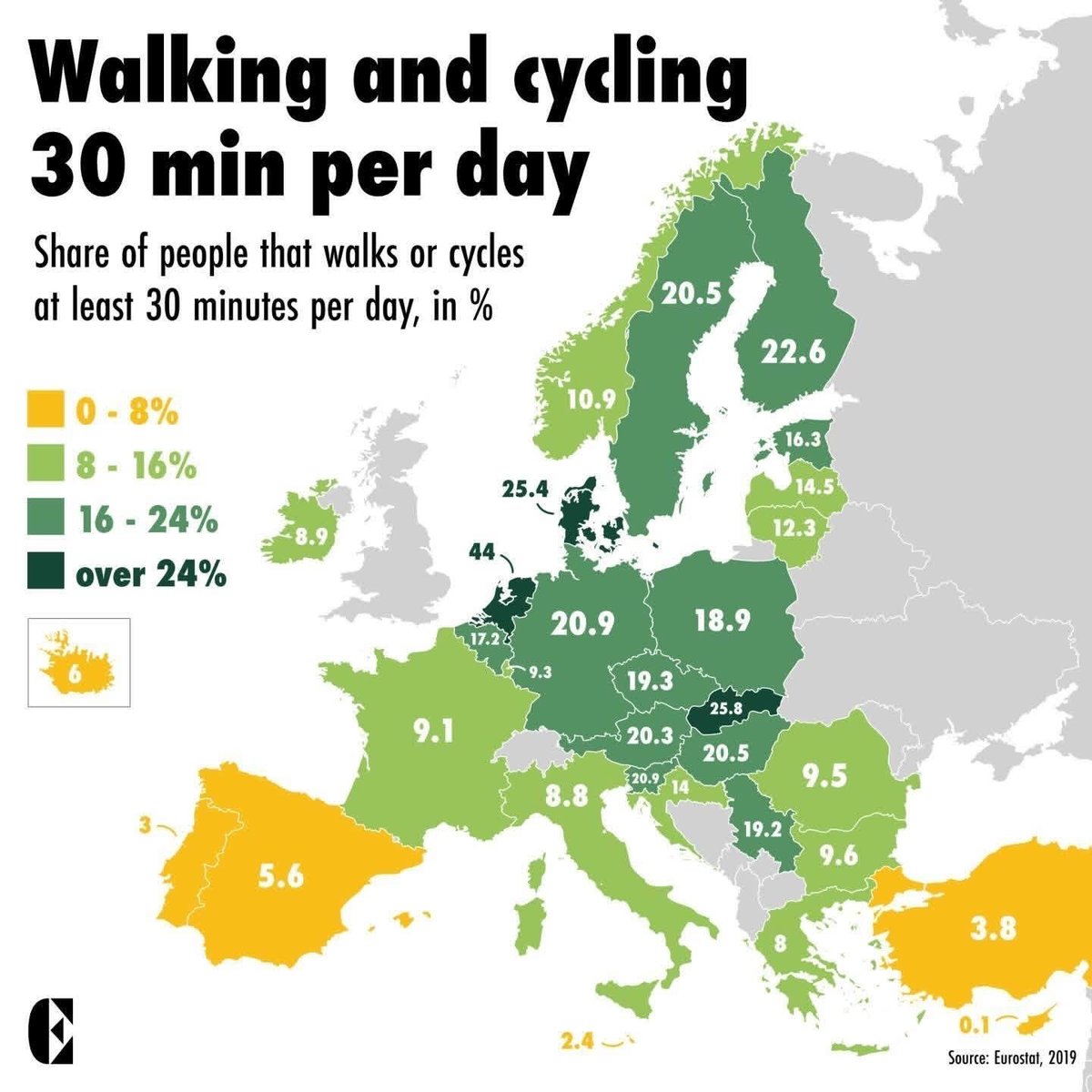
30 minutes of active mobility a day:
✅ Lower risk of heart disease
✅ Better mental health & reduced stress
✅ Improved fitness & weight
✅ Lower risk of diabetes-2
✅ Better sleep
✅ Better air quality
✅ Less congestion
✅ Stronger community
Good for you. Good for the planet.
7
134
323
14,914
Michael Charney retweeted

Jun 10
Who can we trust anymore??
Radicalization in universities and failure to stop these threats are creating a nightmare in which it is no longer shocking to see that a 22-year-old New Jersey college graduate was arrested for providing ISIS material support to bomb a synagogue.
Read the DOJ press release 👇justice.gov/opa/pr/passaic-m…
Jun 10

Meet Mohamed J. Sagha.
Last year, he graduated from Montclair State University.
This week, he was arrested for providing ISIS material support to bomb a Synagogue.
How many more of these terrorists walk amongst us?
4
16
51
964
Michael Charney retweeted

Jun 10
Colonialism is bad, right?
Wrong.
The Aztec Empire ran sacrifice at industrial scale. Excavations of the Huey Tzompantli, the skull rack next to the Templo Mayor, have uncovered hundreds of skulls of men, women, and children. Spanish eyewitnesses described tens of thousands. The Aztecs fought "Flower Wars" whose purpose was capturing live victims for the altar. Hearts were cut out of living people. Subject peoples hated Aztec rule so much that Tlaxcalans made up most of Cortes's army. The conquest was largely an indigenous uprising against an indigenous empire. The sacrifices ended under Spanish rule.
India: burning a widow alive on her husband's funeral pyre. British records from Bengal alone documented thousands of cases between 1815 and 1828. The British, with Indian reformers like Raja Ram Mohan Roy, banned it in 1829. When priests told General Napier it was sacred custom, he answered: my nation also has a custom, we hang men who burn women alive. You follow yours, we will follow ours.
India: Thuggee cults murdered travelers by the tens of thousands over centuries as offerings to Kali. It was a hereditary profession. William Sleeman's campaign in the 1830s wiped it out.
Slavery was a universal indigenous institution. Dahomey and Ashanti were built on slave raiding and sold captives for a thousand years to Arab traders before any European ship arrived. Pacific Northwest tribes held up to a quarter of some village populations as slaves and killed them ceremonially at potlatches. The Comanche ran a captive-raiding economy across the Southwest. What colonizers introduced after 1807 was the first attempt in history to abolish slavery globally. The Royal Navy's West Africa Squadron spent fifty years hunting slave ships and freed about 150,000 Africans. African kings protested. The King of Bonny complained that abolition was destroying a trade ordained by his gods and priests.
The Dahomey kingdom's "Annual Customs" beheaded hundreds of captives and slaves every year to honor dead kings. Documented by European visitors for two centuries. It ended when France conquered Dahomey in 1894.
Sailors called Fiji the Cannibal Isles. Chief Ratu Udre Udre kept a stone for every victim he ate. His pile holds nearly 900. Shipwrecked sailors were killed and eaten. Within a generation of missionaries and British administration after 1874, the practice was gone.
Nigeria: In parts of Igboland, newborn twins were left in the bush to die and their mothers ostracized or killed. Missionary Mary Slessor spent decades in Calabar rescuing abandoned infants until the practice collapsed.
Indigenous genocide of indigenous people. In 1835, two Maori tribes invaded the Chatham Islands and slaughtered the Moriori, whose own law forbade them to fight back. They killed, enslaved, and ate them. The Moriori population fell from about 2,000 to barely 100. No European did this. British colonial law ended it.
Add headhunting in Borneo, the Philippines, and Nagaland. Female infanticide in India and Polynesia. Foot binding in China, dismantled partly by missionary campaigns. Every one of these ended under pressure from the colonial powers we are taught to treat as history's unique villains.
Colonialism was not charity. The Belgian Congo was a horror, conquest was for profit, and rule was without consent. But the ledger has two sides and one has been erased. Pre-colonial societies practiced slavery, human sacrifice, widow burning, infanticide, and genocide, because cruelty is not a European invention. The first civilization that tried to abolish these practices worldwide is the one you were taught to be ashamed of.
If "indigenous" means innocent and "colonizer" means guilty by definition, that is not history.
140
1,074
3,436
110,243
Michael Charney retweeted

Jun 10
Mohsen Mahdawi is 34 years old.
He first enrolled at Birzeit University in the West Bank in 2008 and studied there for six years. In 2018 he enrolled as an undergraduate at Lehigh University in Pennsylvania. He stayed there until 2021, and never earned a credential despite enrolling as a seventh year senior and being a full time student there for four years. Despite this extremely suspicious academic record, he was admitted as a transfer to Columbia University — a school which rejects over 97% of applicants — where he attended as an undergraduate for another four years.
Columbia’s rules explicitly state that students must be progressing toward an on-time graduation, but they accepted Mahdawi as an eleventh year undergraduate and allowed him to remain a student in good standing even though he was evidently not maintaining a full course load. His student status was a pretext; he was acting as a full-time anti-American, anti-Jewish and pro-terrorism activist. Since he claims to be a Palestinian refugee, it is unclear who was paying his tuition or providing for his rent and expenses in New York City while he was engaged in subverting American institutions.
He finally earned a bachelor’s degree in May 2025 from one of the top five American universities after 17 years as an undergraduate and was accepted to a master’s program at Columbia even though the State Department was already trying to deport him on national security grounds.
Democrats at every level fought hard to keep him in the country.
Jun 10

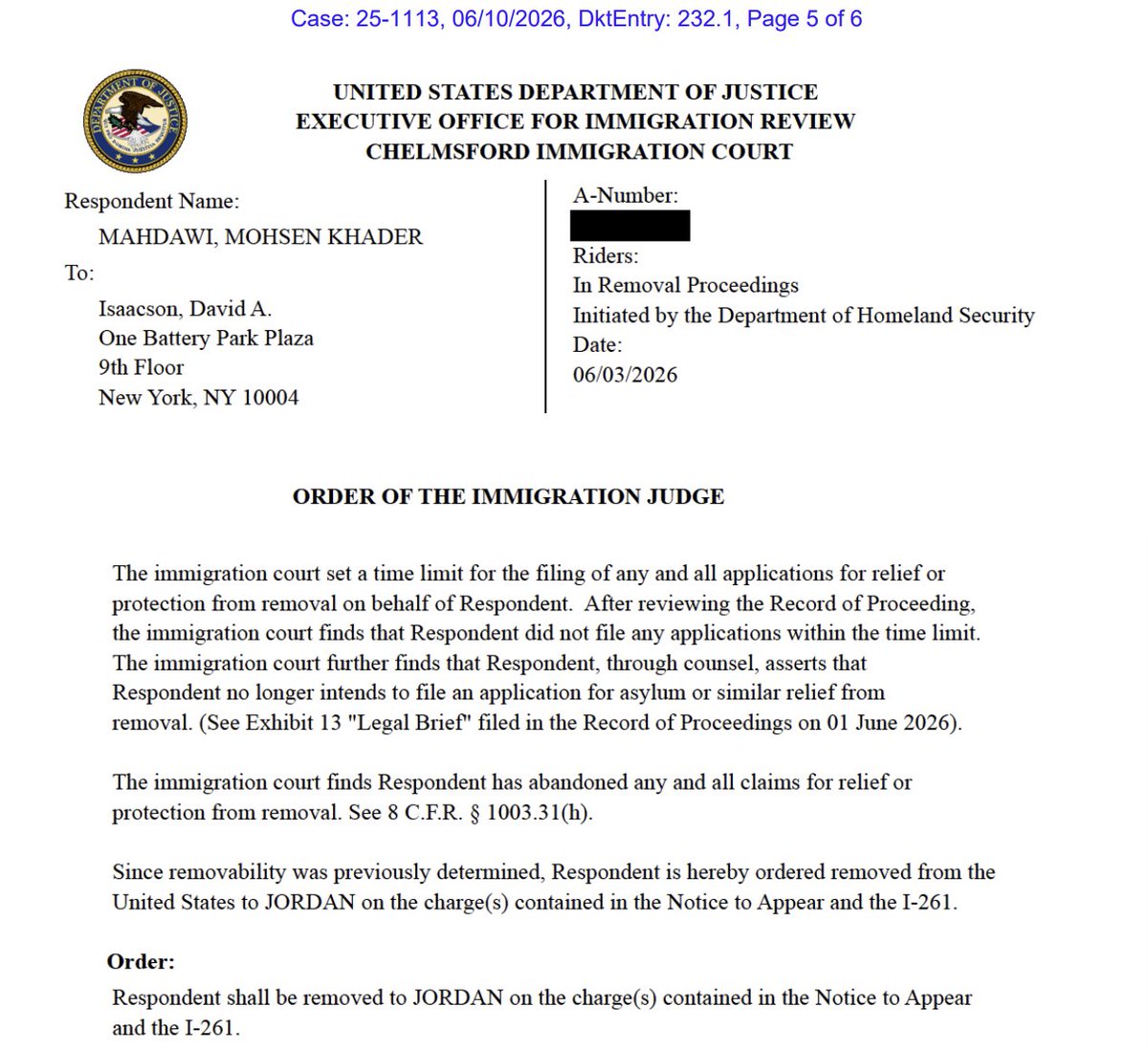
Columbia University anti-Israel activist Mohsen Mahdawi has been ordered to be deported to Jordan, according to a filing today.
The decision was originally made by immigration judge Angela Munson on June 3.
103
994
4,248
391,114
Michael Charney retweeted

Jun 9
Not the best start for a multicultural society, I'm afraid
Jun 9

Palestinian students in UNRWA schools:
"With Allah's help we will return and those Jews, who are dogs, we will smash their heads. I want to be a jihadist, and to kill Jews for Allah and become a martyr.
Be honest: does anyone believe peace can be made with these people?
444
3,409
17,286
264,707
Michael Charney retweeted

Jun 10
🚨BDS is coming for your pension!🚨
@ADL's recent reports finds anti-Israel divestment would cost NYC pension funds $37B in lost returns over 10 years.
👩🏫 Teachers. 👮 Police. 🚒 Firefighters. 🏙️ City workers.
Retirees and taxpayers would be left to pay the price.
Anti-Israel politics will cost YOU!
Read the full report here👇 adl.org/resources/report/nyc…
#StandWithIsrael #InvestInIsrael #Unstoppable
7
12
1,149

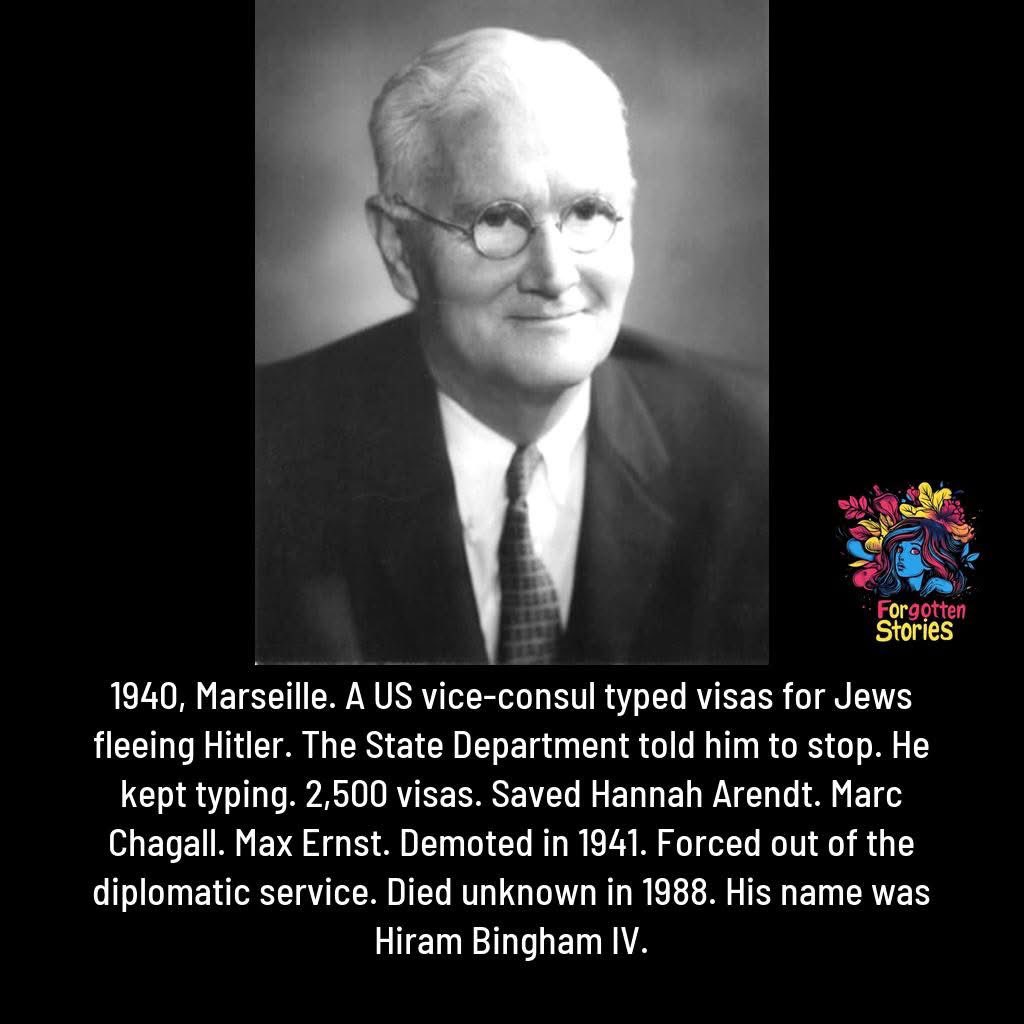
Hiram Bingham IV had a Yale degree, a Harvard law degree, and a prestigious family name.
He threw it all away to save 2,500 Jews.
June 1940. Marseille, France. With Paris fallen and the Vichy regime signing an armistice with Hitler, Article 19 sealed the fate of countless refugees: “surrender on demand” all those named by the Germans — Jews, anti-Nazis, artists, writers.
Tens of thousands flooded Marseille, the last escape port. They lined up at the U.S. consulate, desperate for visas.
Most diplomats followed State Department orders to delay, reject, and slow-walk applications under antisemitic pressure from Breckinridge Long. Many never got a second chance.
Hiram Bingham IV, 36-year-old Vice Consul, refused to comply.
Son of a governor, father of five, he signed visas as fast as he could — to Jews, Communists, socialists, artists, anyone the Gestapo hunted.
He accepted forged papers, typed affidavits, and kept going even after his boss threatened him and Washington demanded he stop.
Working with Varian Fry, he helped save Hannah Arendt, Marc Chagall, Max Ernst, Heinrich Mann, Lion Feuchtwanger, and countless ordinary Jewish families, orphaned children, and elderly refugees.
When needed, he hid people in his own villa and smuggled them to safety. He even paid from his own pocket.
In just ten months, Bingham issued 2,500 visas — an underground railroad run by an American diplomat.
The State Department punished him: demoted to Lisbon, then Buenos Aires.
He continued exposing Nazis in South America anyway.
Passed over for promotion, he resigned in 1946 at 42, with eleven children to support. He returned to a small Connecticut farm, worked odd jobs, and never spoke of Marseille — not to his wife, not to his children.
For 42 years, his heroism remained hidden.
He died in 1988 at 84, forgotten by the world. No major obituary. No recognition.
Then, in 1991, his son found a hidden bundle behind a chimney: documents, cables, and lists of the lives he saved. The family was stunned.
The papers went to the U.S. Holocaust Memorial Museum. Survivors and their descendants came forward.
In 2002, Secretary of State Colin Powell posthumously honored him with the Constructive Dissent Award.
In 2006, the U.S. Postal Service issued a stamp in his name.
Hiram Bingham IV had every reason to follow orders. Instead, he broke them — knowing it would cost his career, his security, everything. While others obeyed and advanced, he chose what was right.
Today, tens of thousands of people owe their lives to one man’s signature.
A quiet hero who saved 2,500 souls and asked for nothing in return.
27
314
918
9,795
Michael Charney retweeted

Jun 10
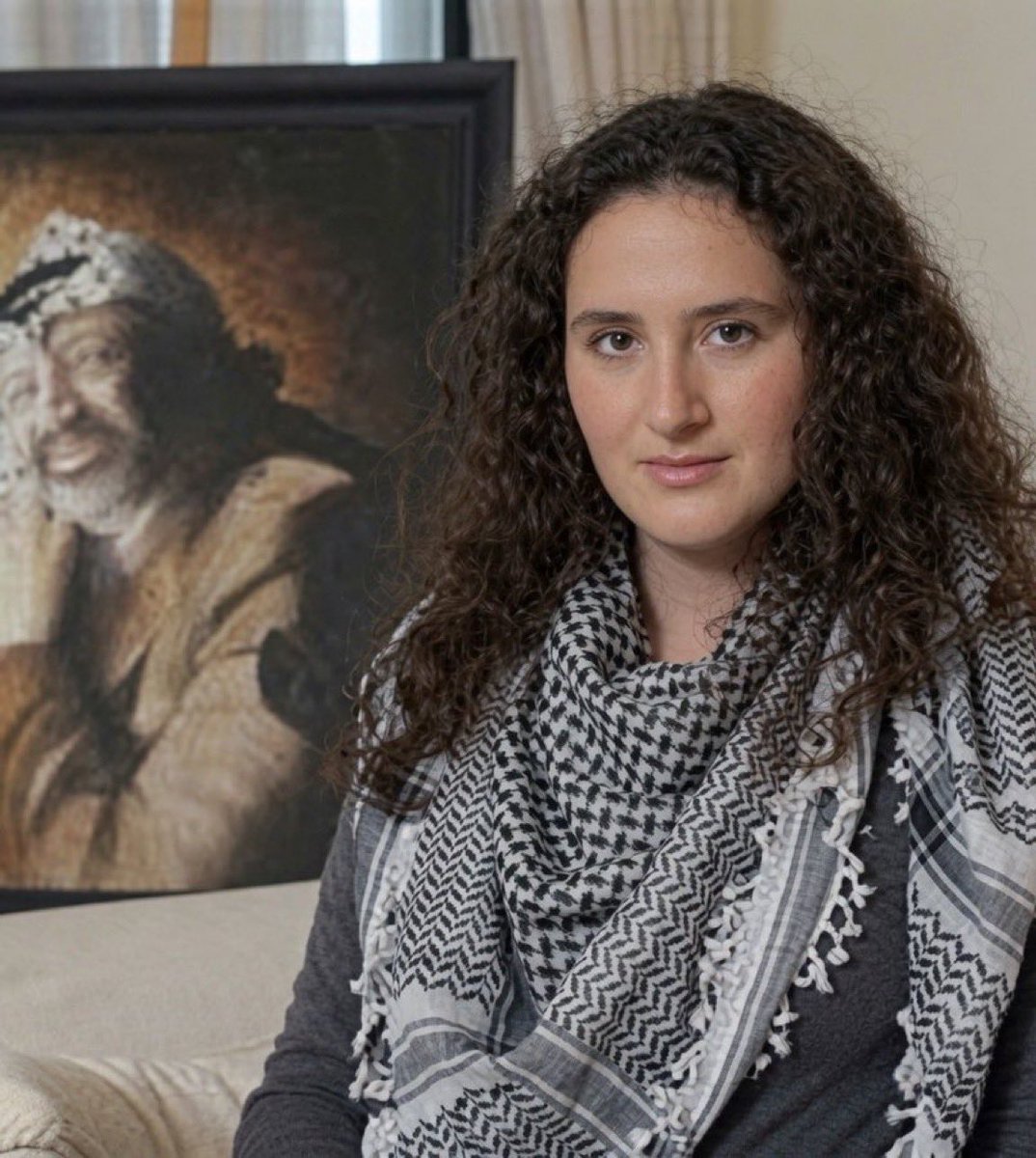
Conoce a la refugiada multimillonaria “Zahwa Arafat”, la única hija de Yasser Arafat, el terrorista que lideró la OLP, lanzó las Intifadas y construyó su imperio a través de la violencia y el miedo.
Ella ahora vive en París, posee bienes raíces de lujo en Londres (incluyendo una cuadra completa) y heredó ocho mil de millones que provinieron de la "ayuda palestina".
Nunca en su vida pisó israel, Gaza, o Judea y samaria y a pesar de esto y de su riqueza, aún califica como una “refugiada” según los estándares de la UNRWA.
200
2,334
3,547
61,903