
Helping small and mid-sized manufacturers to build a culture that drives continuous improvement and innovation.
Joined January 2013
- Tweets 1,335
- Following 1,490
- Followers 554
- Likes 1,869
228 Photos and videos









Dwaine Raper retweeted

15 Jul 2025
We’re excited to celebrate the incredible products that make #Tennessee a manufacturing powerhouse.
The popular round voting is officially open! Cast your vote and learn about the nominees for the Coolest Thing Made in Tennessee: coolestthingmadeintn.com/vot…

2
2
227

4 Jul 2025
1
17
Dwaine Raper retweeted
29 Jun 2025
Tomorrow is the final day to nominate the Coolest Thing Made in Tennessee! 🏆
From iconic local favorites to cutting-edge innovations, we want to hear about the most amazing products made right here in the Volunteer State.
✅ Nominate now: coolestthingmadeintn.com/nom…

2
1
132

🛠️ Nominate your favorite Tennessee-made product now through June 30 and help showcase what makes our state so cool! coolestthingmadeintn.com/ #CoolestThingMadeinTN

1
1
26
21 May 2025
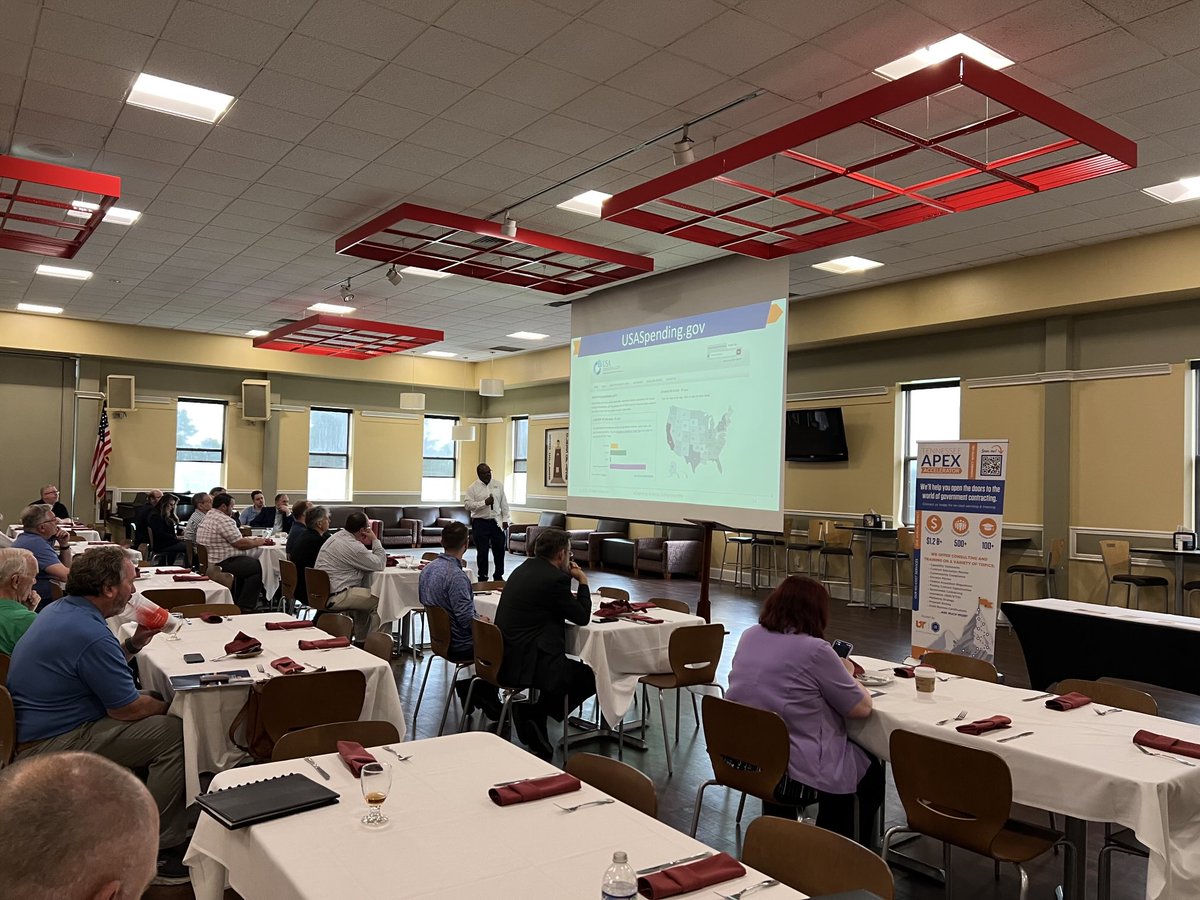
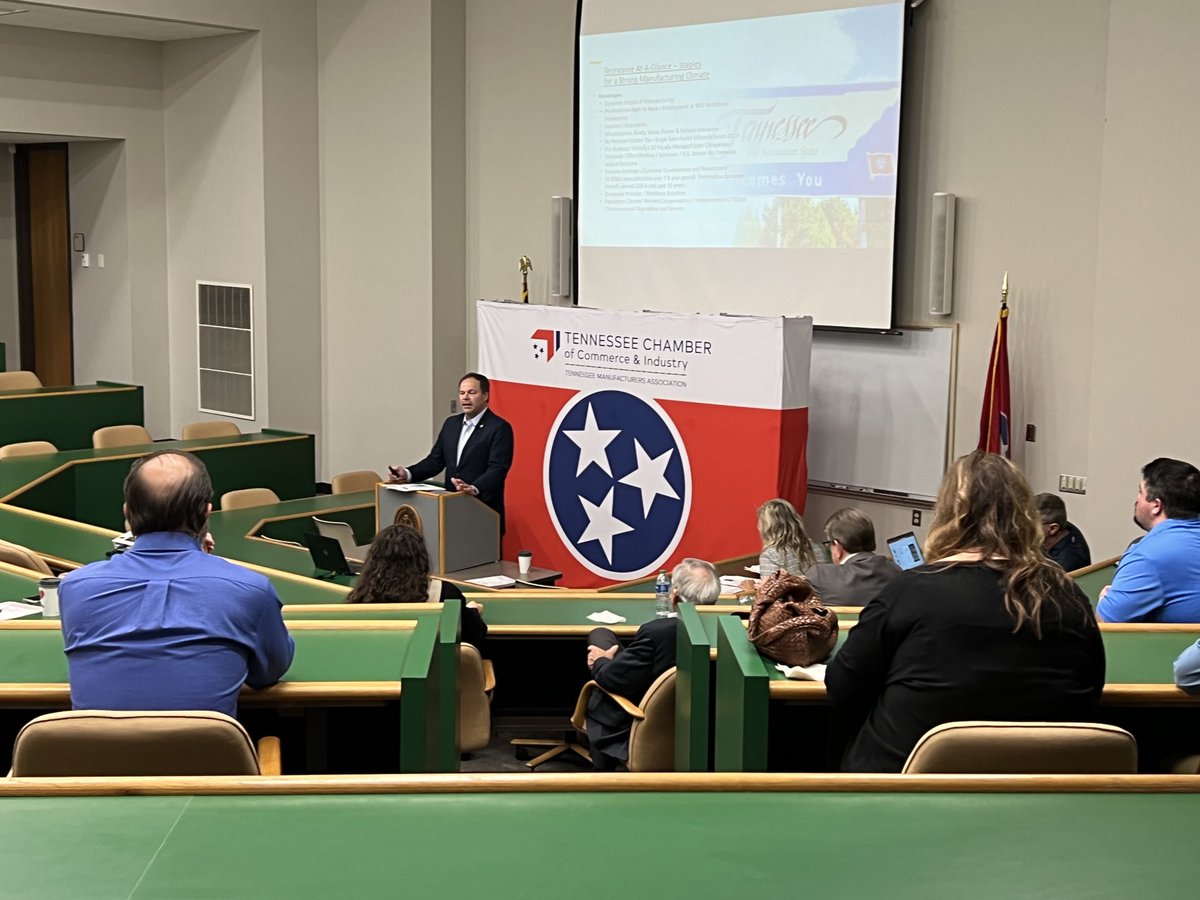
A great group of NE TN Manufacturers are learning about defense industrial base business opportunities in this meeting today in Bristol! @UTCIS @TNECD @ClaytonRWalker

1
4
88

10 May 2024
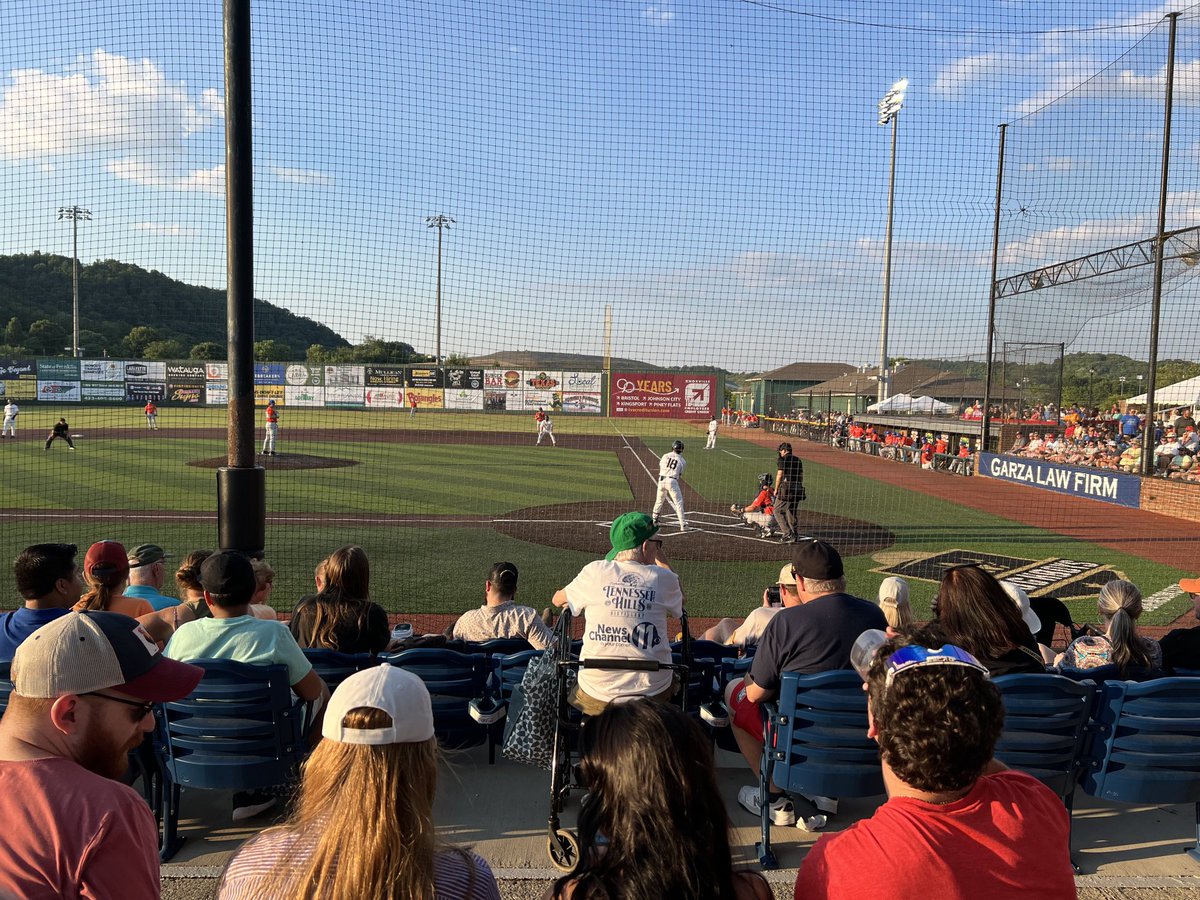
There’s some cool things made in TN! From wakesurf boats to whiskey!! Nominate your product!

🌟 Do you create something unique in Tennessee? 🌟
We’re excited to announce the first-annual "Coolest Thing Made in Tennessee" competition!

2
111
14 Nov 2023
ETISE = East TN Initiative for Smart Energy Management

ETISE is hosting a free industrial training workshop on 11/30 at the ORNL Manufacturing Demonstration Facility! These training and interactive discussion sessions will focus on using smart manufacturing to manage
energy better and reduce carbon emissions. etise.utk.edu/
110
12 Jul 2023
Cool! I have heard much of this history from Mr. Tom King @KintronicLabs in Bristol, TN. They are a pioneer in the AM Radio Broadcasting market.
11 Jul 2023

Why you never touch AM radio towers.
The invention of the AM radio tower revolutionized the way radio signals were transmitted and received, leading to a significant advancement in the field of broadcasting. The story of the AM radio tower begins in the late 19th century when scientists and inventors were exploring ways to transmit wireless signals over long distances.
During this time, Guglielmo Marconi, an Italian inventor and electrical engineer, was conducting experiments with radio waves and had successfully achieved long-distance wireless communication using simple antennas. However, the range and quality of the signals were limited, and Marconi realized the need for more efficient methods of transmission.
In 1906, a significant breakthrough occurred when Reginald Fessenden, a Canadian-born inventor, successfully transmitted the first audio program using continuous wave (CW) radio technology. This accomplishment set the stage for further advancements in radio broadcasting.
As the demand for radio broadcasting grew, engineers began to realize the need for a more powerful and efficient means of transmitting signals over greater distances. The key challenge was to overcome the limitations of the existing antenna systems and achieve higher transmission power.
Enter the invention of the AM radio tower. The concept behind the AM radio tower was to utilize tall structures to support and enhance the transmission of radio signals. The tower would act as an antenna, capable of radiating electromagnetic waves efficiently and effectively.
One of the pioneers in the development of AM radio towers was Major Edwin Armstrong, an American electrical engineer and inventor. Armstrong made significant contributions to radio technology and is often credited with inventing the modern system of amplitude modulation (AM) for radio transmission.
Armstrong recognized that by placing a radio transmitter high above the ground, the signal could be transmitted with increased power and range. He designed and constructed the first practical AM radio tower, known as the "Alexanderson Alternator," which was erected in 1908.
The Alexanderson Alternator tower was an impressive structure, consisting of a tall steel tower with multiple antennas mounted on it. The tower's height allowed for better signal propagation and reduced interference, resulting in clearer and more reliable radio broadcasts. This breakthrough laid the foundation for the future development of radio broadcasting.
Over time, advancements in tower design and engineering further improved the efficiency and range of radio transmission. Tall towers were erected in strategic locations around the world, enabling the establishment of widespread broadcasting networks.
The AM radio tower not only enabled the transmission of music, news, and entertainment to millions of listeners but also played a crucial role in shaping the development of the broadcasting industry. It paved the way for the introduction of FM radio, television broadcasting, and other wireless communication technologies that we rely on today.
In conclusion, the invention of the AM radio tower revolutionized the field of radio broadcasting by providing a more efficient and powerful means of transmitting signals over long distances. It was a key milestone in the evolution of wireless communication and laid the foundation for the modern broadcasting systems we enjoy today.
4
124
Dwaine Raper retweeted

5 Jul 2023
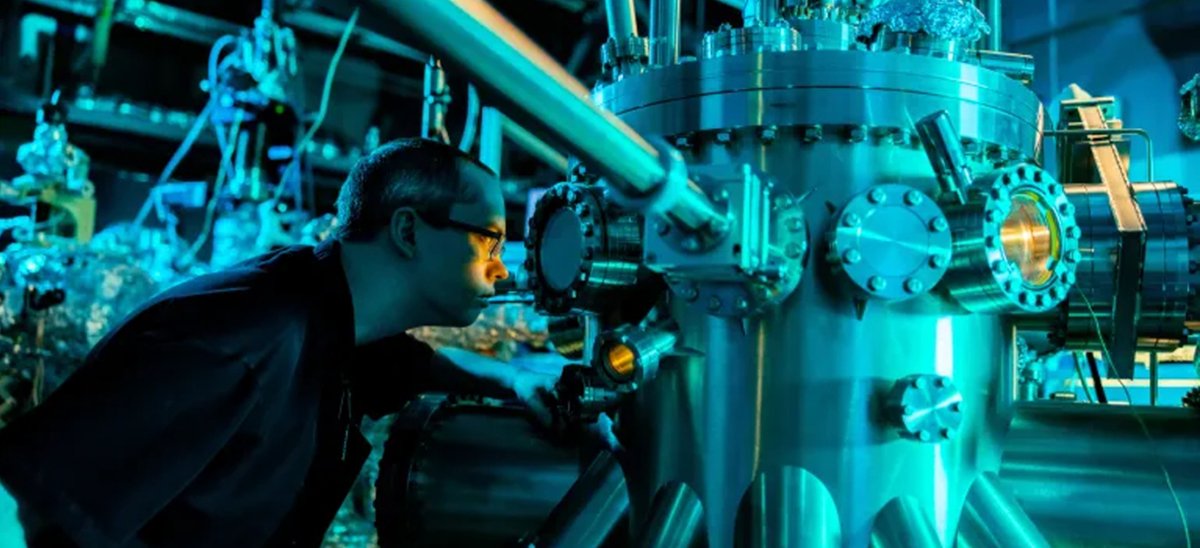
The new Center for Advanced Materials and Manufacturing (CAMM) at UT Knoxville will receive $18 million in NSF funding to develop sophisticated artificial intelligence (AI) and computational tools.
Read More: tiny.utk.edu/nsf-award
#utresearch #science #utkresearch #award
2
3
537
Register today for Cybersecurity - How to prepare a CMMC System Security Plan [7/20/2023 2:00 PM - 3:00 PM EDT]! Learn more about this event at tnapex.ecenterdirect.com/eve… #GovernmentContracting
3
4
123
16 Jun 2023
I am proud of the work our @UTCIS team is doing to enable justice involved people with skills for a bright future working in manufacturing. Thanks @jobs4TN Office of ReEntry, NW/SW TN Dev Districts, American Jobs Centers, County Justice Centers, others. lnkd.in/ghBADUxm
3
52