
Joined May 2025
- Tweets 1,341
- Following 206
- Followers 936
- Likes 4,766
94 Photos and videos









Eric Claussen retweeted

Jun 6
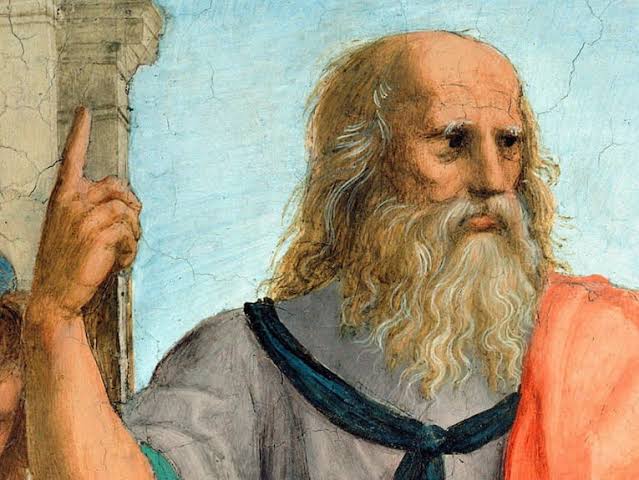
"I, who have met with many of these [atheists] people, would declare this to you, that not a single man who from his youth has adopted this opinion, that the Gods have no existence, has ever yet continued till old age constant in the same view"
- Plato, Laws X
6
36
228
4,879

Jun 12
The mosaic distinction in Christians means everything has to be forced through the lens of 'Christianity is true, everything else is false.'
So when they encounter another spiritual tradition with an identical practice to their own, they have to invent sophistry to protect their cherished narcissistic assumptions.
This is a spiritual and intellectual poison that needs to be opposed at every turn.
Jun 12

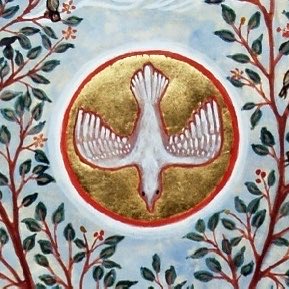
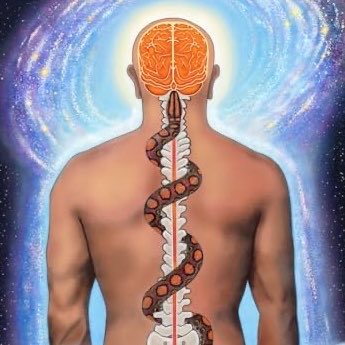
Father John Romanides is criticized for saying our spinal fluid plays a role in noetic prayer. He claimed there’s a short circuit between the heart and mind that keeps us spiritually sick and trapped in the intellect. Supposedly, before the Fall, spiritual energies flowed all throughout the body. But now, they are stuck in the brain.
This is what makes people slaves to sin. They are slaves to impulsive and passionate thoughts, illusions, and even imaginary gods, especially Christians who remain religious. They do not know God in their heart. They only worship their ideas about Him, and become Pharisees in the process. According to Romanides, religion is a symptom of our spiritual sickness.
So, a saint is someone who has been cured of this condition. They’ve freed themselves from their intellect. They’ve repaired the short circuit between the heart and mind by praying unceasingly. They’ve met God within and become a true theologian. Apparently, this is what prostrations are really for. Maybe all of this sounds like nonsense. But what if it’s not?
Satan, who loves to mimic God, seems to take the idea seriously. Satan’s mystery schools, which seduce people with half-truths, claim there is a psycho-spiritual “Christ Oil” the claustrum secrets. Then, it travels down the spine before going back up again. Yogis claim Kundalini energy is used to push it back up. Then, it activates the pineal gland, or third eye.
People really do experience these so-called Kundalini awakenings. However, they are obviously a counterfeit of the noetic prayer. This is why monks say we should pay attention to where we feel spiritual heat is coming from: above, below, or within. The saints have similar sensations. They feel their spines turn into a pillar of fire. They weep. But they don’t get proud.
They become even more humble. They don’t desire visions or the ability to work miracles. They just want to hide away in silence and stillness, and stay with God. They even begin to breathe deeper and slower, like some Yogis do. But they don’t remain an empty vessel for foreign spirits. They constantly refill themselves with the words Lord Jesus Christ, Son of God.
4
5
41
2,113
Jun 12
A lot of pagans worship daimons and don't know the gods.
If your faith or experience leads you to believe that the gods don't care about humans, are capricious and capable of evil, or are simply nature spirits, then you're worshipping daimons and mistaking them for gods.
The problem isn't worship; we should honor the "earth-dwelling spirits," as Pythagoras says. But it is impious to mistake them for gods.
5
9
73
2,121
Jun 11
It's crazy how nearly every critique of Platonism is either
A. The guardian allegory in The Republic is Plato's practical plan for society.
Or
B. Platonism is "all is one" substance monism.
Neither of which are true.
4
4
48
1,313
Jun 11
Platonic knowledge (episteme) is not a relation between a knower and a known. Nor is it proposition which is to say it isn't informational.
It is the soul's being-together with the Forms in which the knowing and the known are the same.
Taylor's "recovery" language is right, but what is recovered is not information; it is the soul's own Noetic nature, which was never propositional to begin with.
Dianoia rests at the the discursive, propositional level and is explicitly below episteme on the divided line. What Taylor is pointing toward is noetic contact, not the remembrance of rational arguments.
So the soul doesn't "remember" that triangles have 180 degrees as a fact; it re-identifies with the Form itself, which includes that truth as its own luminous content.
Which means Nous does not know particular temporal events propositionally. It knows beings as eternal, formal, self-luminous content.
When we mix this up we are asking Nous to function as doxa or even sense-perception.

Or from Thomas Taylor's Creed:
"I believe that the human soul essentially contains all knowledge, and that whatever knowledge she acquires in the present life, is nothing more than a recovery of what she once possessed; and which discipline evocates from its dormant retreats."
2
8
49
1,986
Eric Claussen retweeted

Jun 4
Iamblichus, 1500 years ago, explicitly telling us that yes it is possible to reconstruct damaged traditions:
"For all these reasons, then, let us call upon the gods as our leaders, entrust both ourselves and our discourse to them, and follow wherever they may lead. We should not be deterred by the fact that this school has long been neglected; that it has been hidden beneath estranged teachings and certain secret symbols; that it has been overshadowed by many false and spurious writings; and that it has been obstructed by many other difficulties of the same kind. The will of the gods is enough for us, and with it one can endure difficulties even more perplexing than these."
- Book 1 of On the Pythagorean Life; Literally the first thing he says in the book that he gave his students to read first of all.
I highly advise you to save this quote for future use when arguing with those guys who say "but your line of transmission is broken bro, just become a sufi bro"
8
59
239
11,345
May 26
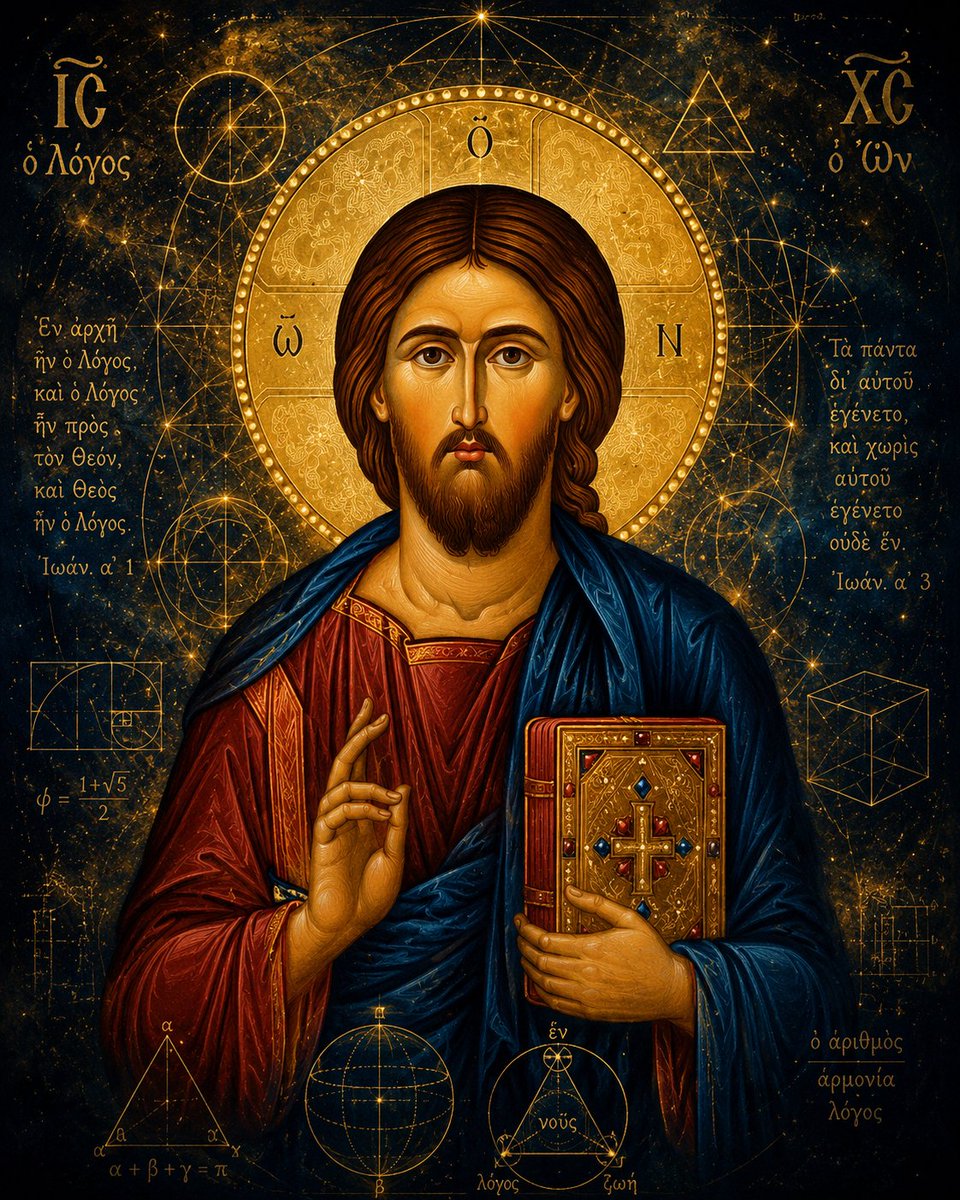
Platonic TAG:
TAG makes far more sense as a Platonic argument. It avoids the awkward turn toward revelation in its second half and makes the least amount if assumptions.
As you'll see, most of it is already Platonic, it's only derails itself when it tries to ground mythical revelation into the fabric of reality.
P1. To argue, think, know, predicate, classify, count, or do science, one must presuppose objective intelligibility.
P2. Objective intelligibility requires real universals: identity, difference, number, truth, logic, essence, relation, and order.
P3. Real universals cannot be finally grounded in mutable matter, private mental states, social convention, or arbitrary language.
P4. Real universals also cannot be finally grounded in causally inert abstract objects, because such objects cannot explain why reality is ordered by them or why minds can know them.
P5. Therefore, universals must be grounded in an eternal, necessary, living Intellect whose thinking is their reality, the Forms being nothing other than universals understood as the self-luminous content of Nous.
P6. This Intellect must articulate both unity and plurality, because intelligibility requires both sameness and difference, and it must itself proceed from a source beyond predication, since unity that is merely one among many cannot ground unity as such.
P7. If ultimate reality is sheer plurality, unity becomes illusion. If ultimate reality is a unity that excludes plurality, plurality becomes illusion. If ultimate reality is brute and non-noetic, reason and truth are not normative at the root but accidental to it.
P8. The Neoplatonic order alone grounds unity and plurality eternally without collapsing either: the One beyond being as superessential source, the eternal Nous as living self-thinking in which the Forms are articulated as one-and-many, and Soul as the mediating principle by which intelligibility descends into and ascends from the cosmos, constituting an eternal Logos, eternal procession, and eternal rational self-knowledge.
Conclusion. Therefore, the Neoplatonic henology, the One, Nous, and the Forms as Nous's self-luminous content, is the only adequate ground for intelligibility, universals, logic, truth, and rational knowledge.
If reality is not grounded in the eternal self-thinking of Nous proceeding from the One, then logic, universals, identity, and truth are either brute accidents, useful fictions, or causally dead abstractions. But the moment you argue, you treat them as objective and binding. Therefore every argument already participates in the Nous it tries to deny, and every act of recognizing intelligibility is already an anagogic ascent toward the One.
May 26

P1. To argue, think, know, predicate, classify, count, or do science, one must presuppose objective intelligibility.
P2. Objective intelligibility requires real universals: identity, difference, number, truth, logic, essence, relation, and order.
P3. Real universals cannot be finally grounded in mutable matter, private mental states, social convention, or arbitrary language.
P4. Real universals also cannot be finally grounded in causally inert abstract objects, because such objects cannot explain why reality is ordered by them or why minds can know them.
P5. Therefore, universals must be grounded in an eternal, necessary, rational, living intellect.
P6. This intellect must be the source of both unity and plurality, because intelligibility requires both sameness and difference.
P7. If ultimate reality is pure undifferentiated oneness, plurality becomes illusion. If ultimate reality is sheer plurality, unity becomes illusion. If ultimate reality is impersonal, reason and truth are not personal or normative at the root.
P8. The Christian Triune God alone grounds unity and plurality eternally: one essence, three persons, eternal Logos, eternal relation, eternal rational self-knowledge.
Conclusion. Therefore, the Christian Triune God is the only adequate ground for intelligibility, universals, logic, truth, and rational knowledge.
If reality is not grounded in the eternal Logos of the Triune God, then logic, universals, identity, and truth are either brute accidents, useful fictions, or causally dead abstractions. But the moment you argue, you treat them as objective and binding. Therefore every argument already borrows from the Logos it tries to deny.
11
12
57
5,211
Eric Claussen retweeted
May 21
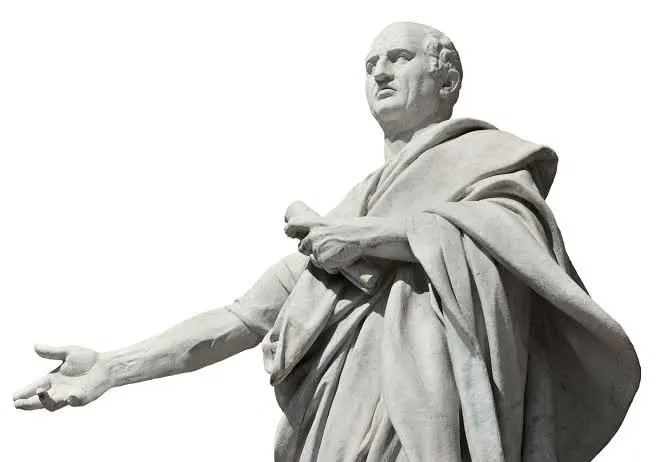
"Let this, therefore, be a fundamental principle in all societies, that the gods are the supreme lords and governors of all things, - that all events are directed by their influence and wisdom, and that they are loving and benevolent to mankind."
- Cicero
1
26
95
2,227
May 19
This is a great example of what Jan Assmann calls the Mosaic distinction. It is the divide between true and false religion. It's the idea that one god is the real god and all the others are false, demons, or nothing at all.
Traditional religion simply doesn't have this category. When the Romans encountered the Germanic tribes, they didn't try to determine which gods were true or false. They engaged in interpretation, trying to see where their gods overlapped and could be considered the same.
The Mosaic distinction introduces a completely different idea. Revelation replaces tradition, correct belief replaces practice. When this happens, the other religion isn't a different expression of the divine order, but rather an enemy of the truth.
This generates counter-religion. Religion is defined in opposition to traditional religion and carries with it heresy, apostasy, and holy war as its defining features.
In Traditional religion, the gods are real; their names and customs vary from one people to another. The question is not, are these gods true or false, but each is another expression of the inexhaustible power of the divine that permeates all of reality.
"All things are full of gods." - Thales
May 18

The pagans have the same problem. What if odin is the true god and I prayed to zeus instead.
6
28
120
5,100
May 12
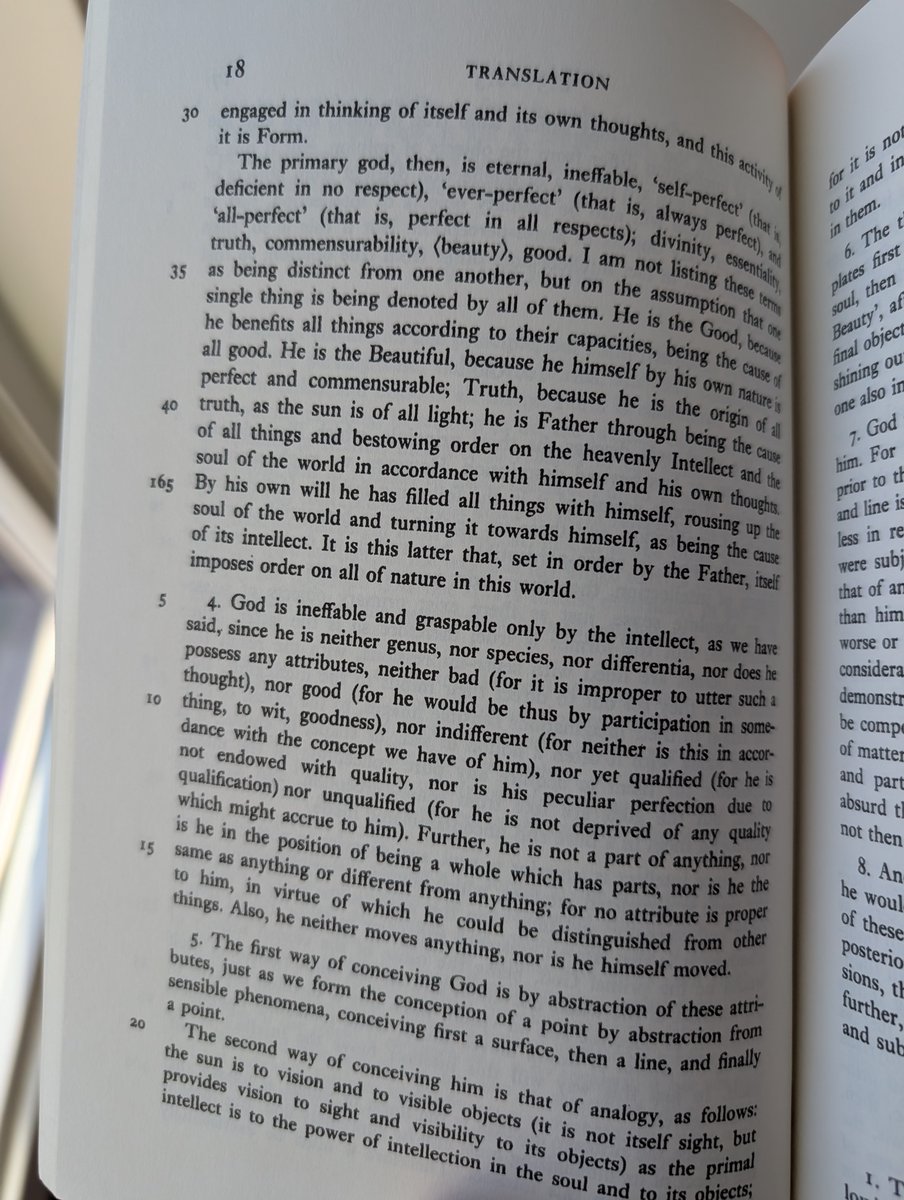
When Plato says God, he means the God of the philosophers, i.e., a Supreme being discovered through reason, logic, and metaphysics, who is the first cause, unmoved mover, and who is perfectly simple.
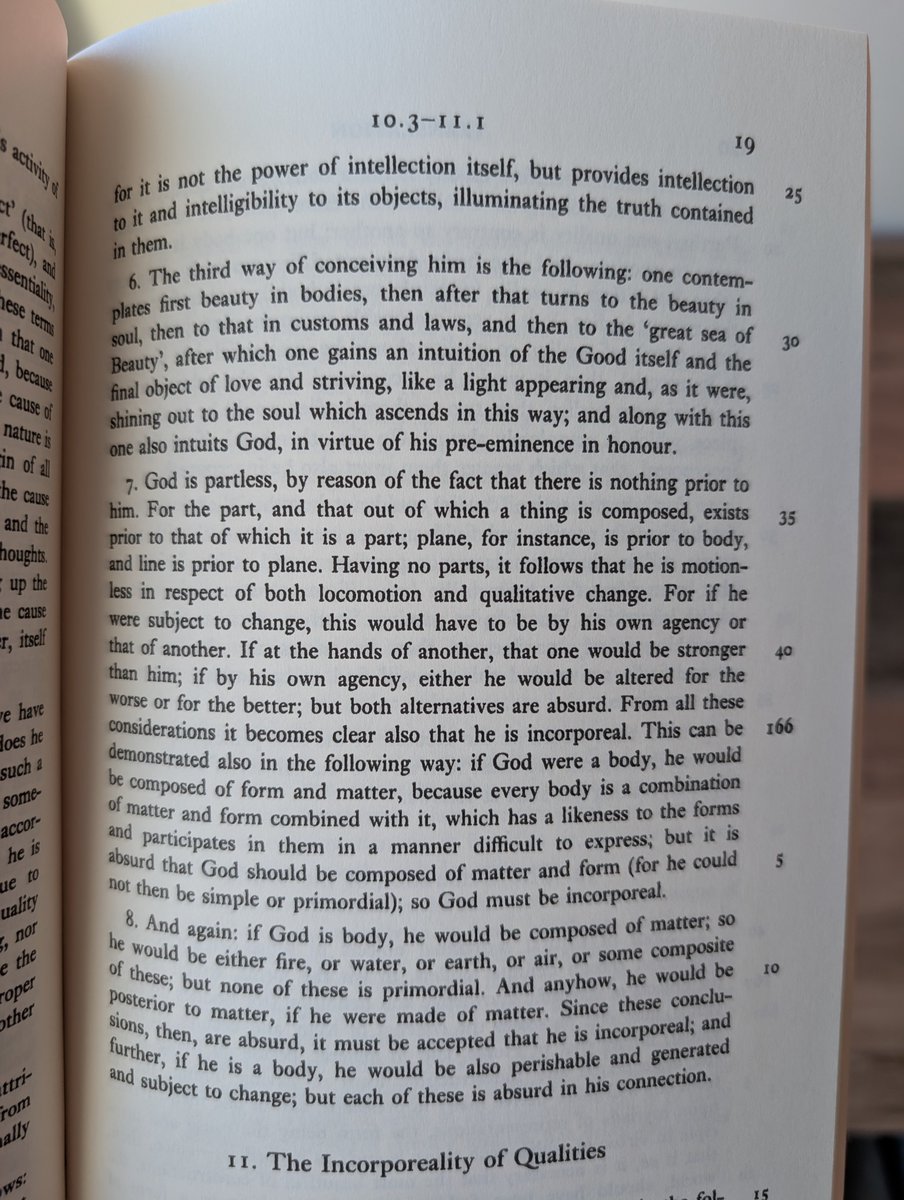
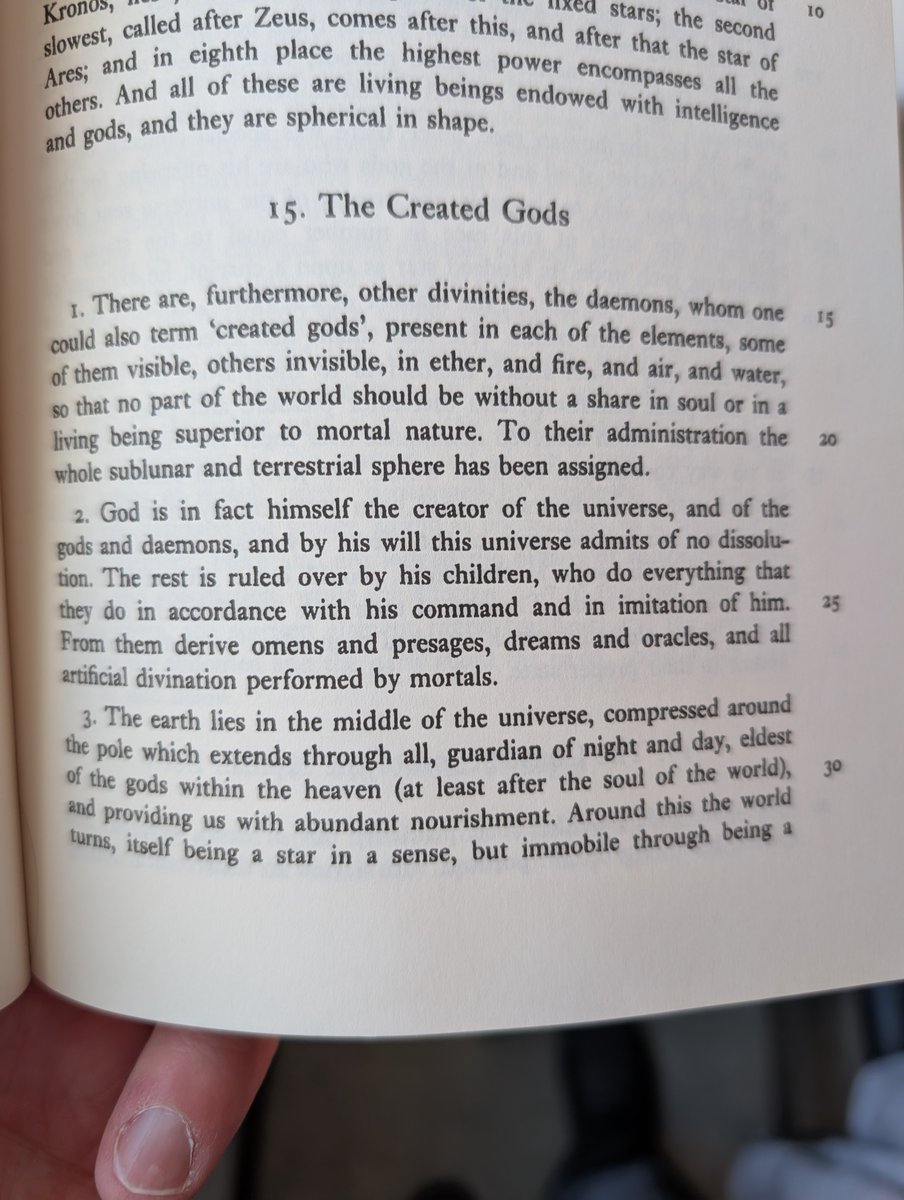
The idea that Plato means all the gods when he says "God" has no textual support whatsoever, and there are several explicit examples that explain exactly what Plato meant by "God."
First, there are the Definitions. After Plato's death, the old academy compiled a list of 185 definitions of philosophical terms in Plato's works. In it, they define
"God, theos: an immortal living being, self-sufficient for happiness, an eternal being, the cause of nature and goodness."
This is from the 3rd century BC, written by people who likely had a living memory of Plato himself, or at least knew people who did. No mention of gods at all.
Next is Alcinous/Albinus, who wrote the handbook of Platonism in the 2nd century AD. He describes God and the gods in it. Not one mention that he is referring to the gods, and he explicitly says God is partless. He also makes clear that the gods are created by God.
This was standard Platonic dogma 500 years after Plato.
Plotinus then associates the One with God, who is also perfectly simple and not equivalent to the gods. The gods are intellects and souls to Plotinus.
"And from there one ought then to sing the praises of the intelligible gods, and then above all of these, of the great king of that world whose greatness is revealed most especially in the multiplicity of the gods. For what those who understand god's power do is not to reduce divinity to a single god but to show that divinity is as profuse as god himself shows it to be when he, while remaining who he is, creates all the numerous gods who depend on him and derive their existence from him and through him."
-Plotinus, II.9.9.
Only when we get to Proclus, 800 years after Plato, do we find any explicit connection between the gods and the henads at the level of the One. But even in Proclus, he elevates the One above the gods.
Finally, we have Butler, who today says that Platonists have always believed that the One is all the gods, and provides no evidence for the claim beyond noting that Greek is loose with the term. Which might be meaningful if the Platonists hadn't explicitly explained what they meant by "God".
May 12

The One isn’t a being, but neither are the gods who are the ‘source’ of being. If you are willing to refute Christianity’s God by the measure that they are three persons, then you refute the proper reading of Platonic paganism of having the gods be not other than the One itself.
20
24
154
10,302
May 6
O great Athena, goddess, gray-eyed queen,
A child without a mother, calling out,
To those whose innocence is deaf and dumb.
Have mercy on the souls that shirk your ways.
For vice will tear the soul apart with grief
As sorrow breaks a mother’s heart in two
Give every wandering soul what it is due
In this life and in all that follows, too.
Protect us with your spear and aegis-shield,
And guide our eyes to see where all things end.
Grant her poor soul the strength at last to rise
I stand here lost, undone by grief and awe,
And know not how to bear a sorrow true.
2
8
40
1,174
Eric Claussen retweeted

Apr 29
Orthobros think everything intelligible in reality is conditional on believing that a 1st-century Jewish rabbi named Jesus created the entire universe, was born of a virgin, performed miracles, died by crucifixion, and physically rose from the dead three days later
Think of how insane that sounds when you state it plainly
60
31
319
16,047
Apr 28
The best material to start learning Platonism as a spiritual path:
Hierocles Commentary on the Golden Verses. @Heliotrophy edition recommended.
Epictetus Discourses and Handbook.
Waterfield Translation is best.
On the Gods and the World by Sallust
The Handbook of Platonism by Alcinous/Albinus
Beyond books, if you need help with the community. My polity, Platonic Path, helps connect Plotinists together and builds a practicing spiritual community.
15
659
Apr 28
One of the best aspects of Platonism is you can have a robust philosophy, belief in God and traditional religious practices grounded in western culture.
All while not having to accept irrational Christian superstitions like evolution being fake, dinosaurs being a test from God, demons everywhere, and a vengeful jealous God who needs you to believe a 1st century man is also God and needs you to drink his blood or you'll be tortured for eternity because he's still upset your fist female ancestor ate a fruit she wasn't supposed to.
The West deserves a better religion and Platonism is it.
16
22
194
8,370
Apr 27
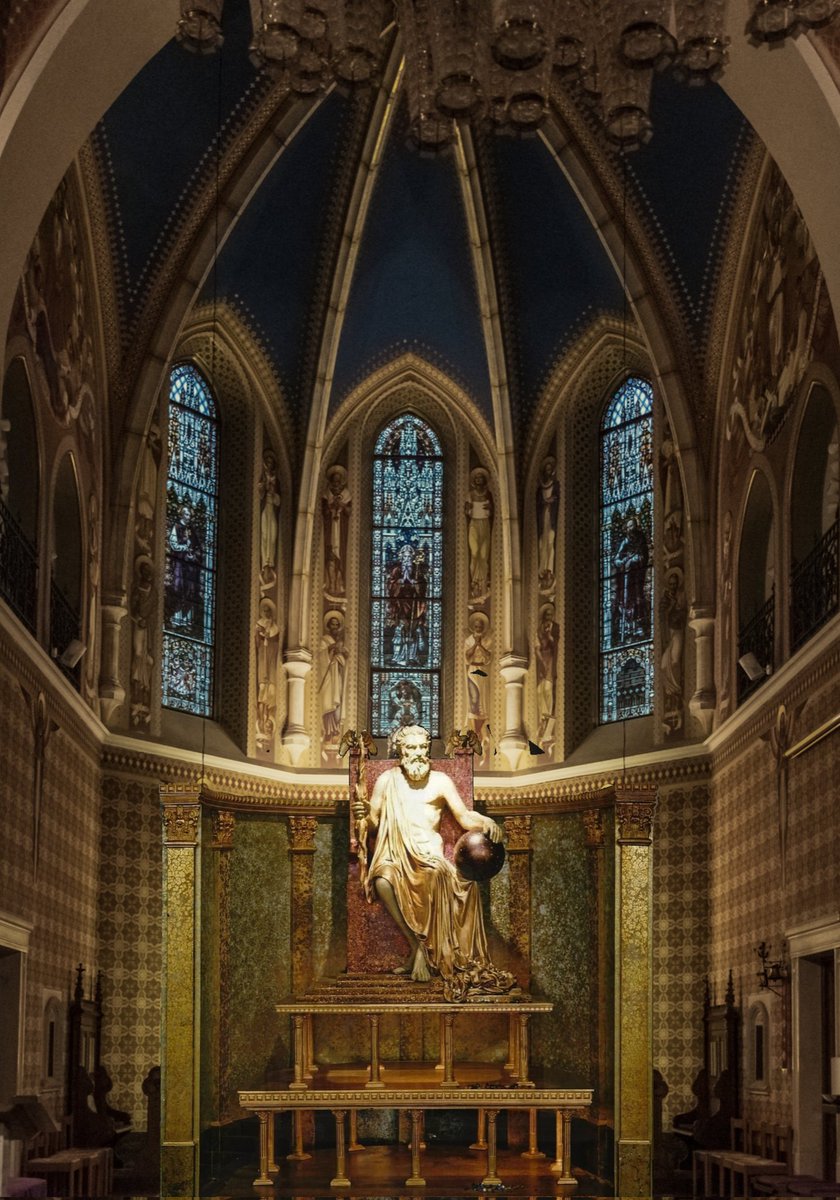
As a Zeus worshipper, I can say that Gervais' argument makes even less sense in regard to those practicing traditional religion.
There is a difference between God and the gods. The God of the philosophers is categorically different from a god like Zeus.
What we call gods are what most abrahamics call angels.
We too recognize the One which others call Brahman, the Father, God etc.
So Alex's critique elegantly points out the silliness of the argument.
Simply put, God is not a god. God is the source of all the gods.
Apr 27

How many followers of Zeus have you met recently? If we're talking about the religions that over 90% of religious people in the present moment adopt, we're choosing between the Abrahamic God, Brahman, and Nirvana. So how does this conversation go again?
9
9
81
2,535
Eric Claussen retweeted
Apr 26
> you guys completely made that up for perfectly cynical reasons
> you guys destroyed them through the exact same methods that secularists have lately very successfully been using to destroy you.
> A "larping atheist" would be someone who just goes through the motions or cynically promotes church for social reasons... i.e. "christmas & easter christians." We are perfectly earnest larpers thank you very much.
> "the benefits of spiritual life without the responsibility" ... You mean like having a paid clergy that does shit on our behalf and only asks us to confess to them? I WISH. Do you know how much reading, comparing, and thinking I had to do to develop the practice I have? A practice which, by the way, provides benefits directly proportional to how much or little I'm investing in it at any given time, because I'm the sole individual RESPONSIBLE for it?
>"no coherent beliefs/liturgy/traditions" To the extent this is true, you're just restating point 2 and the rebuke is the same; Nonetheless, we have fewer pantheons than christians do denominations, and we also have no reason to fight about them. Among these pantheons, ethical beliefs differ less than catholics differ from calvinists and the conception and practice of sacrifice differs less than christian disagreements about the eucharist.
> “…The oracle declared Christ to be a most pious man, and his soul, like the soul of other pious men after death, favored with immortality; and that the mistaken Christians worship him.
And when we asked, Why, then, was he condemned? The goddess (Hecate) answered in the oracle: The body indeed is ever liable to debilitating torments; but the soul of the pious dwells in the heavenly mansion.
But that soul has fatally been the occasion to many other souls to be involved in error, to whom it has not been given to acknowledge the immortal Jove.
But he himself is pious, and gone to heaven as other pious men do. Him, therefore, thou shalt not blaspheme; but pity the folly of men, because of the danger they are in.”
–From Porphyry, Philosophy of Oracles.
> You are not on a "highway to hell," there is no "devil," you are morally responsible for your own soul and you will be judged according to rational and realistic standards, with no shortcuts, and will receive rational and realistic corrective measures because the will of Jove is that you be made into an image of wholeness to participate accordingly in the Whole; you are not livestock to be judged by one short life and then sorted into the Good Boy or Bad Boy cattle pen.
Jove is everything. Jove is God. You already worship him dimly and ignorantly. You are already an eternal soul and the quality of your experience as such is within YOUR power to degrade by ignorance or improve by wisdom and piety.

Hey pagans, did you know
>your gods are demons
>your religions are dead
>your revivalists are just larping atheists
>you want the benefits of spiritual life but without the responsibility
>you have no coherent beliefs, liturgy, or tradition
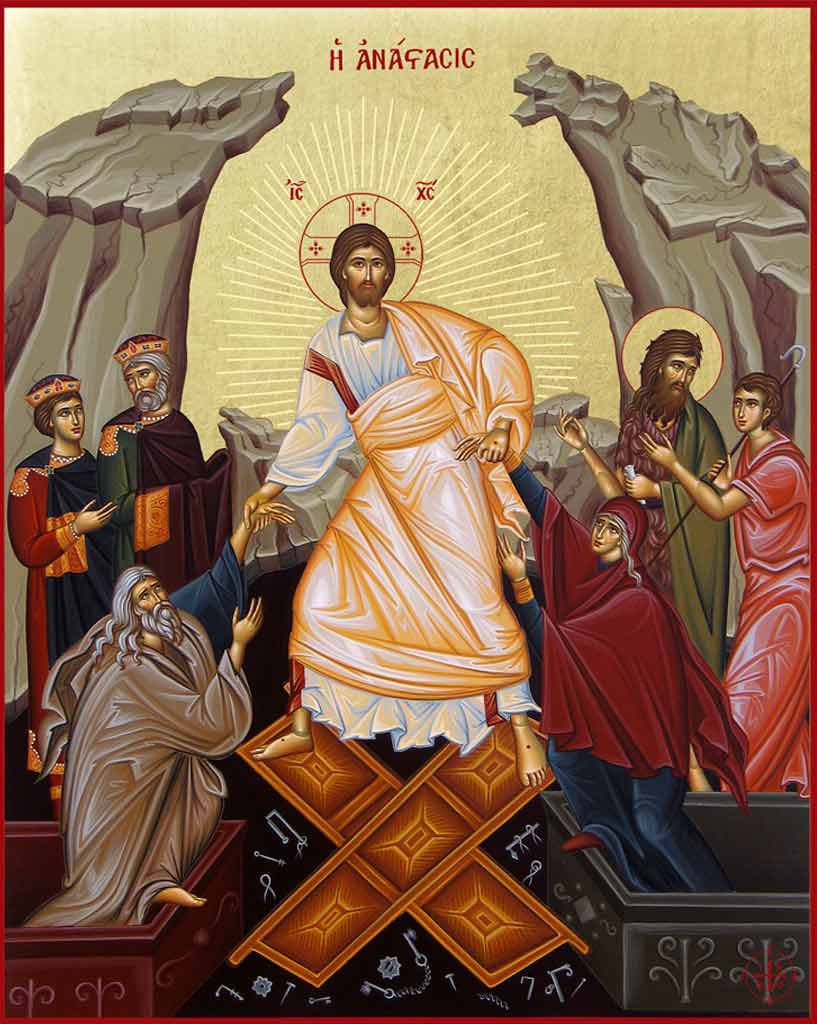
>Jesus Christ (chad) defeated the devil (king of your fake and gay gods) through His passion, death and resurrection
>you can exit the highway to hell by simply believing, repenting of sins (includes a resolve to sin no more, not mere remorse), and doing His will (loving God and others, not sinning, giving alms, fasting, praying, stuff like that)
Jesus Christ is everything. He is God. He is the truth and the truth will set you free (eternal life).
17
36
225
8,222