Helping @EnvDefenseFund support people’s health by cutting air & climate pollution & getting toxic chemicals out of our food, water, products & communities.
New research shows a disproportionate share of Illinois warehouses are located in communities of color, worsening diesel pollution and health risks. State-defined environmental justice communities make up 1.3% of the state — but contain 41% of warehouses. 🏭 More: blogs.edf.org/energyexchange…
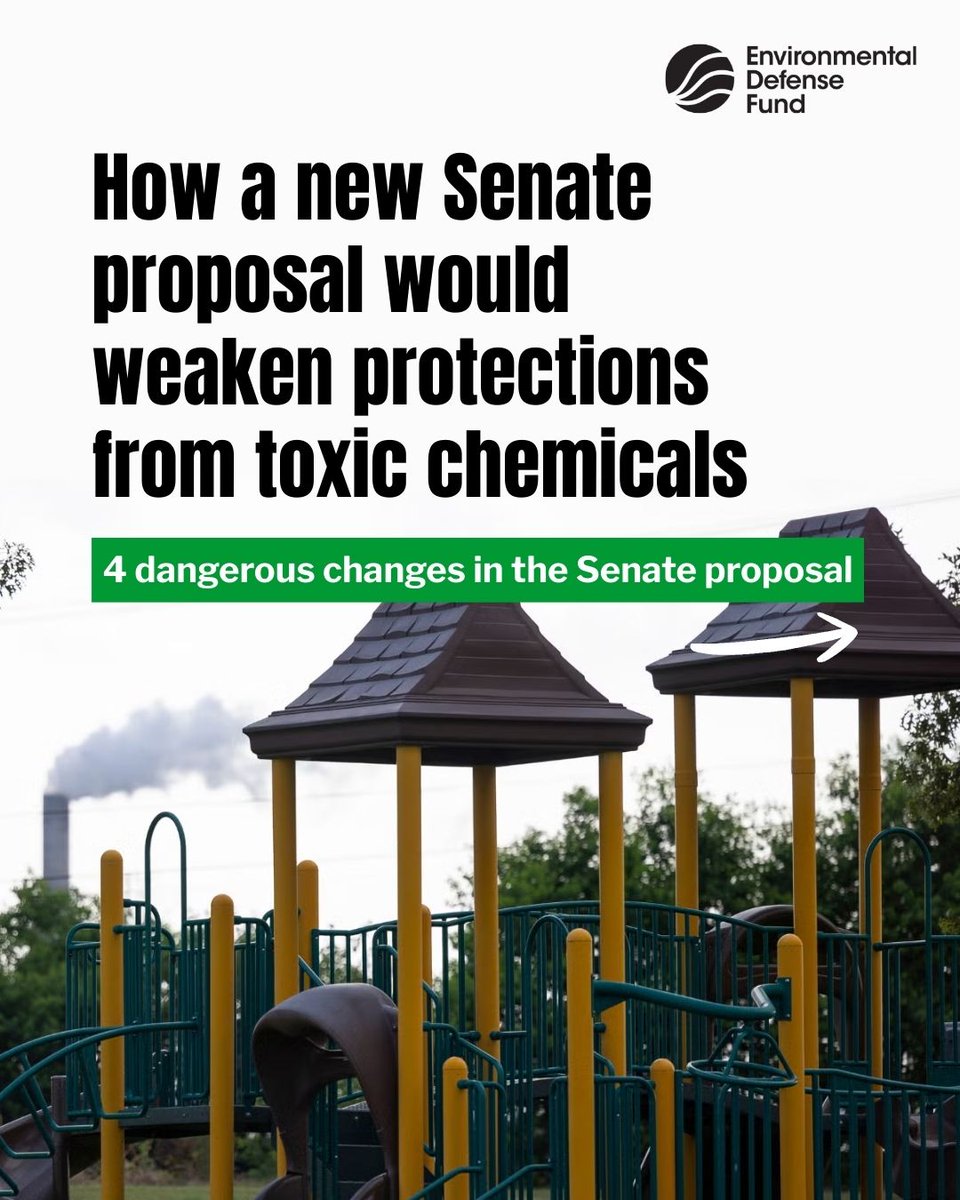
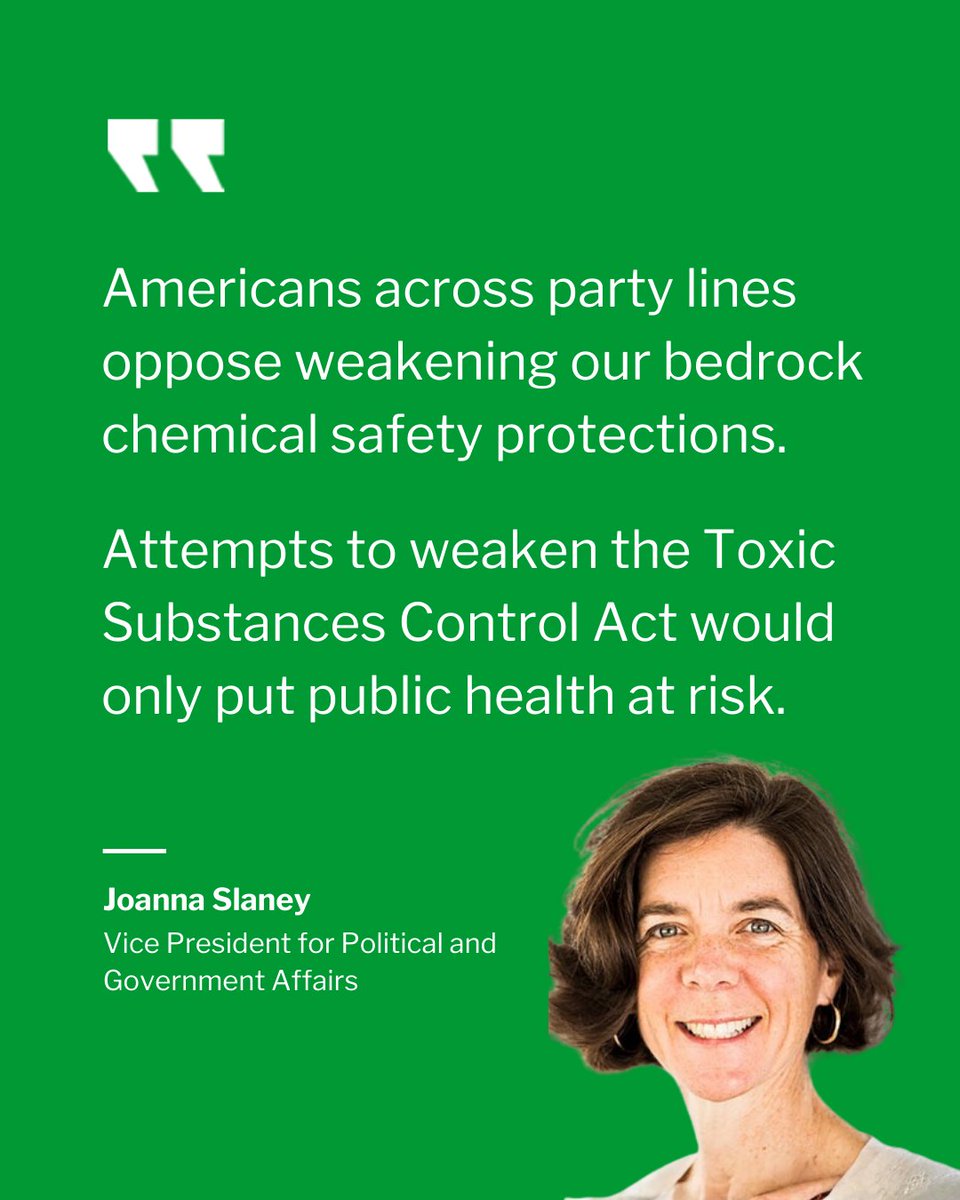
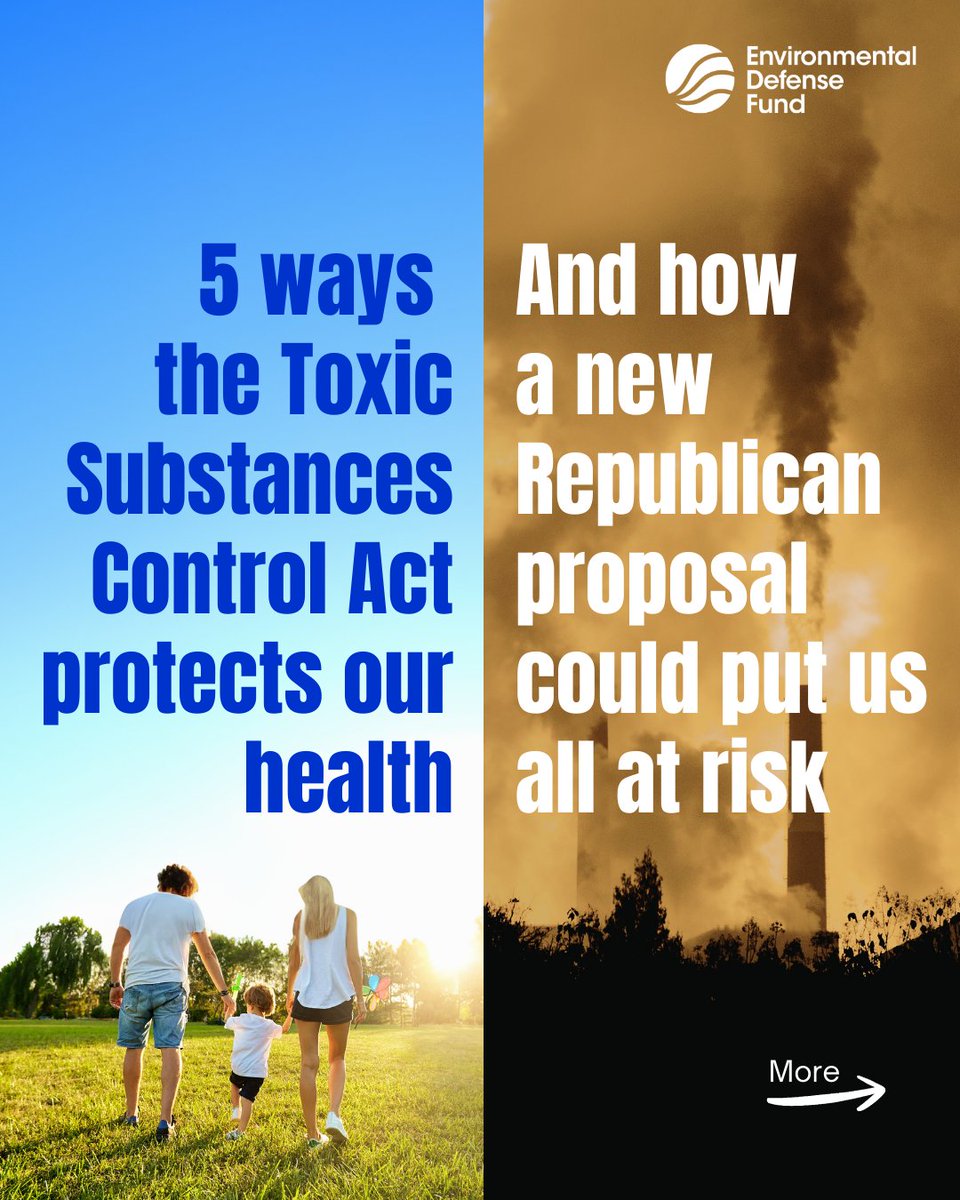
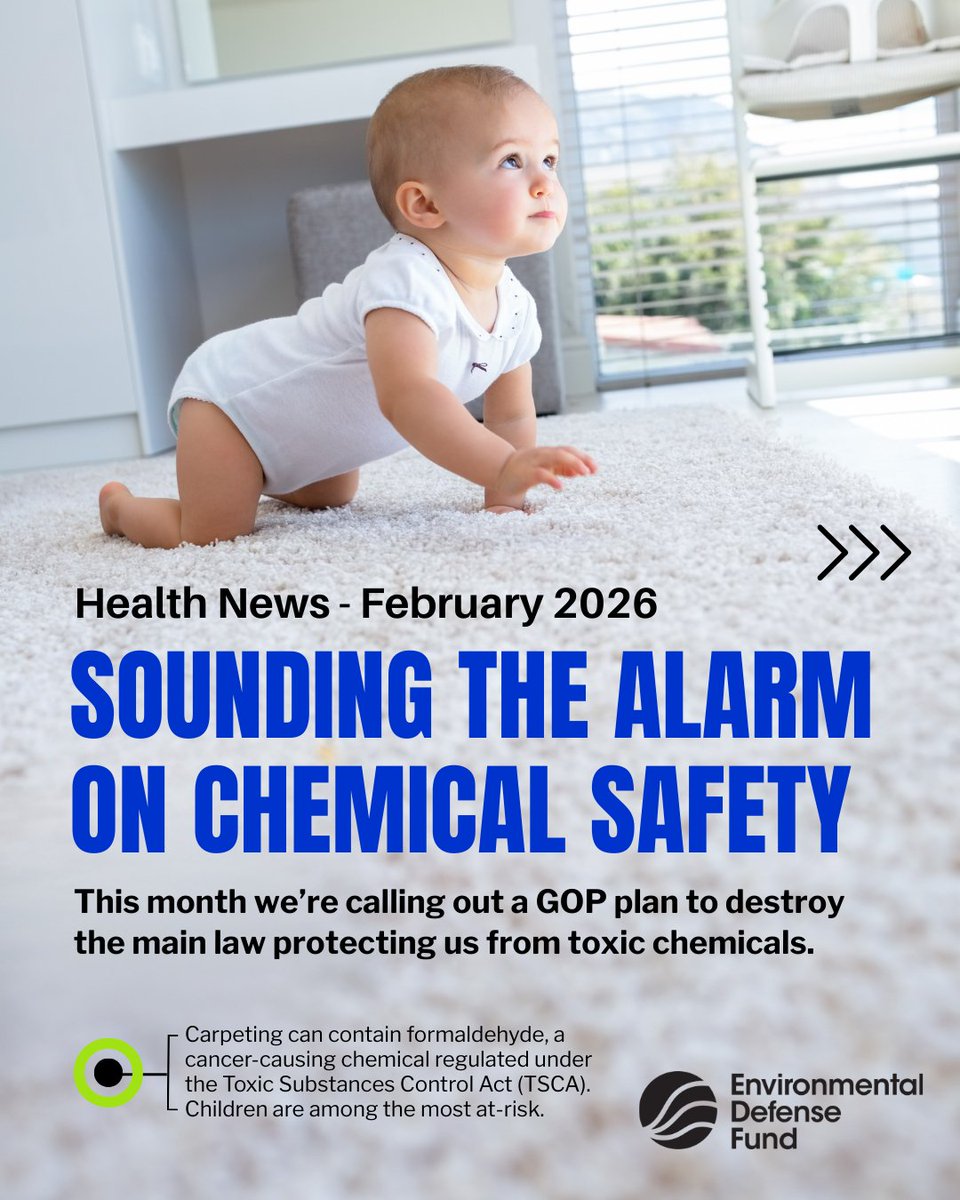
The Toxic Substances Control Act is the main law protecting Americans from harmful chemicals. But a Republican proposal would put industry costs and feasibility over public health concerns while blocking states from filling protection gaps. Read more: bit.ly/4e18u6d
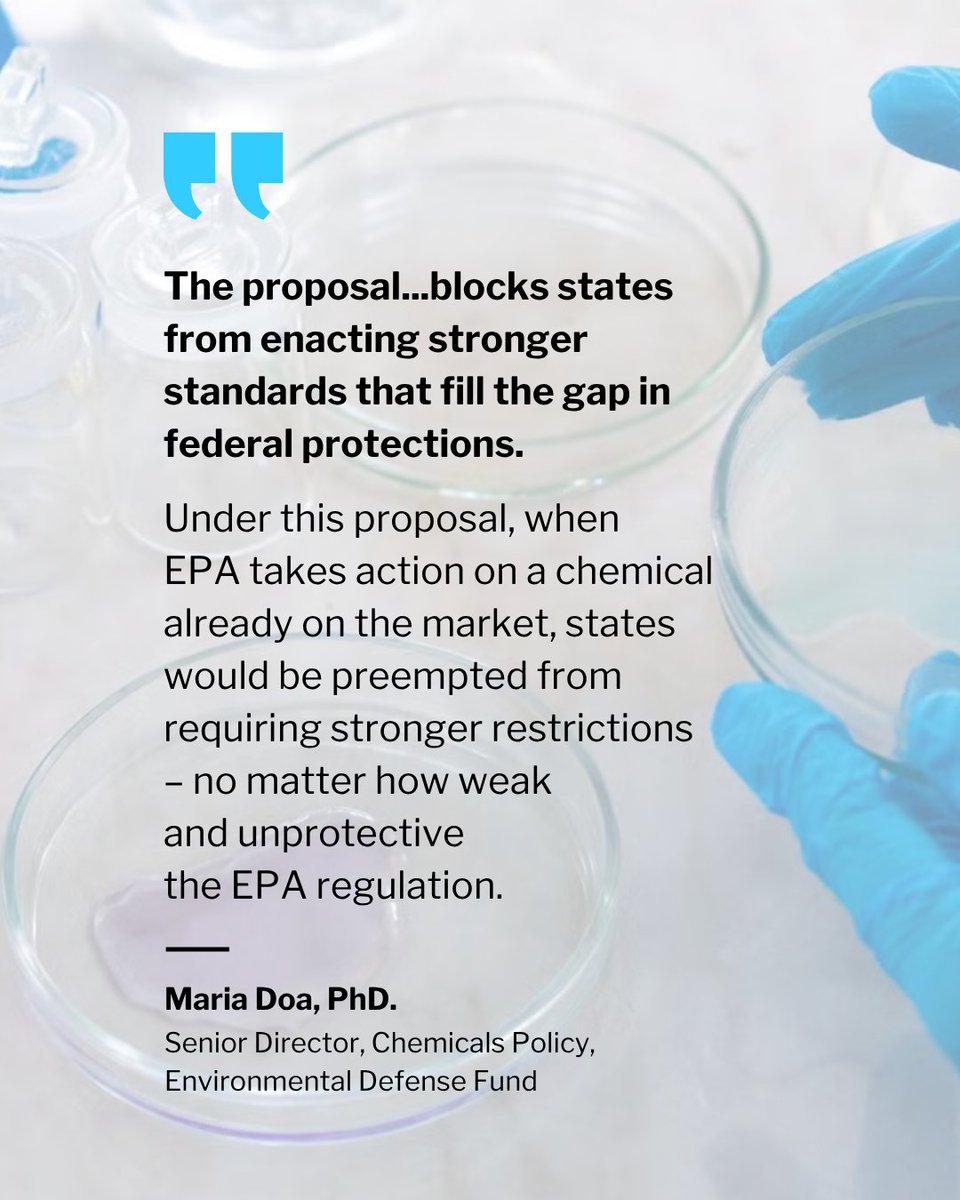
ALT The proposal...blocks states from enacting stronger standards that fill the gap in federal protections.
Under this proposal, when EPA takes action on a chemical already on the market, states would be preempted from requiring stronger restrictions
– no matter how weak
and unprotective
the EPA regulation.
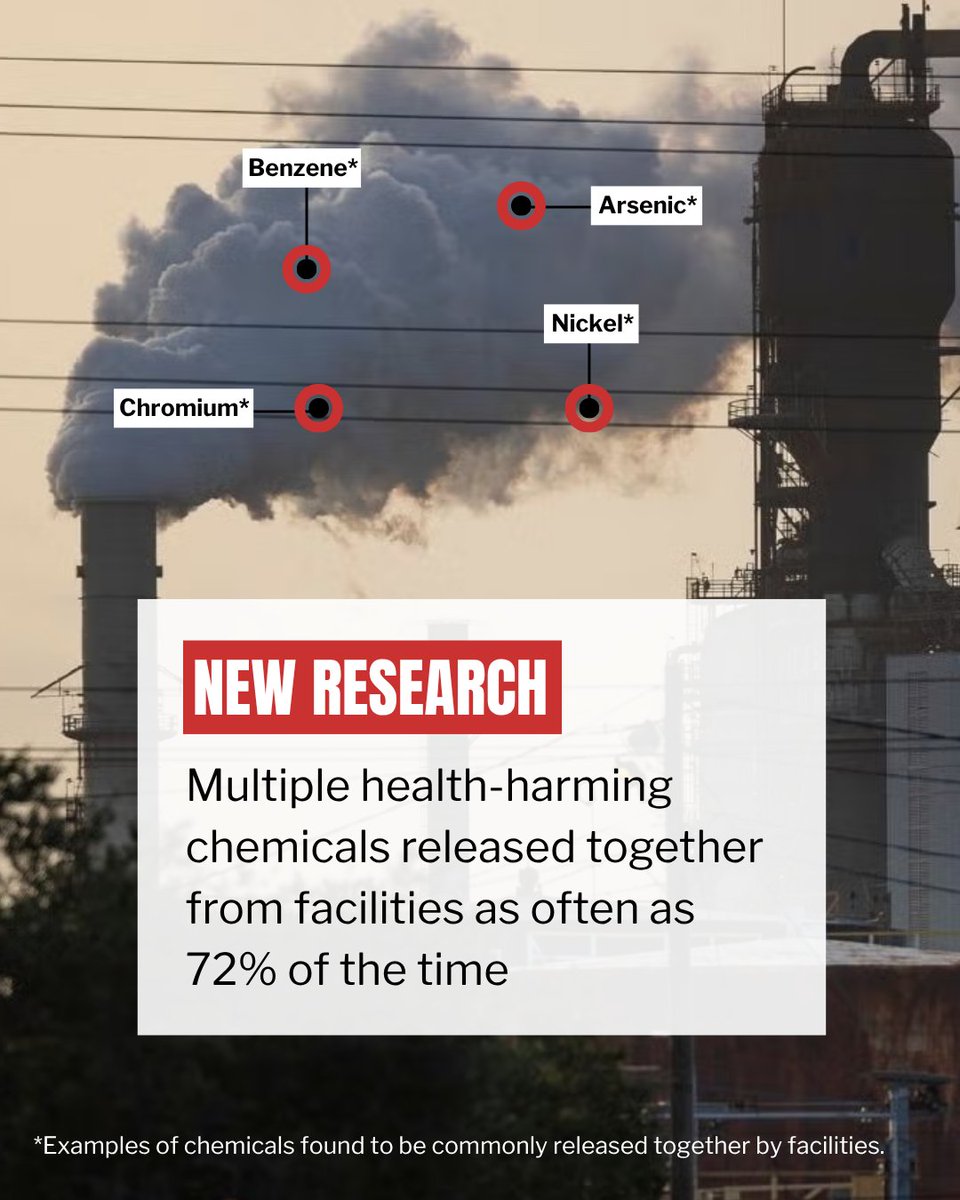
New EDF research finds harmful chemicals like benzene, arsenic and nickel can be released by facilities up to 72% of the time, increasing health risks like cancer. It also shows why centering frontline communities can drive stronger protections. Read more: bit.ly/4fC6SRA
ALT New research: Multiple health-harming chemicals released together from facilities as often as 72% of the time
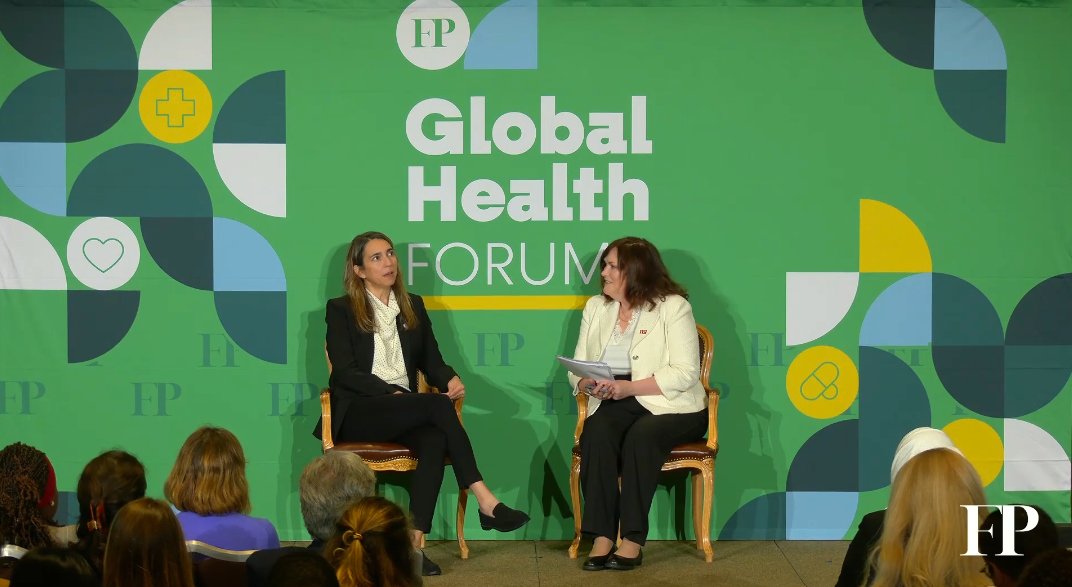
EDF's @sarvogel was at the @ForeignPolicy's Health Forum today to talk about the urgent need to integrate health, AQ and climate data to improve health in the face of a changing climate. Check it out starting at the 45 minute mark. foreignpolicy.com/events/fp-…
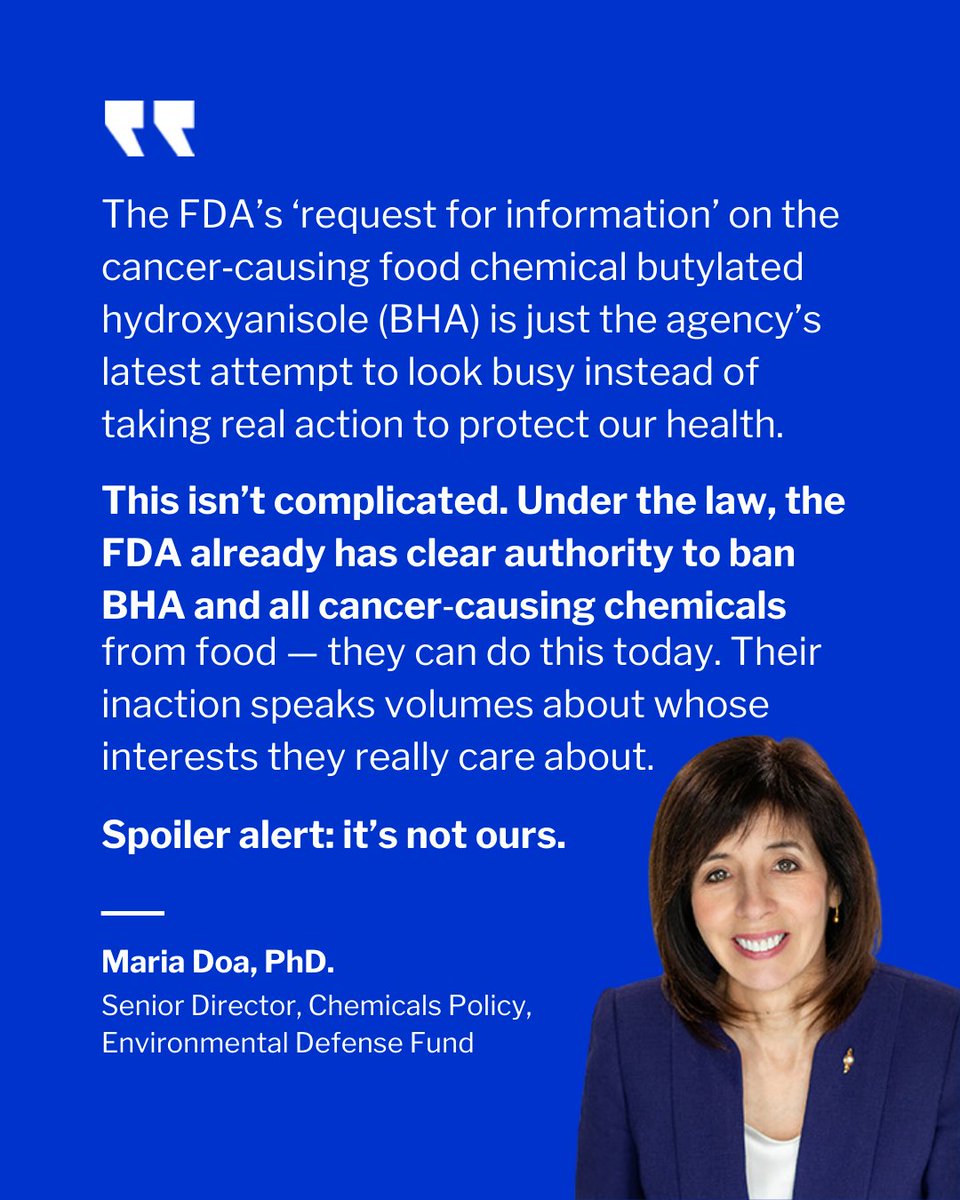
FDA’s new program to assess the safety of chemicals already on the market is a step forward, but it leaves vital questions unanswered and fails to adequately address cancer-causing chemicals and other risks. Full statement from Dr. Maria Doa: bit.ly/4nL4een
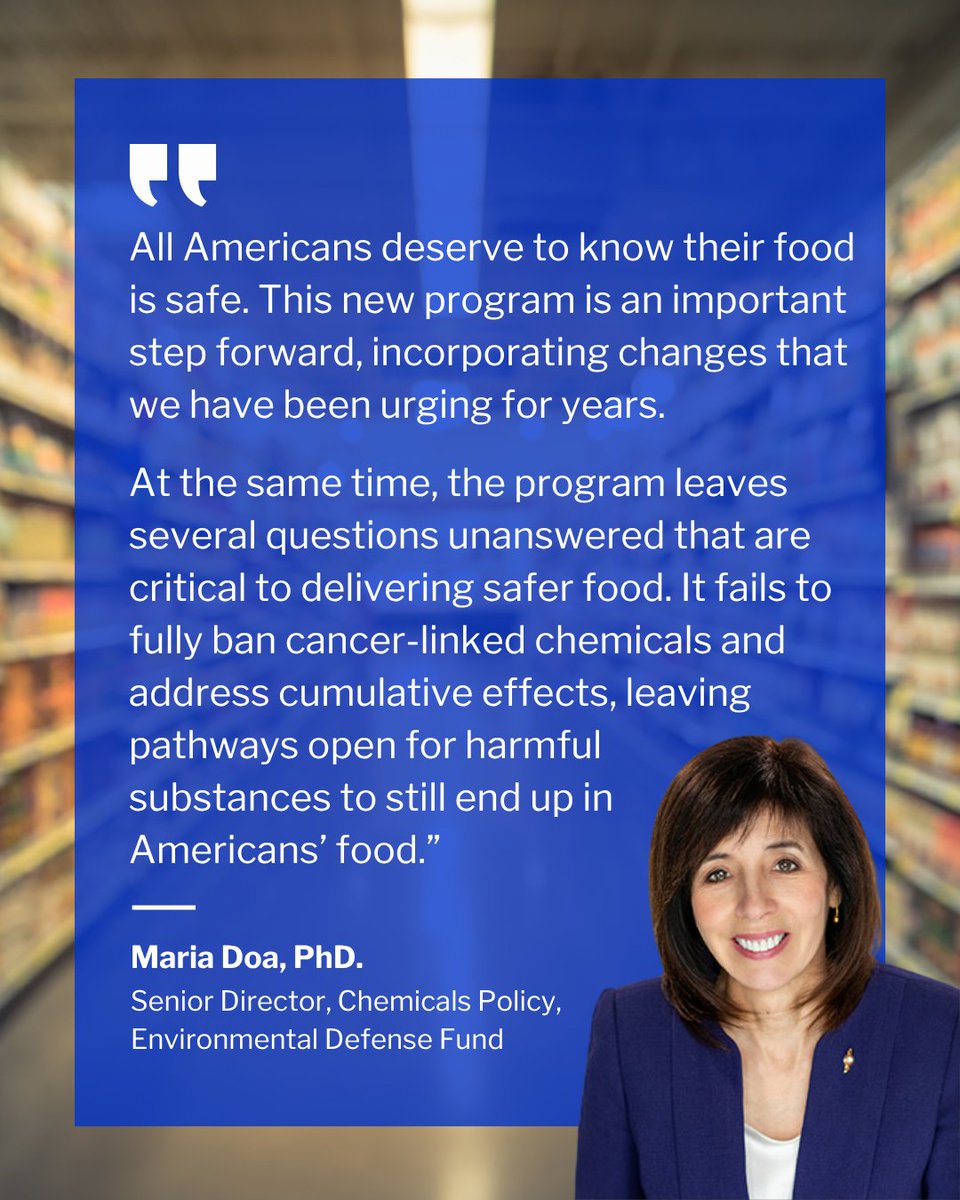
ALT "All Americans deserve to know their food is safe. This new program is an important step forward, incorporating changes that we have been urging for years.
At the same time, the program leaves several questions unanswered that are critical to delivering safer food. It fails to fully ban cancer-linked chemicals and address cumulative effects, leaving pathways open for harmful
substances to still end up in
Americans’ food.”
Maria Doa, PhD.
Senior Director, Chemicals Policy, Environmental Defense Fund
Most people around the world are breathing unhealthy air, but it doesn’t have to stay this way.
Human health and planetary health go hand-in-hand—and so do the solutions. youtube.com/watch?v=Gg4TgLfE…
New @EnvDefenseFund research suggests that some refineries aren’t doing enough to address persistent pollution leaks. But cleaner air is possible, and fenceline monitoring can help us get there. Author Dan Peters explains.
Learn more: bit.ly/4nqz7Vf
Air pollution and climate change are hitting our health with a one-two punch. But that also means solutions bring double the benefits: A stable, livable climate AND cleaner, healthier air.
Most people around the world are breathing unhealthy air, but it doesn’t have to stay this way.
Human health and planetary health go hand-in-hand—and so do the solutions. youtube.com/watch?v=Gg4TgLfE…
In this historically Black community, families have spent decades breathing polluted air from nearby industry.
Now, new air monitors supported by local advocates & partners like @bullardcenter & EDF will bring critical data to an area long overlooked. wordinblack.com/2026/04/in-h…
Asia is key to global clean-air progress. Even as funding drops, communities across the region are tracking and cutting pollution with innovative policies and financing. At #BAQ2026 in Bangkok, EDF heard what leaders need next—4 big insights. Full blog: bit.ly/4sJ3oQ5
The air we breathe remains unhealthy across many parts of our nation. And despite progress in pockets, much work remains.
As @LungAssociation’s annual State of Air report released today shows, nearly of all kids are impacted.
Developing lungs are uniquely vulnerable.
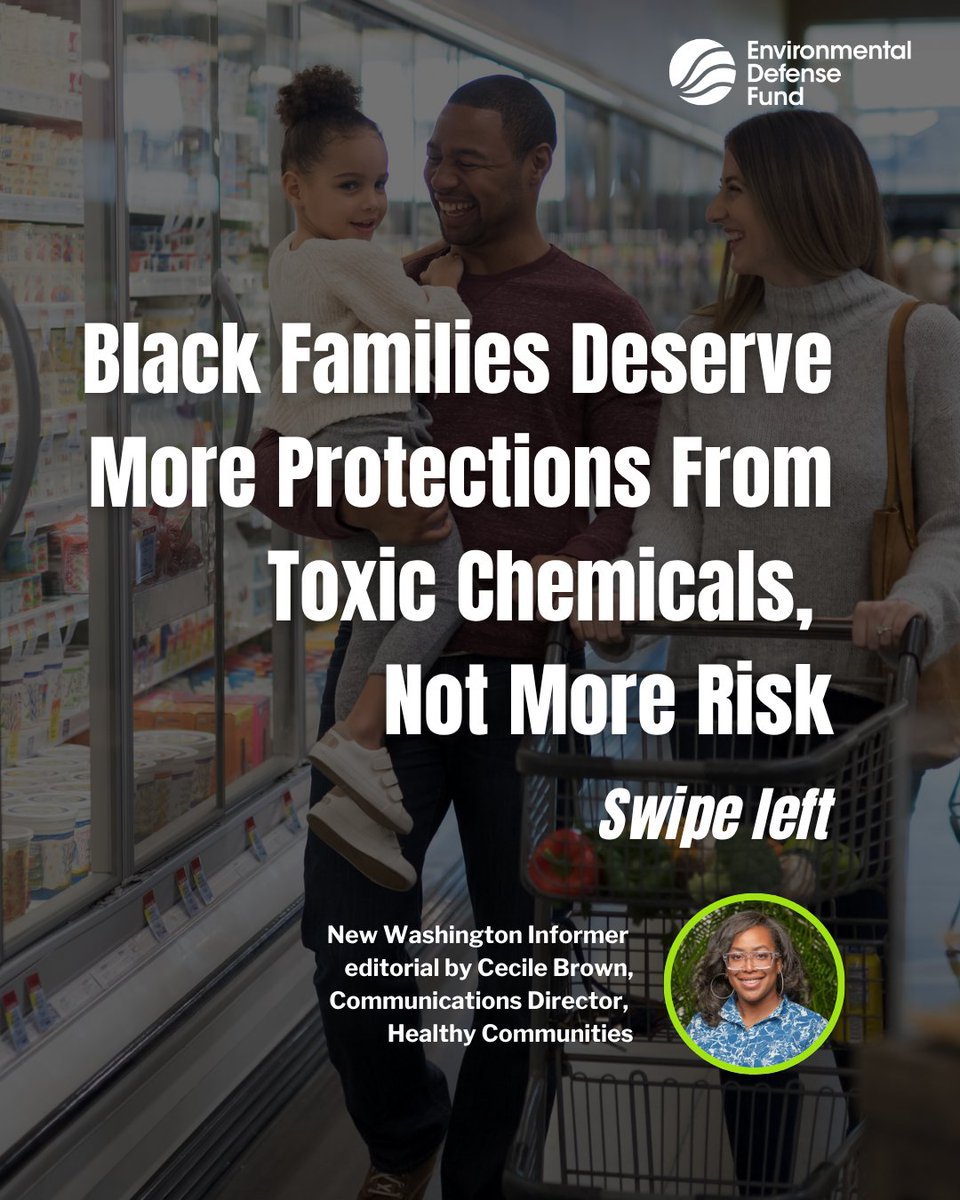
#EarthDay reminds us: The Earth’s health is our health. In @WashInformer, EDF’s Cecile Brown details higher disease risks Black communities face from toxic chemicals in food, water, products & more. No family should need a PhD to stay safe. Full oped: bit.ly/3OEFgQD
ALT In a new oped, EDF’s Cecile Brown calls out the outsized disease risk that black communities face due to above average exposures to toxic chemicals in food, water, the air, products and more. These chemicals harm us through increased risk for diseases like cancer even as they harm our environment. No American should need to PhD in chemistry to keep their family safe.
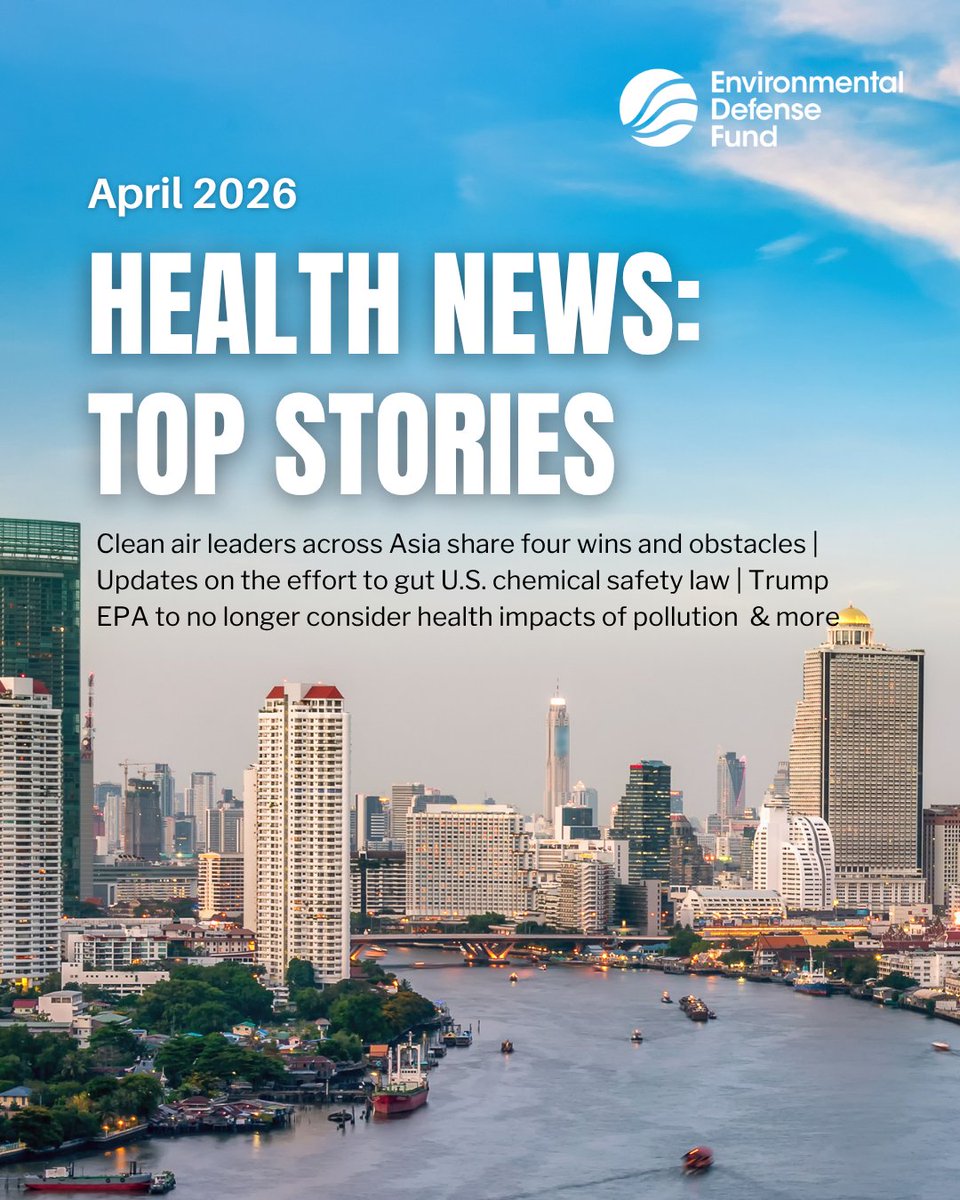
April EDF Health News is here — Here are our top stories:
✔️ 4 learnings from clean air leaders across Asia
✔️ How industry-driven TSCA bills make us less safe
✔️ Trump EPA values your health at $0
✔️ Netflix doc spotlights “Cancer Alley"
Read more: bit.ly/42ebeGB
👇 Another example of the the growing toll that climate change is having on our health with each passing year. This trend means more and earlier extreme heat incidents, which increase risk for diseases like heart disease, stroke, asthma and kidney failure.
Historic March heat proved relentless, shattering the previous U.S. record set in 2012, per NOAA report. Soaring temps also marked the first time any month beat its long-term average by more than 9*F, with roughly 130M Americans impacted. bit.ly/4mne05V
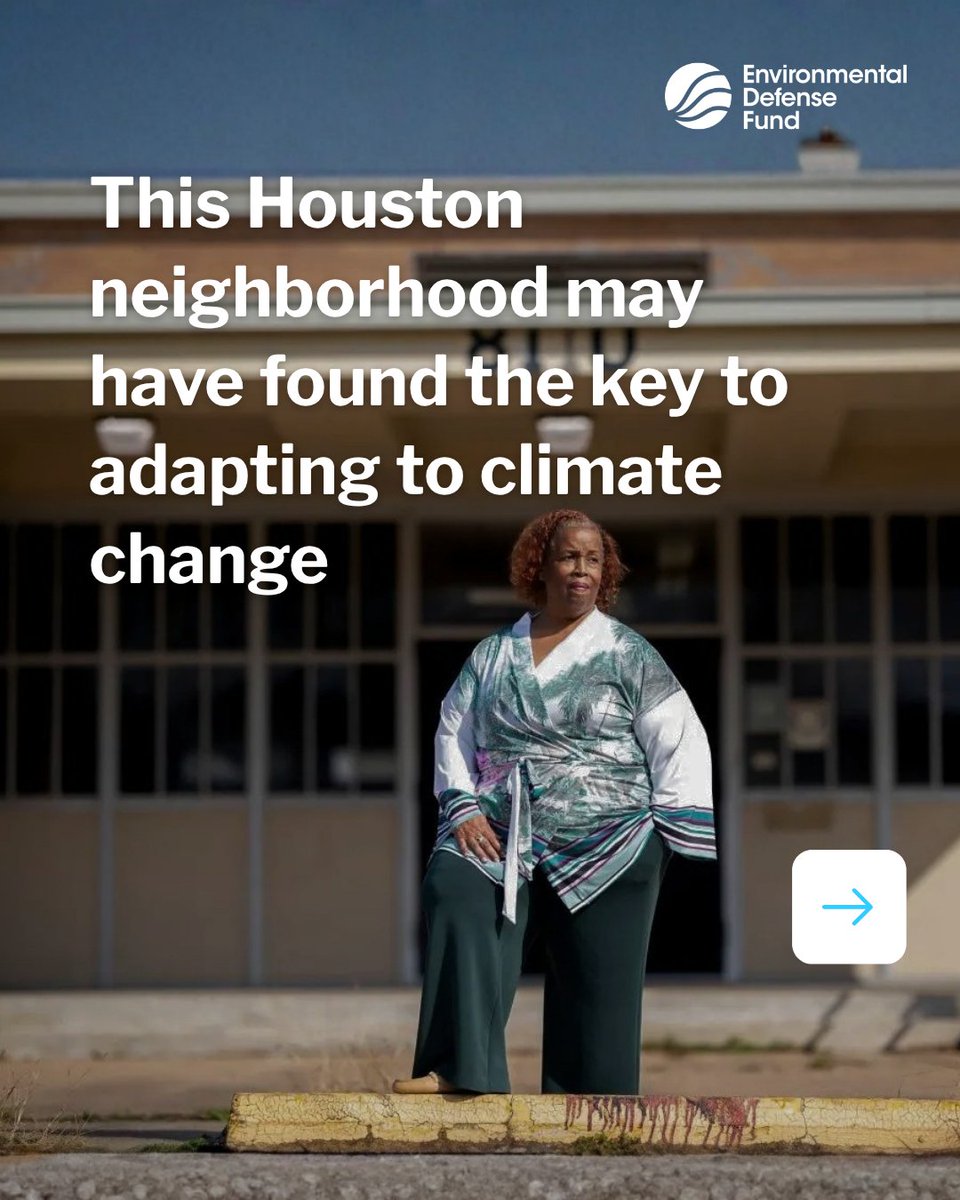
Huey German-Wilson has spent 30 years on Houston’s flood-prone NE side—through dozens of major floods. Now she & local leaders are building “resilience hubs” to support neighbors before, during & after storms: a model for climate-ready communities. bit.ly/4ttdplj
ALT This Houston Neighborhood may have found the key to adapting to climate change
2/🧵
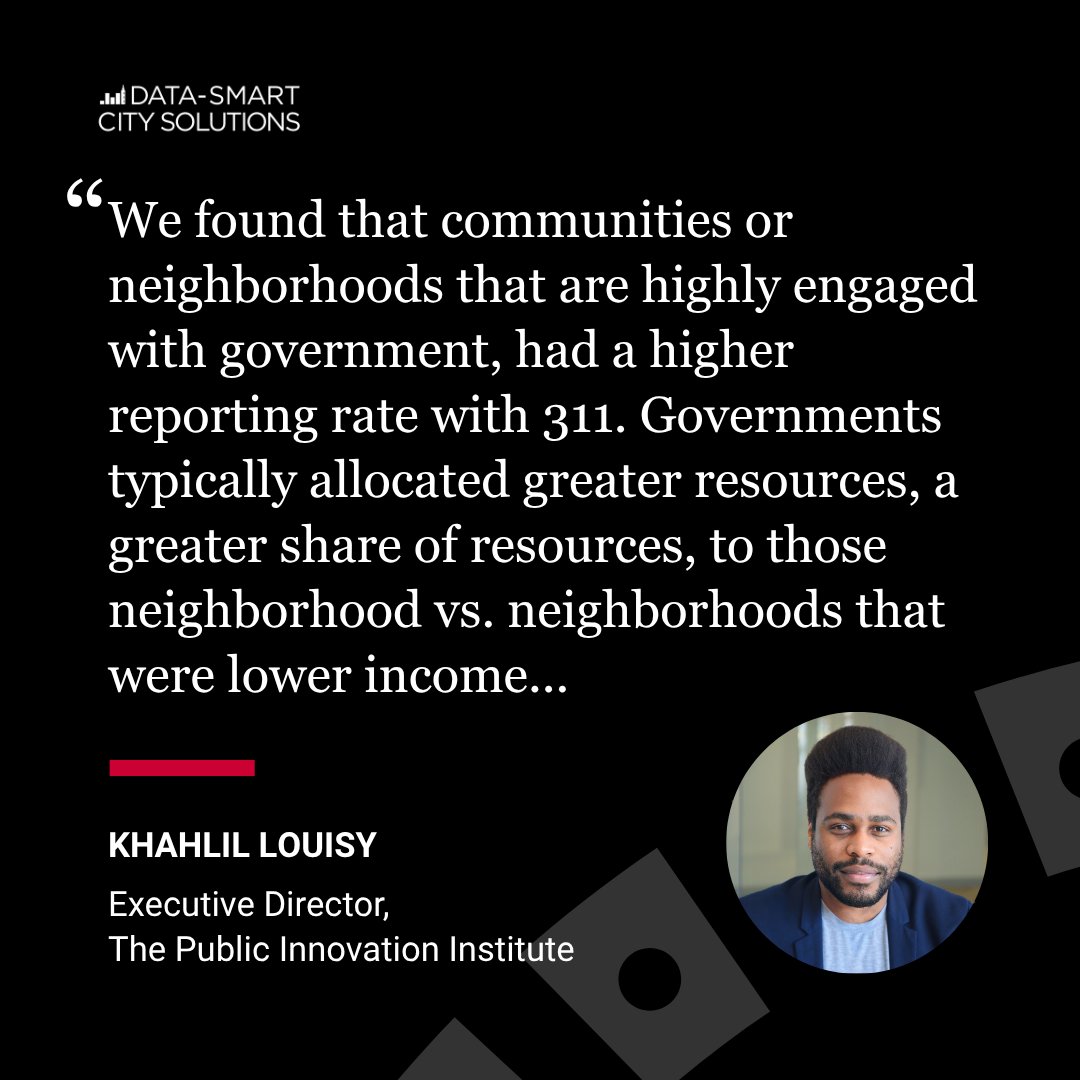
@TheRealKhahlil, who explored this topic in his analysis of computer-generated and AI-assisted infrastructure monitoring compared with resident 311 requests (datasmart.hks.harvard.edu/re…) is on the latest episode of the #DataSmartCityPod to discuss this further.
1/🧵 If we know that resident-generated reports don't tell the whole picture, then how can we adjust what data is used for decision-making to prevent inequities?
This is a big Q, and many cities are actively working to correct or mitigate gaps that exist in things like 311.
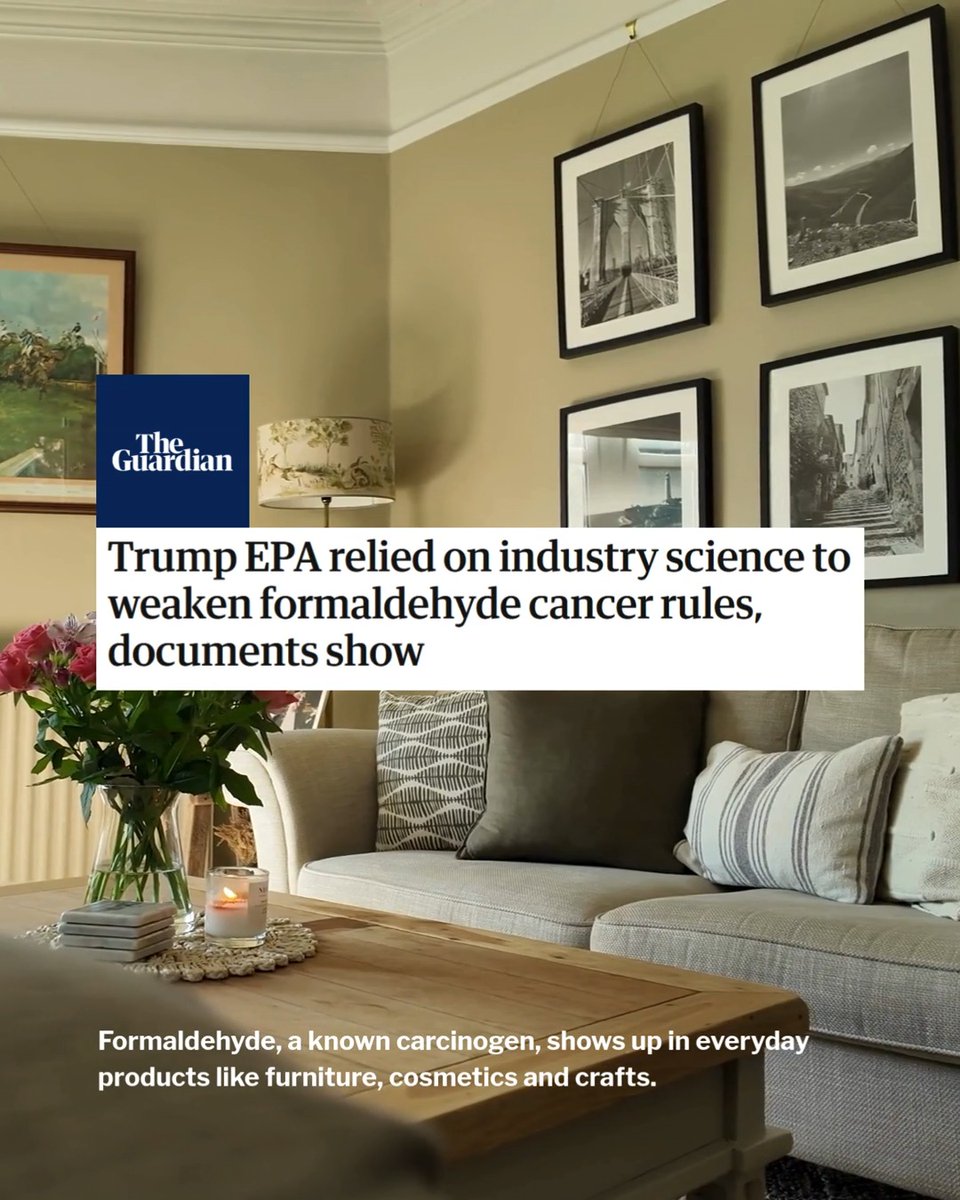
New from @guardian: Trump EPA relied on industry science to weaken formaldehyde cancer rules, documents show
“The bottom line is money – and that they want limited regulations on the chemicals they are making,” says @EnvDefenseFund's Maria Doa, PhD.
bit.ly/4cjO5bG
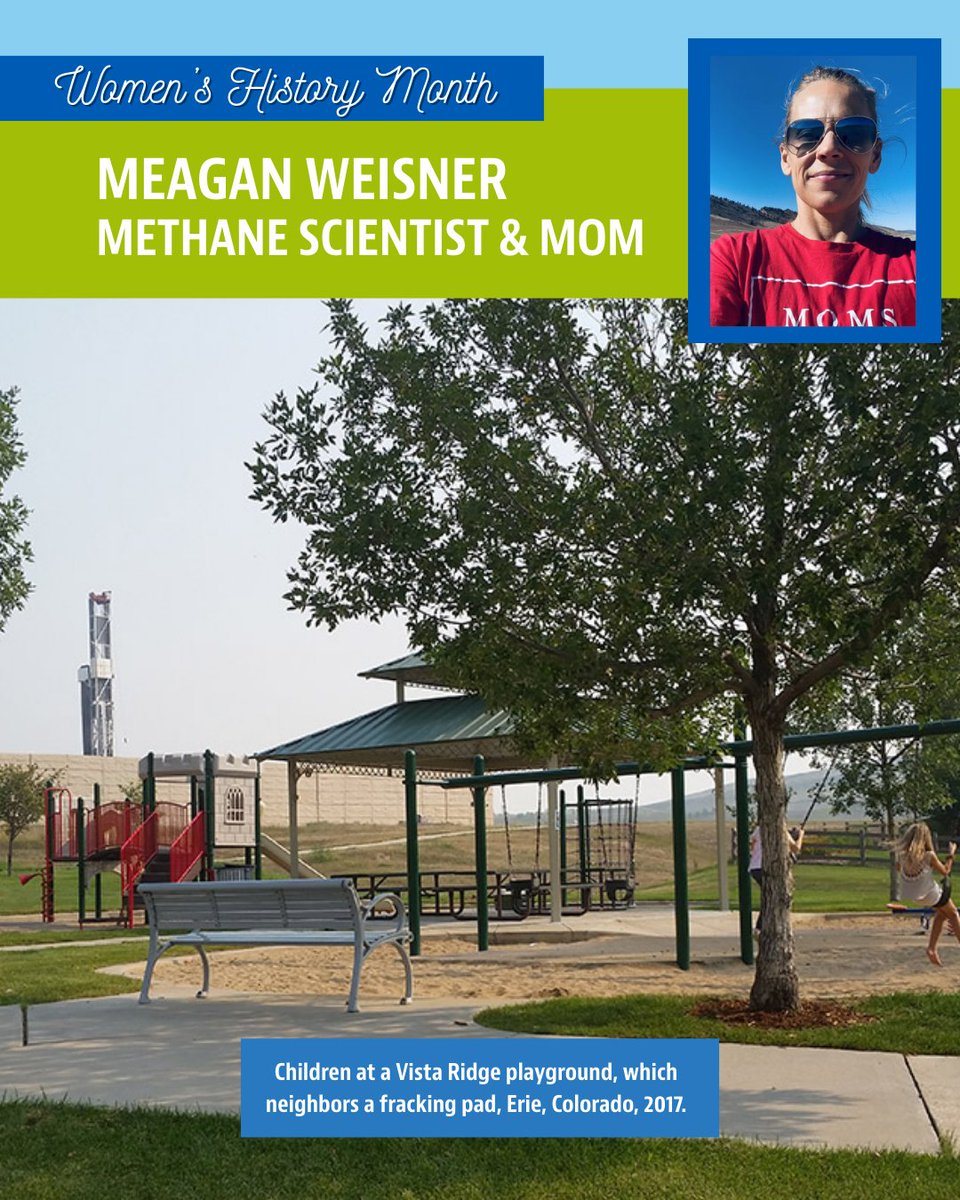
From climate science pioneer Eunice Newton Foote, who was the first person to study global warming, to Meagan Weisner, methane scientist and mom, #WomensHistoryMonth is the perfect time to celebrate the long history of women on the cutting edge of pollution science. #CutMethane
We’re proud to stand behind Ms. Sharon, @risestjames & community leaders fighting for their right to breathe in Cancer Alley. Hear her story featured in #ThePlasticDetox, streaming now on @netflix