178 Photos and videos
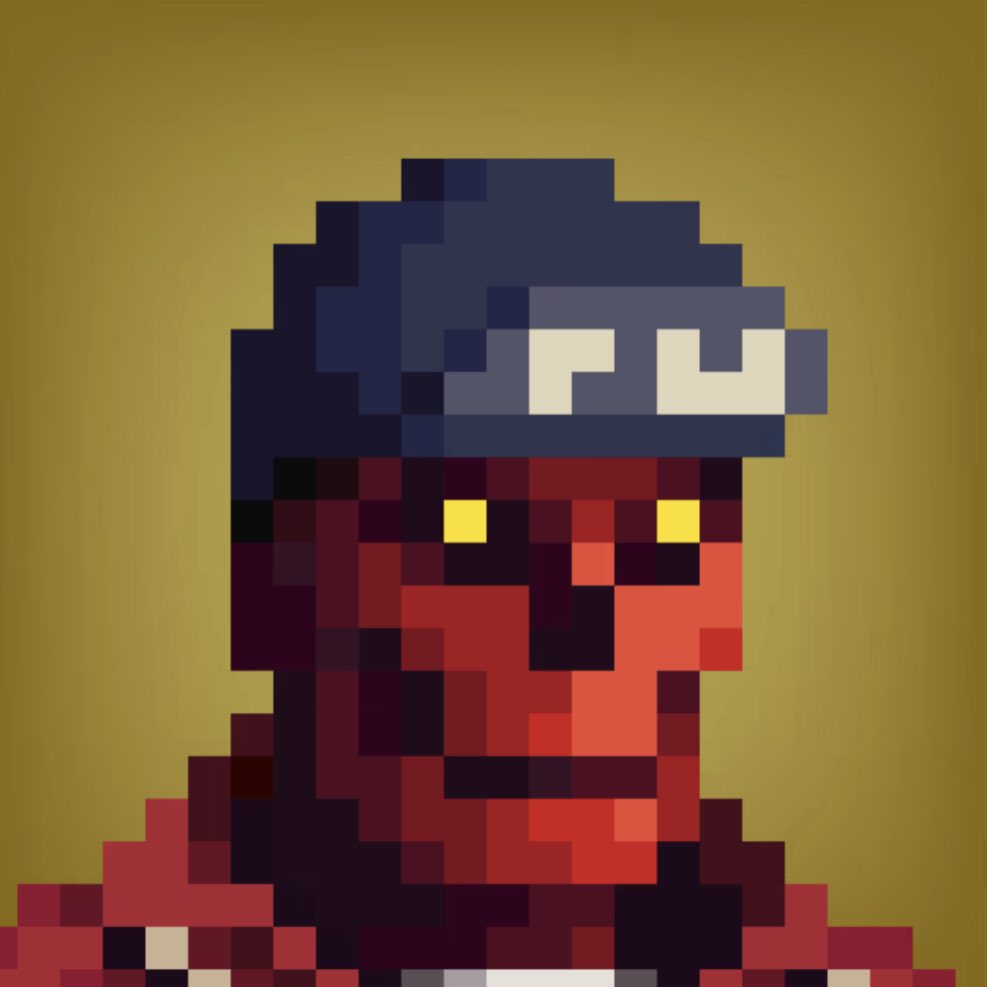
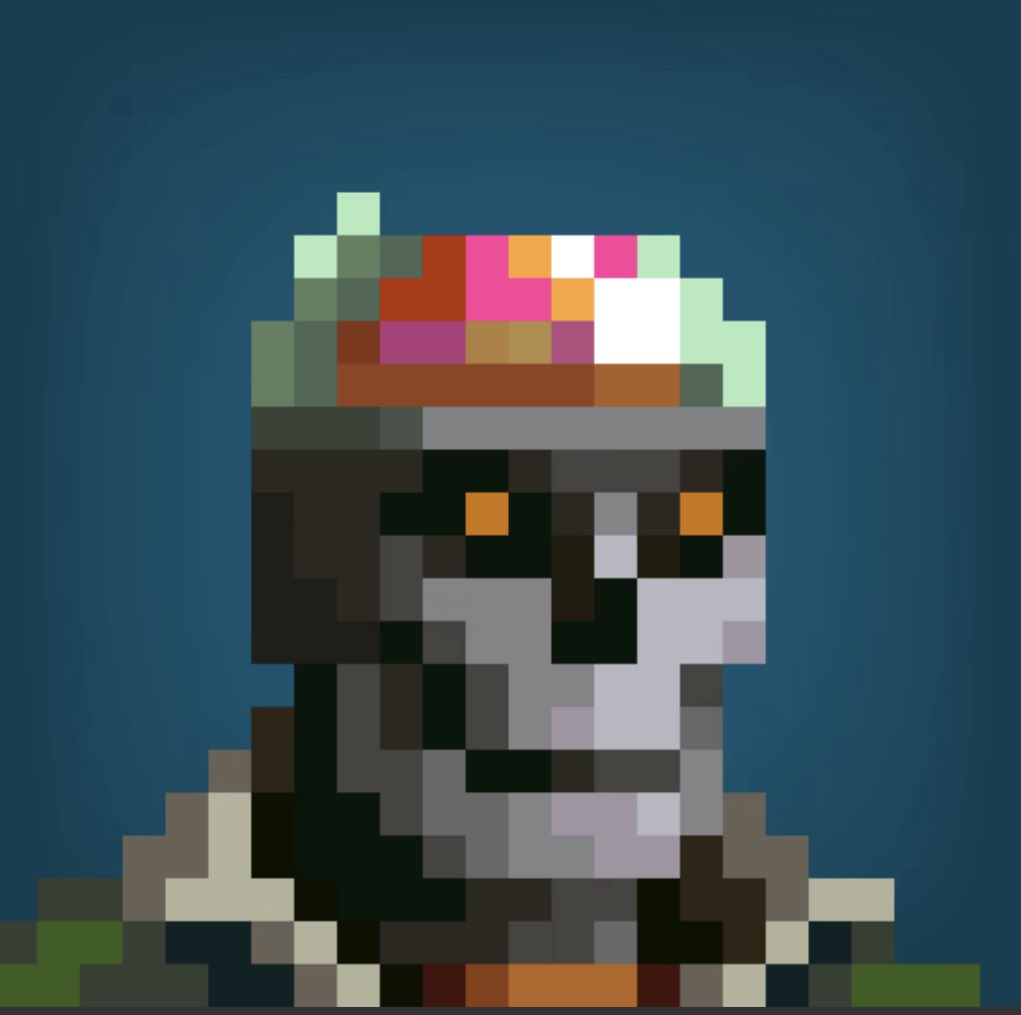
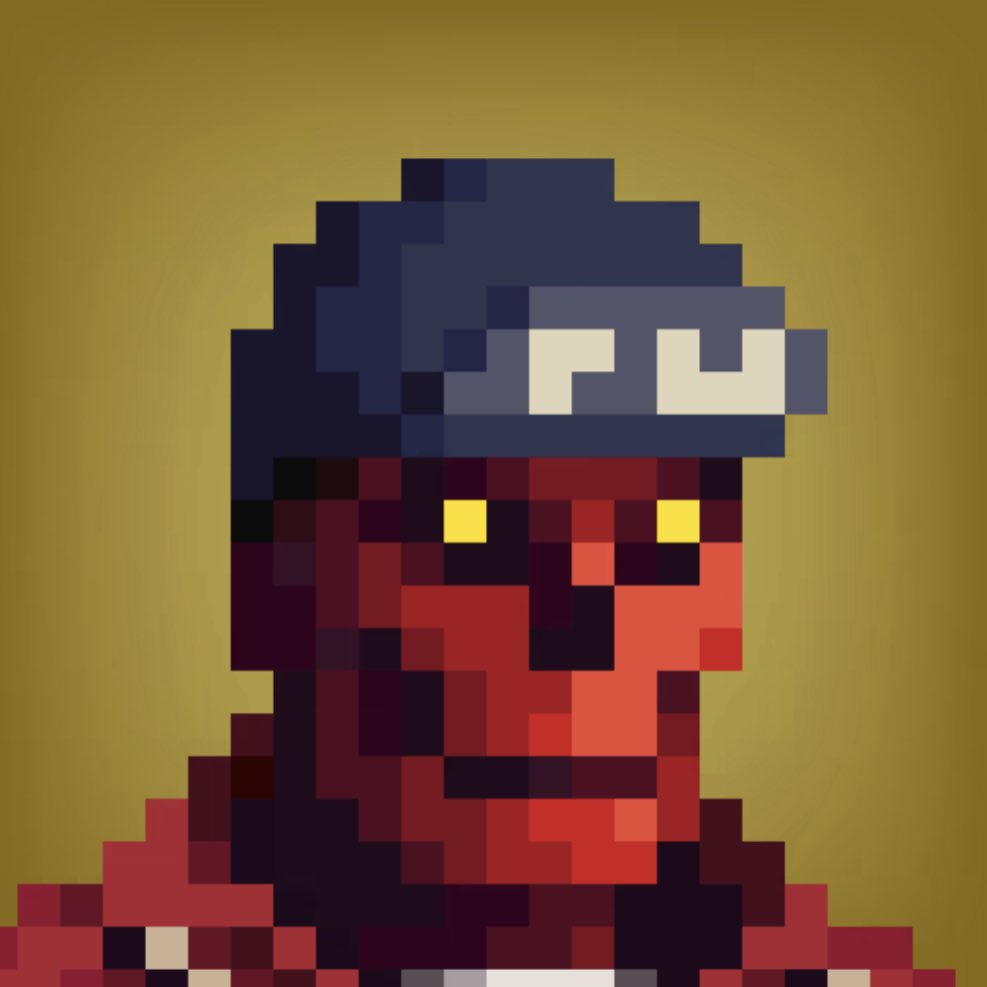


💀Eroc56💀 retweeted

30 Jul 2025
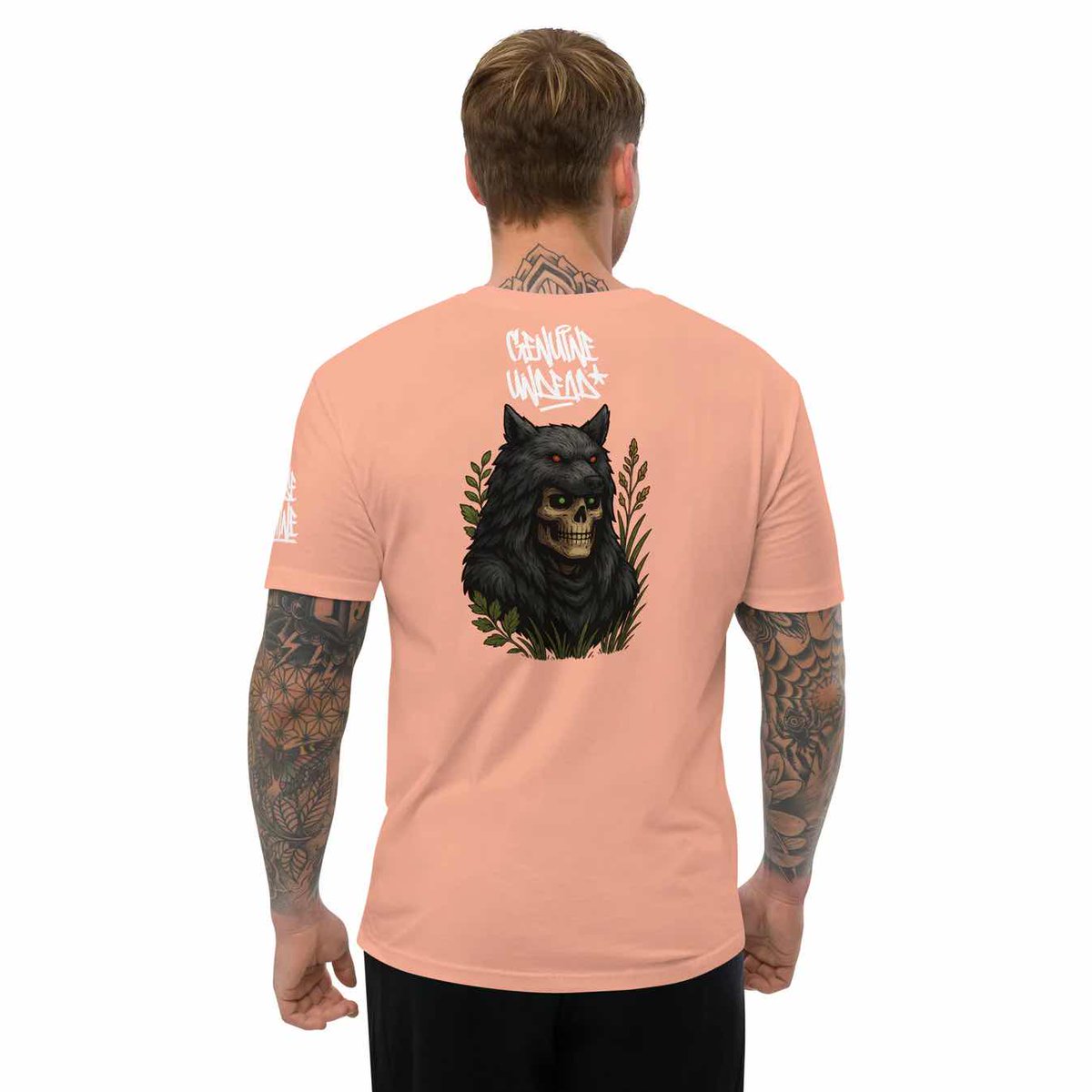
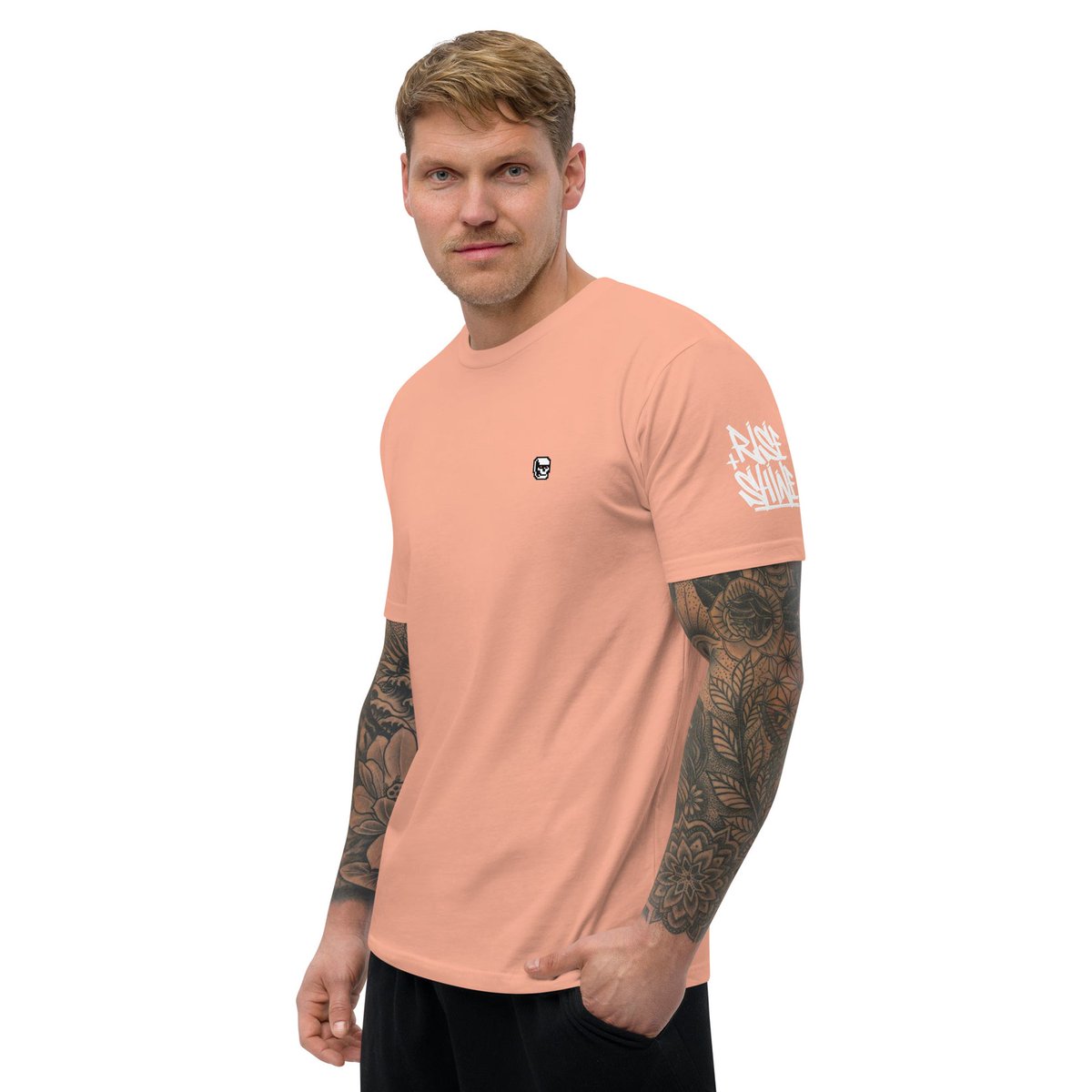
Check out our Summer Collection Fitted T-Shirt at genuinemarket.io.
OG GU logo up front, a tribute to Nature on the back, and graffiti vibes to keep it fresh!
Lightweight, soft, and undead-approved 💀
44
55
76
4,926

💀Eroc56💀 retweeted

30 Jul 2025
Gn
This last week's was so amazing! Like I always say, surround yourself with winners and you'll keep on winning!
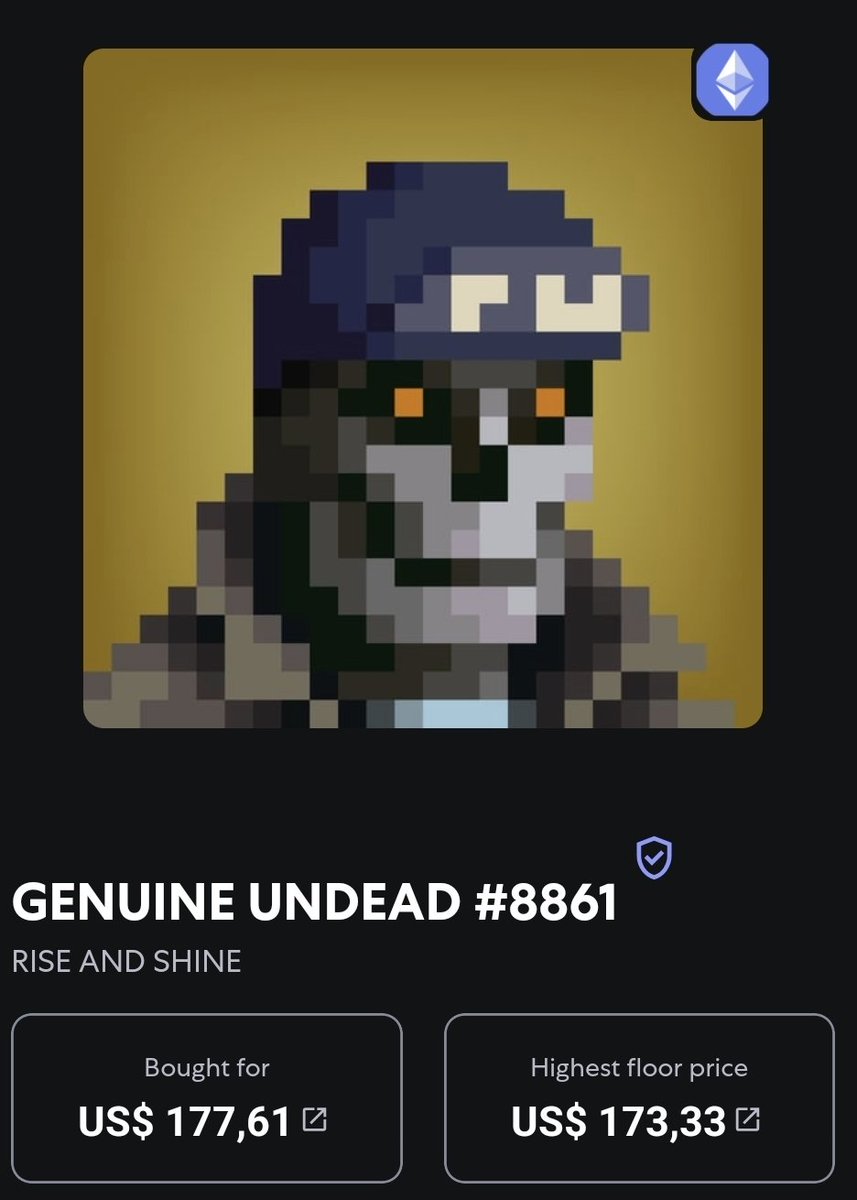
Just got gifted this amazing @GenuinelyUndead Nft from @tribetwit ! And FU Nft from @SatoshiLambo 😱😱😱 for just joining their amazing space! I'm speechless!!

102
43
117
4,936
💀Eroc56💀 retweeted

30 Jul 2025
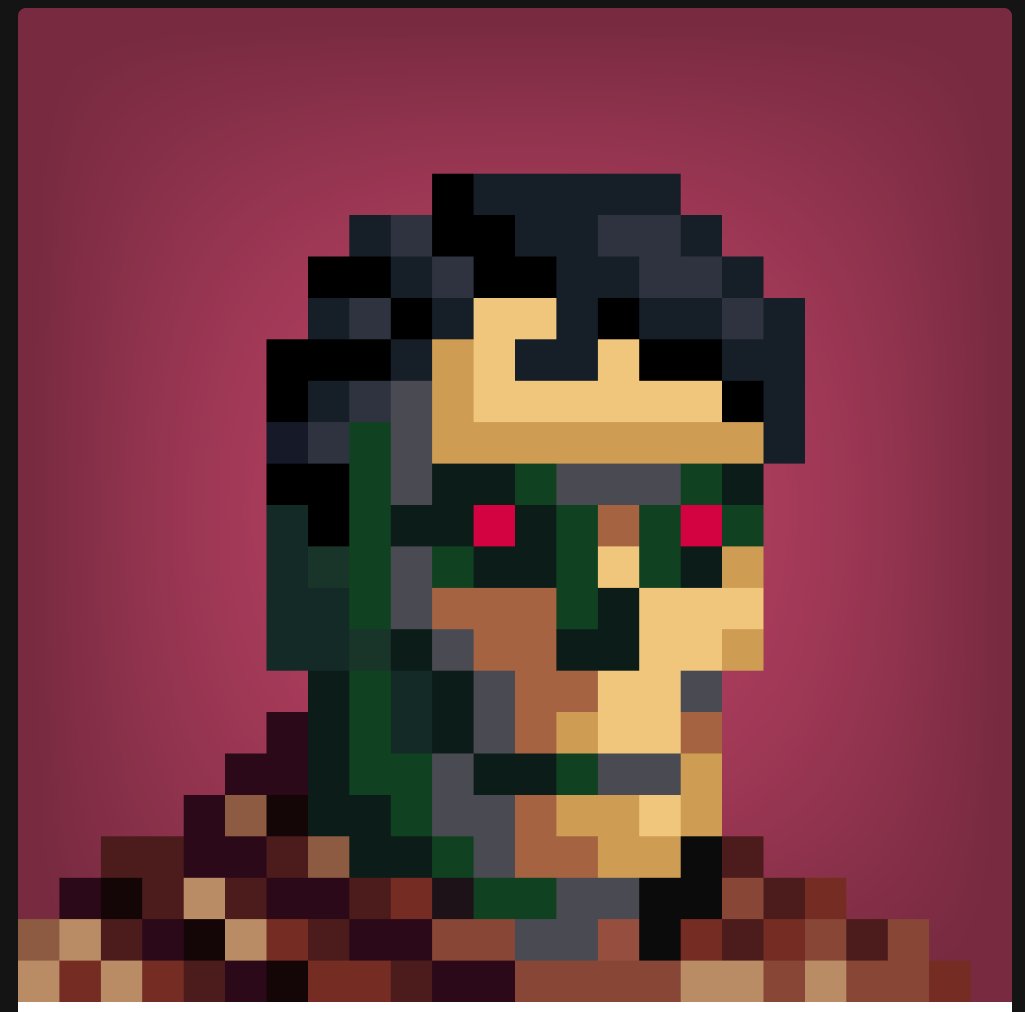
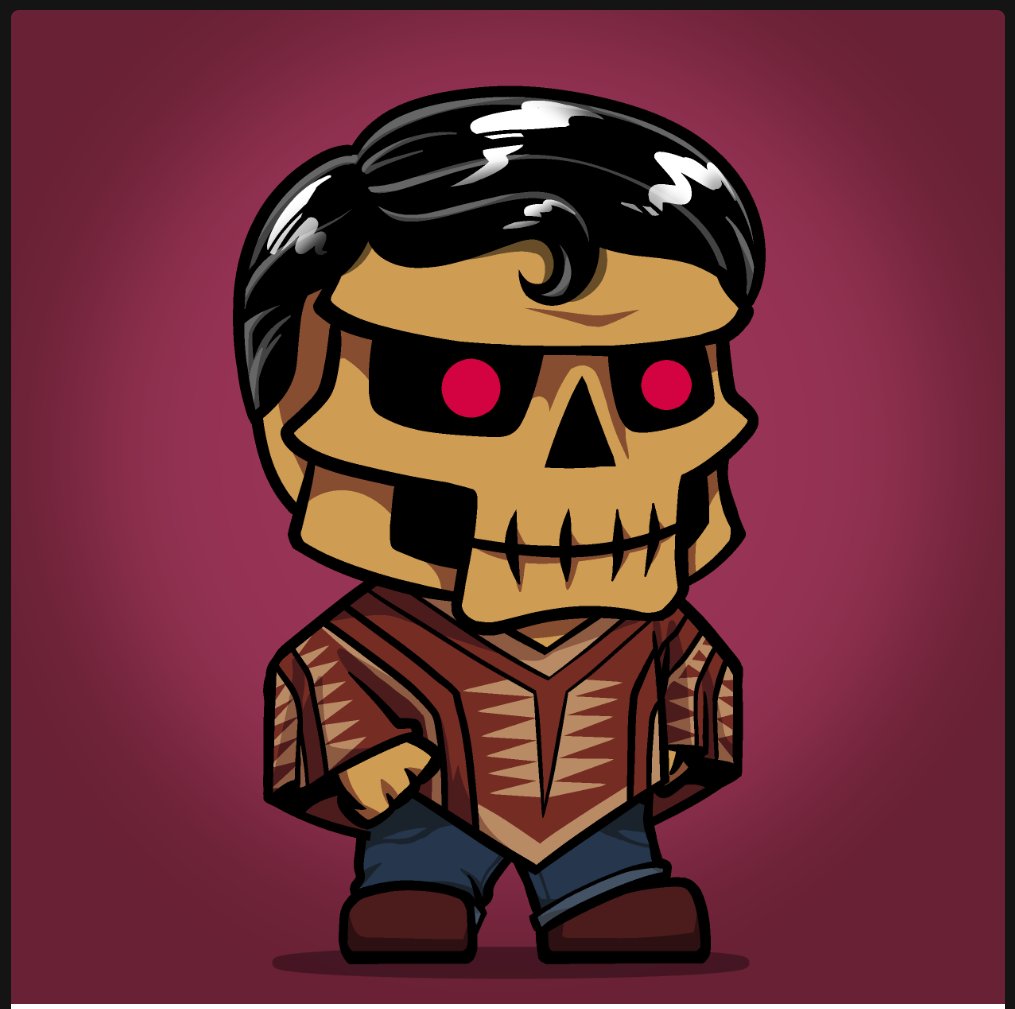
Thank you guys for welcoming my creepy ass into the family 🤘💀 @tribetwit @ookaswaka @Vickilicious10 @GenuinelyUndead
49
49
96
4,716
💀Eroc56💀 retweeted

28 Jul 2025
Join us in our space on 30 July 👈
Let’s vibe together and have some fun! 🫶 Good energy only 😉
See you there! 🤗
x.com/i/spaces/1lPJqMOYlweJb
37
40
53
4,117
💀Eroc56💀 retweeted

13 Jul 2025
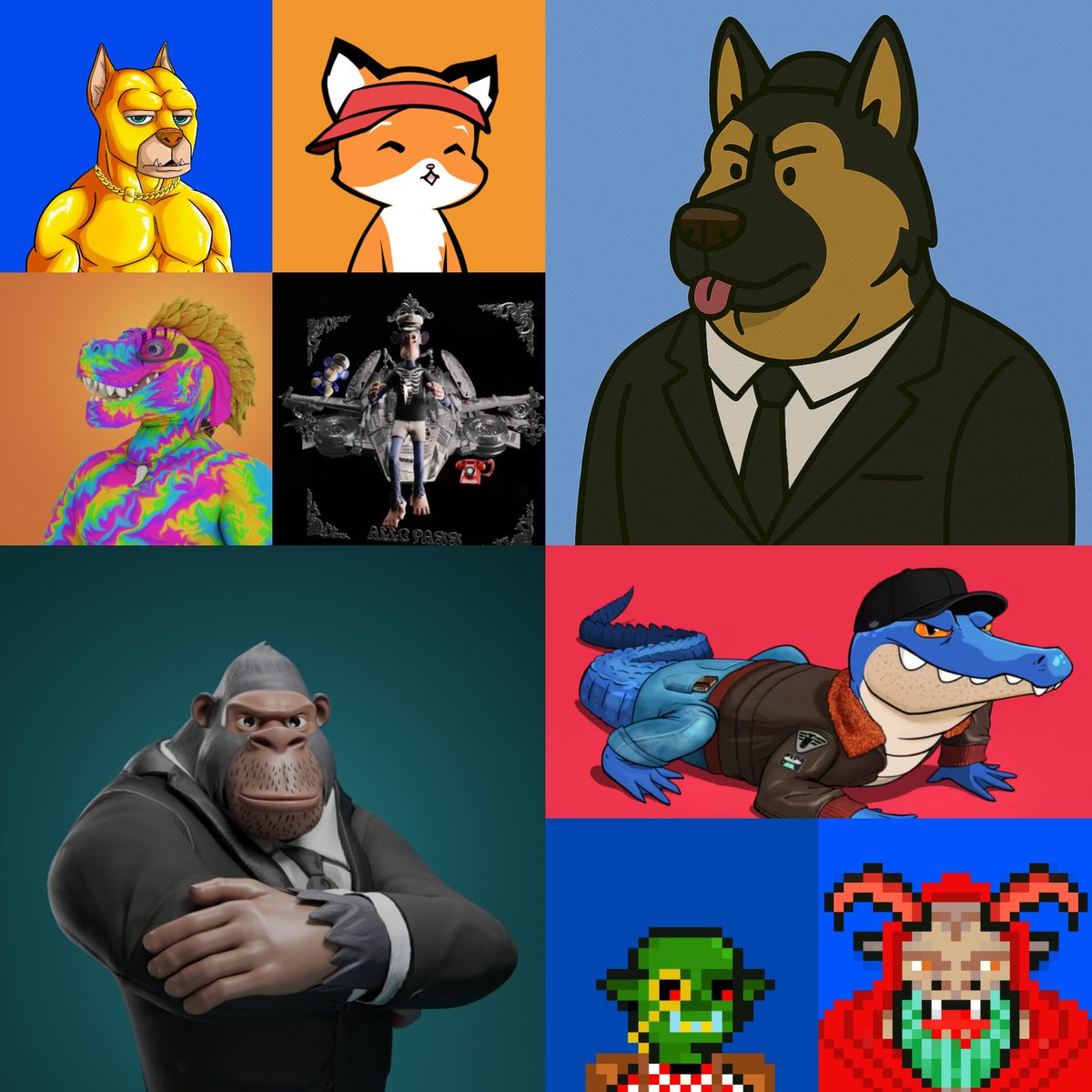
Bullish on Apechain!
Building with the best communities on @ApeChainHUB
Who are im missing on this setup?
Let's me know plz 🙏
90
56
158
6,781
💀Eroc56💀 retweeted

24 Jul 2025
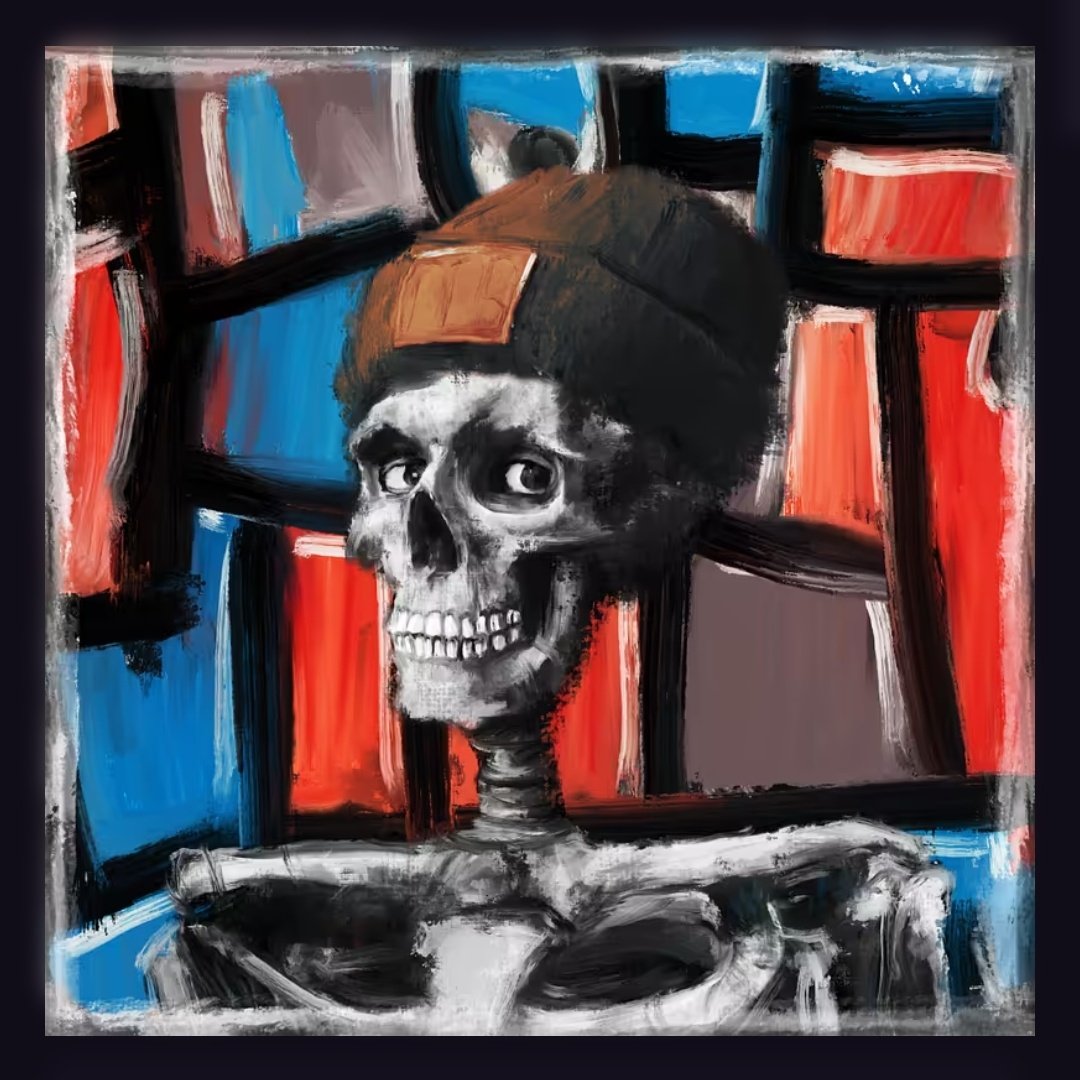
We support @DaDeadBoyz
GIVEAWAY ALERT
Giving back to the @GenuinelyUndead fam—one of the strongest Communities out there
How to enter:
1 Follow @DaDeadBoyz
2 Like RT this tweet
Drop your GU PFP in the replies
Let's keep the ethos alive:
community > clout
Winner of #314 in 48h
52
57
68
3,595
💀Eroc56💀 retweeted

25 Jul 2025
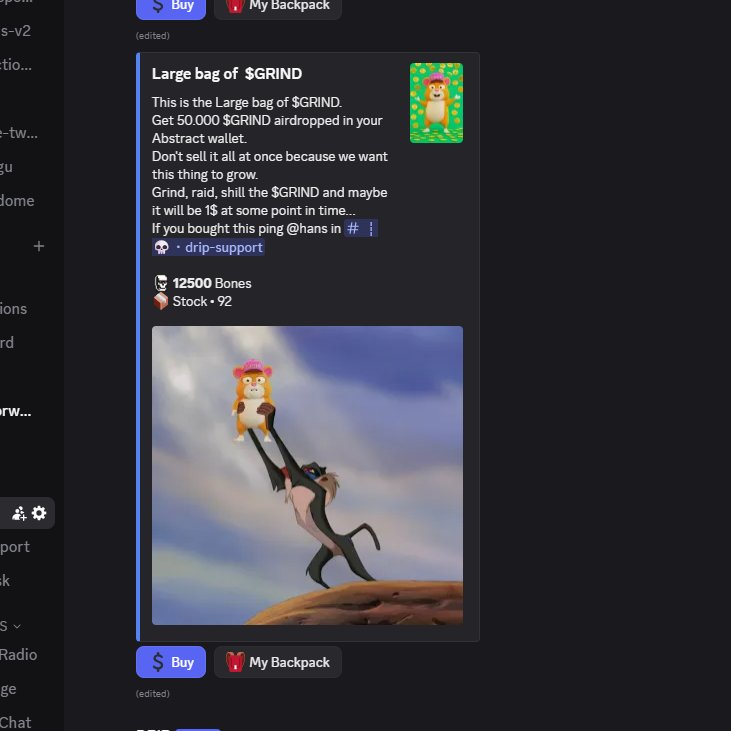
Remindoor for the degens in the back... GU holders can buy @GrindTheCoin with our engagement token BONES which is earned via soft stake
Buy HODL #GenuineUndead 💀
Earn BONES 🦴🦴🦴
Buy $GRIND ⚙️
H/t @tribetwit our showrunner for the @dripchain discord store 🫶

53
55
86
2,447
💀Eroc56💀 retweeted

26 Jul 2025
Match 2: hansw vs. .AlienKid
⚔️ The fate of the Top 16 Chumpz lies in YOUR hands once again! Vote now in the Royal Chumpz Tournament – Round 2 and decide who earns a spot in the Semifinals. 👑
Every vote hits harder. Every battle is savage. Who will you crown? 🏆
77%
hansw
23%
.AlienKid
105 votes • Final results
33
29
50
1,773
💀Eroc56💀 retweeted

26 Jul 2025
Amidst doing @TraitlessbeINGS I’ve made some new homies along the way.
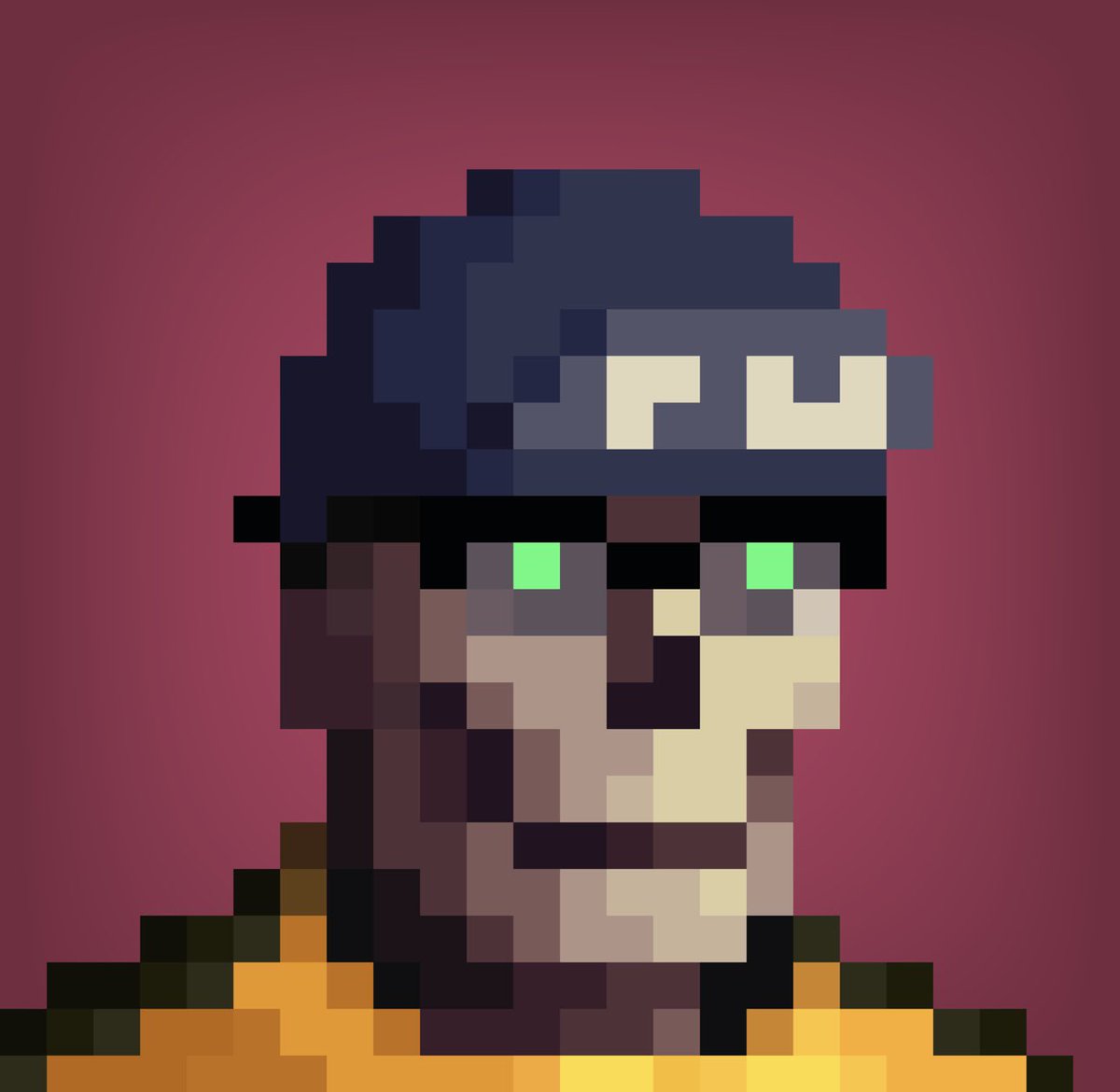
@JT0JB7_eth has supported TINGS from early on. He rocks the @GenuinelyUndead PFP so I can’t help but support in return.
See below to see why I chose this BRUCCE LEE BADASS right away!
26 Jul 2025

Yooo let’s see that in a fresh tweet. Make sure to tag @GenuinelyUndead the other acct is dead af.
47
51
80
2,788
💀Eroc56💀 retweeted

27 Jul 2025
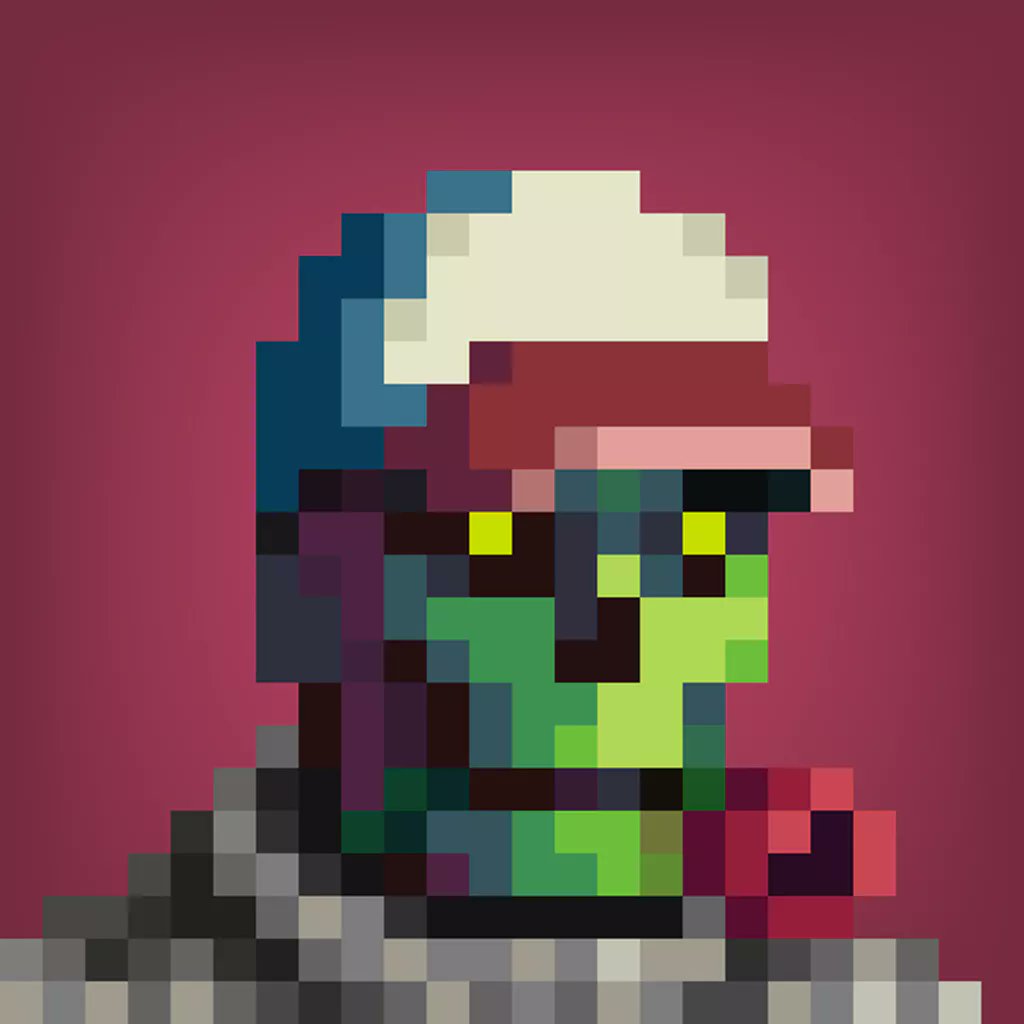
Can't wait for people to find out what a Treasury and piece of art Genuine Undead is! There is only 10000 of the best pixel art out there #bestpixelart #GenuineUndead @GenuinelyUndead
40
47
76
2,766

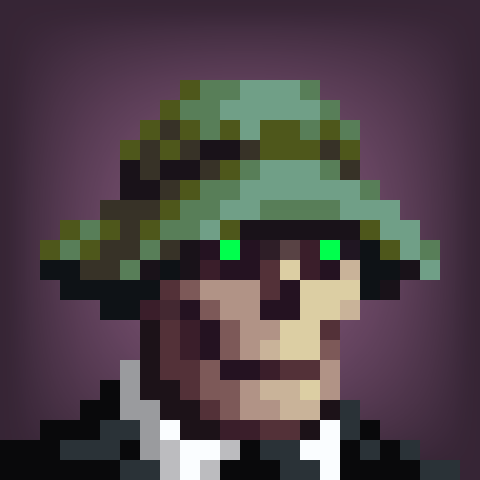
The next run will be glorious. Welcoming back all OG #GenuineUndead holders. We are all still here 💀
46
62
120
2,130


💀Eroc56💀 retweeted
7 Jul 2025
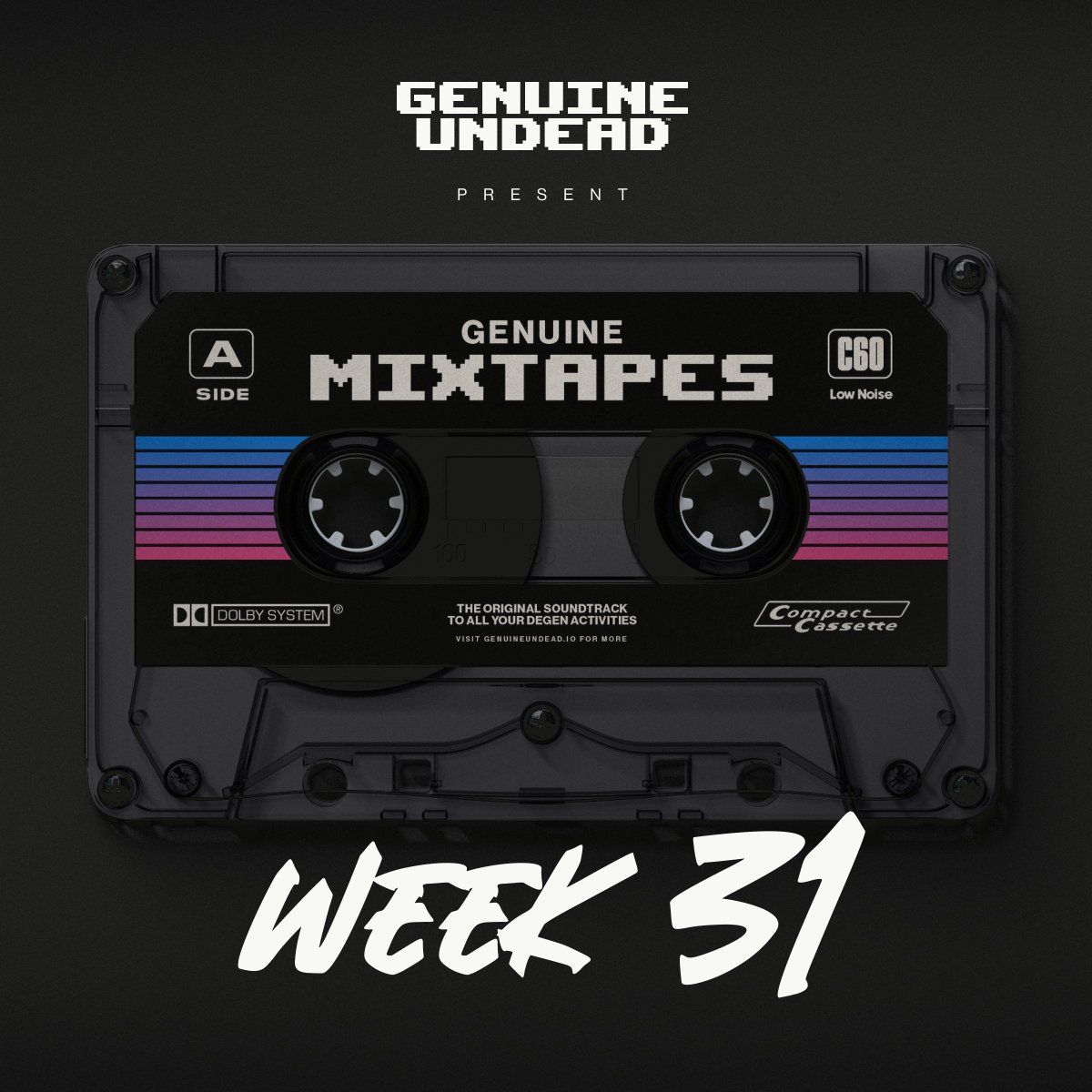
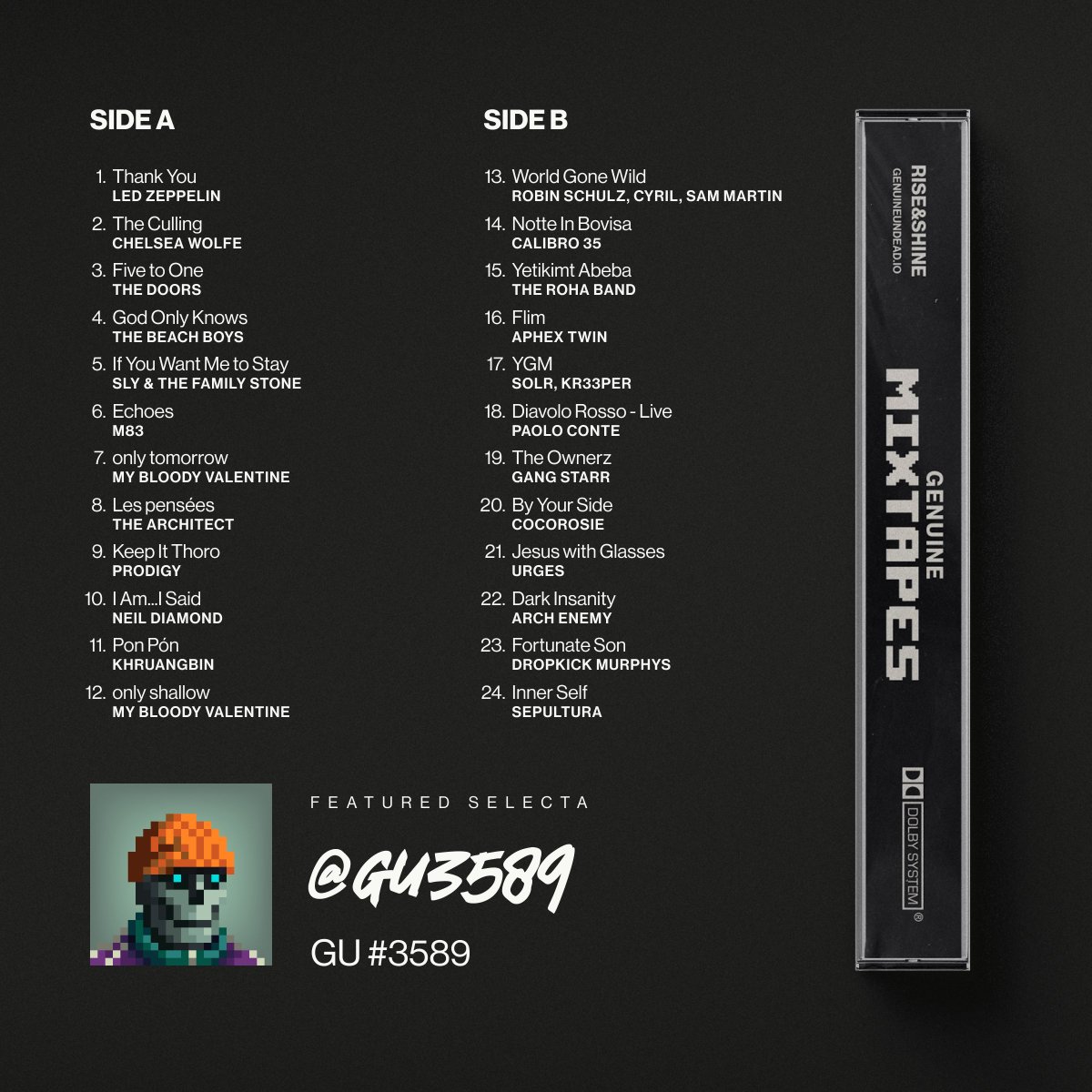
🎶 Genuine Mixtape: Week 31 is live! 🎶
31 weeks deep, and the vibes refuse to quit. This week’s mix is pure fire straight from the community — your soundtrack to keep the Undead spirit alive. 🔥
Press play, turn it up, and let Week 31 carry you. 🎧✨
@Spotify
open.spotify.com/playlist/0x…
50
54
80
1,806
💀Eroc56💀 retweeted
4 Jul 2025
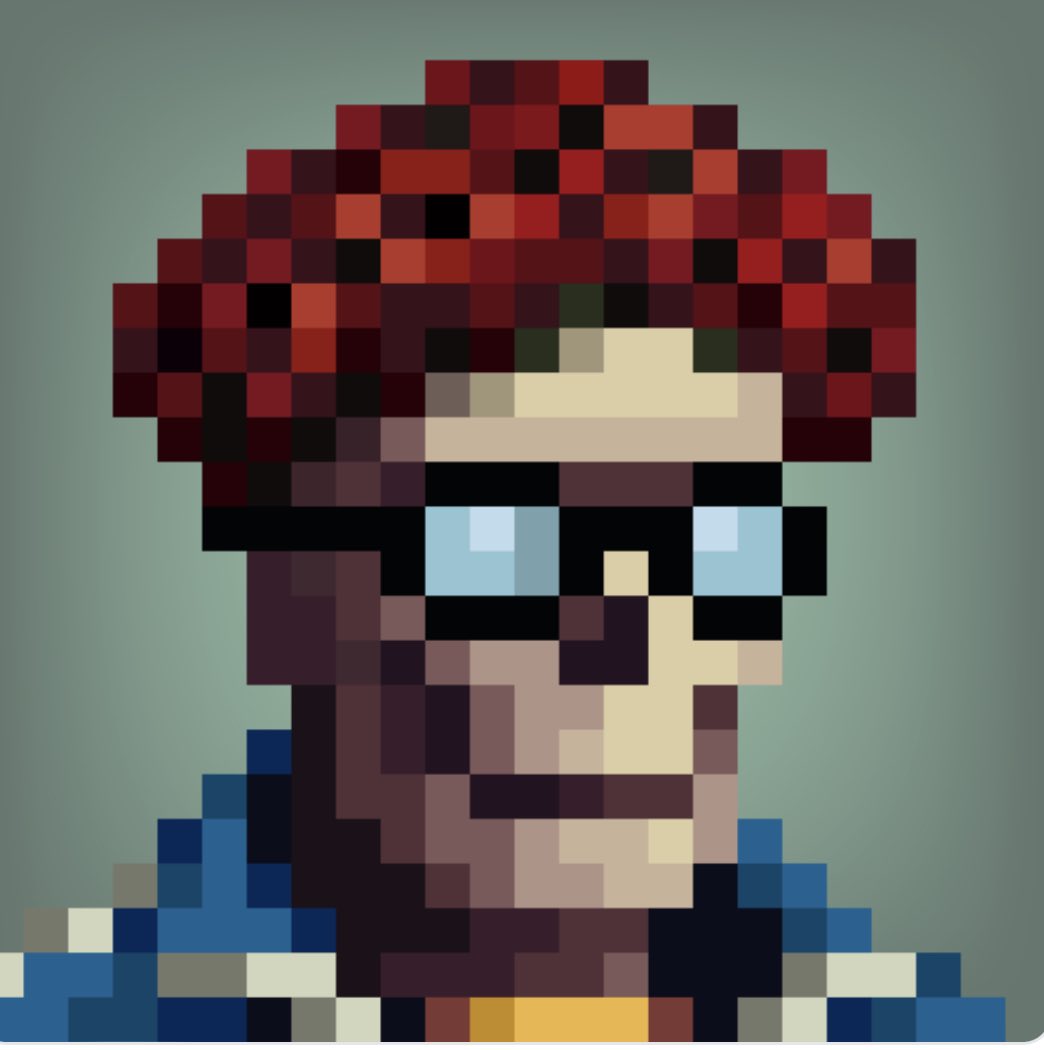
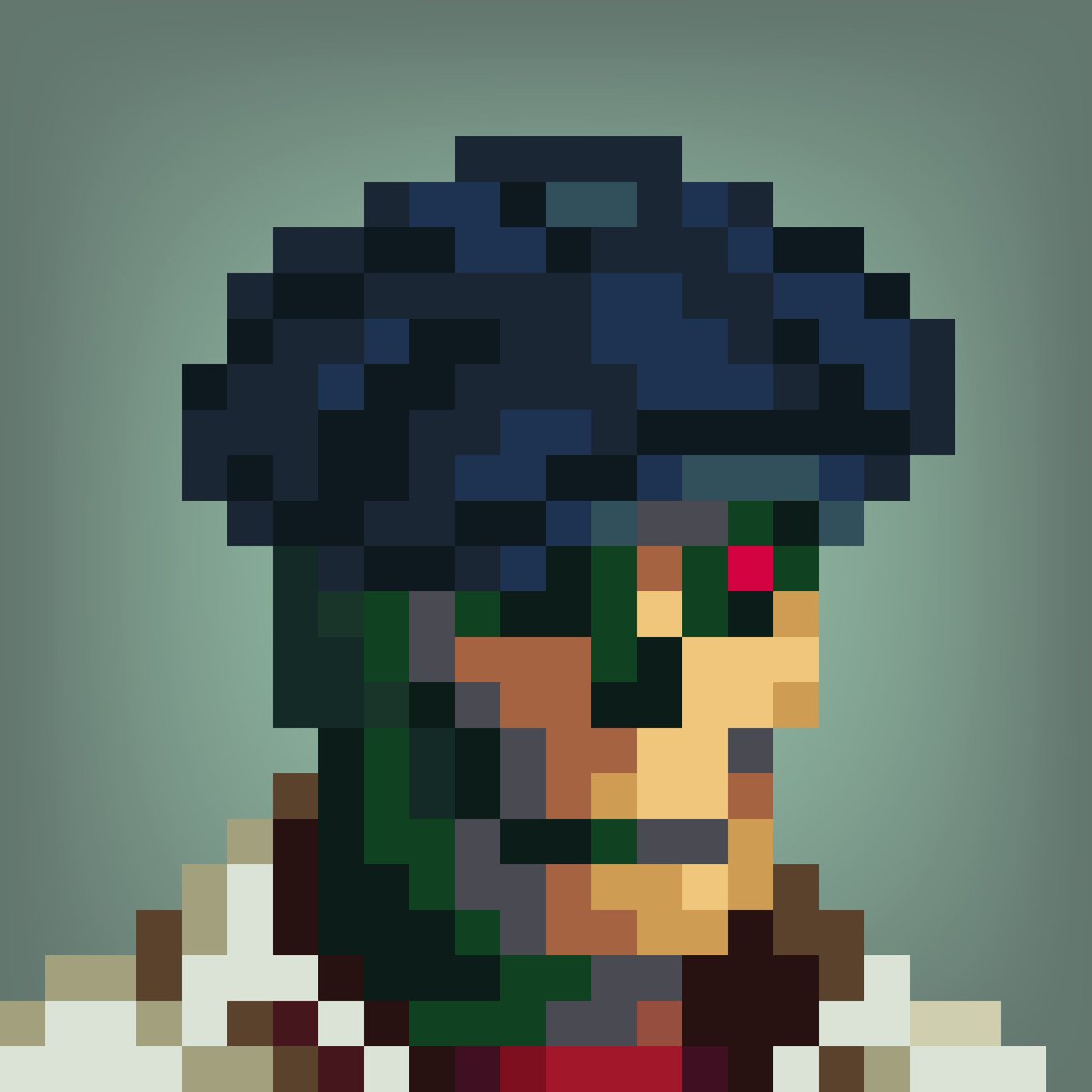
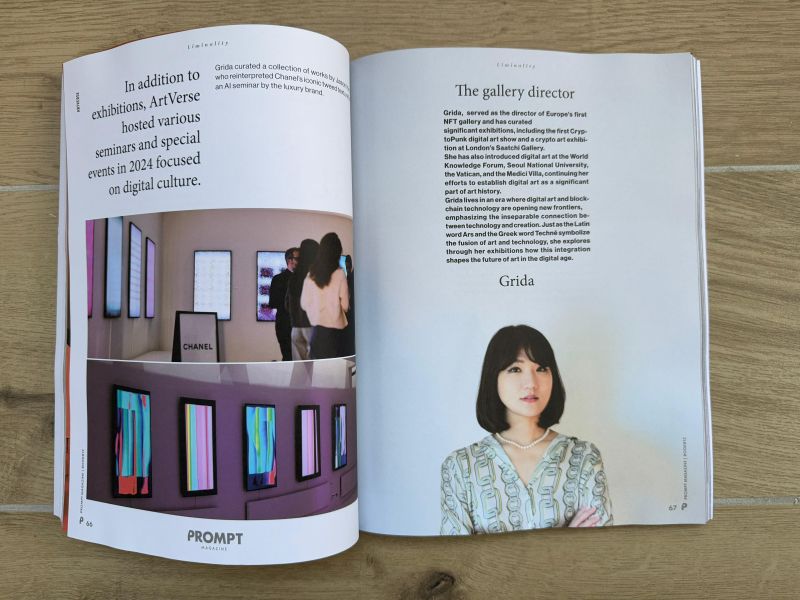
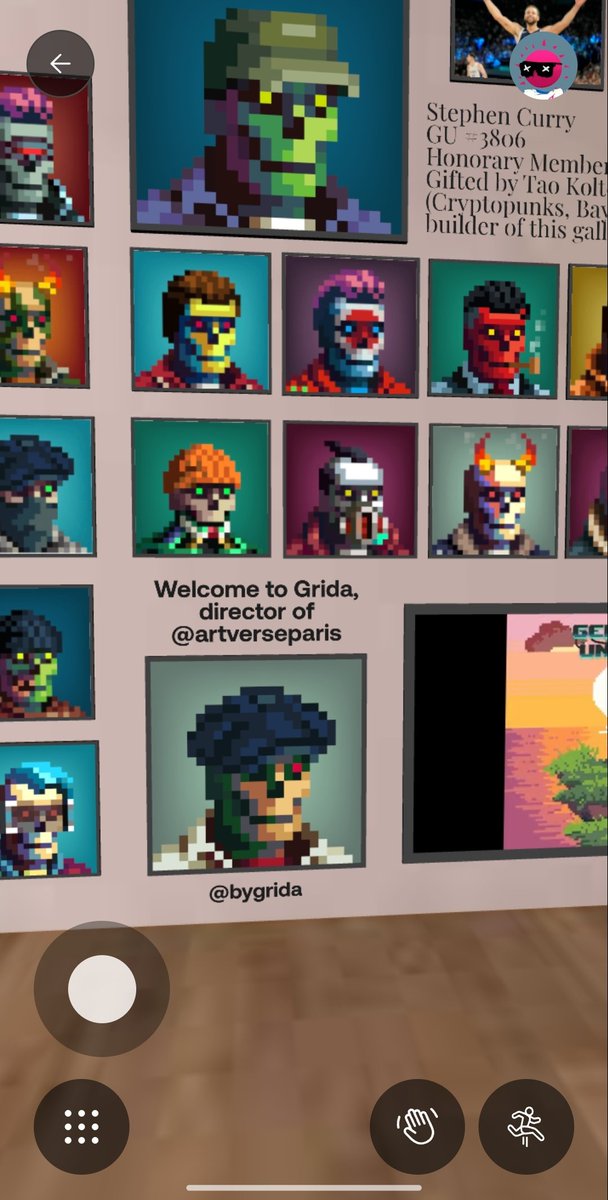
Beautiful trait of @GenuinelyUndead the best pixel (fine) art Pfp collection & Fyi GU #2285 belongs to @bygrida the precious director of @ArtverseParis
Grida does so much for supporting artists, physical & digital art 💎
Paperboys are proud to have such a powerful & genuine woman
4 Jul 2025

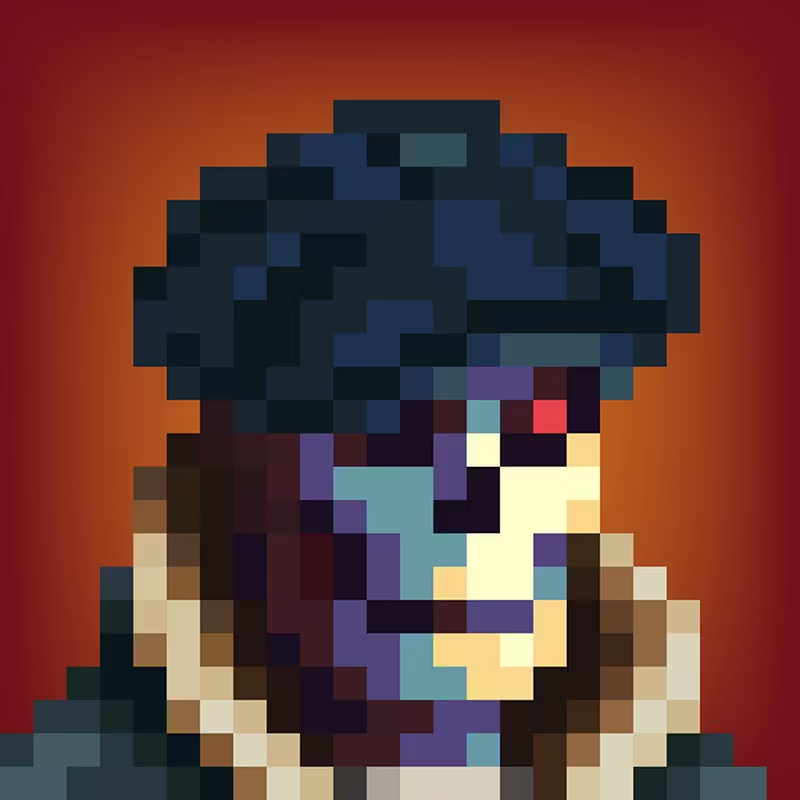
Genuine Undead: The "PAPERBOY" trail files
A "paperboy hat" is a rounded, soft cap with a short, stiff bill projecting in front. It’s typically made from materials like wool, tweed, or cotton and has a panelled crown sewn together, often with a button on top. The hat is associated with early 20th-century newsboys, who sold newspapers on the streets, but its origins trace back to the British flat cap worn by working-class men. It’s similar to a baseball cap in shape but less structured, with a more relaxed, slightly slouchy fit. Historically, it was popular among working-class men and boys in the UK and US, especially in the late 19th and early 20th centuries. Today, it’s a fashionable accessory for both men and women, often seen in casual or vintage-inspired outfits. Think Peaky Blinders or hipster streetwear.
Also called a newsboy cap, flat cap, or baker boy hat, is a versatile headwear style with a rich history and distinct design. Let’s take a deeper dive into its origins, construction, cultural significance, and modern use.
DESIGN & FEATURES
Shape and Structure: The paperboy hat has a rounded crown, typically made of six or eight triangular panels stitched together, with a small, stiff bill (or visor) extending from the front. The crown is fuller and less fitted than a baseball cap, giving it a slightly voluminous, relaxed look. A button often sits at the top where the panels meet.
Materials: Traditionally crafted from durable fabrics like wool, tweed, cotton, or linen, it can also be found in luxurious materials like cashmere, leather, or velvet for modern or high-end versions. Patterns like herringbone, plaid, or houndstooth are common, especially for classic or autumnal styles.
Fit: It’s less structured than a baseball cap, sitting loosely on the head with a slouchy or slightly tilted appearance. The bill can be curved or flat, depending on the style.
HISTORICAL CONTEXT
Origins: The paperboy hat evolved from the flat cap, a staple of working-class men in Britain during the 14th century. By the late 19th and early 20th centuries, it became associated with newsboys—young boys selling newspapers on city streets in the US and UK—hence the name. These hats were practical, affordable, and protected wearers from the elements.
Cultural Significance: In the early 20th century, the hat transcended class boundaries. While initially a working-class accessory, it was adopted by upper-class men for leisure activities like golfing or hunting, especially in tweed. In the US, it became iconic through images of young newsboys during the Industrial Era.
Legislation: In the UK, the 1571 Statute of Apparel mandated that all men over six (except nobility) wear a woolen cap on Sundays and holidays, boosting the flat cap’s popularity, which carried into the paperboy style.
CULTURAL IMPACT
Media and Pop Culture: The paperboy hat has been cemented in popular culture through various depictions:
a) Peaky Blinders: The TV series revived interest in the hat, with characters like Thomas Shelby wearing tweed newsboy caps as part of their 1920s Birmingham gangster aesthetic.
b) Vintage and Hipster Fashion: In the 2000s and 2010s, the hat became a staple in hipster and vintage-inspired fashion, often paired with suspenders, bow ties, or tailored vests.
c) Celebrities: Stars like David Beckham, Brad Pitt, and Rihanna have been spotted wearing paperboy hats, contributing to their modern resurgence.
Gender Neutrality: Originally a men’s accessory, it’s now unisex, with women styling it for a chic, androgynous look. Designers have adapted it with softer fabrics or embellishments for feminine appeal.
MODERN STYLING
Men’s Fashion: Often paired with casual outfits like jeans, button-down shirts, and leather jackets or more formal looks like blazers and overcoats for a smart-casual vibe. Tweed or wool versions suit fall and winter, while lighter cotton or linen caps work for warmer seasons.
Women’s Fashion: Worn with dresses, skirts, or oversized sweaters for a bohemian or vintage look. It’s also popular in streetwear with sneakers and graphic tees.
Versatility: The hat’s adaptability makes it suitable for casual outings, festivals, or even semi-formal events when styled thoughtfully.
VARIATIONS
Newsboy vs. Flat Cap: While often used interchangeably, newsboy caps tend to have a fuller, puffier crown with eight panels, while flat caps are flatter and more fitted with a simpler construction.
Regional Names: Known as a baker boy hat in women’s fashion, Gatsby cap (referencing 1920s style), or cabbie hat in some contexts.
Seasonal Adaptations: Summer versions use breathable fabrics like linen, while winter versions feature heavier materials or ear flaps for warmth.
FUN FACTS
Industrial Era Icon: The hat was a symbol of the working class, especially among young newsboys who were a common sight in cities like New York and London during the early 1900s.
Sports Connection: Early golfers and drivers wore paperboy hats, contributing to their sporty, leisurely image.
Global Appeal: Variations exist worldwide, like the French beret or the Irish scally cap, showing the style’s universal influence.
HOW TO WEAR THEM
Tilted Look: Slightly tilting the hat to one side adds a playful or rakish charm.
Hair Styling: For women, loose waves or a low bun complement the hat; for men, it pairs well with short or neatly combed hair.
Seasonal Pairing: Match the material to the season—tweed for fall, cotton for summer—and coordinate colours with your outfit for a cohesive look.
LESSER KNOWN FACTS:
Medieval Roots: The paperboy hat’s ancestor, the flat cap, was mandated by the 1571 Statute of Apparel in England, requiring non-noble men and boys over six to wear a woolen cap on Sundays and holidays to boost the wool trade. This law helped popularize the style centuries before it became associated with newsboys.
Child Labor Connection: The hat became iconic in the early 20th century due to its association with young newsboys, many of whom were part of a harsh child labor system. During the 1899 Newsboys’ Strike in New York City, these caps were a recognizable part of the striking boys’ uniform, symbolizing their fight against exploitative newspaper publishers.
Not Just for Newsboys: While named for newsboys, the hat was widely worn by other working-class groups, like dockworkers, farmers, and factory workers, due to its durability and affordability. It was also a favorite among early automobile drivers to keep dust and wind out of their eyes.
Military Use: During World War I, some British and American soldiers wore flat caps as part of their off-duty or casual uniforms, especially in colder climates, due to their warmth and compact design. This military connection is rarely highlighted in modern fashion discussions.
Women’s Early Adoption: Though often seen as a men’s accessory, women in the early 20th century, particularly in the 1920s flapper era, began wearing paperboy hats as part of the androgynous fashion trend, pairing them with tailored suits to challenge gender norms.
Regional Variations: In Ireland, the paperboy hat is sometimes called a Paddy cap, a term tied to Irish working-class culture, though it can be considered a stereotype. In Scotland, similar caps were part of traditional Highland dress, often adorned with clan-specific tartans.
Baseball Cap Rivalry: The paperboy hat was a direct competitor to the baseball cap in the early 20th century. While baseball caps became the sporty, all-American choice, paperboy hats retained a more urban, working-class identity, leading to a subtle cultural divide in headwear.
Symbol of Rebellion: In the 1960s and 1970s, the paperboy hat was adopted by some counterculture groups, like mods and skinheads in the UK, as a nod to working-class roots while rejecting mainstream fashion. This gave the hat a brief rebellious edge before its later mainstream revival.
Artistic Depictions: The hat appears in lesser-known works of art, such as Norman Rockwell’s paintings of everyday American life, where newsboys in caps symbolized innocence and hard work. It also shows up in early 20th-century photography by Lewis Hine, documenting child labourers.
Modern Niche Revival: In recent years, the paperboy hat has found a niche in sustainable fashion. Artisans and small brands, particularly in Europe and Japan, craft handmade versions using upcycled or organic materials, appealing to eco-conscious consumers who value their vintage charm.
If you’re looking to buy or style one, brands like Goorin Bros., Brixton, or Stetson offer classic and modern takes. Or you could just get a GU!!
Hope you enjoy reading!! 🍻
( GU used belong to @TaoKoltes )
#GenuineUndead @GenuinelyUndead
35
52
71
2,084
💀Eroc56💀 retweeted
6 Jul 2025
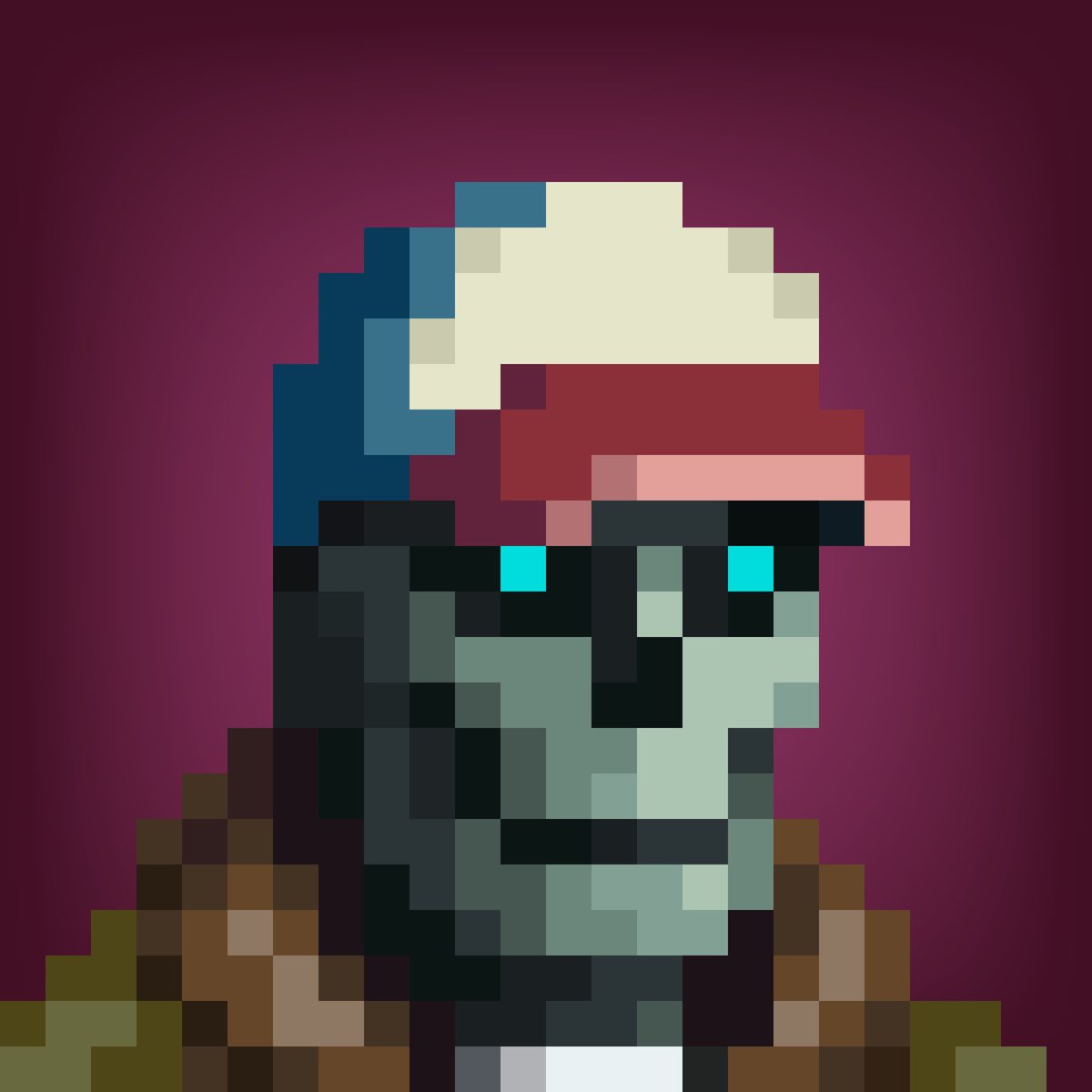
5,152 GUs upgraded. Here is the most recent to make the move. Bombers.
#GenuineUndead 💀
46
56
77
2,664
💀Eroc56💀 retweeted

6 Jul 2025
They thought we were dead.
Turns out we are undead.
@GenuinelyUndead
50
53
76
1,071