Canadian palaeontologist interested in fossil plants, extinction and dinosaurs! Museum Curator at the Philip J. Currie Dinosaur Museum.
Joined September 2014
- Tweets 1,280
- Following 131
- Followers 1,220
- Likes 2,049
616 Photos and videos

17 Jan 2025
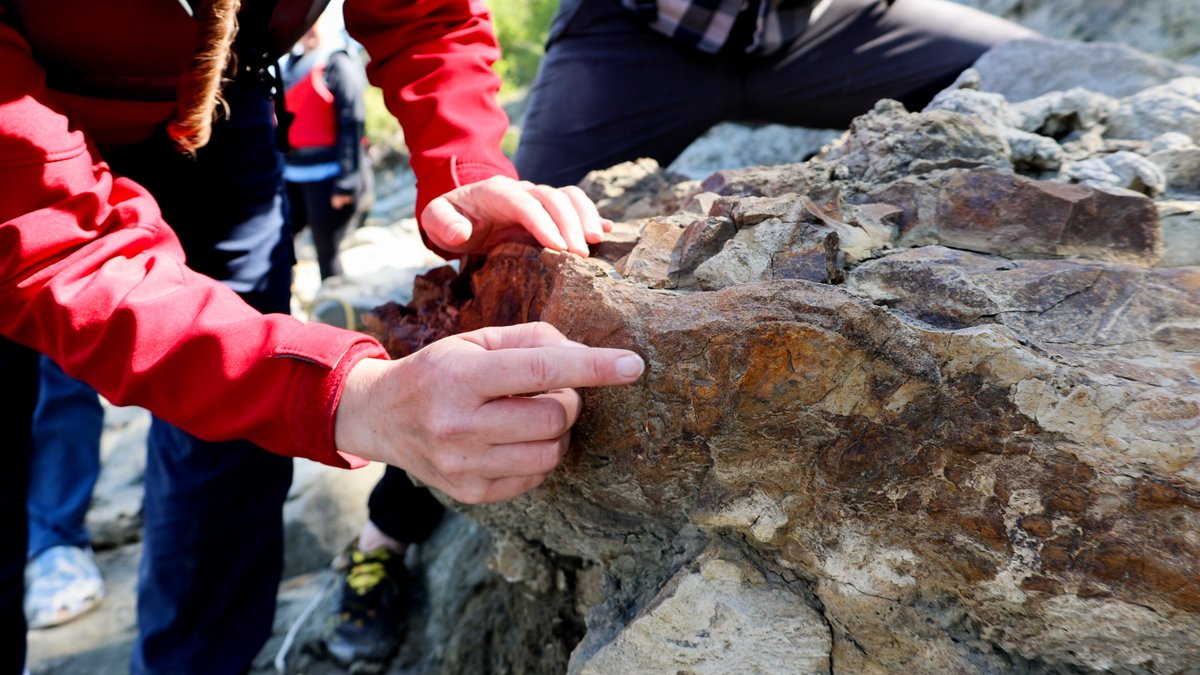
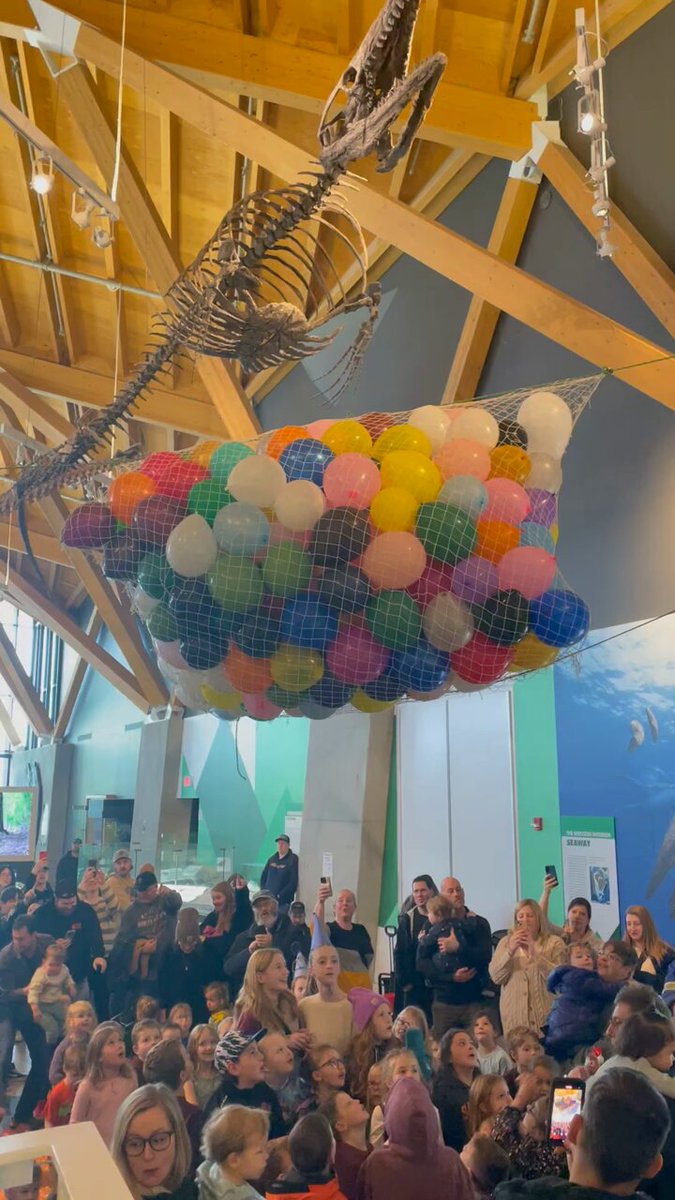
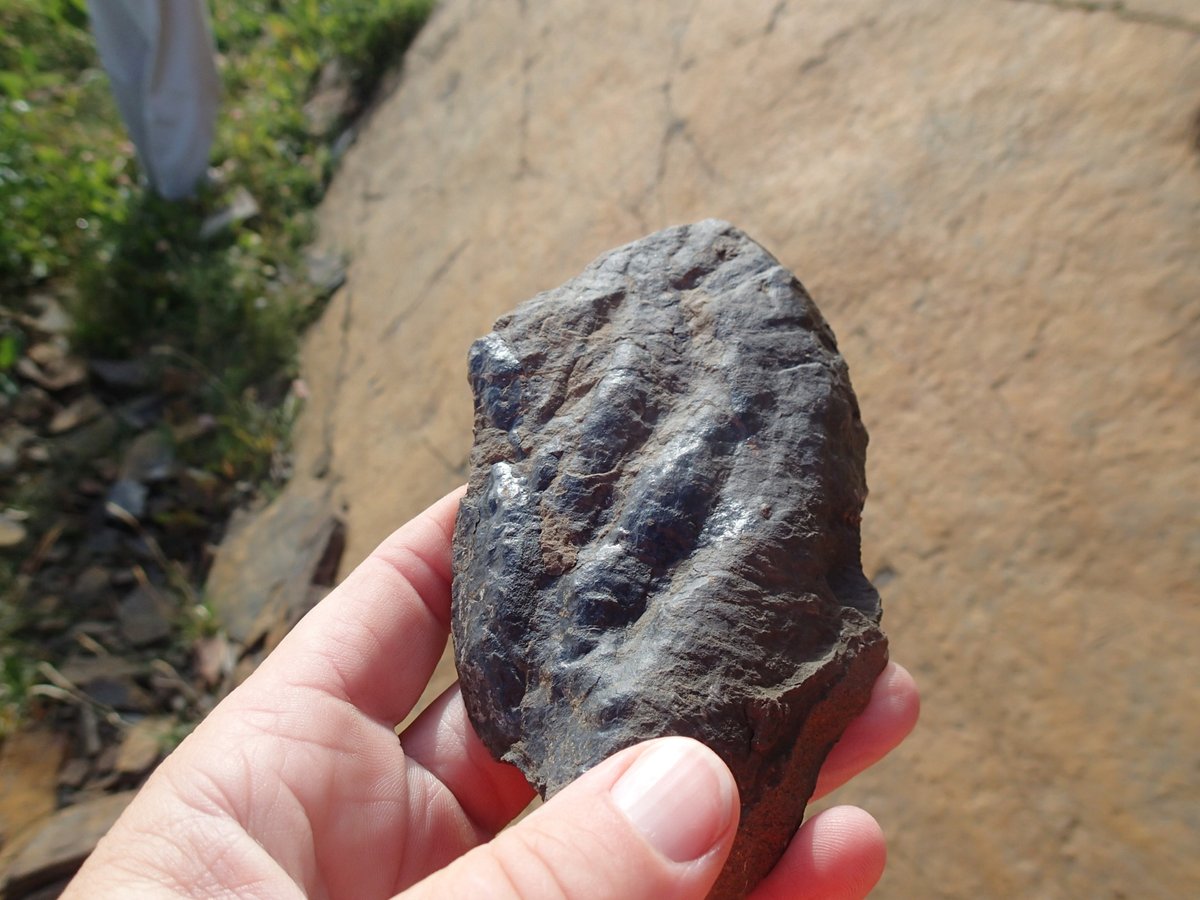
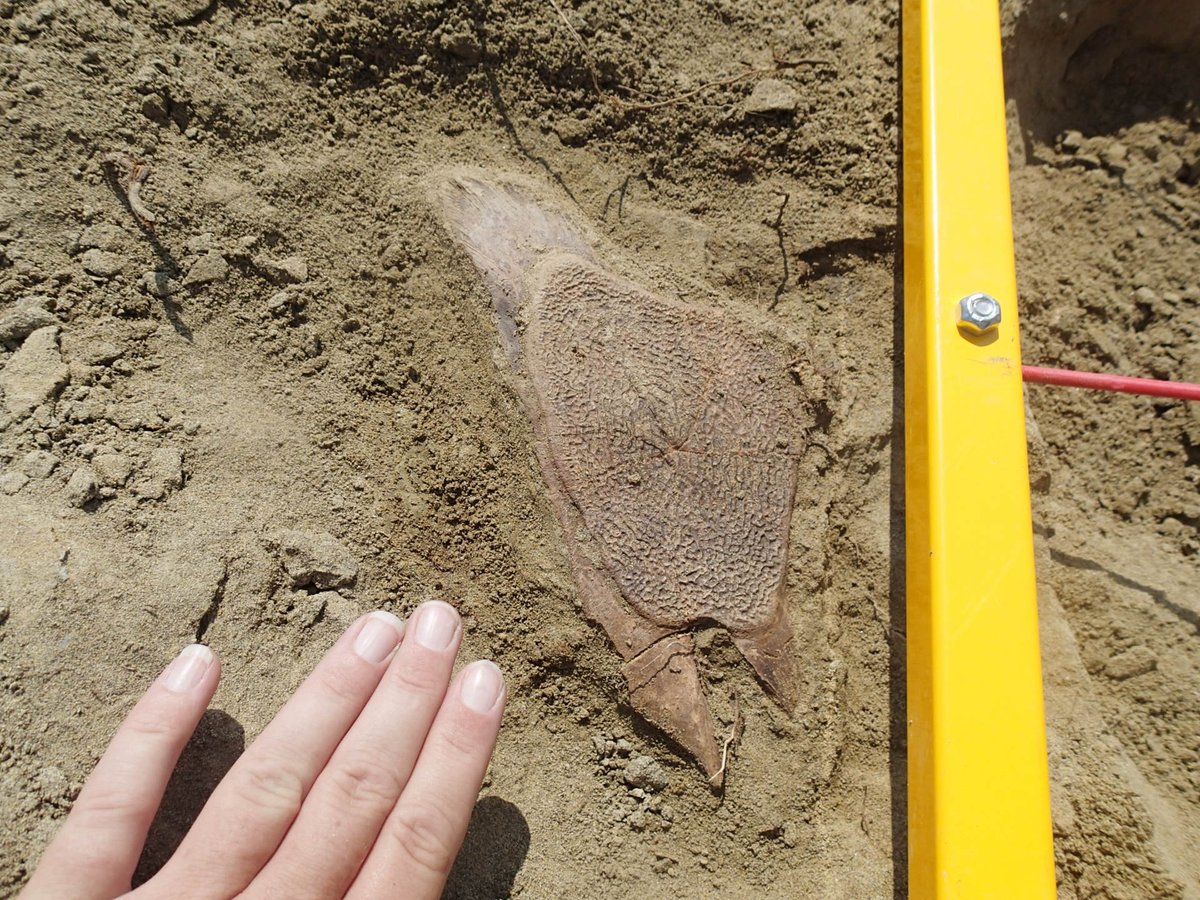
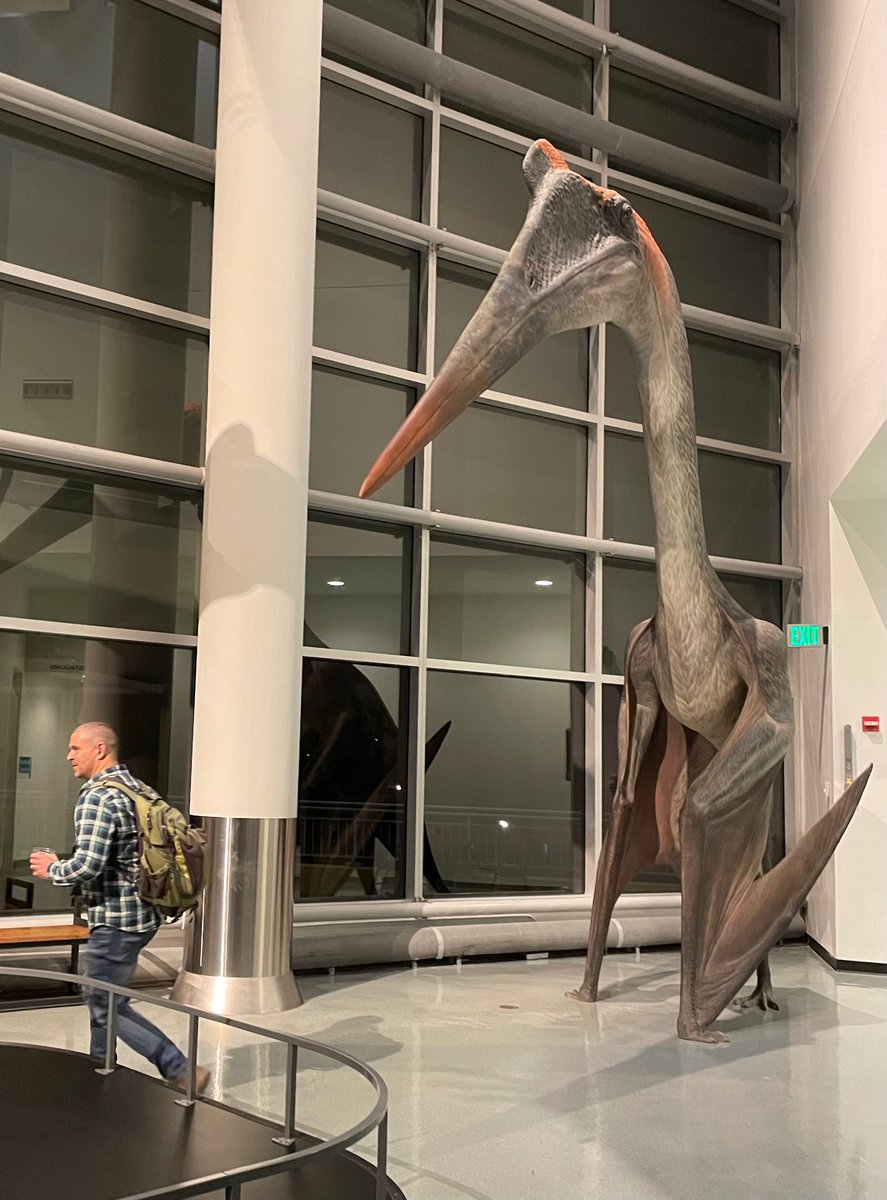
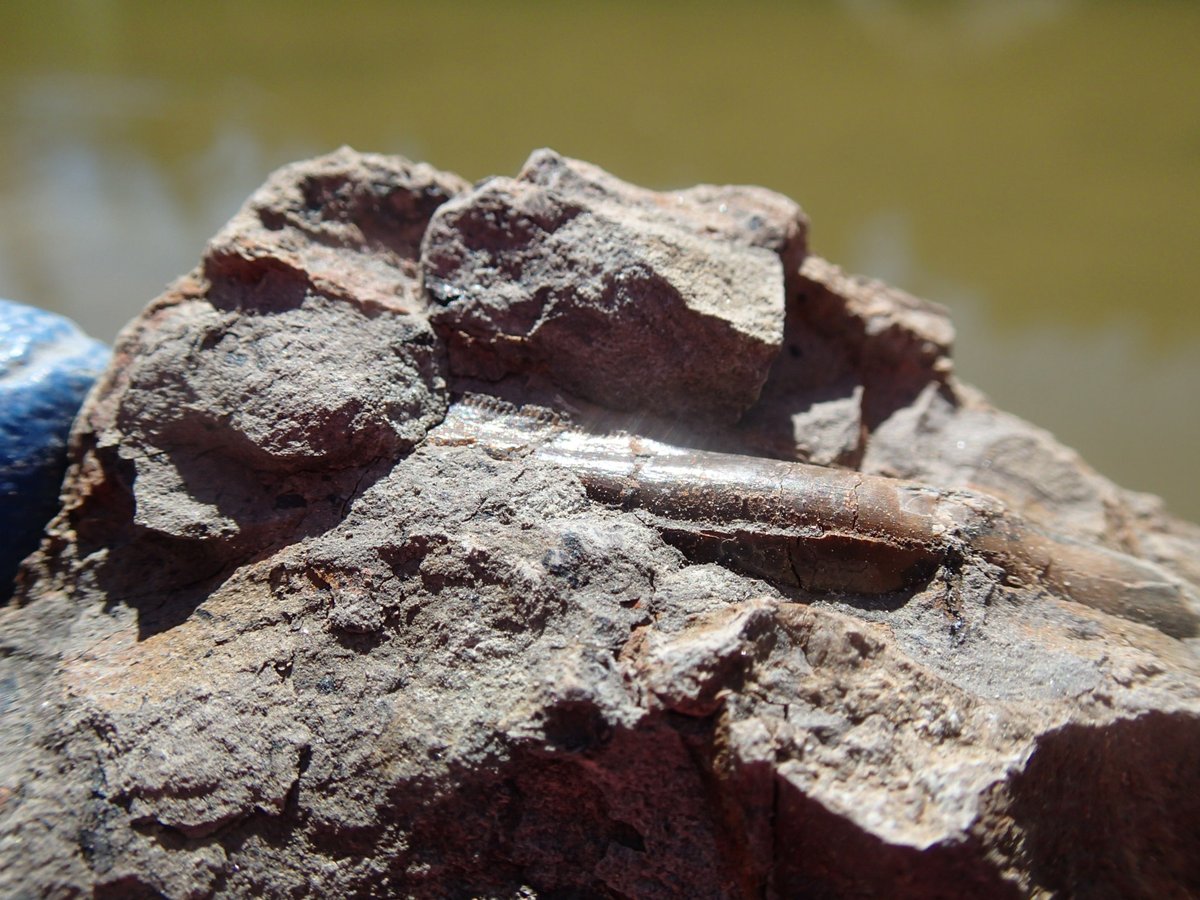
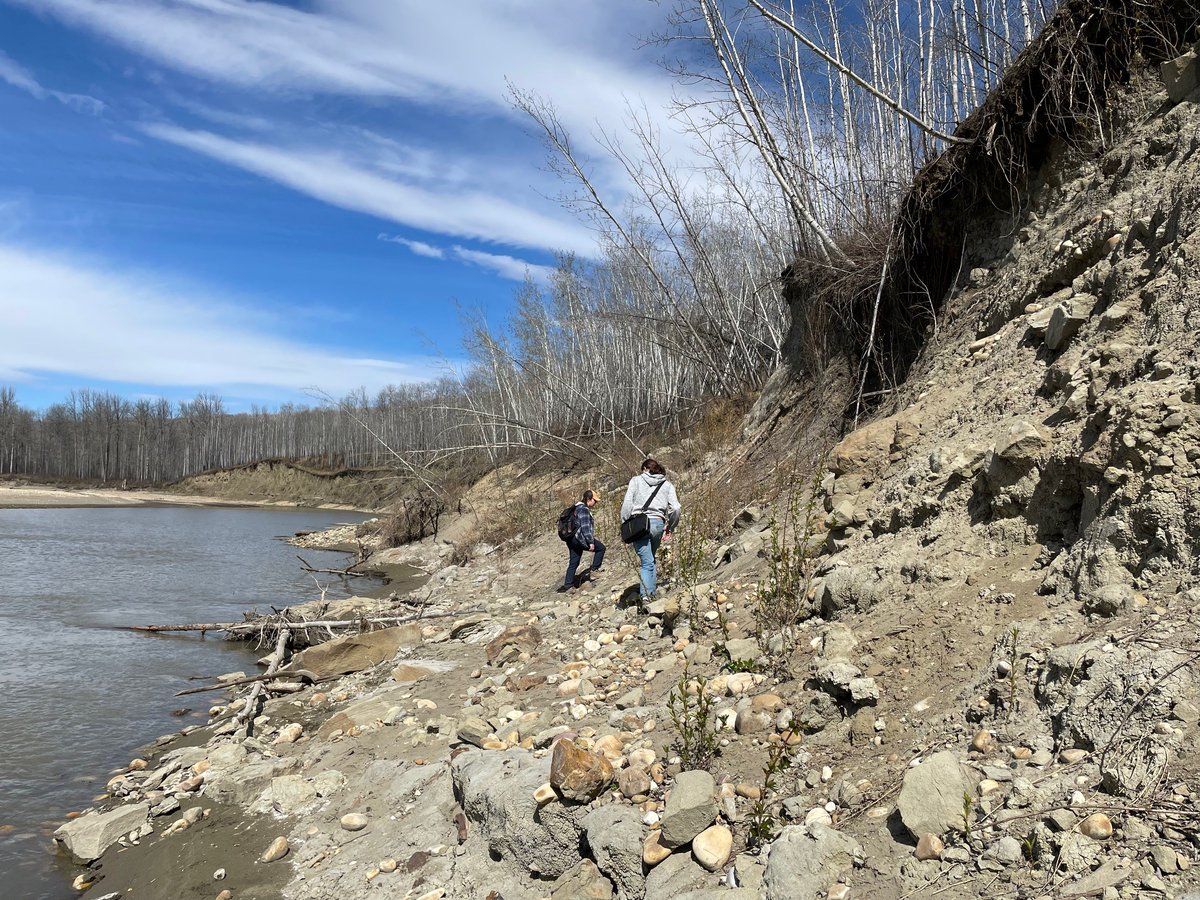
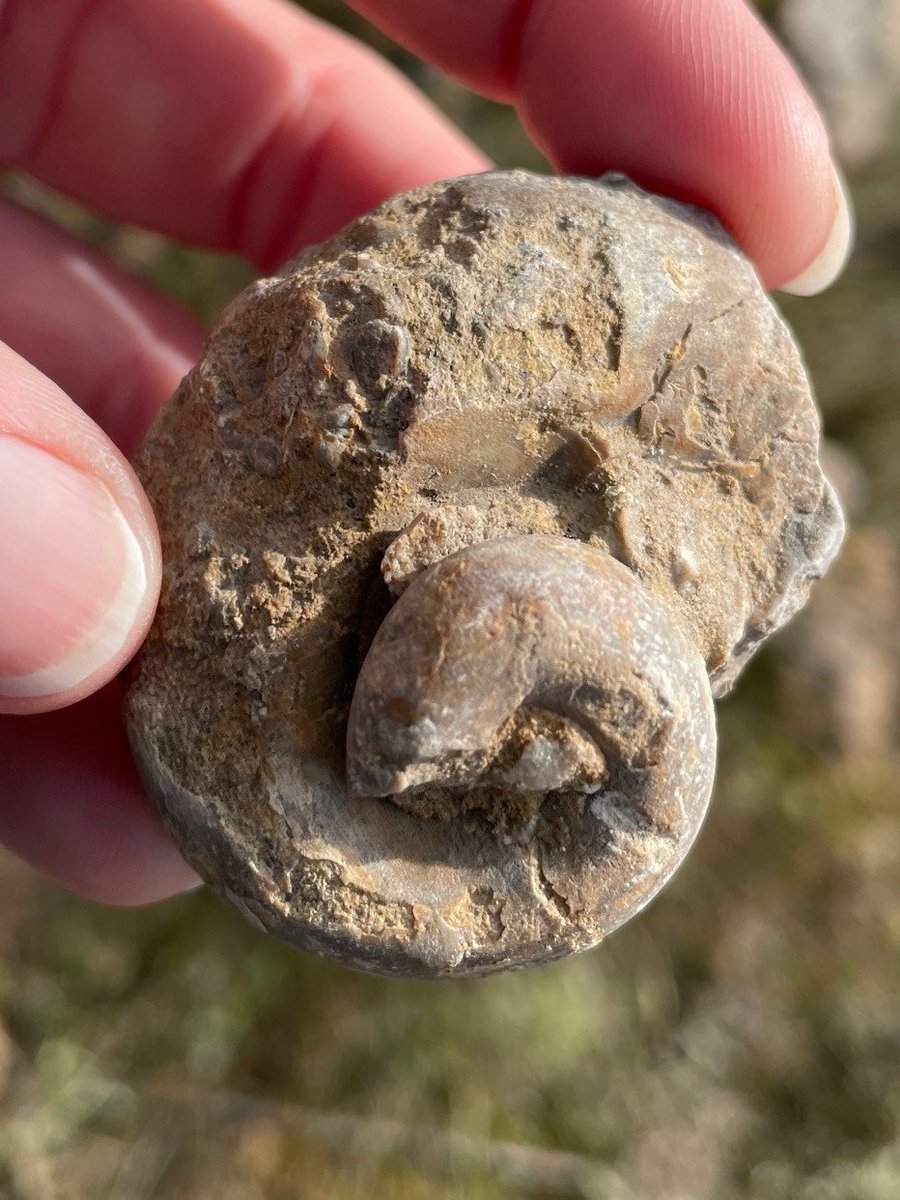
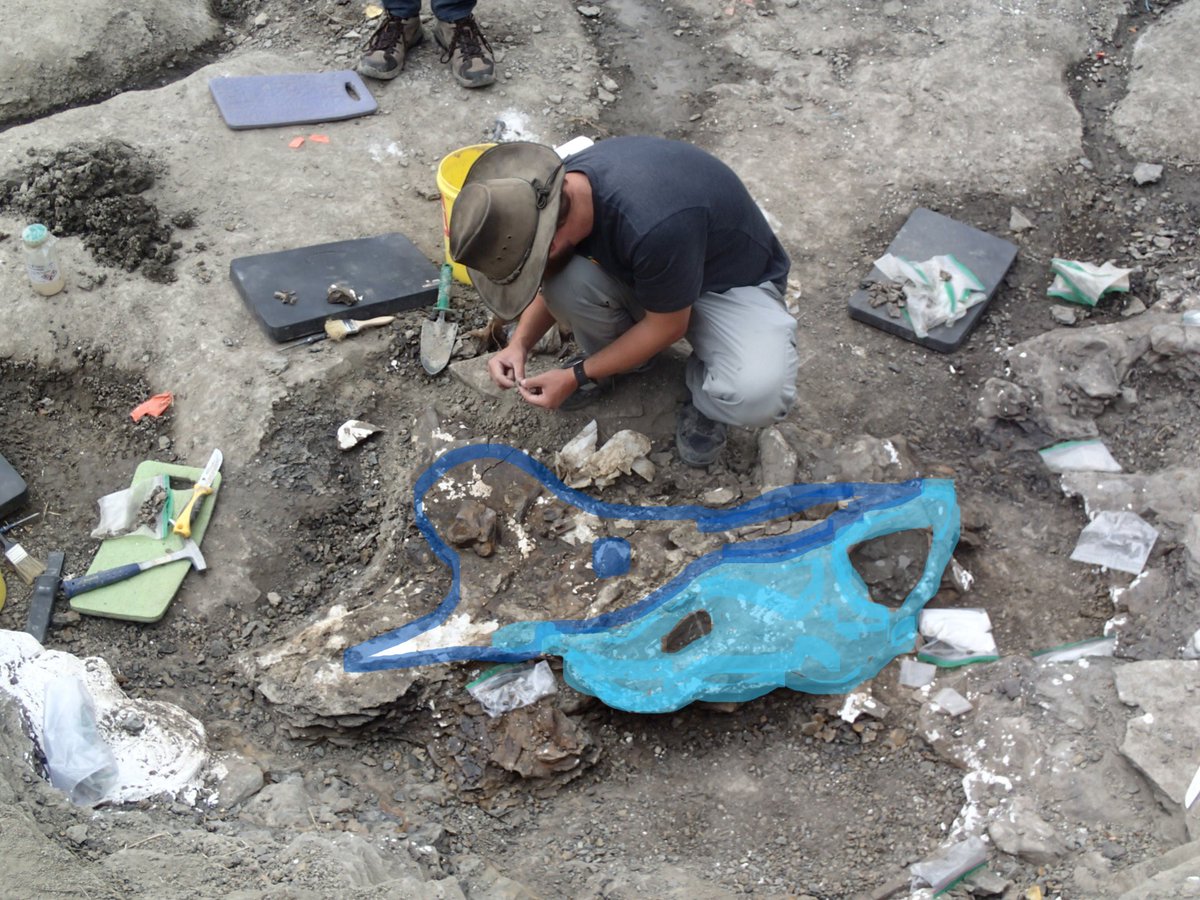
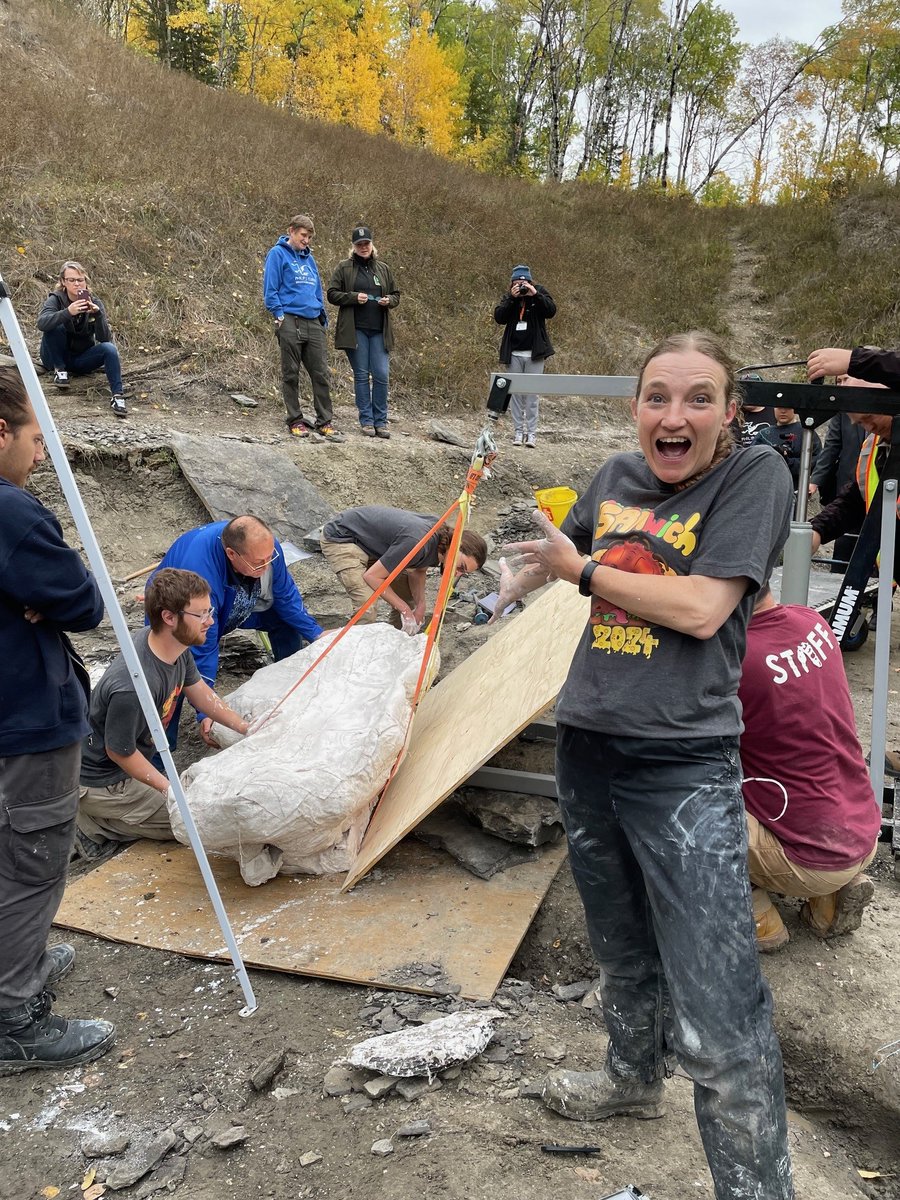
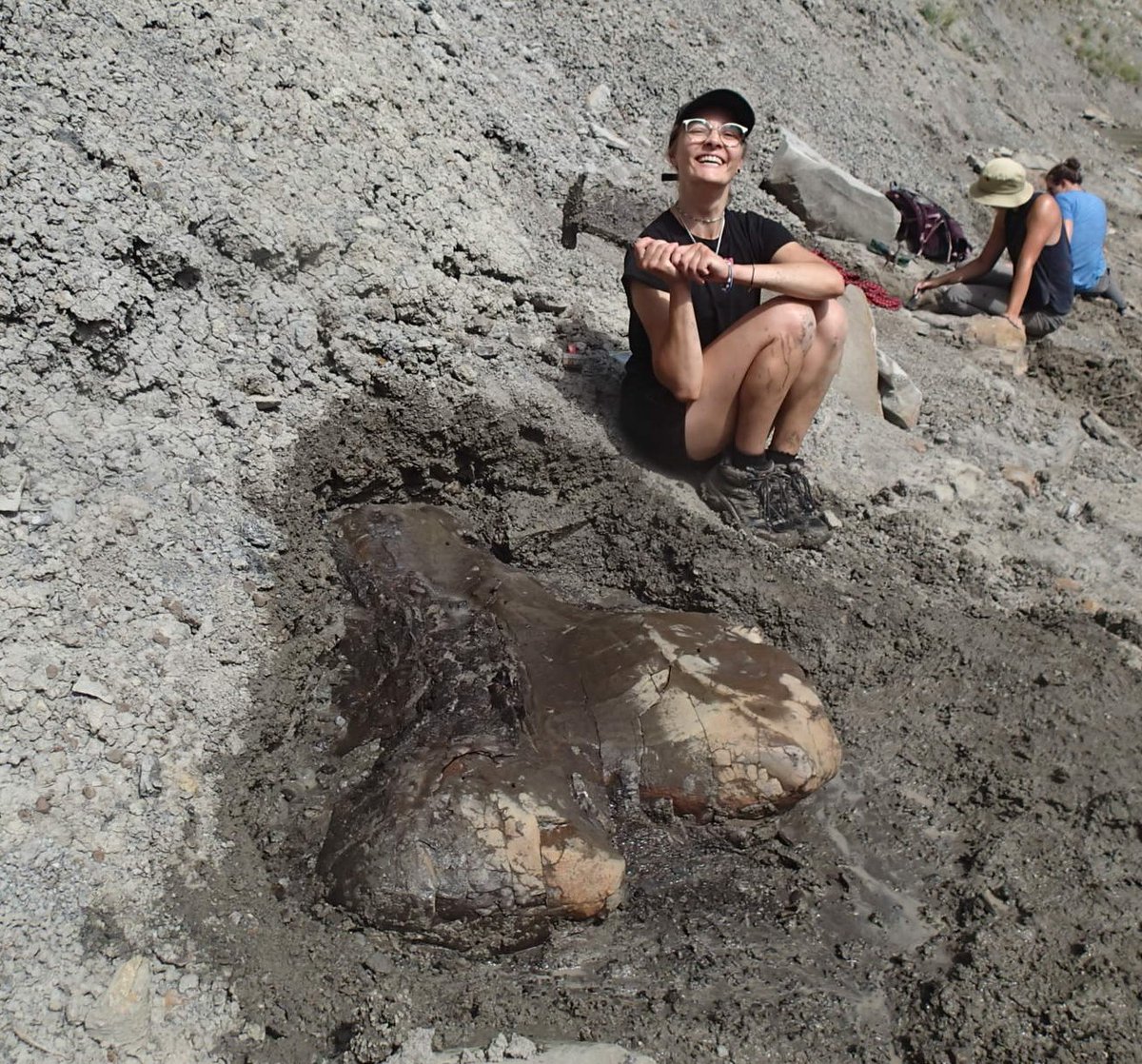
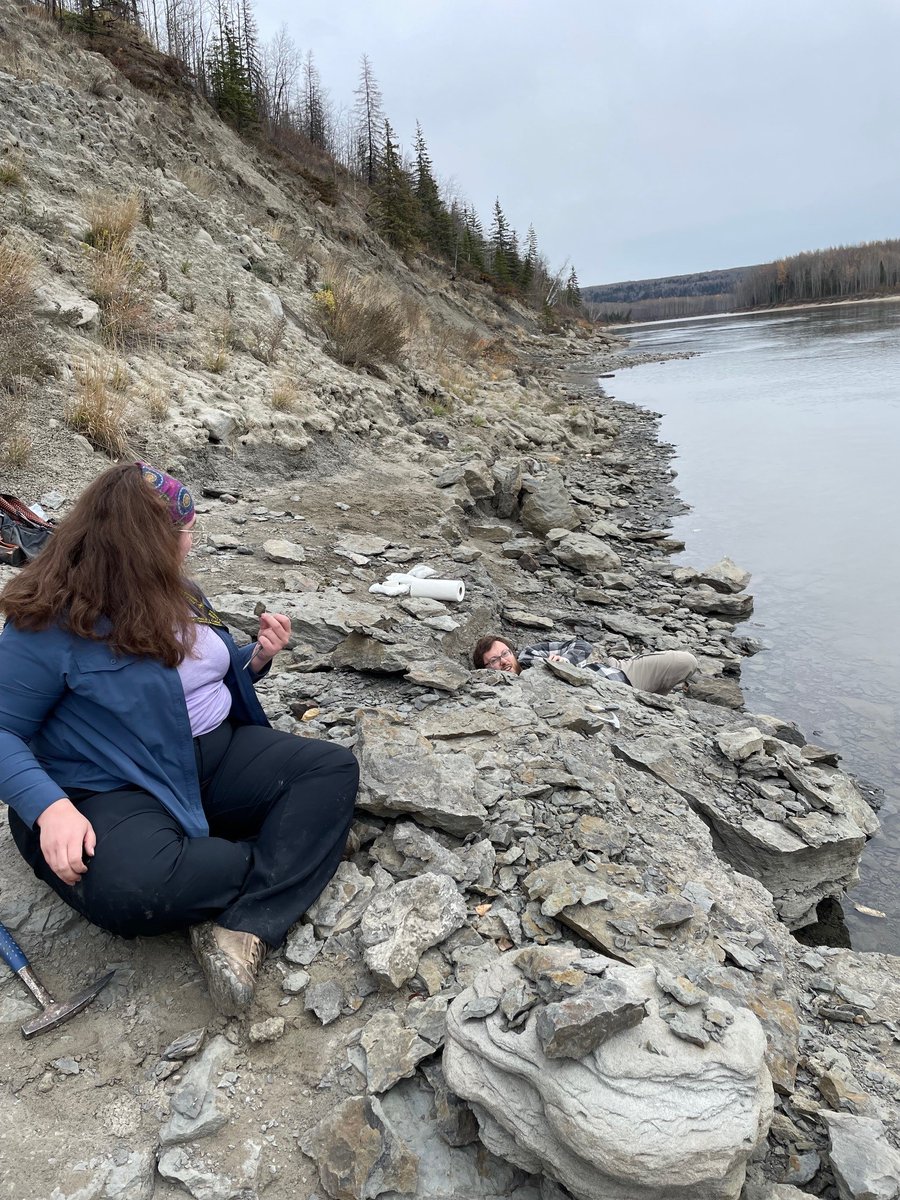
#FossilFriday! It's my three-year #workiversary as #Curator of the @CurrieMuseum\0/! We've done some exciting things. Here's our team #fossil hunting on the Wapiti River. #dinosaurs @CountyofGP
1
4
27
847
10 Jan 2025
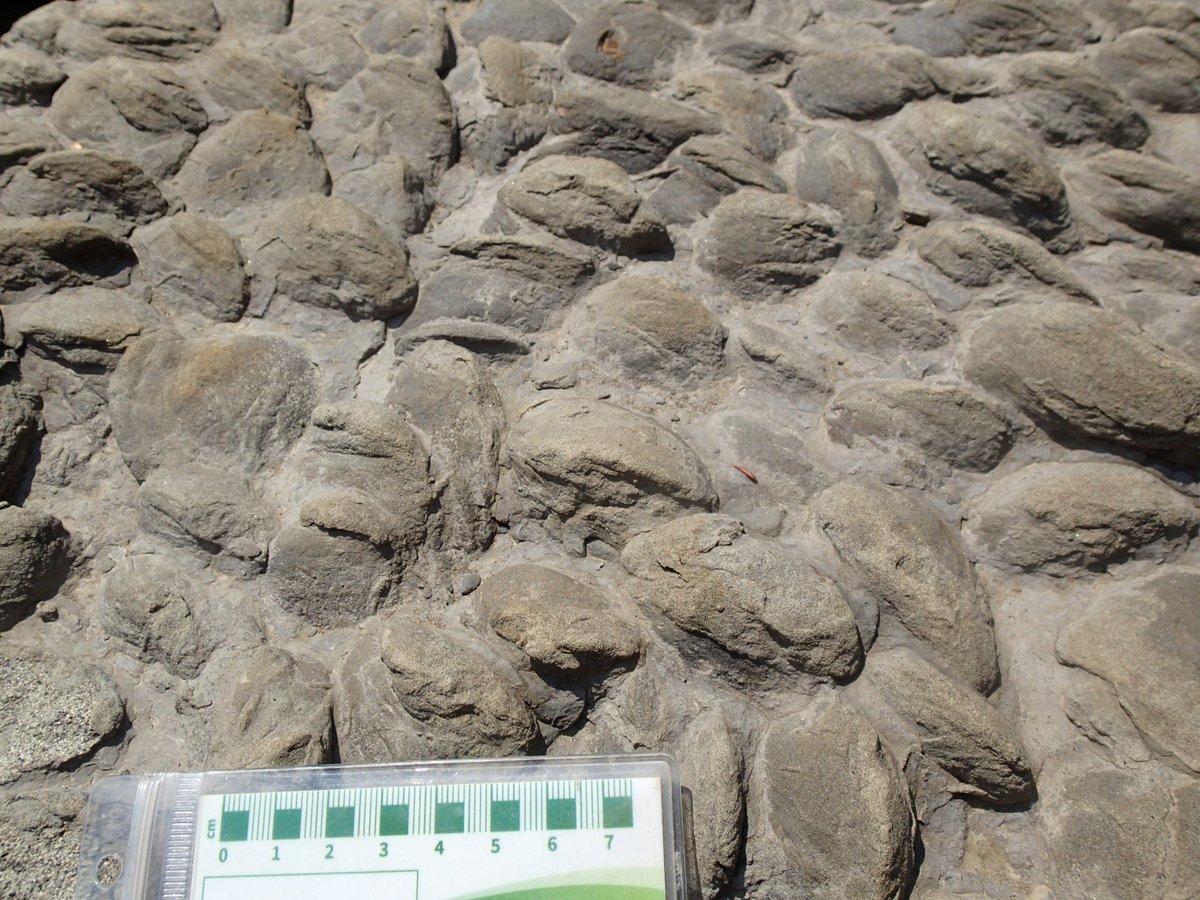
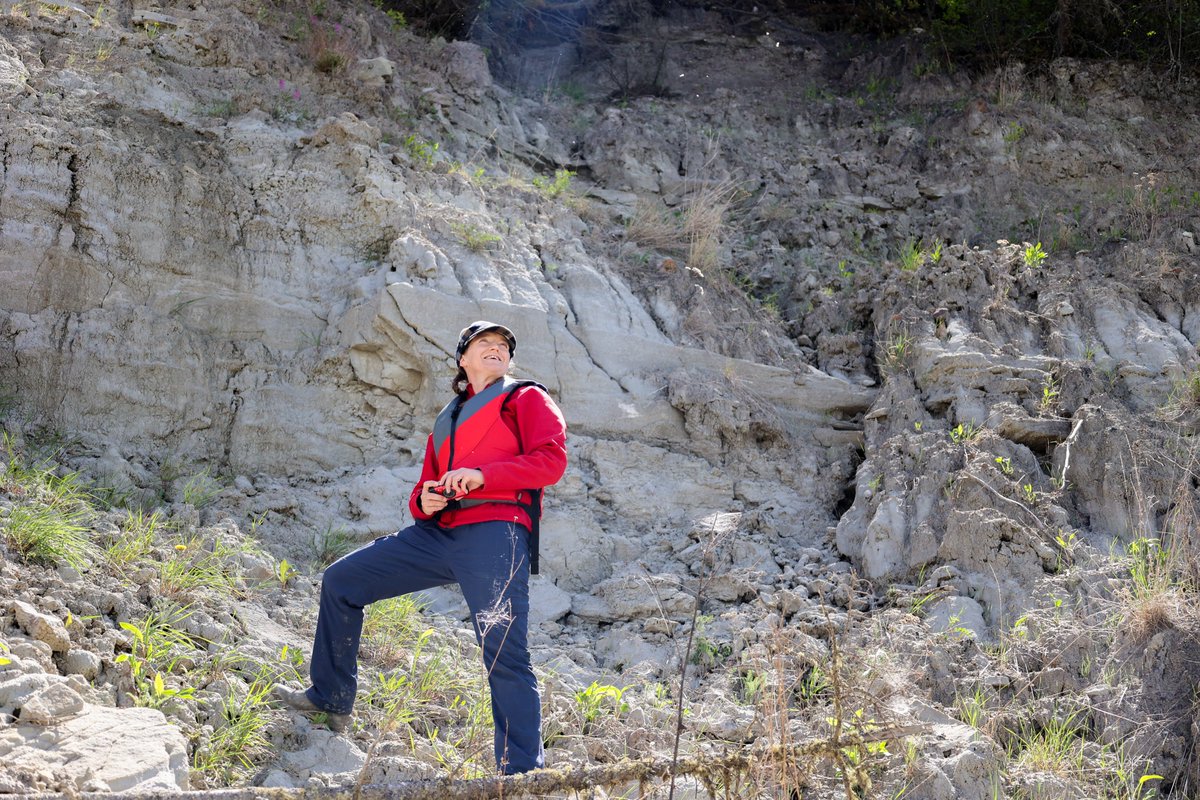
#FossilFriday! This #fossil can be relied upon to stump museum visitors: This is a bed of fossilized #Cretaceous freshwater #clams. The shells are gone, leaving the sand infill of the shells. We call this site 'Clam Bake'! @CurrieMuseum #invertpaleo #bivalves
15
408
Emily Bamforth retweeted
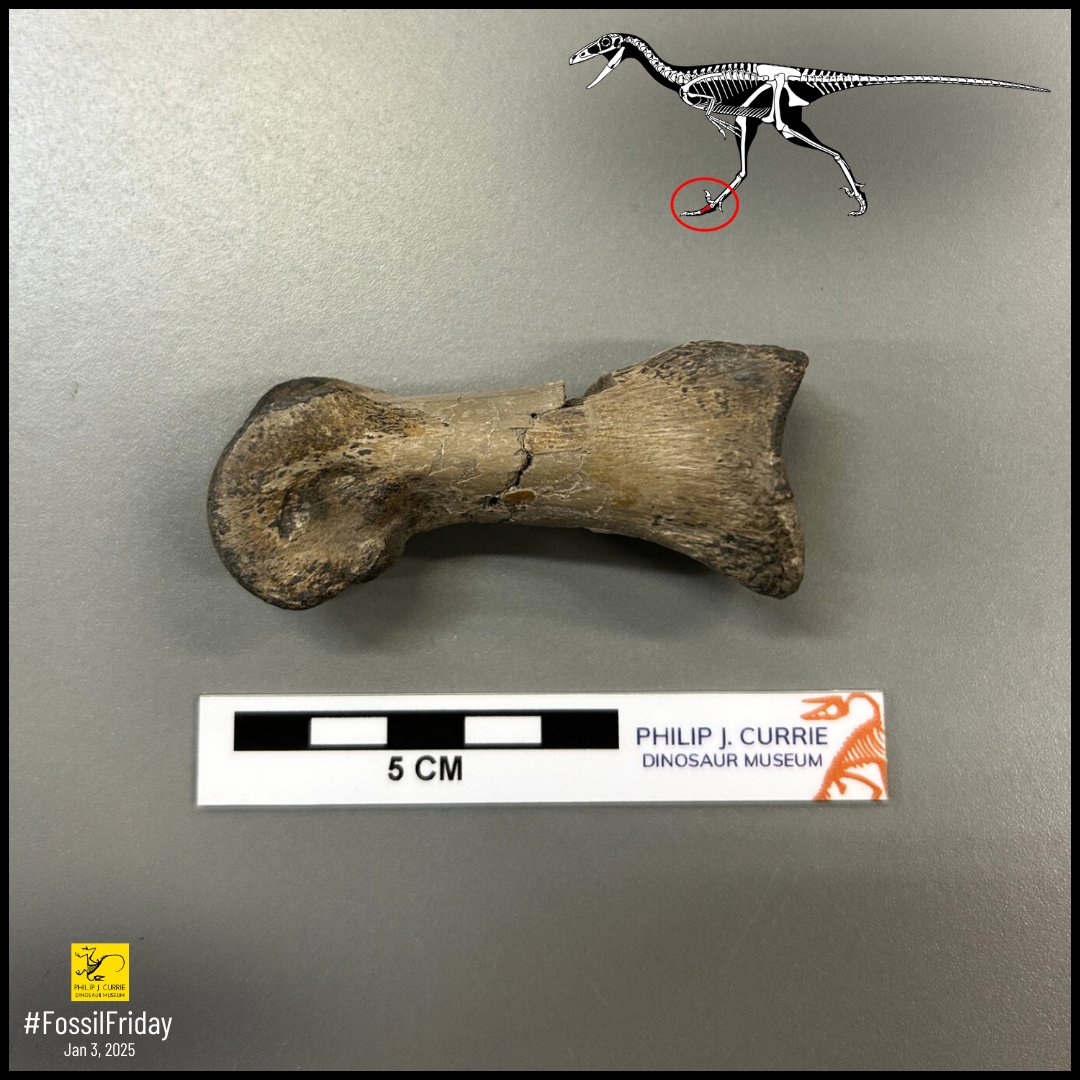
Stepping into the first #FossilFriday of 2025, we have a Troodontid phalanx. These small carnivorous dinosaurs are closely related to the more famous dromaeosaurs, like Velociraptor, but are more robustly built, with long legs and powerful feet.
1
20
100
3,196
3 Jan 2025
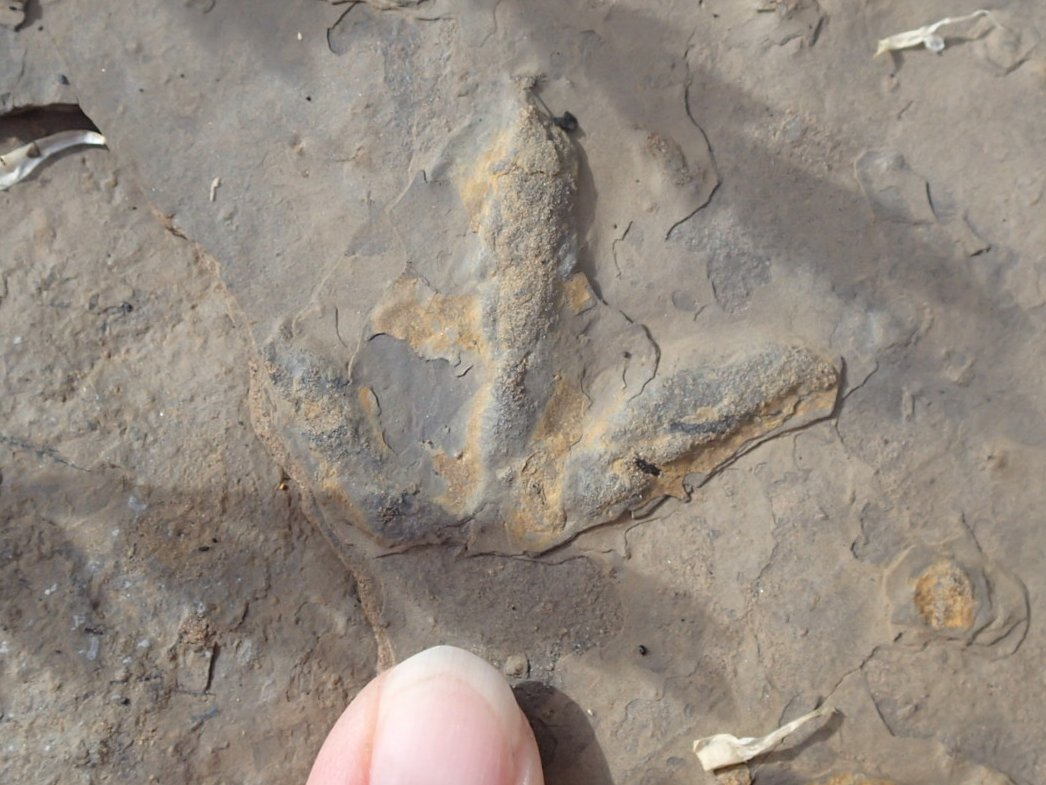
First #FossilFriday of 2025! This a beautiful #bird (or small theropod) #footprint from the early #Cretaceous Gates Formation, found near #GrandeCache, AB. #ichnology #fossil #paleontology @CurrieMuseum
12
54
1,659
3 Jan 2025
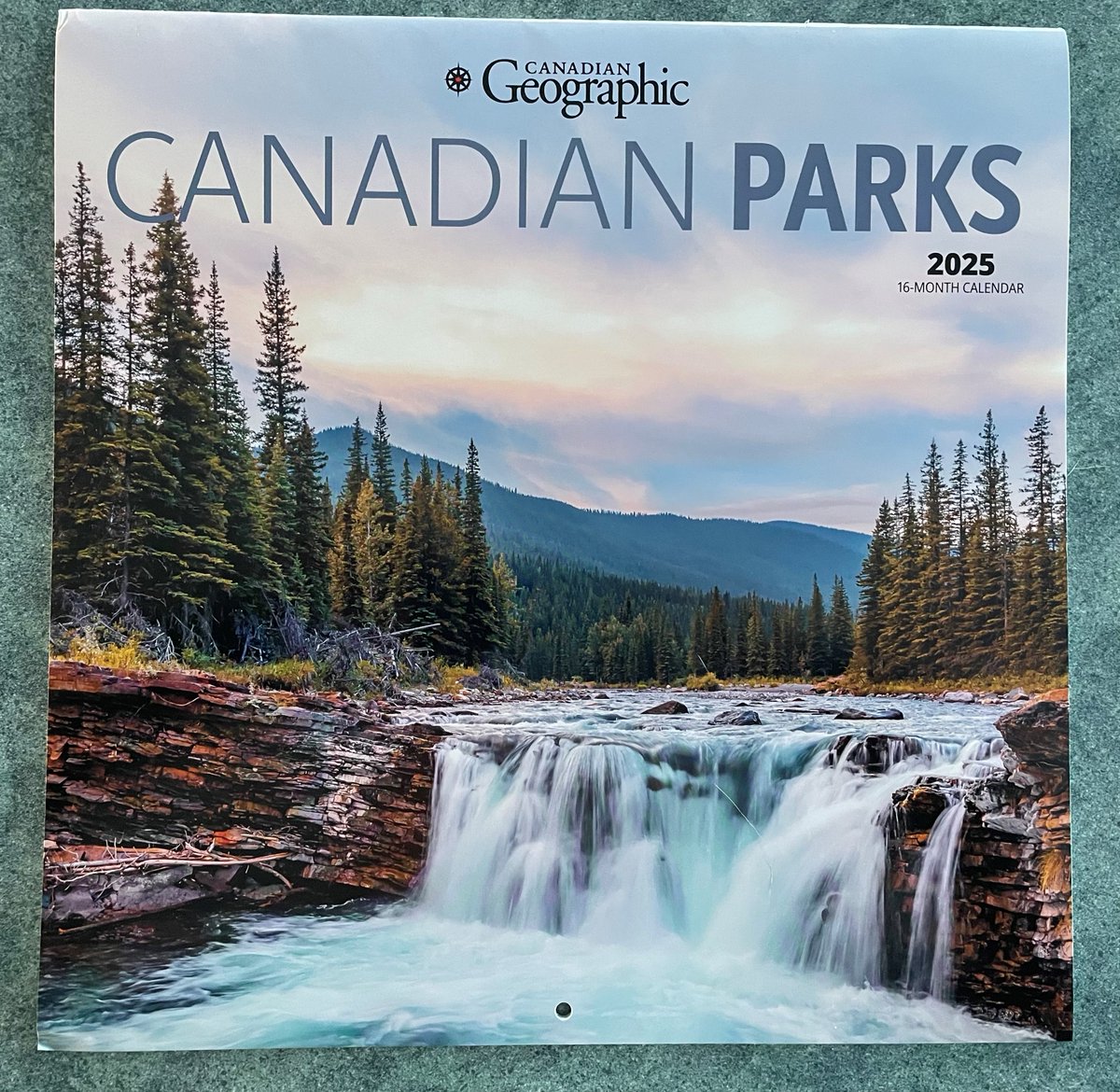
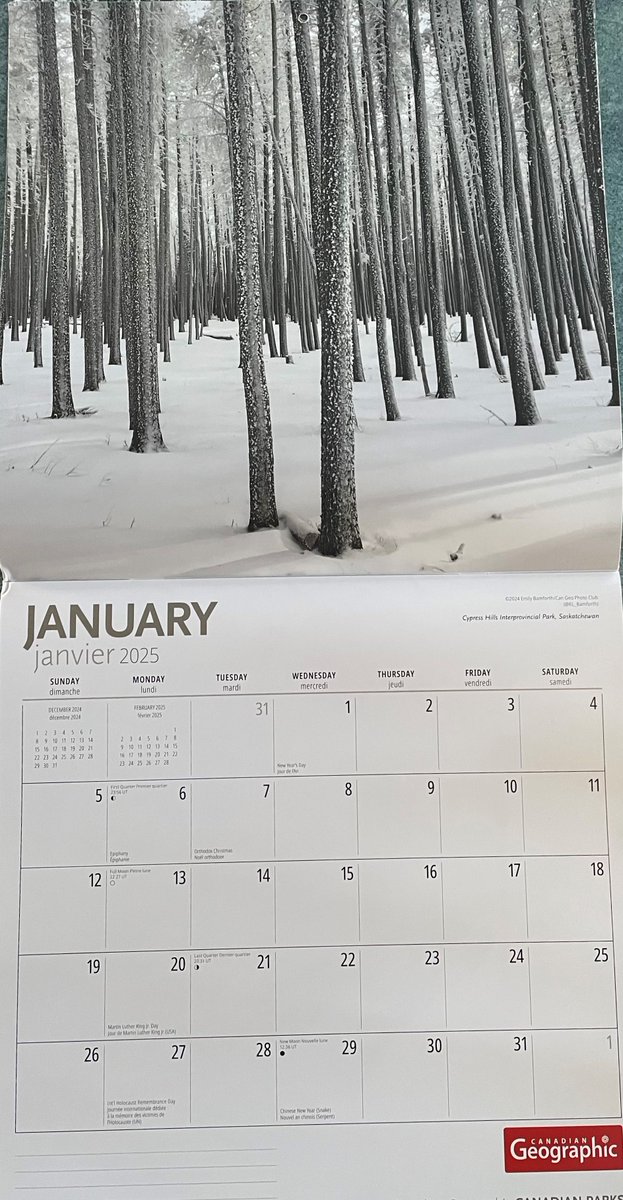
I was excited to have one of my #photos featured in a @CanGeo #calendar this year! My photo is January in the 2025 Canadian Parks calendar. I took it in Cypress Hills Interprovincial Park in #Saskatchewan. @CHdestinationA @Saskatchewan
1
10
315
Emily Bamforth retweeted

14 Dec 2024
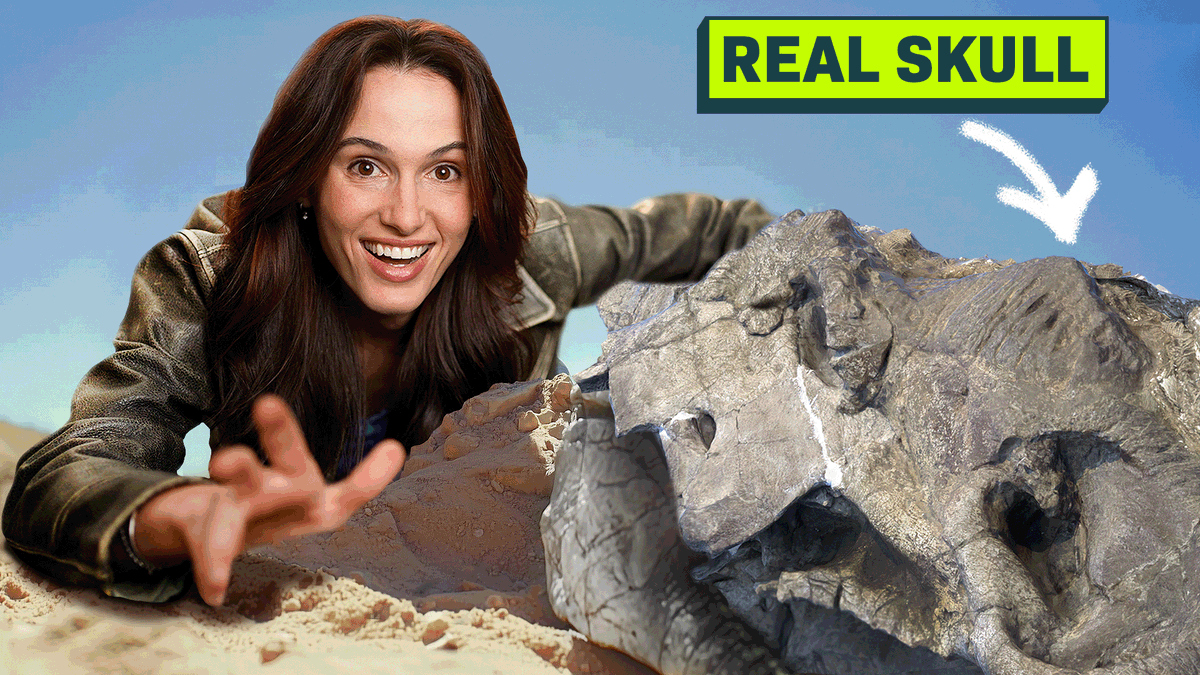
Back in September, we had the privilege of hosting the crew from Huge if True for an amazing day of filming at Pipestone Creek bonebed and in our lab! 😀
A huge thank you goes out to @cleoabram and her team, as well as our palaeo crew and @EL_Bamforth. Watch it below!
14 Dec 2024

I was wrong about dinosaurs. Are you?
I'm SO excited to share this next episode of Huge If True. We went on an adventure to understand the cutting edge of dinosaur discovery:
youtu.be/RDoVLHaYfgM?si=0scb…
3
13
1,131
6 Dec 2024
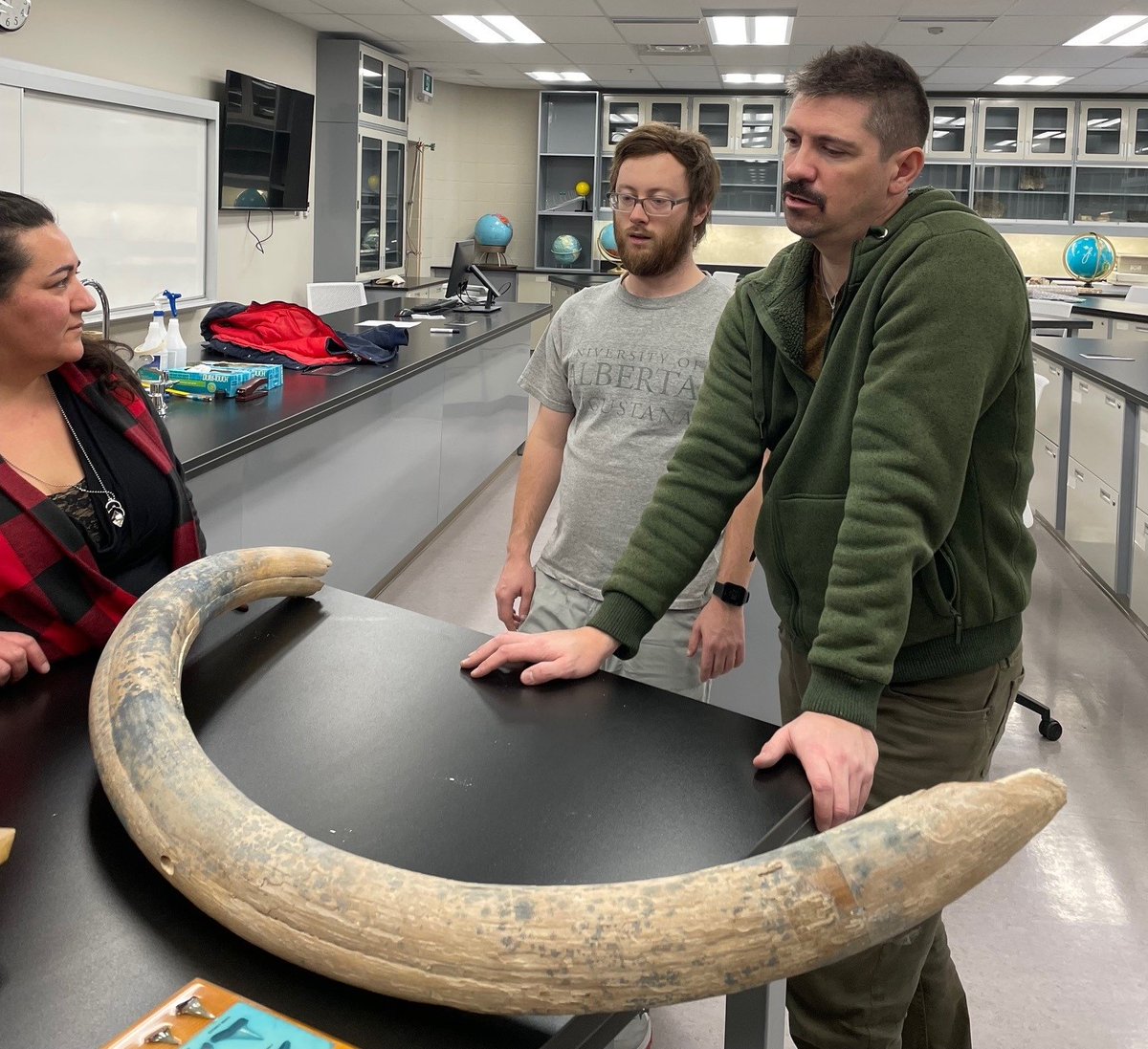
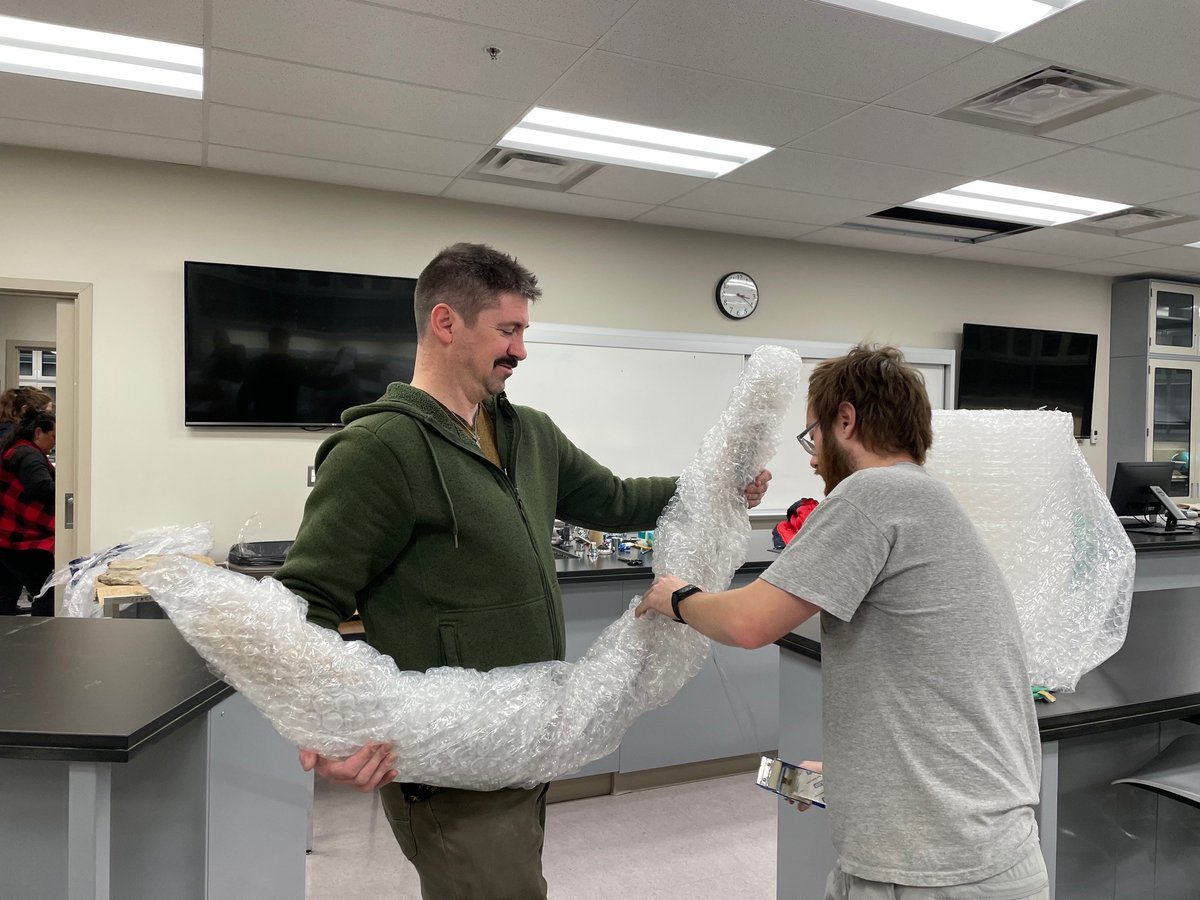
#FossilFriday! We were excited to receive a #woollymammoth #tusk, originally collected from the Klondike region, as part of a #fossil donation this week. It took some creative packing! @CurrieMuseum
2
22
546
29 Nov 2024
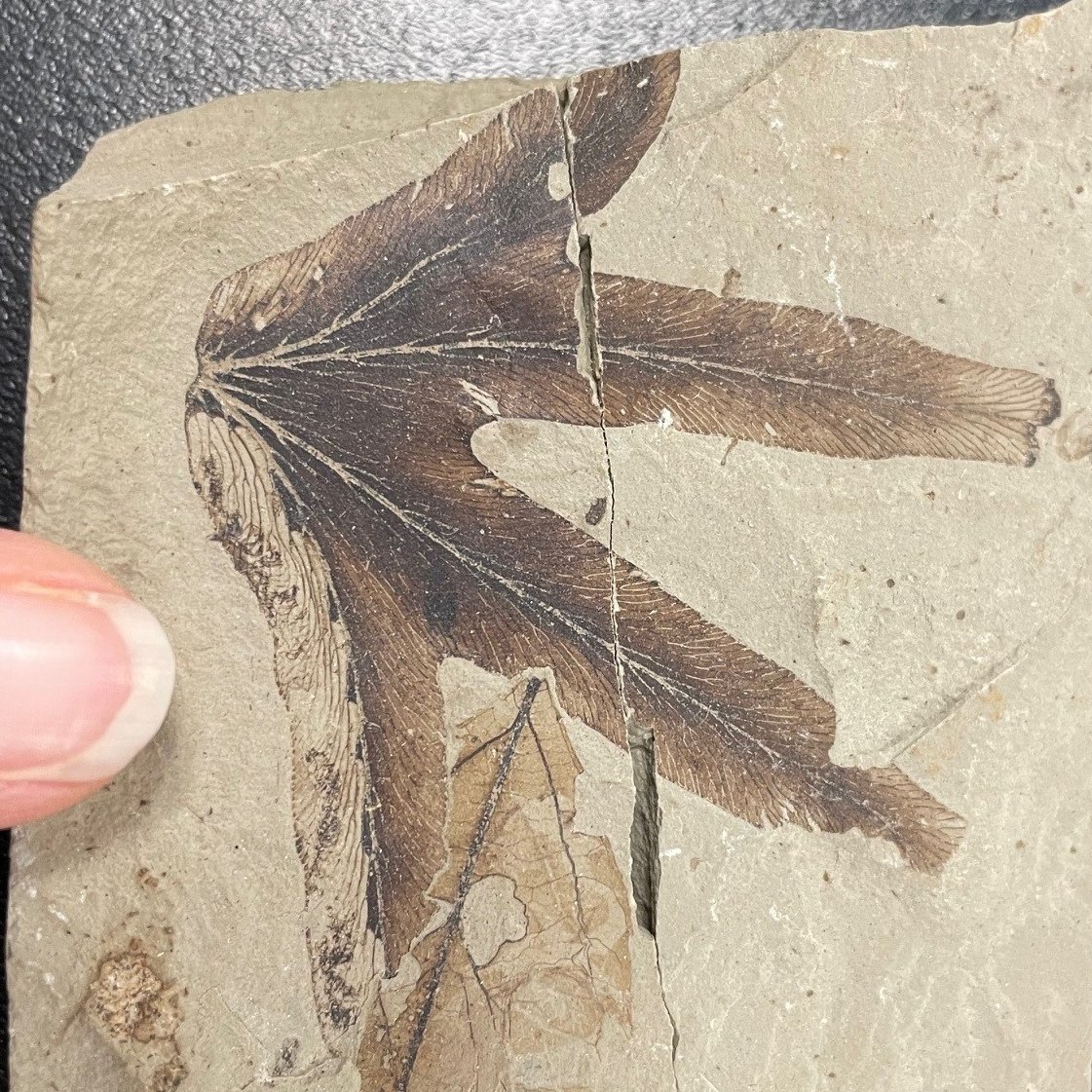
#FossilFriday. Came across this beautiful specimen of a Lygodium #leaf from the #Eocene Green River Shale in a donation we received this week. #paleobotany @CurrieMuseum
1
11
57
1,755
29 Nov 2024
#FossilFriday! Hapsidophyllus was one of the rangeomorph species I named :-) #Ediacaran @WhereLifeGotBig
29 Nov 2024

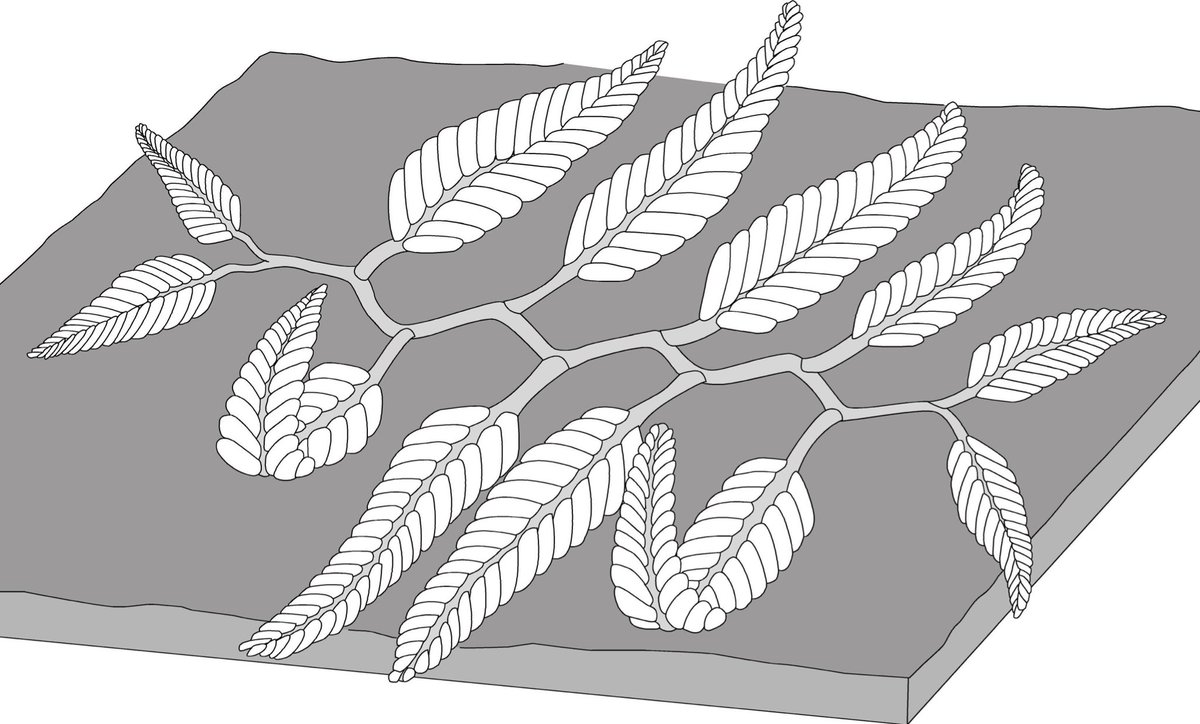
This #FossilFriday, one of the stranger #Ediacaran fossils from #Newfoundland: Hapsidophyllas lived on the ancient seafloor and had multiple complex branches coming from a central basal rod. This lesser-known specimen is found on the D surface at Mistaken Point.

6
27
1,053
Emily Bamforth retweeted
22 Nov 2024
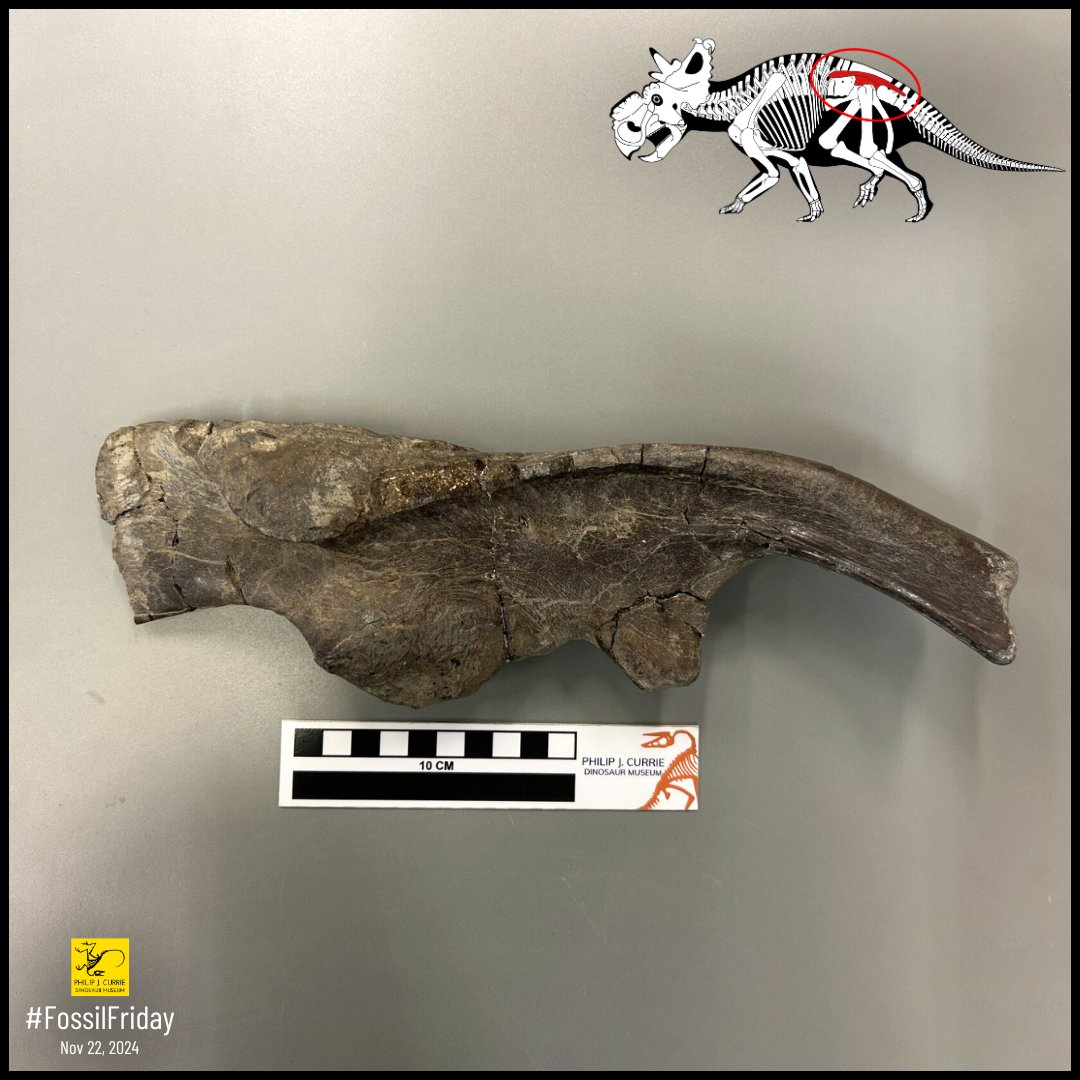
#FossilFriday! This #Pachyrhinosaurus ilium comes from a young animal about the size of a large dog. The ilium is one of the hip bones, and this particular piece forms the top of the hip, creating the upper part of the socket where the femur sits.
1
15
86
2,285
23 Nov 2024
#FossilFriday! A cute little #theropod #dinosaur #footprint from the Early #Cretaceous Gates Formation, near #GrandeCache, #Alberta. #tracefossils @CurrieMuseum
10
66
2,896
Emily Bamforth retweeted
15 Nov 2024
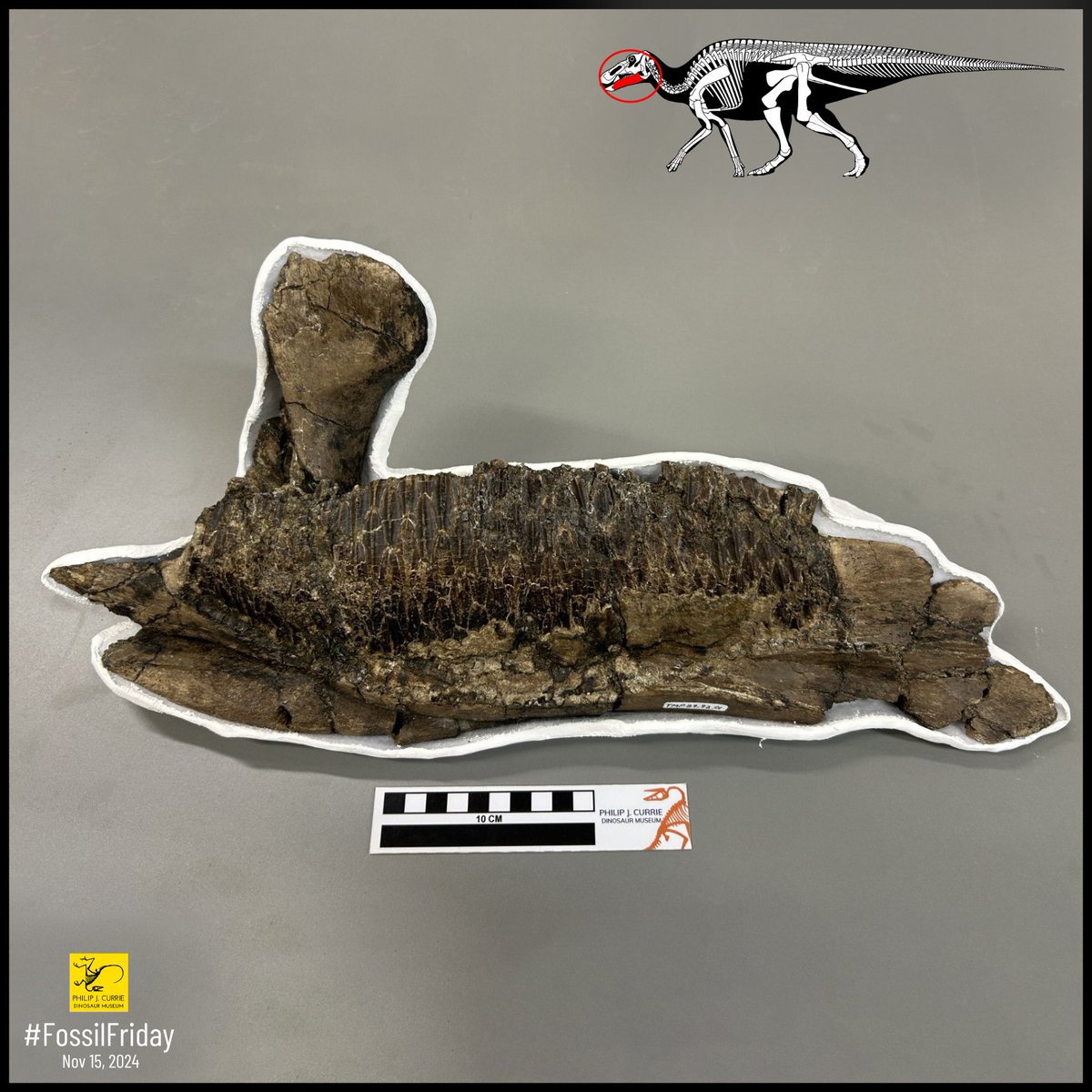
#FossilFriday! This hadrosaur dentary (lower jaw) shows the tooth rows that made hadrosaurs so successful. The teeth interlock and continuously replace each other, creating a robust chewing surface. Combined with mobile jaw muscles, this made hadrosaurs exceptional chewers.
1
16
65
2,147
8 Nov 2024
#FossilFriday! While collecting in #GrasslandsNationalPark in SW #Sask this summer, we found this beautiful 66-million-year-old #trionychid (soft-shelled) #turtle #plastron. So cute! @CurrieMuseum @royalsaskmuseum
5
52
1,496
4 Nov 2024
Fun moment from #SVP2024 in Minneapolis: #Quetzalcoatlus (to scale) stalks a paleontologist at the icebreaker in the @sciencemuseummn! #musuems #pterosaurs @curriemusuem
2
3
51
1,243
Emily Bamforth retweeted

26 Oct 2024
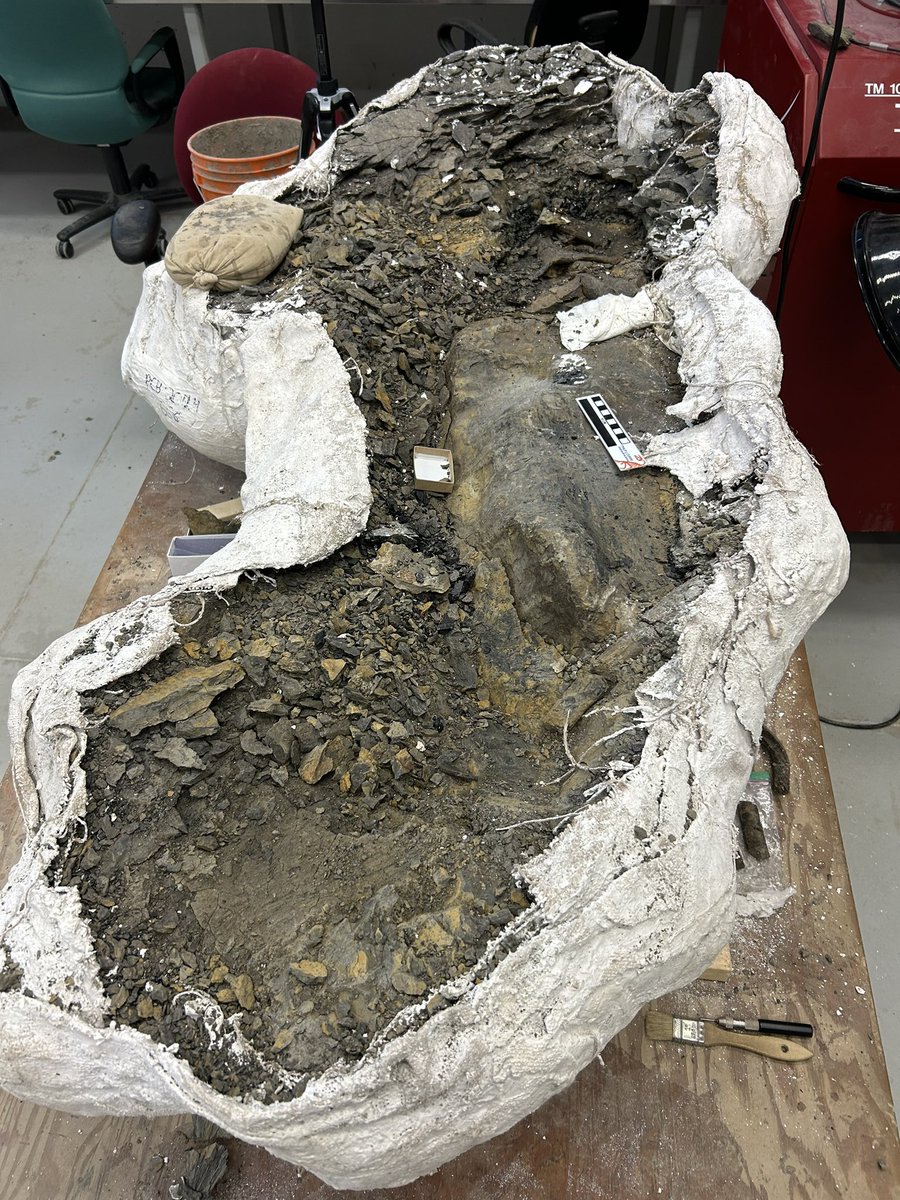
Started prep on our massive #pachyrhinosaurus skull today. It’s coming along so well! The boss is showing through. But have to put it on pause while I get set for #SVP next week.
I will return to #bigsam soon. #FossilFriday
1
16
85
2,268
25 Oct 2024
#FossilFriday! A hint of #serrations.... Large #theropod (cf. #Albertosaurus) tooth from the late #Cretaceous Wapiti Formation of northern Alberta. #dinosaurs @CurrieMuseum
4
31
1,170
Emily Bamforth retweeted
25 Oct 2024
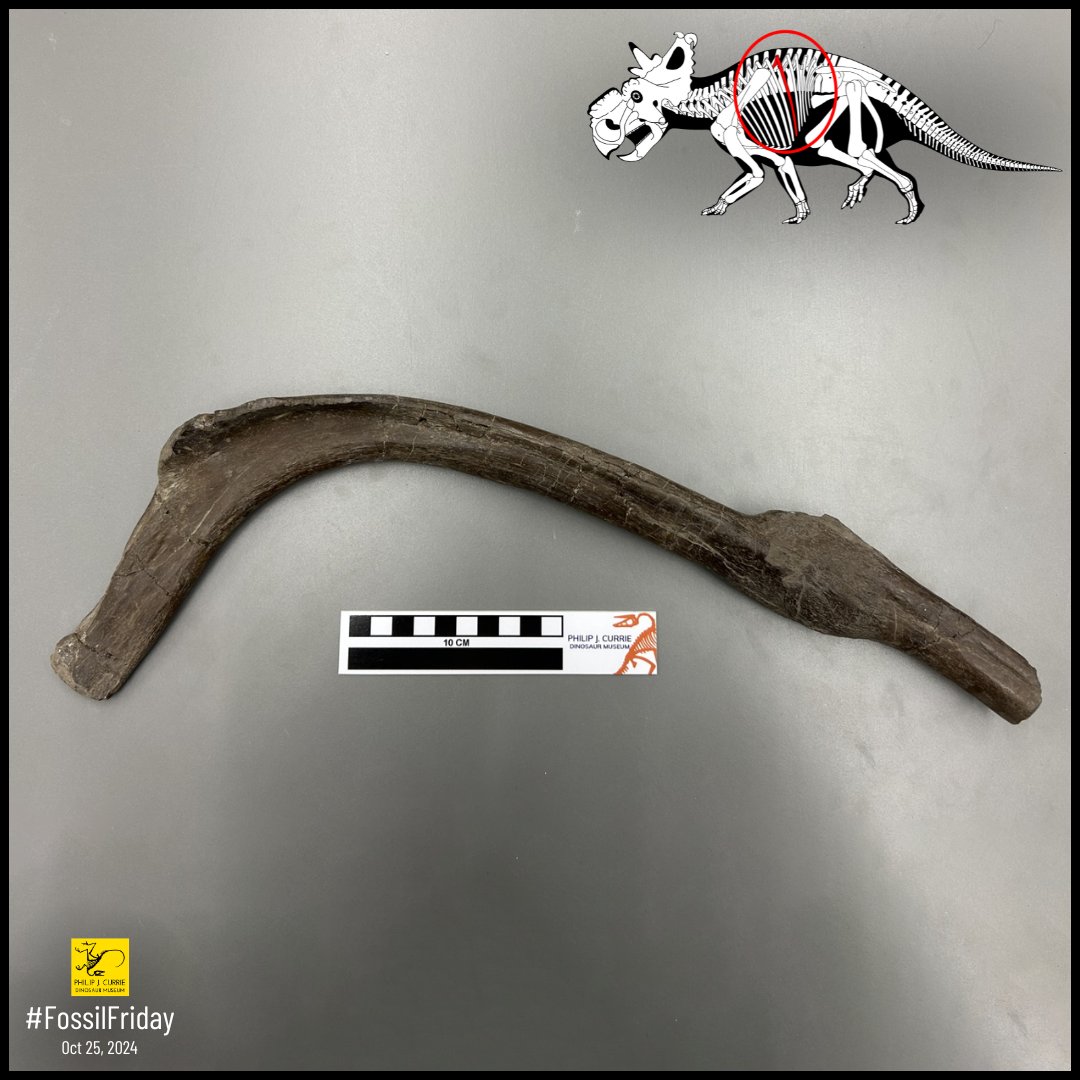
#FossilFriday! This is a Pachyrhinosaurus rib collected from Pipestone Creek in 2023. While ribs are usually among our most common fossils, this one is special. The bulge at the end shows where it was broken and healed during the animal's life, making it a very fascinating find.
2
32
116
4,315
19 Oct 2024
#FossilFriday. Last day in the #field for us today - snows a comin'! Our first trip in the spring (left) and last fall (right) field excursions of 2024 was to the late #Cretaceous Spring Creek #Paleofloral site. @CurrieMuseum #livefromthefield
5
23
894
Emily Bamforth retweeted
18 Oct 2024
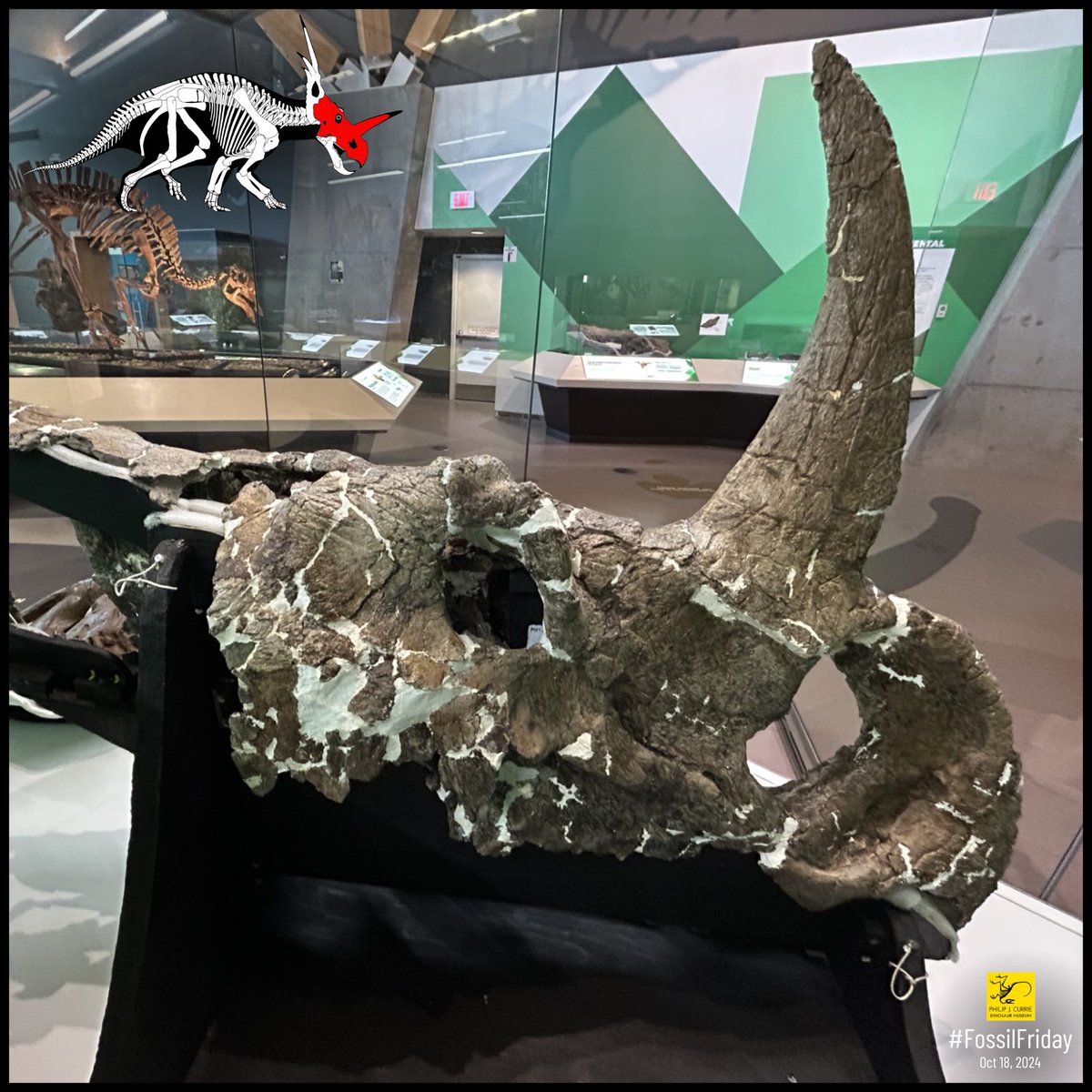
#FossilFriday! This week, we're showcasing the hidden right side of our Styracosaurus skull (taken from inside the display case)! Known for its massive horns, this animal roamed Southern Alberta 83-70 m.y.a. This great specimen highlights the incredible diversity of ceratopsians.
1
46
186
5,535