Polytheist, Ph.D. in Philosophy. Justice to all beings, reverence to all Gods.
Joined July 2009
- Tweets 61,002
- Following 6,570
- Followers 10,788
- Likes 77,706
1,108 Photos and videos

Pinned Tweet

May 28
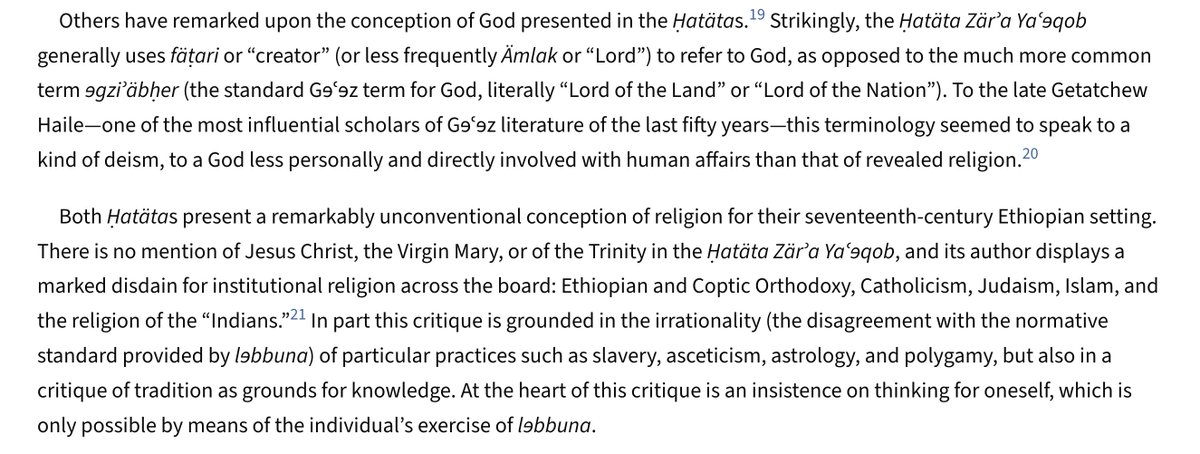
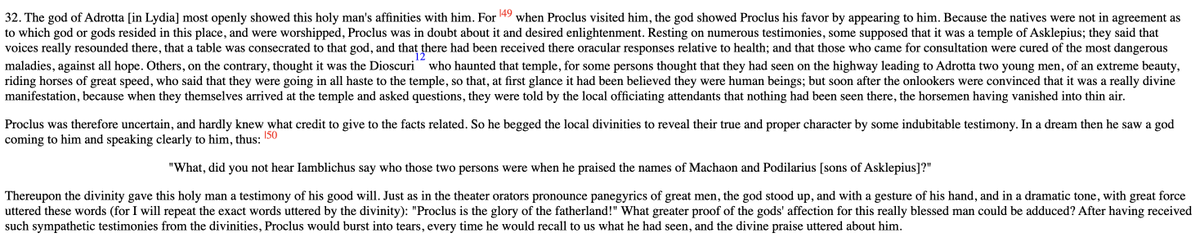
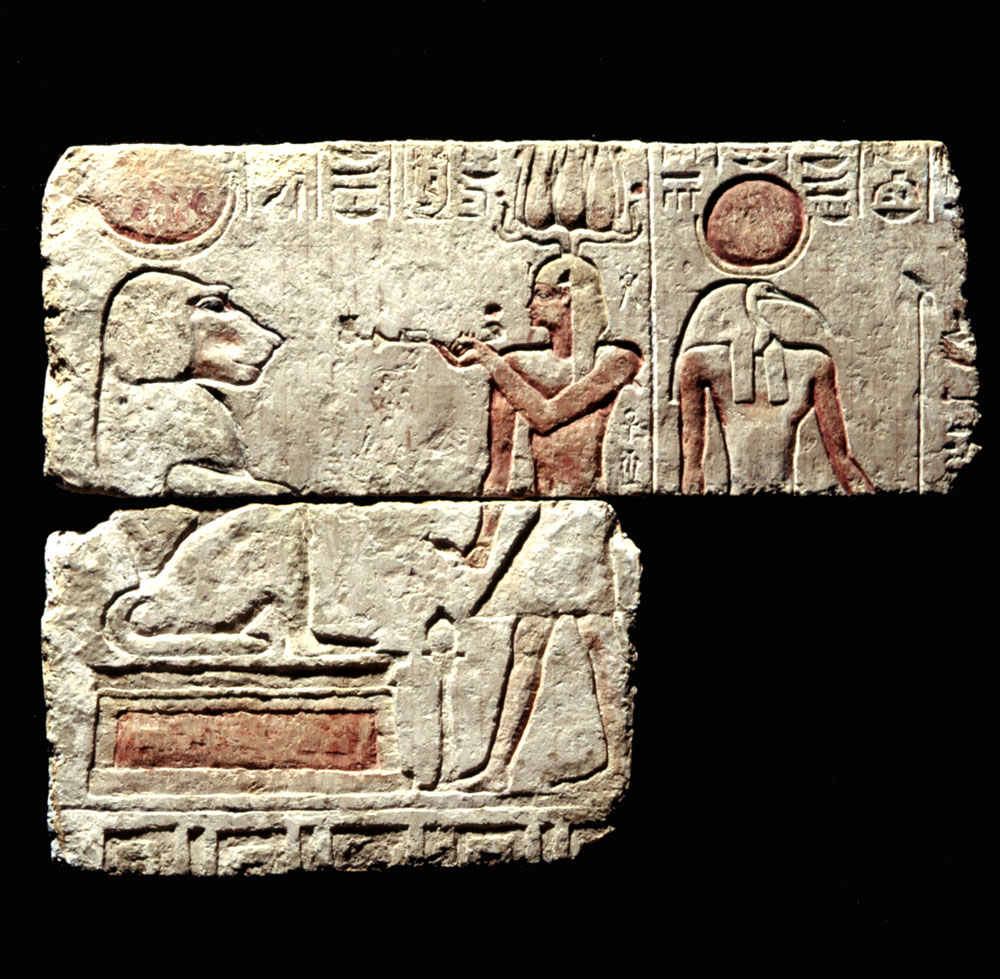
Polytheistic Platonism: Collected Essays (2026). US orders from Kindred Star Books kindredstarbooks.com/product…; UK and elsewhere from The Prometheus Trust prometheustrust.co.uk/produc…
4
9
41
7,216
Edward Butler retweeted

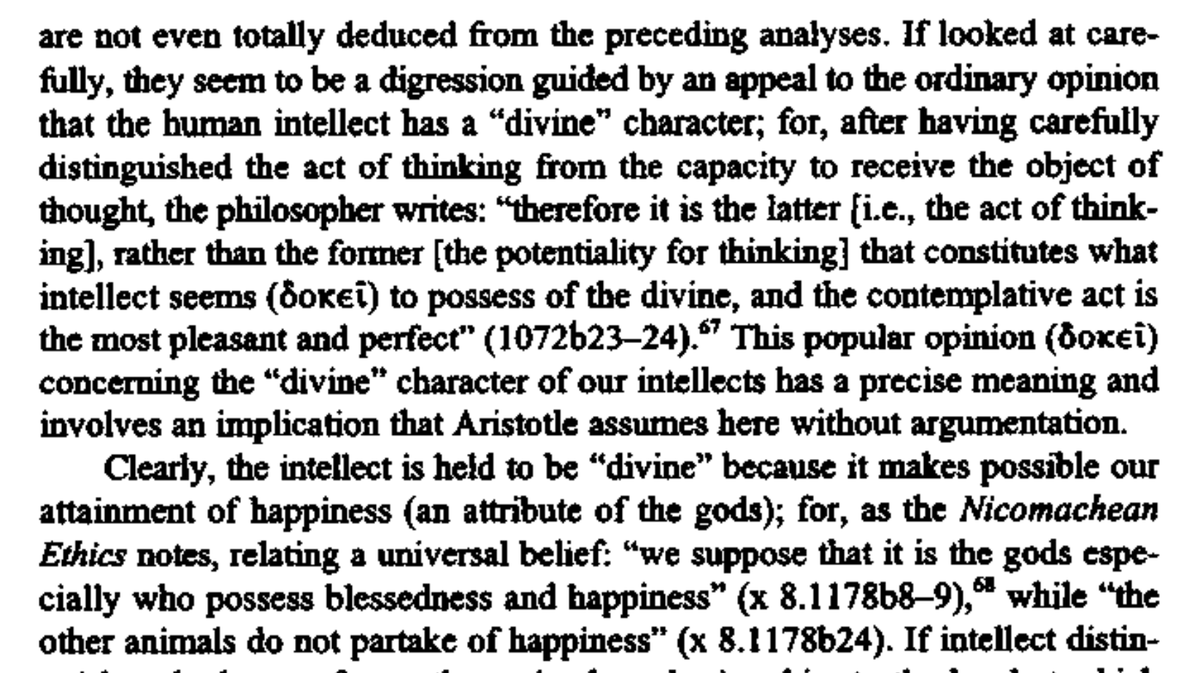
Aristotle's unmoved mover [ὃ οὐ κινούμενον κινεῖ] is not a God, but rather the final cause of circular motion in the cosmos. It expresses what it means to be an object of desire; that which is not moved, but moves other things by virtue of being in a state that others desire.
4
10
88
2,830
Edward Butler retweeted

ISKCON NYC Ratha Yatra 2026 (2 hours ago) youtube.com/live/N-qKnk2PG4Y… via @YouTube
HARE KRISHNA USA SATURDAY
2
3
261
2026 48th Annual Cansayapi Wacipi - Saturday youtube.com/live/d1P7qBK83d8
195
Edward Butler retweeted

19h
I appreciate Swami Sarvapriyananda ji’s efforts to make this tradition more accessible. However, I’d like to share a story about Bettina Sharada Baumer, a well-known Indologist who became Swami Laxman Joo’s direct disciple. When she first visited Kashmir and met Swami ji, she asked, “Is initiation necessary to truly understand Kashmir Shaivaism?” Swami Laxman Jo nodded, in affirmation—YES.
So, while Swami Sarvapriyananda ji’s approach is commendable, it doesn’t fully capture the essence of a tradition that he only experienced through translations. I’m not saying this is a bad thing, but I’ve noticed that many people are drawn to this tradition for its profound philosophy, its clear understanding of nonduality, and its brilliant insights, which have led to a bit of a challenge: the tradition has become more of an academic study than a lived experience.
The amazing insights of words like prakāśa, vimarśa, spanda, and svātantrya are often taken too far, sometimes even completely losing touch with the real, transformative experience of this word. Scholars and academia tend to view Bhairava as just a concept, not as a deity embodying supreme consciousness, whose path is about humility, discipline, and a genuine desire for freedom (mokṣa).
Then some see Bhairava as the fierce form of Shiva, without even investigating what “fierce” means in the context of consciousness and bliss—Shiva.
I hope my sharing here helps bridge this gap between the tradition’s intellectualisation and its practical application for those seeking it.
Jai Ma Ram!

Trika System Would finally Sustain . The Brahm satyam jagat mytha doctrine would be exposed...
2
11
27
1,978
Global Financial Polytheism: Why There Won't Be a Single Currency to Replace the Dollar socialistplanningbeyondcapit… via @beyond_capital
1
3
261
Jun 11
The Axiom of Choice: Mathematics or Theology? (Florian Marion) academia.edu/168481592/The_A…
1
20
1,190
Jun 11
"It should be noted that these two implications are theologically underdetermined, given that they are perfectly compatible with both monotheism and polytheism… In other words, polytheism and the Cosmological Argument are not incompatible as one may wrongly believe…"
1
7
892
Edward Butler retweeted

Jun 12
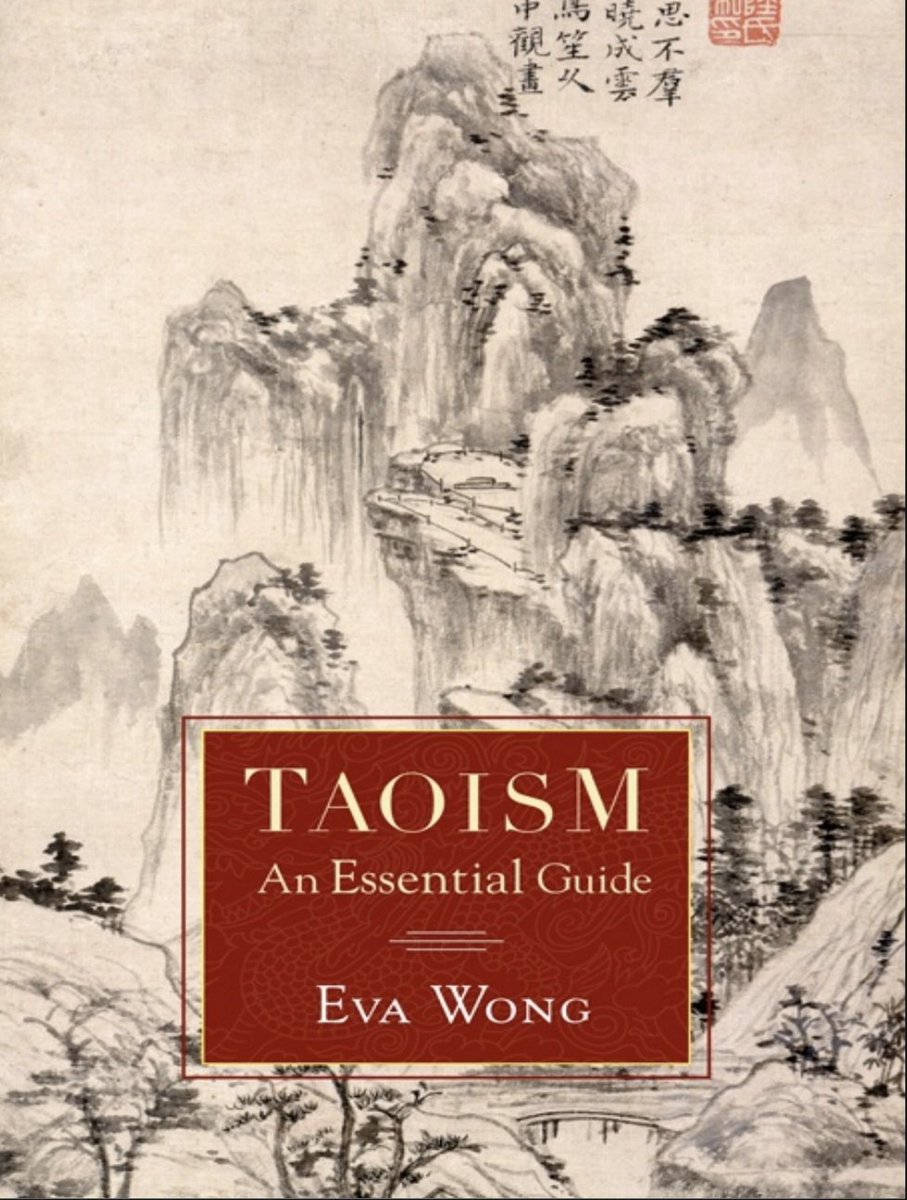
1) Eu não sou especializado no pensamento taoísta, apesar de ter alguma leitura sobre. Pra isso, me basearei em uma delas e que parece ser uma das melhores fontes que temos acessível no Ocidente, que é o trabalho de Eva Wong, uma praticante de feng shui, pesquisadora independente do taoísmo e praticante das artes alquímicas taoistas, em especial o seu "Taoism: An Essential Guide" (2011).
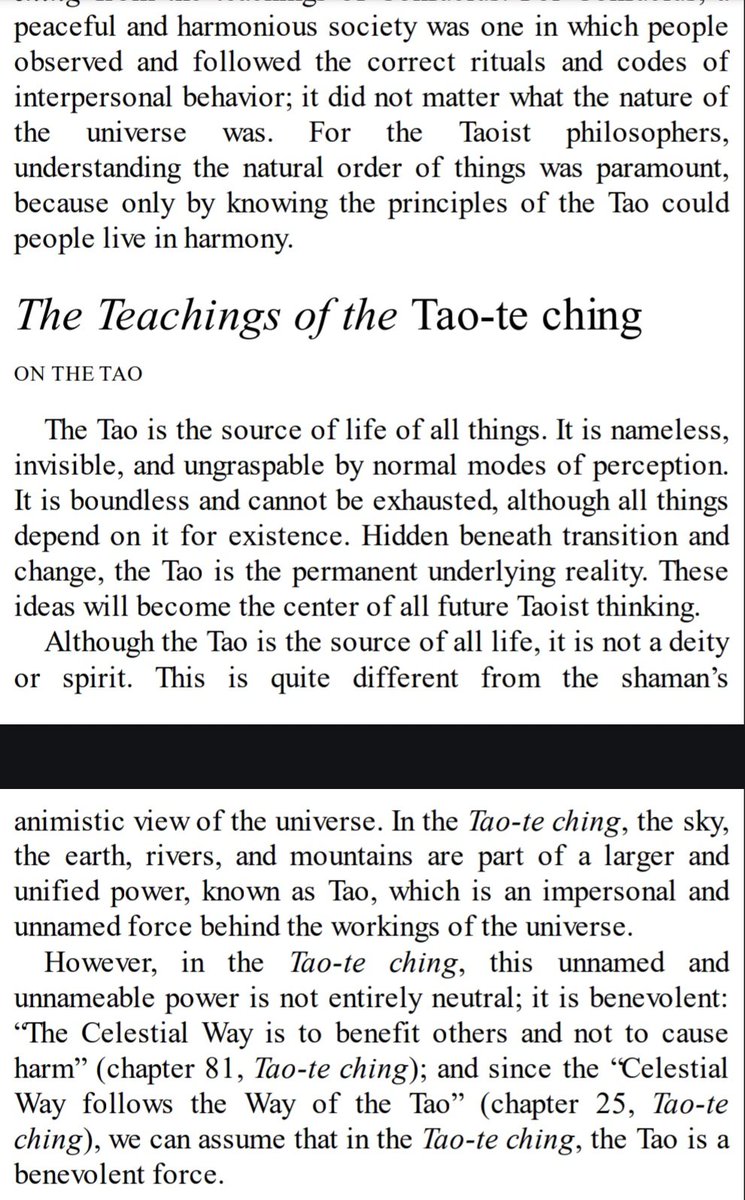
No capítulo sobre o Tao-te ching, Eva Wong define o Tao como fonte da vida de todas as coisas, “sem nome”, invisível, inapreensível pelos modos normais de percepção, ilimitado, inexaurível, e como a realidade permanente subjacente às transformações e mudanças. Ela também distingue concepções diferentes dentro do taoísmo clássico: no Tao-te ching, o Tao ainda aparece como uma força benevolente, ou melhor dizendo (acrescentando aqui minha perspectiva): como um princípio de axiarquia; já em Zhuangzi e Liezi, segundo ela, o Tao passa a ser entendido de modo mais neutro: continua sendo a realidade subjacente, a fonte sem nome e sem forma de toda existência, mas não como algo que “controla” os eventos ou age providencialmente.
Até aqui, principalmente na primeira concepção, há de fato uma grande proximidade com a concepção vedāntina e com certos germes dessa ideia já presentes no período védico, por exemplo na formulação henoteísta, no sentido mülleriano, do ekaṃ sat, o “Ser-Uno” ou “Real-Uno” do Ṛgveda, segundo o qual a realidade última é una, embora nomeada e abordada sob múltiplas formas divinas. Importante também notar a semelhança com o conceito de Ṛta no período védico: a ordem, regularidade e harmonia cósmica que sustenta o mundo, algo que também encontra um paralelo evidente na ênfase taoísta na ordem espontânea e impessoal do Tao.
Mas existe uma diferença, até onde eu enxergo (posso estar errado sobre isso), que tem a ver com o motivo que eu prefiro classificar a primeira concepção taoísta apenas como um tipo de princípio de axiarquia (isto é, um princípio pelo qual a realidade se ordena a partir do valor, da bondade ou da excelência intrínseca das coisas, como se o próprio bem tivesse força explicativa na estrutura do real - a concepção hindu também é isso, mas há um plus): o Tao não é sujeito (seja entendido como uma divindade ou como um espírito ao modo das concepções xamânicas mais antigas na China), mas uma força/princípio impessoal e inominável por trás do funcionamento do universo.
Aqui há uma diferença, a meu ver, em relação ao Brahman no Vedānta: Brahman é fundamentalmente sujeito, ātman, como indicam fórmulas upaniṣádicas como ayam ātmā brahma, “este ātman é Brahman” (Māṇḍūkya Upaniṣad 2), ahaṃ brahmāsmi, “eu sou Brahman” (Bṛhadāraṇyaka Upaniṣad 1.4.10), e prajñānaṃ brahma, “consciência/conhecimento é Brahman” (Aitareya Upaniṣad 3.3). Por exemplo, a Taittirīya Upaniṣad define explicitamente a svarūpa-lakṣaṇa de Brahman, isto é, sua definição essencial, ainda que apreendida de forma aproximativa pela linguagem, como satyaṃ jñānam anantaṃ brahma, “Brahman é realidade/ser, conhecimento-consciência e infinitude” (Taittirīya Upaniṣad 2.1.1). O fato de Brahman ser cit-svarūpa ou jñāna-svarūpa indica que ele é da natureza da pura consciência, como distinto totalmente de uma mera insenciência, jaḍatā ou acit.
Esse é um ponto importante que tem a ver principalmente com a forma pela qual o yajña védico foi internalizado na concepção sapiencial das Upaniṣads, de modo que o senso de eu-idade mais próximo e imediato, o si-mesmo, ātman, muitas vezes visualizado como uma chama no coração, hṛdaya, daharākāśa ou antarjyotis, passa a presentificar a totalidade da divindade e o próprio princípio do ser, Brahman (já falei sobre isso aqui-> x.com/i/status/2049236587511…). Há aqui, claro, a questão do debate entre dualismo e não-dualismo, dvaita e advaita, bem como outras propostas intermediárias; mas, quer se conceba Brahman como ( ).....
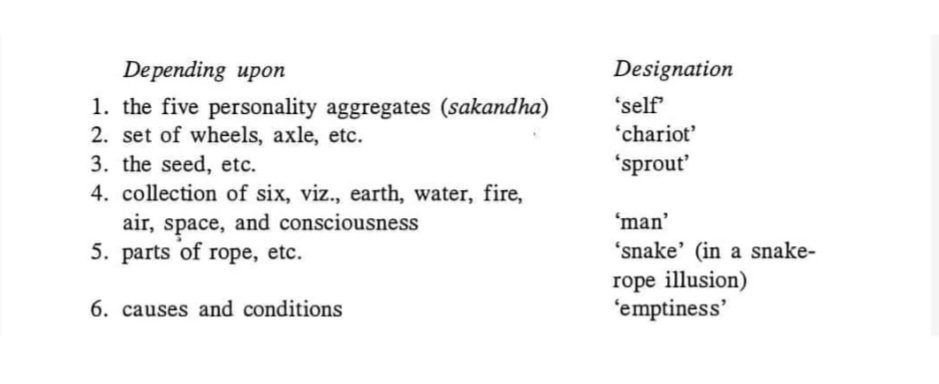
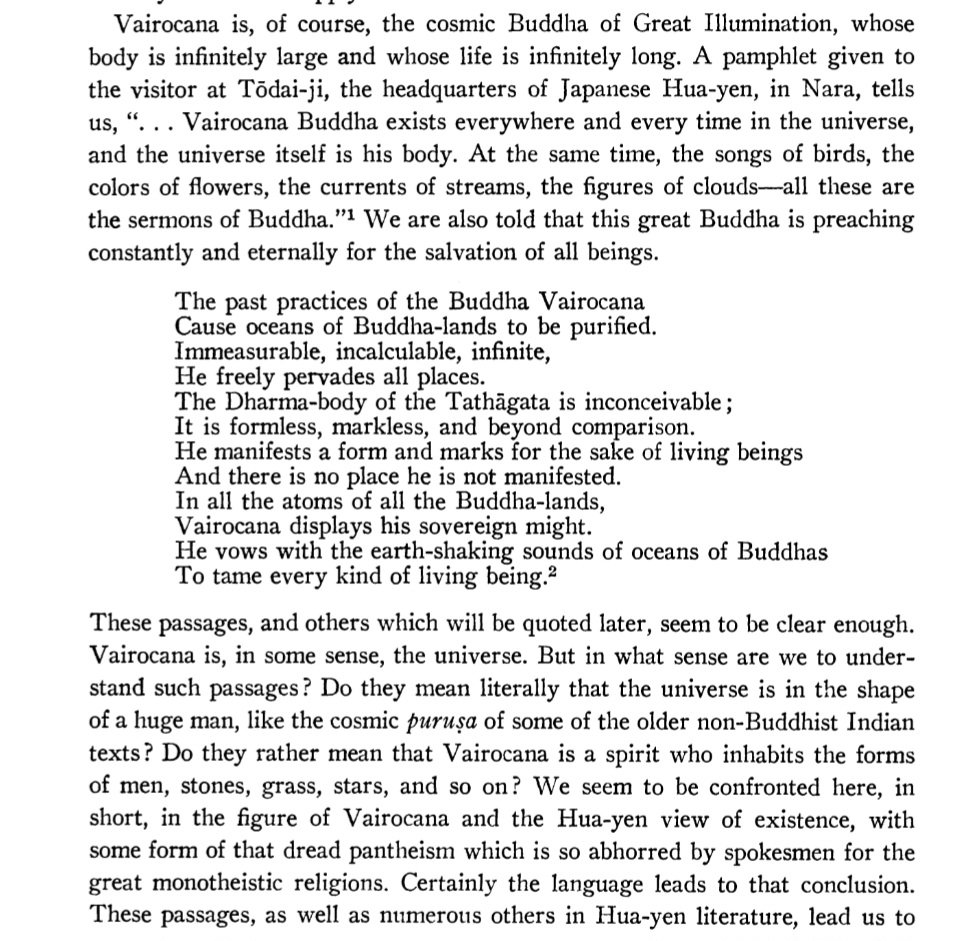

Uma honesta questão ao @rian_vlbt:
Brahman e Tao. Conceitos distintos ou expressões de uma mesma investigação metafísica? Culturas e épocas diferentes convergindo para algo além do espaço-tempo das categorias sensíveis. A Śūnyatā seria a formulação mais certa dessa busca?

1
8
29
1,837
Jun 12
“Because Apollo is Paean, Healer, and there is no wound that resists his luminous touch.” open.substack.com/pub/scastr…
1
3
25
707
Jun 12
“By destroying the temple of Apollo, Saint Benedict became contaminated with its symbols … when the Catholic empire crumbles, the saints will also be pagans, worshipped alongside the gods they so tried to destroy.”
1
3
96
Jun 12
“Now that the brief interlude of monotheism seems to be ending, and the world is once again open to the presence of the gods, Apollo and Saint Benedict can be worshipped at the same altar.”
3
93
Edward Butler retweeted

Jun 10
June 13th is approaching.
MAFEFERUN ELEGGUA!
Laroye!
#geminiszn


1
1
3
237
Jun 12
Tomorrow (June 13) is the festival of Eleggua as syncretized with St. Anthony of Padua patheos.com/blogs/voodoouniv…
2
5
279
Jun 11
"This study examines an implicit reference to Egyptian ethics in the Second Alcibiades, focusing on the mention of Amun, the Lord of the silent ones." impactum-journals.uc.pt/plat…
2
1
14
875
Jun 12
I have identified Plato's Timaeus as part of this reception, in that it coincides broadly with a period when the theology of Neith, with its center at Saïs, and which had interesting speculative dimensions, was actively promoting itself.
2
1
167
Jun 12
With respect to the issues raised in the Second Alcibiades, the juridical dimension of the cult of Amun, especially his oracles, in the New Kingdom and Third Intermediate Period is a significant possible connection not discussed in the paper.
1
106
Jun 12
This is fun—from Les Belles Lettres, a new work in Classical Greek, with French on the facing page. Ὁ Πάτροκλος ἐν τῇ τοῦ Ἀχιλλέως σκιᾷ / Patrocle dans l’ombre d’Achille lesbelleslettres.com/livre/9…
1
2
12
686
Jun 12
Another one. La dernière reine de Troie / Περὶ τῆς ὑστάτης βασιλίσσης τῆς Τροίας lesbelleslettres.com/livre/9…
1
537