
You learned about it from TikTok. We lived it.
Joined March 2007
- Tweets 22,834
- Following 1,085
- Followers 523
- Likes 49,653
322 Photos and videos




є.ѕну 🇮🇱 🇺🇸 ישי🎗️ retweeted

Jun 5
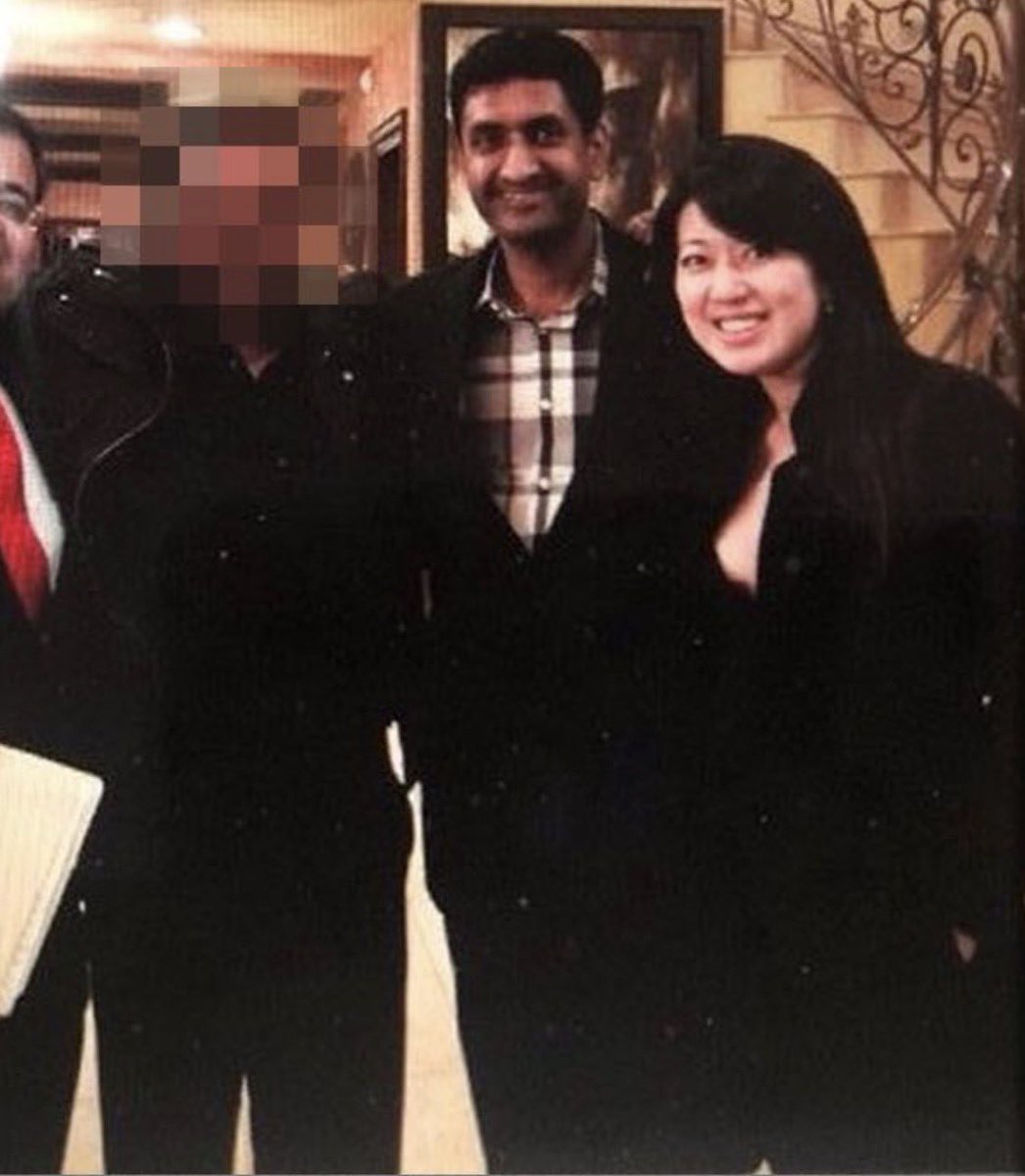
Reminder that Chinese spy Christine Fang (Fang Fang) worked for Ro Khanna’s 2014 congressional campaign.
This is why Ro has never commented publicly on the matter and why he opposes the FBI releasing the entirety of the Fang Fang files. He’s all over them.
809
12,006
25,638
603,650
є.ѕну 🇮🇱 🇺🇸 ישי🎗️ retweeted

This woman just dropped a brutal red pill…
Watch every second.
“You didn’t stand for justice.
You got played.
You burned your own streets, chanted for terrorists, and cheered your own replacement all while Islamists executed their own people the second Israel stepped back.
You lost.
And the worst part? You still don’t see it.”
And she’s right with every single word she says.
39
399
1,137
14,794
є.ѕну 🇮🇱 🇺🇸 ישי🎗️ retweeted

May 18
I truly love how the Mamdani Nakba video backfired and uncovered every lie possible.
It accidentally highlighted everything “Palestinians” are trying to hide:
- Stolen history - Jewish travel poster
- Fake claim to the land - Bosnian origin
- Voluntary move to a town nearby without persecution or violence
- Full ability to visit Israel thanks to American/English passports
- Engineered narrative - no one used the word Zionists back then
- The survivor lie - Nakba had a 99% survival rate. To compare, the Holocaust had a 30% survival rate.
Brilliantly backfired.
Thank you @NYCMayor @oliviaLbecker
116
1,156
6,505
166,574
є.ѕну 🇮🇱 🇺🇸 ישי🎗️ retweeted

May 15
“Well then don’t vote Democrat!”
@TomSteyer approves this message:
66
619
2,331
21,371
є.ѕну 🇮🇱 🇺🇸 ישי🎗️ retweeted

May 15
The KGB Invented the PALESTINIAN People. Until the 1960s, there was no such thing as the Palestinian people. Don't agree? Great! Prove me wrong.
573
1,256
4,276
109,921

May 14
America's founding fathers fought a war because they didn't like paying taxes without representation. They were the wealthy people who were unhappy.
Just like the people today who build things, create jobs, make economies thrive. The ones ditching blue cities and states.
1
8
May 14
If Democrats actually think they're the "revolutionaries" here, they're once again mistaken. They're on the side that wants to tax people and then if anyone asks questions they want to jail them.
8
є.ѕну 🇮🇱 🇺🇸 ישי🎗️ retweeted

May 10
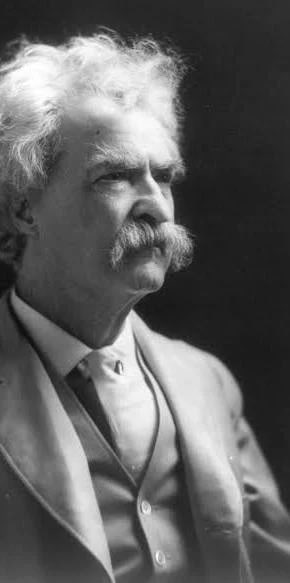
When Mark Twain visited the Land of Israel in 1867 under Ottoman rule, he did not describe some booming, densely populated Arab state that Jews later “colonized.” He described a neglected and desolate land.
In The Innocents Abroad, Twain wrote about empty valleys, uncultivated fields, swamps, ruins, and long stretches of land with barely any people at all. He famously described parts of the land as “desolate” and “unpeopled.”
That does not mean nobody lived there. Arabs, Jews, Christians, Druze, and others were living throughout the land. But Twain’s firsthand observations completely contradict the modern revisionist fantasy that the land was a thriving Palestinian national society before Zionism.
Jerusalem itself had only around 15,000 people at the time, and Jews were already the largest demographic group in the city. Much of the land was poor, undeveloped, malaria-ridden, and economically stagnant after centuries of Ottoman neglect.
The transformation came later. Jewish pioneers drained swamps, fought malaria and typhus, built farms, roads, universities, hospitals, ports, industries, and entire cities from the ground up, turning a neglected province into one of the most advanced and innovative countries in the world.
People ignore Twain’s testimony because it destroys the simplistic colonial narrative they try to force onto Jewish history.
98
1,224
3,156
60,274
є.ѕну 🇮🇱 🇺🇸 ישי🎗️ retweeted

May 8
BREAKING: Islamic Terrorist Regime IS DUMPING OIL INTO THE SEA! 🚨
As we warned: the regime has run out of storage capacity.
For days now, they’ve been faking tanker transfers while pouring massive amounts of extracted oil straight into the ocean.
Deliberate. Criminal. Environmental catastrophe.
They are literally poisoning the sea.
This is ecocide in real time.
#KingRezaPahlaviForIran
2,678
17,885
43,135
3,336,181
May 3
I was saying @RoKhanna cares more about other places and not his district and now it's confirmed with him buying a house.
Why is it that the socialists who want to steal our money always end up buying mansions and why isn't he buying it in the bay area?
May 2

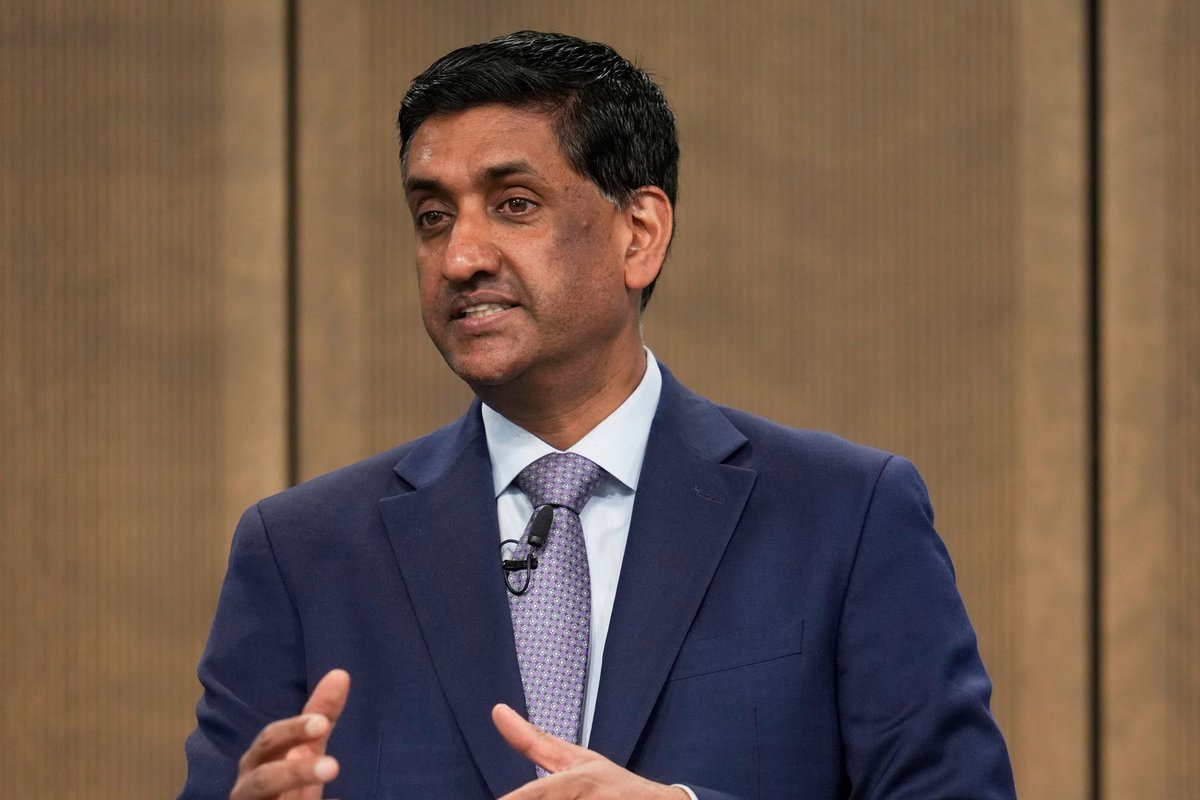
Ro Khanna @RoKhanna and his family just purchased one of the most expensive houses in Virginia history. At $10 million, this McLean 7 bedroom mansion ranks in the top 10 of the 4 million homes in the state.
Meanwhile, the people in California are struggling to make ends meet. He does not Represent Californians and should not be in the U.S. House of Representatives.
19
є.ѕну 🇮🇱 🇺🇸 ישי🎗️ retweeted

Apr 30
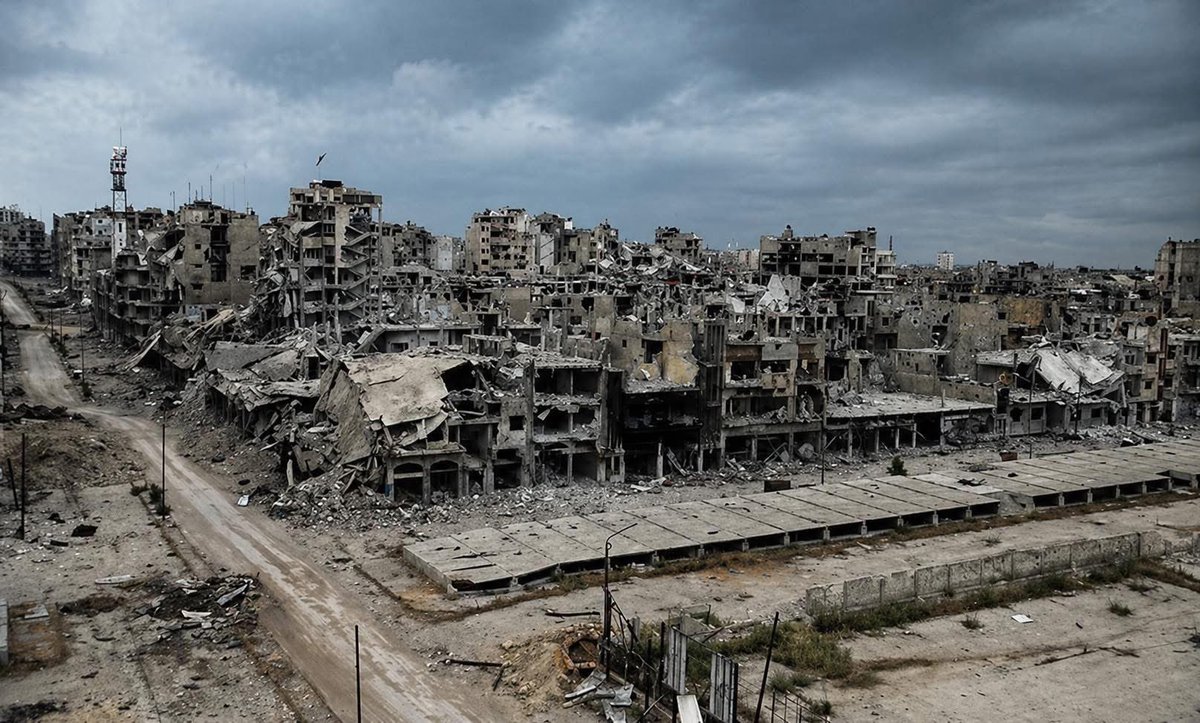
Here is Gaza.
Destroyed by Israel.
And according to antisemites, scenes like this explain — or even justify — “attacks” on random Jewish people in the UK and in Australia and Europe.
Except it isn’t Gaza.
I lied.
This is Homs, Syria.
Destroyed by Assad.
And strangely, nobody used this as an excuse to attack random Syrians in London, Sydney or Amsterdam (World Cup 2024).
Because the issue was never really “foreign policy.”
It was always the permission structure people build when the target is Jewish.
8
21
42
612
є.ѕну 🇮🇱 🇺🇸 ישי🎗️ retweeted

Apr 28
"Jerusalem is a colonizers name, call it Al Quds" is one of the most grotesque statements the free Palestine movement rallied around.
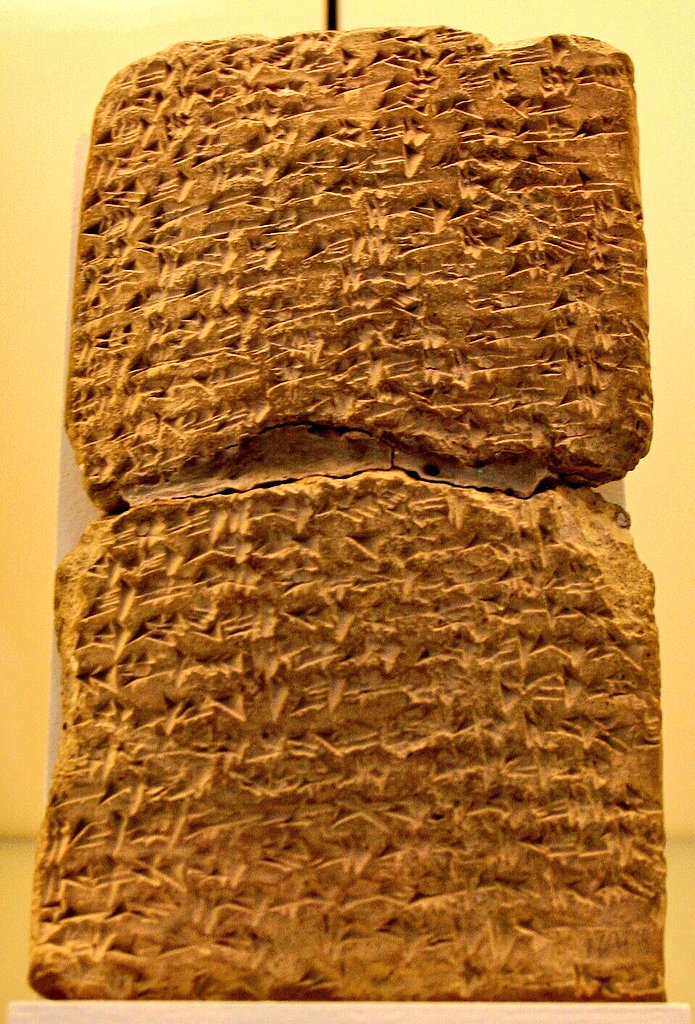
3,400 years ago Abdi-Heba wrote a letter to Pharaoh in Egypt about the situation in JERUSALEM
"All the lands of the king are lost.
The ‘Apiru (Abiru, Hebrew) are plundering all the lands of the king...Behold, the land of Jerusalem (URU-šalim) is loyal to the king, my lord. Send troops, O king, my lord!”
The Jewish people have been indigenous to the land for well over 3,000 years. Your social media free Palestine frenzy cannot change archeology or history.
Photos: Near East Museum, Berlin
23
141
424
8,811
є.ѕну 🇮🇱 🇺🇸 ישי🎗️ retweeted

United States Cuts Off Billions in Illicit Funding to Iranian Regime
state.gov/releases/office-of…
208
1,328
4,833
119,144
Apr 26
Can't believe @Disney still has this guy on their payroll. Chasing the fringe far left isn't the win they think it is

Hey @jimmykimmel, what is funny about this?
Joking is one thing, but wishing death on the President by telling Melania “Mrs. Trump, you have a glow like an expectant widow”?
That’s not comedy, that’s dangerous rhetoric.
We’re better than this.
1
10
є.ѕну 🇮🇱 🇺🇸 ישי🎗️ retweeted

Apr 25
BRILLIANT
Rubio announces if you support Hamas then you are NOT entering the US, not even as a visitor.
“This is not about free speech, this is about people who do not have a right to be in the United States to begin with”
902
5,773
34,654
456,602
Apr 24
Since the NFL Network is now owned by ESPN, that means they had four different broadcasts to cover the NFL Draft. ABC, ESPN, NFL Network and Pat McCafee (I'm assuming they aired that too). That's about X4 the needed coverage for that event.
52
Apr 24
I've never heard him like this. He's calling out the "journalists" who are now activists helping the far left control the population.
That Berlin press conference was shameful. Journalists were making up stuff asking questions as if the good guys are the murdering dictators.
Apr 24

Whether or not Europe stands with us, whether or not your journalists do their jobs, whether or not your politicians demonstrate the courage to act, I will fight for my people and my country.
6
є.ѕну 🇮🇱 🇺🇸 ישי🎗️ retweeted

Apr 24
Whether or not Europe stands with us, whether or not your journalists do their jobs, whether or not your politicians demonstrate the courage to act, I will fight for my people and my country.
25,859
58,194
122,317
20,193,709
Apr 23
If you grew up in the US and went through that educational system you'd believe only white Americans have ever had slaves and when you're told others had too you'd believe the ones in the US were treated much worse.
This is by design
3