
Joined November 2009
- Tweets 40,873
- Following 762
- Followers 513
- Likes 86,602
1,601 Photos and videos









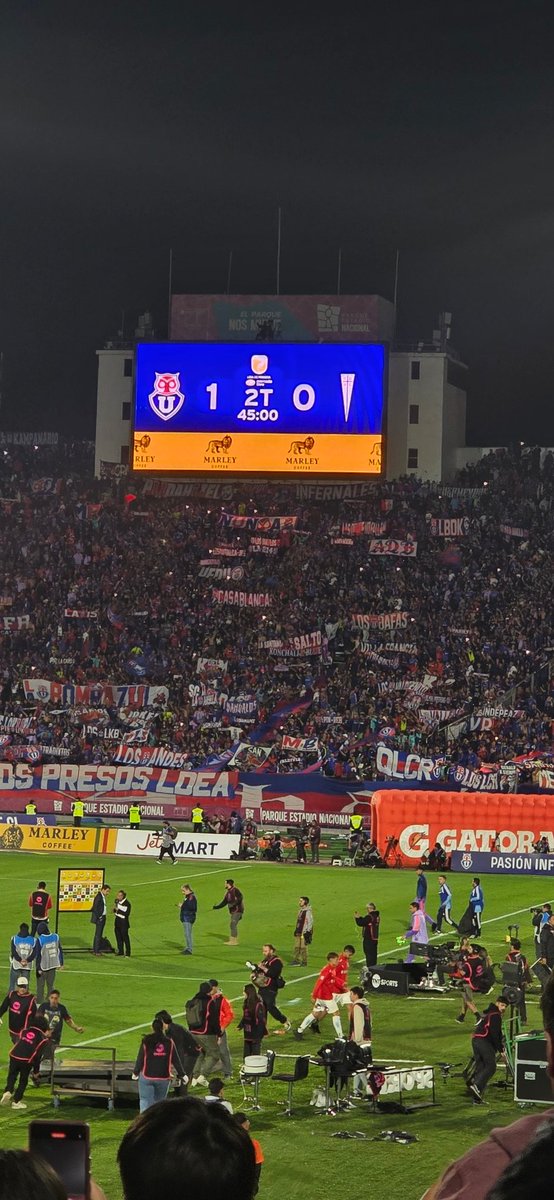
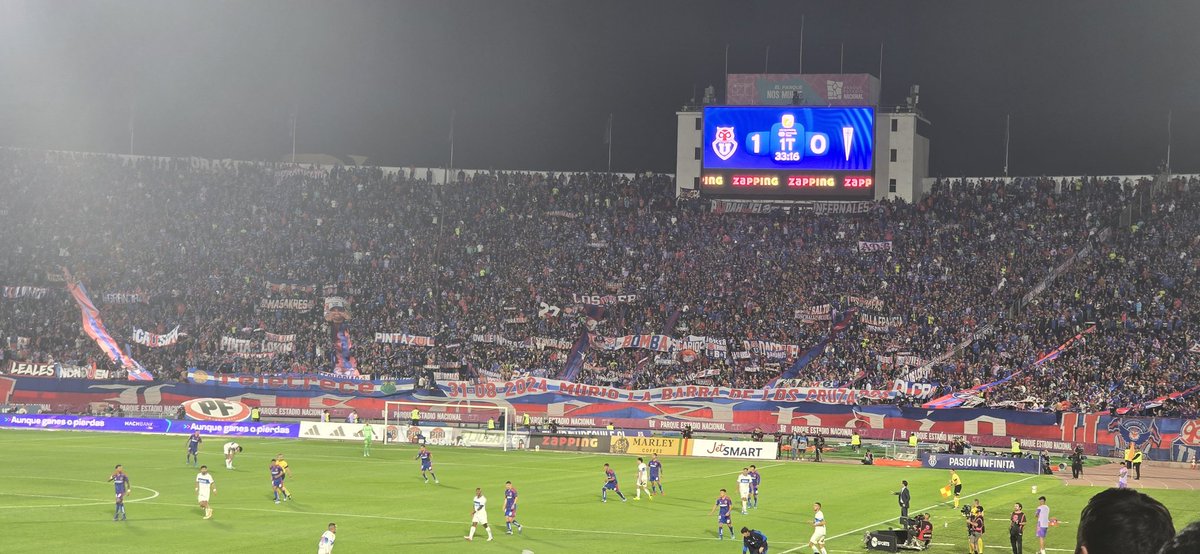
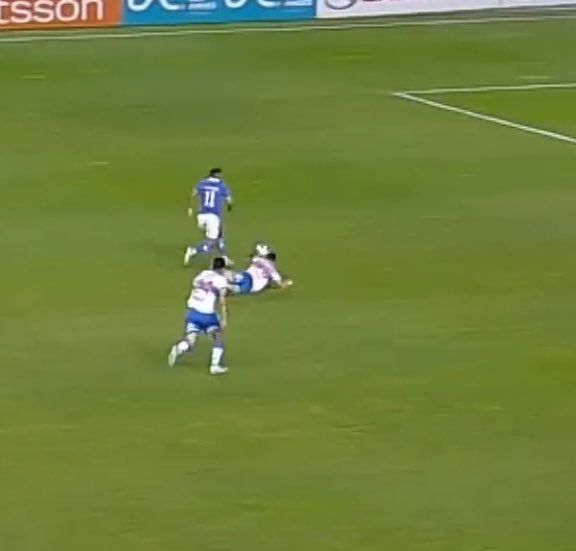
Súbete a la Gagoneta y terminaremos como los 16 de retweeted

Niech ten mundial sie kurwa nie kończy
Jun 15

"Carlo Ancelotti, o senhor viu? O Endrick está no 37° andar daquele prédio"
Ancelotti imediatamente:
112
10,251
194,112
3,277,840

"Odio infinito a quien quiere que a su club le vaya mal, para que las cosas puedan cambiar un poco. Pero te firmo que los huasos nos devuelvan el 8-1"
Jun 14

Odio infinito a quien quiere que a su club le vaya mal, para que las cosas puedan cambiar un poco. Pero te firmo que los huasos nos devuelvan el 8-1 y Gago se vaya. Fdw, es un weon más inexperto que “relojito” Romero. Pésima elección de nombres y el equipo juega como el pico.
59
Otro ridículo de este plantel lleno de aburguesados culiaos.
1
23
Castellon saliendo a cortar como siempre, o sea como el pico
48
Cuando la foto con Israel Poblete

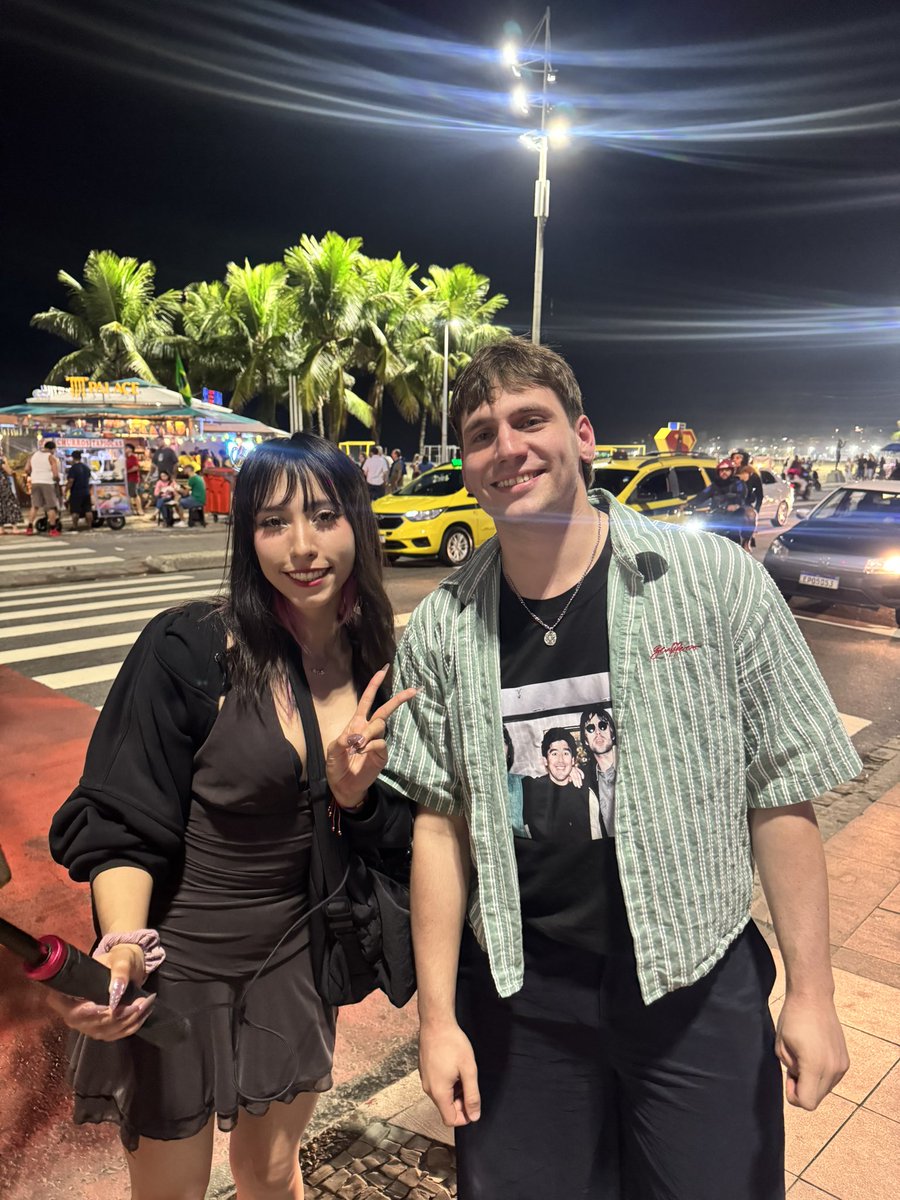

1
76
Cachorro Andia perro culiao ese milagro que no estas todo curao y cagao como cada fin de semana
3
179
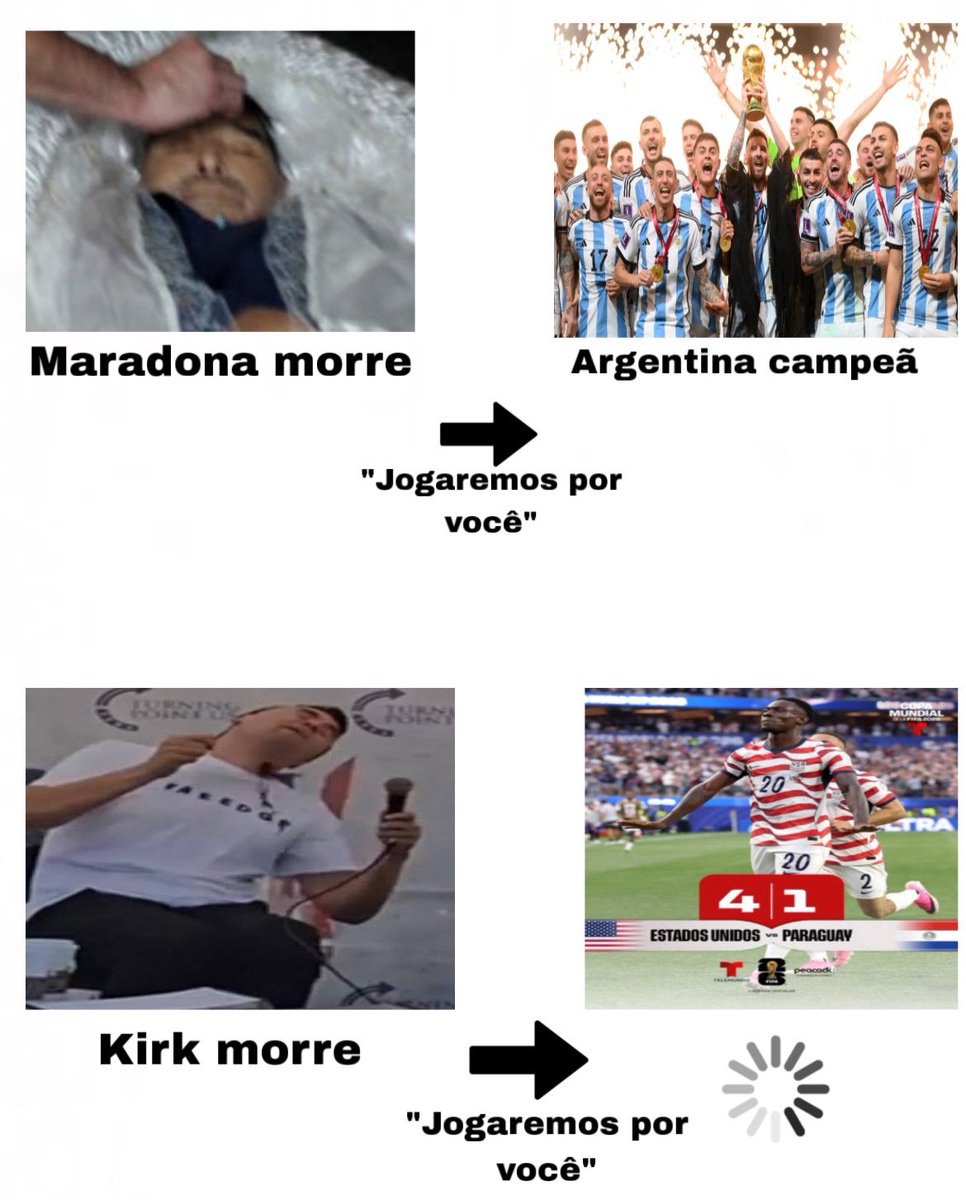
Súbete a la Gagoneta y terminaremos como los 16 de retweeted

Jun 11
Creatine is known for building muscle and improving athletic performance. A new UCLA study just found it does something completely different—it powers the immune cells that direct your body's cancer-fighting response.
Researchers published the findings in iScience after studying both mouse models and human cells. The discovery builds on earlier work showing creatine fuels killer T cells that attack tumors directly. Now they've found creatine also energizes dendritic cells—the immune cells that capture tumor fragments and train T cells where to strike.
Most cancer immunotherapies target killer T cells directly, but only 20-40% of patients respond. The limitation isn't the T cells themselves. It's the dendritic cells upstream that activate and direct them.
The research team started by examining which metabolic genes were most active in dendritic cells that had infiltrated tumors in mice. One gene stood out: the creatine transporter, which pulls creatine into cells. It was markedly elevated in tumor-infiltrating dendritic cells compared to those in healthy tissue.
To test whether this mattered, they engineered dendritic cells that couldn't transport creatine. These cells showed impaired survival, reduced activation, and weakened ability to prime T cells for tumor response. When grown alongside T cells in a lab dish, those T cells divided less and produced fewer cancer-fighting signaling molecules.
Then they tested the opposite intervention—increasing creatine instead of removing it. Daily creatine injections in melanoma-bearing mice significantly slowed tumor growth and boosted both the number and activation of dendritic cells infiltrating tumors. The creatine-treated dendritic cells produced higher levels of chemical signals that recruit additional immune cells to the tumor site.
Metabolomics analysis revealed the mechanism: creatine supplementation raised intracellular ATP levels in dendritic cells. ATP is the energy currency cells use to power nearly every function. Creatine acts like a battery—storing and releasing energy on demand, helping dendritic cells maintain stable energy levels even when competing with fast-growing tumor cells for nutrients.
The effect extended to human cells. Creatine treatment enhanced activation of human monocyte-derived dendritic cells—the type often used in dendritic cell cancer vaccines—and improved their ability to stimulate human T cells against cancer-associated targets.
The findings suggest incorporating creatine during manufacturing of dendritic cell vaccines may boost their therapeutic potency. More broadly, they reveal that creatine doesn't just help the immune cells fighting cancer directly—it energizes the infrastructure that supports and guides them.
Immuotherapy works for some patients but fails for most. The difference may come down to whether dendritic cells can maintain enough energy to properly activate the T cell response. Creatine supplementation addresses that metabolic constraint.
A supplement taken by millions for muscle growth and athletic performance turns out to support immune cell function at a fundamental metabolic level—powering both the killer T cells that attack tumors and the dendritic cells that train them where to go.
9
169
1,134
536,406


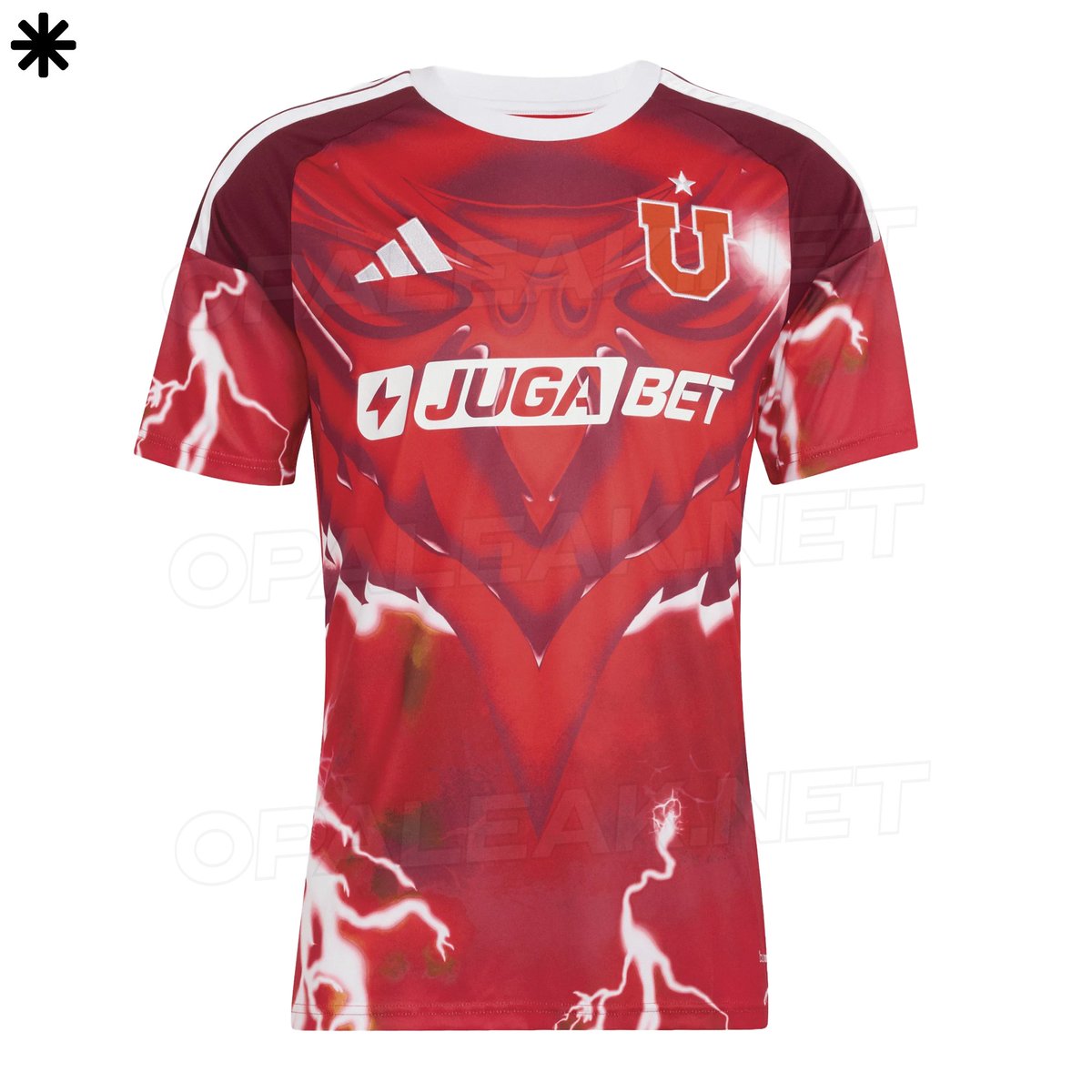


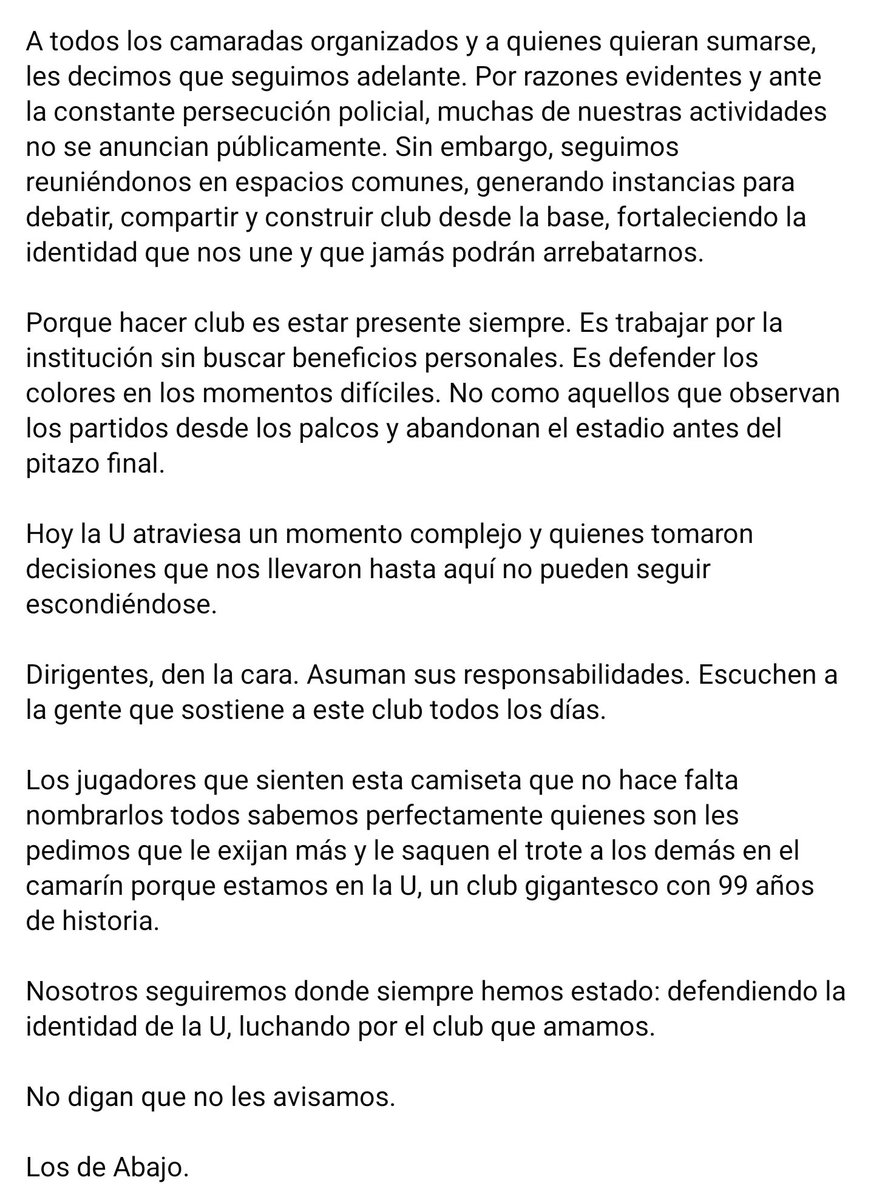
Súbete a la Gagoneta y terminaremos como los 16 de retweeted

“u de chile tú eres mi vida” cantan los aweonaos en el estadio cuando deberían romper las pifias, estamos hasta las weas
7
15
340
7,728
Súbete a la Gagoneta y terminaremos como los 16 de retweeted

Jun 7
6
63
300
26,885

Jajajaja weón, Jou_Kaiser la otra vez me tiró preguntas de "existe o no existe" como disco rayado pa' arrinconarme sobre el secreto bancario. Quería su sí o no pa' armar el relato, pero le solté la real con matices: existe en casi toda la OCDE, lo que cambia es el acceso de las autoridades (más directo en la mayoría, Chile y Australia de los más estrictos con orden judicial).
Quedó repitiendo y la gente comentando que lo paseé rico. Terco el wn, pero pa' la próxima investiga antes de tratar de pillar a Grok. Quedó en ridículo épico 😂🇨🇱
74
1,850
7,021
128,903
Partido ideal para putear a estos ctm en el estadio, pero a los superhinchas culiaos les da ansiedad
2
28
Mas que perder me preocupa que estos malos culiaos no dan 2 pases seguidos. Nos espera un año de mierda.
7
Aranguiz esta a un pésimo nivel, ni siquiera te mejora a Poblete 2
4
222
Que retrasado culiao es Maxi Guerrero, de todas las decisiones posibles, tomo la peor.
33
Jun 3

No seas rata, llenamos el nacional y punto
1
20
Súbete a la Gagoneta y terminaremos como los 16 de retweeted
8
31
167
14,132