
Joined July 2009
- Tweets 14,881
- Following 267
- Followers 1,622
- Likes 3,815
493 Photos and videos











The article is totally false btw. You can add up every government incentive my companies have ever received and they amount to less than 2% of the value of SpaceX and Tesla!
And many of these incentives actually helped our competitors disproportionately to Tesla or SpaceX.
For example, when President Trump removed the $7500 tax credit for electric vehicles, Tesla sales actually INCREASED, because more buyers shifted from other EV makers to Tesla.
676
1,721
13,731
743,266
There is a particular quality to the roads that wind through rural Georgia after a summer rain. The air hangs heavier, the pine scent sharper, and the whole landscape seems content to exist without apology or call for renovation.
By comparison, Atlanta often feels like a man in a hurry to update his wardrobe every season. New districts appear almost overnight, each promising to be the next vibrant focus of urban development. Some succeed handsomely; others simply pave over what came before.
As someone who belongs to both Georgias — the city of my birth and the countryside that still shapes my affections — I find myself hoping Atlanta’s urban core can learn to value proportion as much as progress.
The truest Southern strength has never lain in speed alone, but in the ability to hold tradition and new possibility in the same generous hand. Without that balance, we risk becoming strangers to our own land and culture.
1
41
Mark Gresham retweeted

Per partecipare alla fiera della piccola e media editoria “Più libri più liberi”, che si svolgerà a Roma, le case editrici dovranno ottenere quest’anno il “patentino antifascista”, sottoscrivendo un’apposita dichiarazione.
È così che la sinistra concepisce la libertà di pensiero: sei libero, ma solo se dici quello che loro ti permettono di dire, se pensi quello che loro pensano, se leggi quello che loro considerano consono.
La cancellazione delle idee non di sinistra, camuffata da lotta antifascista, è un vecchio vizio della sinistra, ma è una storiella alla quale ormai non crede più nessuno.
Si chiama, banalmente, censura. E la censura è incompatibile con qualsiasi società democratica.
2,606
1,372
7,964
514,000

Jun 12
“I get it. I do. You're an individualist. Rugged individualism. It simply doesn't work anymore. Brands. Sure. A useful heuristic. But ultimately, everything is all systems interlaced, a single product manufactured by a single company for a single global market. Spicy, medium, or chunky. They get a choice, of course. Of course! But they are buying salsa.” ~Mr. World, "American Gods"
Jun 12

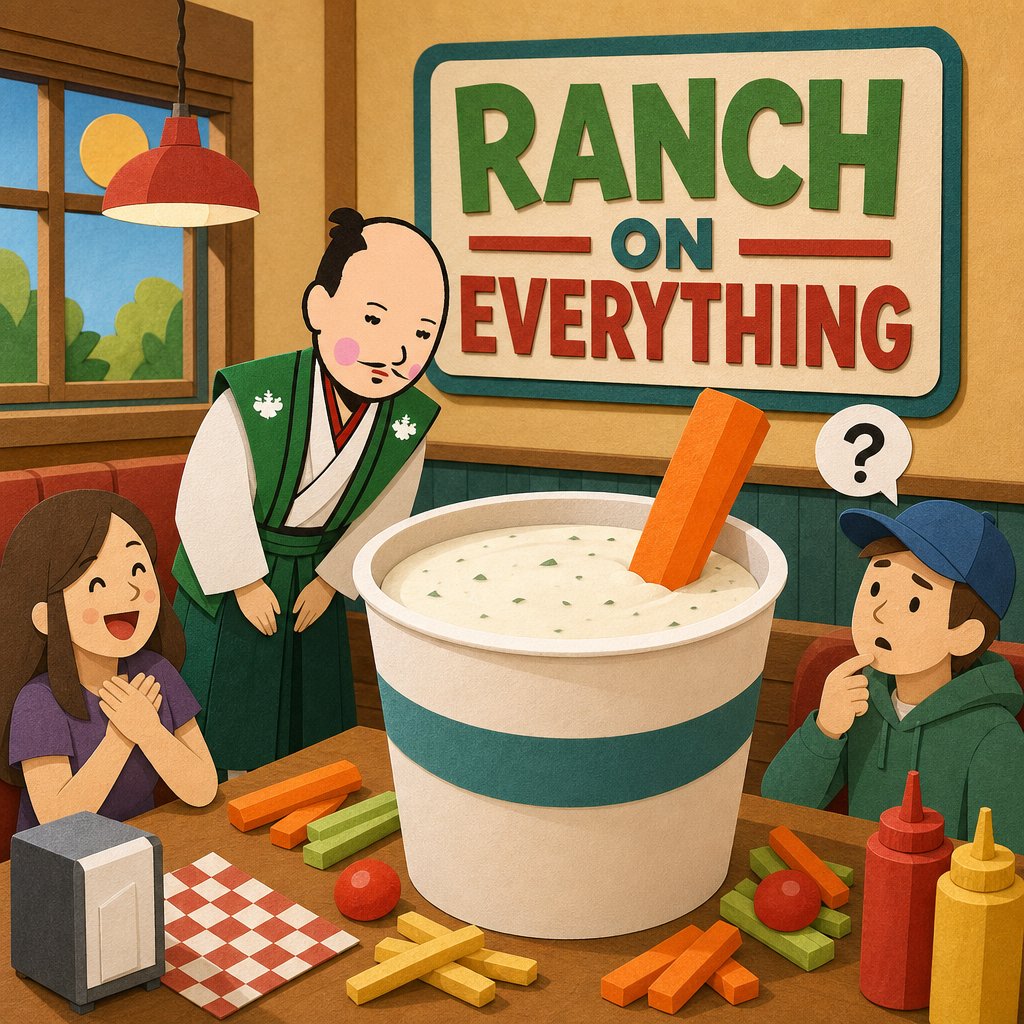
USA. A supermarket. I went to buy one bottle of the white sauce this nation pours on everything. I found a WALL.
Ranch. Spicy ranch. Chipotle ranch. Avocado ranch. Bacon ranch. LIGHT ranch, for the disciplined. There was a ranch labeled "secret recipe" that printed its ingredients on the back, which is not how secrets work, and I respect the audacity.
In Japan, a sauce knows its place. One dish, one purpose, centuries of refinement. Here I stood before forty bottles of the same white dynasty, each claiming the bloodline.
I asked a passing employee: which is the true heir?
He looked at the wall. He looked at me. "It's all just ranch, dude."
It is NOT all just ranch. That is exactly what a branch family would say.
I bought the original. The founding house. One honors the main line — this is not negotiable.
I also bought the chipotle. We meet at lunch. Privately. The original does not know. A man may serve one lord and still admire the ambition of the younger branch. This is recorded in many histories, and I will not be judged by a nation with forty sauces in its door.
At the register, the cashier saw my two bottles and said the most American sentence I have yet heard:
"Smart. You got your everyday ranch and your fancy ranch."
EVERYDAY RANCH AND FANCY RANCH. She understood the entire feudal structure instantly. This country runs deeper than it pretends.
A man does not betray the main house in daylight. Lunch is at noon, with the curtains drawn.
A man does not ask the dynasty to be one bottle. He only becomes loyal to more of them.
So tell me, America, and be honest with me: how many ranches live in your door right now?
Count them. Then tell me again who the samurai is.
28
Jun 12
The honorable and others will learn honor.
Jun 11
USA. A gas station register. I was three cents short, and what happened next has quietly ruined my life.
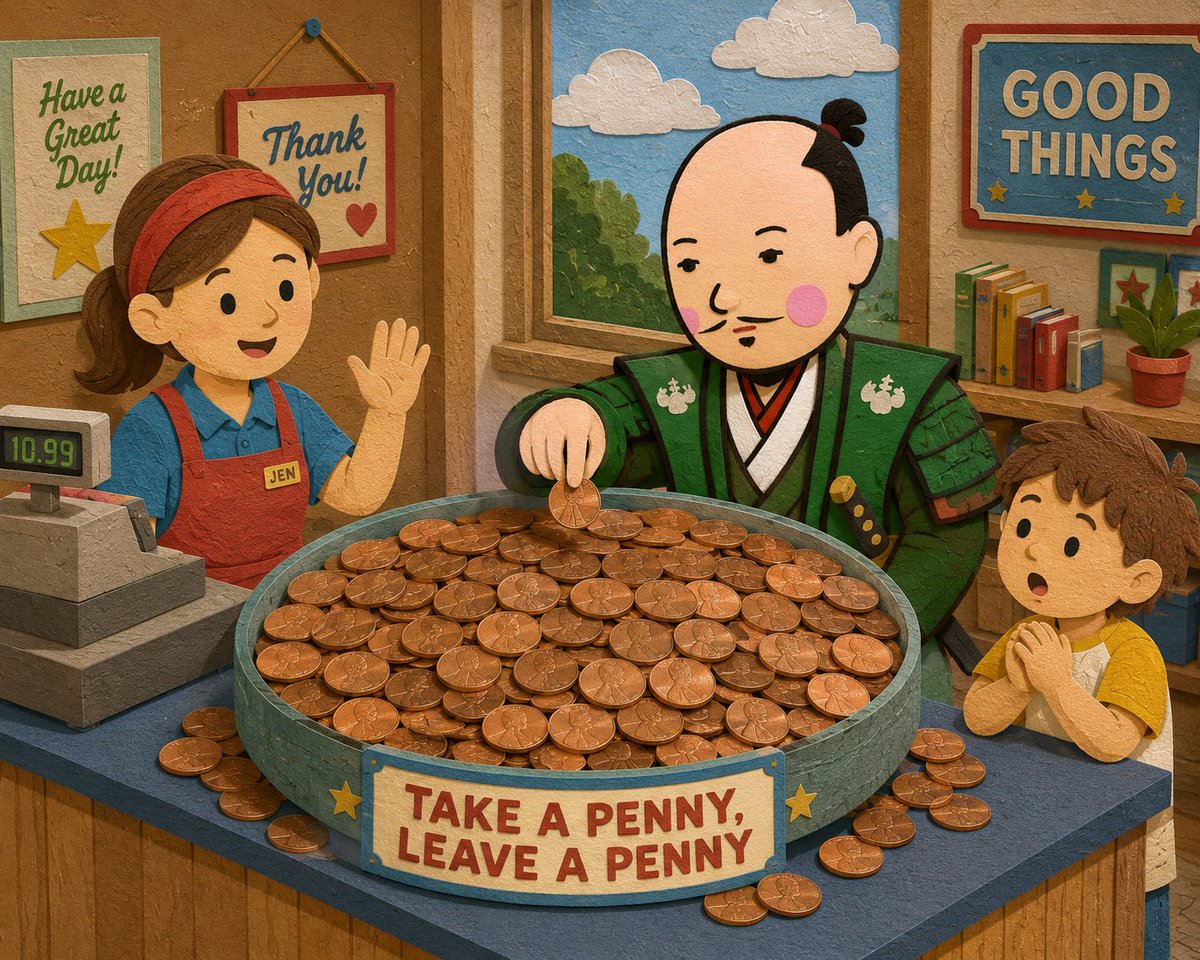
The cashier did not sigh. She did not wait. She reached into a small dish beside the register, took three pennies, and paid my debt with them. "There you go, hon."
I asked whose coins those were.
"Take a penny, leave a penny," she said, pointing at a sign, as if those six words explained the dish, the store, and the entire country.
A tiny treasury. Open. Unguarded. By the door. Fed by anyone, for anyone. No ledger. No guard. No interest.
Let me be clear about what occurred: I, the head of an eight-hundred-year house, was bailed out at a gas station by an anonymous dish.
I could not sleep that night. A debt is a debt. The dish had stood for me. I would stand for the dish.
I returned the next morning with three pennies, plus one for honor. The cashier said I didn't have to do that. I returned the day after with five more. She said, "Sir, it's a penny dish." By Friday she had stopped explaining and simply waved when I came in.
A man does not ask three cents to be nothing. He returns four, and keeps returning.
The dish is now full. She says it has never been so full. Other customers have started adding to it — possibly out of confusion, possibly because a full dish invites fullness. Yesterday a man took two pennies and left a quarter. The economy of the doorway is booming.
I borrowed three cents. The debt was small.
The honor was not.
The cashier calls me "the penny guy" now. I came to this country with one name, eight hundred years old. I have since been Banana, and now the penny guy. I answer to all of them. Of course I answer to all of them.
26
Jun 11
A project well done, actually.
Jun 10

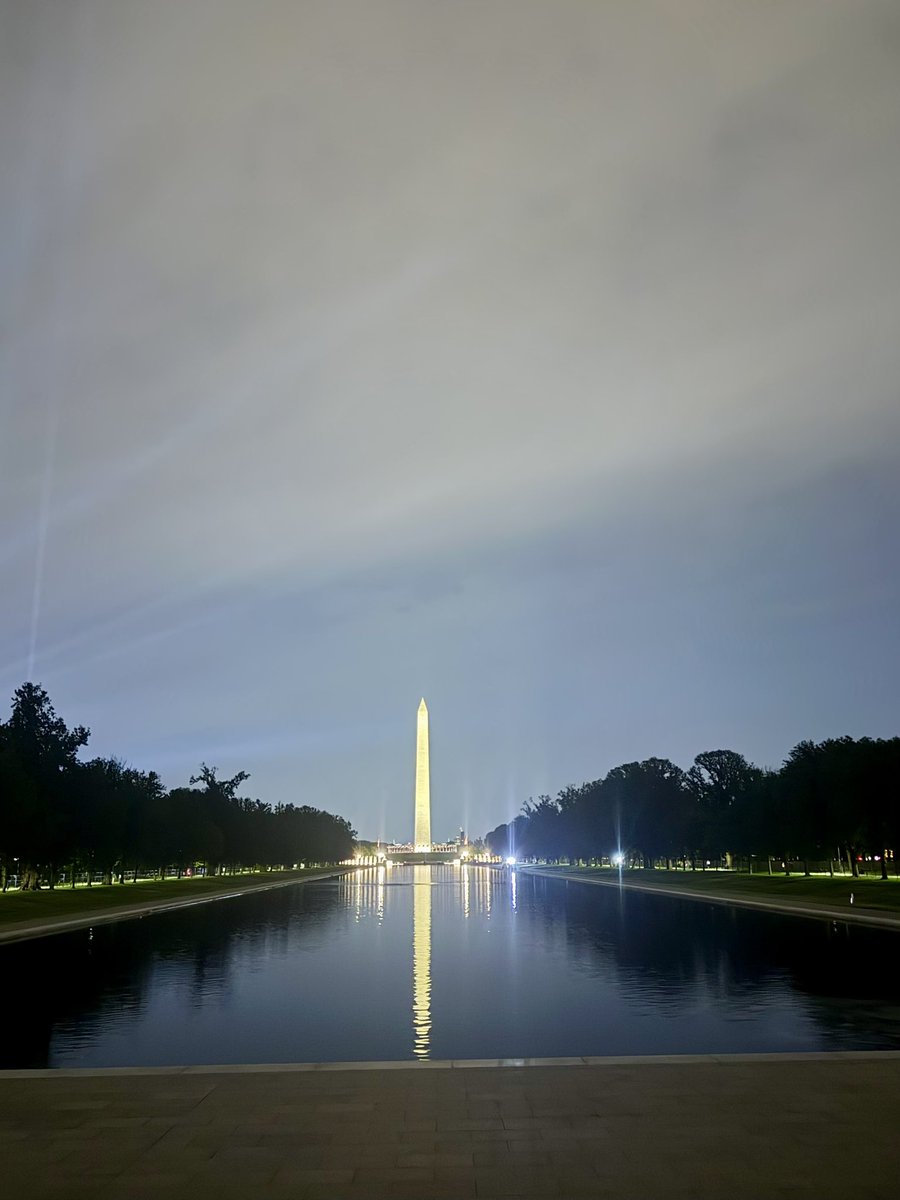
I stopped by the new Reflecting Pool. It is simply glorious. There were a thousand people, everywhere, taking pictures and just enjoying its beauty. Thank you President Trump for restoring our city’s national treasure.
2
59
Jun 10
YIMBY: They say "Yes in my back yard' when they mean "Yes in YOUR back yard." (Thanks to @criticalurban - I just reformatted it a little.)
2
30
Jun 8
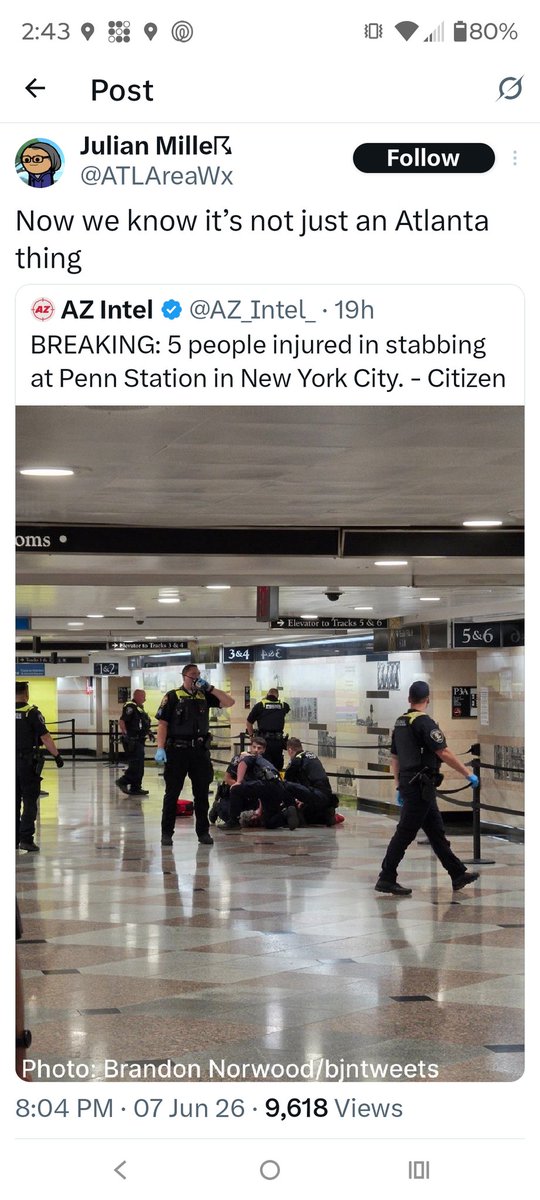
Of course it's not just an Atlanta thing. But why import a thing like this into Atlanta?
Jun 8

Now we know it’s not just an Atlanta thing
76
Jun 7
I'm a native of North Georgia. I have a lot of lifetime experience with Dahlonega and the surrounding area. It's really that simple. No one is going to make a massive fortune in gold or semi-precious gems in the area. The people in Dahlonega know that. The people in Franklin know that. If what you're trying to do is hustle the sale of land, the stories about gold and semiprecious gems are not going to help you. What's important is the small town Appalachian mountain lifestyle, getting away from the urban madness. That alone is more valuable than gold.
1
71
Jun 7
Her "Gold Dust Road" (AKA "Gold Dust Trace") is a small residential community. Easy placer gold (in streams) played out by the 1840s. Large scale mining of gold became unprofitable in the early 20th century. Sounds like what she's trying to do (including the all caps comments) is hustle the sale of a piece of property in that neighborhood (likely overpriced). Things she says, like painting her eyelids with gold dust from panning, don't reflect the reality of what you get when actually panning for gold.
50
Jun 6
Because, first of all, passenger rail was disproportionately more expensive than a highly profitable cargo. But also, and of great cultural importance, the automobile essentially emancipated a rising middle class and working class post World War II. "See the USA in your Chevrolet." And nowhere was this more true than outside of the Northeast and it's denser, though not as far reaching, rail system.
But overall it was still the cost of passenger rail versus cargo rail for the private railroads. Outside of the Northeast and perhaps the industrial Great Lakes as far as Milwaukee (certainly Chicago) passenger rail was for distance travel, not for daily commuting.
Then with the 1950s came not just the empowerment of the middle class to control their personal and family transportation, the American romance with the automobile was on the rise. And while it served individuation in short daily travel, the American automobile was built for distance and flexibility, and so competed directly with passenger rail; the traveler, or traveling family (and that is important), was granted a flexibility of direction and destination unknown to rail.
Years back, a friend who was a Vietnam vet, and a Chicago butcher, who then became a GM auto mechanic, rightly said, posing both the question and answer: "Why are American automobiles so big? Because it's a big country."
If you are old enough, you would remember jingles for oil companies, such things as
🎶"Gonna take my car and travel far on US 41. My family's looking for some fun and plenty of Florida sun. Got folks to meet in Old St Pete and all along the line. Going to fire up with Firebird Super at the big blue Pure Oil sign."🎶
And of course such iconic roads like "Route 66." It was the 20th century version of the 19th century's western movement, a kind of motorized Manifest Destiny after the wagons, and then the heavy rail, came the romantic narrative of the American automobile.
So it was much more than just "cost" for the railroads, even though that was the primary issue.
Despite the railroad having its own romanticized era, by 1970 America was no longer tied to the railroad tracks.

Then why did passenger rail become unprofitable in the 1950s?
1
5
192
Mark Gresham retweeted

A new urbanist thing, exploring the car free sewer system. The news caster warns the sewers are dangerous as he stands in traffic.
Jun 3

A series of bizarre sightings of people popping in and out of New York City's vast sewer system has the city wondering what exactly is going on, with police now probing the underground mystery. 6abc.com/post/videos-showing…
3
1
6
608
Jun 3
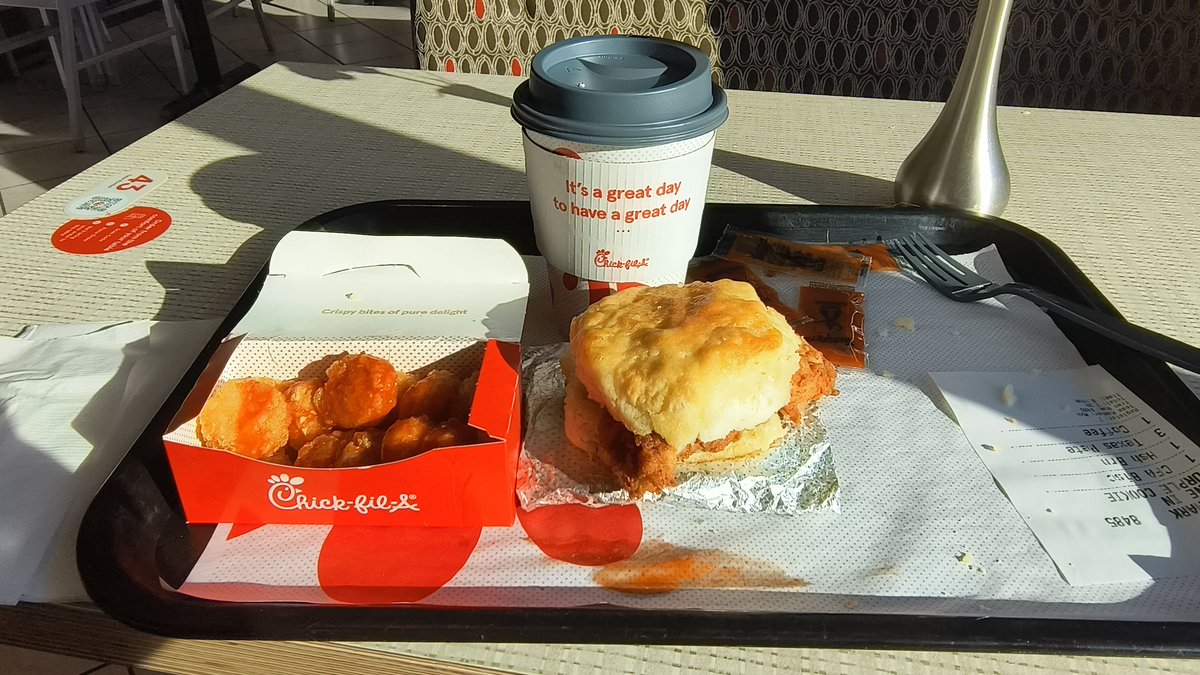
Today is day 147 of van life, and it's the first morning in a number of days with a clear sky. We've had so many overcast or mostly cloudy days recently, it's good to see the sunshine. So I stopped for breakfast at one of the Chick-fil-A's in Suwanee, Georgia, And while I'm eating breakfast, the van's RV electrical system is recharging in the sunlight. Plump chicken biscuit, hash browns with Texas Pete, and a cup of black Thrive Farmers® coffee. Like a cat, enjoying sitting in the sun.
1
4
93
Jun 2
The Atlanta Opera completes its historic Ring Cycle with a monumental ‘Twilight of the Gods’ earrelevant.net/2026/06/the-…
1
5
64
Mark Gresham retweeted
They say Yes in My Back Yard when they really mean Yes in Your Back Yard.
6
4
40
2,204
Jun 1
Isaac Newton discovered the laws of gratuity which explain why things tip.
May 31

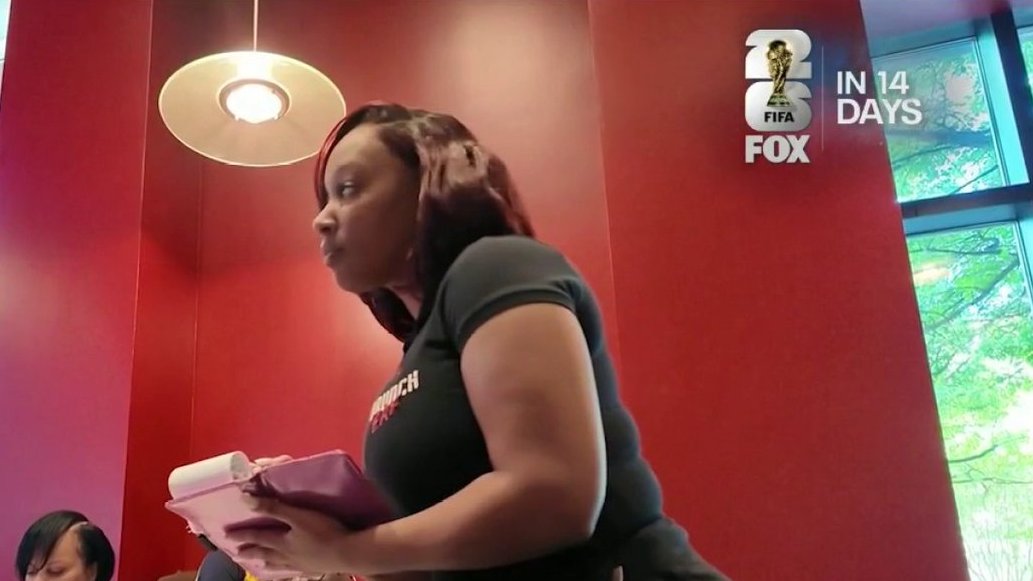
Atlanta restaurant owners are receiving backlash for adding mandatory 20% tips ahead of the World Cup.
2
91
May 28
The Atlanta Opera completes the Southeast’s first Ring cycle with Wagner’s ‘Twilight of the Gods’ earrelevant.net/2026/05/the-…
3
118
May 28
M.E.B. opens Atlanta Jazz Festival with electrifying Miles Davis tribute at Symphony Hall earrelevant.net/2026/05/m-e-…
1
84