At EarthOptics We See Soil. Differently. We are building a global soil cloud for more sustainable agricultural management. #EarthOptics
Joined November 2021
- Tweets 667
- Following 11
- Followers 303
- Likes 10
641 Photos and videos


Jun 13
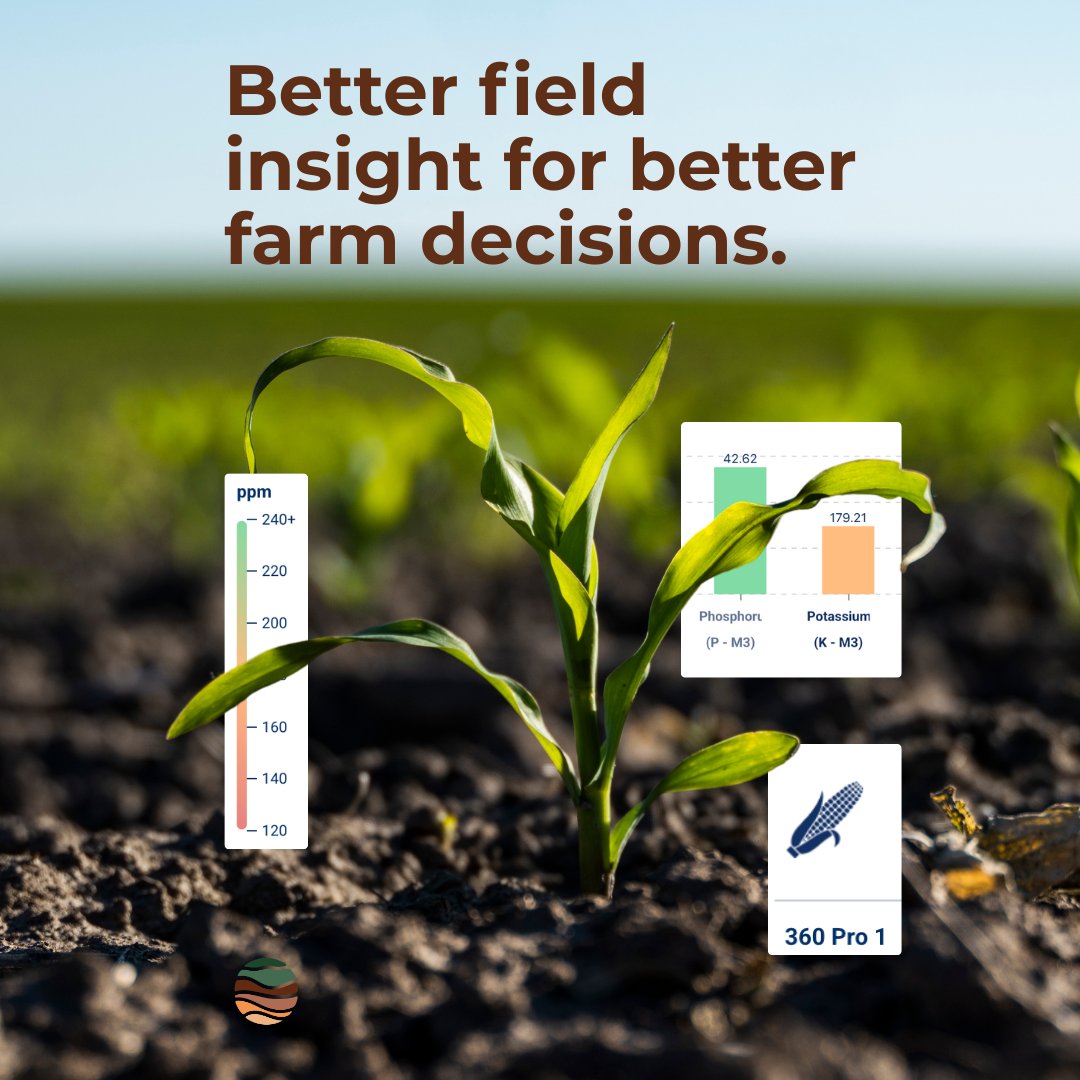
Early growth is a good time to ask better nutrient questions. What is the soil supplying? Where is variability starting to show up? Which acres need a closer look? TruNutrient helps bring field-level fertility insight into those conversations.
Reach out to learn more earthoptics.com/contact-us/
1
1
37
Jun 12
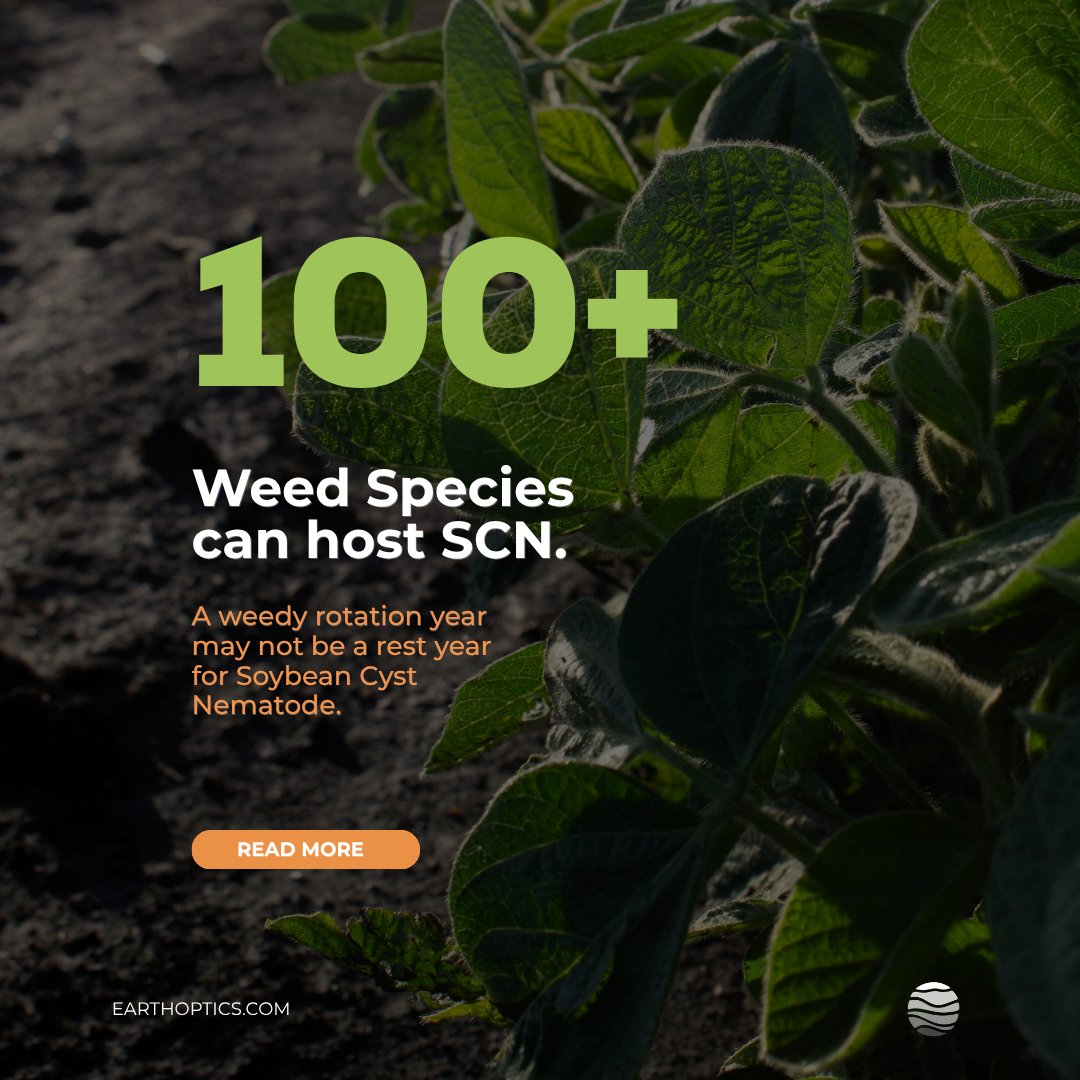
Three things worth knowing about SCN going into fall planning 👇
Weeds matter (more than you know) because they act as hosts for SCN.
Pressure doesn't spread evenly, so a whole-field average can hide the zones doing real damage.
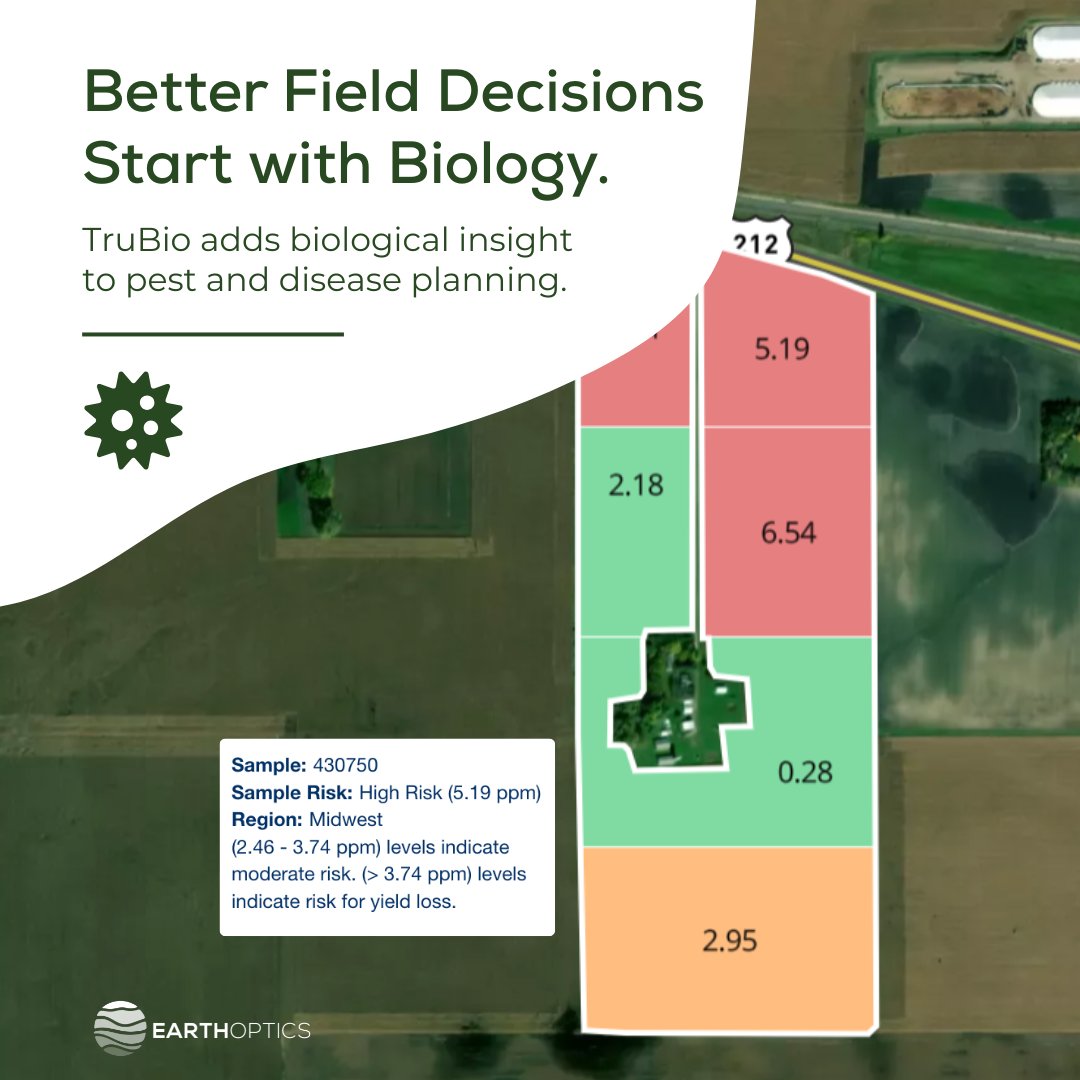
Testing your soil's biology with EarthOptics TruBio is the only way to detect pest and pathogen risks before you plant.
Read the full blog: earthoptics.com/news-insight…
42
Jun 11
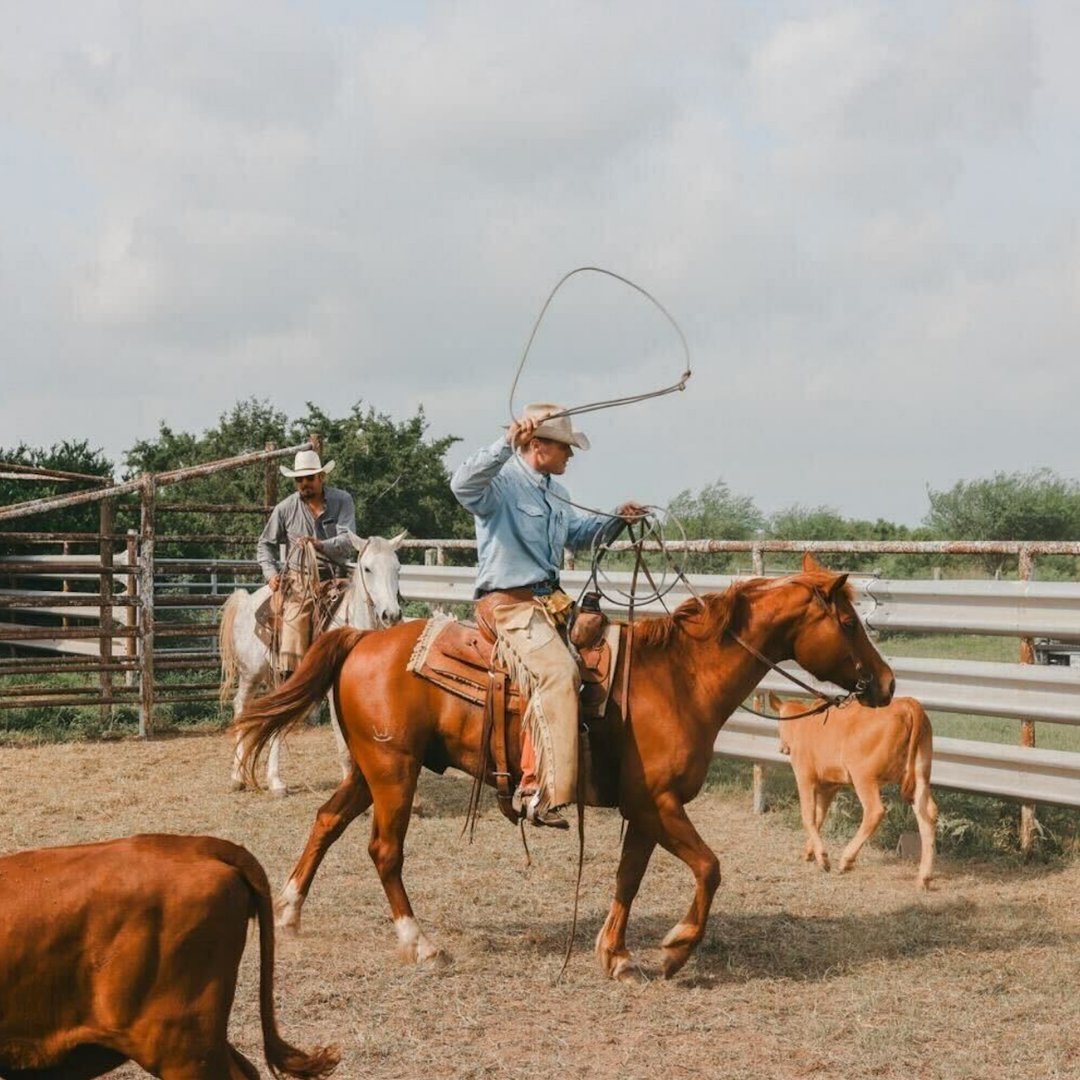
Meet James, our SVP of Range and Grasslands and a multi-generation rancher.
When he's off the clock, you'll find him horseback, rope in hand, working cattle on the family operation.
We know this work because a lot of us live it.
1
65
Jun 10
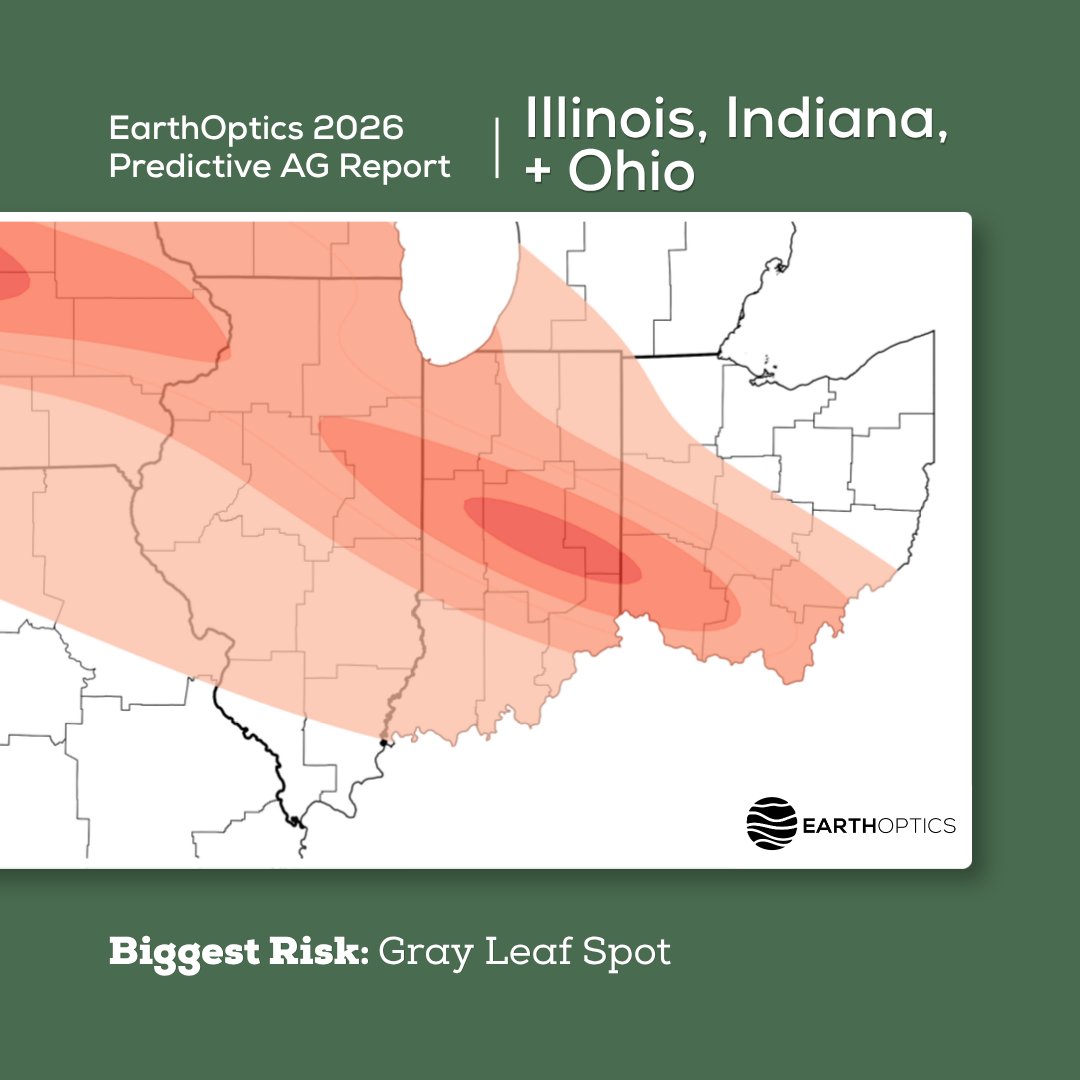
Illinois Indiana Ohio 2026 Risk Watch: Gray Leaf Spot
Illinois, Indiana, and Ohio sit along the eastern side of the Gray Leaf Spot corridor identified in the EarthOptics 2026 Predictive Ag Report. The map shows GLS pressure extending from eastern South Dakota through Iowa and Illinois into Indiana and Ohio, pointing to favorable mid-season humidity and extended leaf wetness across the central and eastern Corn Belt.
Download the 2026 Predictive Ag Report to explore the full regional outlook: earthoptics.com/2026-predict…
This map shows regional patterns, not field-specific outcomes. Test your field to know its individual risks
1
1
70
Jun 8
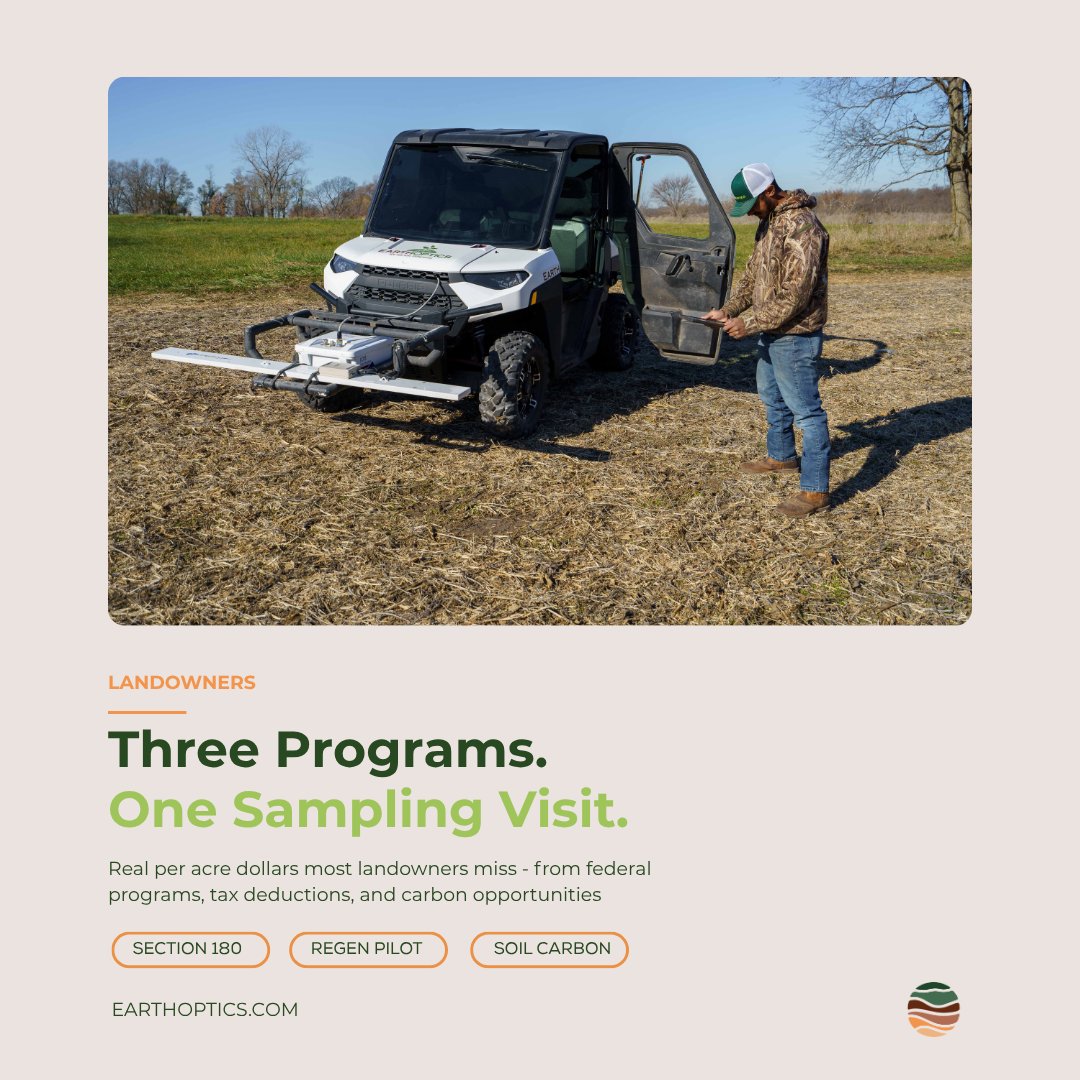
Take advantage of programs that pay you back on the land you own. Fertility tax credits, Regenerative Pilot Program, and carbon. We handle the measurements and paperwork, and you get all the benefits.
Learn more here: earthoptics.com/landowner-pr…
37
Jun 7
A weedy rotational year may not give your soybean field the SCN break you think it does. Full blog: earthoptics.com/news-insight…
54
Jun 6
Scouting season is picking up. Before pressure is easy to see, it helps to know where to look first and what risks to watch. TruBio helps bring soil biology insight into crop planning and disease risk conversations.
Learn more here earthoptics.com/measurement-…
1
58
Jun 5
We're noticing a shift in the soil carbon market. For years, the question was "how do we scale soil carbon?" The new question — the one buyers are actually asking — is "how do we trust it?"
The biggest corporate buyers are slowing down. Forward offtake commitments are surging. And more than 80% of the 2030 credit supply pipeline is reportedly at risk of not reaching delivery.
What looks like a contradiction is actually a signal: the market is sorting itself. That shift puts measurement at the center of everything. Not estimates. Direct, registry-quality data from the soil itself, generated at a speed and cost that doesn't break the project economics.
It's the reason we just opened a new lab in Raleigh-Durham. It's the reason we're co-locating our analytics team with our automation engineers under one roof. And it's the reason we keep talking about MIR carbon testing as if it matters — because in this next phase of the market, it does. The buyers haven't lost interest in soil carbon. They've gotten serious about it.
We think that's a good thing.
1
1
33
Jun 4
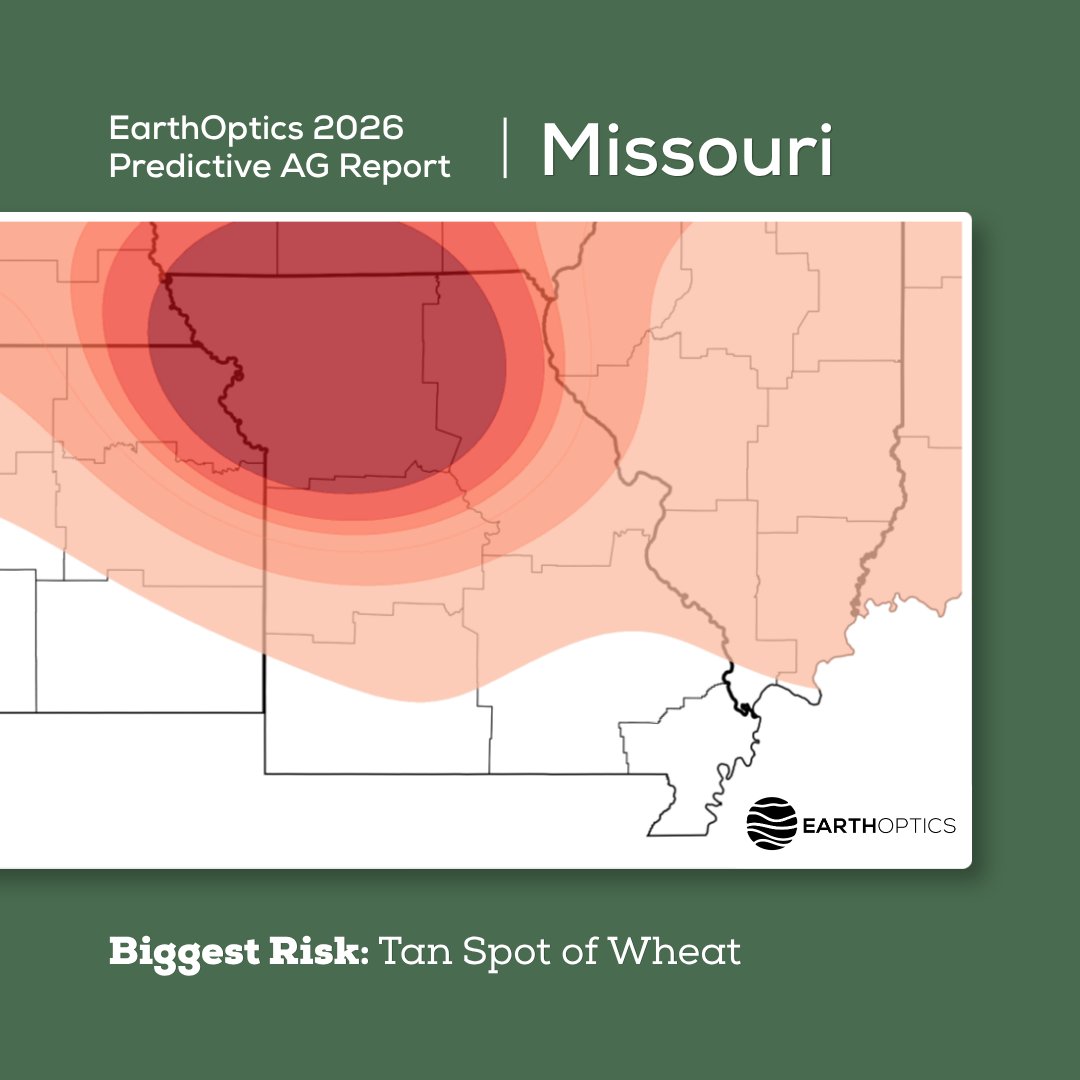
Missouri 2026 Risk Watch: Tan Spot of Wheat
Northern Missouri appears in the highest Tan Spot pressure zone in the EarthOptics 2026 Predictive Ag Report. The map shows the strongest risk centered in northern Missouri, extending into southern Iowa and eastern Kansas, suggesting residue-borne inoculum combined with favorable early-spring moisture.
Download the 2026 Predictive Ag Report to see more of the season’s regional outlook: earthoptics.com/2026-predict…
Built from 2026 regional predictions. Test your fields for individual risks.
46
Jun 3
James Clement, our Senior VP of Range and Grassland, wrote a great piece for Working Ranch Magazine on how measurable soil data helps ranchers access conservation programs, carbon markets, and tax advantages.
workingranchmag.com/your-soi…
1
24
Jun 1
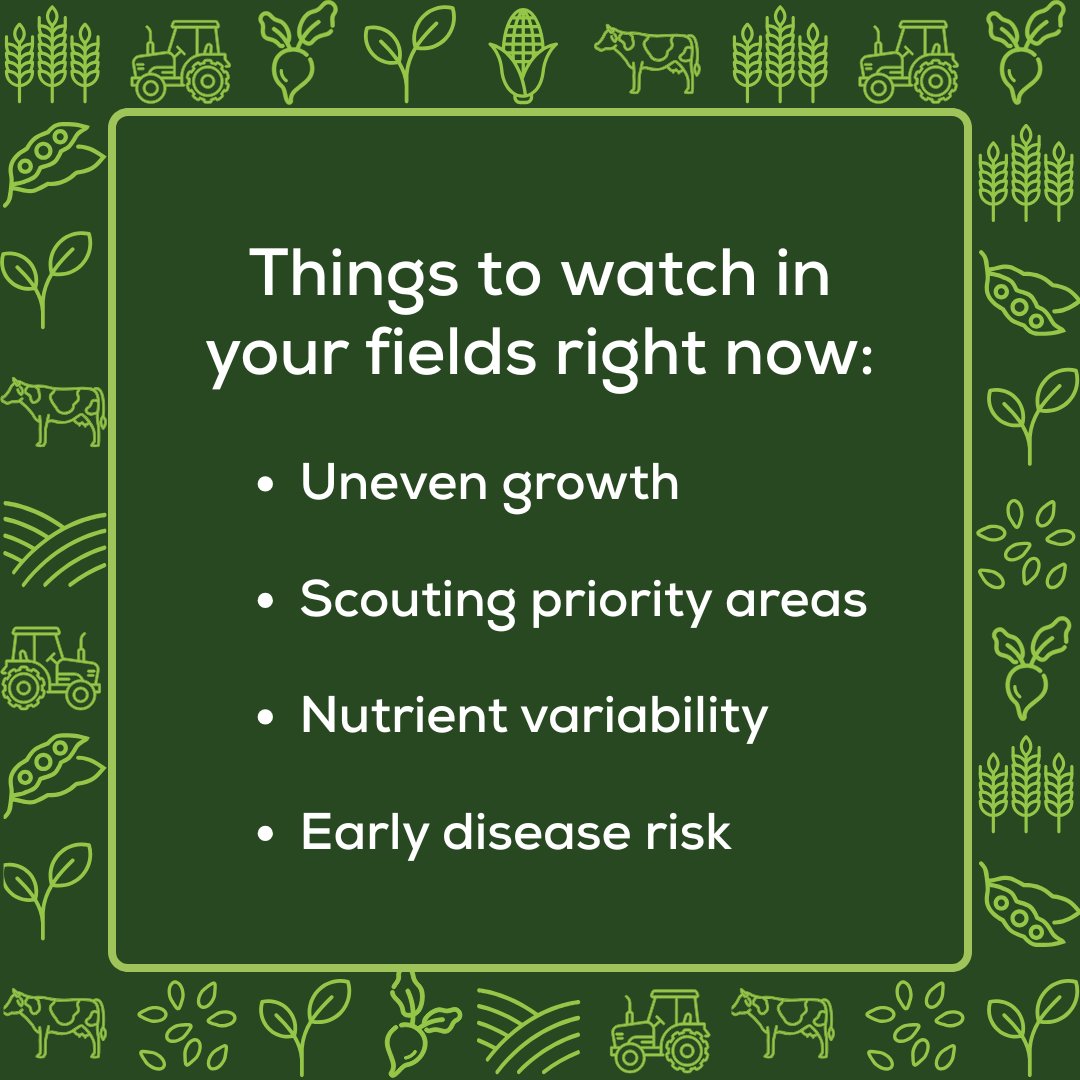
Growers are watching their fields closely right now. Early growth, scouting priorities, and nutrient questions are all shaping what happens next.
EarthOptics helps ag advisors bring more field-level insight into those conversations. Learn more about how we work with you to help you differentiate your business and better support your growers. earthoptics.com/who-we-serve…
1
3
134
May 29
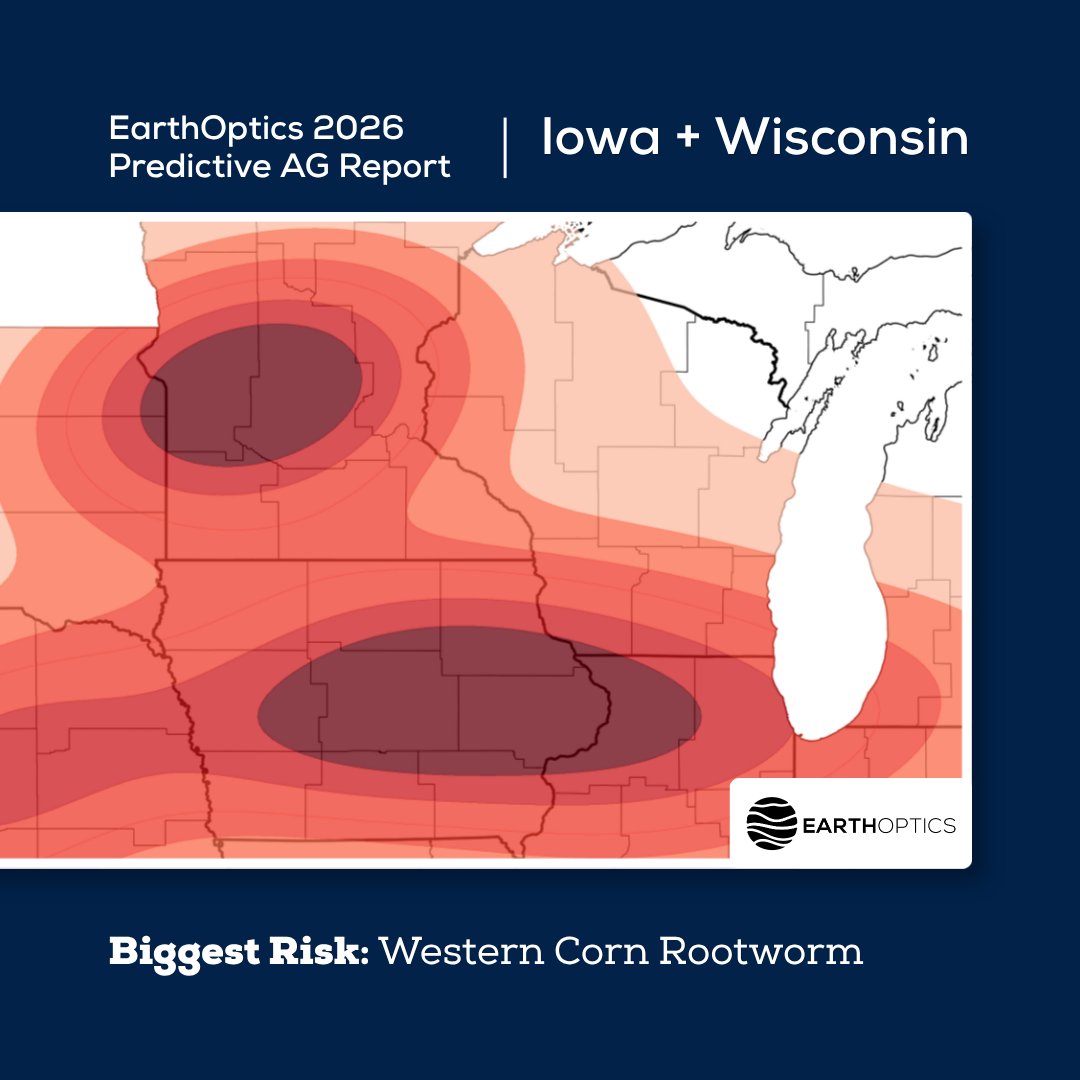
Wisconsin Iowa 2026 Risk Watch: Corn Rootworm
Wisconsin and Iowa both stand out in the EarthOptics 2026 Predictive Ag Report’s Corn Rootworm outlook. The Corn Rootworm map shows the greatest risk centered in eastern Iowa into northern and central Illinois, with elevated pressure extending into western Wisconsin and southern Minnesota. The Western Corn Rootworm map also highlights central and southern Iowa as a major risk zone. Continuous corn acres in these areas should be closely evaluated for 2026 planning.
Download the 2026 Predictive Ag Report to explore the full regional outlook: earthoptics.com/2026-predict…
This map reflects regional trends. Only individual field testing provides accurate data for your land.
1
1
66
May 28
Pollinators, prairie plants, grazing systems, and soil microbes are all part of the same story.
When diverse plant communities thrive, they help support stronger biological activity below ground. Healthy soil biology then helps support nutrient cycling, root development, and resilient vegetation over time.
That is why biodiversity management is becoming more connected to soil measurement and biological insights.
The better we understand the system below the surface, the better equipped we are to support healthier landscapes above it. Learn more here: earthoptics.com/news-insight…
35
May 26
Not everything in a field is easy to spot at first glance. Some factors are visible early, while others require a deeper understanding of what is happening below the surface.
At this stage of the season, soil variability, nutrient availability, and biological activity are already influencing crop performance, even when they are not immediately apparent. Better soil intelligence helps bring these hidden factors into focus, supporting more informed decisions across acres.
Connect with our team to learn how EarthOptics supports field-level insight here earthoptics.com/contact-us
28
May 25
Remembering and honoring all who have served.
Happy Memorial Day, from all of us at EarthOptics.
1
1
31
May 22
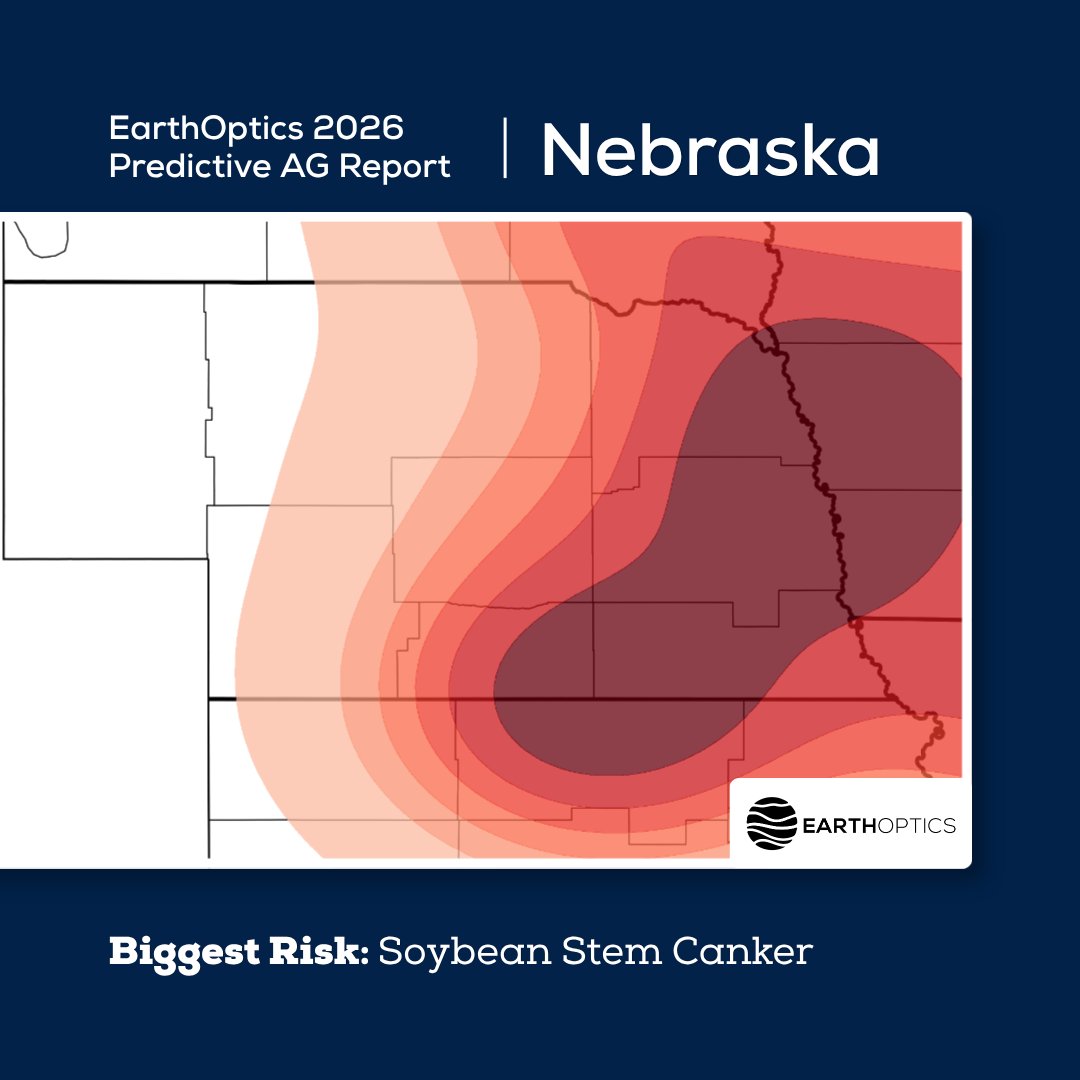
Nebraska 2026 Risk Watch: Soybean Stem Canker
Nebraska is seeing elevated risk of Soybean Stem Canker in the 2026 growing season, placing the highest pressure across eastern Nebraska, western Iowa, northern Missouri, and into Illinois, with broader moderate risk across much of the central Corn Belt. Infections occur early, while symptoms often appear later, making early-season risk easy to miss.
Learn more in the 2026 Predictive Ag Report and explore the broader regional pattern: earthoptics.com/2026-predict…
For a clearer picture of risk on your acres, we suggest field-level testing.
63
May 19
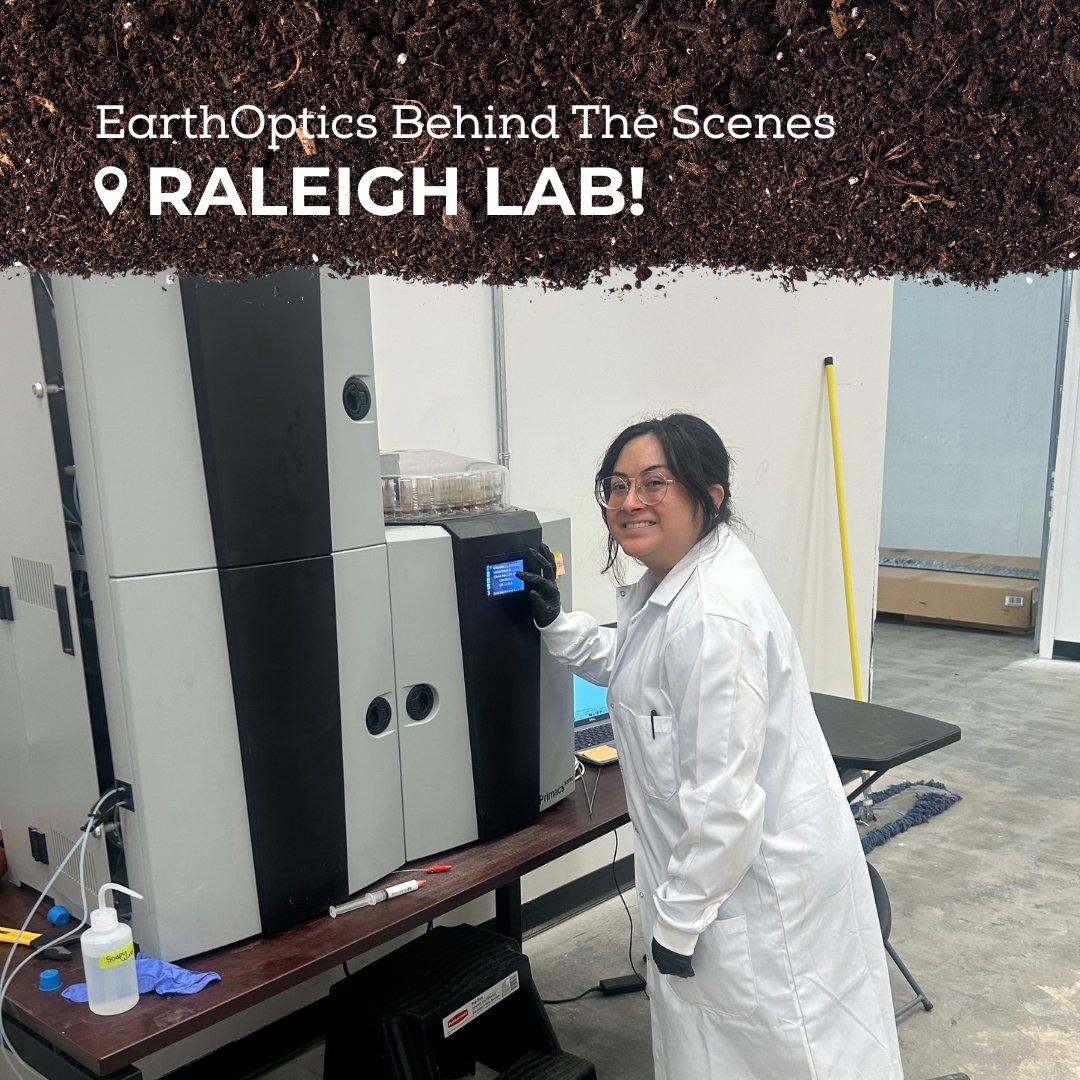
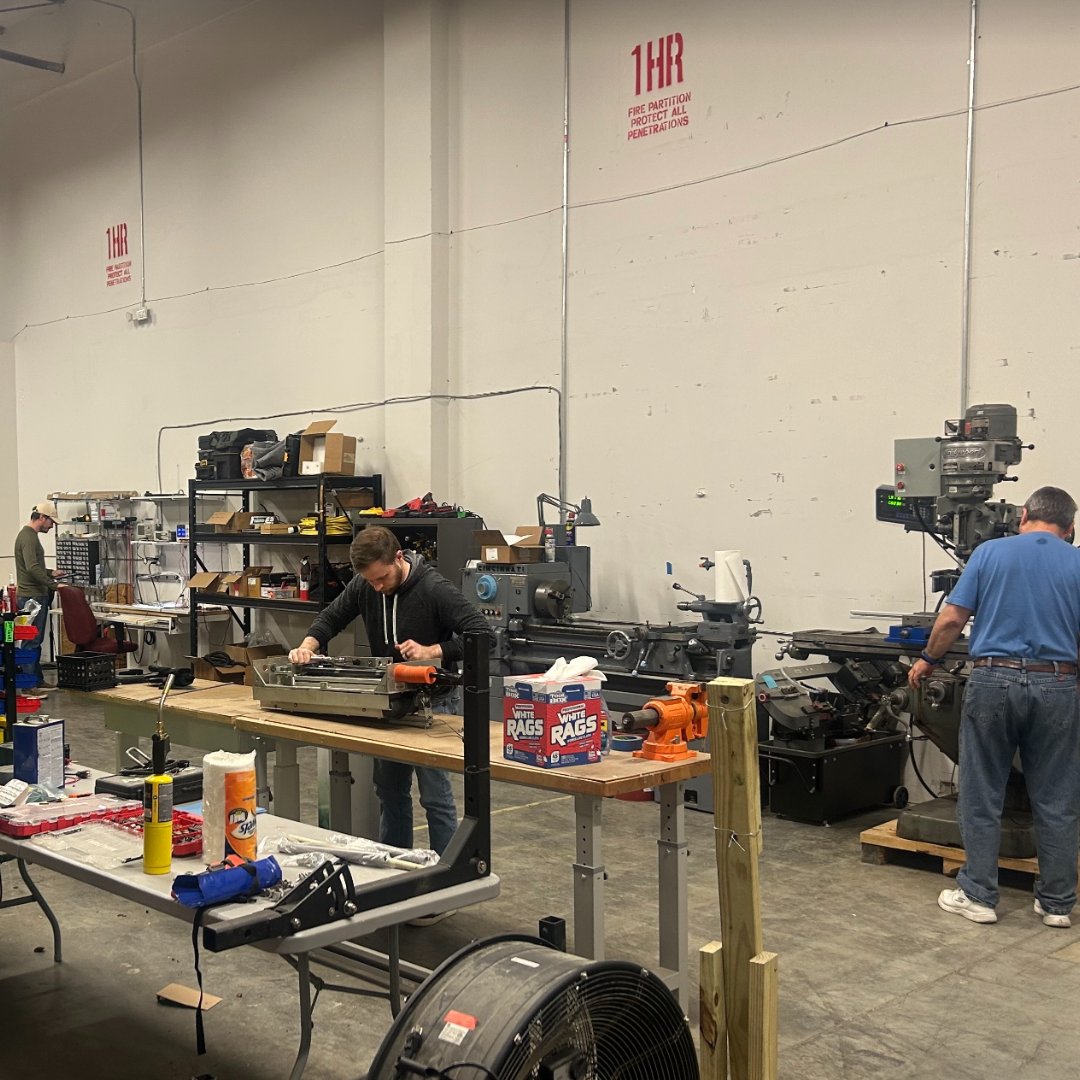
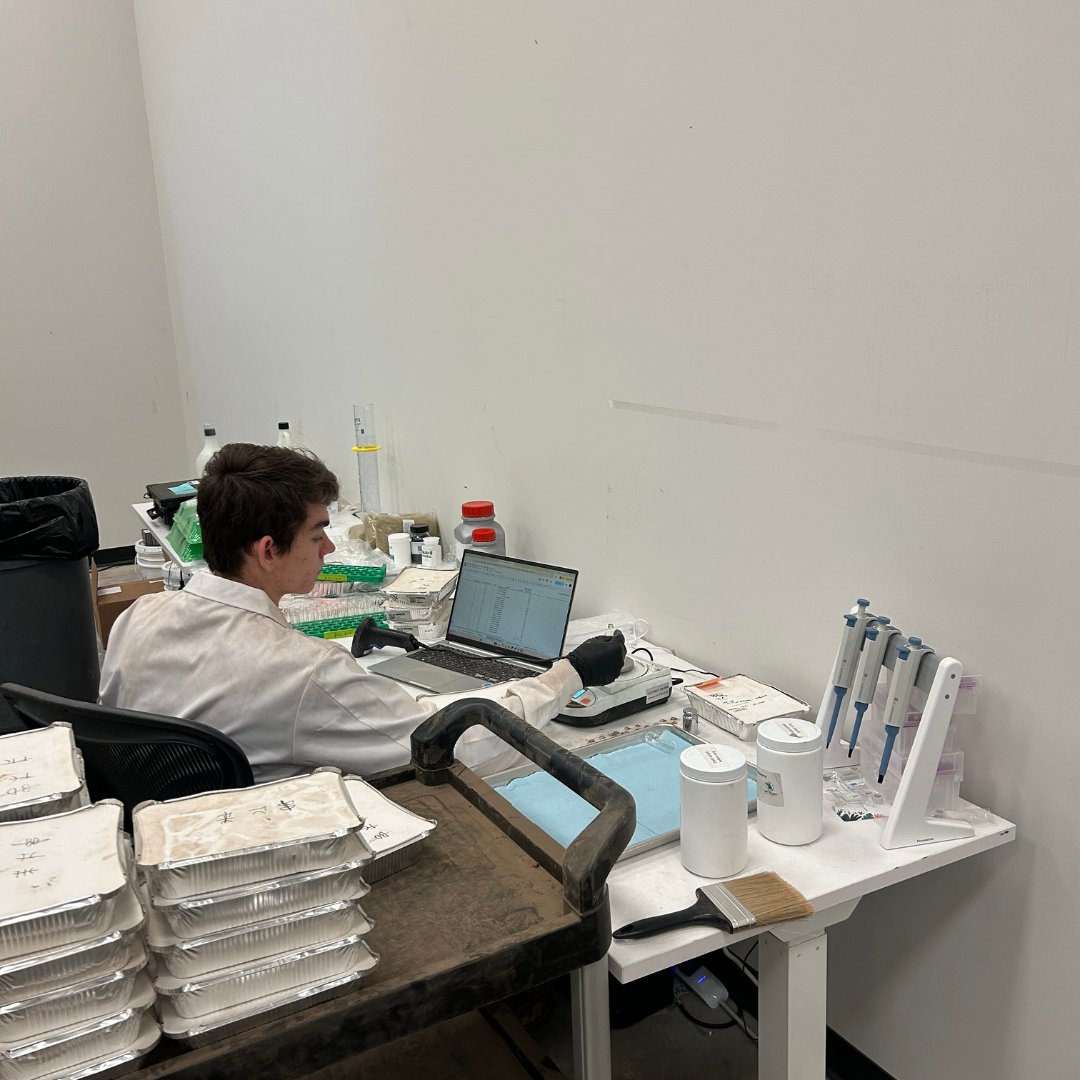
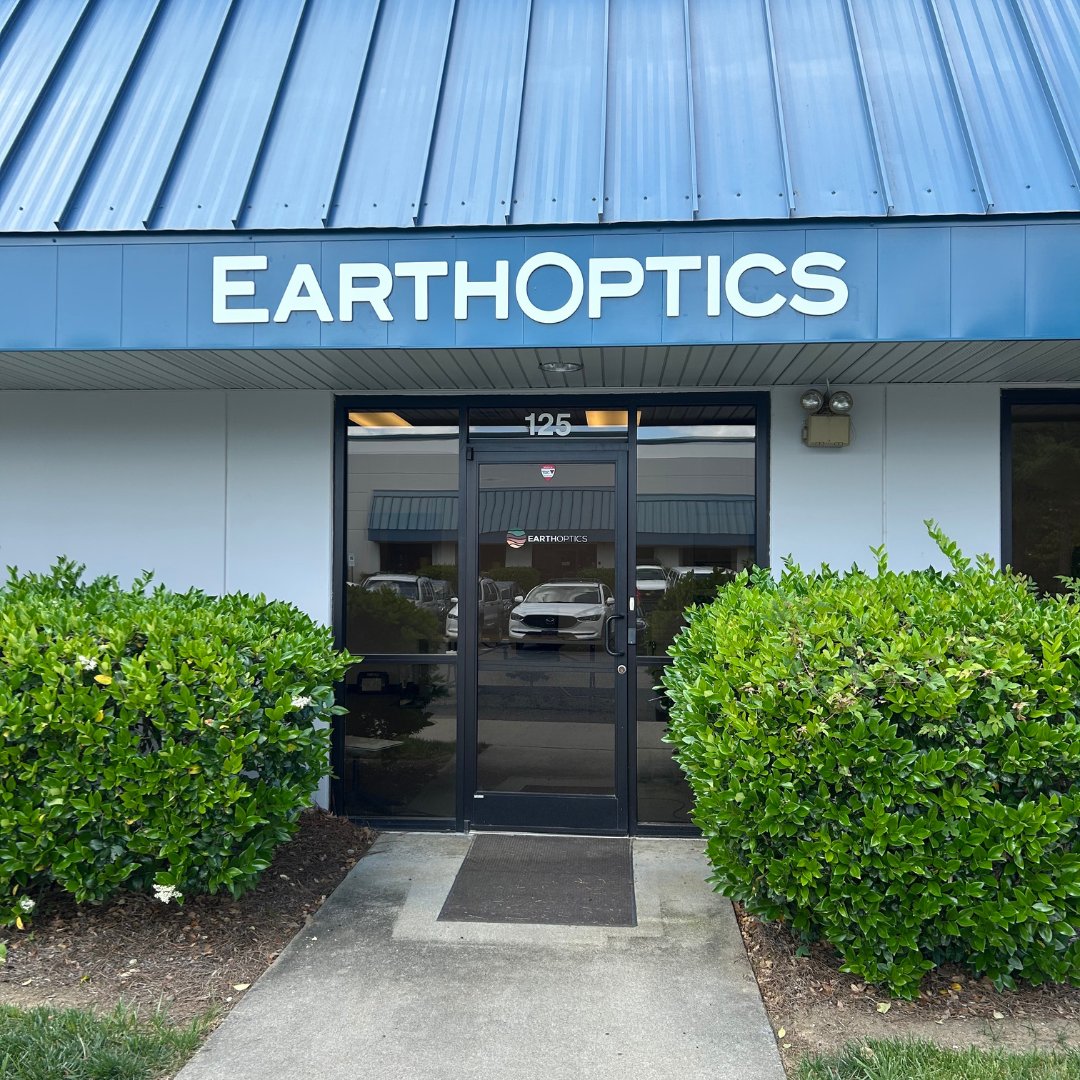
Go behind the scenes at our brand new Raleigh-Durham lab! 🌱
Meet the incredible team bringing it to life. 14,500 square feet housing one of our labs, our Sensor and Automation team, office space, and our soil library. We love the opportunity to collaborate across multiple teams under one roof!.
Faster sample processing, more innovation, and big things ahead.
Thanks to everyone who made this space happen. Read more: earthoptics.com/news-insight…
2
93
May 18
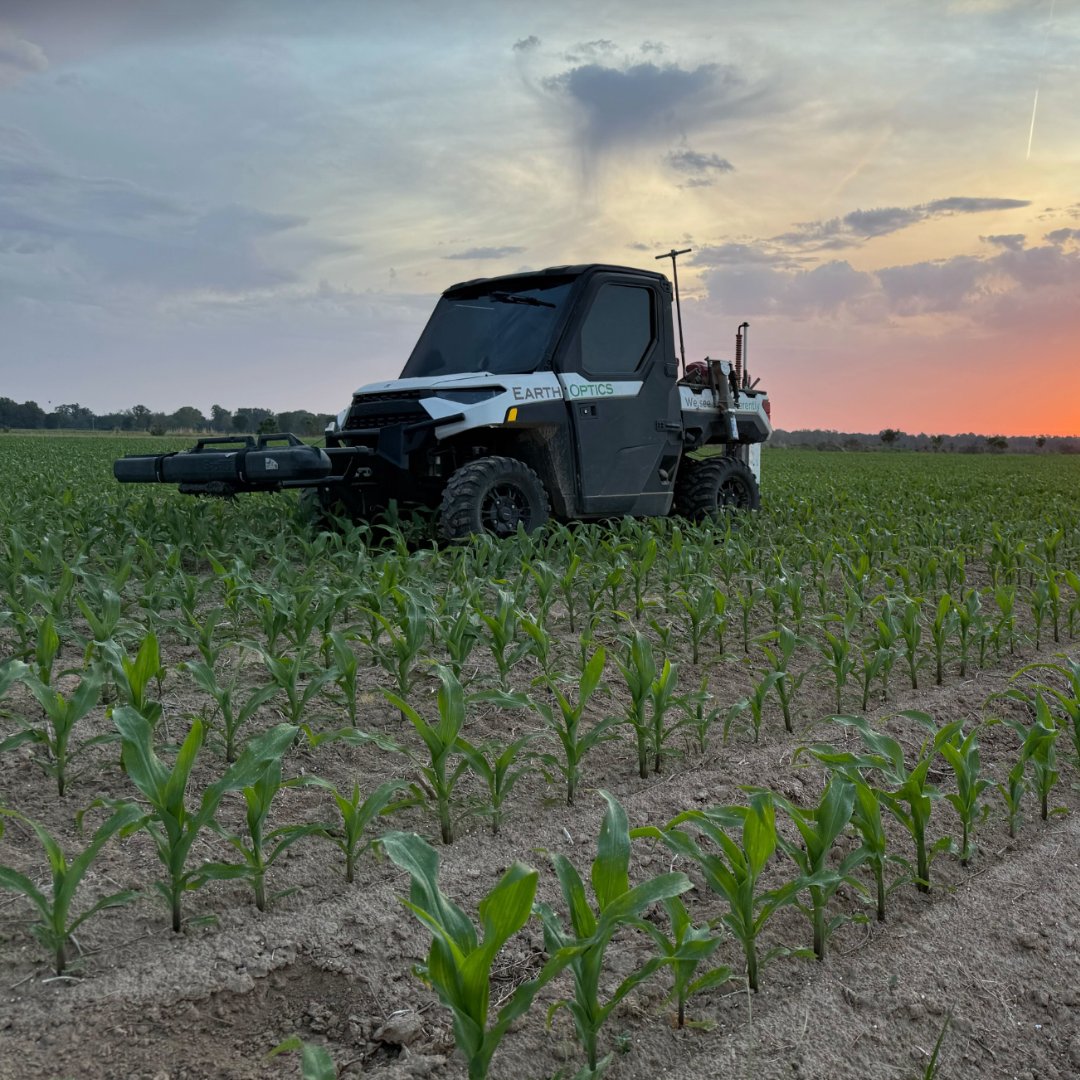
We're starting to see some early growth, and the next round of in-season decisions is approaching quickly. This is when soil data can continue to help you throughout the season by providing the data you need for in-season scouting.
EarthOptics helps bring that insight into focus so decisions are based on what is really happening in the field. Learn more at earthoptics.com
2
5
44
May 17
Pollinator health is connected to more than flowers and habitat.
Plant diversity, grazing management, soil biology, nutrient cycling, and long-term land productivity all influence how resilient a landscape becomes over time.
Healthy ecosystems start below the surface.
Read more: [Blog link]

19
May 15
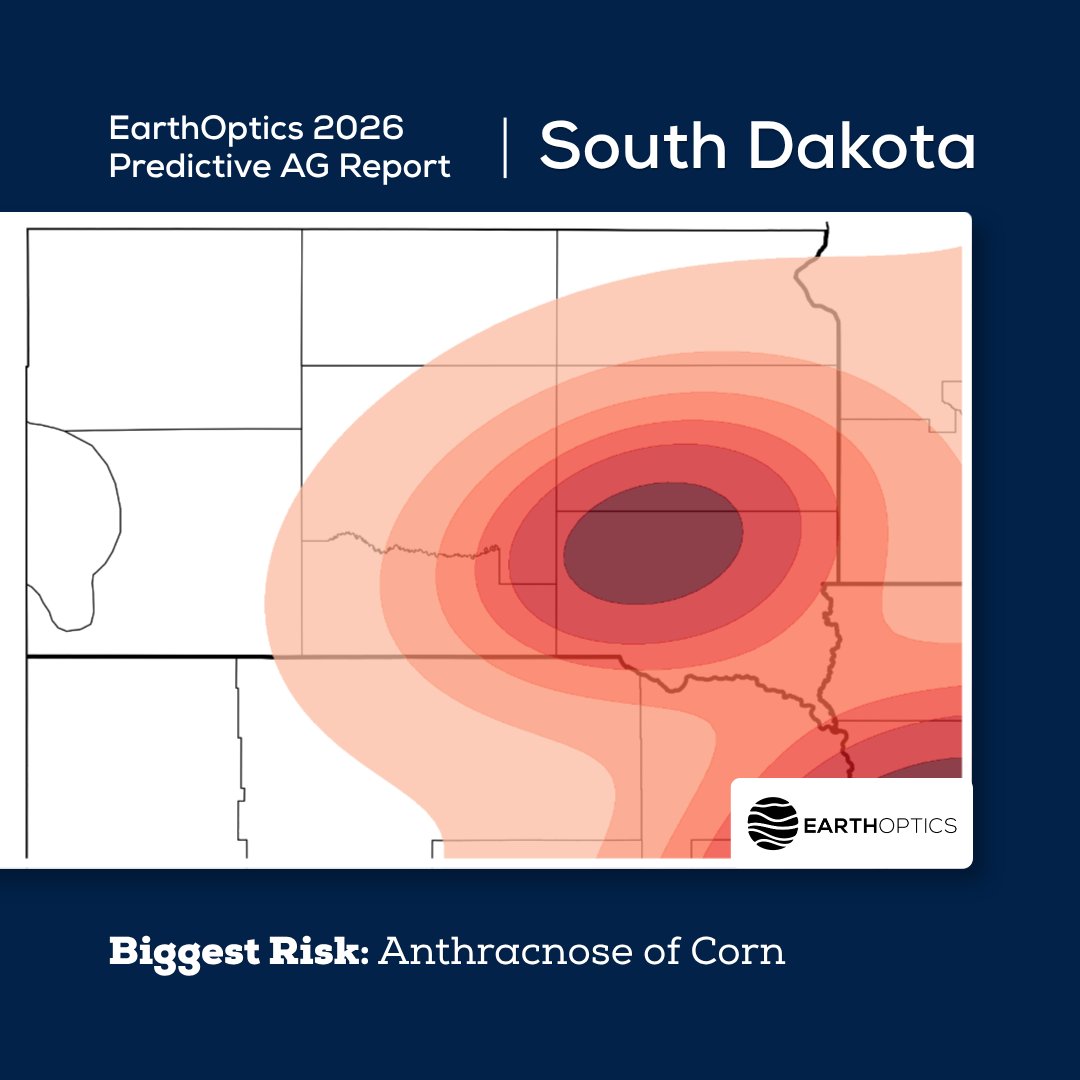
South Dakota 2026 Risk Watch: Anthracnose of Corn
South Dakota shows elevated risk for Anthracnose of Corn this upcoming season. The map shows elevated pressure across the upper western and central Corn Belt. Anthracnose is a major stalk rot that can affect nutrient transport during grain fill and increase lodging risk due to weakened stalk strength.
Download the 2026 Predictive Ag Report for more regional insights: earthoptics.com/2026-predict…
29