Earth Insight focuses on mapping critical threats to intact lands and waters and the Indigenous peoples and local communities that call these places home.
Joined October 2022
- Tweets 363
- Following 283
- Followers 200
- Likes 419
83 Photos and videos

Jun 11
oceanographicmagazine.com/ne…
Our new spatial analysis in collaboration with global partners shines a spotlight on the fact that all coral reef and mangrove ecosystems along Kenya’s coast fall within the proposed offshore blocks. #ocean #ouroceanconference @OurOceanOOC
20
Jun 11
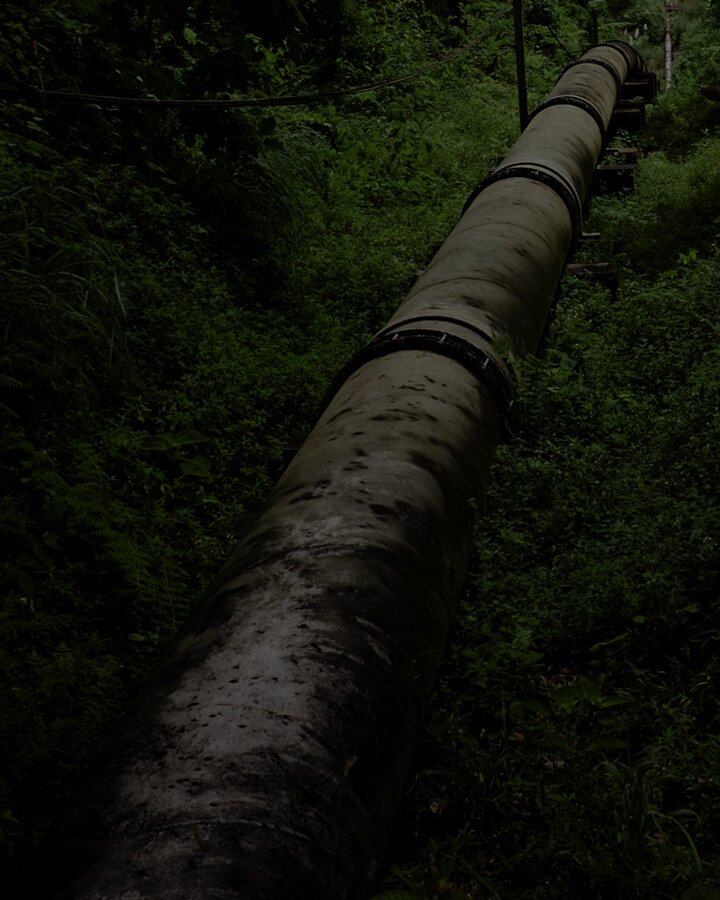
#EACOP is almost built. That means the decisions being made right now, at specific river banks and wetland edges across Uganda and Tanzania, will shape the ecological and social health of this region for the foreseeable future. OpEd by Juan Pablo Osornio
environmentenergyleader.com/…
30
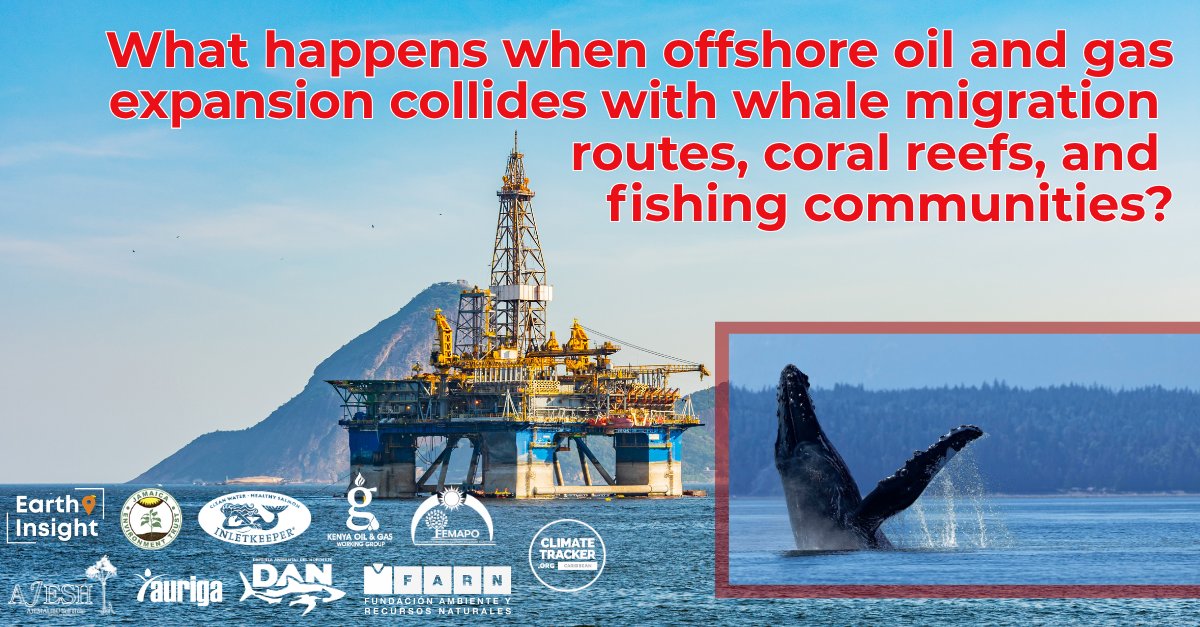
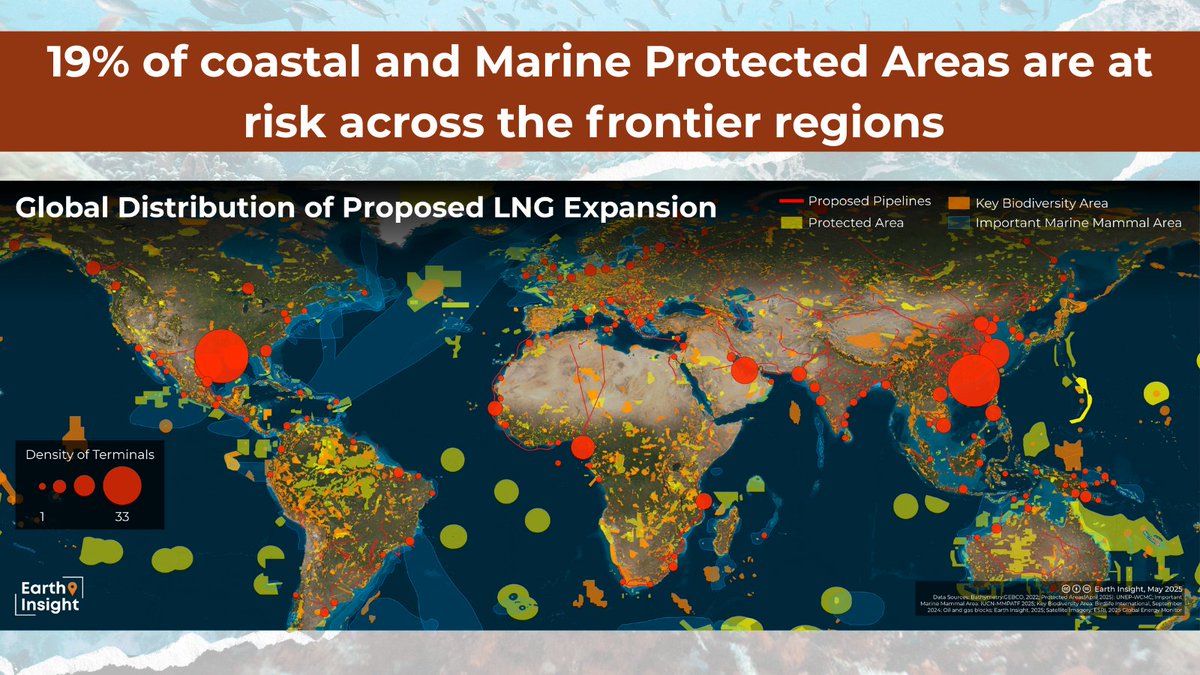
What happens when oil and gas expansion collides with whale migration routes, coral reefs, and fishing communities? Our new report finds: 50% of Important Marine Mammal Areas overlap with oil & gas blocks | 38% of coral reefs fall within risk zones
earth-insight.org/report/oce…
13
Earth Insight retweeted

May 12
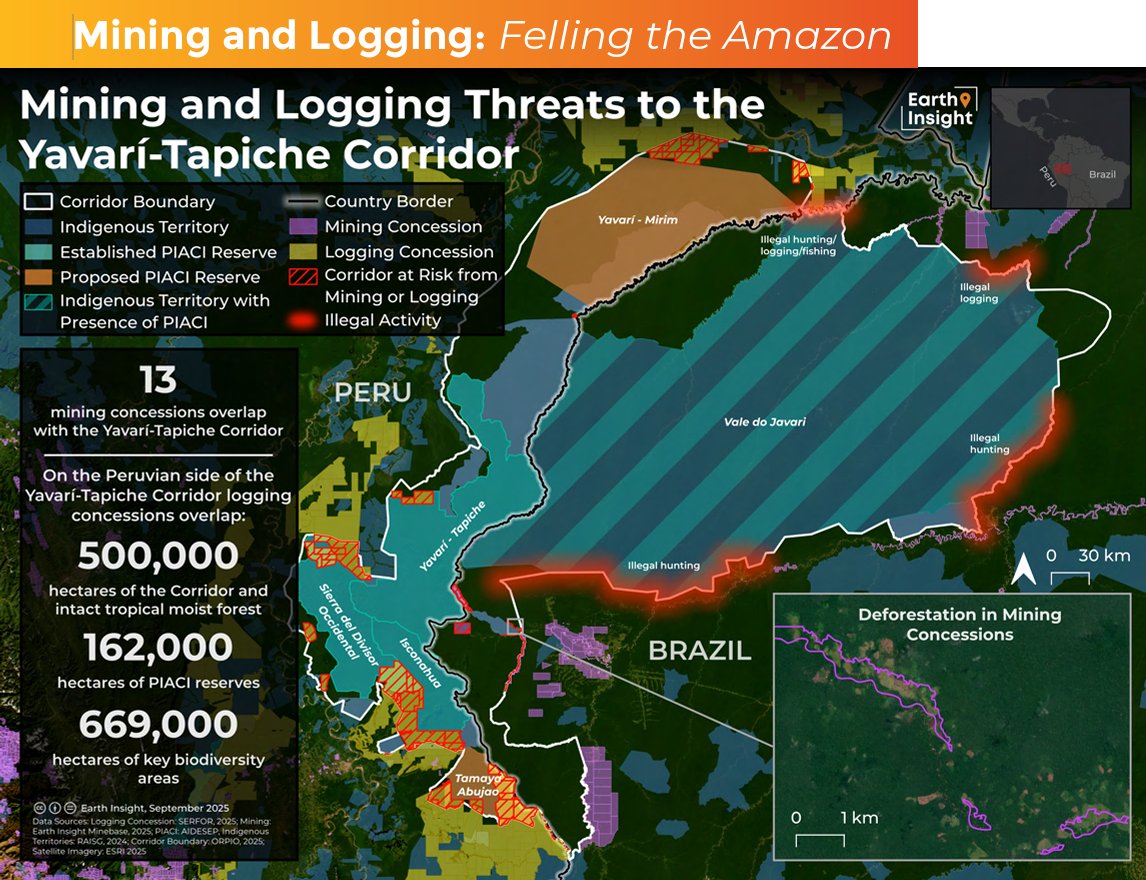
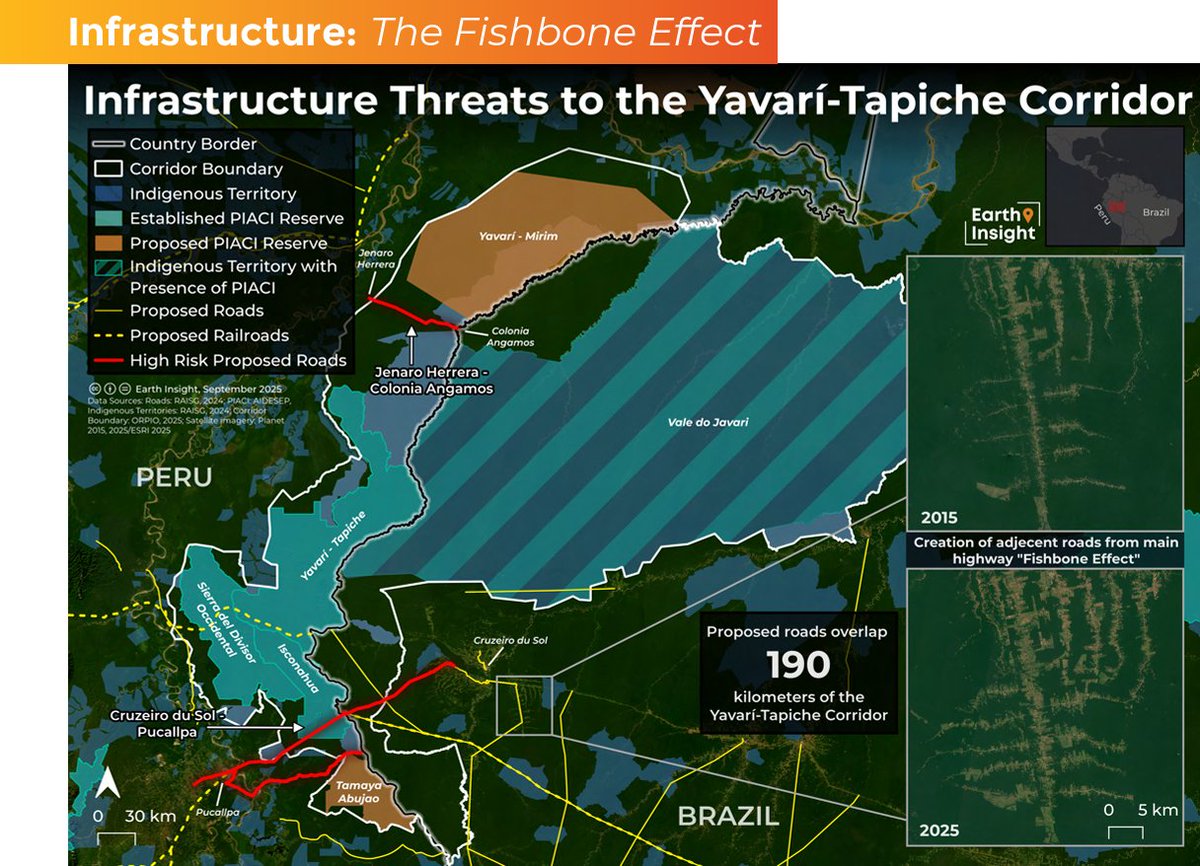
Bloques de hidrocarburos, concesiones mineras y de madera, carreteras y actividades ilícitas se superponen con el principal corredor habitado por pueblos indígenas en aislamiento y contacto inicial en Perú: el Territorial Yavari-Tapiche.
Hilo🧵
es.mongabay.com/2026/05/peru…
1
6
9
214
Earth Insight retweeted

May 13
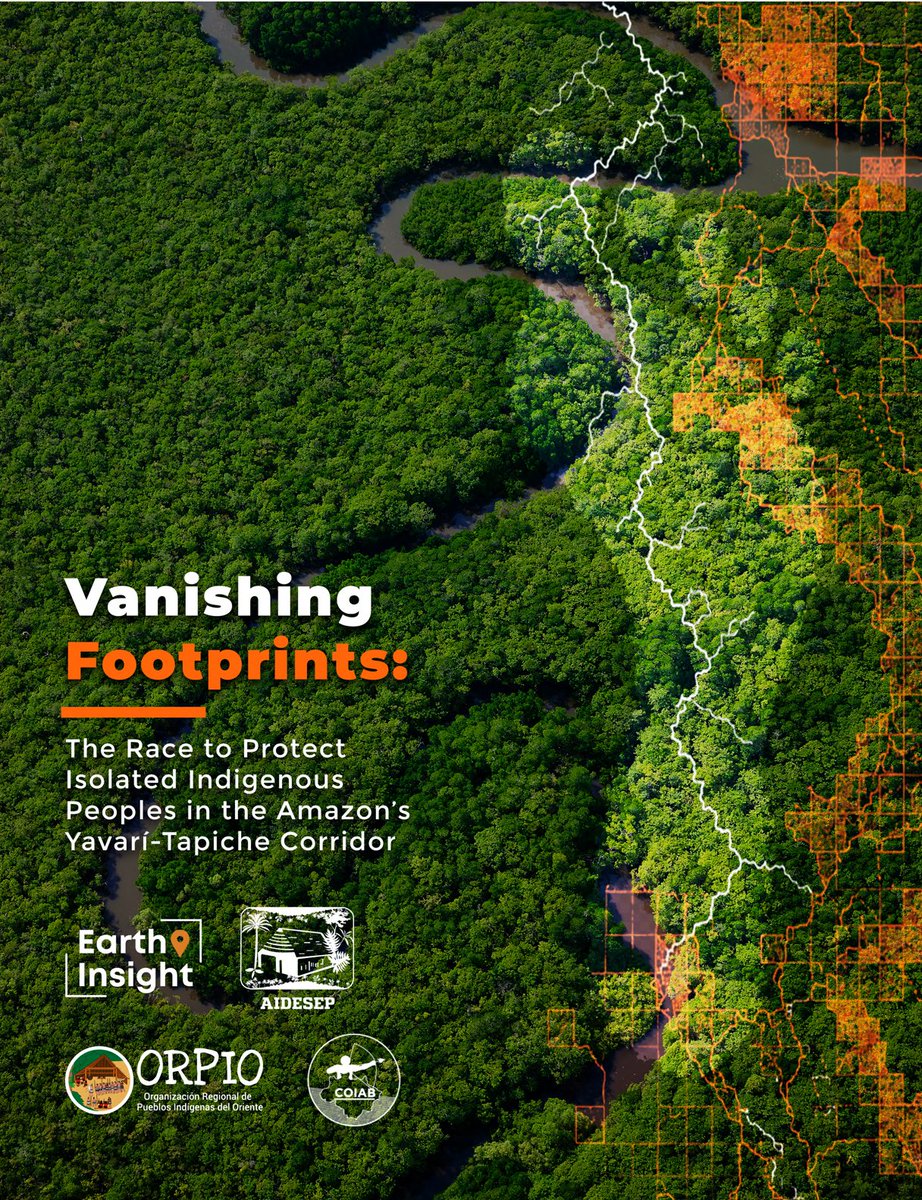
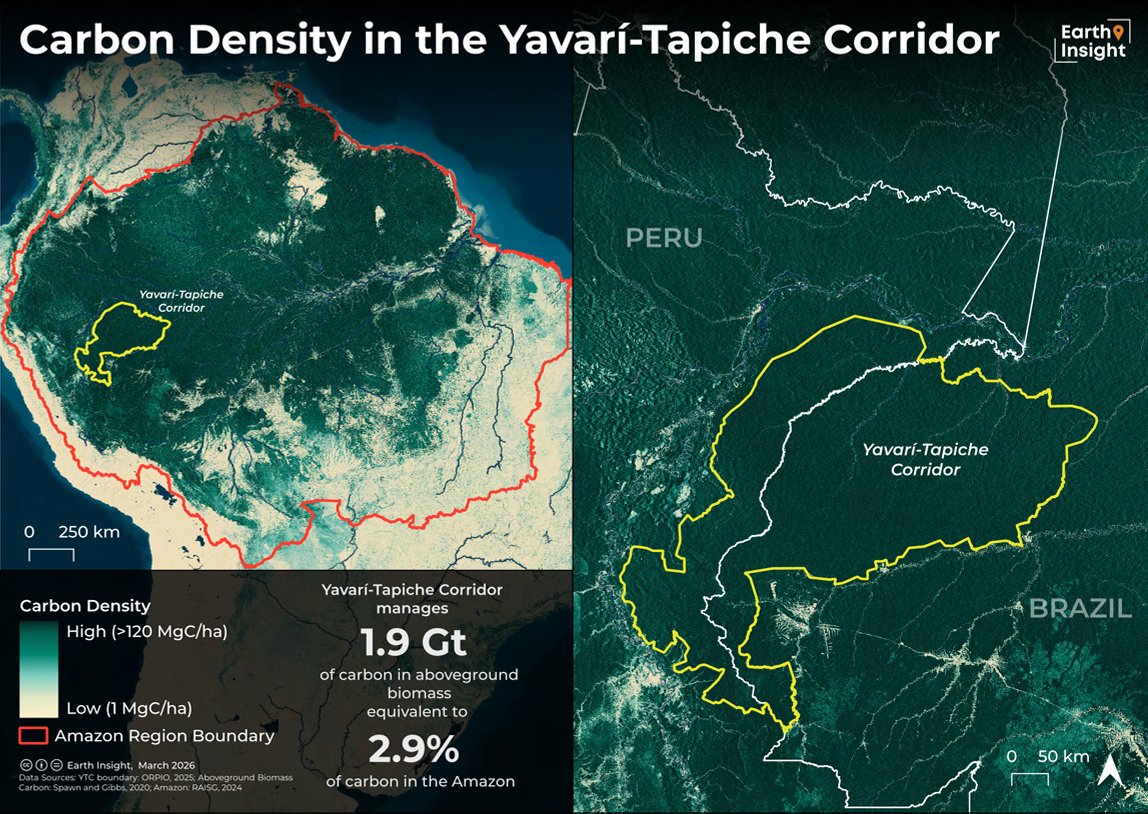
Deep in the Amazon, along Peru-Brazil border, lies proposed Yavarí-Tapiche Corridor: 16 million hectares of intact forest sheltering world's highest concentration of Indigenous peoples living in isolation. But threats (oil/gas, mining/logging, highways, narcos) are closing in, new report shows.
3
18
30
4,348
Apr 16
“Fossil Free Zones are one of the most concrete, actionable tools governments have to translate their commitment to transitioning away from fossil fuels into real, enforceable decisions on the ground,” - Ignacío Arroniz #FossilFreeZones
oceanographicmagazine.com/ne…
19
Mar 26
In Indonesia, 33.6 million hectares of Indigenous land-17% of the country-are under threat from extractive industries, putting critical forests, biodiversity, and Indigenous livelihoods at risk. Learn how we can change course: earth-insight.org/report/ipl…
#TheAnswerIsUs @aurigaorid
1
44
Mar 23
Since 2014, Indigenous Peoples in Indonesia have lost 11M hectares of customary territory, an area larger than South Korea. But communities like Gendang Ngkiong are reclaiming land and protecting. @aurigaorid #TheAnswerIsUs #IndigenousRights Read more: earth-insight.org/report/ipl…
1
45
Mar 20
Indigenous Peoples & local communities safeguard the forests that sustain life on Earth. But extractive industries threaten them and their lands. Learn how we can change course: earth-insight.org/report/ipl… #TheAnswerisUs
15
Mar 17
38% of community forests overlapped by oil & gas concessions in the Congo Region. 99% of Cuvette Centrale Peatland community forests are under oil threat, that is 30 billion tons of carbon at stake. earth-insight.org/report/ipl… #TheAnswerIsUs #IndigenousRights
13
Mar 12
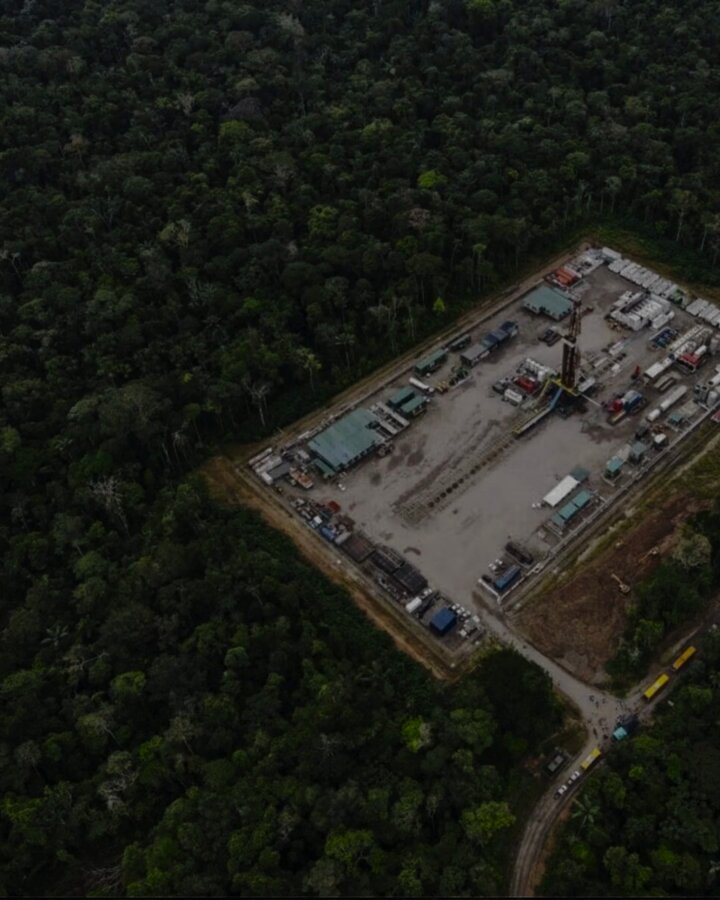
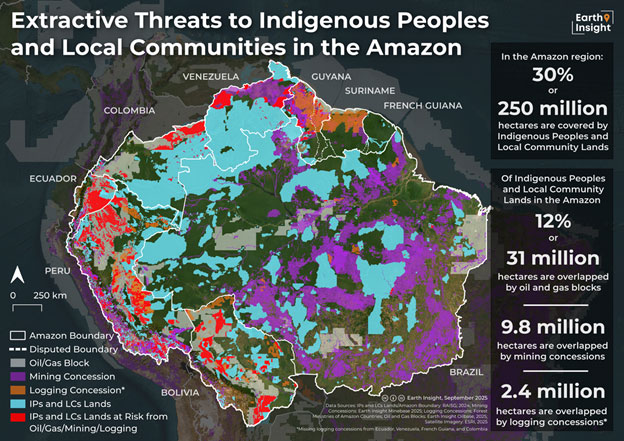
In the Amazon Basin, oil and gas blocks cover 31 million hectares (12%) of Indigenous territories, while mining and logging threaten millions more hectares of critical rainforest. 64% of Waorani territory is overlapped by oil blocks despite court rulings.
#TheAnswerIsUs
1
32
Mar 10
43.2M hectares of the Amazon’s Indigenous territories are threatened by oil, gas, and mining. 64% of Waorani territory is overlapped by oil blocks despite court rulings. IPs & LCs safeguard the forests that sustain life on Earth. #TheAnswerIsUs #theAmazon #IndigenousRights
65
Did you know that spanning 126 million hectares of Indigenous Peoples and Local Communities territories, the Congo Region is Earth’s second-largest tropical forest system? @globalalliancet instagram.com/reel/DUa6t6Rkd…
1
15
18 Nov 2025
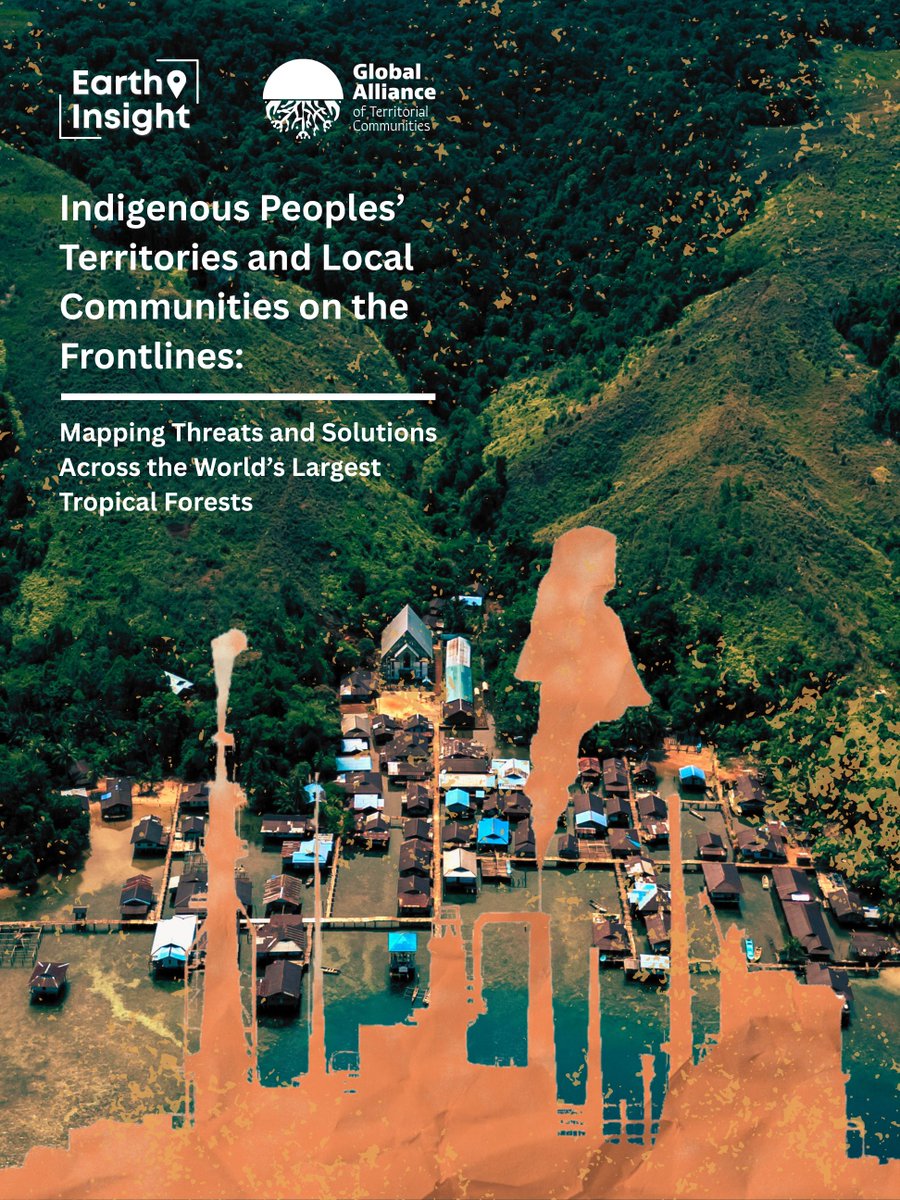
IPLCs safeguard 958 million hectares of forests through monitoring, traditional practices, and beyond, yet face mounting threats. A new report by @globalalliancet & @Earth_Insight maps these pressures & solutions. #TheAnswerIsUs |
vimeo.com/1138007268?fl=pl&f…
1
36
Earth Insight retweeted

10 Nov 2025
A new report released by @globalalliancet & @Earth_Insight exposes the staggering scale of industrial threats facing the 36 million Indigenous Peoples and local communities who steward more than 958 million hectares of vital tropical forests ipsnews.net/2025/11/the-worl…
1
1
88
10 Nov 2025
Turning Indigenous Territories From ‘Sacrifice’ Zones to Thriving Forest Ecosystems (International Press Service)
ipsnews.net/2025/11/turning-…
#COP30 #news #environment
22
5 Nov 2025
A new report by Earth Insight and @globalalliancet delivers the first comprehensive geospatial analysis of #extractive industry threats across the world’s four largest tropical forest regions.
earth-insight.org/report/ipl…
#TheAnswerIsUs #LandRights #ClimateAction
1
1
37
17 Oct 2025
We are very pleased to announce the adoption of Motion 140 at the IUCN! The motion is an IUCN resolution. Find out more in our press release: earth-insight.org/press-rele…
28
4 Sep 2025
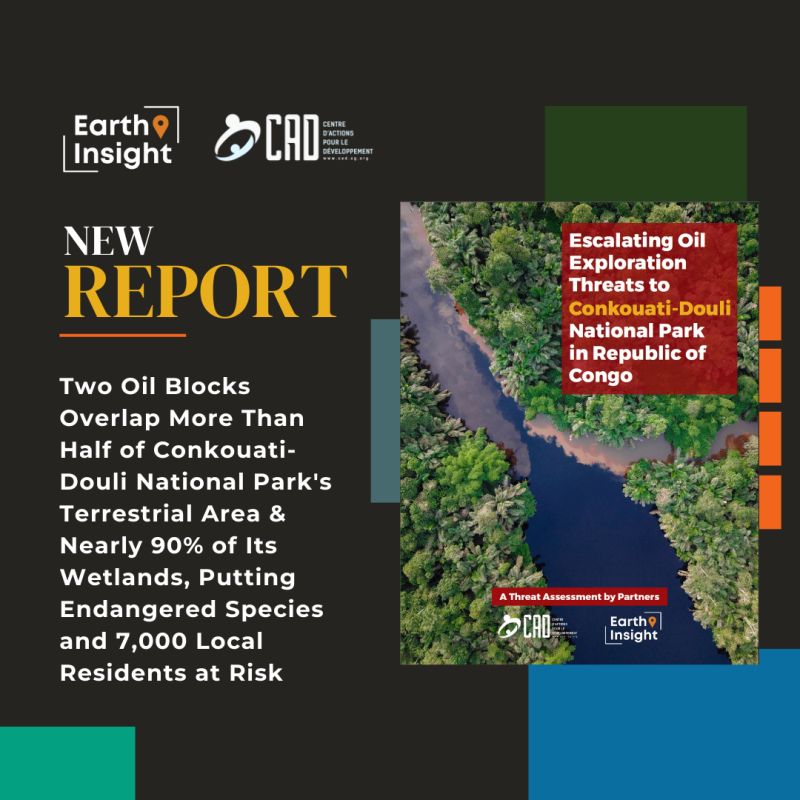
A new report reveals how two controversial oil exploration blocks now overlap more than half of Conkouati-Douli National Park's terrestrial area and nearly 90% of its wetlands earth-insight.org/insight/oi…
31
Earth Insight retweeted

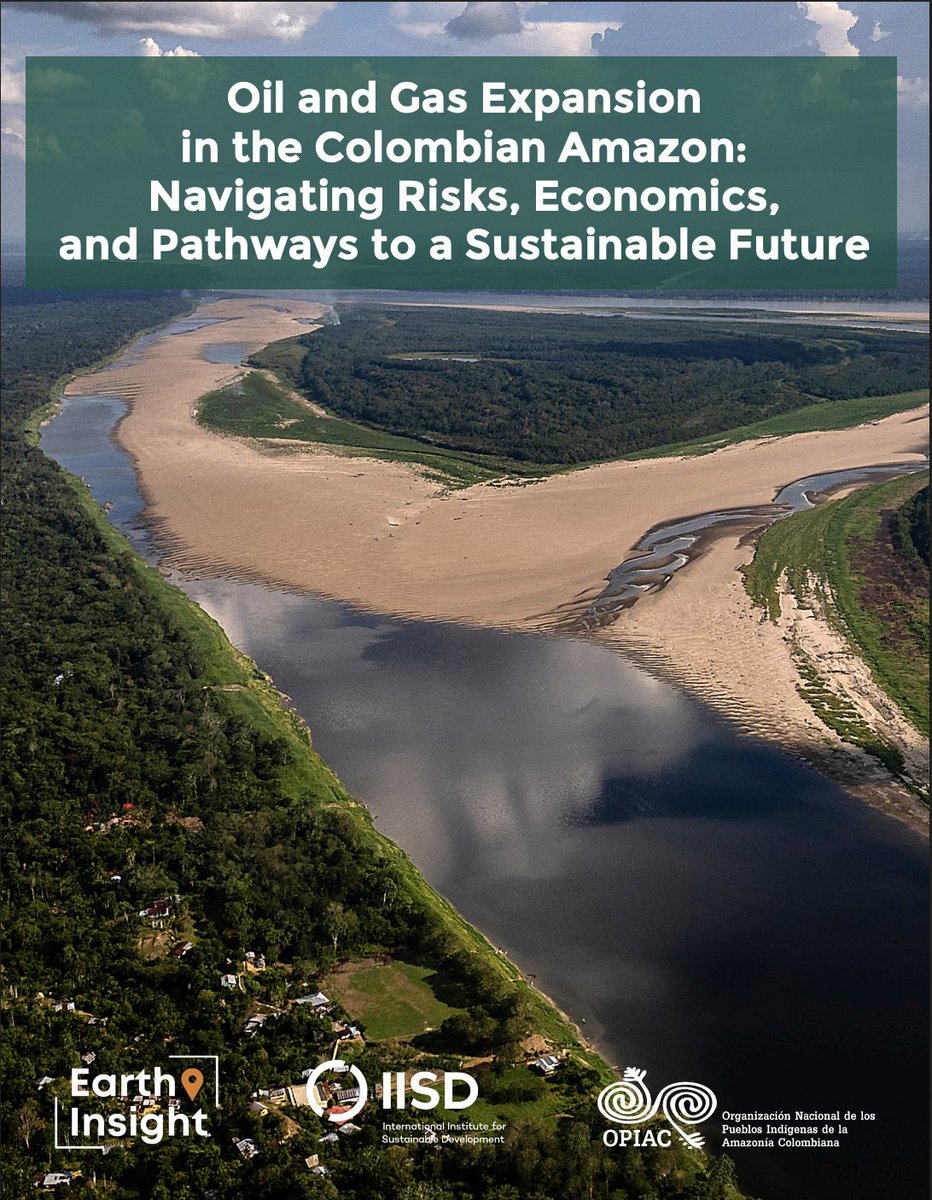
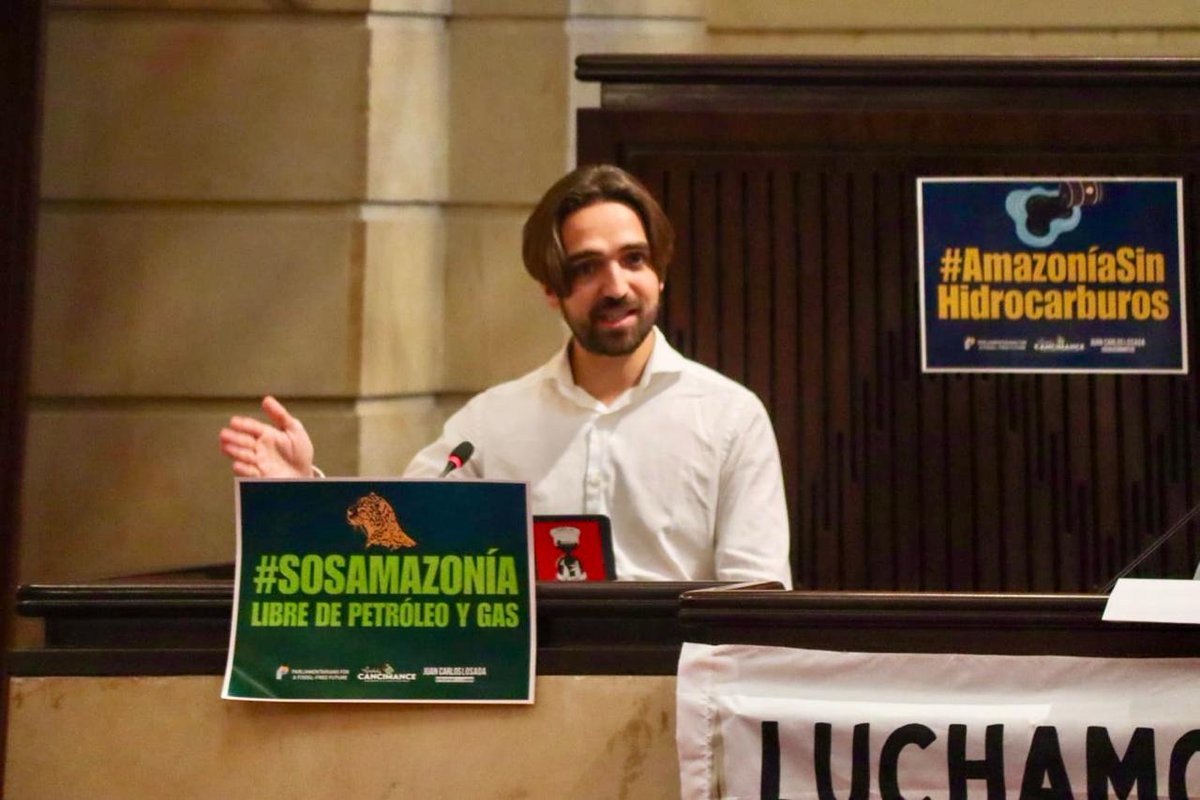
"El fin de las reservas nacionales presiona para aumentar las licencias de exploración y producción tras las elecciones de 2026. Nuestra investigación muestra que no hay justificación económica ni de seguridad energética para aumentar la producción y exploración en la Amazonía".
@Nacho_arroniz, de @Earth_Insight
#AmazoníaSinHidrocarburos
1
3
78