
Aircraft Mechanic & Flying Spanner 🔧✈️ | #Aviation | @Gechie_xoxo's 🖤
Joined December 2010
- Tweets 15,251
- Following 2,966
- Followers 3,515
- Likes 3,918
571 Photos and videos

Pinned Tweet

Jun 12
"Flying old planes over Africa" every time there's an air return.
Wrong diagnosis. Wrong lesson.
KL590 returned to Accra after ~20 minutes airborne. The Boeing 777-300ER it flew on is mid-life, not ancient. KLM operates it on a mainline intercontinental route to the same standard as any other.
The crew detected an anomaly, assessed it, and turned back. The fire brigade on standby was protocol, not evidence of disaster.
That is the system working.
A return to base is not a failure. It is a correctly executed decision by people who chose caution over pride. The plane that scares you is the one that continues when it should not.
Age does not kill passengers. Ignored defects do. Skipped checks do. Pressure to dispatch does.
The crew followed procedure. That is the whole story.

We need to start questioning these airlines on the state and age of the airplanes they use to ply their trade in Africa. @KLM flight KL 590 that took off 10:08pm from Accra to Amsterdam had to force an emergency landing back to ACC after about 45mins in the skies.
7
59
146
37,671
OG of the Souŧh retweeted

Insane recovery footage: Crane hoisting the broken NetJets Cessna Citation (N523QS) off Loop 20 in Laredo after it went down on the highway. Tragic loss of one life. RIP
📽️ Franky_8606
5
35
259
37,459
OG of the Souŧh retweeted
Delta 2288 leaves Vegas leaking fuel from the wingtip like an airshow... Other pilots spot it, crew stays cool, gets vectors, lands safe in LAX.
3
19
3,318
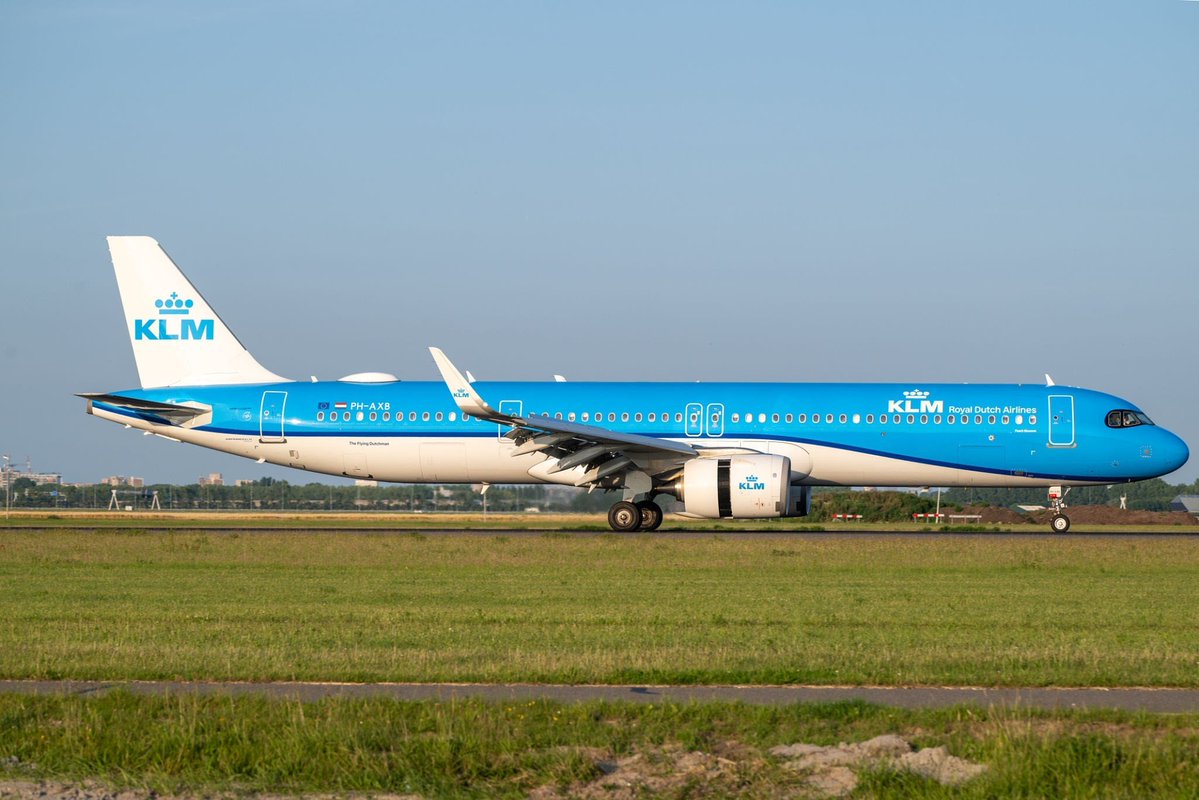
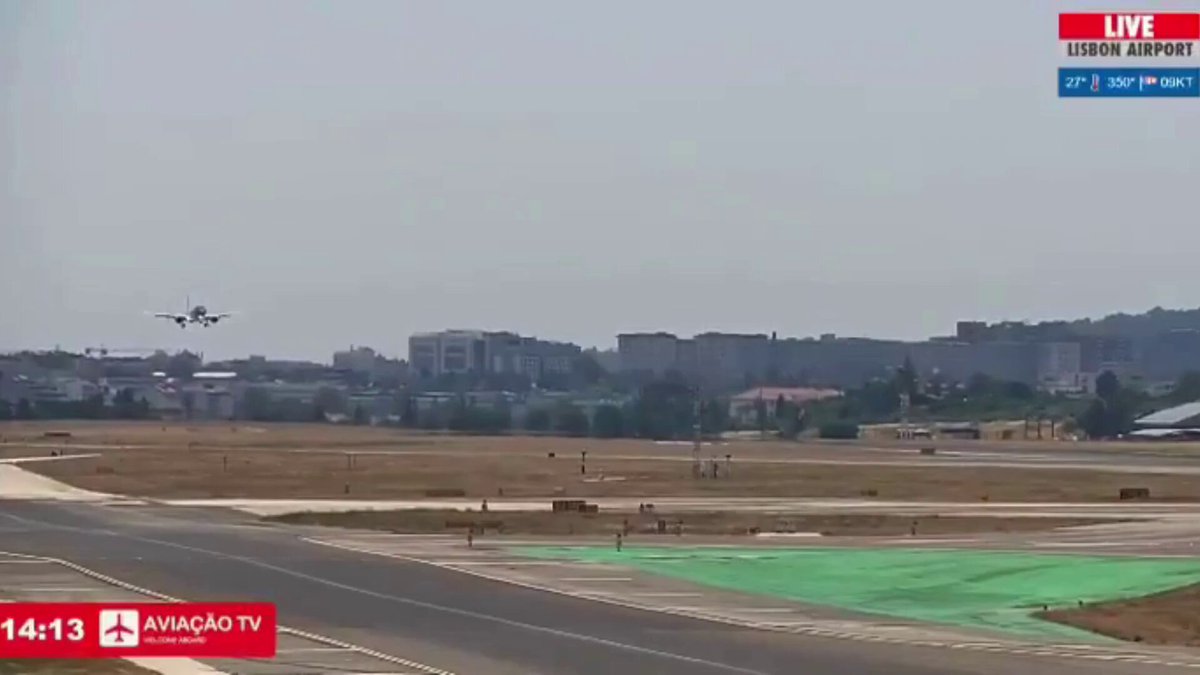
When a KLM Airbus A321neo (PH-AXB) suffers a tail strike landing in Lisbon, as structures and line engineers, our attention goes straight to the geometry of the airframe and the intensive inspection protocol that follows.
1
1
3
1,900
The maintenance crew will consider: Is it a skin scratch/tailskid scrape, or an internal frame deformation, or a major pressure bulkhead distortion?
Following this, they must perform Non-Destructive Testing (NDT) around the aft fuselage frames and the rear pressure bulkhead.
1
1
1
18
When dealing with stretched narrowbodies, precise pitch discipline during the final 50 feet is the only thing that stands between a routine landing and a costly, long-term structural repair grounding.
1
1
14
OG of the Souŧh retweeted

i remain absolutely stunned by the degree of perseverance needed to build a meaningful life
162
13,090
57,147
768,123
OG of the Souŧh retweeted

21h
The number of silly songs I’ve come up with over the past 7 months ehn 🥴🥴
1
1
32
OG of the Souŧh retweeted
Jun 17
Everybody talks about not wanting their chats with friends leaked.
Meanwhile, my biggest fear is someone reading my ChatGPT conversations. 😂😭😭
1
1
27
For me, it's my mom.
There's a kind of tired that comes after a night shift that didn't go as planned. The fault that wouldn't clear. The AOG that just stretched... The kind of tired where you start questioning why you chose this job at all.
I used to go home to her on those mornings and tell her all about it.
She never asks for the technical details. She doesn't need to understand FADEC or EICAS messages to know what to say. She just listens, then tells me the same thing she's told me since I was starting out:
"It gets hard before it gets better."
She's never been wrong.
Not once. Not in the years I've been doing this. Every difficult season eventually turned. Every fault eventually cleared. Every version of "I don't think I can do this" turned into a story I tell now without the weight it carried then.
She reminds me why I started when I've forgotten.
That's the job a mother does that no manual prepares you for.
Jun 16

Who is your go to person when you feel like your world is falling apart?
2
4
85
OG of the Souŧh retweeted
Jun 17
Headwind on takeoff feels like the enemy.
Pilots fight it on the runway. More power needed, more roll distance burned, the jet feels reluctant to leave the ground.
But the moment it lifts off, that same headwind becomes lift. The wing was built to use it. The harder it pushes against the aircraft, the more the aircraft rises into it.
A tailwind feels generous on the ground. Faster acceleration, shorter roll. Pilots love it for departure.
But airborne, that same tailwind gives nothing. The wing doesn't care which way the wind is blowing over the ground. It only cares about the air moving across it. Headwind increases that. Tailwind reduces it.
So the wind that felt like resistance was the one doing the lifting.
The wind that felt like help was just speed with no purpose.
I think about this on the ground too. The seasons that resisted me the most, the supervisors who pushed back, the certifications that took three attempts, the AOGs that kept me up till sunrise. Those are the things that built whatever lift I have now.
The easy seasons gave me speed, but nothing to climb on.
You don't rise on the wind that agrees with you. You rise on the one that doesn't.
Apr 15

The wind that blows against you is the same wind that lifts you higher.
2
2
187
OG of the Souŧh retweeted

Jun 16
An aerial view of the work going on at the Murtala Muhammed International Airport (MMIA).
According to the Minister of Aviation, Festus Keyamo, this is not a refurbishment but a total redesign and rebuild of MMIA. The project will take 22 months and is expected to be commissioned by President Tinubu.
Though not part of the current construction, the administration is also working on extending the Red Line train so people leaving the airport can take the train directly to the Ikeja bus stop.
When all of this is accomplished, it might just be the biggest achievement and most beautiful infrastructure project completed under President Tinubu.
Video credit: Just Ozed on YouTube.
24
202
724
211,565
Jun 17
A NetJets Citation Latitude, N523QS, went down on approach into Laredo on last night. Flight originated from Los Cabos. Responders had to break the cockpit windshield to get the occupants out.
That detail is worth more attention than it's getting.
The windsheids are heated, laminated, multi-ply panels rated to take a bird strike at cruise speed. They are not a quick-access panel. Going in through the glass as an extraction route usually means the normal way out was compromised. A jammed airstair door. Fuselage deformation pinning the fuselage shut. Or simply no time left to deal with a latch.
Crews train for primary egress through the main door. The windshield is plan B, the move you make when plan A is gone.
No cause confirmed yet. No injury count confirmed yet. NTSB will pull the data recorders, walk the wreckage, build the sequence properly.
Until then, this is what's known and nothing more.
twitter.com/fl360aero/status…
2
3
3
948
OG of the Souŧh retweeted

Jun 15
Ladies and gentlemen, this is your Captain speaking. As you can see on our right side, a Virgin A340 is challenging us to a race. I've turned the fasten seat belt sign ON because it's about to get real! Buckle Up😁
104
460
10,991
2,141,201
OG of the Souŧh retweeted

RIP Antonov An-225 Mriya — the legendary aircraft that became a victim of war.
Seen here in Rzeszów back in 2022.
📹: maciejskop8577
13
150
7,744
Jun 16
Another crew radioed that your aircraft looked "like an airshow" on departure, and the vapor trail stretched for miles.
But if you listen to the ATC audio from the Delta 2288 flight, everyone stays calm and methodical.
Why? Because experienced pilots and engineers know that even a few gallons of jet fuel spraying into the airflow at 150 knots can create a huge vapor trail. It looks dramatic, but the amount of fuel being lost may be much smaller than it appears.
From a maintenance perspective, a fuel leak just after takeoff usually points to one of three possibilities:
1. A fuel vent or overpressure issue. If the tank is overfilled or fuel expands in the desert heat, the surge tank vents can release fuel into the slipstream.
2. A fuel cap or access panel seal problem. High aerodynamic loads during takeoff can turn a small seal failure into a visible leak.
3. An engine feed line or spar valve seal failure. The higher fuel pressure used for takeoff thrust can expose a weak seal.
The dramatic sight in the sky is one thing. The other is the disciplined response by the crew: identify the affected system, isolate it if necessary, manage the fuel balance, and bring the aircraft back safely.
Hold the discipline, and the airshow becomes a non-event.
Jun 16

Delta Airlines 737-900 (DAL2288) leaking fuel on departure from Vegas tonight. The Delta pilot asks how bad does it look and one pilot replies like an airshow! 🤣
Audio via @theATCapp
1
2
241
Jun 16
When an Air China Cargo 747-400F lined up for departure, its engines turned loose runway ice into airborne projectiles.
The reason comes down to physics.
A fully loaded 747-400F powered by Pratt & Whitney PW4000 or GE CF6 engines produces enormous exhaust velocity. At takeoff power, jet blast near the nozzle can exceed 400 knots, with exhaust temperatures above 140°C. Even hundreds of feet behind the aircraft, the airflow is still powerful enough to move heavy objects.
When that exhaust hits cracked runway ice or frozen snow along the runway shoulders, it can get underneath the surface and lift large sheets into the air.
From a maintenance and operations standpoint, this is a foreign object debris (FOD) hazard with a winter twist. Runway sweepers may clear the main operating surface, but a widebody's engines and wings extend far beyond the centerline, exposing ice and debris at the edges.
Winter operations don't just mean keeping the runway centerline clear. If the shoulders and surrounding surfaces are neglected, a heavy aircraft can turn them into a source of dangerous FOD for itself and every aircraft that follows.

WATCH: Air China Cargo Boeing 747-400F's jet blast sends large ice blocks flying, leading to a runway closure at Schiphol Airport in February 2021.
📹: airfightervideos(YouTube)
1
1
147
Jun 16
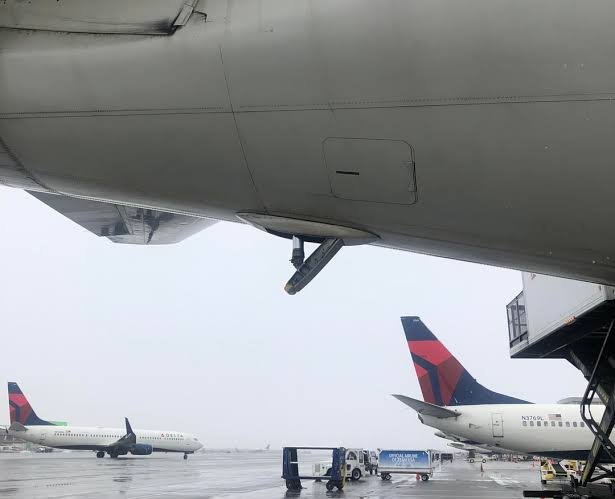
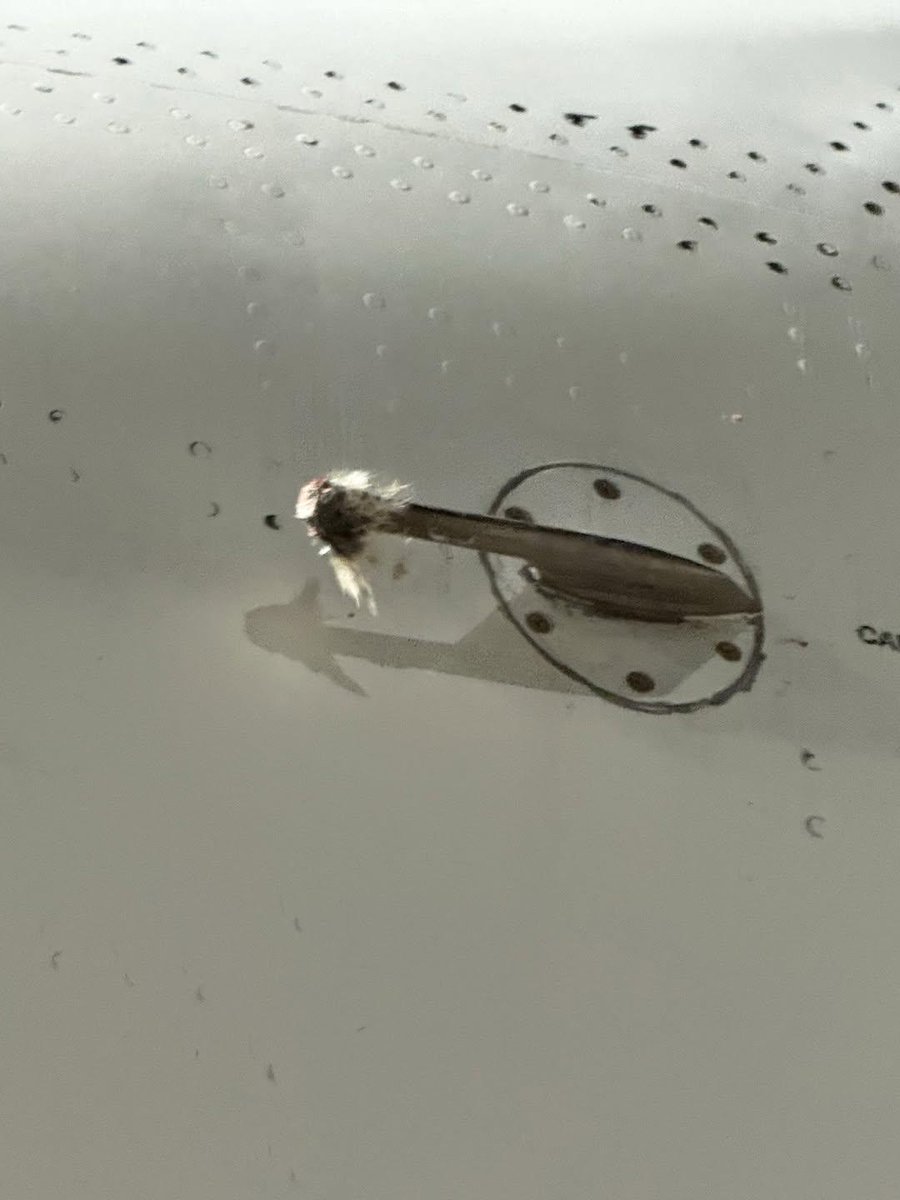
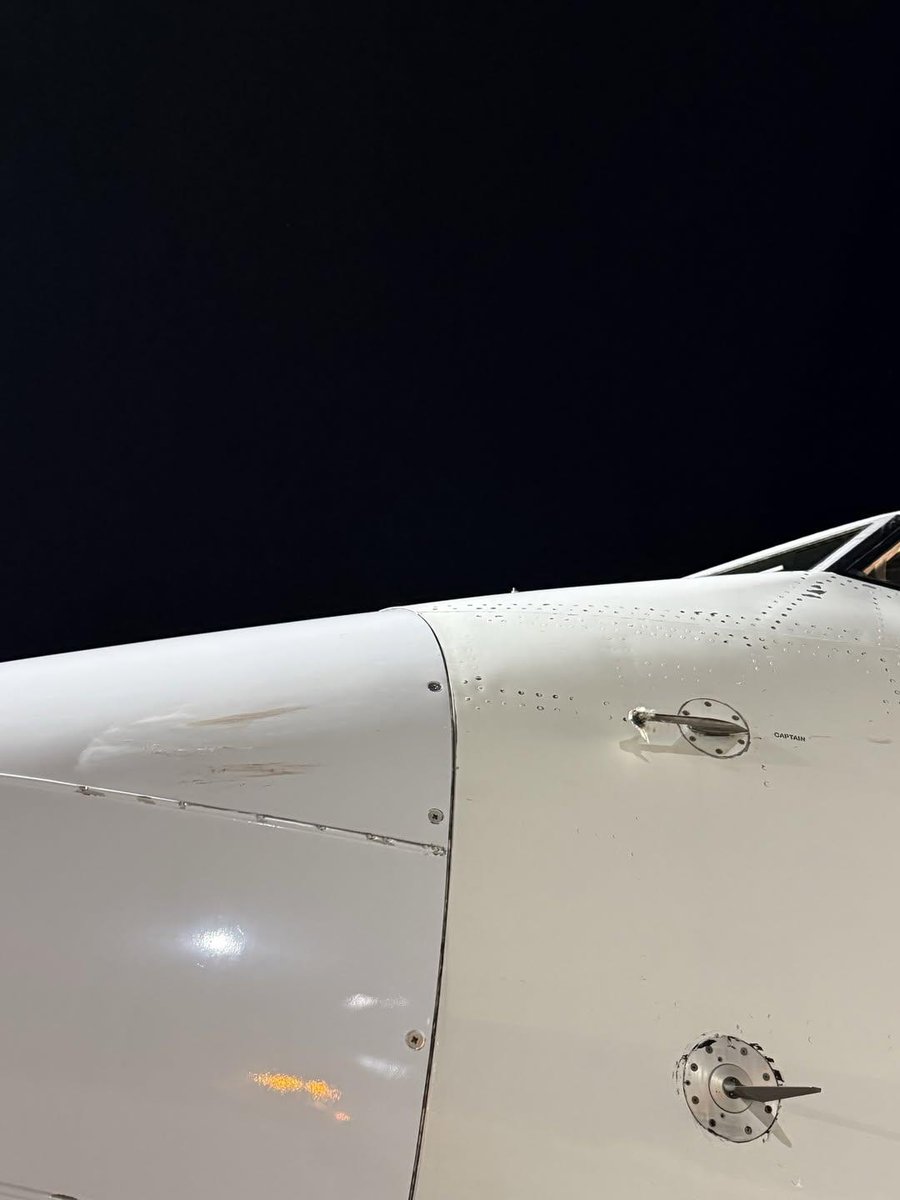
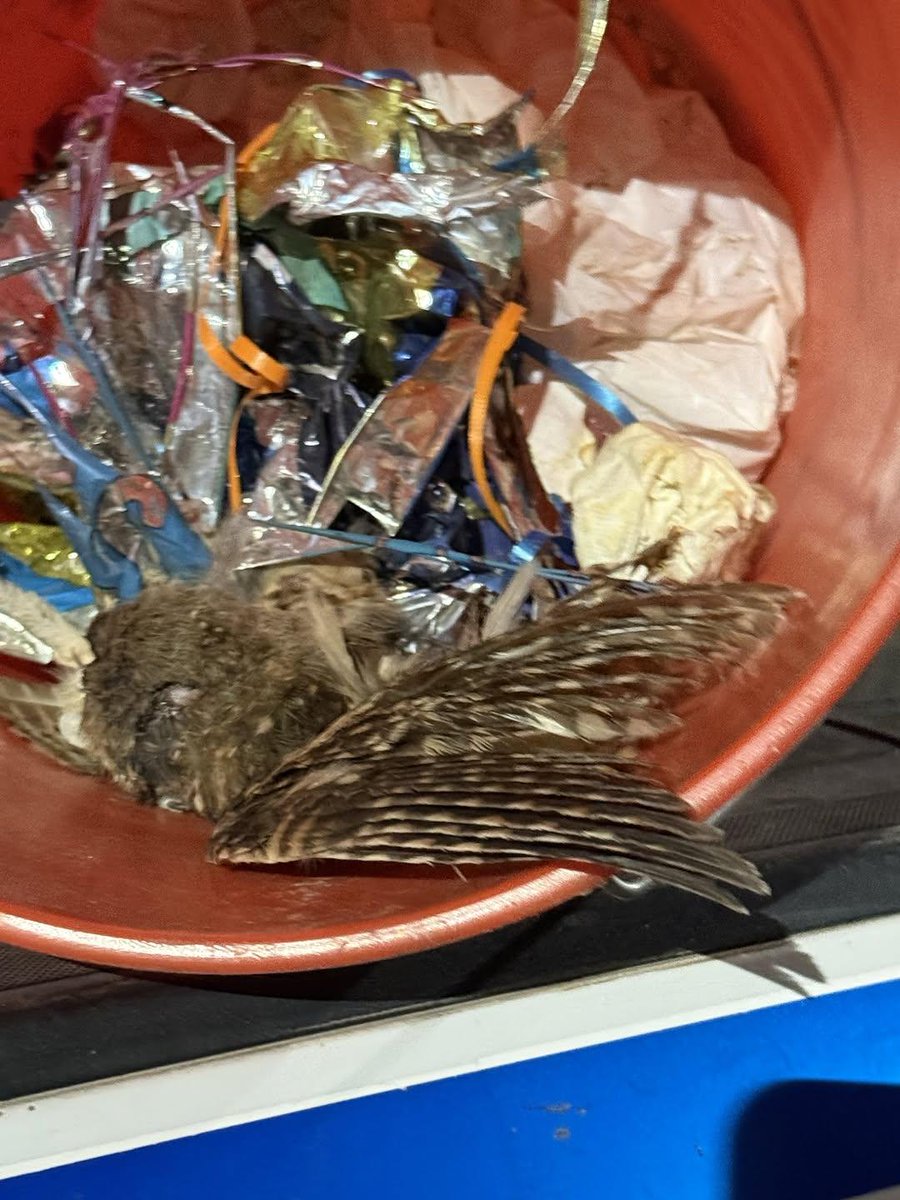
A bird strike on a pitot tube is more than just visible damage. It can compromise one of the aircraft's most critical sources of flight data.
The dent or scratch is sometimes the least concerning part. The real risk is what you cannot see.
At landing speeds, a bird strike can force feathers, tissue, blood, and bone fragments deep into the pitot tube's pressure inlet and drain holes. If the exterior is simply cleaned and the aircraft is returned to service, the next crew could be facing unreliable airspeed indications shortly after takeoff.
This is why maintenance procedures are strict.
A pitot probe has a main pressure inlet at the tip and small drain holes further aft. Debris can become trapped inside the probe or its internal passages without any visible signs during a walkaround inspection.
As the aircraft climbs and temperatures drop, trapped moisture or organic material can freeze, blocking the pressure signal. The result can be inaccurate airspeed data at a critical phase of flight.
So maintenance goes far beyond cleaning the outside. The approved procedure requires an internal inspection, flushing of the system where applicable, and a pitot-static system leak test using certified air data test equipment before the aircraft is released.
We do not return a system to service because it looks clean. We return it to service because it's been tested and found satisfactory.
Jun 16

Bird strike found on landing today . Hit on Pitot tube.. dangerous if not cleaned properly (wrong airspeed readings).
1
5
598