We are the first open-access Chinese education research journal in English, publishing impactful and cutting-edge education research in China and the world.
Joined April 2018
- Tweets 2,110
- Following 447
- Followers 1,245
- Likes 1,162
828 Photos and videos

ECNU Review of Education retweeted
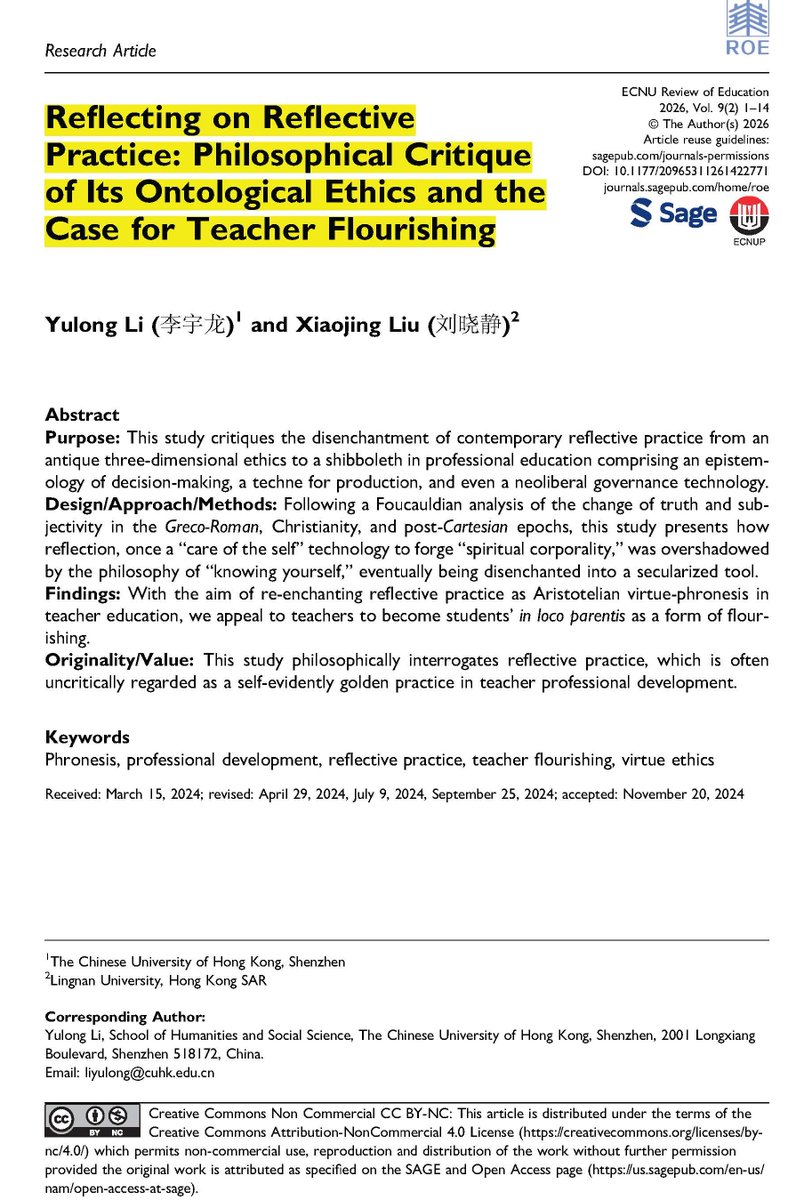
We love reflective practice, but when it becomes just a technique, has it lost its soul?
This ROE article by Yulong Li @CUHKofficial and Xiaojing Liu @lingnanuni brings back old wisdom: helping teachers grow as caring, wise people, not just skilled workers.
2
2
4
ECNU Review of Education retweeted

Jun 11
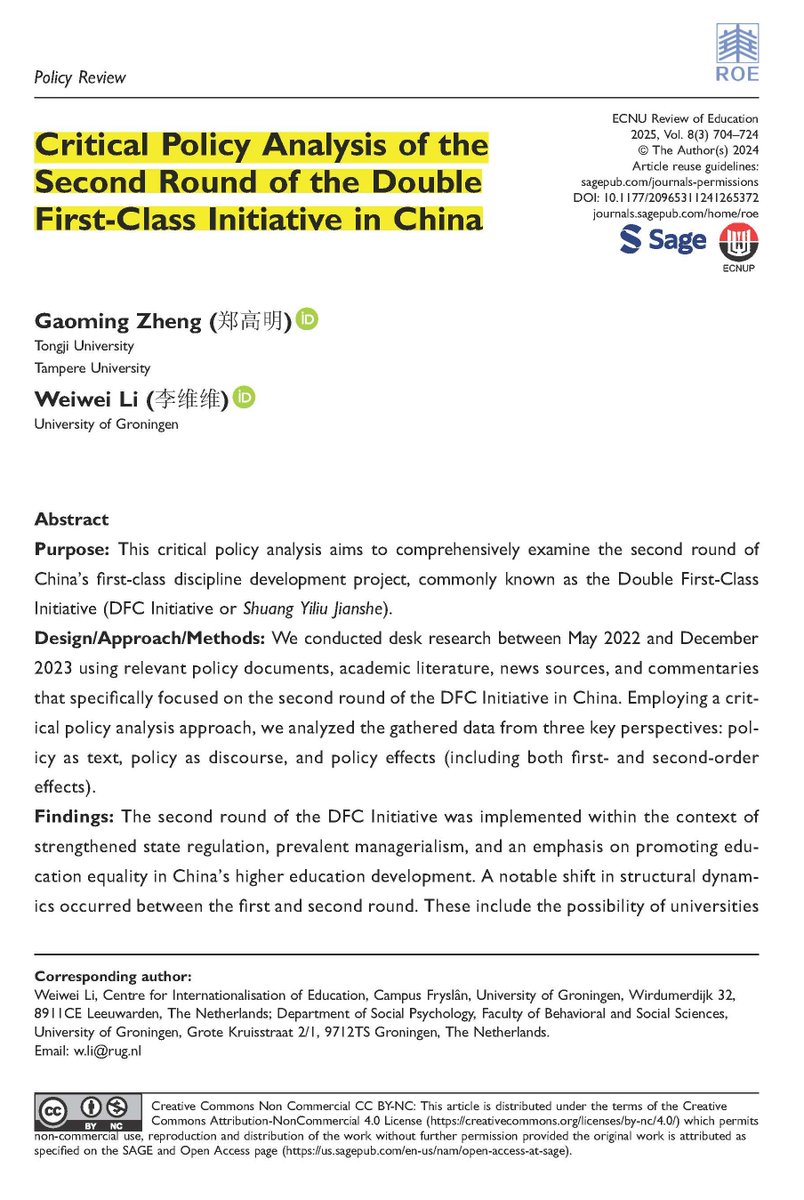
How is China redesigning its world-class universities?
An ROE study by Gaoming Zheng and Weiwei Li @Weiwei_Lii reveals shifts in China's Double First-Class project: Elite schools may be added or removed, gain autonomy, and aim higher globally.
2
2
7
Jun 10
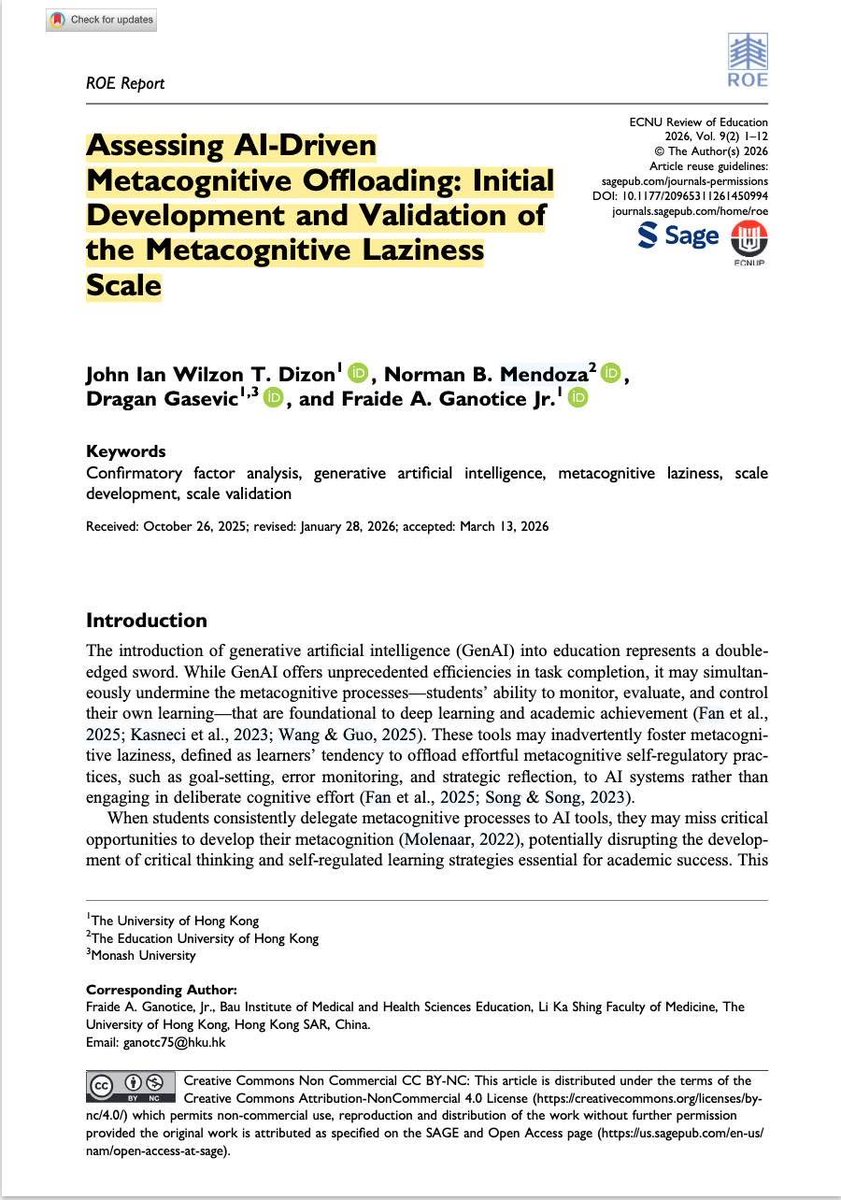
Thank you for highlighting our recent article on AI offloading and metacognitive regulation.
While much of the current discussion focuses on the opportunities of AI in education, this study draws attention to a critical question: How can educators identify when AI use begins to replace, rather than support, students’ thinking?
By developing and validating the AI Offloading Scale, the authors aim to provide researchers and educators with an instrument to better understand this emerging phenomenon.
What strategies do you think schools and teachers should adopt to foster productive AI use while maintaining students’ metacognitive engagement?
Read the article here: doi.org/10.1177/209653112614…
#ArtificialIntelligence #EducationResearch #Metacognition #GenAI #EdTech

A scale that catches AI offloading before it hardens!
Tina Austin shared this study and I'm glad she did. It lines up with a lot of what I've been posting here, but it adds something the conversation has been missing.
We already know the problem. Fan et al. named it back in 2025: metacognitive laziness, the habit of handing your thinking off to AI when you should be doing the goal-setting, the self-checking, the reflection yourself.
Dizon et al. (2026) take the next step. They built an actual scale teachers can use to spot the early signs in students, then step in before the AI-dependent pattern gets entrenched.
That second part is what makes this useful. Plenty of studies name a problem. Far fewer hand teachers a tool to detect it early enough to do something about it.
Dizon et al.'s scale correlated strongly with student disaffection, both the behavioral and the emotional kind, but had basically no relationship with engagement.
In other words, a student offloading their thinking to AI isn't just engaging a little less. They're actually withdrawing. They go quiet and check out.
Accordingly, AI offloading doesn't simply lower enthusiasm.; It pushes students toward genuine withdrawal. Old-school work avoidance was about doing less. This looks like something more corrosive.
It's an early validation study, small and single-site, so I'd hold the causal claims loosely. We don't yet know if AI use weakens metacognition or if students who already struggle are just more drawn to offloading.
Still, this is a real contribution. A detector is only step one though. What we do with the signal is pedagogy, and that part is on us.
2
3
70
ECNU Review of Education retweeted
One teacher, many grades, no training. That's the reality in Zimbabwe's satellite schools.
This ROE study by Wonder, Godfrey, and Efiritha @MidlandsState @zeguonline proposes a practical model to bridge theory and practice for teachers facing mixed classrooms.
2
3
14
ECNU Review of Education retweeted
Math teachers in China and Canada learned together for seven years.
In this ROE study, Shu Xie and colleagues @NENU1946 @UofT trace a China-Canada project where understanding context turns difference into shared growth.
Real growth means moving from knowing to cocreating.
3
3
35
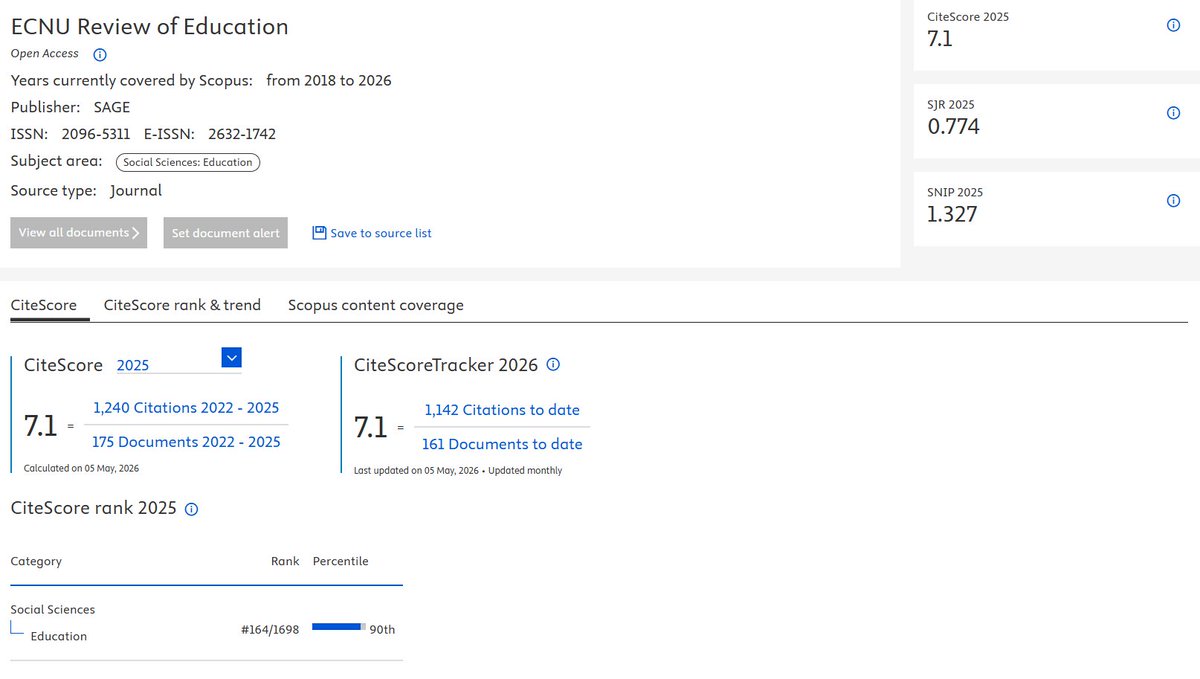
🎉Big news! ROE just jumped into the top 10% of education journals worldwide.
CiteScore is now over 7.0 — up from 5.7 last year. Thanks to our authors, reviewers, and readers.
We're thrilled to keep sharing research that matters for education.
2
6
401
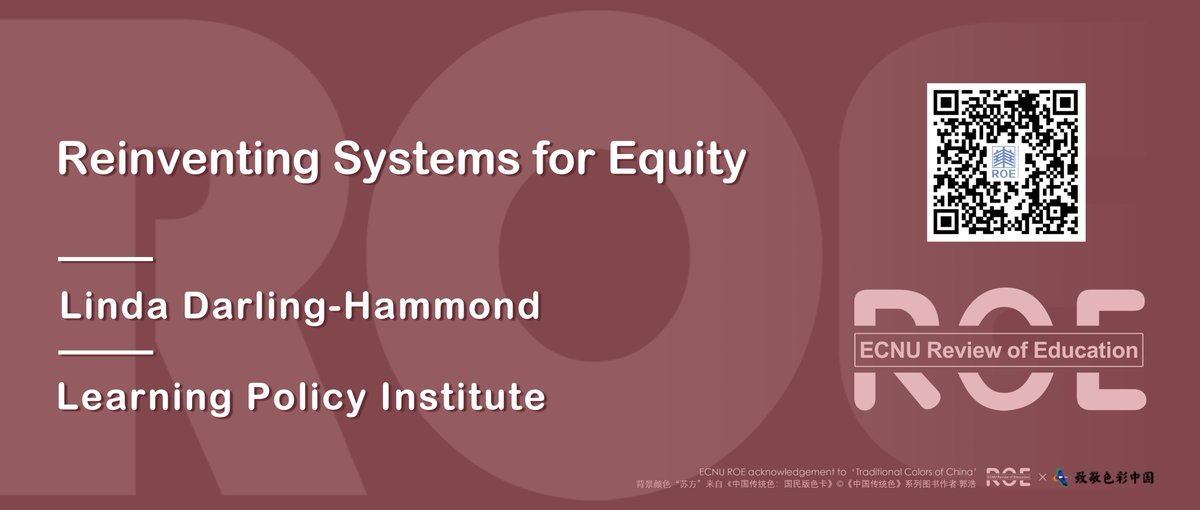
How can we reinvent schools for equity?
This ROE study by Linda Darling-Hammond @LDH_ed @LPI_Learning argues for student-centered, culturally responsive education that supports the whole child.
Read more: doi.org/10.1177/209653112412…
1
2
223
May 31
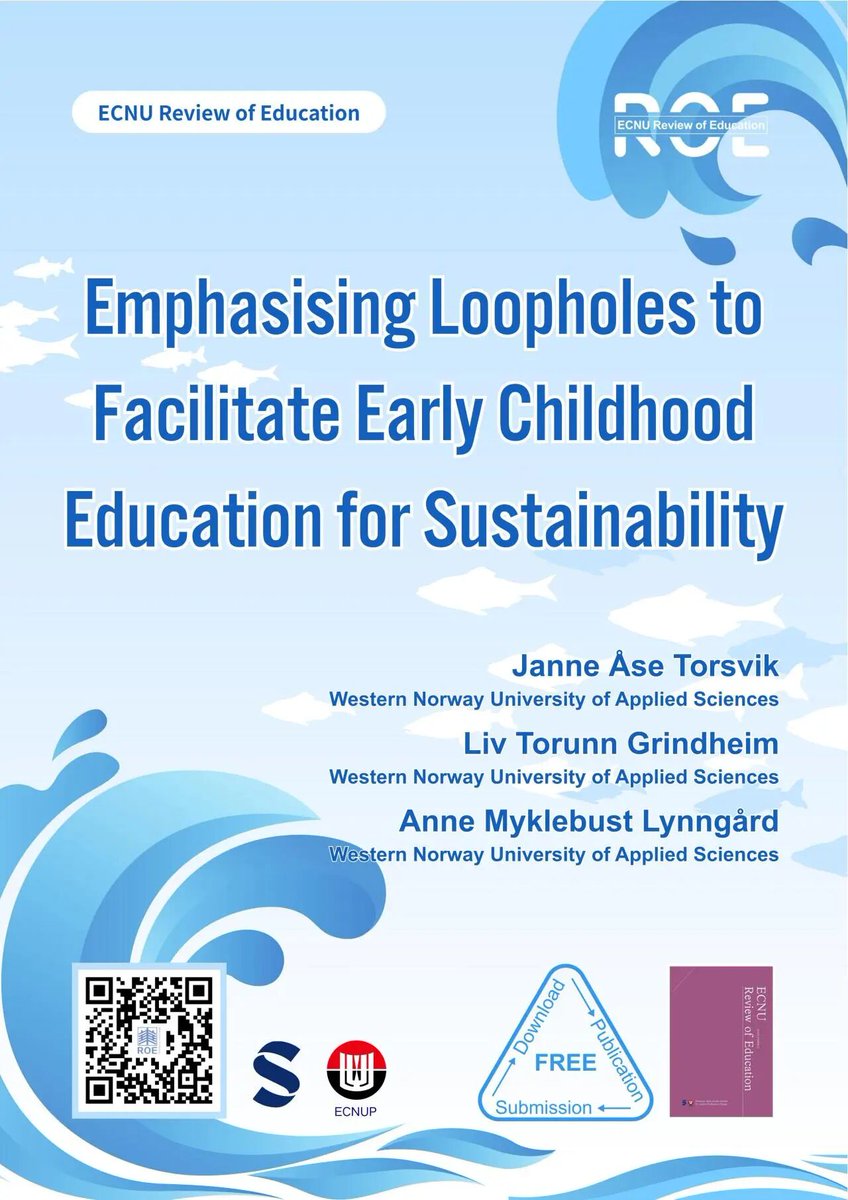
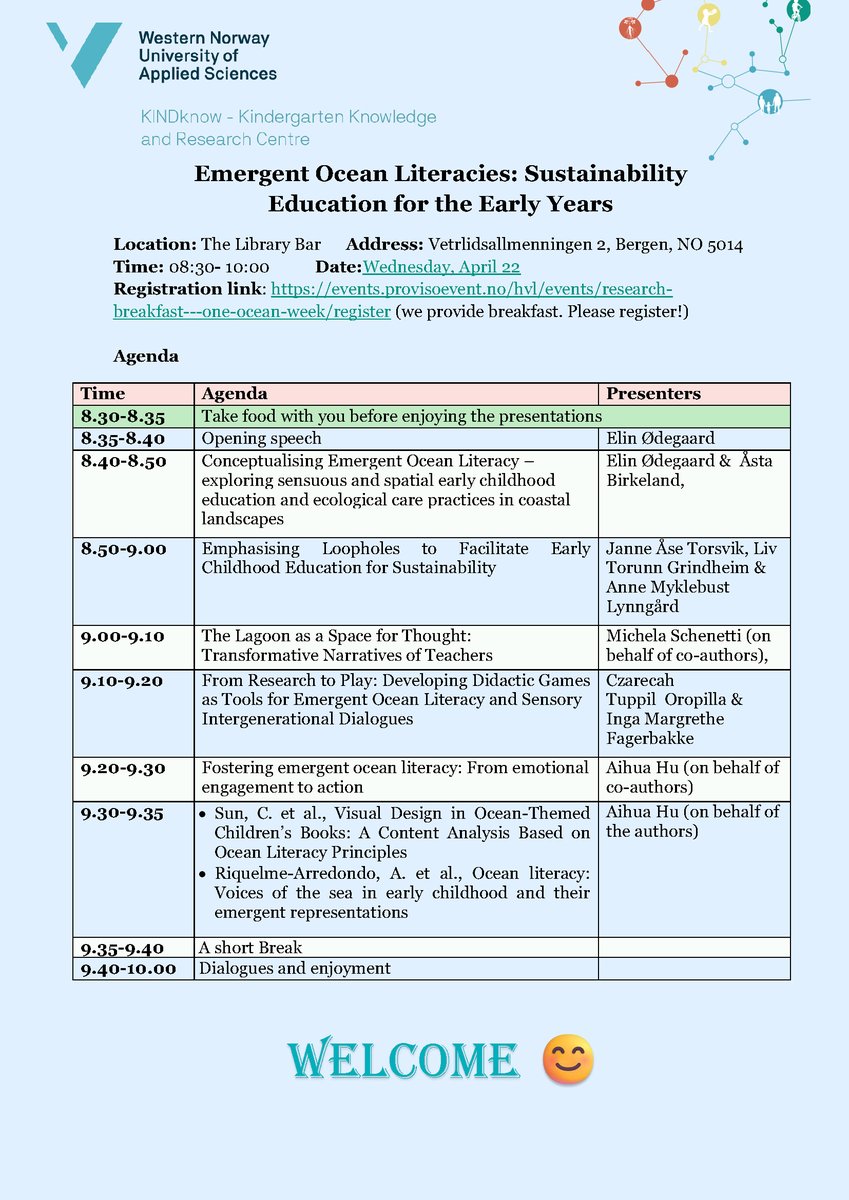
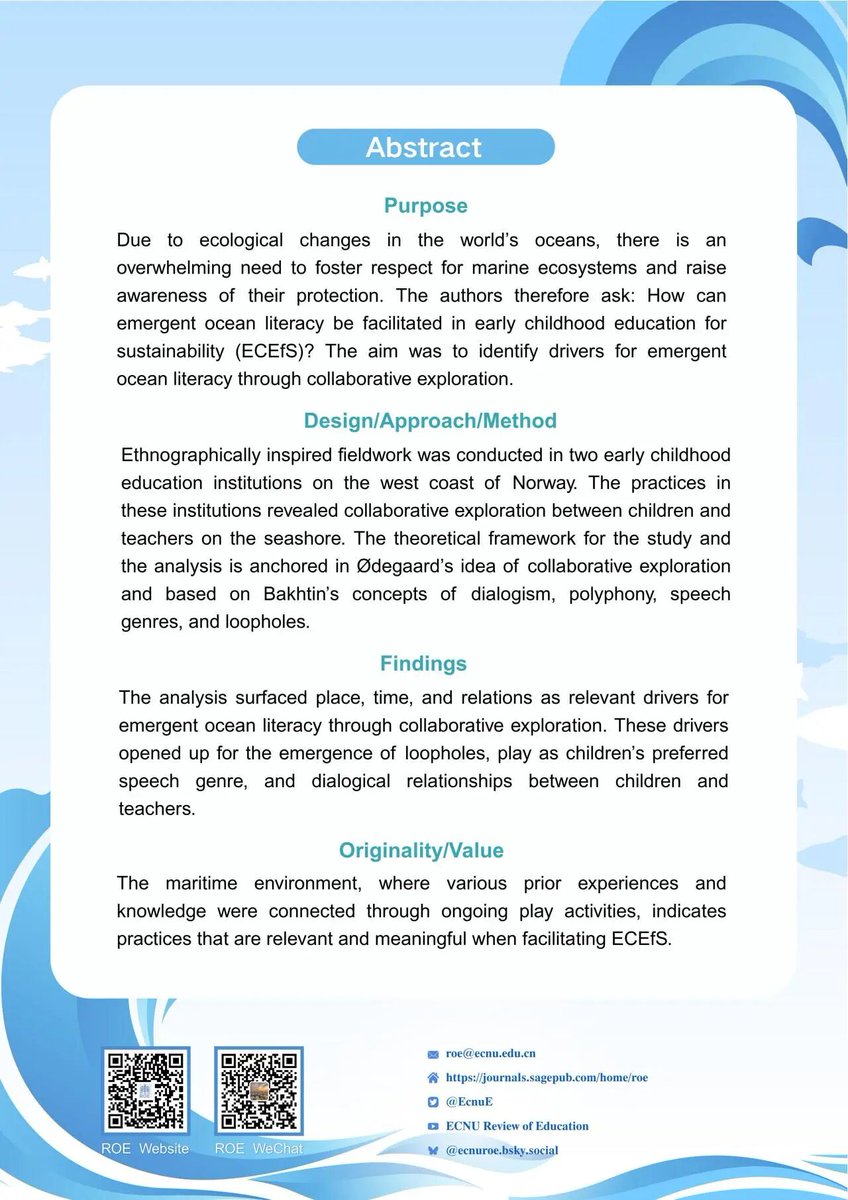
How do young kids learn to care for the ocean?
This ROE study by Torsvik and colleagues @HRehablab follows Norwegian children and teachers exploring the seashore together.
Play and curiosity create "loopholes" that turn beach time into real learning.
doi.org/10.1177/209653112614…
#UNESCO #Post2030Education #UNOceanDecade
3
5
453
ECNU Review of Education retweeted
May 31
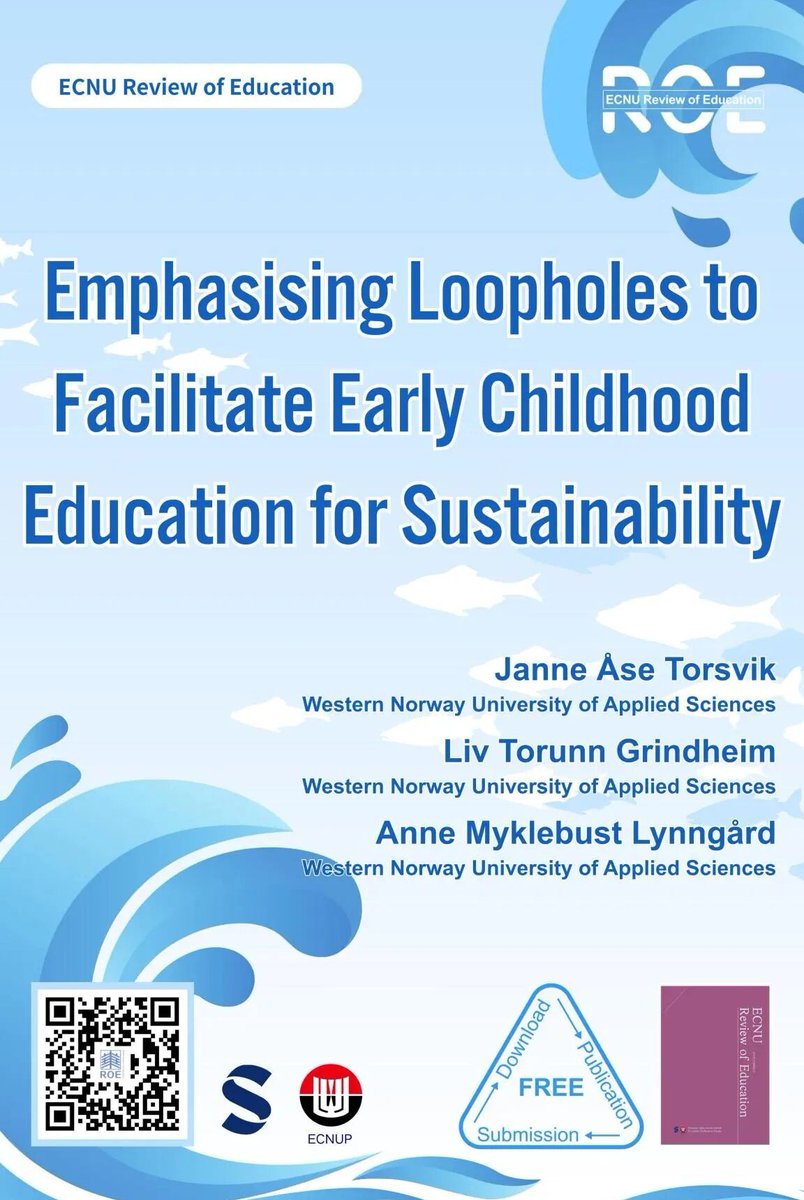
How do young kids learn to care for the ocean?
This ROE study by Torsvik and colleagues @HRehablab follows Norwegian children and teachers exploring the seashore together.
Play and curiosity create "loopholes" that turn beach time into real learning.
1
5
59
599,194
ECNU Review of Education retweeted
May 31
What if school focused less on beating others and more on finding your unique greatness?
That’s what Prof. Yong Zhao @YongZhaoEd and Ruojun Zhong @EducationYee propose in this ROE article.
Human interdependence over meritocracy.
7
19
140,865
ECNU Review of Education retweeted
May 31
This ROE study reopens Fukuyama's "End of History" @FukuyamaFrancis with an AI twist, by Yilei Shao @ECNUER.
Technology is racing ahead while governance lags.
So education has to act as new infrastructure for a world run by humans and machines together.
3
25
190,676
ECNU Review of Education retweeted
May 31
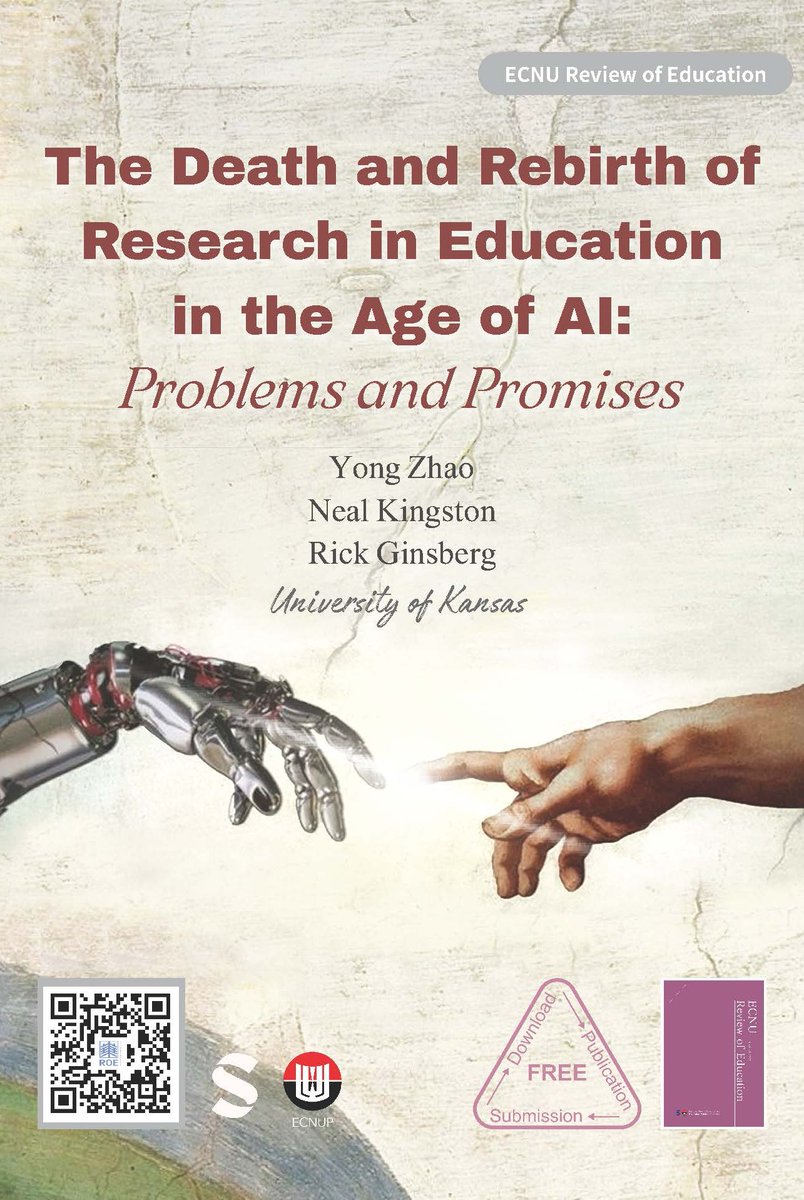
AI is shaking up how we do research.
Yong Zhao @YongZhaoEd, Neal Kingston & Rick Ginsberg @RickGinsberg @KUSOEHS explore the death of old methods and a rebirth with new tools, pluralism, and ethical thinking.
1
6
21
161,743
ECNU Review of Education retweeted
May 30
Most school reforms want every kid to be the same.
But Ruojun Zhong @EducationYee & Yong Zhao @YongZhaoEd, in this ROE research, offers a smarter way: shared foundations plus personal passions.
A double-helix for real learning.
6
17
217,471
ECNU Review of Education retweeted
May 30
What if multicultural education didn't copy Western ideas?
In this ROE study, Lisa Yiu @Stanford looks at a middle school in Chinese Taiwan, where teachers use harmony, fairness, and whole-person growth to help diverse students thrive together. A fresh, East Asian take.
6
20
153,192
ECNU Review of Education retweeted
May 30
Too much pressure from school and extra classes?
China tried a bold fix. This ROE research examines the "double reduction" policy—its early wins and tough hurdles, by Licui Chen & Shuangmu Lin @ZJU_China.
A rare look at real reform. Read it.

9
14
210,654
ECNU Review of Education retweeted
May 30
Can teacher training really improve how teachers interact with young kids?
This study by Chunhong Han and colleagues @ECNUER @BNU_1902 @CUHKofficial ran a randomized trial in Shanghai.
The result: better emotional and instructional support in classrooms. Evidence that works.
1
22
52
382,830
May 25
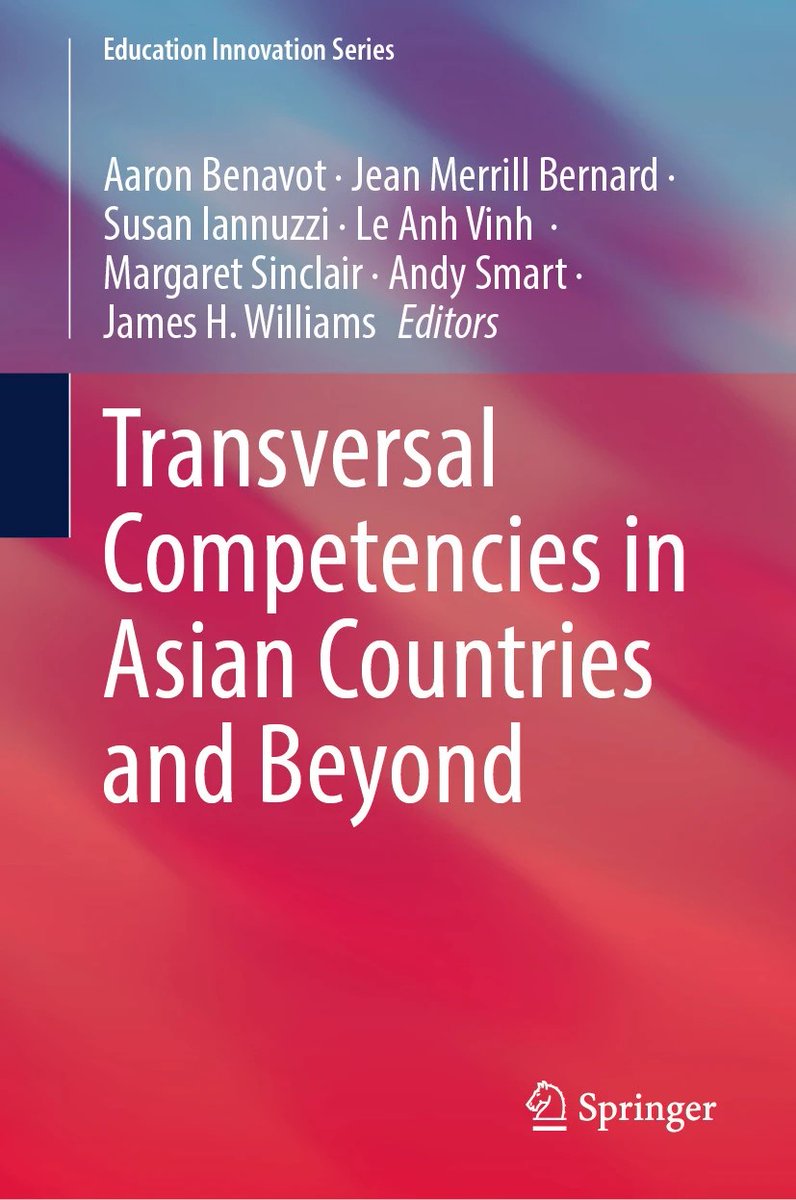
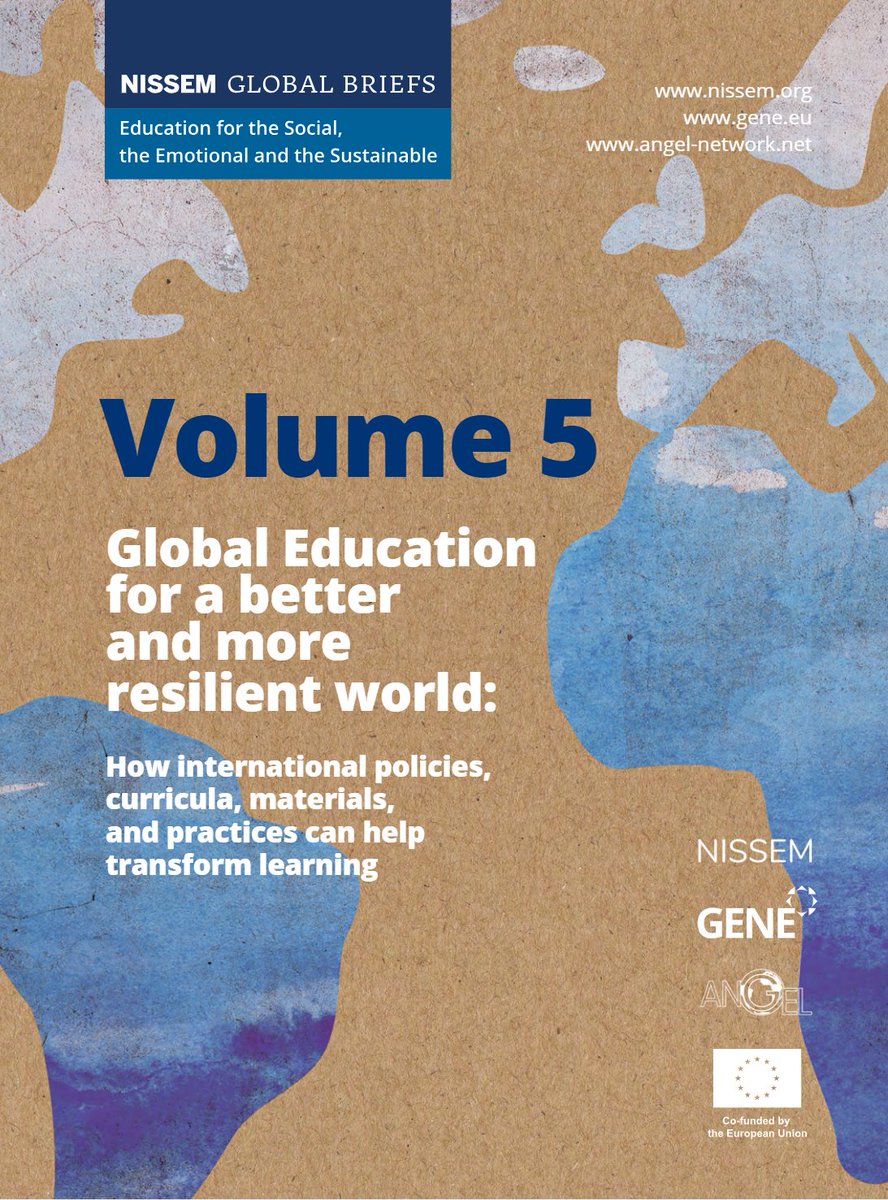
📣Congratulations to Aaron Benavot @BenavotAA & colleagues on two new books exploring how education can build key competencies and support more resilient futures.
Read more:
1⃣link.springer.com/book/10.10…
2⃣nissem.org/news-and-events/l…
1
2
177
ECNU Review of Education retweeted
May 20
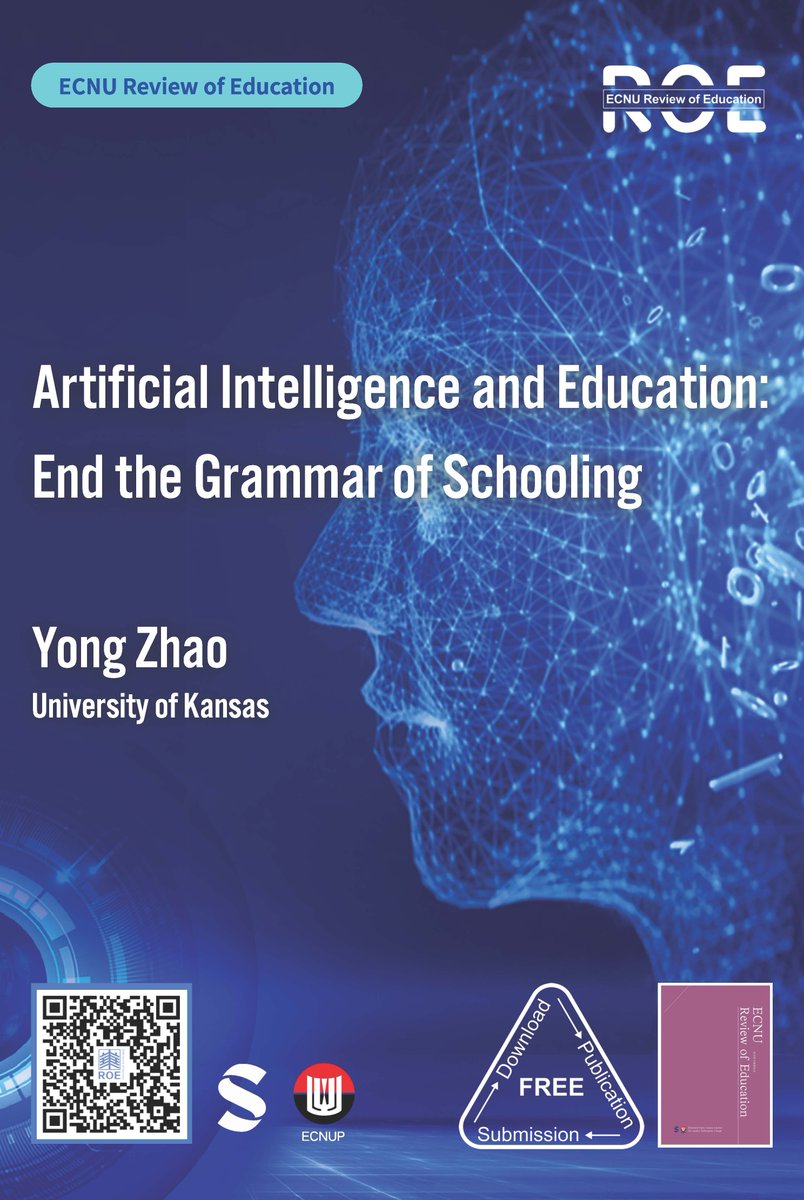
Most AI talk tries to fit new tech into old school rules.
This ROE study by Prof Yong Zhao @YongZhaoEd says: stop that. Imagine education built around student-driven learning and real problems instead.
No more one-size-fits-all.
6
23
168,977
ECNU Review of Education retweeted
May 19
Smart classrooms promise better learning, yet this ROE study by Yahui Chang et al. finds a hidden cost @SNNUChina @waynestate.
Constant digital monitoring can make students perform, crush real interaction, and silence their voices.
Technology isn‘t always a friend to curiosity.

1
5
20
240,222