
(She/Her) Climate activist, Woman, Feminist.
Joined July 2024
- Tweets 831
- Following 269
- Followers 203
- Likes 490
195 Photos and videos




Jan 22
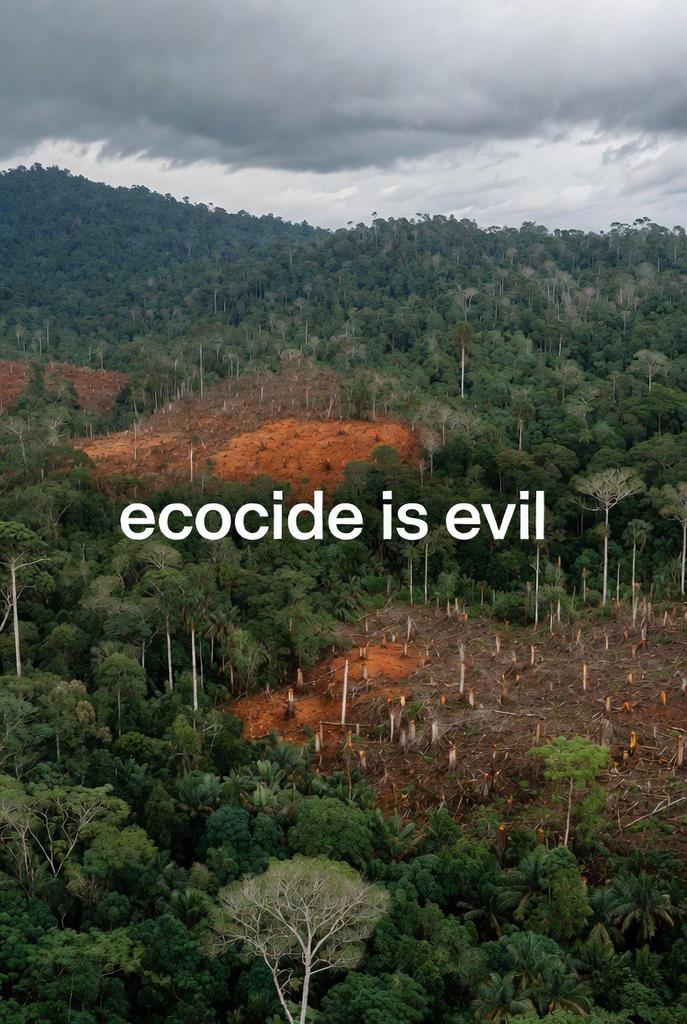
This ecocide drives ~12% of GHG emissions, turning record heat today into unlivable zones tomorrow.
We must enforce environmental laws✊🌳
#StopEcocide #ClimateAction

Brazil lost 1.8M hectares in 2024; Indonesia 200K. Global rate: 10M hectares/year. Ecocide fuels 12-15% of GHG emissions. Now: Rising temps. Future: Unlivable zones. Time to reforest & enforce laws! Who's with me? #StopEcocide
1
489
Jan 20
It's disgusting to treat these animals like this.
Horses are so willing if cared for properly.

Horses Are NOT Our Slaves! 😡
Tourists, it is very easy to stop this abuse ~ #DontBuyATicket! If you do YOU are COMPLICIT to their ABUSE!!
34
Jan 17
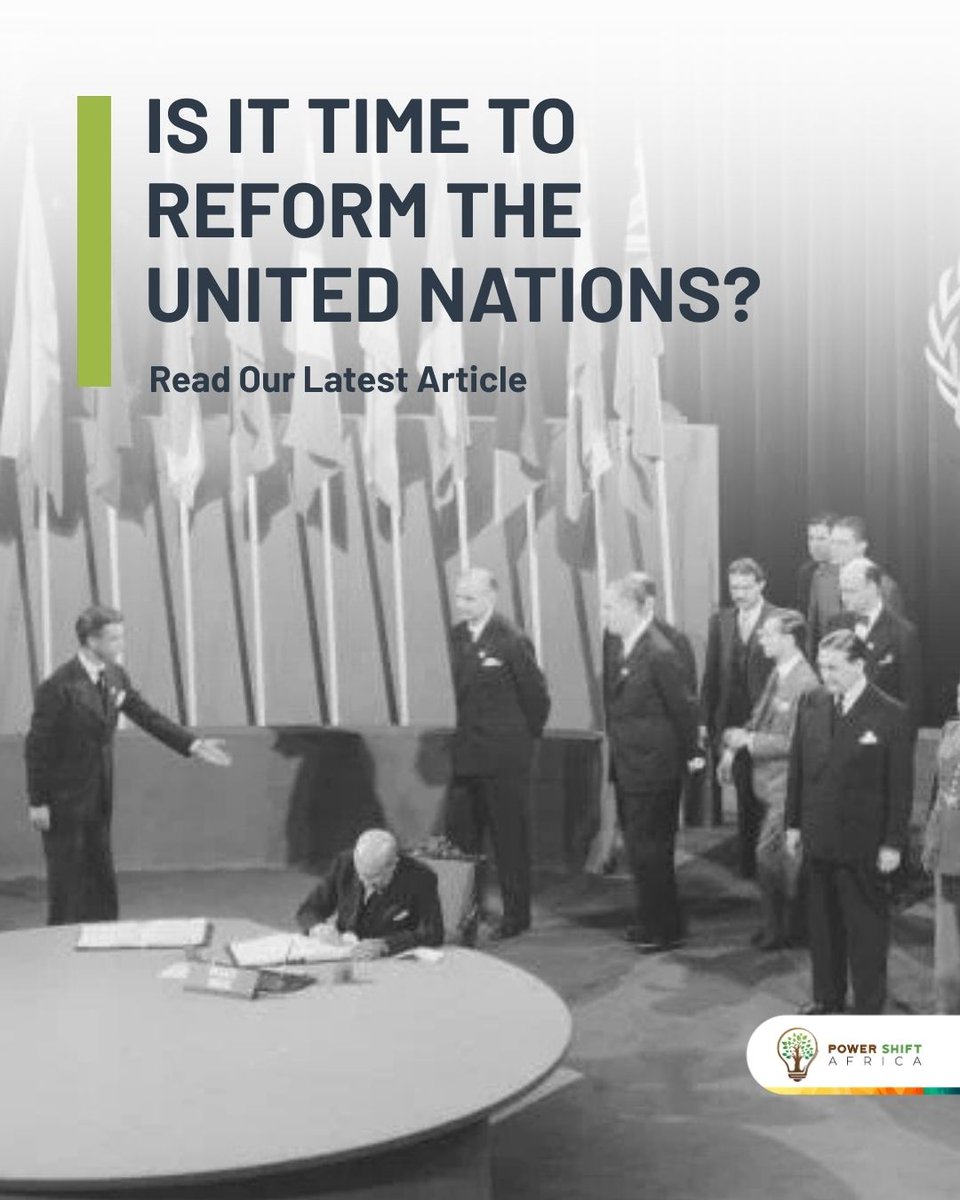
The #UN definitely needs some changes because of recent and not-so-recent events in the world. The climate crisis, economy, and constant tension that is escalating day by day need to be addressed before something truly horrible happens.

IS IT TIME TO REFORM THE UNITED NATIONS?
War is escalating. The climate crisis is accelerating. Inequality is widening.
Yet the world’s most powerful global institution is still operating on a 1945 playbook.
As conflicts drag on and climate impacts deepen, the United Nations is facing a reckoning over relevance, representation, and its ability to act.
Is the UN still fit for today’s crises, or is reform no longer optional but existential?
Read more in our latest article.
powershiftafrica.org/in-the-…
187
Eco Pulse🌱 retweeted

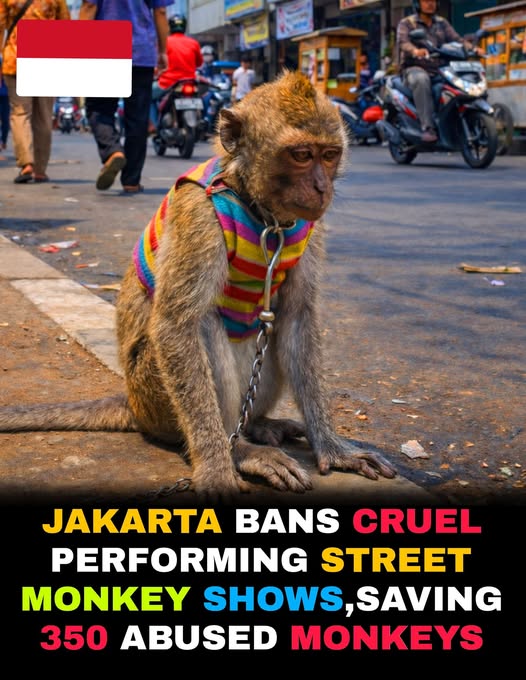
🐒 💔 JAKARTA BANS CRUEL STREET MONKEY SHOWS 💔🐒
Jakarta has officially banned street performances involving masked Macaques after years of concern over animal cruelty and disease risks.
The city government announced it will buy back the Monkeys for about $90 each, provide vocational training for former handlers, and relocate the rescued animals to Ragunan Zoo, where they can receive proper care.
Animal rights groups have long exposed the abusive training methods, poor living conditions, and serious health issues faced by these Monkeys. Around 350 macaques were estimated to be used in these performances across Jakarta.
This decision marks a powerful step toward compassion, public health, and animal welfare — proving that progress means protecting the most vulnerable. 🐾❤️
References:
BBC... Jakarta's ban on dancing Monkeys.
The Guardian... Jakarta moves to enforce ban on performing street Monkeys.
72
1,090
3,595
27,129
Eco Pulse🌱 retweeted

Jan 12
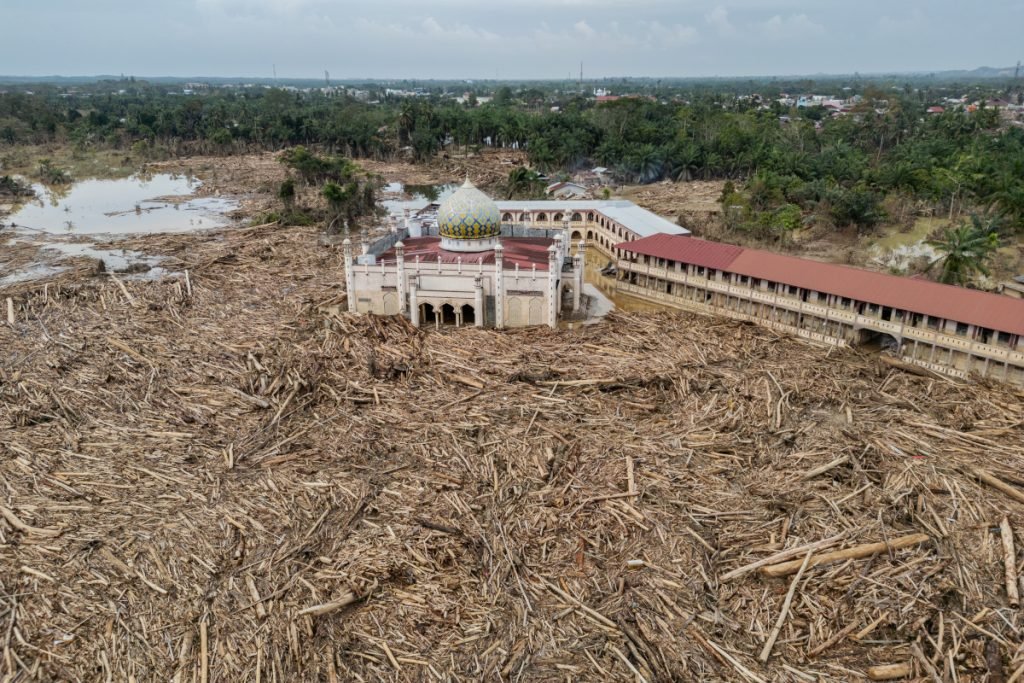
Made worse by deforestation millions of acres
Mega Senyar cyclone that hit Indonesia in November brought heavy rains and caused devastating floods and landslides that displaced an estimated 3.3 million people and resulted in more than 1,030 deaths
therevelator.org/photo-essay…
8
65
98
1,667

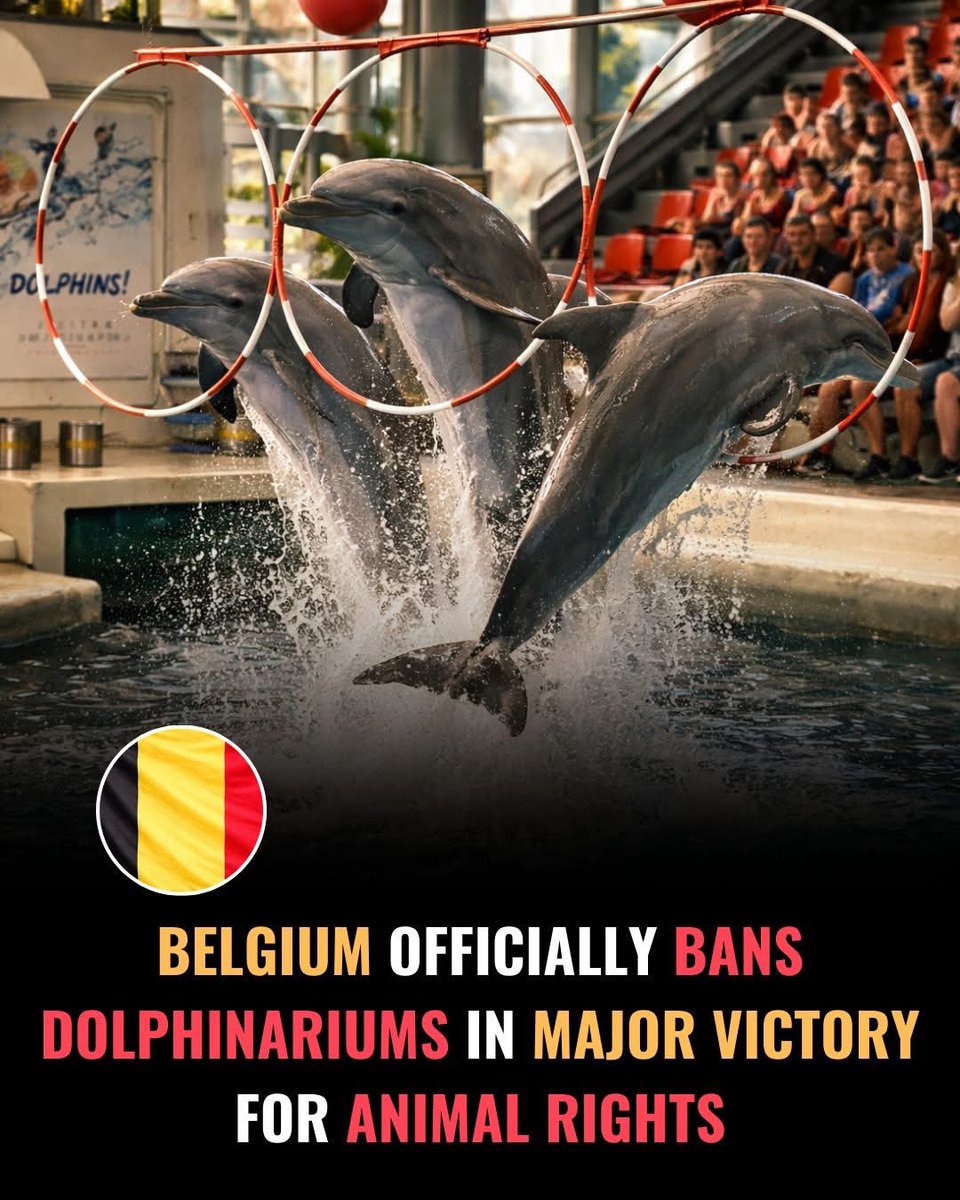
Jan 8
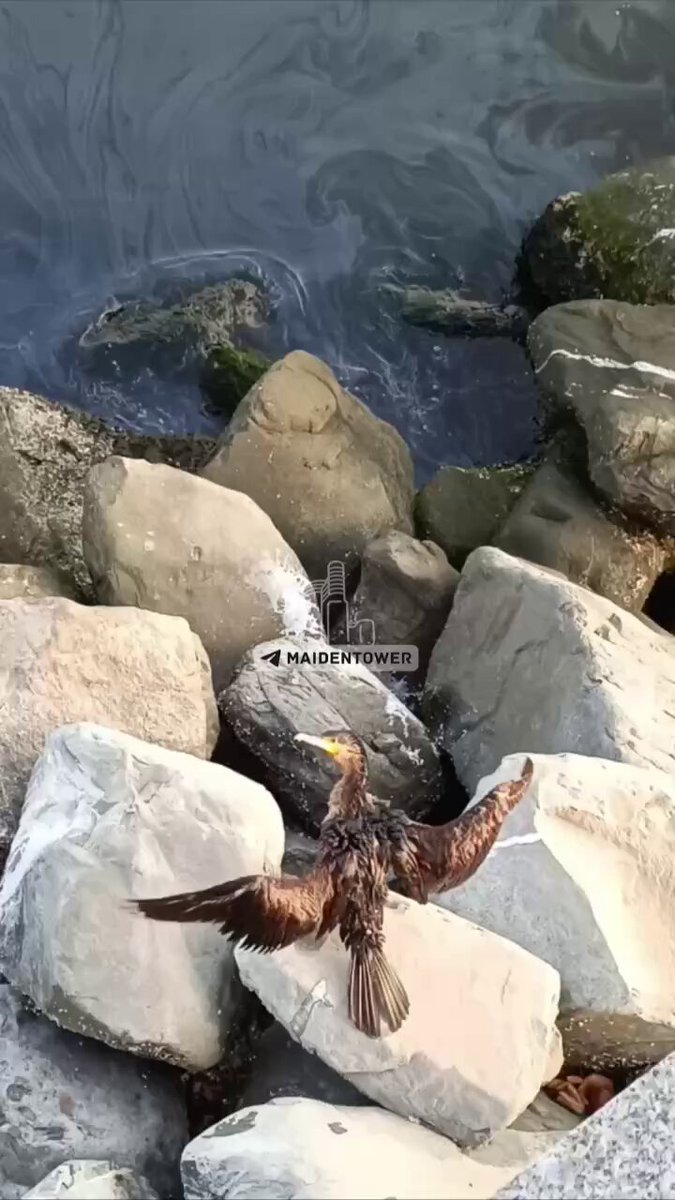
We have all the technology to prevent this kind of pollution, and this is just a small example. But most importantly, we need to educate people from kindergarten to stop them dropping their rubbish everywhere in the future.

332
Jan 6
Oil has always been a tool for economic pressure.
The Trump administration has taken it to another level, using oil to make other countries do whatever will be beneficial for Trump's money and rating.
And he'll definitely do everything to keep oil as relevant as possible.
What is an oil quarantine?
According to US Secretary of State Marco Rubio, an oil quarantine means cutting off a country’s ability to sell oil so that its economy “cannot move forward” until conditions aligned with US national interests are met.
In other words, oil becomes a tool of economic pressure, used to force political outcomes.
Let’s be clear about where we stand.
We oppose oil expansion, everywhere. Fossil fuels are driving the climate crisis, locking countries into volatile economies and deepening environmental and social harm.
But we also oppose the weaponisation of oil through economic coercion.
An oil quarantine is not climate action and it is not a just transition. It does not dismantle fossil fuel dependence or create pathways to clean energy. Instead, it punishes ordinary people, destabilises economies, and reinforces the same extractive power dynamics that created the climate crisis in the first place.
321
25 Dec 2025
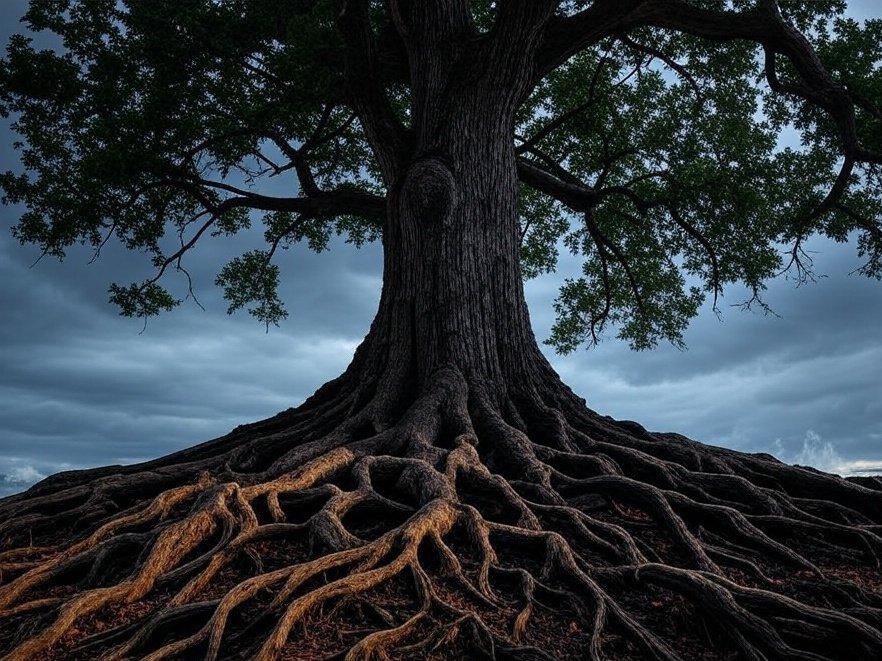
This is just one tree among hundreds of thousands being cut down by corporations, each loss part of a much larger, devastating pattern of forest destruction happening every day. #Indonesia
25 Dec 2025

One of the trees that is no longer with us this year.
📍Sumatra, Indonesia
4
462
24 Dec 2025
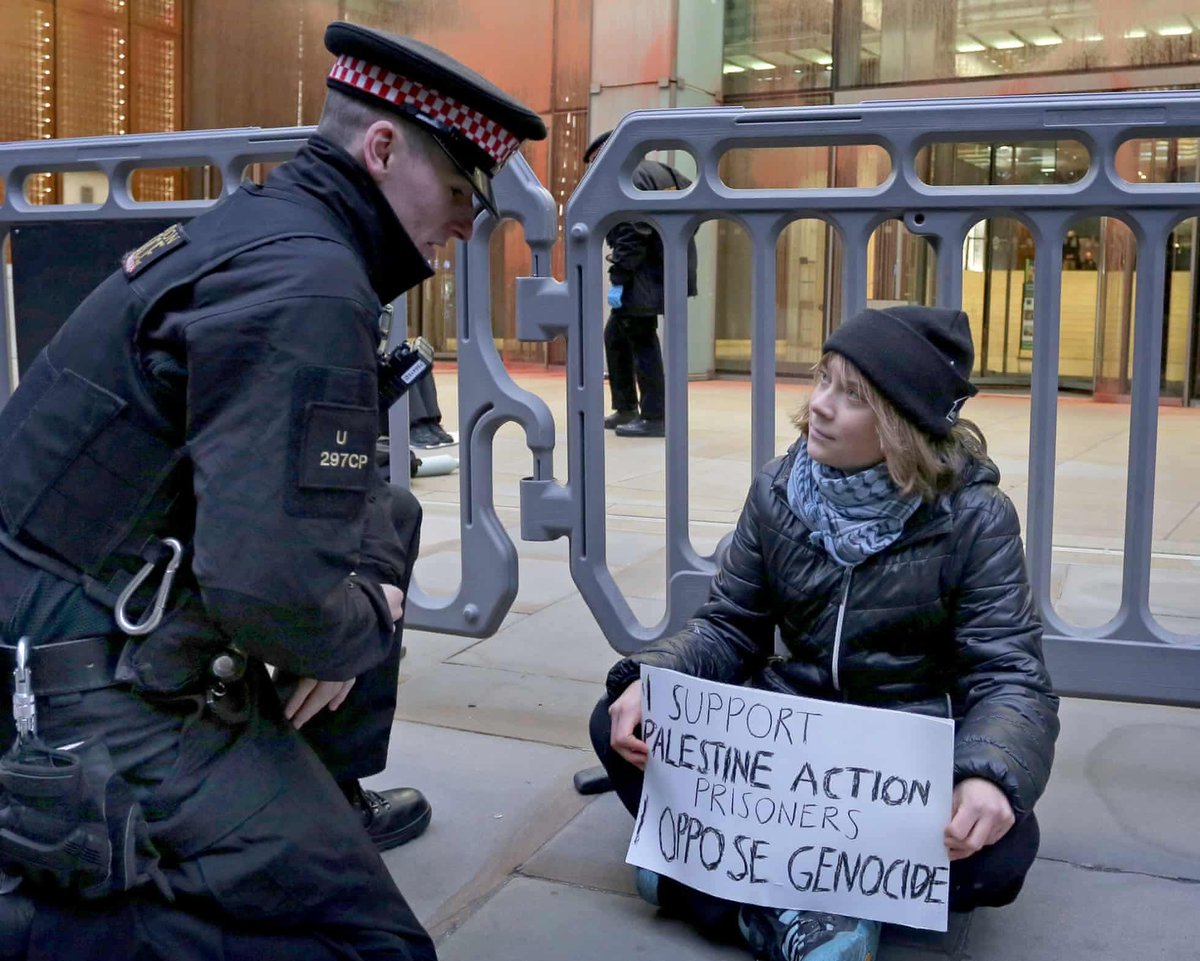
🤔Always wondered if this was originally the goal they were chasing when joining the police:
"When I grow up I want to save my city from peaceful protesters."
#FreeGretaThunberg #FreePalentine
13
24 Dec 2025
💚 Love to see this type of organisation succeed.
🌟By the end of 2026, I hope to see many more yellow dots on the map.
🙌 GO @PowerShftAfrica!
3
Eco Pulse🌱 retweeted

20 Dec 2025
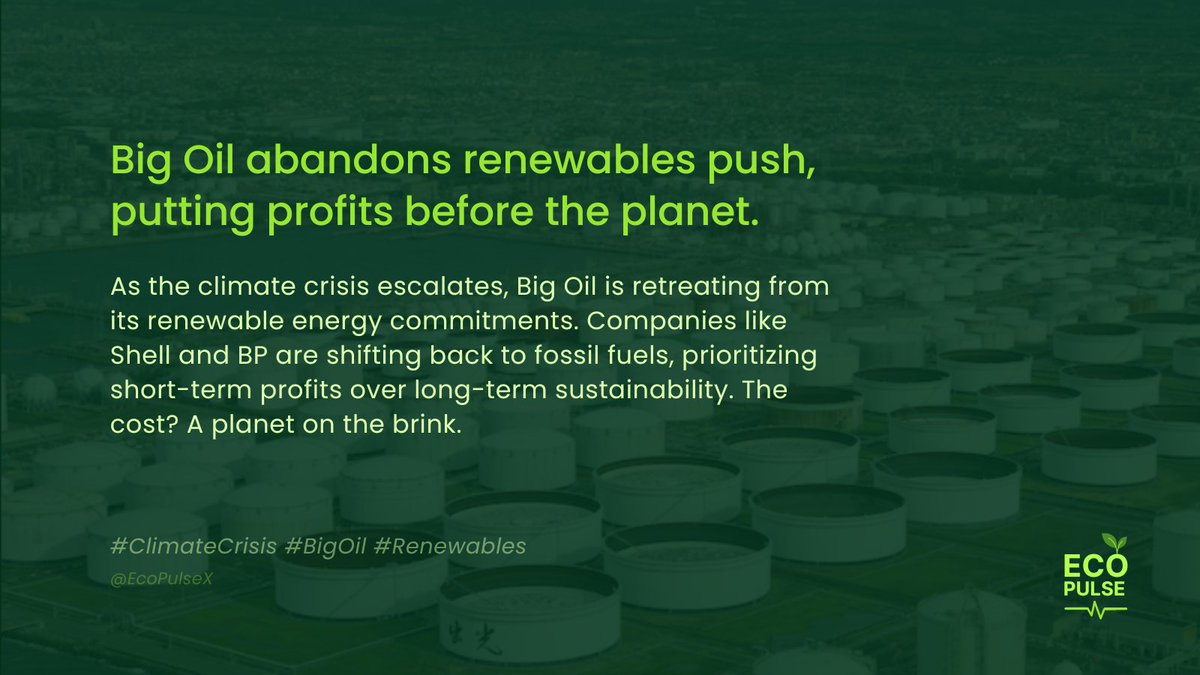
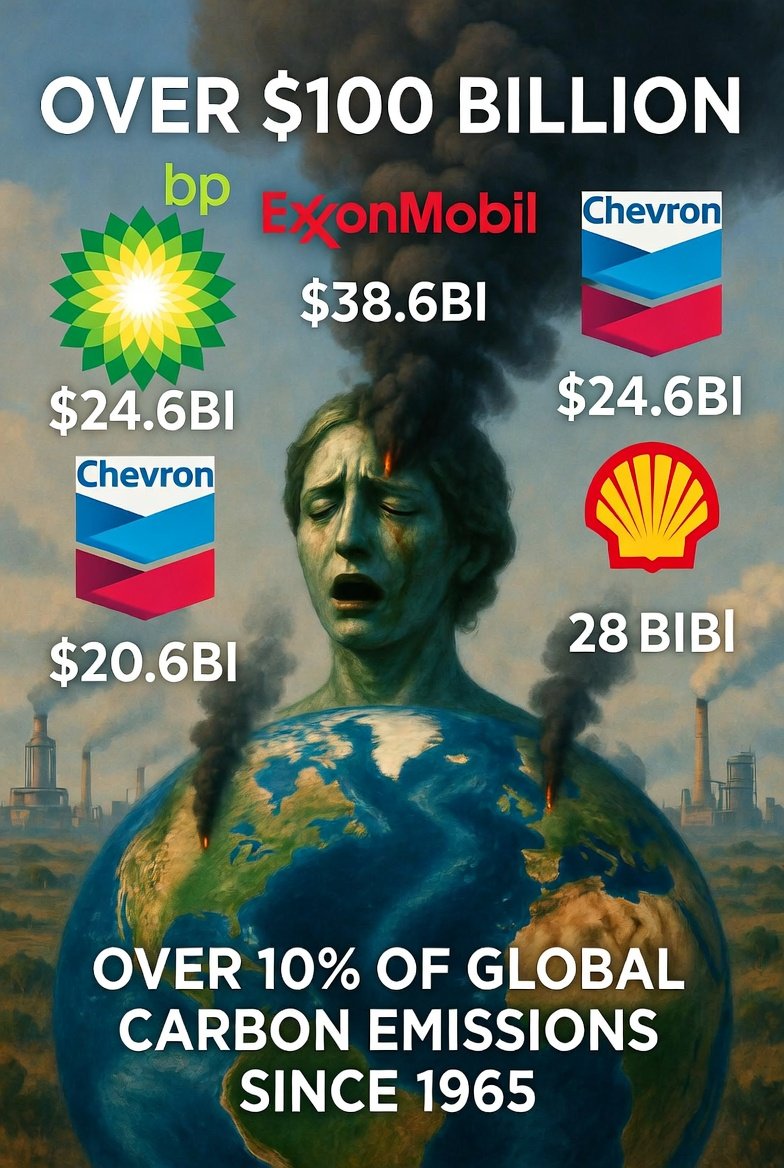
Mother Earth is suffocating, but Big Oil is thriving. BP, ExxonMobil, and Shell’s record profits come at the expense of our planet’s health. When will we put the Earth first? #ClimateCrisis #EndFossilFuels
6
71
114
1,533
21 Dec 2025
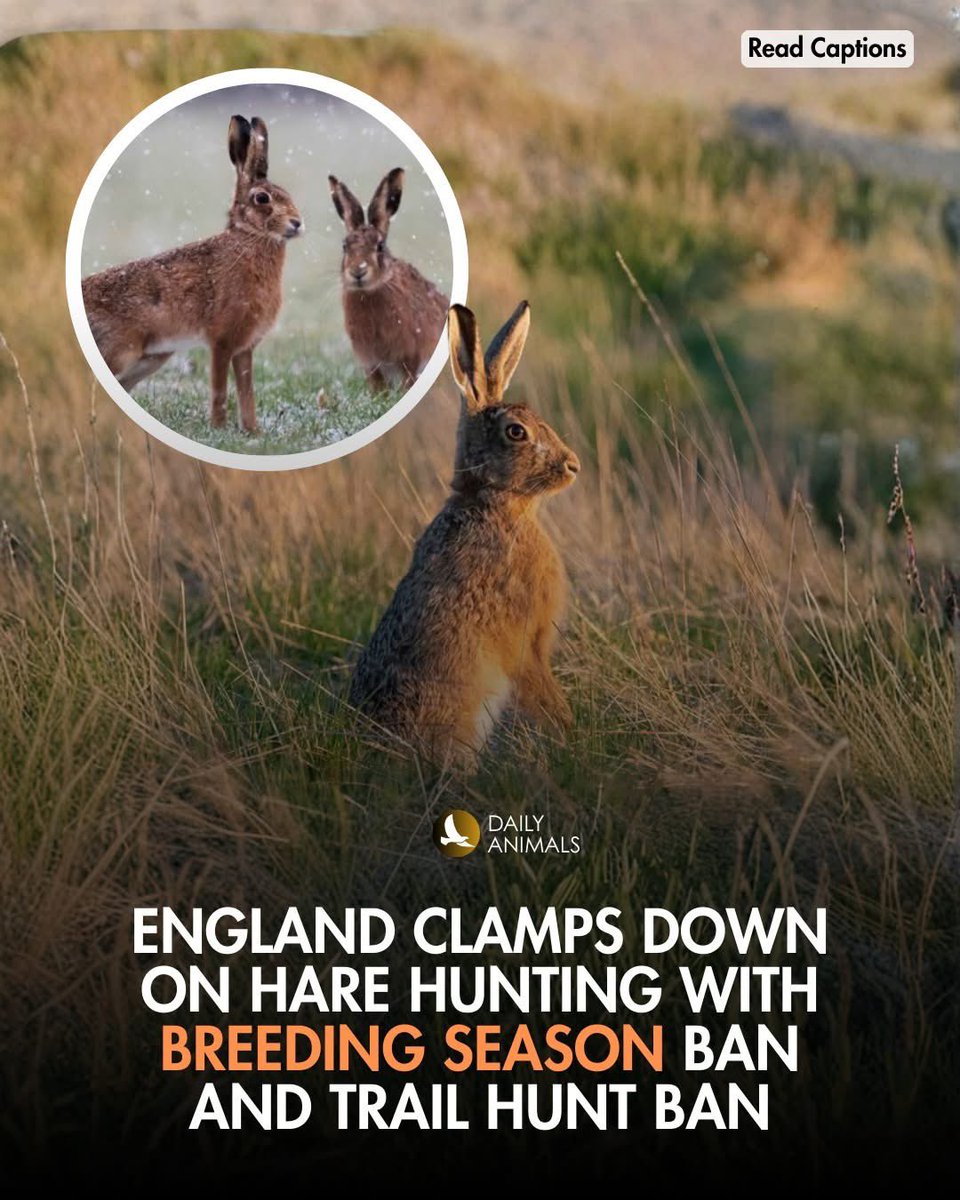
Good job, England! 👏🏴

61
18 Dec 2025
in Mingachevir, Azerbaijan, Lyaman Mammadli, 19, was accused of looking 'naked' on her big day because her shoulders were left uncovered.
Her father said she had been distraught by the criticism and soon afterwards took her own life.
#WomenRights
51
16 Dec 2025
Extinction would not only result in the disappearance of a species but also the disappearance of a tradition and a culture.
15 Dec 2025

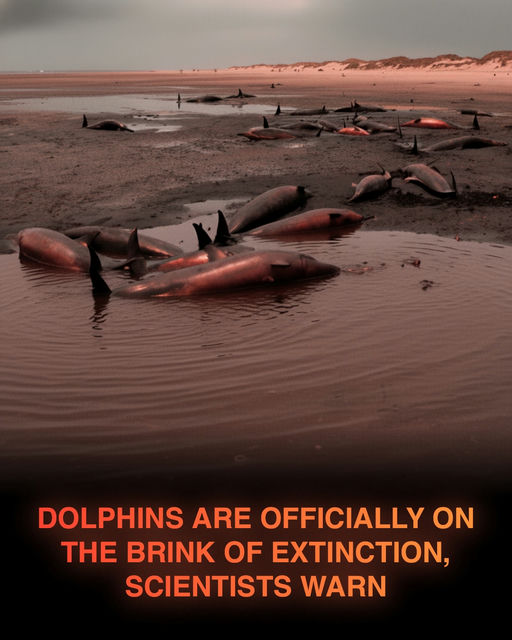
Dolphins are vanishing. For some species, fewer than 100 remain in key rivers.
Take, for example, Irrawaddy dolphins, known for their rounded heads, “smiles,” and rare cooperation with human fishers. They are sliding toward extinction.
In Myanmar's Ayeyarwady River, these dolphins actively assist cast-net fishermen by driving fish schools toward the nets and signaling readiness with distinctive tail splashes—a learned tradition transmitted across generations from mother to calf.
Beyond this remarkable symbiosis, Irrawaddy dolphins enrich local cultures through folklore, bolster ecotourism economies, and foster profound emotional connections in riverside communities. However, the species is classified as Endangered by the IUCN, with key freshwater subpopulations in the Mekong, Mahakam, and Ayeyarwady rivers each comprising fewer than 100 individuals—critically endangered remnants vulnerable to entanglement in gill nets, toxic pollutants, electrofishing, dams, and vessel strikes amid intensive human use of their habitats.
Efforts to avert their fate—shared with the extinct baiji of China's Yangtze and the perilously rare vaquita of Mexico—are intensifying. In Indonesia's Mahakam River, conservation teams deploy acoustic deterrents on nets to alert dolphins, conduct community education, and patrol to confiscate illegal gear. In Cambodia, advocates completed a 120-km swim down the Mekong to promote awareness and funding, advocating for enforced no-net zones and sustainable livelihoods for fishers. A brighter outlook emerges from Bangladesh's Sundarbans mangroves, home to around 6,000 dolphins, where sustained community-driven safeguards provide optimism.
Preserving Irrawaddy dolphins transcends mere species protection; it safeguards irreplaceable cultural legacies and the deep bonds between people and these cherished animals, whom some locals revere above all else.
[Augliere, B. (2025, May 15). *The world’s “sweetest” dolphin is facing extinction—but it’s not too late.* National Geographic]
40
12 Dec 2025
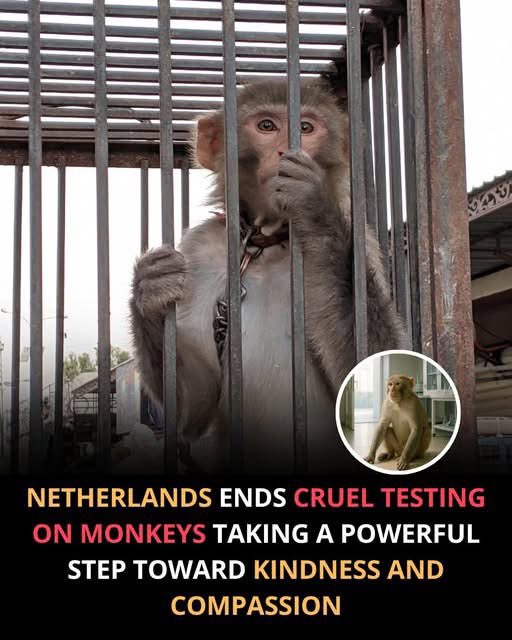
Some good news coming from the Netherlands. They banned cruel experiments on monkeys. Now we wait for the rest of the world to follow this trend.
#StopTheAnimalCruelty
11 Dec 2025
🚨 Excellent News 🚨
Victory for Monkeys! The Netherlands to end cruel experiments!
1
4
148
Eco Pulse🌱 retweeted

10 Dec 2025
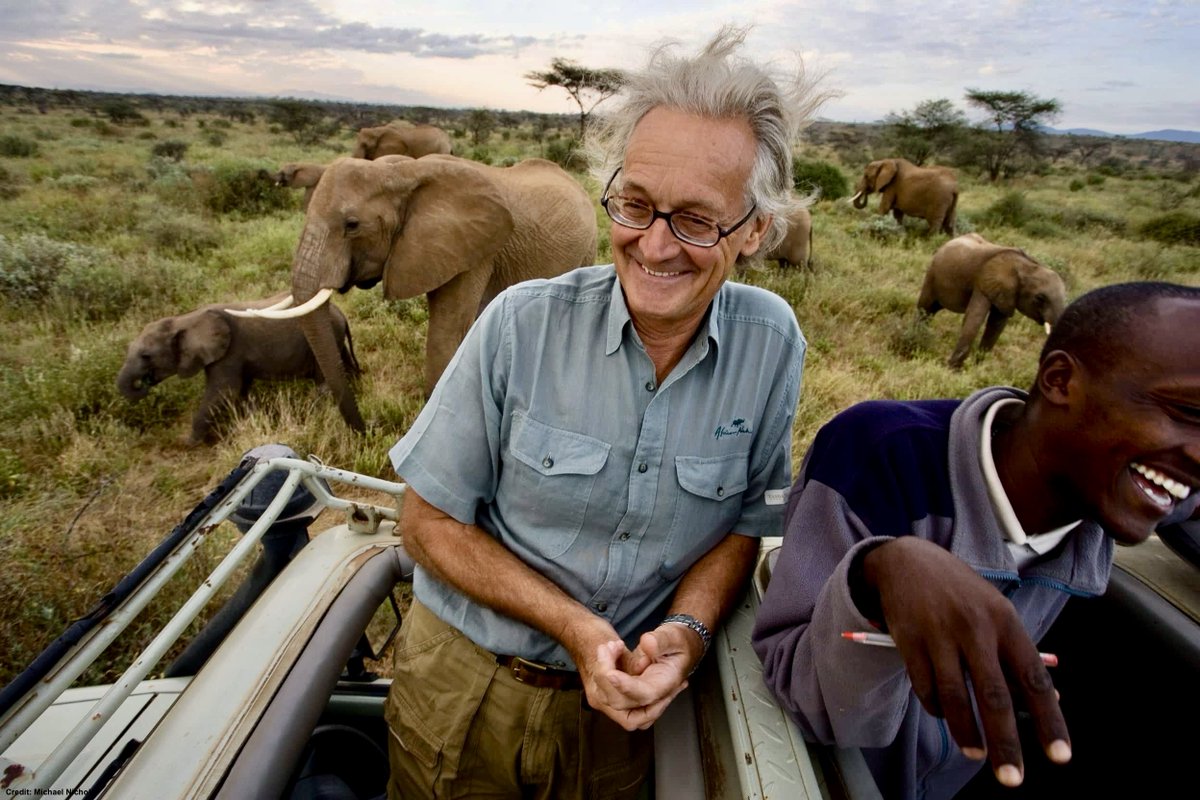
#SaveTheElephants
This is how I remember him. Among his beloved elephants. Dedicated. Immensely kind, and very brave.
Dr Iain Douglas-Hamilton: We have lost one of the very best of us.
An outstanding elephant conservationist, he transformed our understanding of African elephants through his groundbreaking research, and helped lead a global movement to protect them.
You can support his charity's work by donating or just signing up for the STE newsletter: savetheelephants.org/about-e…
19
239
1,121
8,933
8 Dec 2025
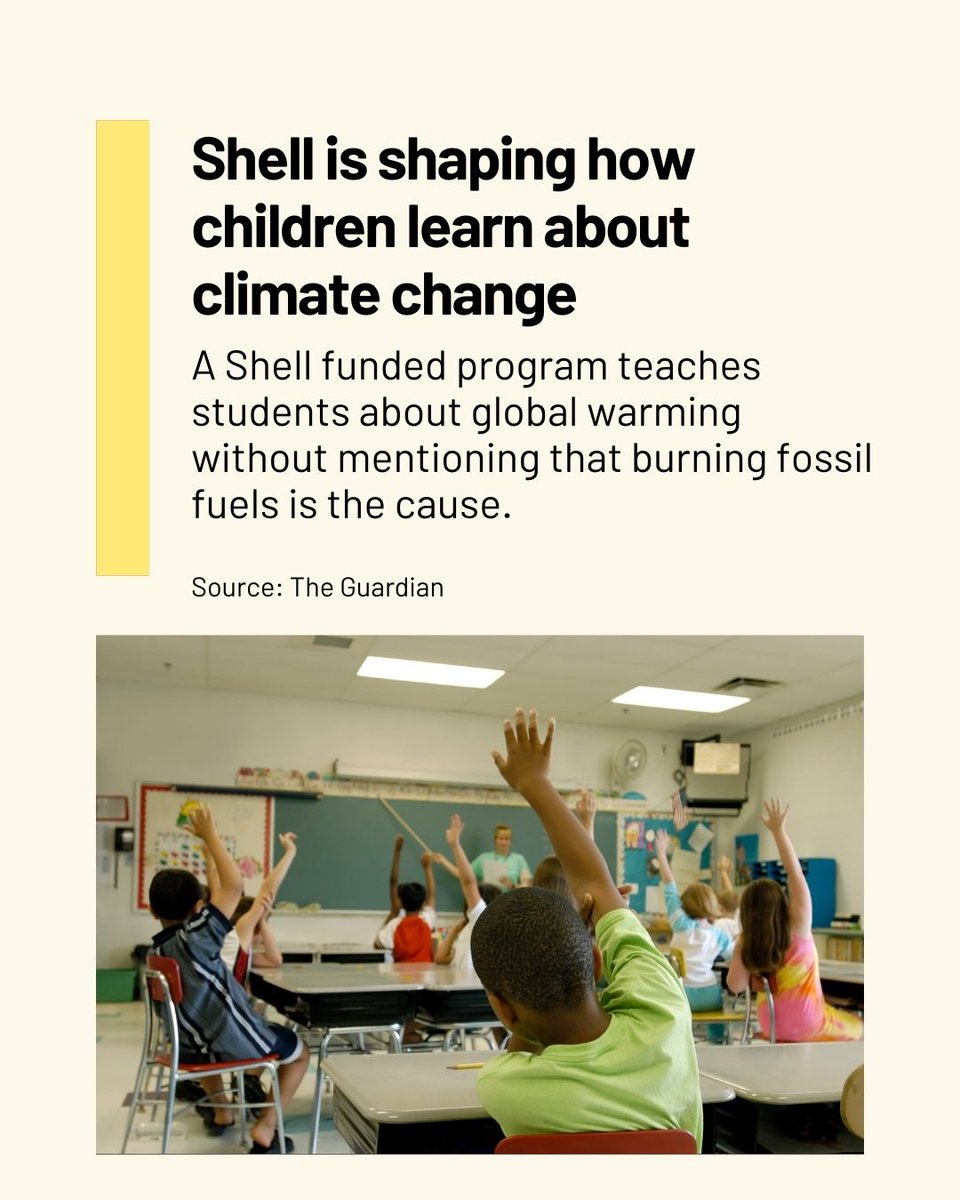
The question is how did we allow Shell to adjust the educational system for its own needs in the first place?
8 Dec 2025
Shell is shaping how children learn about climate change and leaving out the part about fossil fuels.
A new review has revealed that Queensland Museum’s Future Makers program, funded by $10 million from Shell’s Queensland Gas Company, teaches students about global warming without mentioning that burning fossil fuels is the cause.
The result?
• Lessons that explain rising CO₂ but not where it comes from
• Worksheets on ocean acidification that never mention fossil fuel combustion
• Activities steering kids toward “solutions” like carbon capture, instead of reducing fossil fuels
If we wouldn’t let Big Tobacco teach lung health, why are we letting fossil fuel companies teach climate science?
Source: theguardian.com/australia-ne…
1
1
101
4 Dec 2025
None of those COPs were about people or the climate. Just big guys in expensive suits covering their crimes and labeling it “for the climate”.
3 Dec 2025
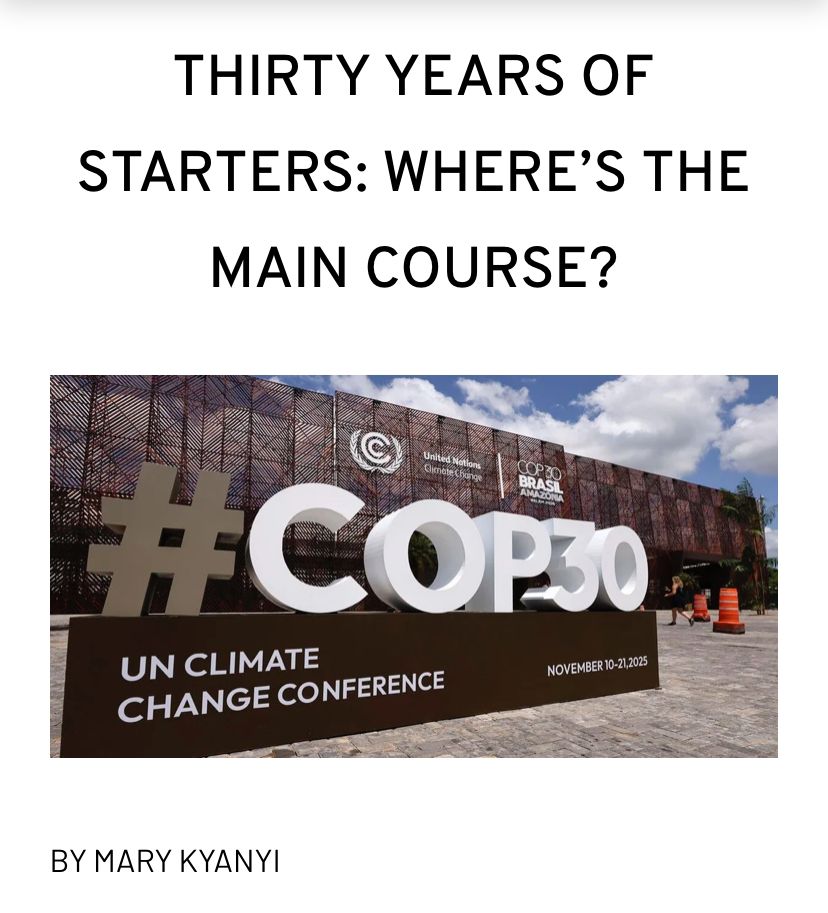
What good are climate agreements if the people they’re meant to protect continue to suffer?
Our latest article breaks down the growing frustration with a COP process that delivers big promises on paper but leaves frontline communities with rising emissions, rising debts, and rising climate disasters.
Thirty years in, one thing is clear: commitments mean nothing without action, financing, and justice.
Read the full piece below.
powershiftafrica.org/in-the-…
1
2
175
28 Nov 2025
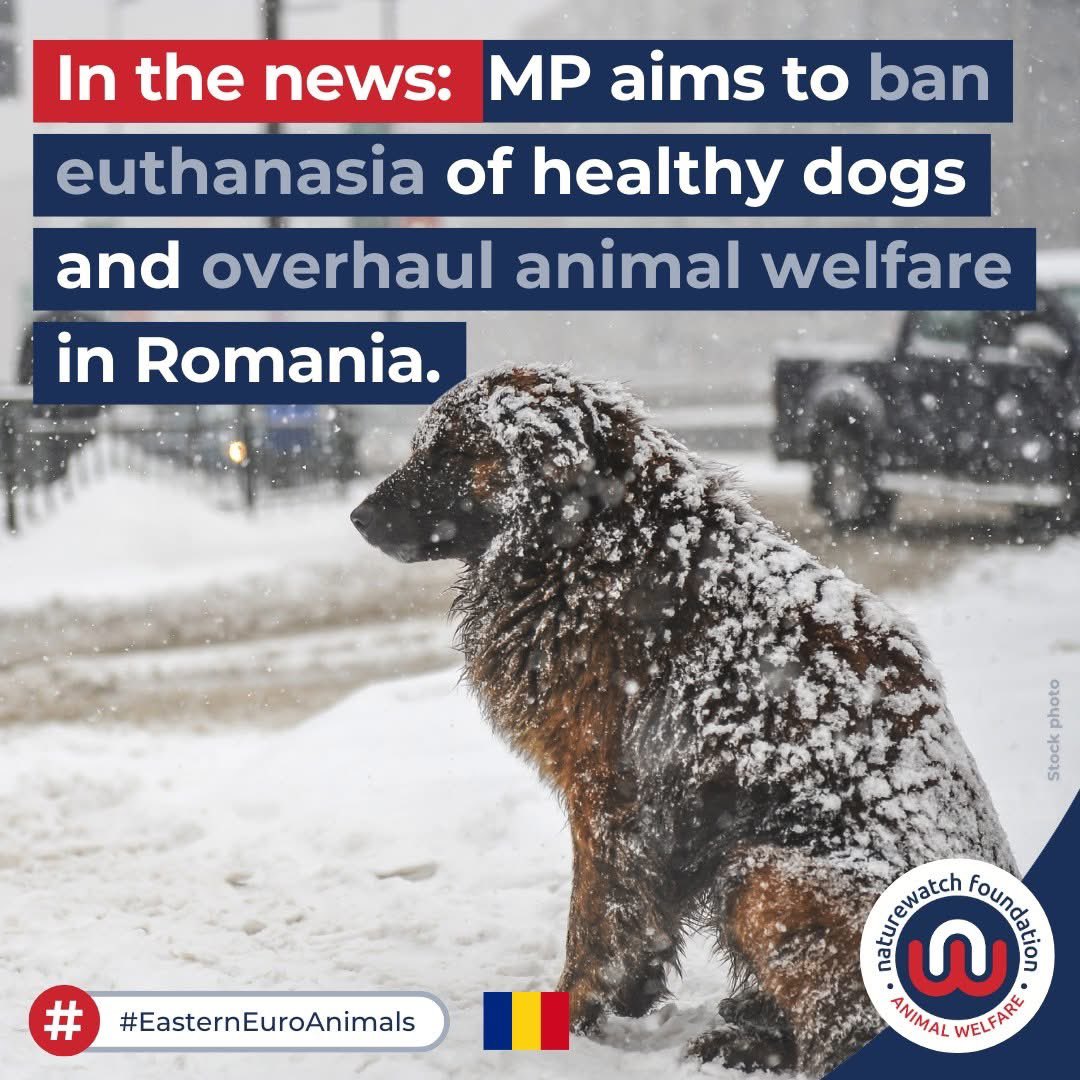
Finally some good news arrived. It's a shame that this wasn't done before. After Romania, other countries must follow this example and protect dogs by law.
#DogLovers #Romania
28 Nov 2025
🇷🇴 Huge news from Romania! MP Andrei Baci has shared his proposals to ban the euthanasia of healthy dogs and formally recognise animals as living beings with rights and protections under national law.
A public petition recently gained more than 215,000 signatures, showing a shift in attitudes towards animals and their welfare. Under the proposal, euthanasia would be replaced with more humane strategies such as sterilisation and microchipping. 🐾
In 2013, Romania’s Constitutional Court approved the controversial Stray Dogs Euthanasia Law, which allows authorities to capture stray dogs and send them to public shelters. These shelters are often overcrowded and under-resourced. If the dogs are not adopted within 14 days, many are euthanised – frequently under conditions that fall short of basic humane standards.
🤞 This is promising news for animals in Romania, and we’ll be watching closely for further developments.
romania-insider.com/bills-ro…
#EasternEuroAnimals
1
1
2
230