Texas transplant. Founder of @YTexasCom, Author of Why Texas: How Business Discovered the Lone Star State. Amazon: bit.ly/2JD0LgIWhyTexas
Joined April 2015
- Tweets 300
- Following 495
- Followers 292
- Likes 1,173
14 Photos and videos
Pinned Tweet

23 Jul 2019
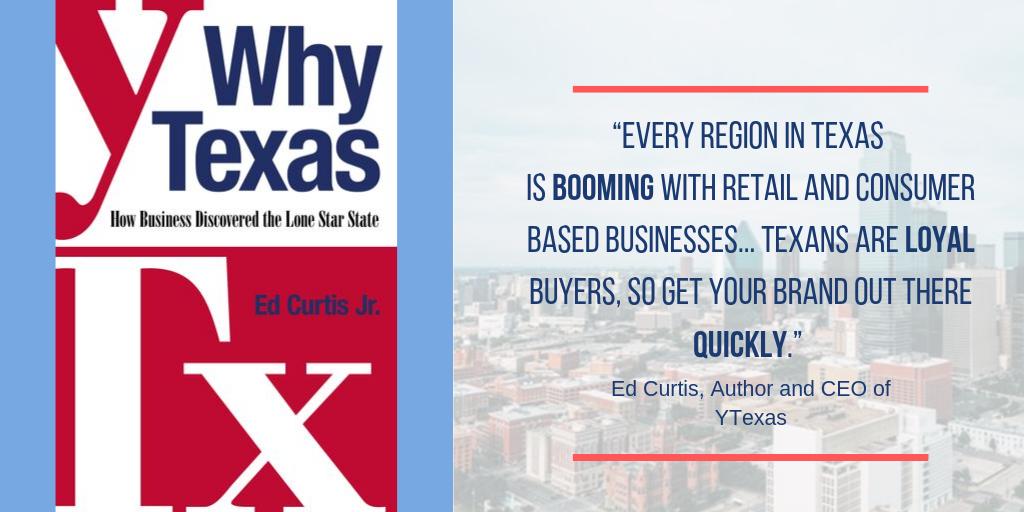
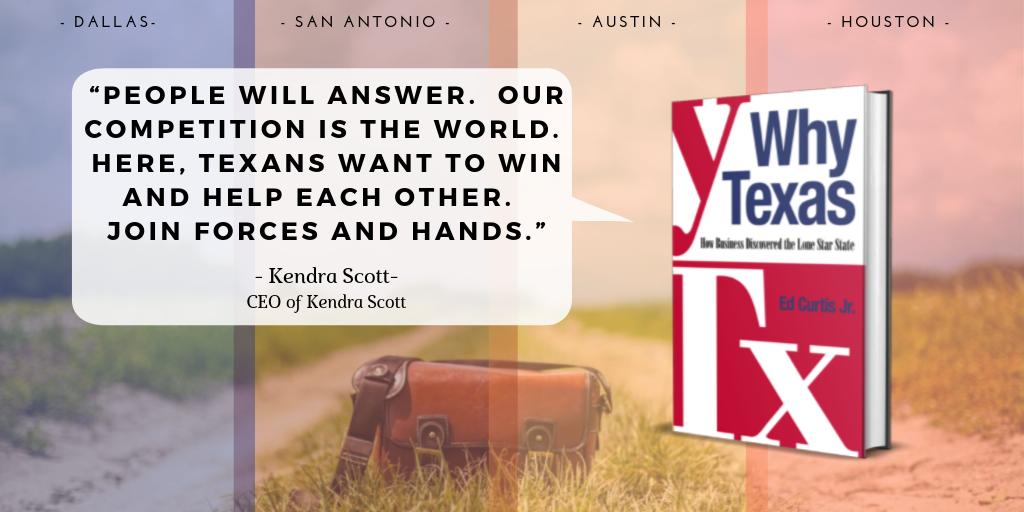
🗣️MY NEW BOOK 'Why Texas: How Business Discovered the Lone Star State' is available for PRE-ORDER HERE 👉 bit.ly/2JD0LgIWhyTexas
Featuring Tim Ferriss, Kendra Scott, T. Boone Pickens, Andy Roddick, Larry North, Dallas Mayor Mike Rawlings, Fortune 500 CEOs, entrepreneurs & more!
10
25
Ed Curtis retweeted
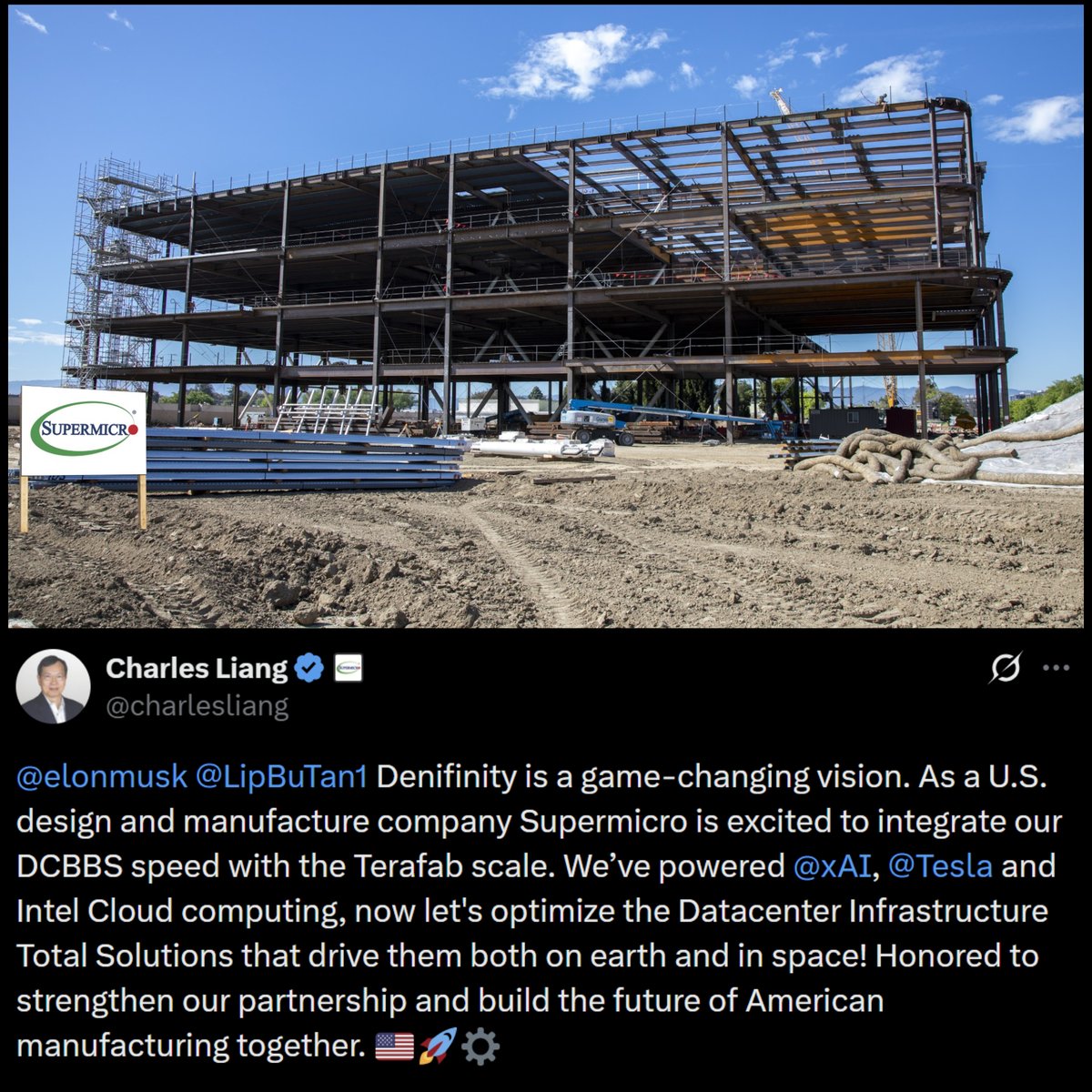
TERAFAB NEWS: Supermicro announced it is expanding its collaboration with SpaceX, xAI, Tesla, and Intel.
CEO Charles Liang announced Supermicro will integrate its DCBBS (Data Center Building Block Solutions) speed with Terafab scale. He called Denifinity a "game-changing vision." Denifinity is assumed to be Terafab.
Supermicro has already powered xAI, Tesla, and Intel cloud computing and now aims to optimize data center infrastructure solutions for use on Earth and in space. They already have over 2 million sq. ft. of U.S. facilities.
Apr 8

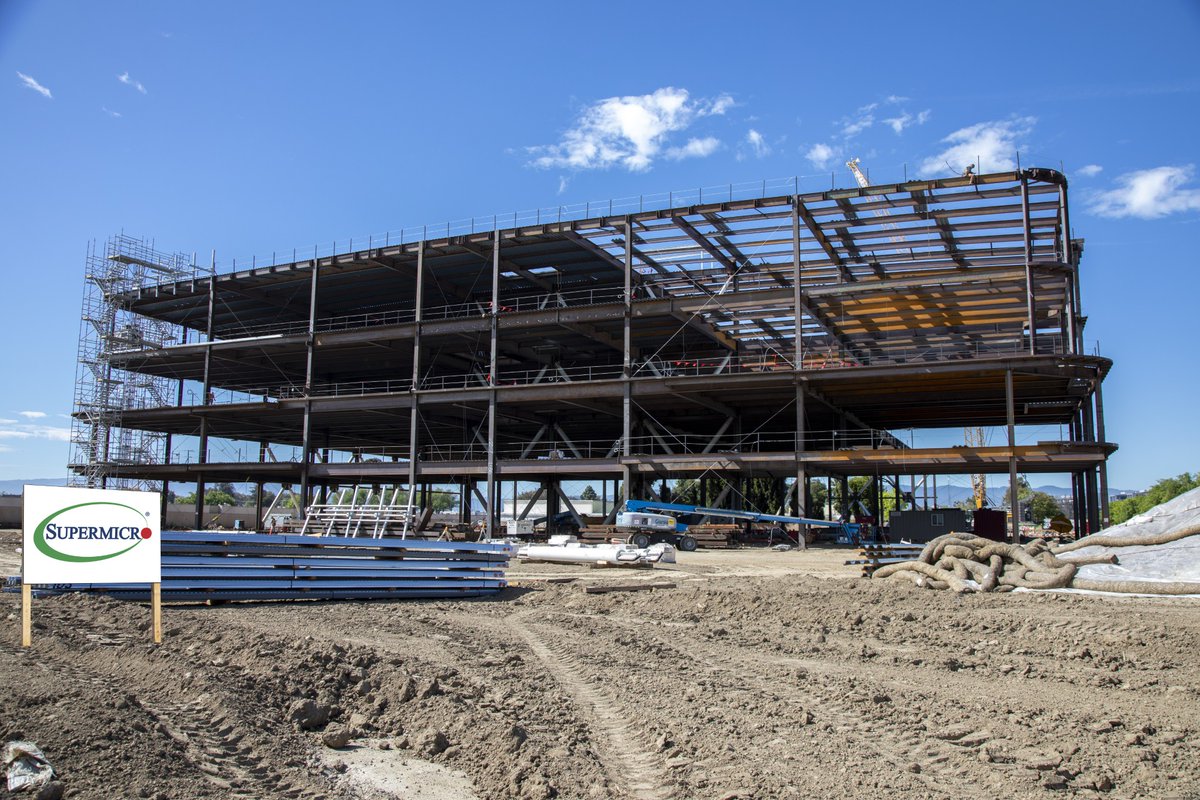
Supermicro is proud to strengthen our collaboration with @SpaceX, @xAI, and @Intel to advance American manufacturing.
With over 2 million sq. ft. of U.S. facilities, we remain committed to leading the design and production of AI infrastructure right here in the U.S.
#MadeinUSA
6
71
605
40,874
Ed Curtis retweeted

Apr 3
🚨 Jamie Dimon explains why people are leaving New York
"Our head count in Manhattan when I got to JPMorgan was 35,000 and now is 26,000. Our head count in Texas started at 11,000, now it's 33,000. That's what happens."
Jamie Dimon on why companies are leaving New York:
"Highest individual taxes, highest estate taxes, highest corporate taxes, anti-business sentiment."
"When I grew up as a kid in New York City, there were 120 of the Fortune 500 headquarters there. In the 1970s, 60 of the 120 left, including Exxon, GE, IBM, Union Carbide. They're all going to Texas."
The Hill & Valley Forum 2026
@HillValleyForum @jpmorgan @ChairmanG
151
1,520
8,835
719,643
Ed Curtis retweeted

Mar 31
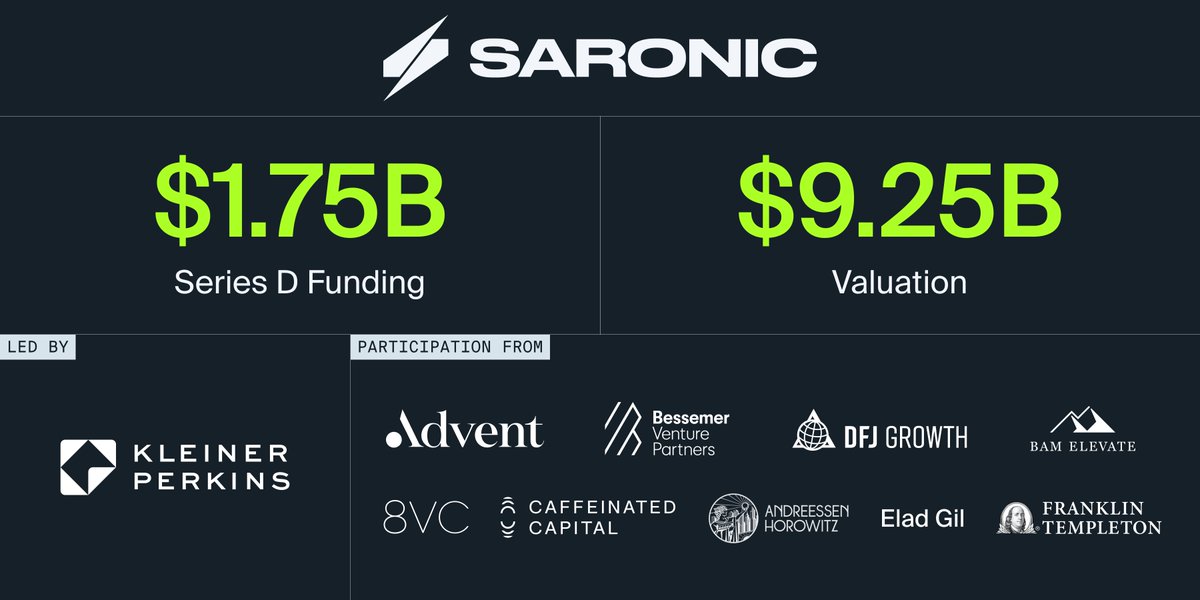
Today we’re sharing some big news. @Saronic closed a $1.75B Series D fundraise at a $9.25B valuation, led by @kleinerperkins.
Honestly, it’s a bit surreal to look back at how much has happened in such a short time. We started with a simple belief: the maritime world was being overlooked, and autonomy could change that in a big way. Since then, it’s been a lot of time on the water, building, testing, breaking things, fixing them, and doing it all over again — just trying to move fast and get better every step of the way.
What makes me most proud though isn’t the milestone, it’s the team behind it. Saronic is what it is because of people who genuinely care about what we’re building and who push hard every day to do it right. That’s the part that really matters.
This next chapter is about scaling up — faster builds, bigger footprints, and continuing to invest in American shipbuilding in a real way. We’ve got a lot of work ahead, and that’s the exciting part.
Grateful to everyone who’s been part of this, from our team, to our investors and partners, and to our customers. Let's go!
59
68
745
147,565
Ed Curtis retweeted

Mar 31
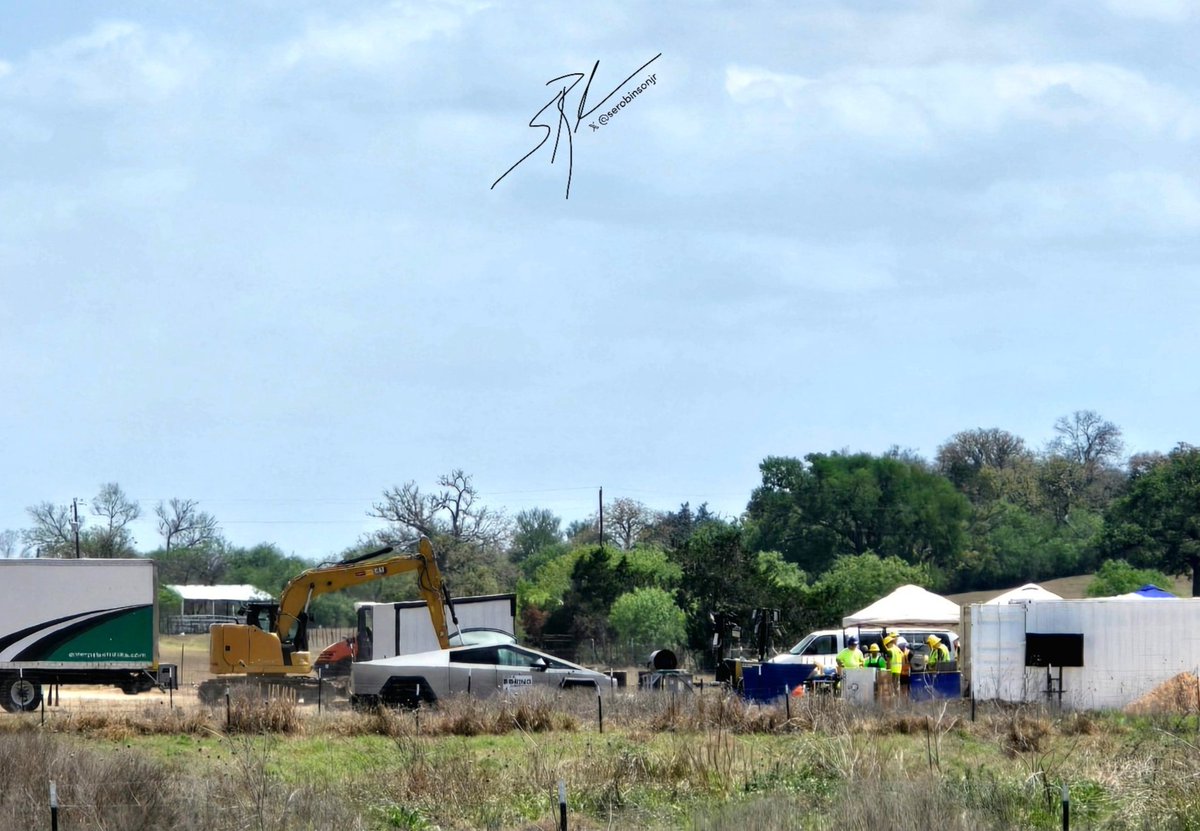
BORING NEWS: Teams are on site in Bastrop, Texas, preparing for the upcoming Not-A-Boring Competition.
Eight teams qualified for the finals this year:
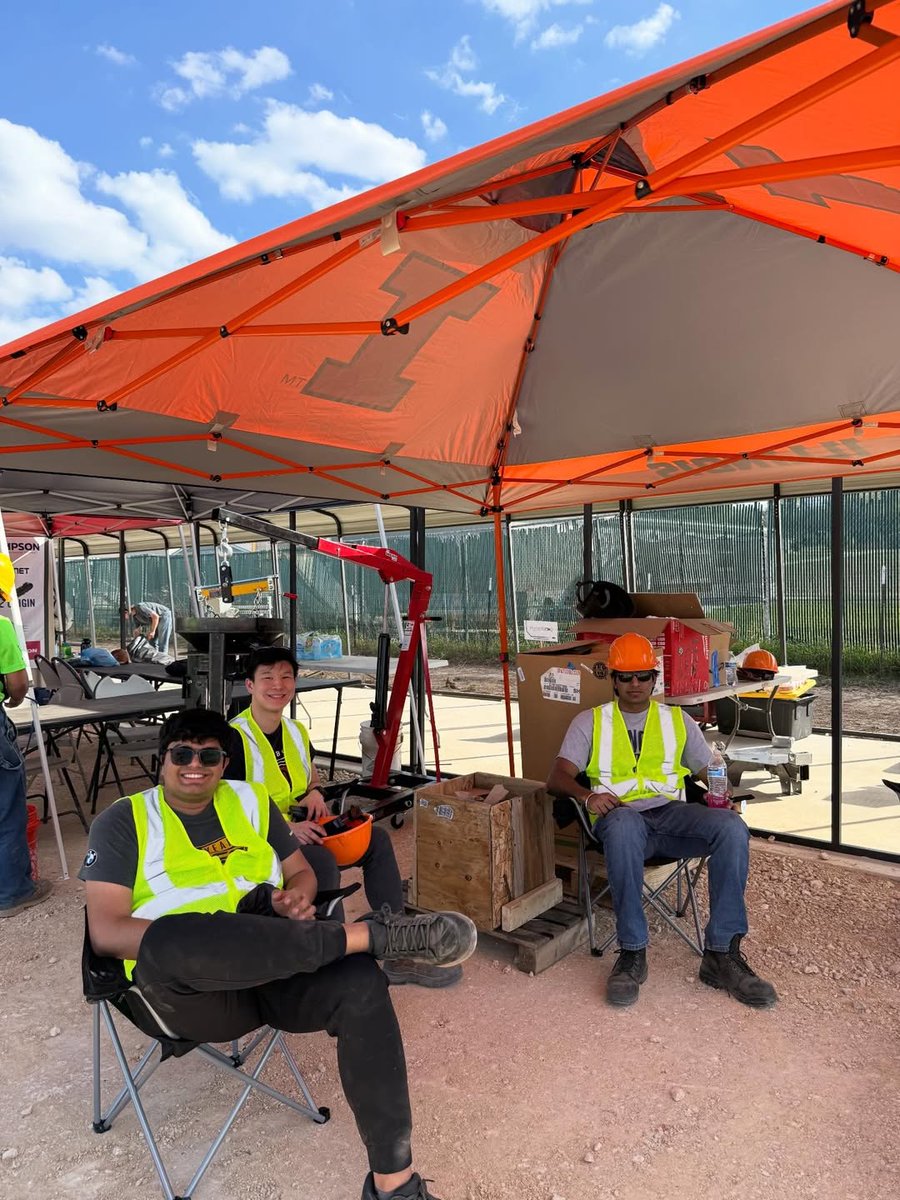
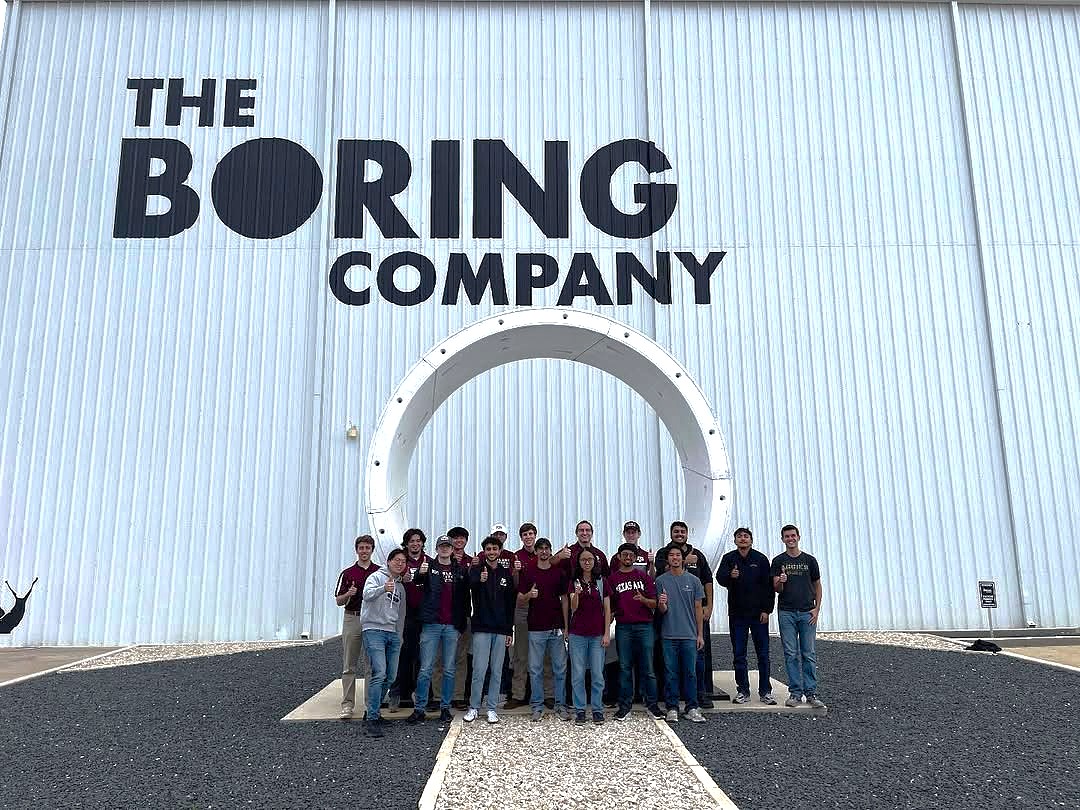
- The Boring Illini from University of Illinois. (Pic under the awning at the Comp site.) "After a long journey, our team has safely made it to Texas! Huge thank you to TBC for welcoming us warmly! Best of luck to the other teams, they’ll need it."
- CU Hyperloop from University of Colorado
- TAMU Dig 'Em Aggies from Texas A&M University. (Pic under the TBC HQ sign.)
- The Diggeridoos from Virginia Tech
- Penn Hyperloop from University of Pennsylvania
- Smith Engineering Hyperloop from Queen's University
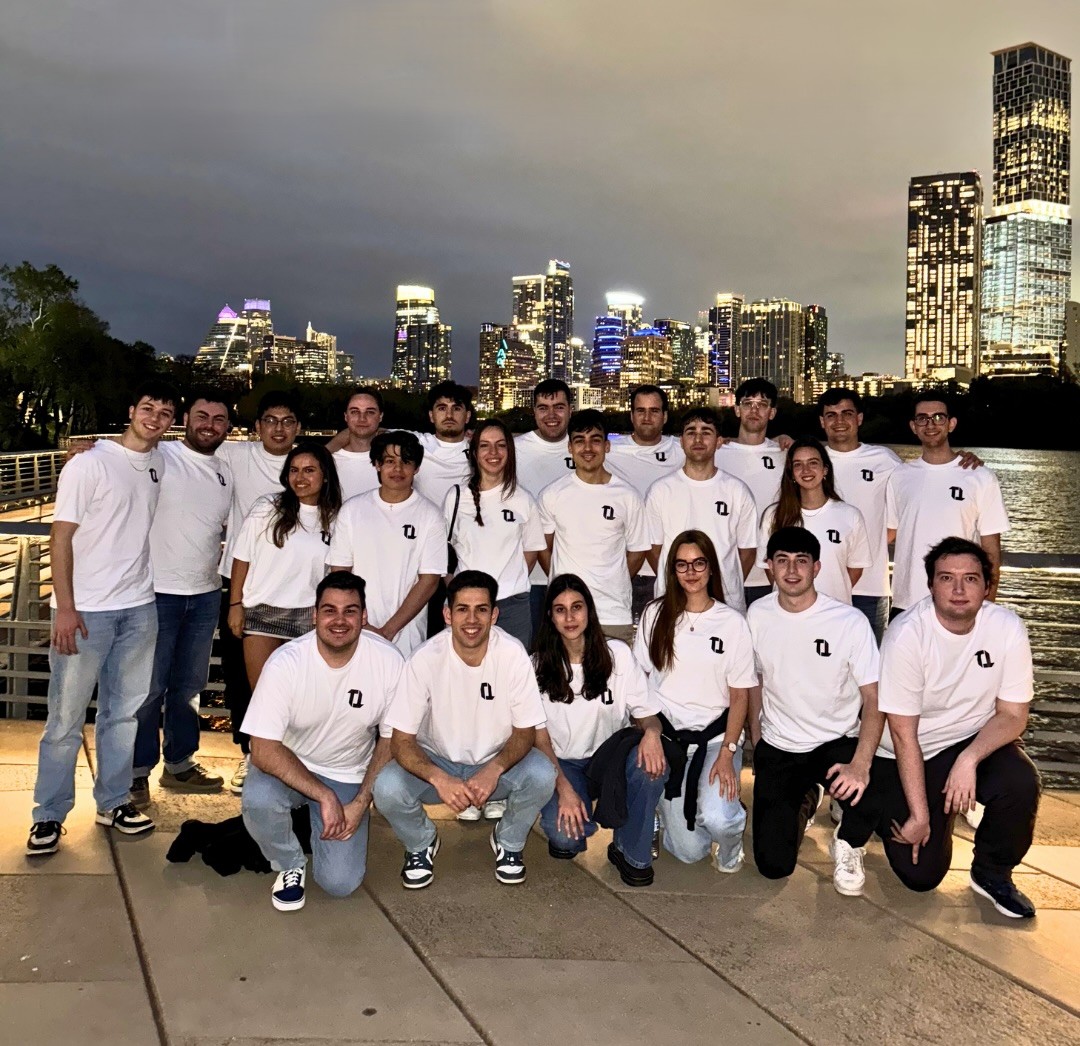
- Talpa UPV from Universitat Politècnica de València, Spain. (Night pic on the Colorado River with Austin in the background.) "The next time you see us… it’ll be at the competition."
UATXcavators from University of Austin
The Competition is expected to start either Friday or Saturday, depending on preparations. Those that I spoke to at the Hyperloop Plaza this weekend are excited to begin!
More Boring Co news in today's ELON CHRON below!

3
17
124
9,496

The most exciting of times ahead!

TERAFAB: the next step to becoming a galactic civilization
Together with @SpaceX & @xAI, we're building the largest chip manufacturing facility ever (1TW/year) – combining logic, memory & advanced packaging under one roof.
To harness as much power as possible from the Sun, we need to send 100 million tons of solar capture into space – per year.
This requires massive scale.
– Capability to launch millions of tons of mass into orbit
– Solar-powered AI satellites
– Millions of @Tesla_Optimus robots to help build it out
All of these need chips: 100-200GW of chips for Optimus alone, plus terawatts for solar-powered AI satellites.
That's more than all the chip manufacturers in the world combined can provide today, or even by 2030 (based on projected production growth).
We're building TERAFAB to close the gap between today’s chip production & the future's demand – a future among the stars
terafab.ai
2,170
4,193
49,535
35,385,810
Ed Curtis retweeted

Feb 13
$15 billion in factories landed in Texas in just 18 months.
Eli Lilly, Samsung, and SpaceX are all breaking ground right now.
Here's the infrastructure advantage every other state missed:
We spent 30 years offshoring manufacturing capacity because efficiency won every argument.
Then supply chains collapsed and capital started repricing everything.
Now billions are flowing back to domestic manufacturing, but only to regions that can support 40-year operational horizons.
When you're building a $6.5 billion pharmaceutical facility, you're not betting on tax incentives. You're underwriting regulatory stability, energy reliability, and property rights that survive multiple administrations
Look at what's actually being built.
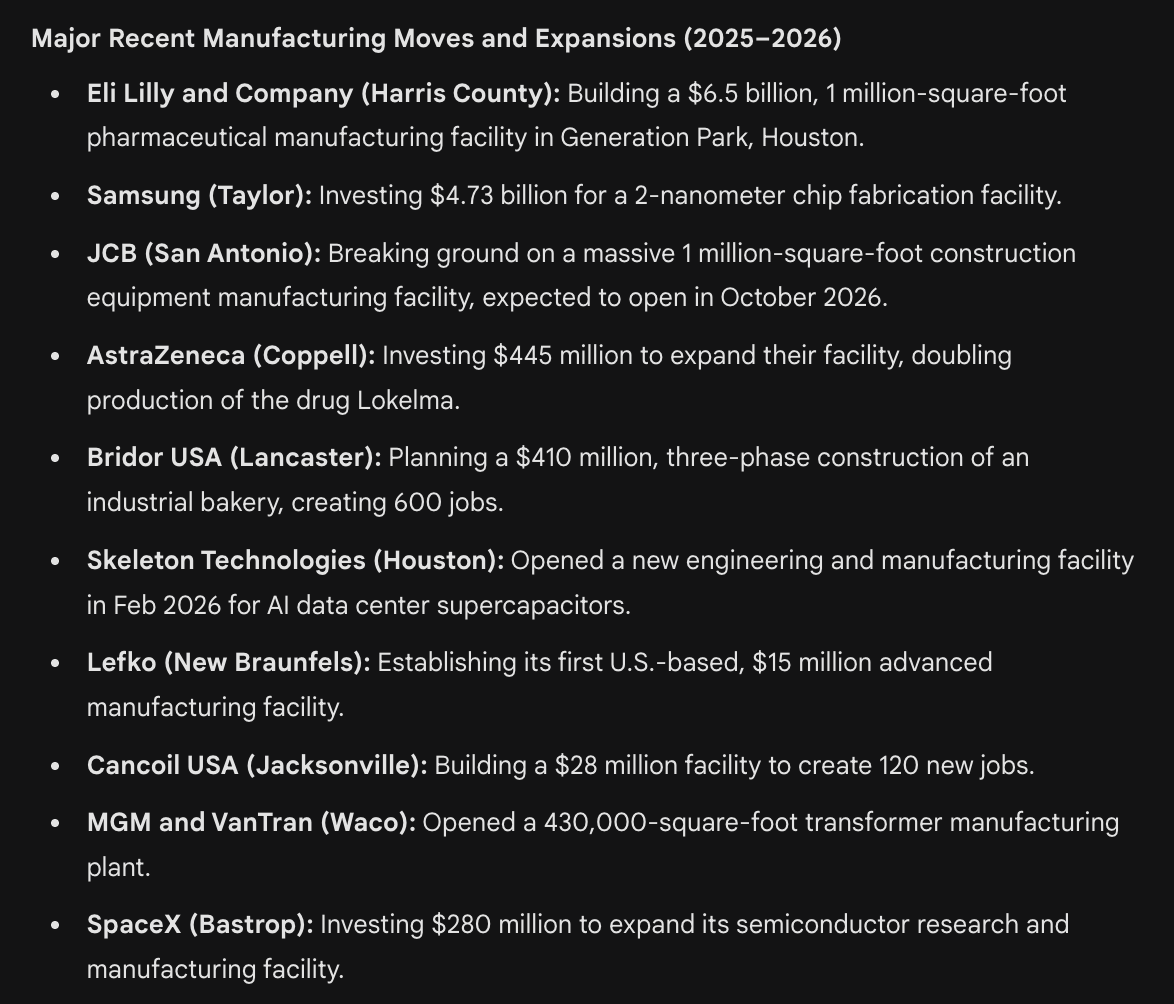
Eli Lilly committed $6.5 billion to pharmaceutical manufacturing in Harris County.
Samsung is investing $4.73 billion in 2-nanometer chip fabrication in Taylor.
JCB broke ground on a million-square-foot construction equipment facility in San Antonio.
AstraZeneca put $445 million into expanding their Coppell facility.
SpaceX committed $280 million to expand semiconductor manufacturing in Bastrop.
Skeleton Technologies opened their AI supercapacitor facility in Houston this February.
Bridor USA is investing $410 million in Lancaster, creating 600 jobs.
A quick search shows factory after factory. All Texas. That's not random.
This is strategic capacity in critical industries. 2-nanometer semiconductors. Pharmaceutical production. AI components. Grid transformers.
Industries that determine whether your economy functions when global supply chains fracture.
Houston, Dallas-Fort Worth, San Antonio, and Austin share something beyond marketing.
Physical infrastructure that existed before this capital showed up.
Houston has deepwater ports moving industrial tonnage. The Triangle sits on rail and interstate networks built for large-scale logistics. Energy capacity that doesn't fail. Permitting is measured in months, not years. Land available at the scale billion-dollar facilities require.
Building a $6.5 billion facility means planning for four decades of operations. That requires infrastructure you can depend on through multiple economic cycles.
This capital is concentrated in regions that constructed the physical foundations first.
Infrastructure density determines which regions can absorb billion-dollar manufacturing. Ports, energy, logistics, predictable regulation, and available land.
These capabilities compound over decades like financial assets. Returns show up as jobs, tax base, and economic resilience that survives the next crisis.
Operators deploying this capital understand physical infrastructure as a competitive advantage.
Most regions still treat it as background.
3
13
46
5,702
Ed Curtis retweeted

Jan 10
In 2018, Amazon told Dallas we didn’t have the talent.
They picked Virginia instead.
Dallas took that personally.
Amazon’s HQ2 search was the Super Bowl of economic development.
238 cities applied.
Dallas made the top 20.
The Wall Street Journal ranked us #1.
We offered $600M in incentives.
We lost anyway.
Amazon’s feedback was direct:
“Tech talent was the biggest driving factor. Both on day one, and in the future.”
Low taxes. Low costs. Pro-business climate.
None of it mattered without the workers.
So Dallas went to work.
What changed in 6 years:
Dallas ISD built 25 P-TECH and Early College campuses. Students now graduate with a diploma plus 60 college credits.
Cost to families: $0.
The pipeline starts at age 14.
Dallas College became the second-largest community college in America. 100,000 students. Transfer pathways built to UT Dallas and UNT.
UT Dallas Computer Science became one of the largest departments in the country. 4,500 students. 2,800 internship placements per year.
SMU received $30M to build a Data Science Institute. They’re now leading a federal initiative on semiconductor supply chains across 29 North Texas counties.
The results:
Between 2021 and 2024, Dallas posted the fastest tech talent growth of any large market in the US and Canada.
Tech workforce: 227,220. Up 26% in three years.
AI workers: 19,000. Austin has 12,000.
Office rent: $32/sq ft. Austin is $48. Bay Area is $75 .
Tech degree completions up 30%.
Dallas now leads the nation in growth of college-educated workers in their 20s.
Why this matters now:
California has a wealth tax on the table. It may never pass. But founders aren’t waiting to find out.
Some have already moved. Others are making quiet plans.
When they evaluate alternatives, they’ll learn what Amazon taught us:
Tax savings alone don’t close the deal. You need talent.
Dallas spent 6 years building what Amazon said we lacked.
The workers are here. The pipeline is built. And we’re still 40% cheaper than Austin.
Amazon’s rejection cost Dallas billions.
But it forced a transformation worth more in the long run.
Dallas isn’t waiting for the next Amazon anymore.
We’re ready.
96
70
946
194,482
Ed Curtis retweeted

16 Dec 2025
Thank you to @YTexascom CEO @EdGCurtis for having Alliance President and Petroleum Economist @karringham speak at the YTexas Summit last week at Texas A&M College Station. YTexas is a business network for companies relocating, expanding and growing into and within the Lone Star State. The 2025 Summit showcased Texas innovation, and Karr highlighted innovation in the petroleum energy story – leading to a six-fold increase in crude oil production in the last 15 years, and record volumes of oil and gas production to power the state, nation, and increasingly other parts of the world.
#TexasEnergy #oil #AI #datacenters
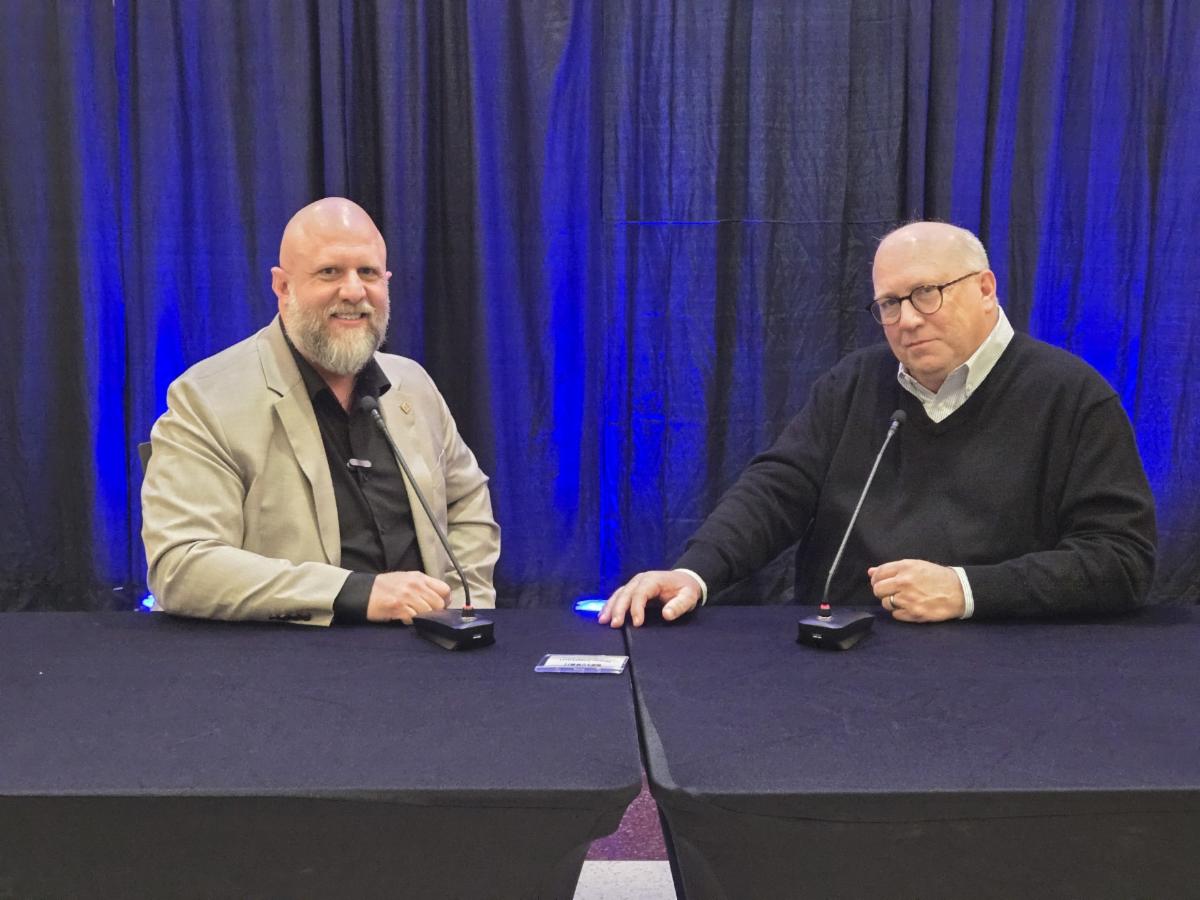
ALT Karr on a YTexas podcast interview with semiconductor guru Robert Quinn on the intersection of rapid data center and AI development and the electricity needed to power that growth – supplied in large part by Texas-produced natural gas.
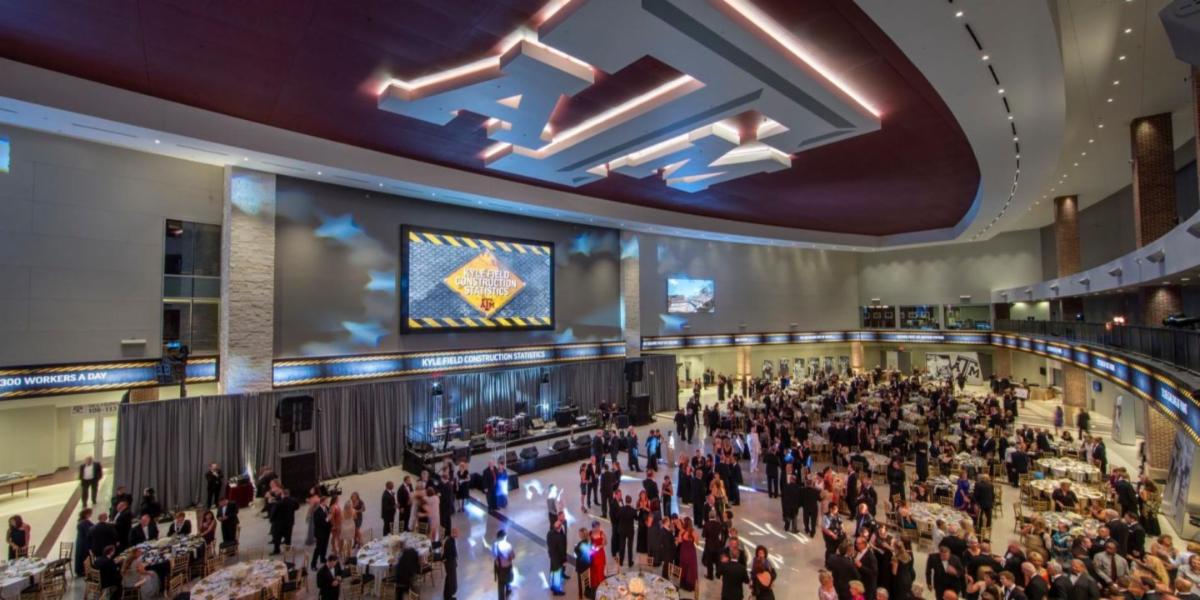
ALT Texas A&M University's Hall of Champions
2
4
171
Ed Curtis retweeted
21 Nov 2025
December 10th, 2025 at Hall of Champions, Kyle Field, College Station.
9am-3pm with exhibits, presentations, and networking.
Welcome reception December 9th, 6pm-9pm with Bryan Mayor Bobby Gutierrez.
VIP reception at 3:30pm at Texas A&M Hotel and Conference Center.
1
1
10
220
Ed Curtis retweeted
21 Nov 2025
AI, datacenters, energy, land development, and education.
Texas is becoming the hub where they all converge.
Here's what happens when NVIDIA and the state's biggest enterprises gather to power Texas's future:
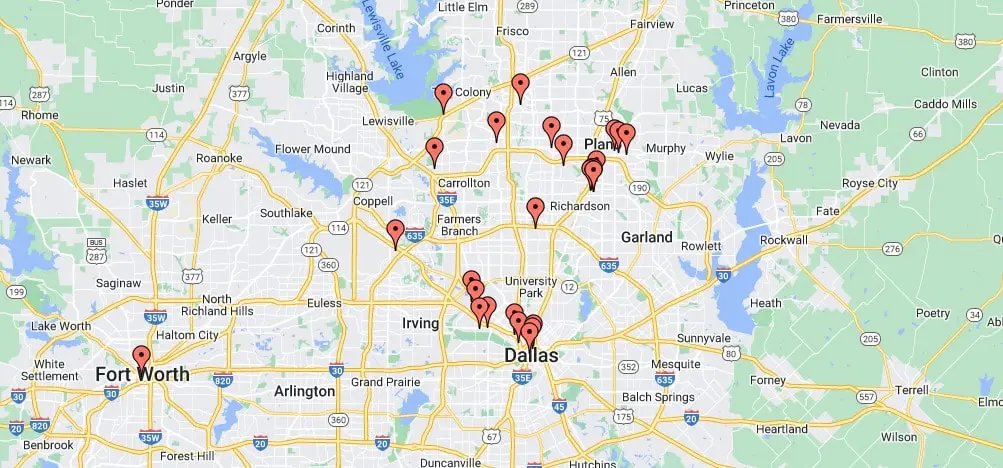
14
88
374
26,826

23 Aug 2025
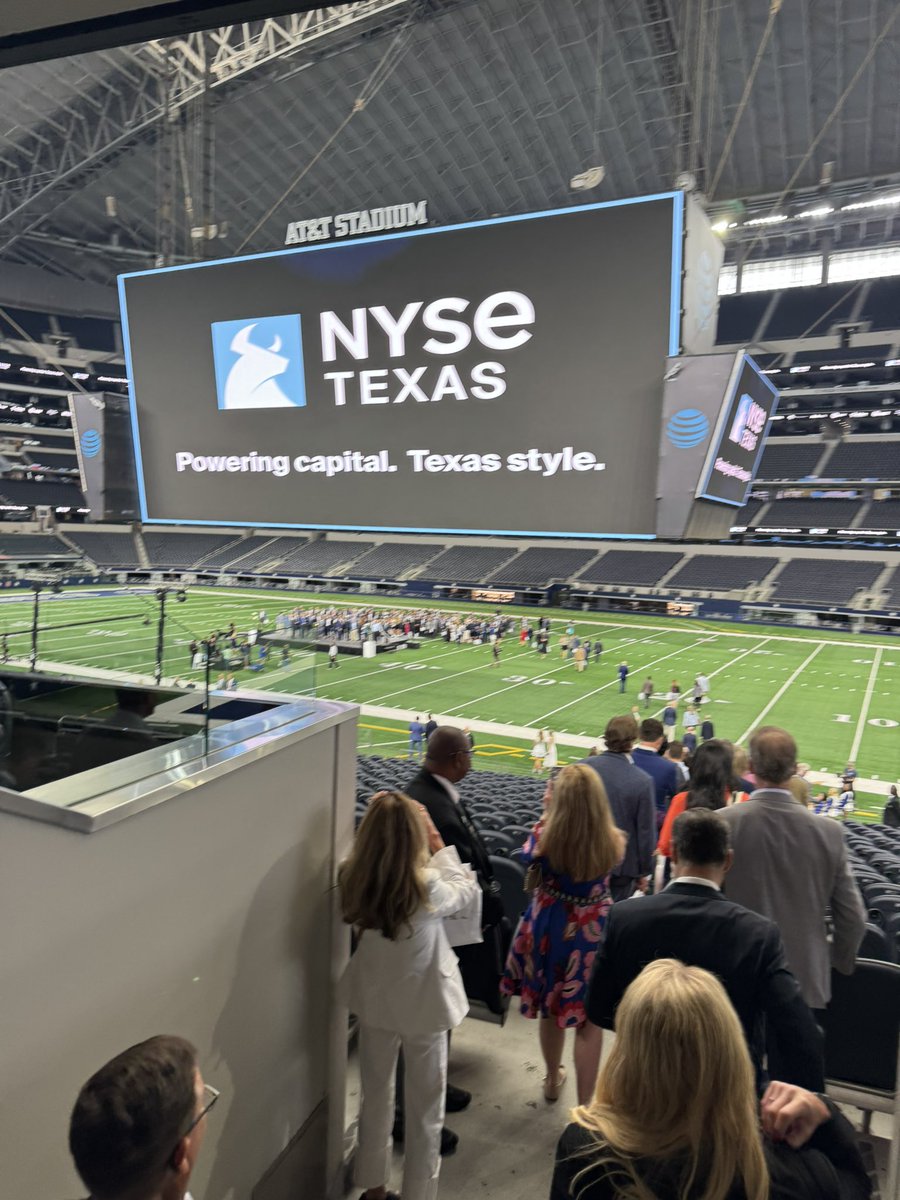
Welcome to Texas @nyse. As the state with the most NYSE listings, representing over $3.7 trillion in market value, it only makes sense. Powering Capital. Texas Style.
1
4
73
27 Apr 2024
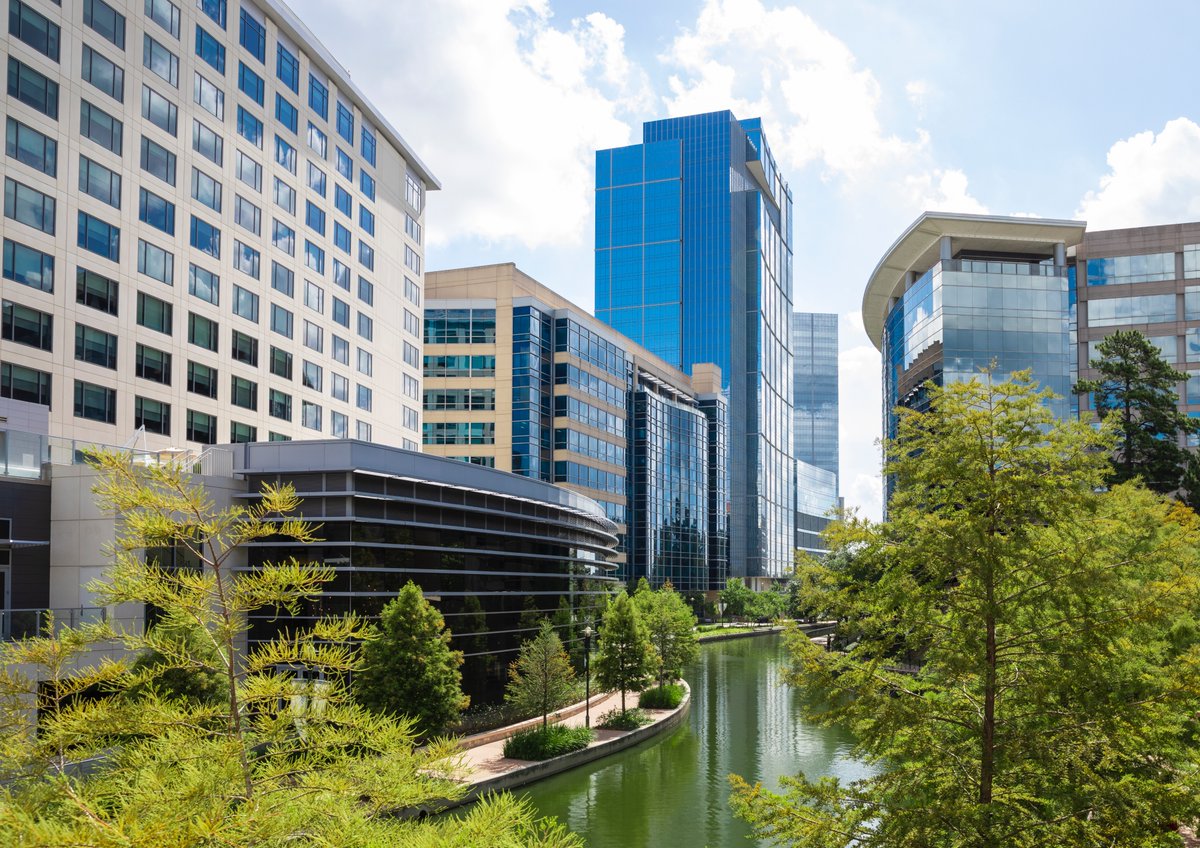
Spent an interesting week in @TheWoodlandsTex. One-of-a-kind master planned community.
ytexas.com/the-woodlands/pos…
1
2
75
Ed Curtis retweeted

9 May 2021
Good morning ☕️ with breakfast 🌮 and a re-watch of Elon on SNL —
Have a great day and Happy Mother’s Day to all moms!
9
8
111
Ed Curtis retweeted

31 Mar 2021
The Tesla Effect Has More Businesses Heading for Texas ktrh.iheart.com/content/2021…
2
2
Ed Curtis retweeted

19 Oct 2020
As the economy recovers, many businesses are flocking towards #Texas - and Ed Curtis of @YTexascom says it's for more than just tax relief! #VarneyCo
4
32
127
4 Sep 2020
4 Sep 2020


1