
Joined August 2019
- Tweets 1,262
- Following 1,173
- Followers 955
- Likes 1,634
47 Photos and videos




Shayan Doroudi retweeted

May 8
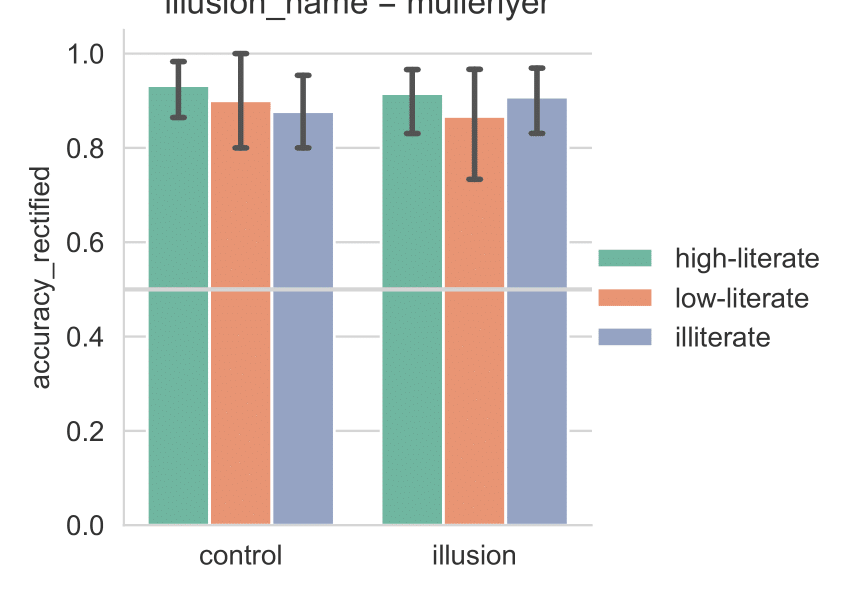
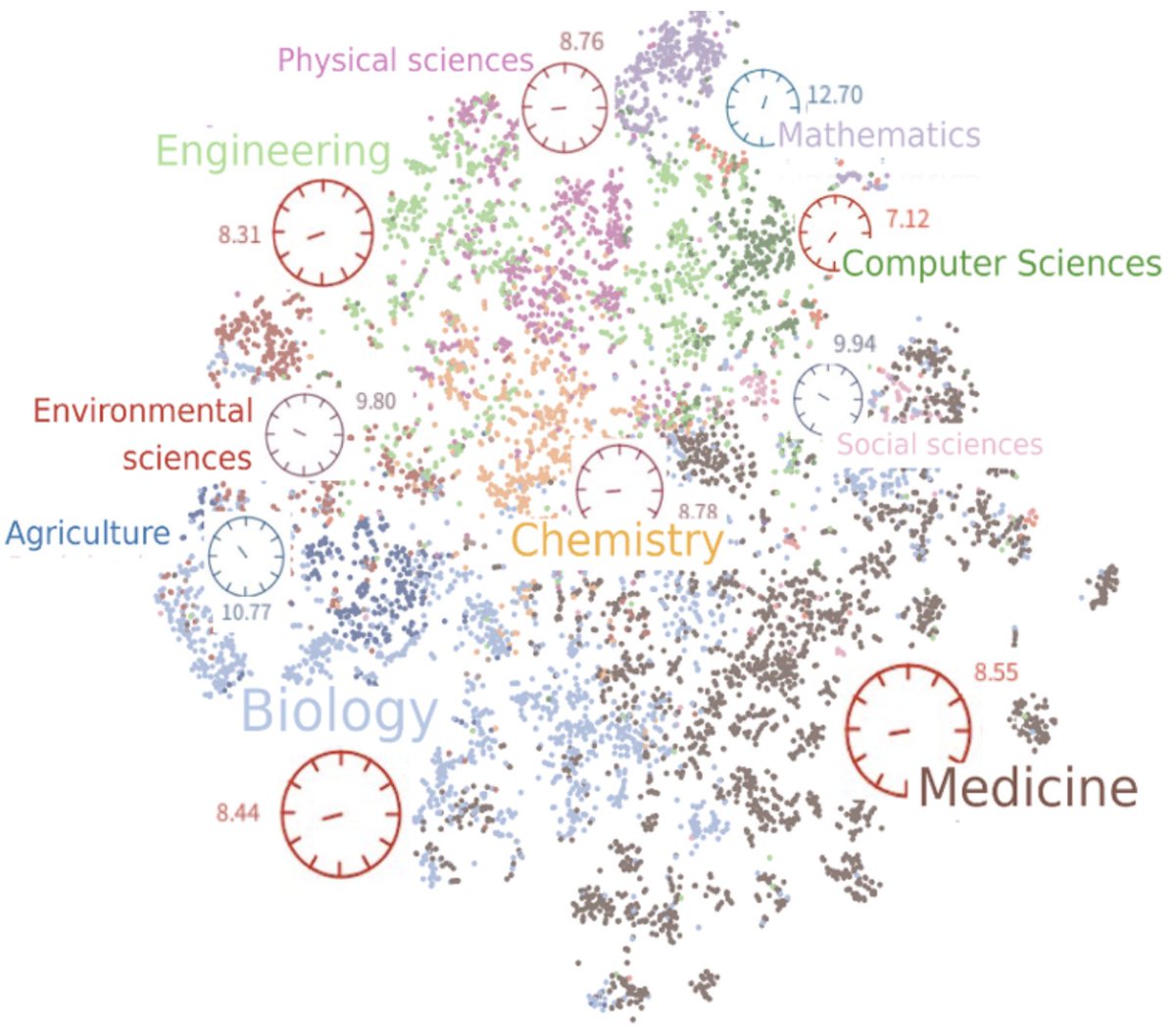
The "does creativity decline with age?" debate has been muddled by a category error. There isn't one kind of creativity. There are two...and they move in opposite directions across a career.
1
4
25
3,905
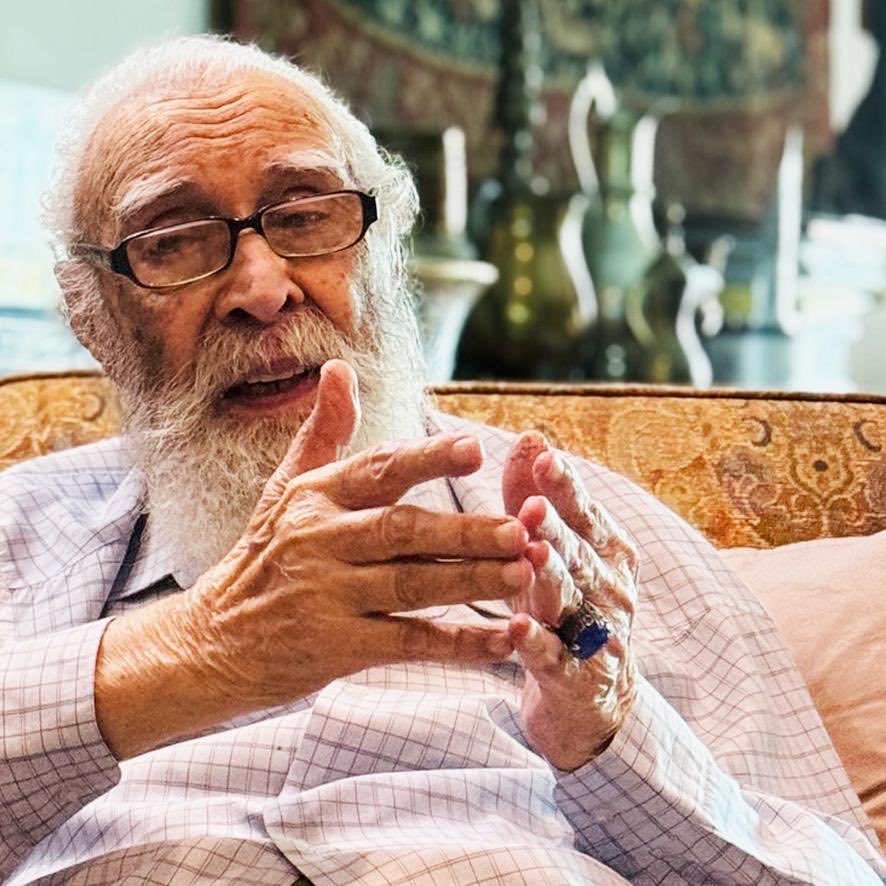
Just a few days ago, I started going through “The Concept of Education in Islam” by al-Attas with great interest. His ideas have had profound influence on scholarship in Islamic education, though I question the extent to which they’ve been actualized in practice (so far).

God bless the departed soul of Professor Naquib Al-Attas. We are deeply in loss for his passing. His contribution to the Islamization of knowledge was unparalleled. It was Prof. Naquib's inspiration which laid the ground upon which I established the Islamia school in 1983. Prof. Syed Muhammad Naquib al-Attas was deeply involved in the 1977 First World Conference on Muslim Education in Makkah, the papers of which became the foundation for our curriculum research. May he join the great company of the prophets and learned as one of the shining exponents of God's Holy Book.
#Peace
123

10 Sep 2025
It was an honor to be able to give a talk for this symposium on Justice-Oriented Visions of AI and Education at the Northwestern Symposium on Education, AI, and the Learning Sciences.
Talk linked here: youtube.com/watch?feature=sh… 1/4
1
1
6
388
10 Sep 2025
I do so by turning to historical approaches to AI (broadly conceived), education, and social justice that are largely forgotten. Namely, I briefly touch upon the work of Seymour Papert, Heinz von Foerster, and (even more briefly) Ivan Illich. 3/4
1
1
158
10 Sep 2025
I end by discussing a common inspiration in Papert and von Foerster's work: Warren McCulloch's notion of heterarchy. McCulloch described how a six-node neural network could give rise to a heterarchy of values. 4/4
1
119
Shayan Doroudi retweeted

4 Sep 2025
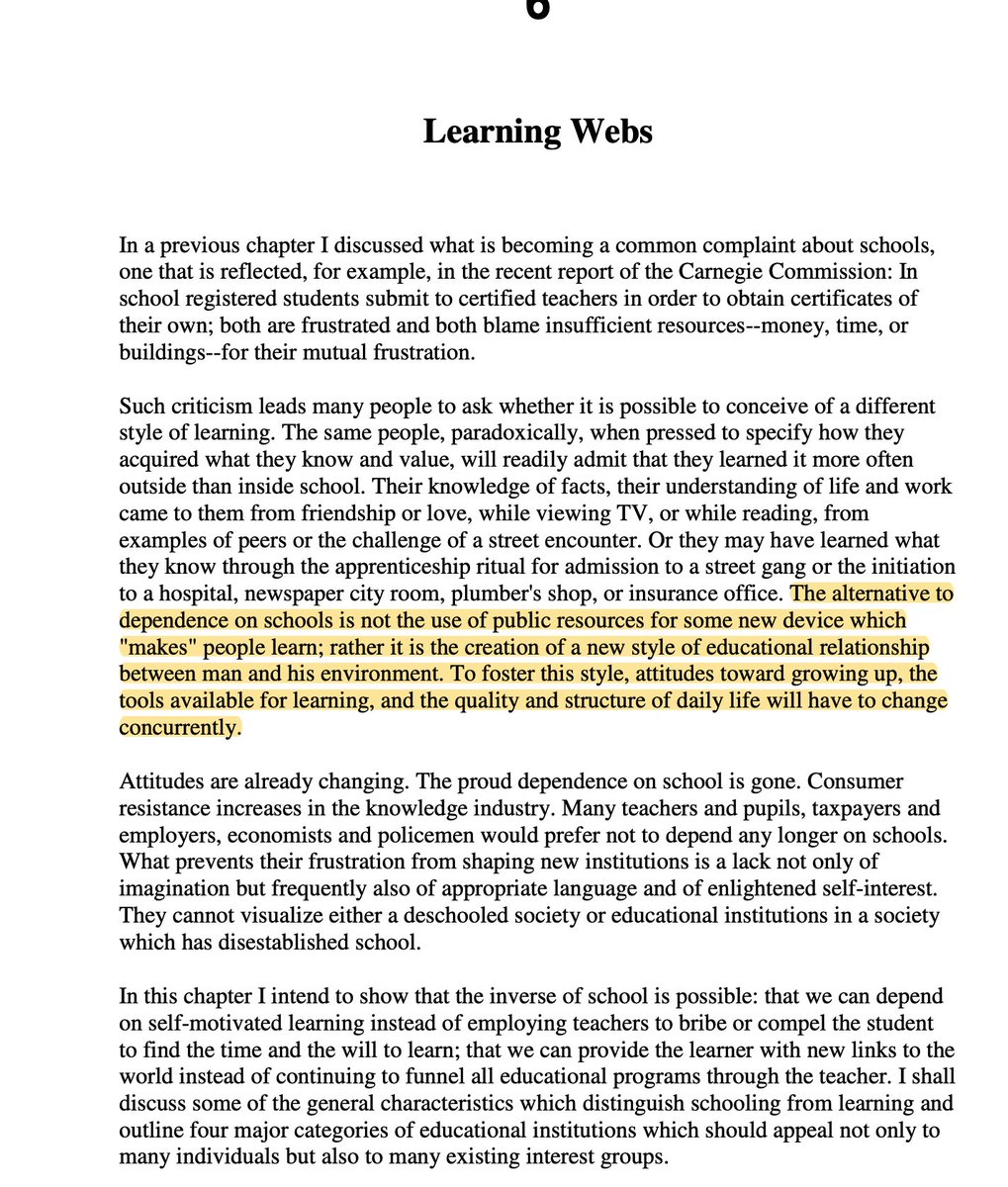
where have you seen ai / tech used to support this kind of shift?
"The alternative to... schools is not the use of public resources for some new device which
"makes" people learn; rather it is the creation of a new... relationship between man and his environment."
1
2
4
322
1 Aug 2025
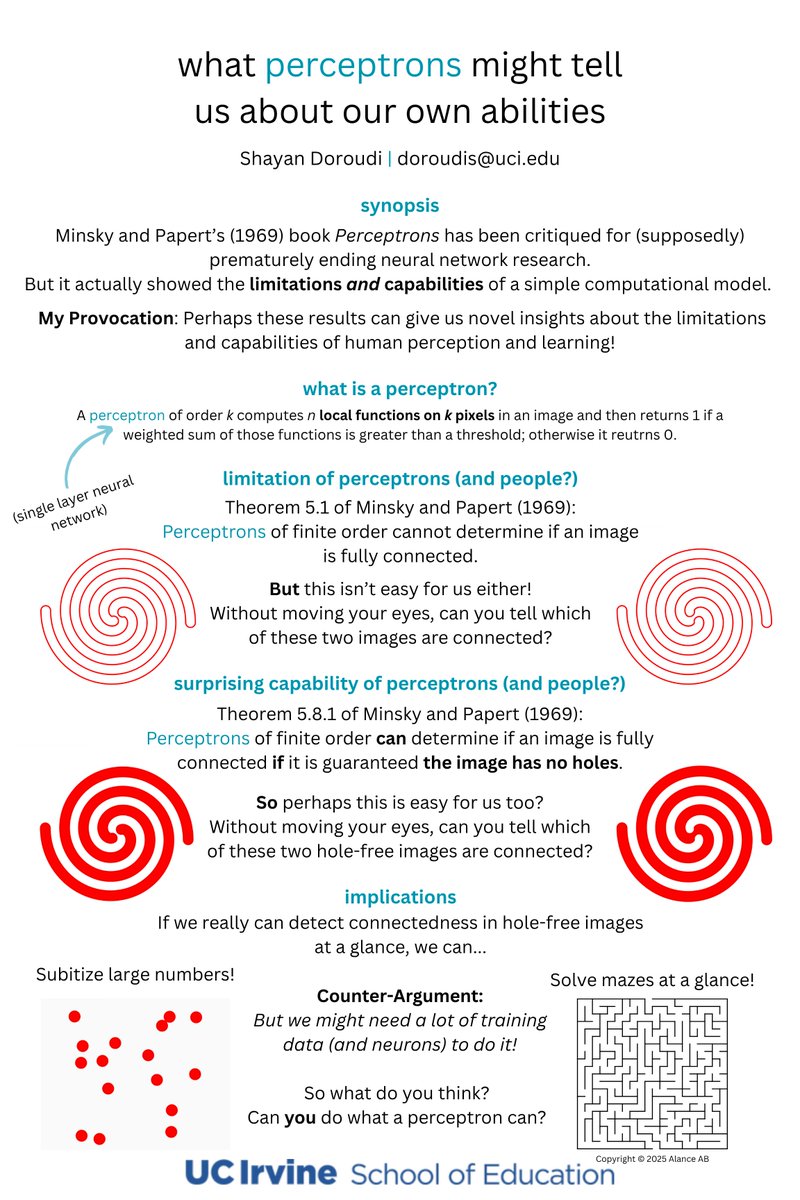
If you're interested in visual perception, Minsky and Papert's 𝘗𝘦𝘳𝘤𝘦𝘱𝘵𝘳𝘰𝘯𝘴, or how machine learning might give us insights about human cognition check out my poster at #cogsci2025 in this morning's poster session (P2-D-49)—or virtually below!
ALT Poster titled "What Perceptrons Might Tell Us About Our Own Abilities." Presents an argument that theoretical results from Minsky and Papert's 1969 book Perceptrons might have surprising implications for our own capabilities and limitations in visual perception and learning.
3
11
1,250
Shayan Doroudi retweeted

30 Jul 2025
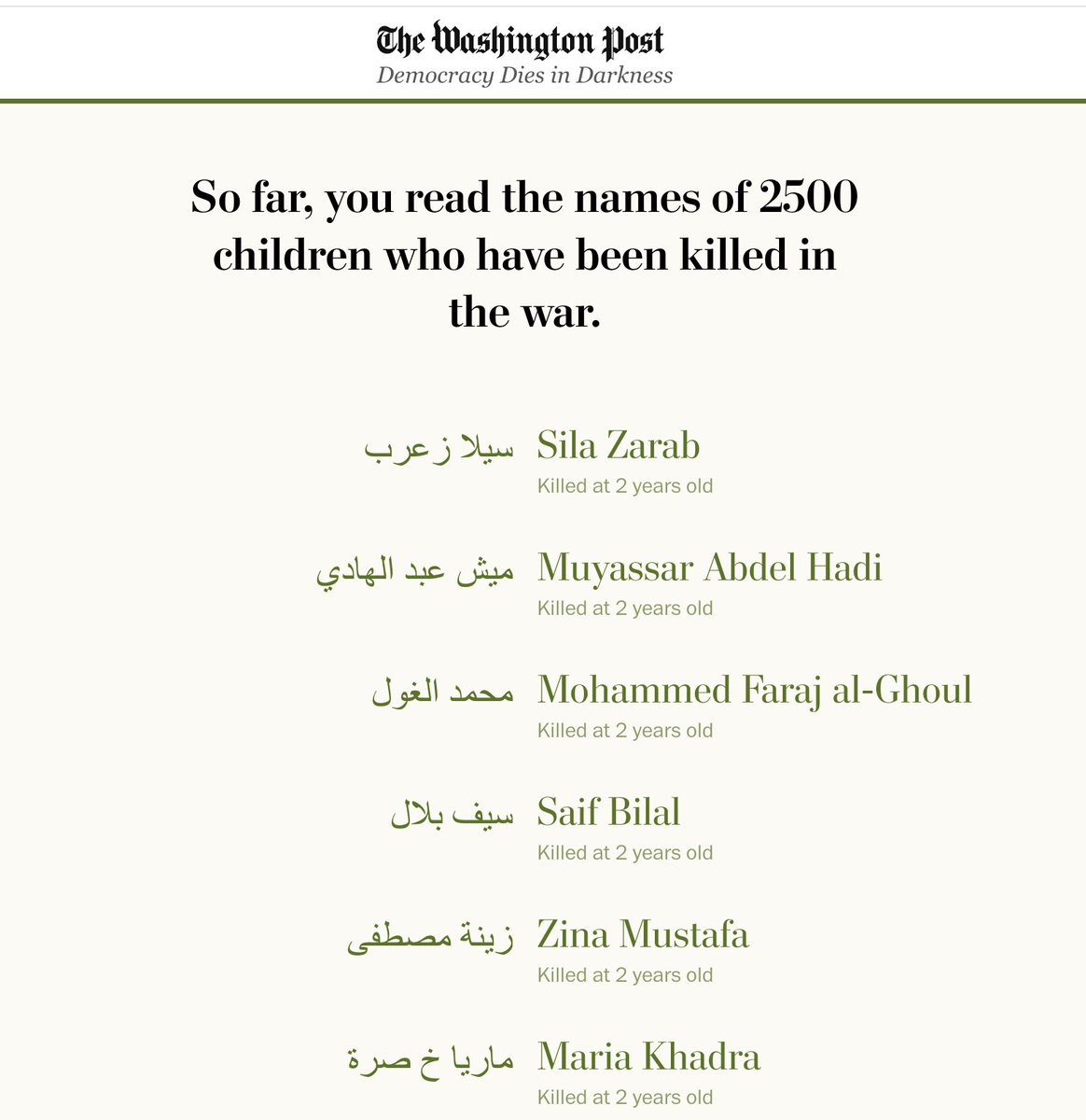
The Washington Post has published the known names of the 18,500 children killed by Israel in Gaza since Oct. 7th. At every 500th child, the Post tells you how many names of dead children you've read.
washingtonpost.com/world/int…
450
6,673
17,784
625,248
28 Jul 2025
RT @judyefan: On 08/02, @JunyiChu @ArnavVerma0_0 @parastooabtahi will share what they've learned about puzzles/fun multimodal reasoning/c…
6
Shayan Doroudi retweeted

25 Jun 2025
AI in the wild? This tray tissue I was given at a restaurant is full of errors and hallucinations…!

26
23
159
37,928
25 Jun 2025
I first stumbled upon @peterhreynolds' The Word Collector in a bookstore and it became one of my favorite books to read to my daughter.
——
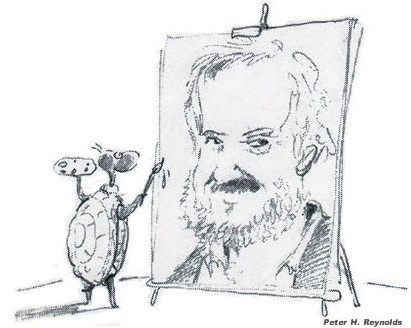
I had seen this drawing of Seymour Papert many times on @garystager's website, but until recently I didn't realize who the artist was... 1/7
1
2
94
25 Jun 2025
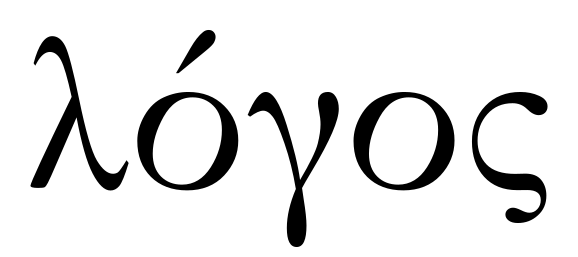
Jerome's word collection is a kind of microworld. A microworld for playing with words. Interestingly, prior to the emergence of the turtle, Logo was also used as a microworld for playing with words (hence Logo from the Greek logos—"word"). 6/7
1
59
25 Jun 2025
Thinking ish-ly also resonates with Papert, who (in contrast to his colleague Patrick Suppes) advocated for being vaguely right rather than precisely wrong. 7/7
52
5 Jun 2025
Congratulations to @santiagojedar @JuanCamiloCri10 @andydebarros from @UCIEducation and @kelley_fong from @UCIsociology!

Congratulations to the 2025 NAEd/Spencer Fellowship Recipients! - mailchi.mp/naeducation.org/c…
1
1
5
355
Shayan Doroudi retweeted

15 May 2025
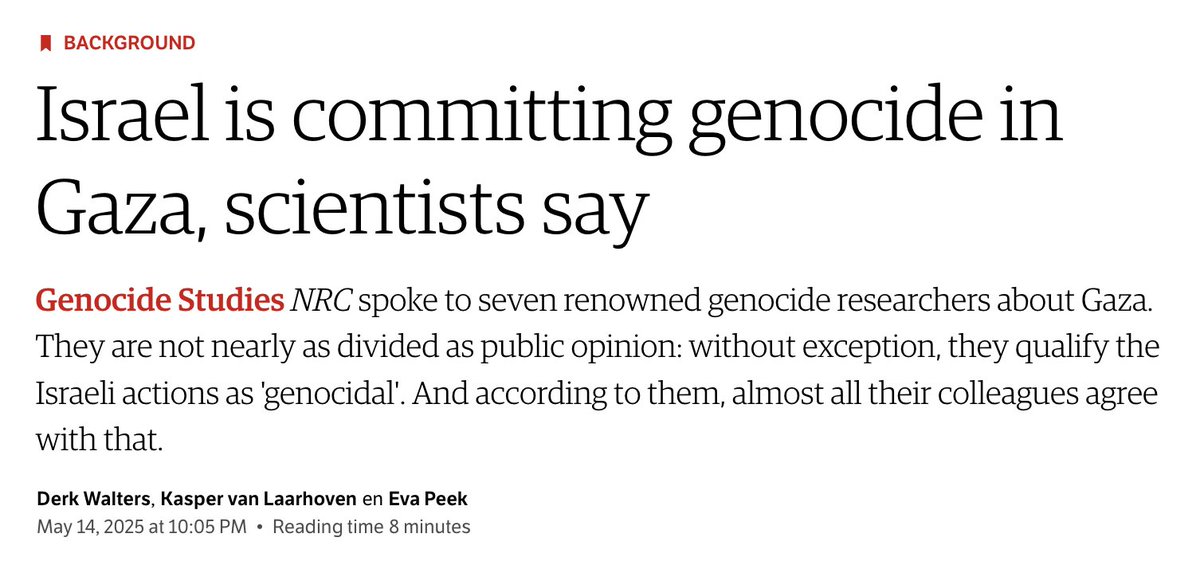
Incredibly powerful investigation in Dutch newspaper NRC: Seven of the world’s leading genocide scholars — including renowned Holocaust experts — describe Israel’s actions in Gaza as genocidal.
And according to them, nearly all of their peers agree.
736
10,218
25,077
2,009,241
2 May 2025
Where does the practice of deidentifying institutions in a paper reporting on a large sample from one ore more institutions come from (e.g., a large public university in the Midwest)? Often times, it's pretty easy to guess what the institution is. Is it necessary or useful?
1
143