
Faith. Freedom. Freight.
Joined September 2011
- Tweets 1,480
- Following 213
- Followers 486
- Likes 1,996
167 Photos and videos







Jun 13
Not everything should be a public debate.
We're so accustomed to social media culture, that we forget the virtues of prudence and charity.
21
Jun 11
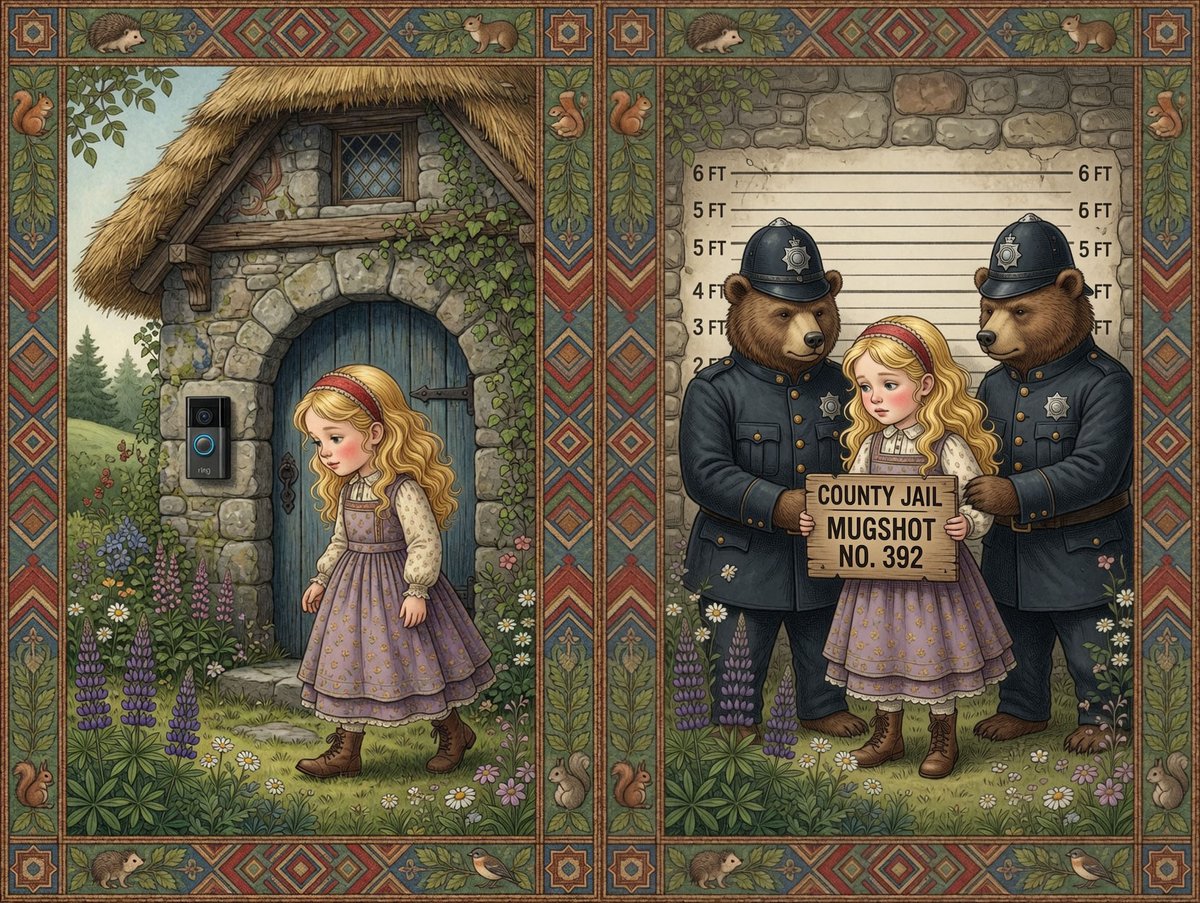
Goldilocks and the Three Bears - 2027 Edition.
Goldilocks went for a walk in the forest one day and smelled porridge wafting out of an open window of the Bear Cottage.
"Maybe I should come back tomorrow, Pappa hasn't brought any food home in a while..." she thought to herself.
By the time she got home, there were two Police Bears waiting for her. They'd seen the footage from the Bear's Ring camera, the data was processed by Palantir and showed her hungry eyes.
Facial recognition ensured there was no need of a trial.
The End.
2
7
388
Jun 10
Over $9 million to help the blind set up a new carrier authority.
Nothing to see here.
5
3
29
2,359
Jun 10
Life is suffering.
We can respond by becoming nihilists and hedonists. Or, we can find the meaning of our suffering and unite it to something greater.
2
7
256
Jun 9
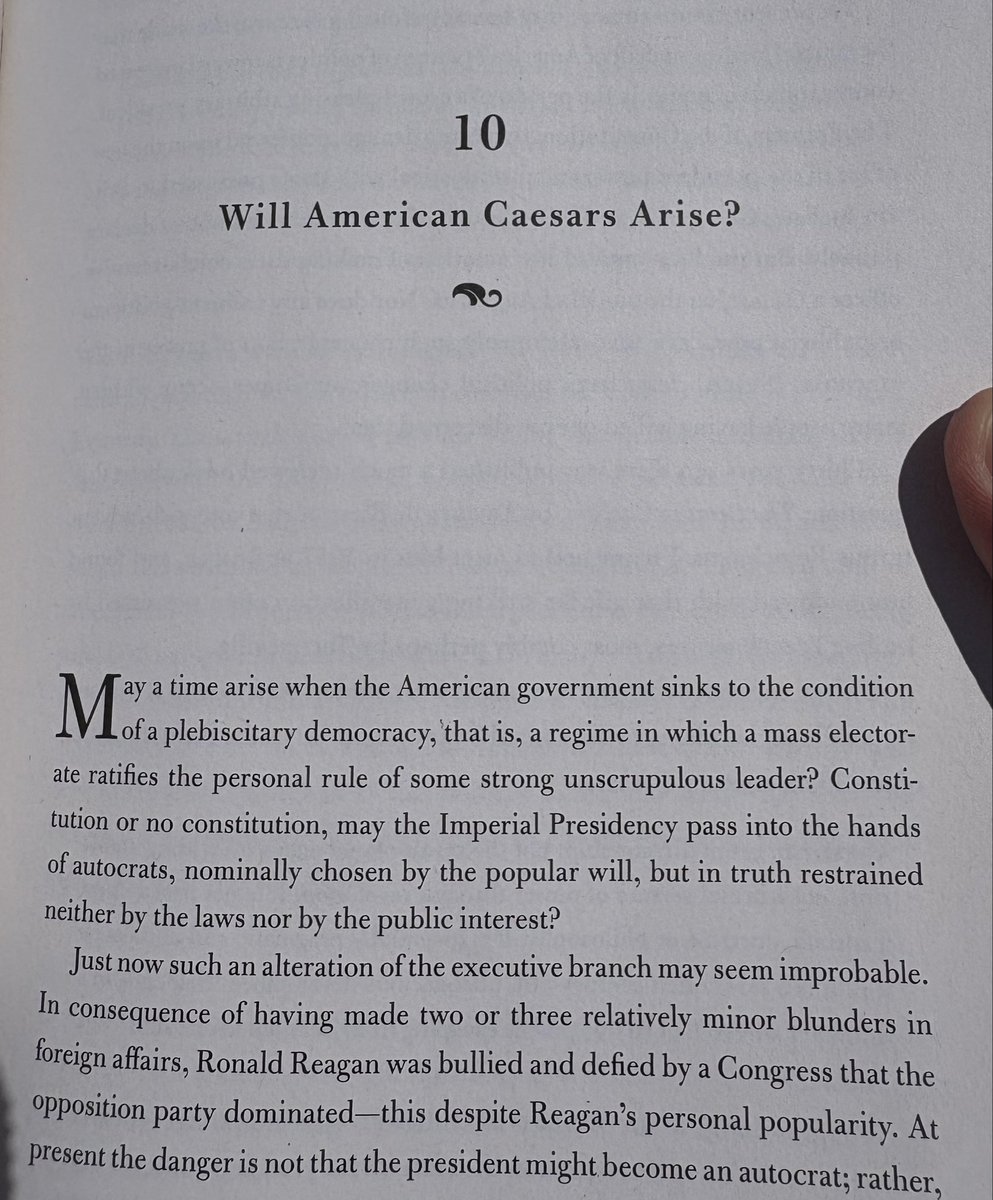
Will American Caesars arise?
Check out that first paragraph.
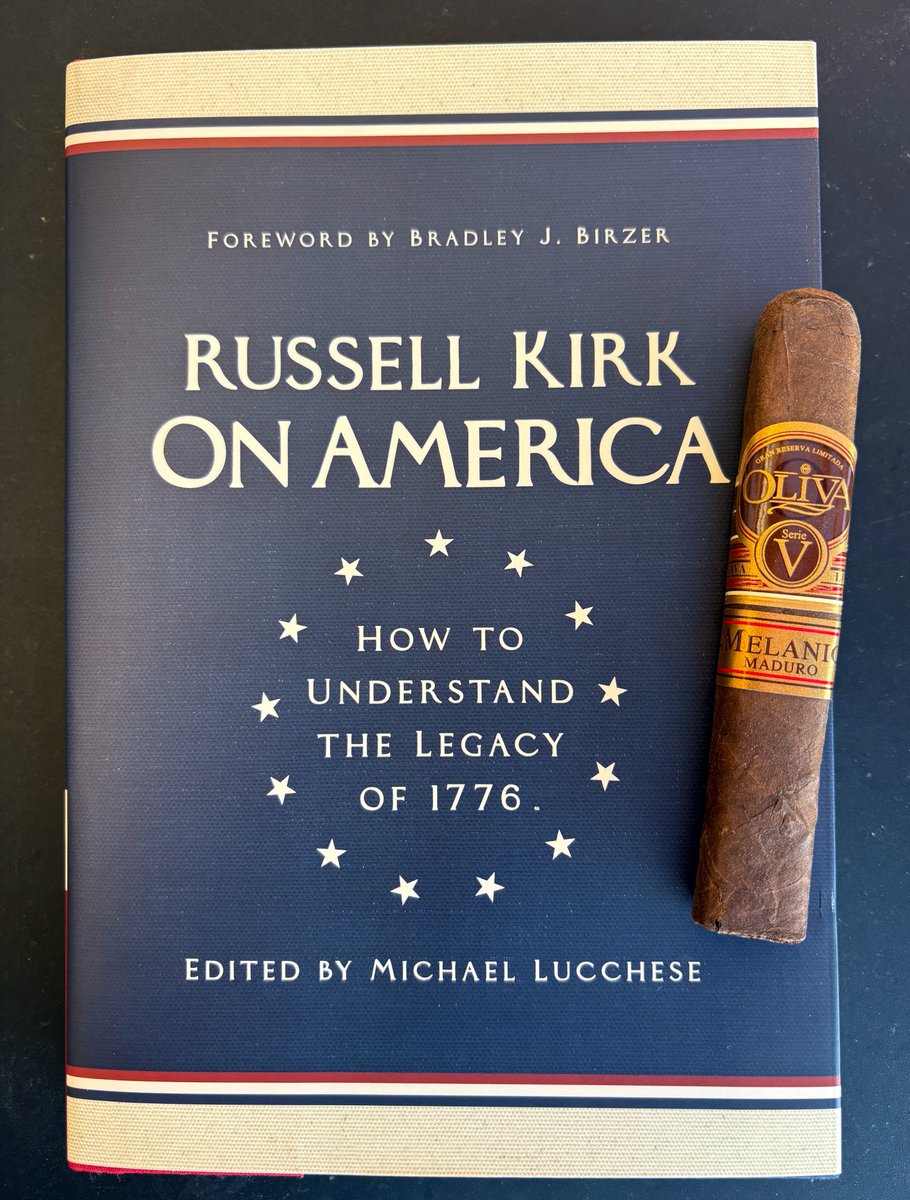
Yet another insightful, thought provoking, interesting essay by Russell Kirk in the book On America from @C_and_C_Books
2
40
Jun 7
If we all took the energy we put into arguing on X and instead wrote a poem or a short story, or built something, or planted something in the garden, it would be good for the world.
3
3
7
561
Jun 5
America does not need more affordable childcare.
It needs to enable one income families.
7
11
66
1,829
Jun 5
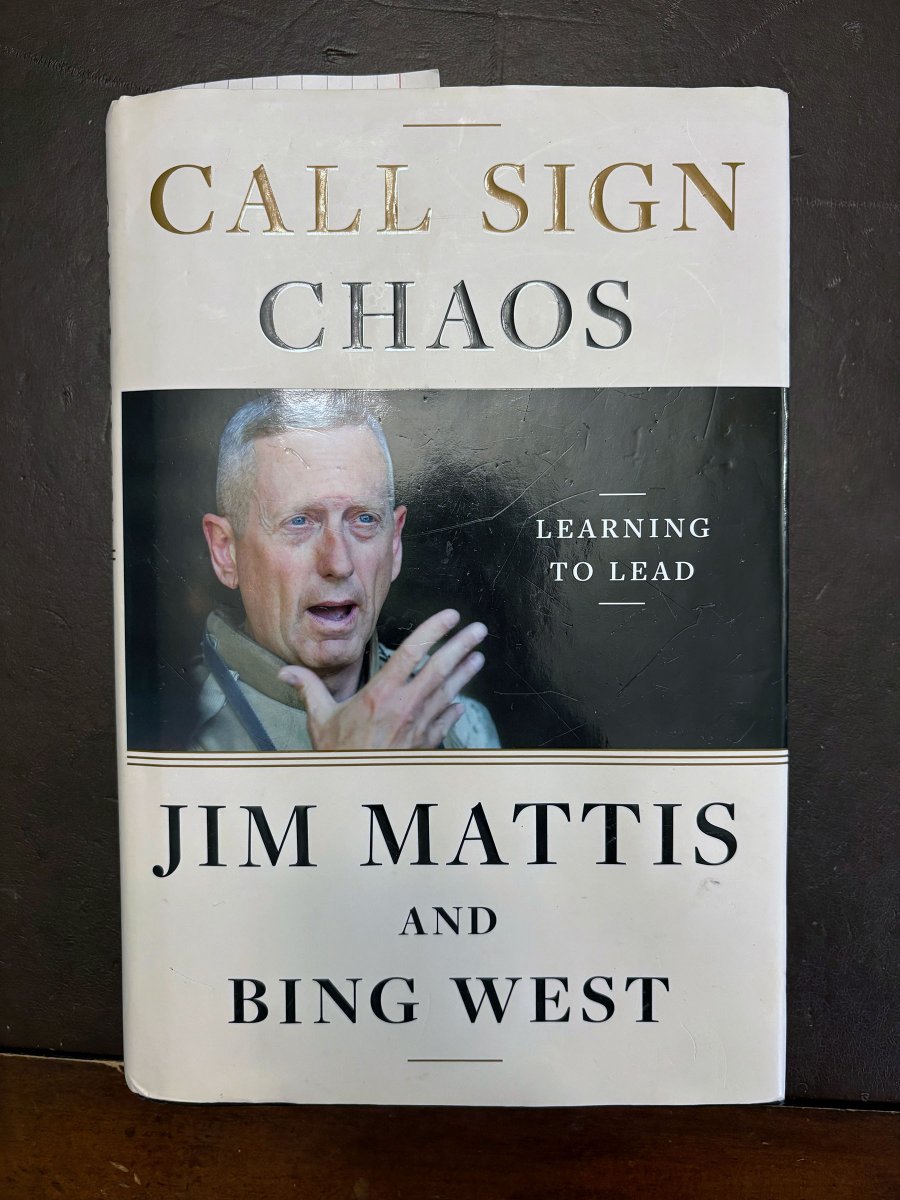
When a Marine Corps NCO hands you a book and says, "you have to read this," you do.
Here are some of my takeaways of Call Sign Chaos, a well-written book that blends leadership advice with fascinating anecdotes from Mad Dog Mattis' long career as a Marine officer.
1. If a leader has not read hundreds of books, he is functionally illiterate.
Mattis is extremely well read, pulling from literature, history, philosophy and more. It served him well.
2. Most of us are not working in combat situations. The stakes my be high, but not that high. Relax.
3. Indecision is a killer and a loser. Literally and figuratively.
4. Commander's intent. "We will ___ in order to ___." The formula is simple, but something that I've been missing.
It has to accomplish the mission, be achievable, clearly understood, and deliver on the task.
And the leader doesn't have to be there for it to happen.
5. Do your homework. Mattis studied the battles of Mesopotamia, Alexander the Great, WWII in anticipation of the Iraq invasion.
He then played out scenarios time and again before going into battle, especially when working with other units.
Walking through the plan on football-field-sized-spaces to determine where there would be logistical challenges, then adjusting accordingly.
6. Decision loops. OODA.
Observe what's going on.
Orient yourself.
Decide what to do.
Act before your opponent.
7. Decentralized decision making. If the leader properly makes his intent known, it is up to everyone on the team to execute.
This means giving specific phrases that capture the ethos of what the commander wishes to accomplish, while leaving things broad enough that each team or individual has the leeway to get the job done in dynamic situations.
8. Value a bias for action. Junior leaders need to be ready to go, eager for action. People who get it done are the ones you want on the team.
"You must unleash initiative rather than suffocate it."
9. Protect your mavericks. Of course a maverick can be seen as a risk, but the ones who are willing to challenge the status quo are the ones who push the organization to be all it can be.
10. Doctrine is good, but you must know it well enough to know when to shift away from it.
11. The burden of war is heavy.
While General Jim Mattis is clearly a stoic, nevertheless, the burden of war is heavy. He mentioned pushing emotion to the side during combat situations, because there would be time to "think about that later."
This is a worthy read.
104
Jun 3
Very much looking forward to cracking open my latest delivery from @C_and_C_Books.
It seems appropriate reading for the semiquincentennial.
3
2
16
1,089
Ed Burns retweeted

Jun 2
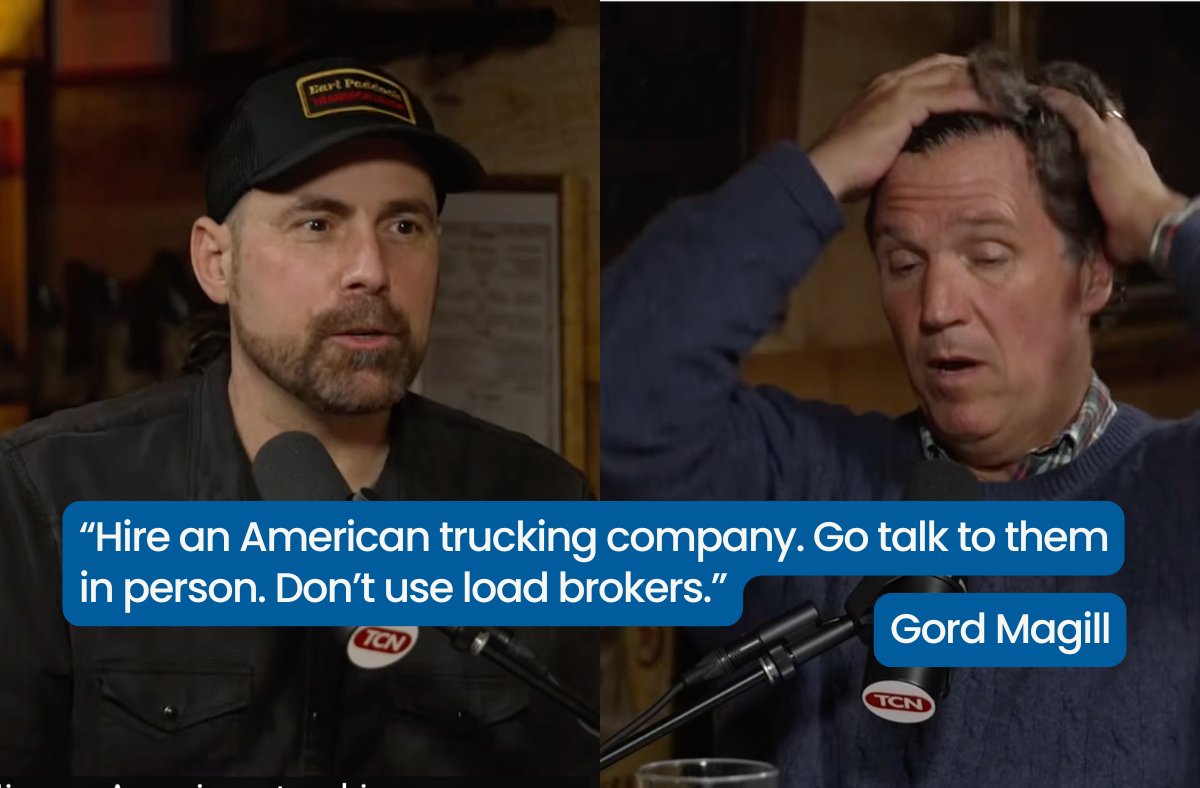
Hire an American Trucking company.
Go talk to them in person.
Don't use load brokers.
@GordMagill nailed it on @TuckerCarlson.
2
5
94
Jun 1
June is the month of the Sacred Heart.
It is not a heart of pride, but of the utmost humility.
“The greatest proof of love is to suffer for the beloved, and Jesus has done this for us. His Sacred Heart is our refuge and our rest.” St. Francis deSales
1
7
110
May 31
How to talk about Non-Domiciled CDLs without being racist.
1/13

20
10
44
6,783
May 31
12/13 - Acceptable & Unacceptable
It is unacceptable to crap in a shipper’s yard. We don’t clean our feet in truck stop sinks. Not being able to read road signs is unacceptable. Illegal activity, from immigration, to ELD manipulation, to theft, are all unacceptable.
Knowingly giving freight to people who do these things is unacceptable.
An accent is perfectly acceptable.
The issue is not one’s nation of origin or skin color, it is whether he or she will follow the laws, adhere to the trucking culture, and do the right thing.
2
4
285
May 31
13/13 - The Renaissance of American Trucking
We are on the verge of the renaissance of American trucking.
If those of us in the industry address our issues, take responsibility, and talk about the tough topics with candor and civility.
Shippers and brokers need to be critical of who they are hiring. No matter the pressure from up the chain, they must hire carriers that run legal drivers.
Poorly trained, illegal truck drivers don’t belong on our roads. If no one gives them freight, they won’t be.
We’ll know we made it when no kid pumping his little fist in the air goes unnoticed and we hear air horns blasting once again across our roads.
4
5
260