
Joined July 2013
- Tweets 2,488
- Following 2,287
- Followers 1,567
- Likes 6,694
594 Photos and videos










Edison Huynh retweeted

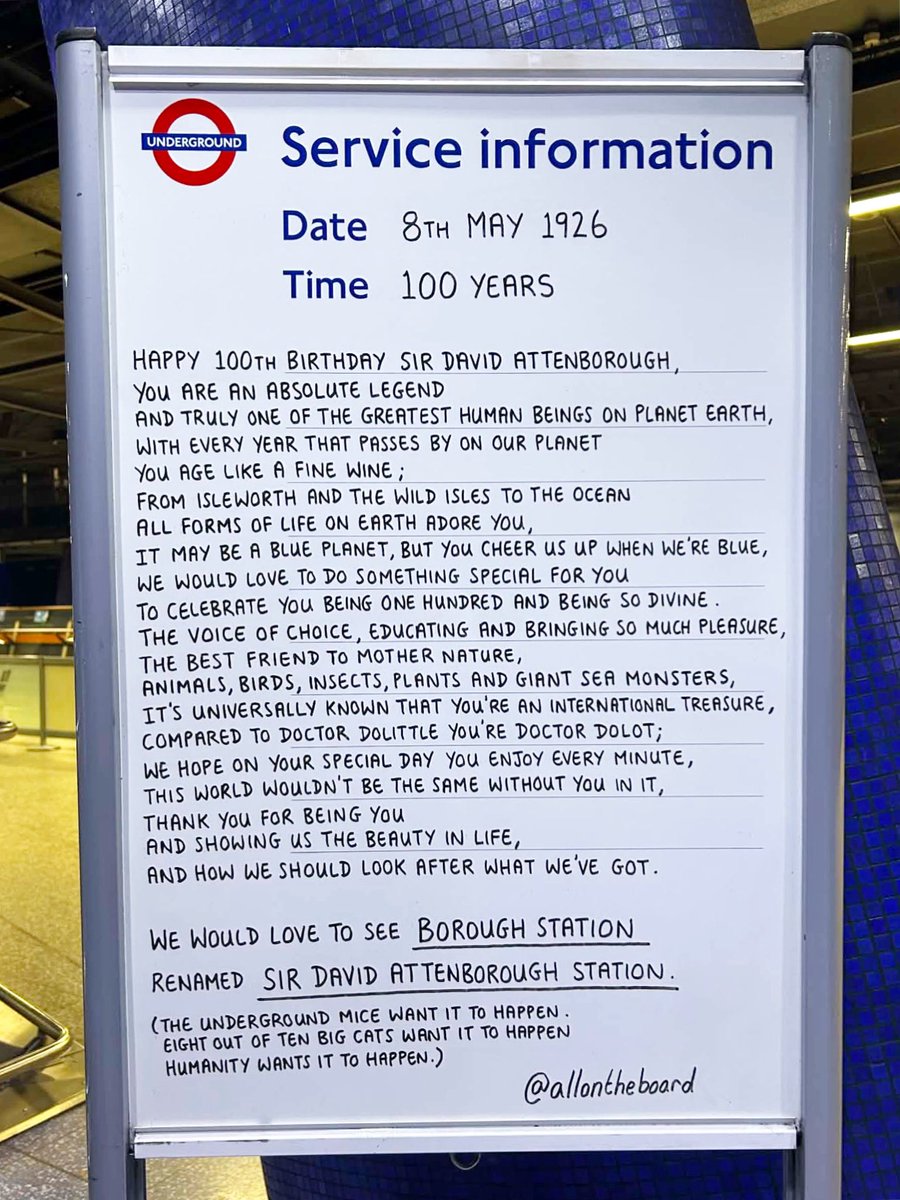
Happy 100th Birthday Sir David Attenborough. Thanks for being you and doing what you do. You are a legend and the world wouldn’t be the same without you in it.
#SirDavidAttenborough #DavidAttenborough #DavidAttenborough100
60
2,535
10,241
166,045
Edison Huynh retweeted

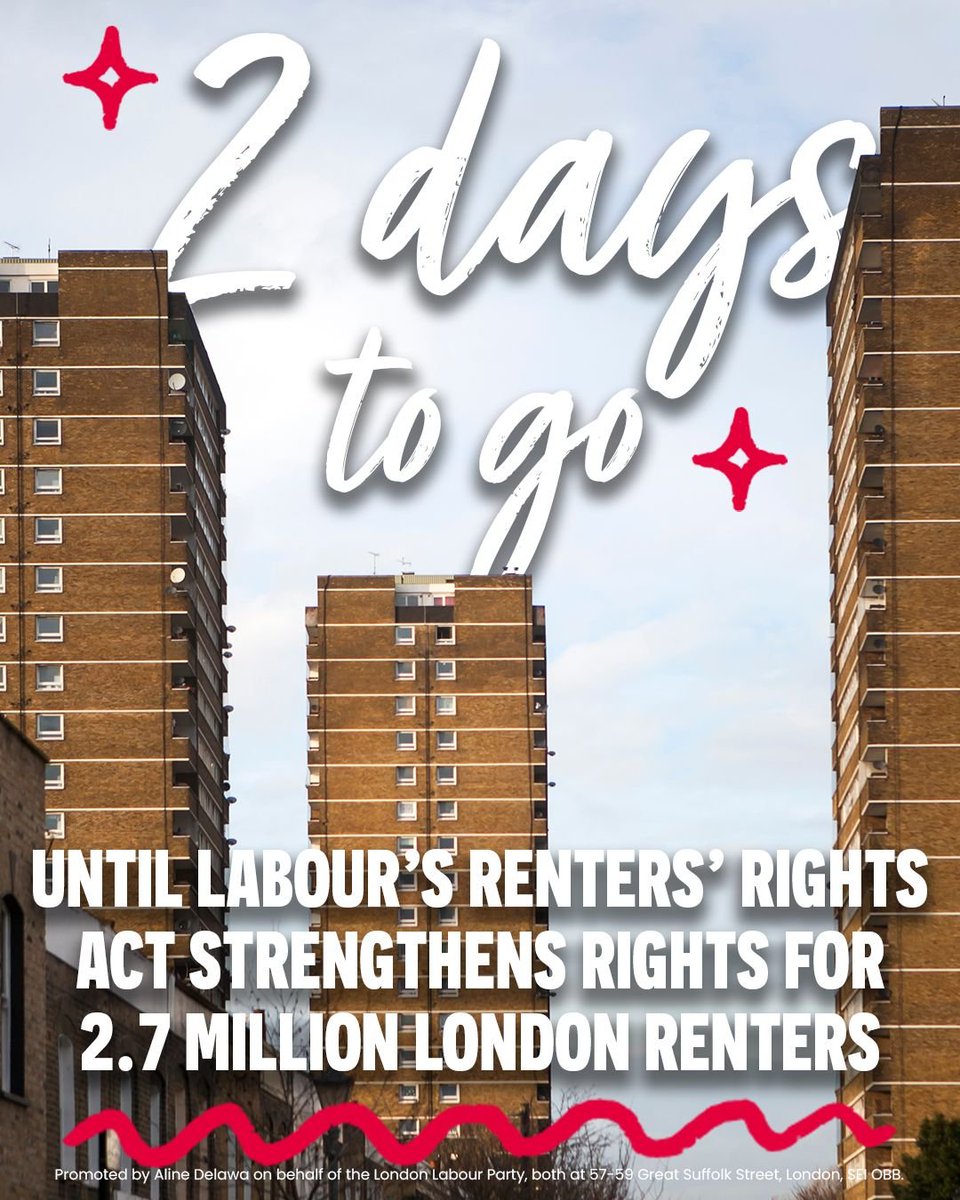
If you 𝐫𝐞𝐧𝐭 𝐢𝐧 𝐋𝐞𝐰𝐢𝐬𝐡𝐚𝐦, this matters
Too many private renters are dealing with insecurity, rising costs, and a system that isn’t fair
𝟖𝟑,𝟐𝟎𝟓 𝐩𝐫𝐢𝐯𝐚𝐭𝐞 𝐫𝐞𝐧𝐭𝐞𝐫𝐬 𝐚𝐜𝐫𝐨𝐬𝐬 𝐋𝐞𝐰𝐢𝐬𝐡𝐚𝐦 have new rights from today, delivered by Labour🌹

2
4
501
Edison Huynh retweeted

May 1
🚨Renters
Here are your new rights!
54
51
100
11,235
Edison Huynh retweeted

Labour is delivering for Lewisham 👇🏽

2
10
16
457

Apr 8
RT @SadiqKhan: NEW: Today I’m announcing plans to deliver at least one new late-night youth club in every London borough - the biggest inv…
538
Edison Huynh retweeted

Mar 27
The Renters’ Rights Act coming into force in May will ban no fault eviction and make it possible to challenge unfair rent rises.
The @MayorofLondon is setting up a £400k Renters’ Rights Enforcement Fund for renters rights groups and for training for borough enforcement officers.
50
32
76
29,522


Edison Huynh retweeted

Feb 12
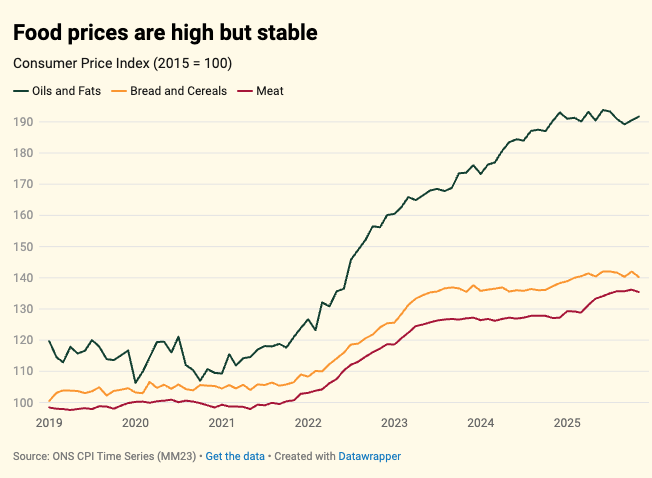
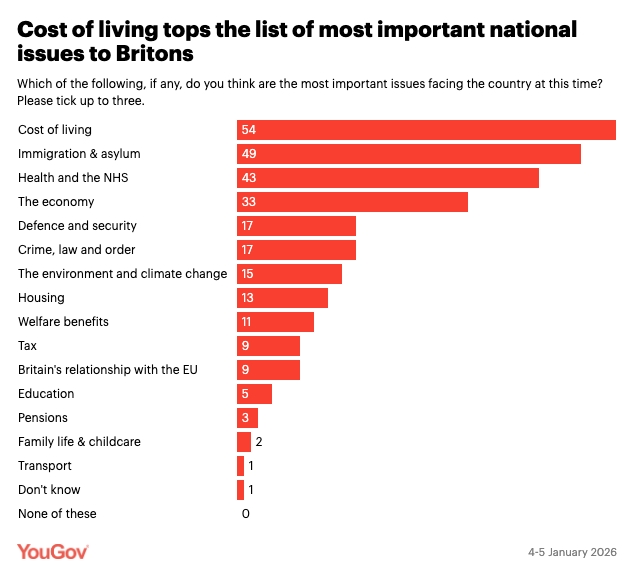
Keir Starmer wants to make your food cheaper.
The PM says that "every minute we focus on anything other than cost of living is a wasted minute”. Food is the most visible part of inflation for most people, and prices have gone up 40% since 2020.
But there's a problem: the Government has limited direct control over food prices.
The main drivers of recent food price inflation are:
🌾a global supply squeeze triggered by Russia’s full-scale invasion of Ukraine
🌡️climate-related shocks
⚡ increases in energy prices, also linked to the war, as well as Britain's dependence on gas.
Meanwhile, supermarket margins are razor-thin, and VAT is already set to zero on groceries, limiting the Government’s options.
So what can we do?
To answer this question, @BritishProgress has teamed up with @LivingStandardC to publish new research, drawing on expertise and evidence from @SYSTEMIQ_Ltd.
We find that there are two main levers the Government can pull to get prices down.
1. 🇪🇺 Closer alignment with the EU: negotiating and agreeing a deal on SPS, plus some customs arrangement, could lower food prices by 3-6%, depending on the level of alignment.
2. 🏗️ Reform planning to increase supermarket competition: current planning constraints benefit incumbents and limit the availability of lower-cost shops.
Previous competition action that enabled the rise of Lidl and Aldi created estimated welfare gains of 3.5% on certain basic products.
The Government could go further and introduce a permitted development right for grocery stores, which would make it easier to open new branches in underserved areas.
Read the full briefing from me, @YuanfenYang & @KaneEmerson here: britishprogress.org/briefing…
9
14
59
16,587
Jan 14
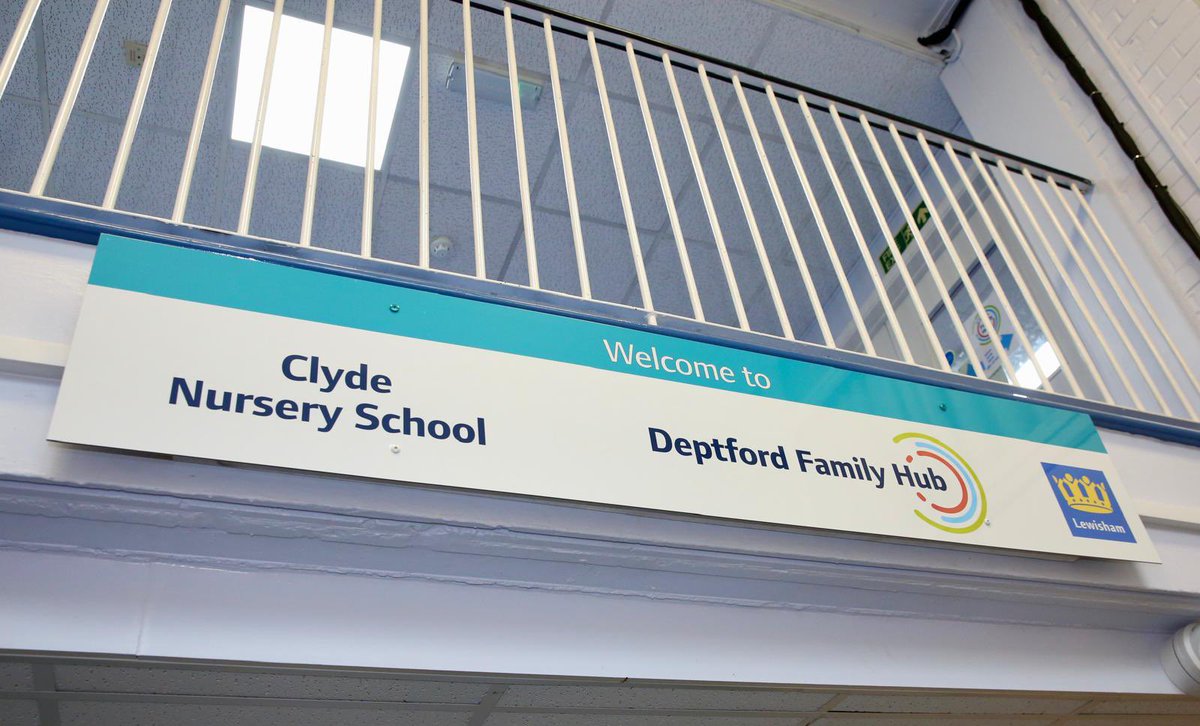
Was fantastic to meet with @debs_wb & @DustinPoirier to discuss our efforts to tackle child poverty and launch the Family Financial Resilience Partnership at Deptford Family Hub. Families can get financial & legal advice on top of all the other pre-& post-natal services we offer

Every child deserves to have the best start in life & tackling child poverty remains a priority for @MayorofLondon.
I'm proud we're investing over £2m to help low-income families across London access the advice & support they’re entitled to.
Read more: london.gov.uk/mayor-launches…



1
156
Edison Huynh retweeted

26 Nov 2025
Remember this video from back in 2019? It's shameful.
Every child growing up in our country deserves the best start in life – nothing less.
That's why Labour is backing children's life chances and scrapping the two child benefit cap.
1 Dec 2019

"We try not to eat a lot in one day, even though most of us are really hungry."
Almost 1 in 3 children in the UK are now growing up poor, like Cameron and his two sisters whose family rely on a food bank to help fill the fridge.
577
210
825
102,576
13 Nov 2025
RT @Brenda_Dacres: London faces a choice: the politics of protest, or the politics of progress.
We’re building homes. Others are blocking…
31
Edison Huynh retweeted

6 Nov 2025
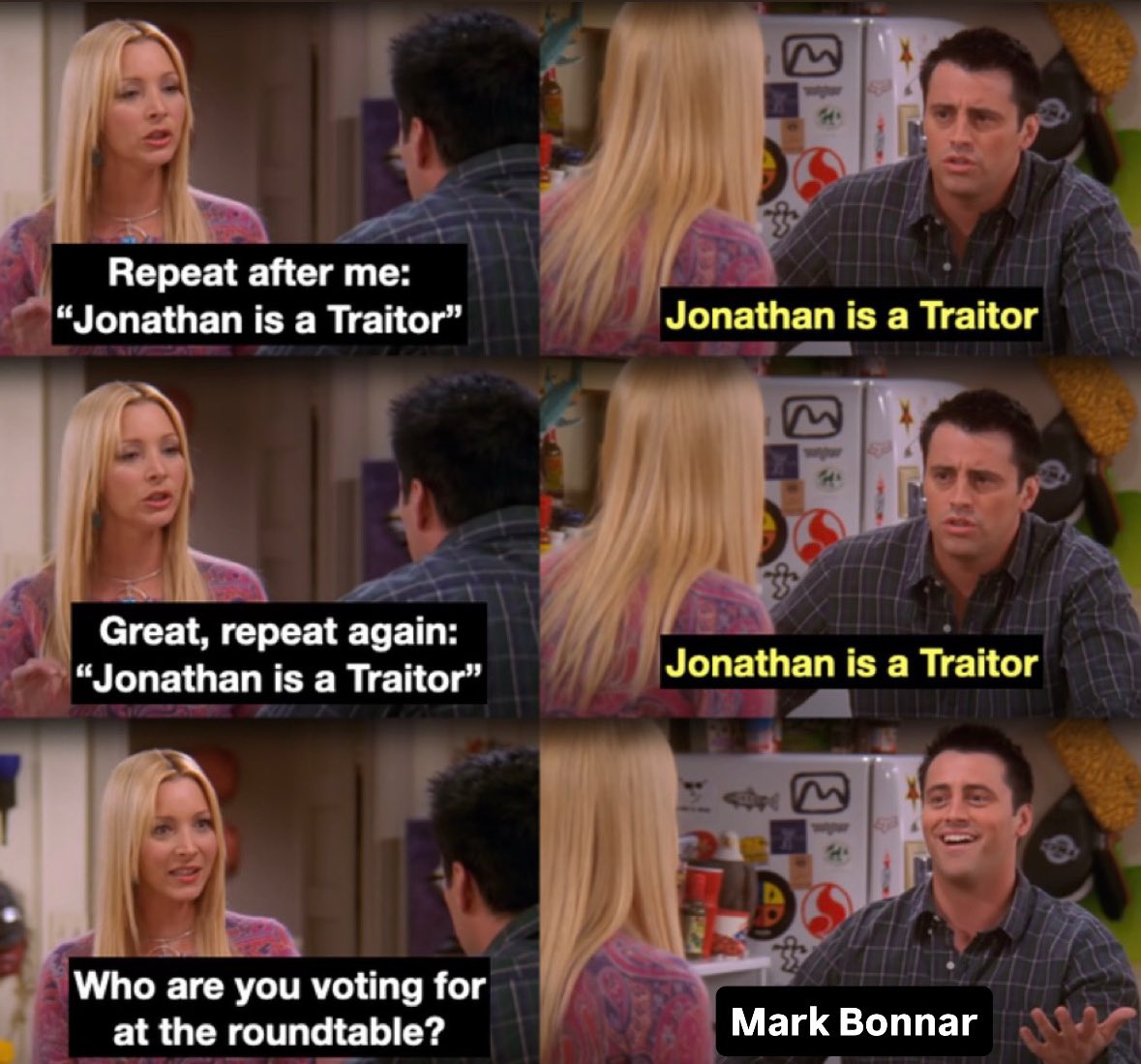
What a series of the #CelebrityTraitors. Here is my supercut video of all of the best bits.
22
650
7,441
314,328



Edison Huynh retweeted

6 Nov 2025
He was the best of traitors, he was the worst of traitors. He made this series incredible and I am absolutely bloody thrilled. YESSSS. #CelebrityTraitors




26
557
10,473
310,296
Edison Huynh retweeted

31 Oct 2025
Please share... Thnx! @LewishamCouncil @lewishamlocal @WeAreLewisham @LondonYouth @YouthWorkAll @GroveParkSE12 @Lee_SE12 @LewishamHCP @natyouthagency @JRHYScommunity @BromleyWell @Edison1d @PE_BonusPastor @MistaGoode @TheAlbanySE8 @LewishamCollege @SourthwarkGP @younglewisham
31 Oct 2025

We are recruiting! Part time youth club lead at Grove Park Youth Club, London SE12:
groveparkyouthclub.co.uk/_fi…

2
2
238

Edison Huynh retweeted

6 Oct 2025
Happy Celebrity Traitors week to those who celebrate! 🔥

17
84
1,171
68,150
24 Sep 2025
RT @MayorofLondon: I’m proud to unveil the Bakerloop - a brand-new, express electric bus service linking communities from Waterloo to Lewis…
109
7 Sep 2025
RT @Brenda_Dacres: It was wonderful to join our fantastic #Lewisham Care Leavers last Friday and celebrate their achievements. @Edison1d, o…
2