
⚽ Freelance Football Tactics Writer ✒ Featured on @ASRomaEN, @Arsenal, @Wyscout, @Bundesliga_EN, @MonacoTribune more.
Joined October 2015
- Tweets 6,183
- Following 2,444
- Followers 4,442
- Likes 16,930
618 Photos and videos

Pinned Tweet

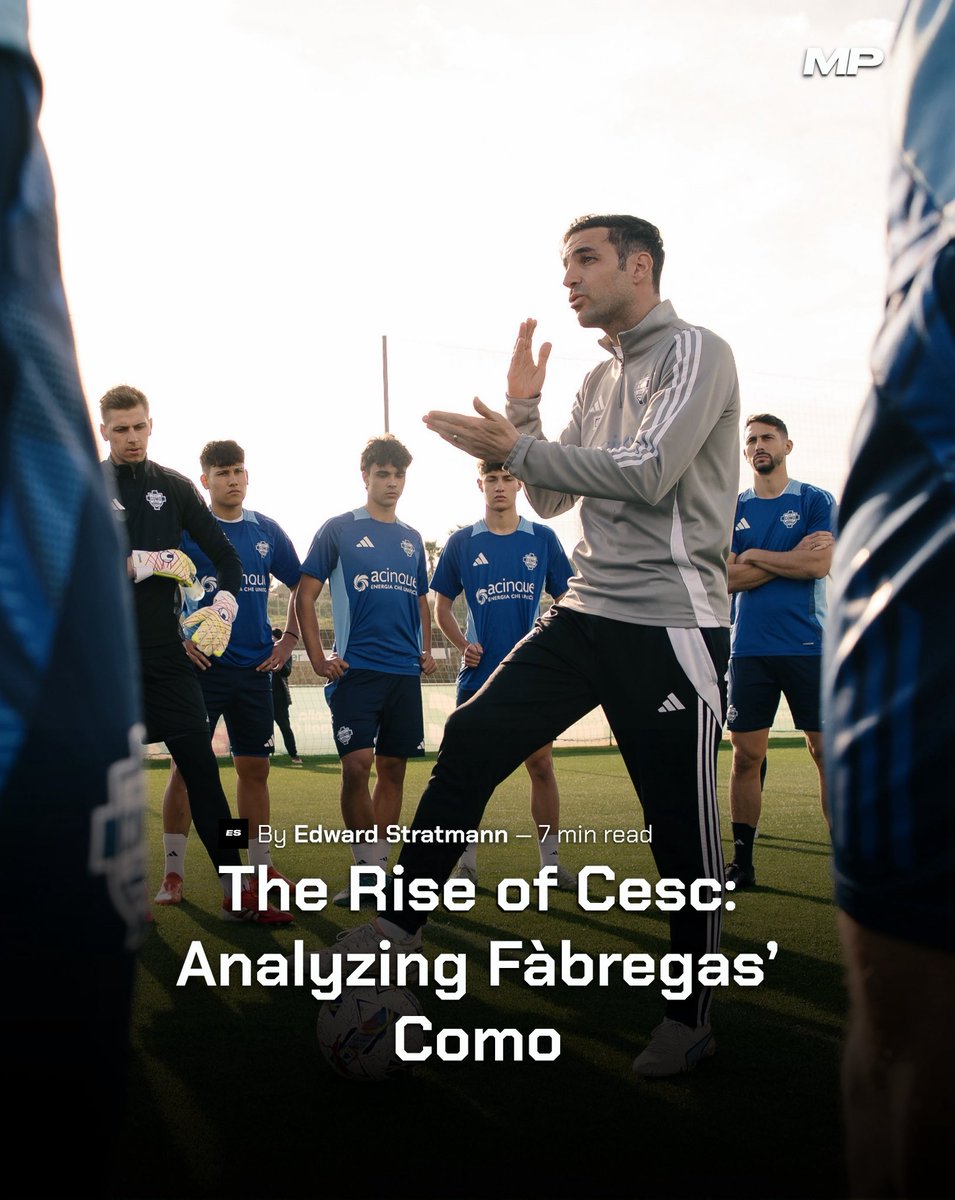
NEW for @maspositional: The Rise of Cesc - Analysing Fàbregas' Como. maspositional.ghost.io/the-r…
16
37
9,015
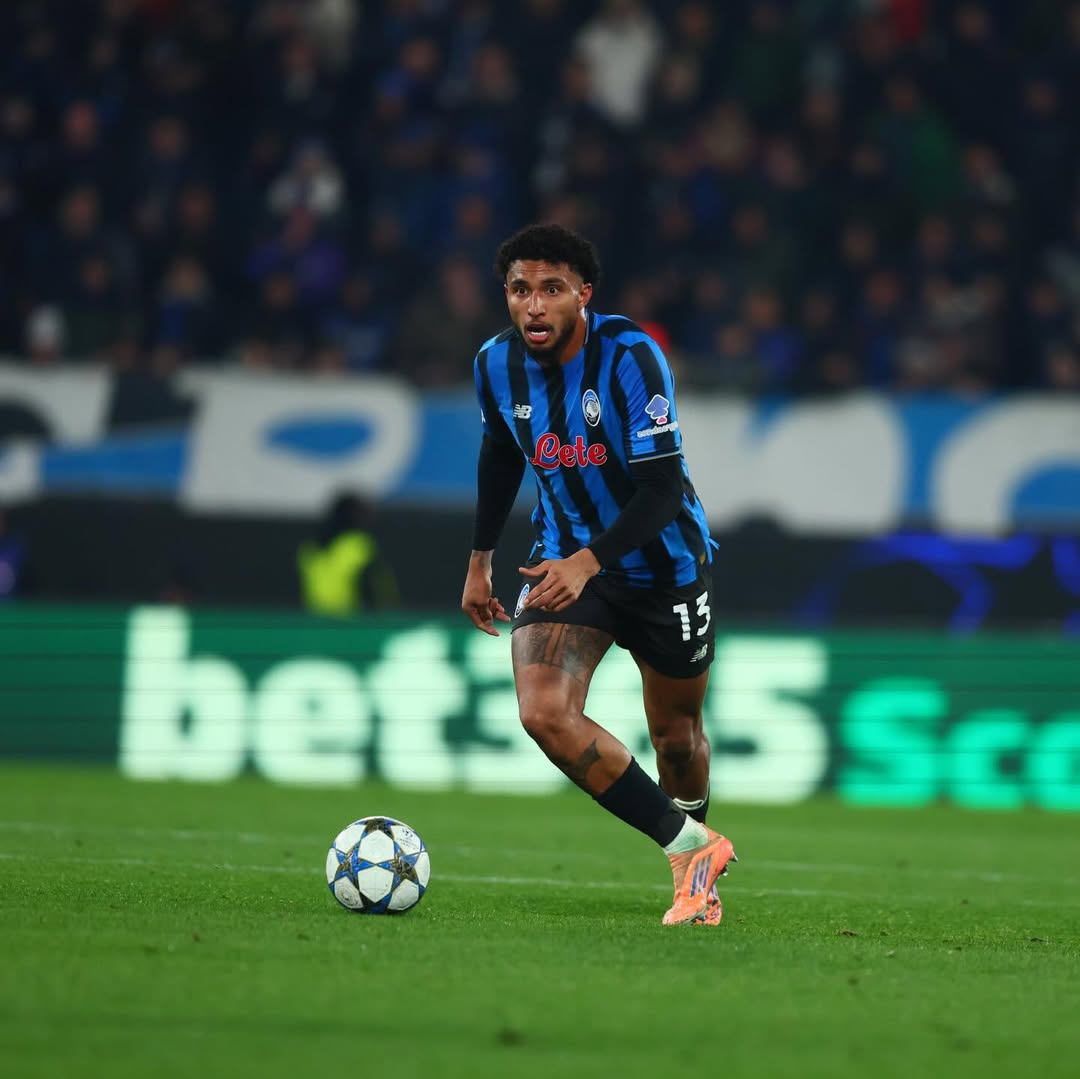
Explosive, unpredictable and a constant one-on-one threat, Diomande’s dribbling is such a weapon, as he combines pace, power, agility and close control to devastating effect. For the @ThePFSA. thepfsa.co.uk/rb-leipzig-and…
3
198
Edward Stratmann retweeted
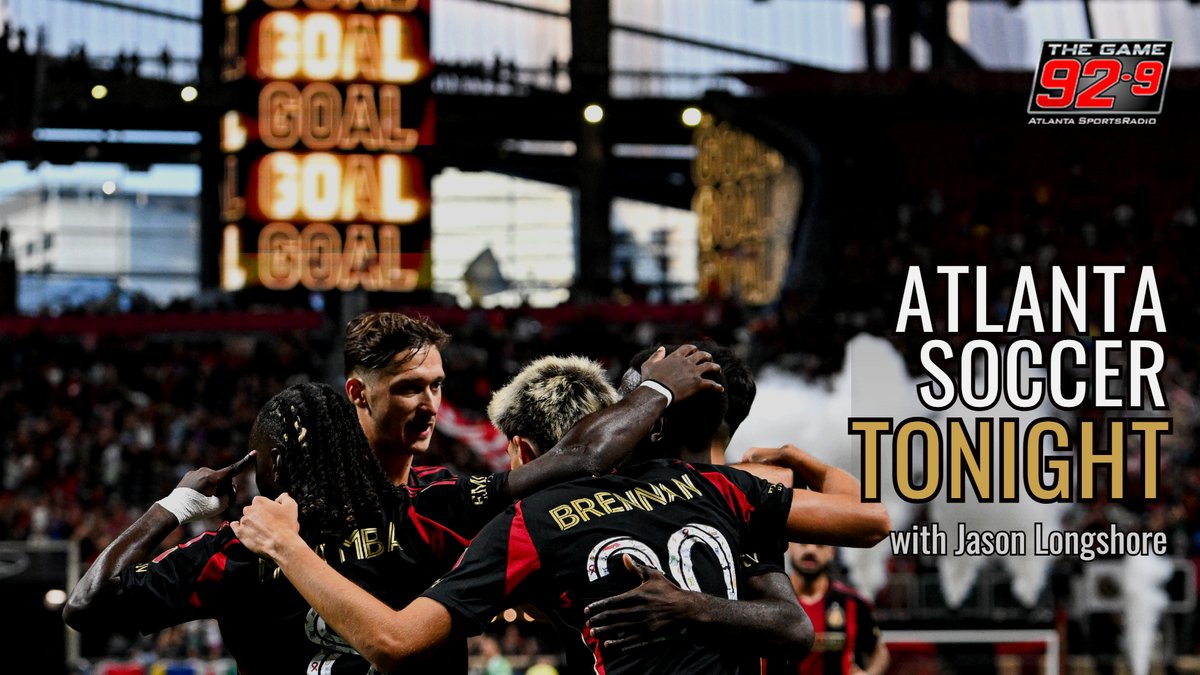
AST is live from 9-11 tonight on @929TheGame, the @Audacy app, and on the 92.9 YouTube channel. Classic between Netherlands-Japan today, #USMNT group got real interesting last night, and plenty more World Cup talk. Join the conversation tonight!
1
3
8
752
Edward Stratmann retweeted
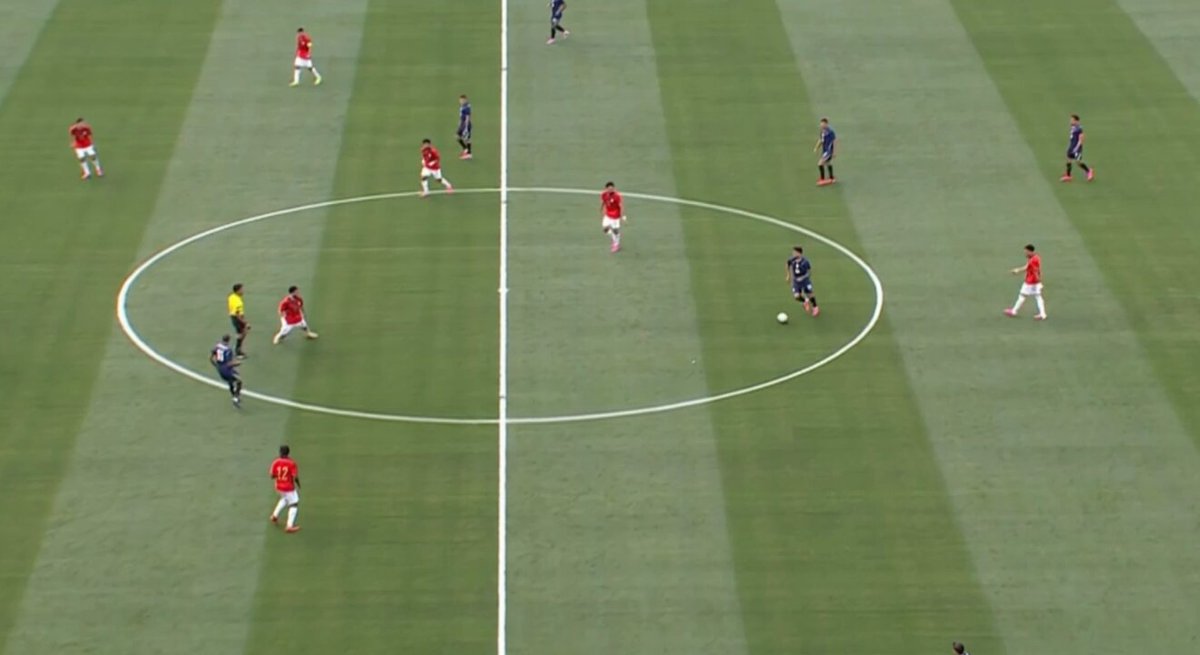
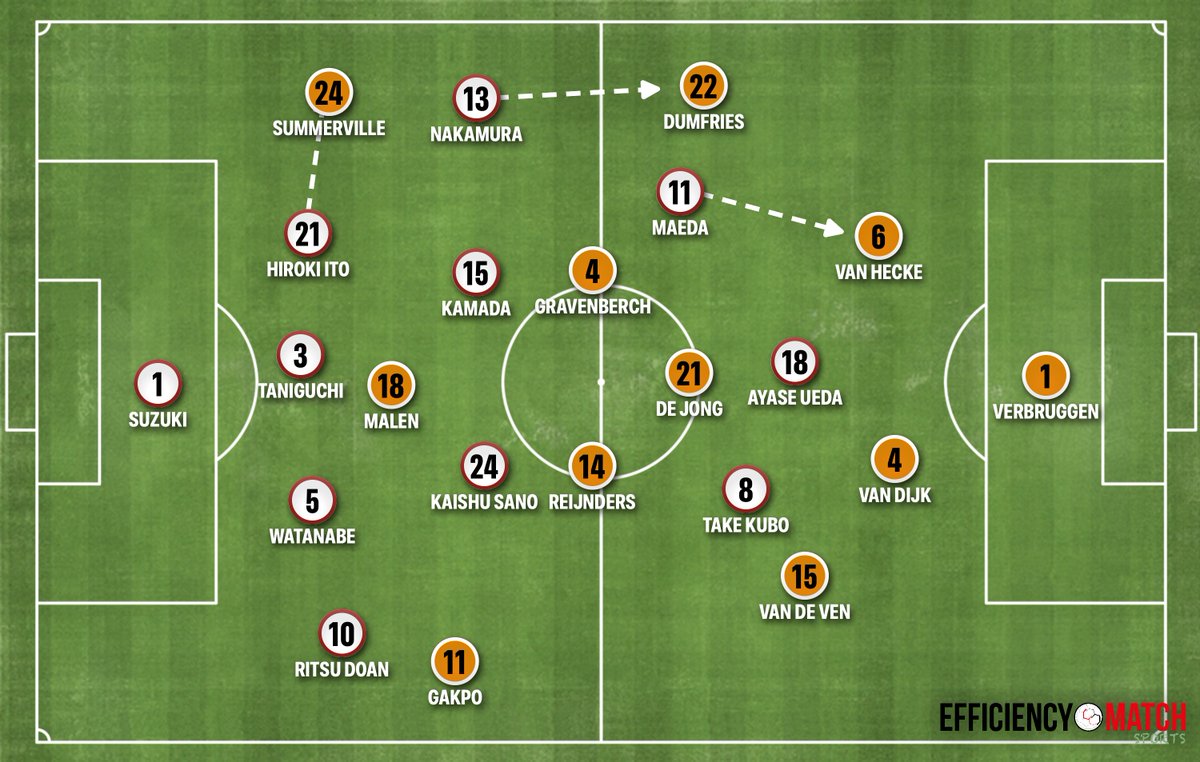
🇳🇱 Netherlands 2 – 2 Japan 🇯🇵
The Netherlands used their usual 4-3-3, a fairly rigid positional structure that can become a situational 2-3-5 or 3-2-5, with Dumfries pushing up, Summerville moving inside, and Gravenberch dropping into midfield.
The Netherlands are not very fun offensively. Their game depends on individual inspiration from one of their front players, like Gravenberch and Summerville on the second goal, or on set pieces, where they are physically stronger than Japan, as in the first goal. Their structure is very rigid, and you don’t really see many rotations or movements. In exchange, they don’t suffer much in defensive transitions.
Japan are well organized in their usual 5-4-1, moving into a 4-4-2 when the ball goes wide, with Nakamura pushing up and Ito shifting across. They are well concentrated throughout the game, but they don’t have much in transition without Mitoma.
Japan attack in a 3-2-5, but they can also attack in a 4-3-3 with Kamada dropping between the centre-backs. These are mainly their two structures. It’s obvious that Japan are well coached with the ball. They are positionally quite rigid as well, but they have more counter-movements and patterns to progress.
I was about to write that Japan are very good between the boxes, but not in the boxes, and that cost them the game. But Japanese players are stubborn, and they got a goal from a corner, where the Netherlands should be much more dominant.
A well-deserved point for Japan.

4
19
111
17,240
Edward Stratmann retweeted

Kai Havertz could be set for a big World Cup. Germany's chances of a deep run depend on the Arsenal forward!
📝 for @FotMob
fotmob.com/topnews/28445-kai…
1
2
832
Edward Stratmann retweeted

10h
Win the little battles to win (or in this case, draw) the war.
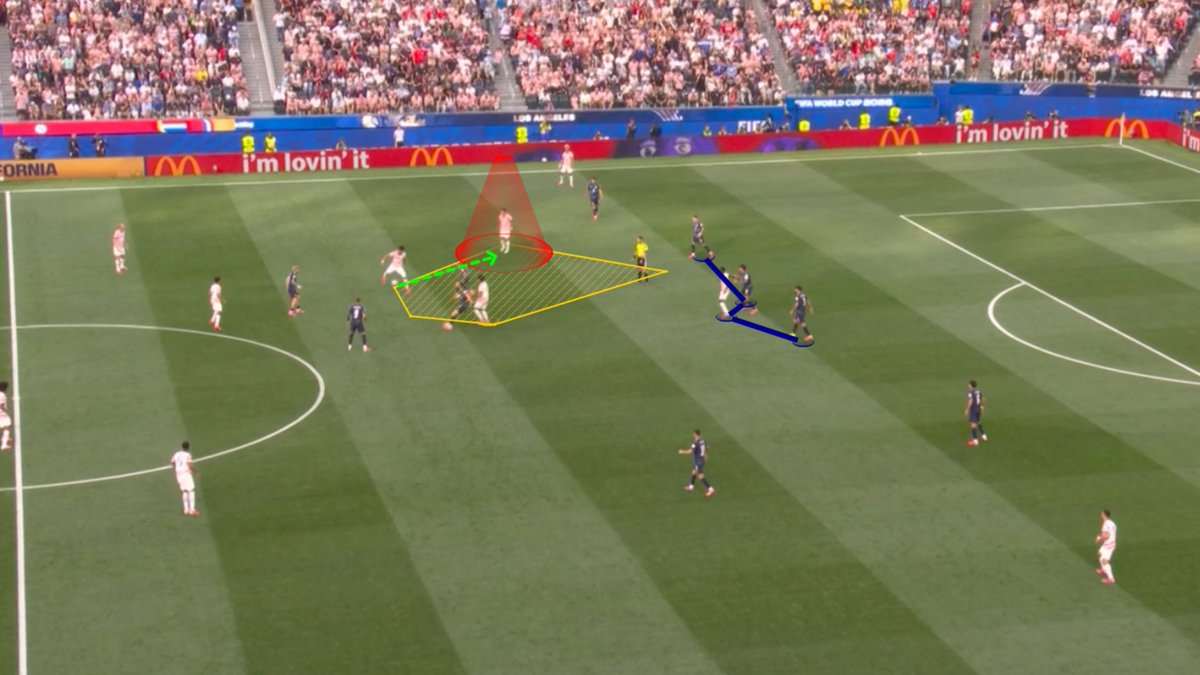
Japan’s 1st goal came off their wide play & winning the 2v2 within it.
Kubo times his run into the HS to threaten behind, while Nakamura curves his movement to stay on Dumfries’ blindside.
1
29
176
22,251
Edward Stratmann retweeted

☕ Bouaddi at 18. Irankunda at 20. Beach at 22. The World Cup belongs to the young and the fearless so far. Today's Morning Espresso has the full story plus previews of all four Sunday matches.
soccerdownhere.beehiiv.com/p…
4
5
447
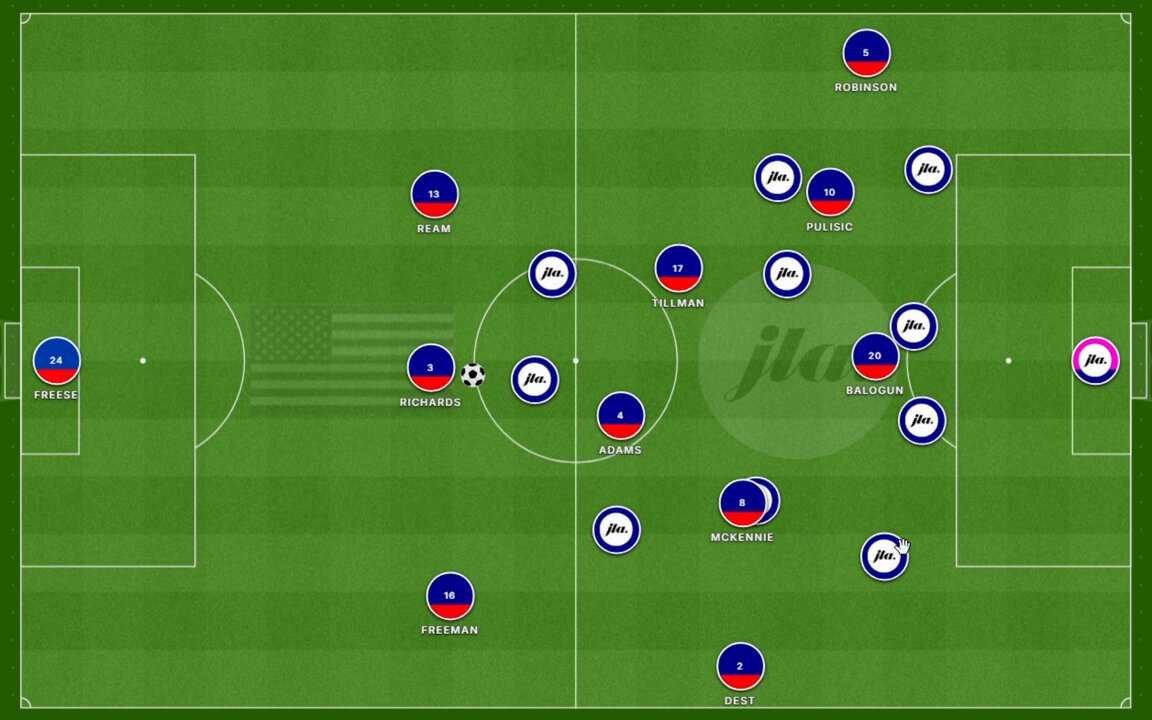
How Weston McKennie attacked the channel when Paraguay RB Alonso stepped out to Dest was a very fruitful avenue to progress for the USMNT. Balogun occupying the centre-backs was vital to the tactic's success as well.
1
8
768
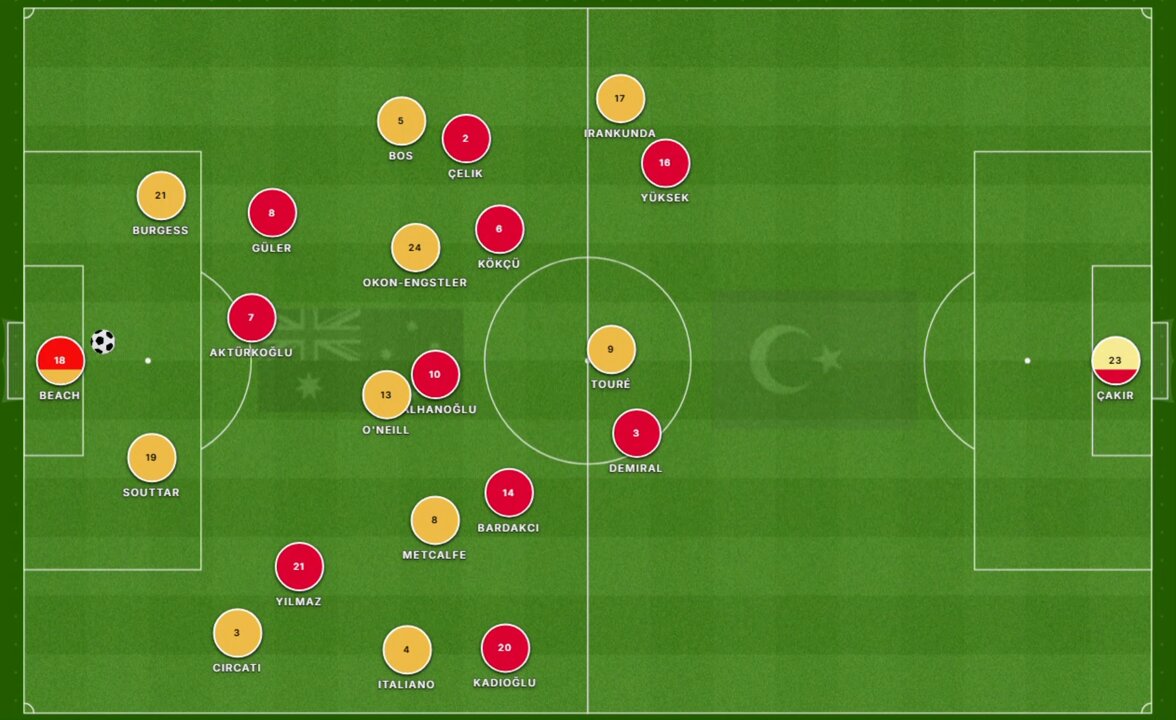
A top example of how the Socceroos invited Turkey’s press before exploiting the space in behind to find Toure. This was a smart way to use the speed and well-timed runs of their talented striker.
1
3
24
1,578
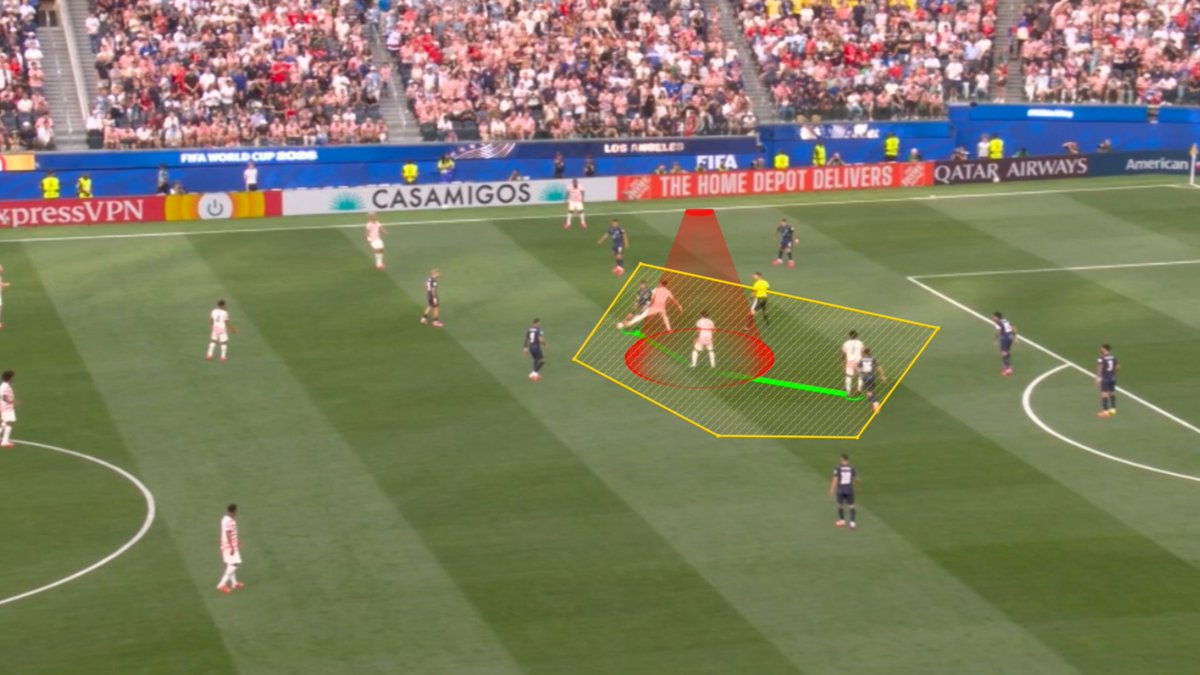
The USMNT excelled at exploiting 3v2 overloads in key central attacking areas against Paraguay. Balogun pinning defenders deep was also crucial. Was a constant theme throughout and repeatedly paid off.
13
1,085
Edward Stratmann retweeted
👏 Colombia’s winger has put together impressive numbers in Brazil this season.
Join @NathanJoyes1 & @EdwardStratmann as they review talent to follow this World Cup.
Jun 11

🆕 South American talents to watch at the World Cup.
🔍 Join @NathanJoyes1 & debutant @EdwardStratmann to discuss numerous potential breakout stars.
Spotify: tinyurl.com/426awwm8
YouTube: tinyurl.com/mufyyjwd
Apple: tinyurl.com/ysd48tcs

2
4
1,815
Edward Stratmann retweeted

Jun 13
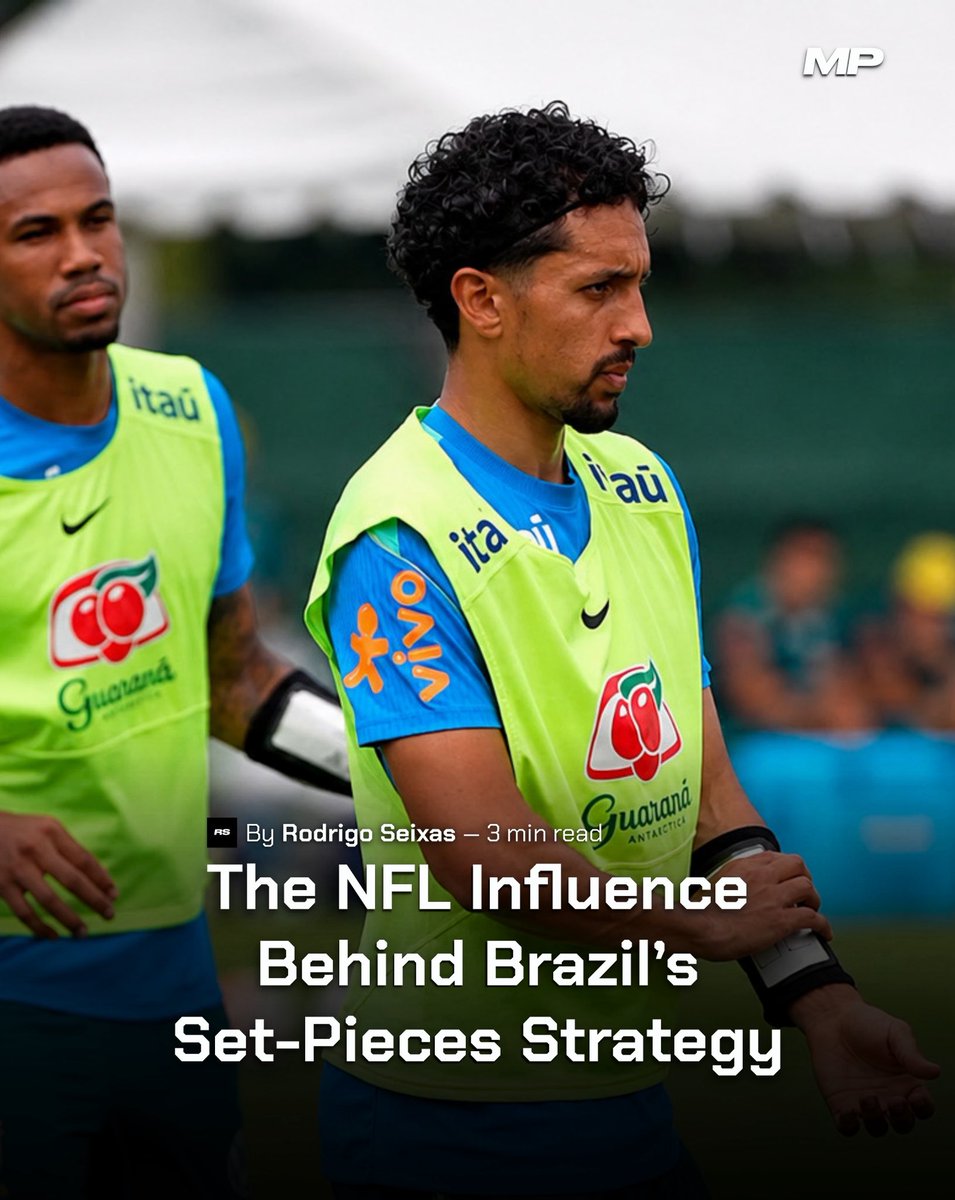
The initiative signals a coaching staff concerned with details and open to incorporating methods from other sports to optimise processes and help players memorise set-piece routines.
🔗 maspositional.ghost.io/the-s…
2
11
1,507
Edward Stratmann retweeted

Jun 13
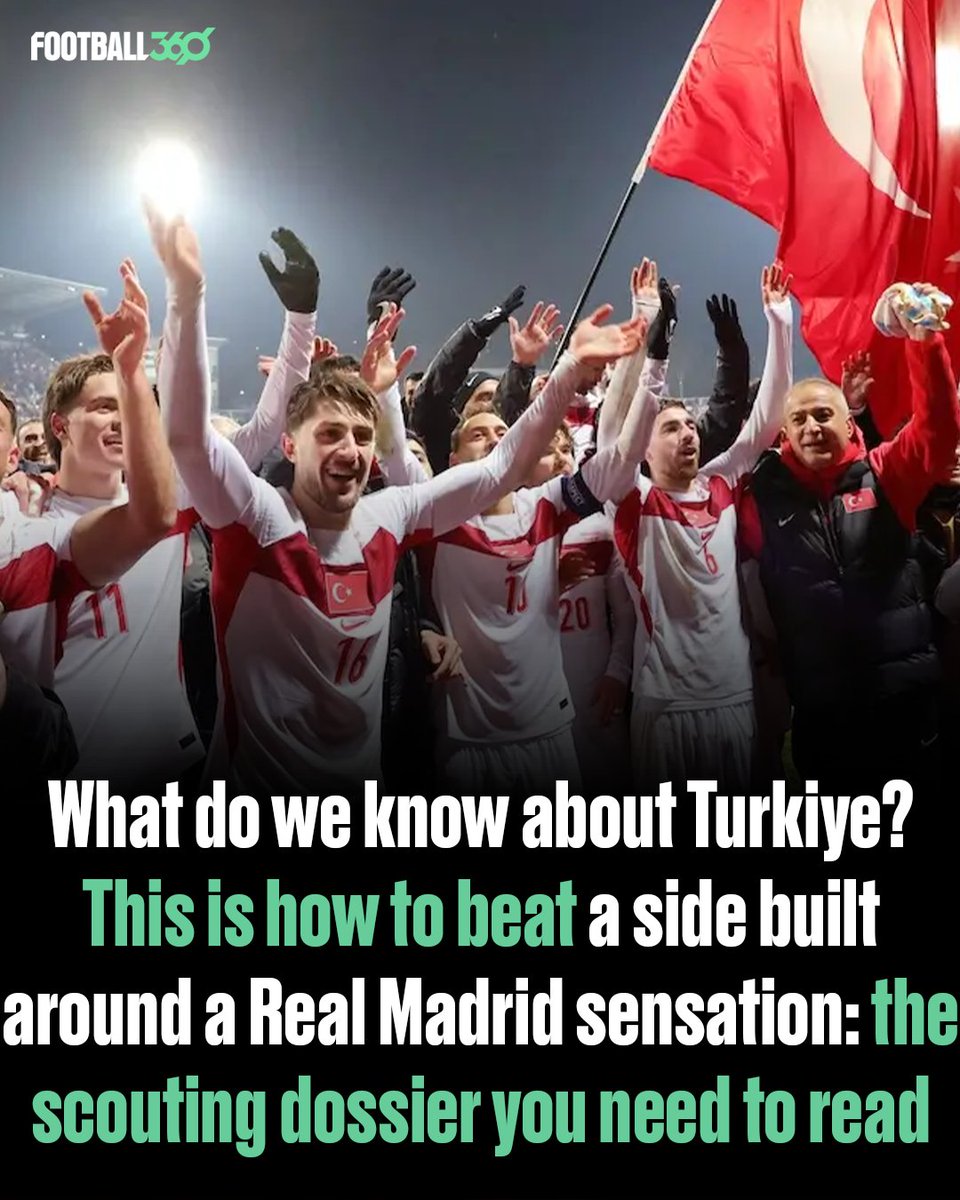
Wrote a pre-game analysis of what we can expect from Turkey today and how Australia can win for @football360au.
Read it here.
Jun 13

A compelling analysis from @scout_aussie that will have you an expert on our World Cup opponents for kick-off.
Read more: tinyurl.com/a3u5n53t
6
35
5,999
Edward Stratmann retweeted

Jun 12
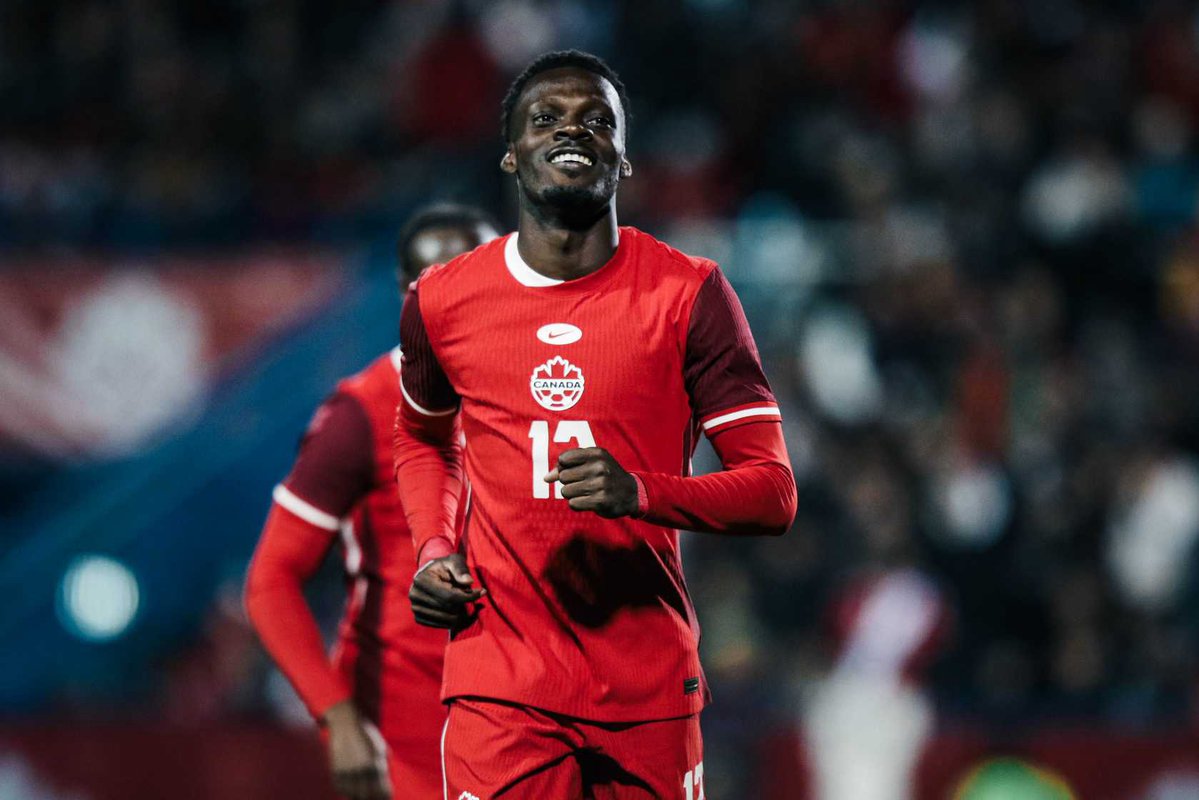
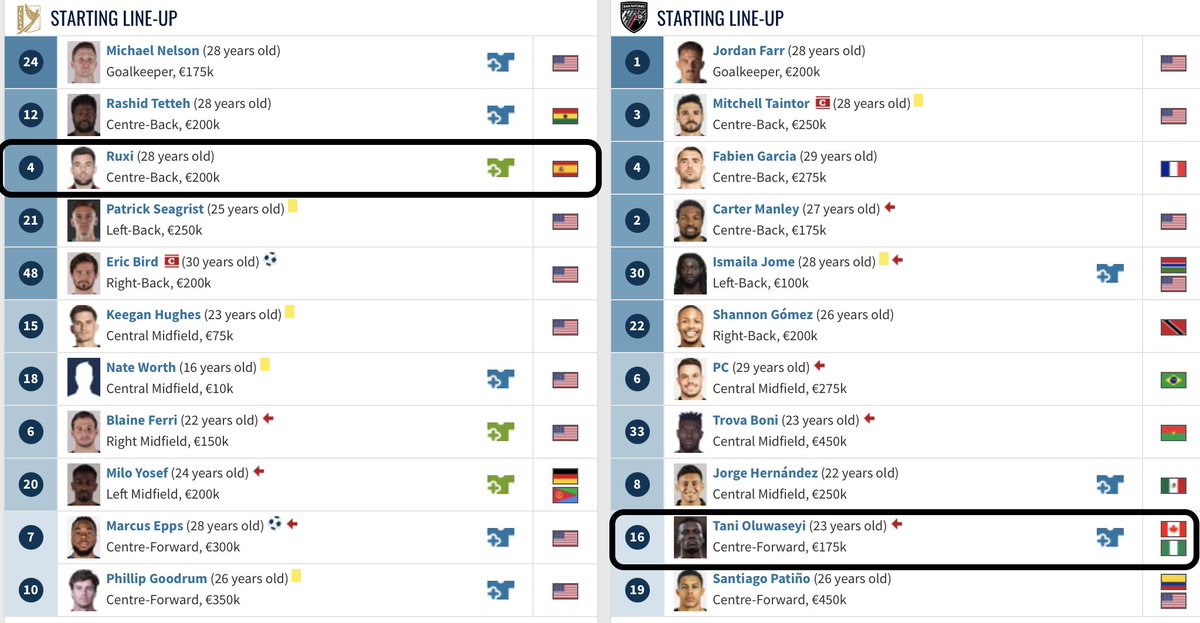
Tani Oluwaseyi was playing against me in the USL Championship, the second tier of American football, in 2023.
Today, he's making his World Cup debut as Canada's starting centre-forward and is now playing in La Liga for Villarreal.
Crazy how fast football can change.
9
10
247
14,751
Edward Stratmann retweeted

Jun 12
Stoppage Time starting live now on the @929TheGame YouTube channel. Join me, @MadisonCrews7, @Ella__Cool23, as we watch the end of South Korea-Czechia and talk ball.
youtube.com/@929thegame?si=l…
3
7
682
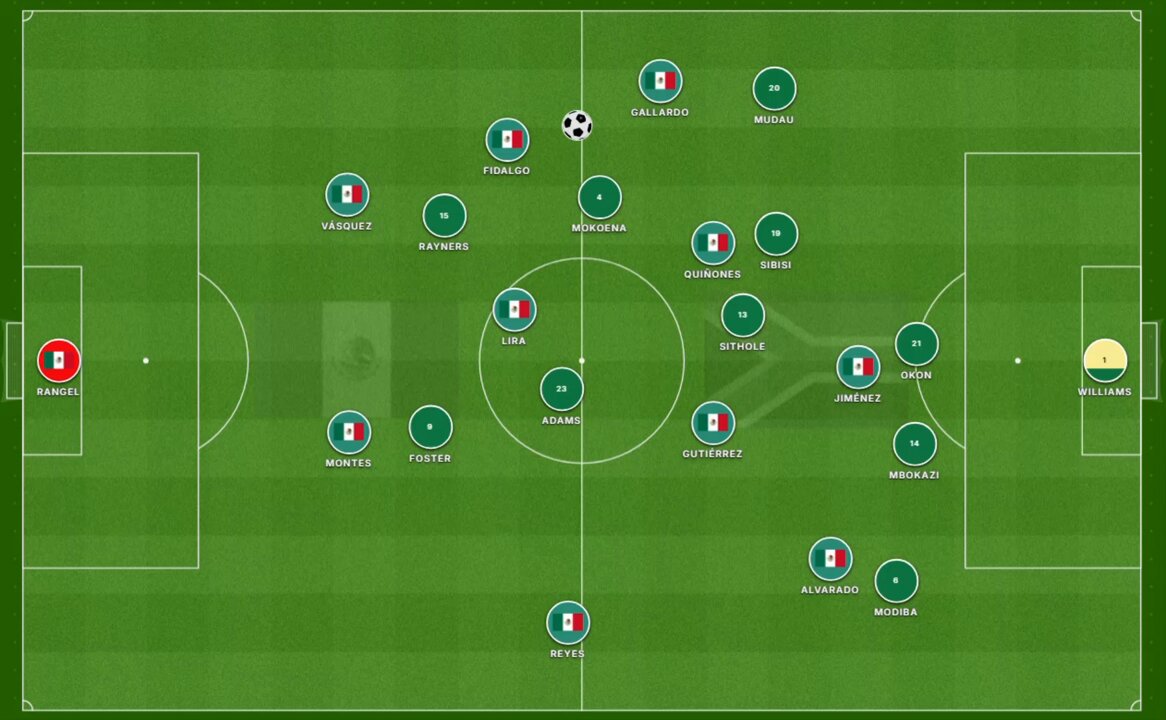
Nice solution from Mexico to beat the press, as they used their 4v3 midfield overload vs South Africa to access space between the lines and progress into the final third. Excellent pinning from Jimenez and Alvarado higher up also.
1
6
81
7,172
Edward Stratmann retweeted

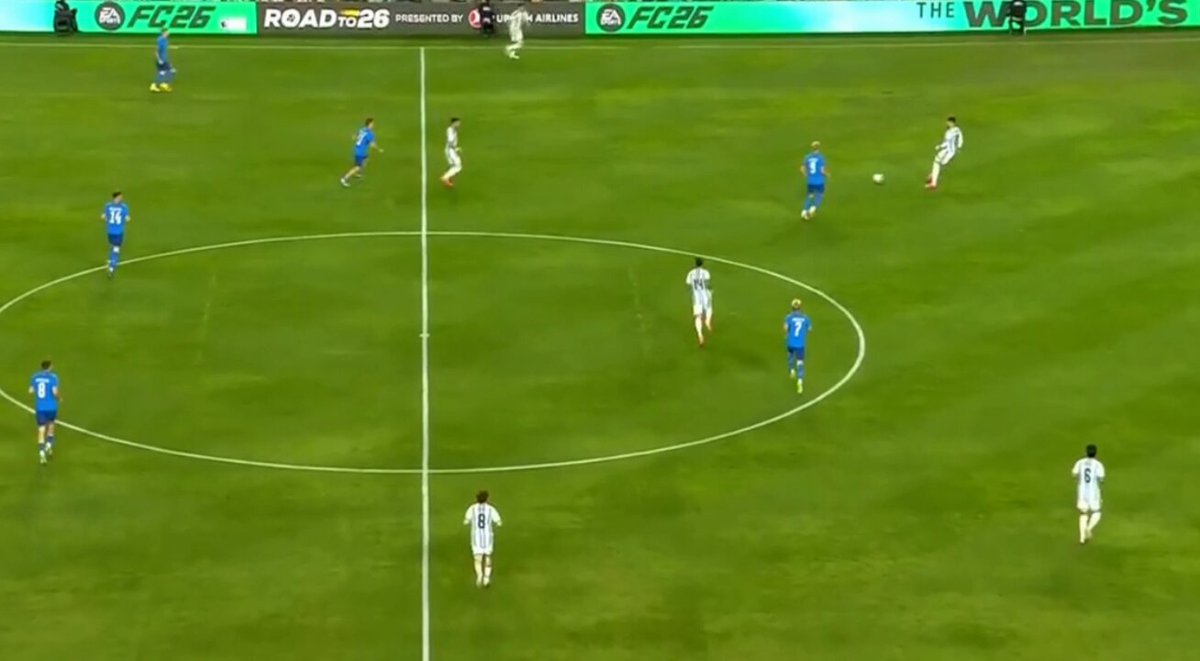
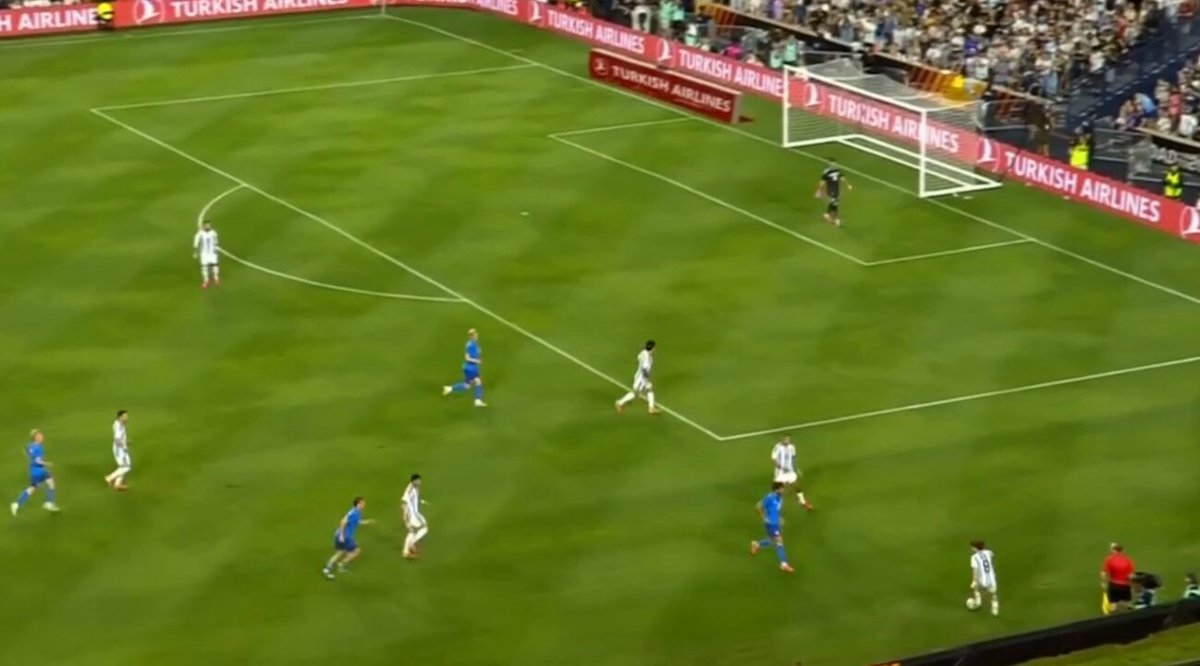
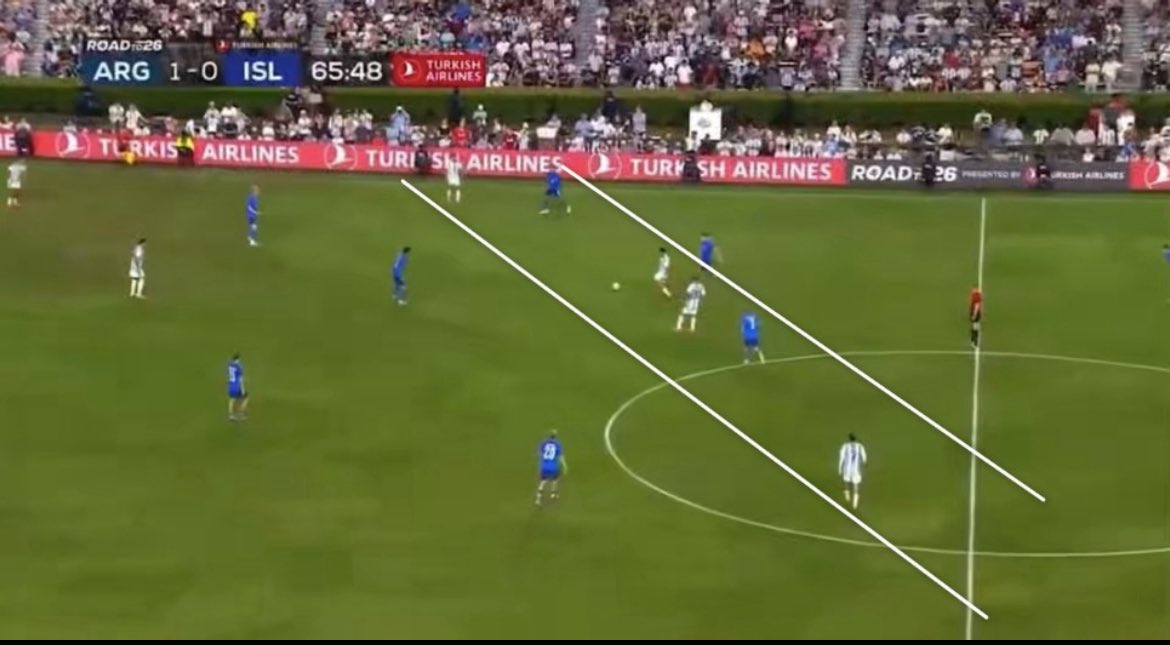
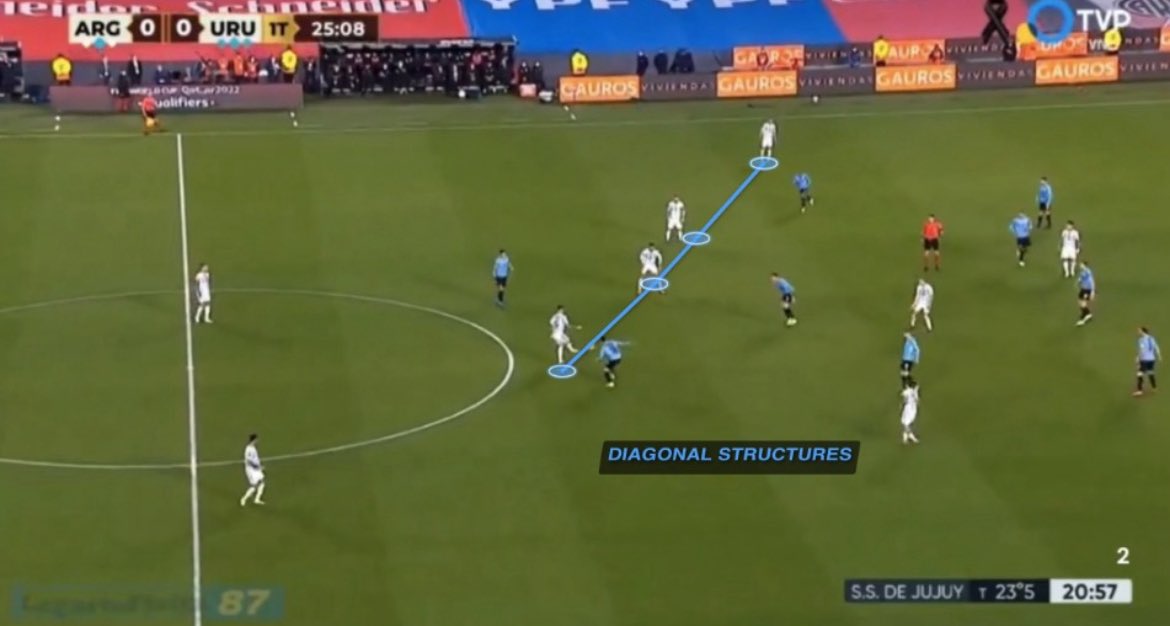
Good use of 360 perception solutions and diagonality from Argentina in the warm up games vs Uruguay & Iceland
Notice how the diagonal structures are a result of the process of self organization amongst the players
Football as a complex adaptive system
2
7
82
4,590
Edward Stratmann retweeted

Jun 11
💎 Argentina’s next jewel ready to shine at the World Cup.
🗣️ @EdwardStratmann profiles Nico Paz on our “Ones To Watch” bonus show alongside several other South American talents. Tune in ⤵️
Jun 11
🆕 South American talents to watch at the World Cup.
🔍 Join @NathanJoyes1 & debutant @EdwardStratmann to discuss numerous potential breakout stars.
Spotify: tinyurl.com/426awwm8
YouTube: tinyurl.com/mufyyjwd
Apple: tinyurl.com/ysd48tcs
2
5
1,413
Edward Stratmann retweeted
Jun 11
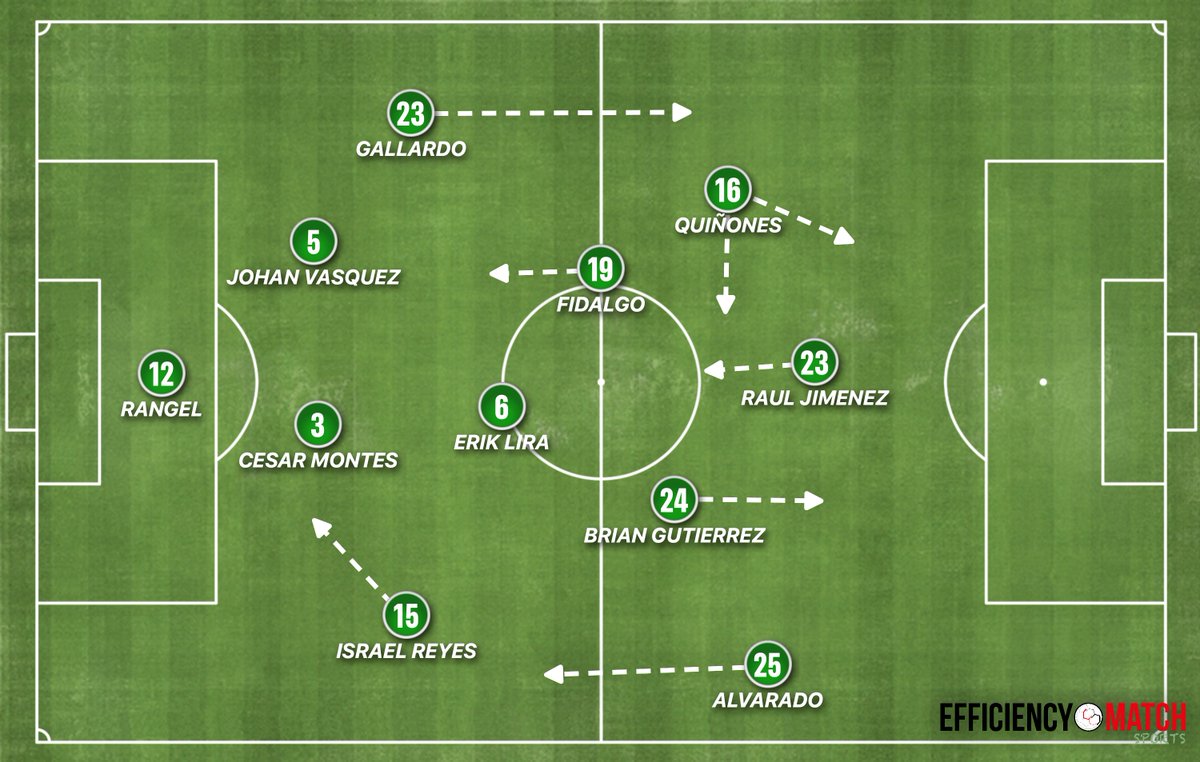
Mexico XI confirmed. No surprises.
In possession: 3-2-5 with a clear box midfield. Quiñones steps inside as a second striker/runner in behind, Gallardo high to hold width.
Out of possession: 4-4-2 diamond to press high. 5-4-1 mid/low block with Alvarado forming the back 5.
25
173
9,867
Edward Stratmann retweeted
Jun 11
We’ve been so impressed with Freeman’s rise from Next Pro to LaLiga to the USMNT. @MadisonCrews7 and I have said he’s a key for the team tactically. @SoccerDownHere

🦁Alex Freeman Impresses in Camp: A Beast on the Field
#USMNT
🎥 @AreaSportsNet
3
7
1,596
Edward Stratmann retweeted
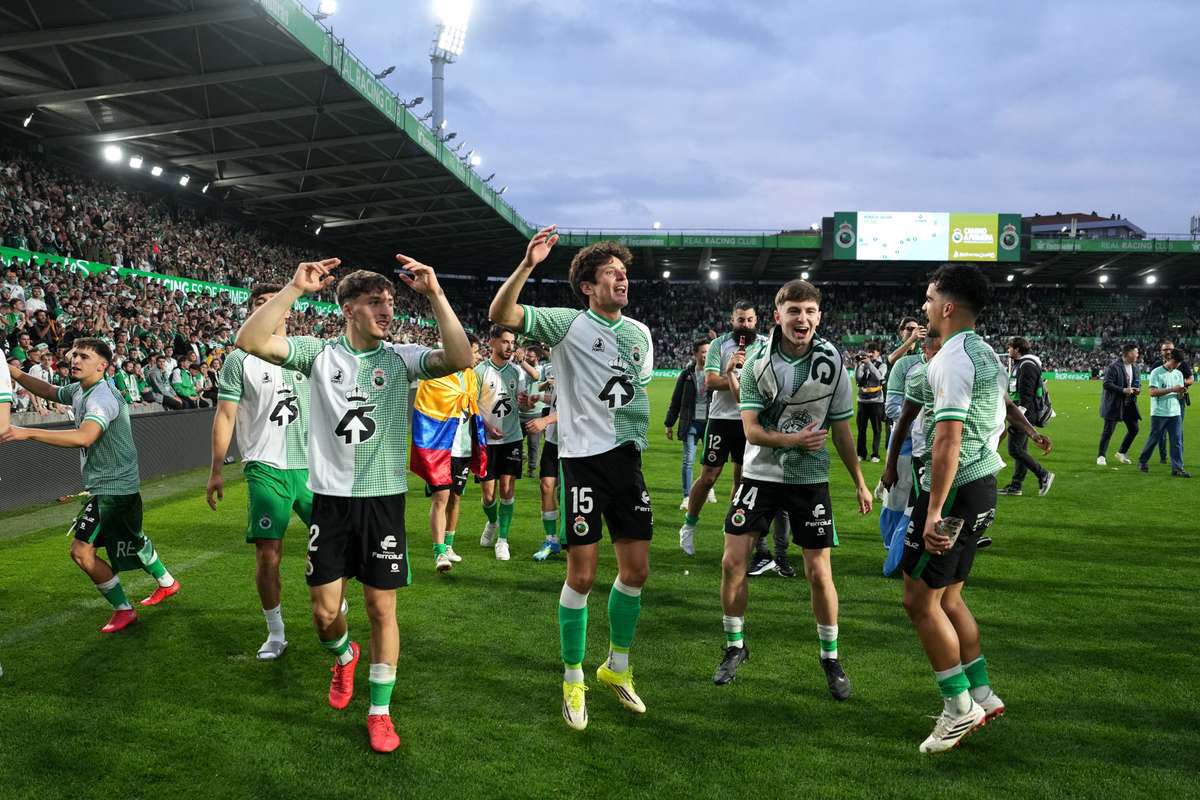
2025/26 Racing Santander Analysis
Videos from Racing’s in possession play during their title winning season
What could La Liga expect next season?
Tremendous work by @JoseAlbertoLpez @EnricSoriano__ over the past few seasons- that’s been wonderful to document
A thread

2
15
122
12,181