
EAI creates innovative approaches to the care and management of elephants worldwide.
Joined June 2011
- Tweets 2,771
- Following 478
- Followers 3,864
- Likes 953
1,288 Photos and videos
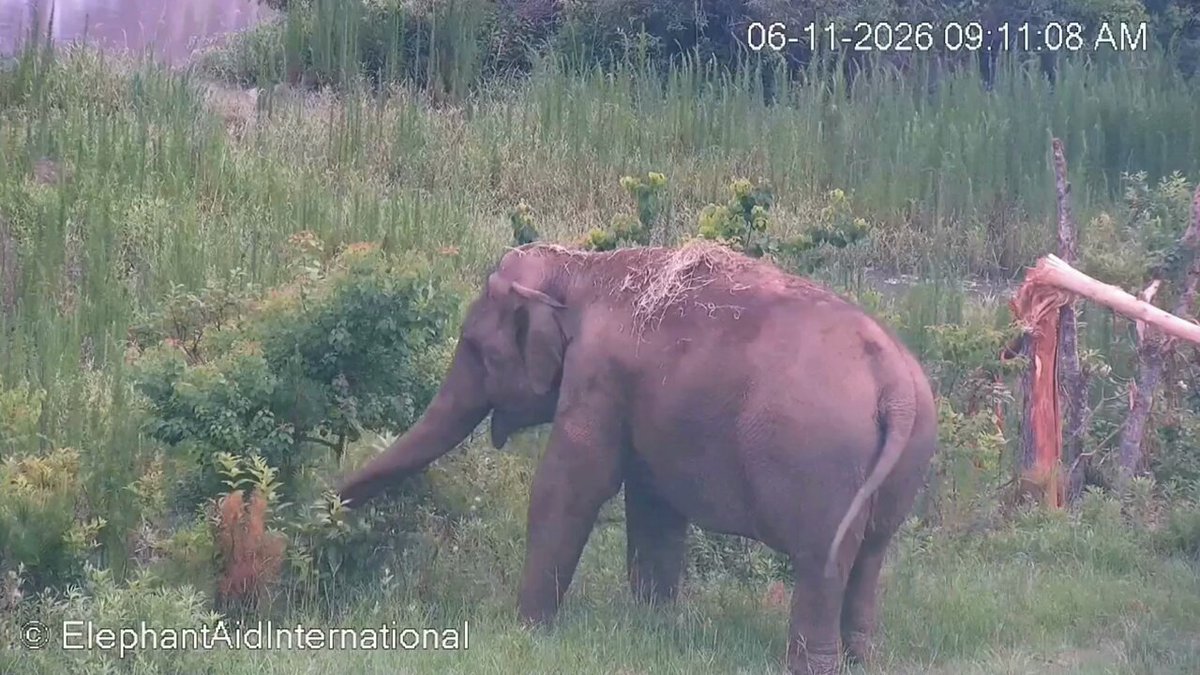
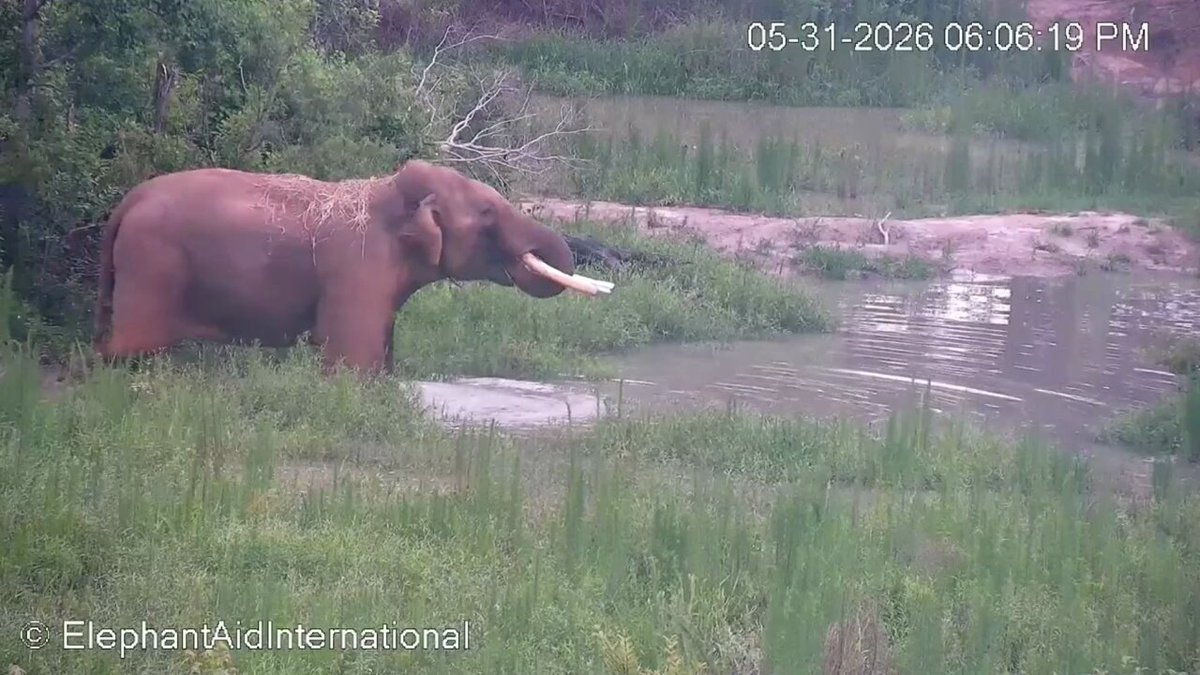
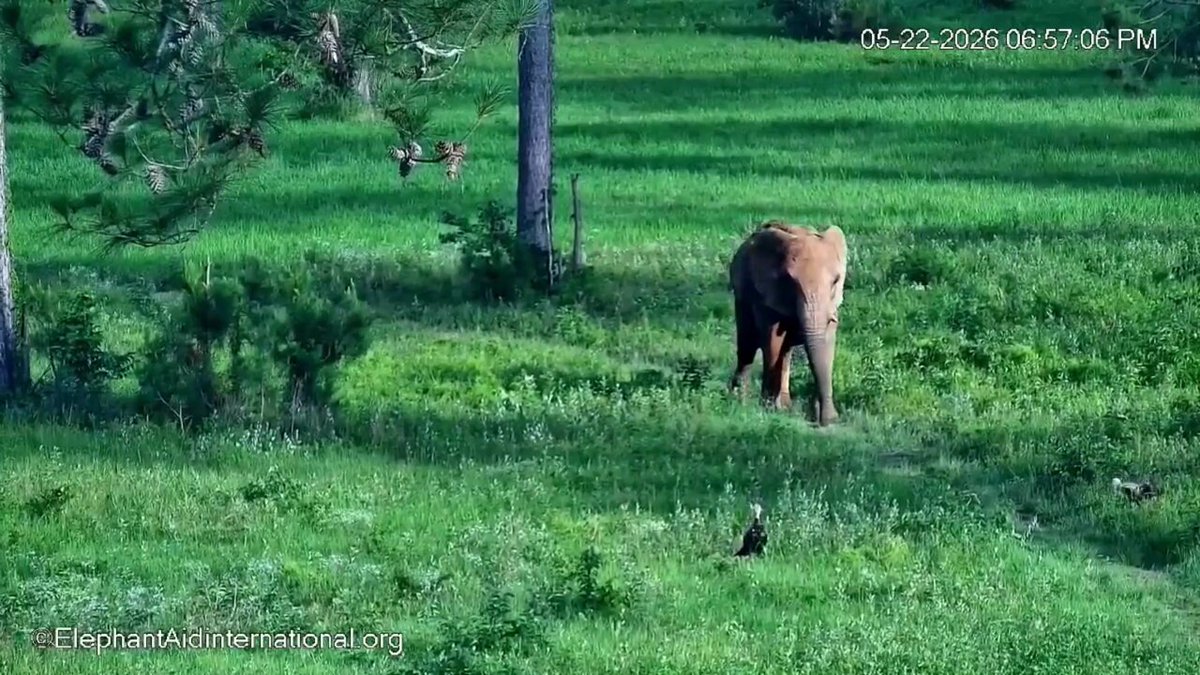
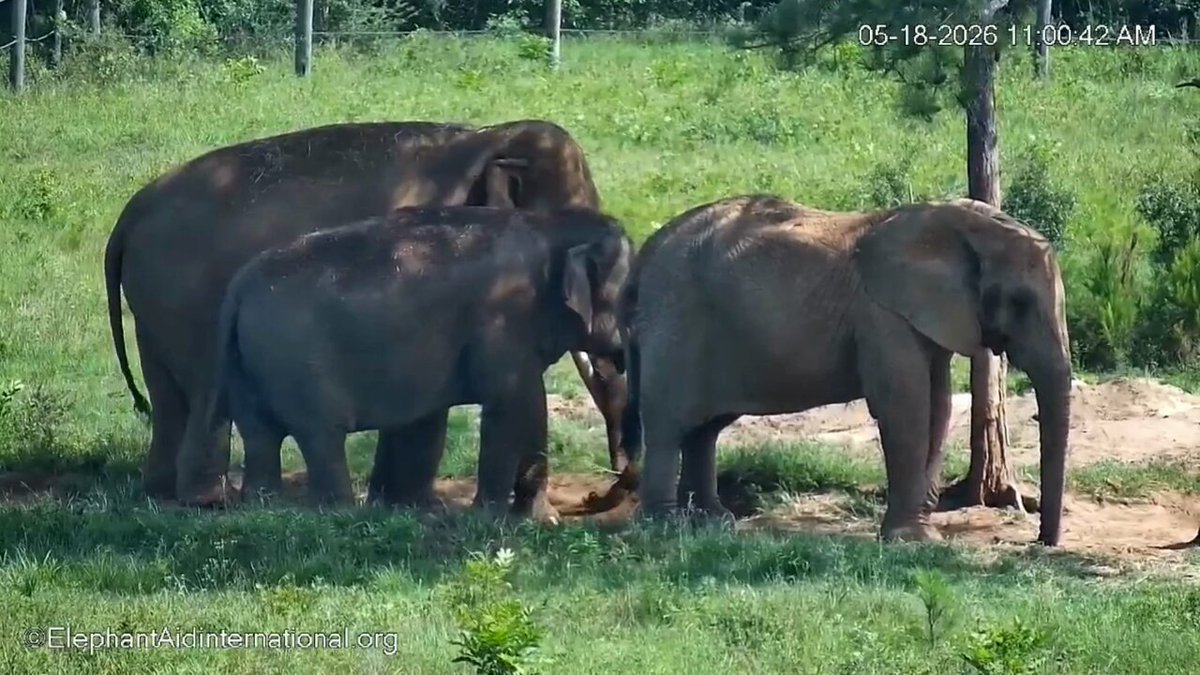
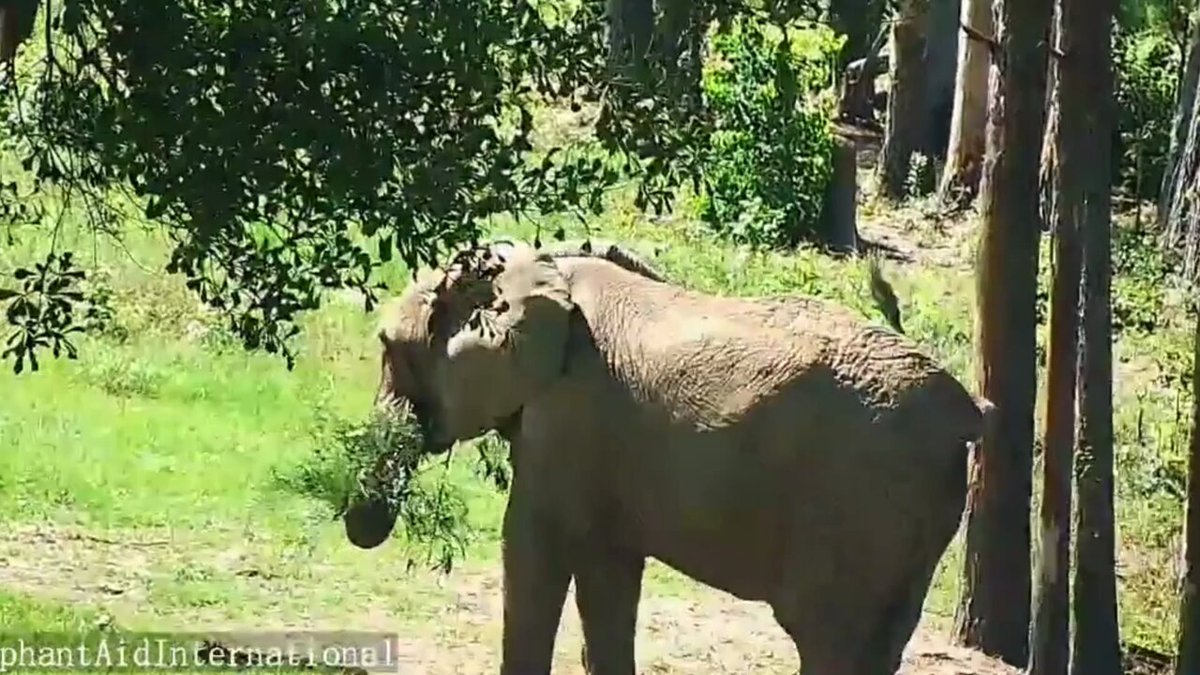
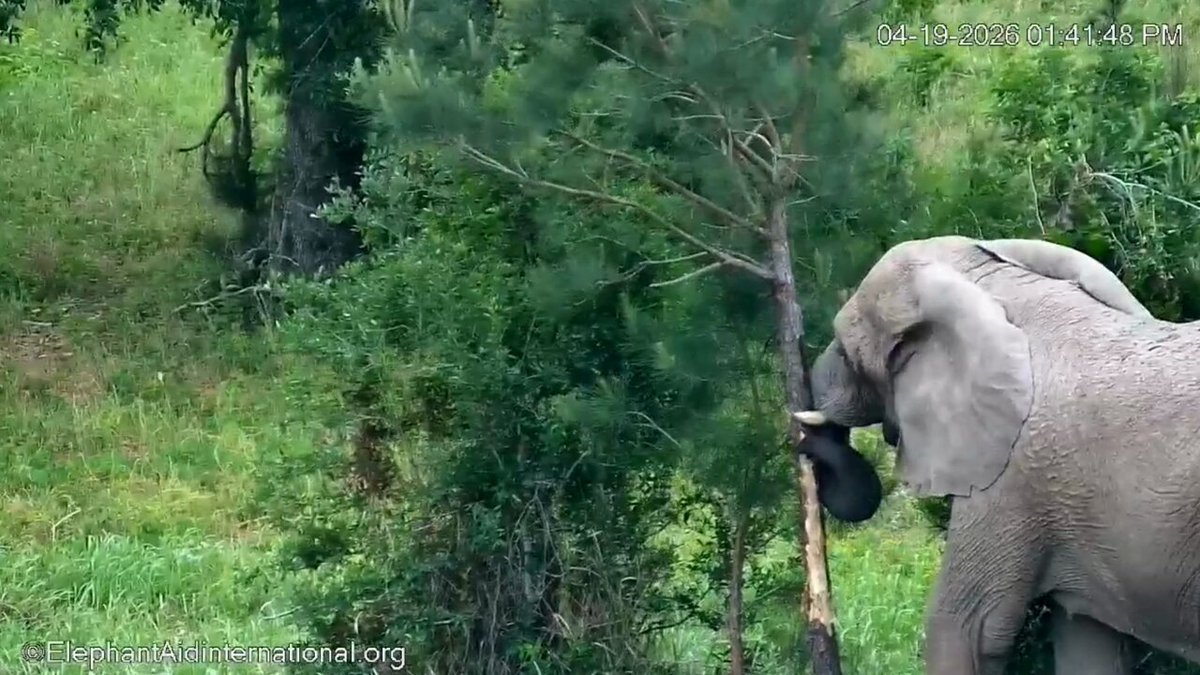

Tarra is carefully selecting the perfect gnat swatter. Gnats are attracted to the moisture around her large eyes, so she has designed her own practical solution: a branch, stem, or leafy twig she can carry and use to keep them away. #Elephant #Elephants
2
17
201
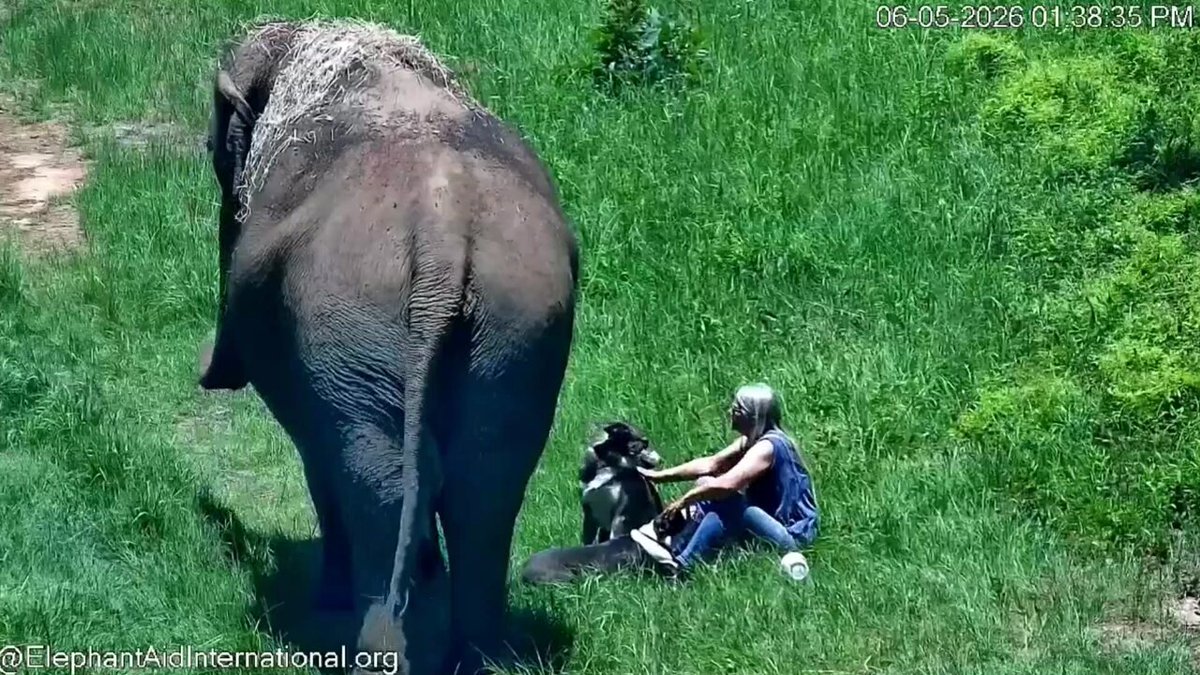
Carol and the canine crew spending a sunny afternoon with Tarra. #Elephant #Elephants
2
26
317
Evening grazing in the tall Bahia grass, a favorite feast for Bo, Tarra, and Mundi. Its tough, fibrous blades make it a good grazing grass for elephants, who naturally spend much of their day foraging. #Elephants #Elephant
1
26
270
Mundi remains completely unfazed by Bo’s scratching antics and keeps right on grazing. #Elephant #Elephants
1
4
30
580
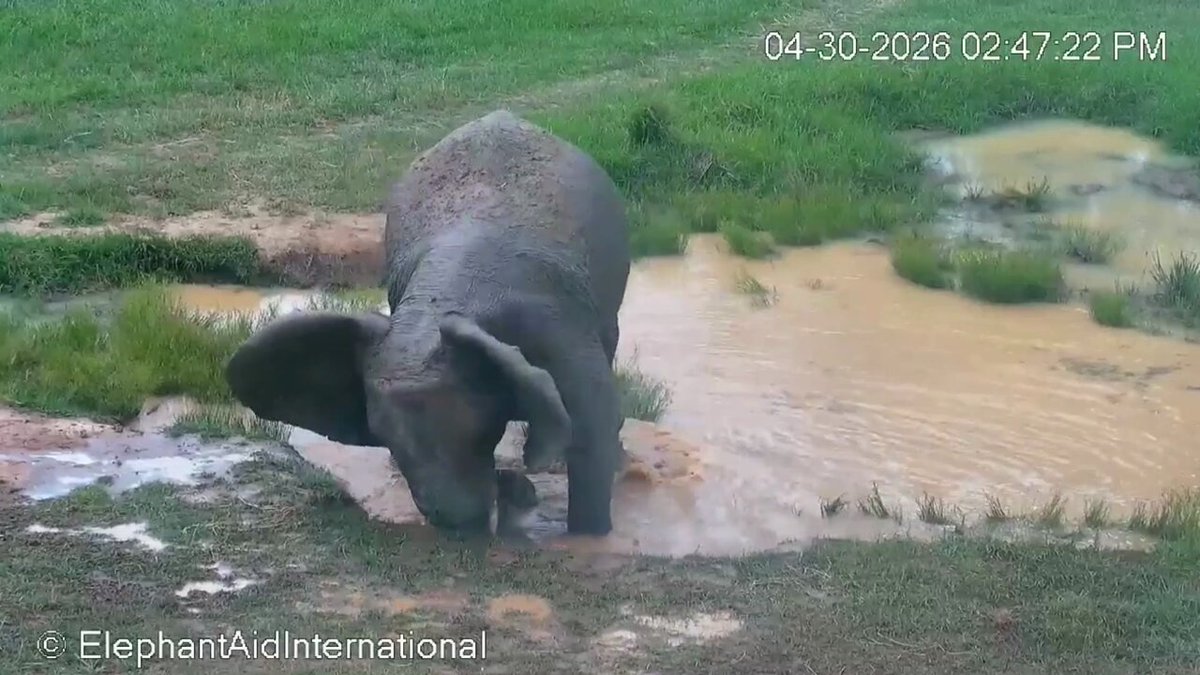
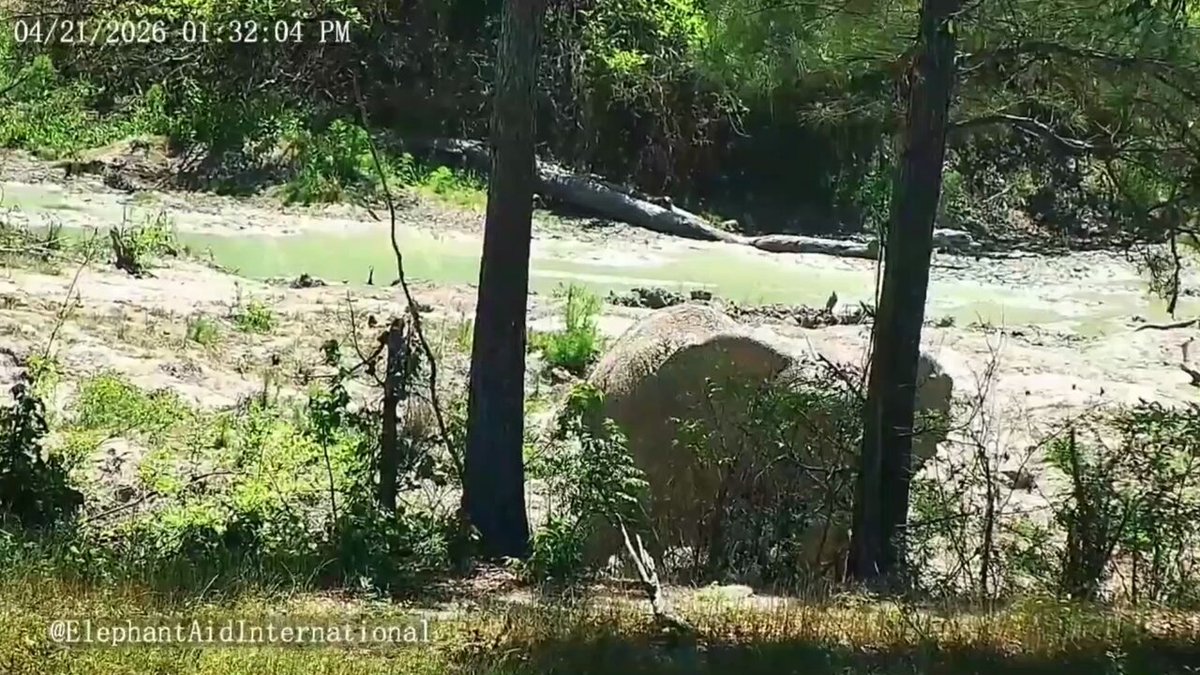
The rains down in Georgia finally filled the Migratory Bird Pond, and Bo wasted no time wading through it. #Elephant #Elephants
20
224
2
15
187
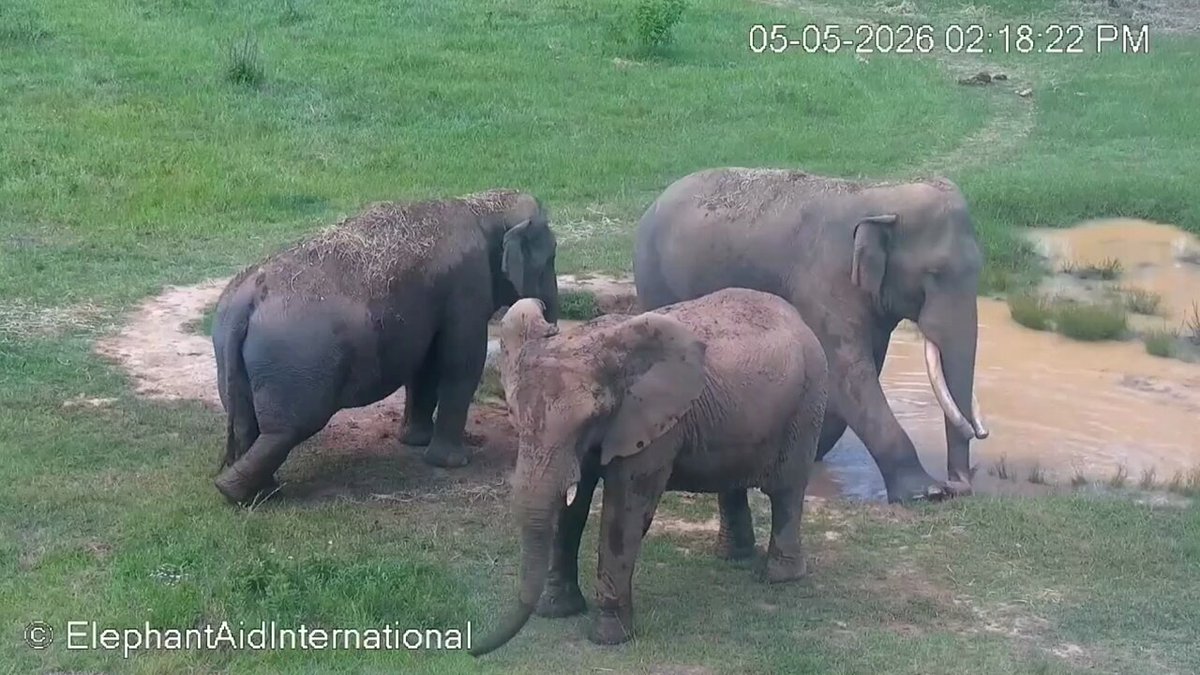
Yesterday, on the day Carol was born, the Trio got together under one of their favorite trees, Bo, Tarra, and Mundi choosing to be close. The timing felt especially meaningful, a quiet little birthday nod to Carol from the elephants themselves. #Elephant #Elephants
4
61
799
Mundi and Bo feast on one of their favorite snacks, fresh bamboo.
3
46
568
1
27
285
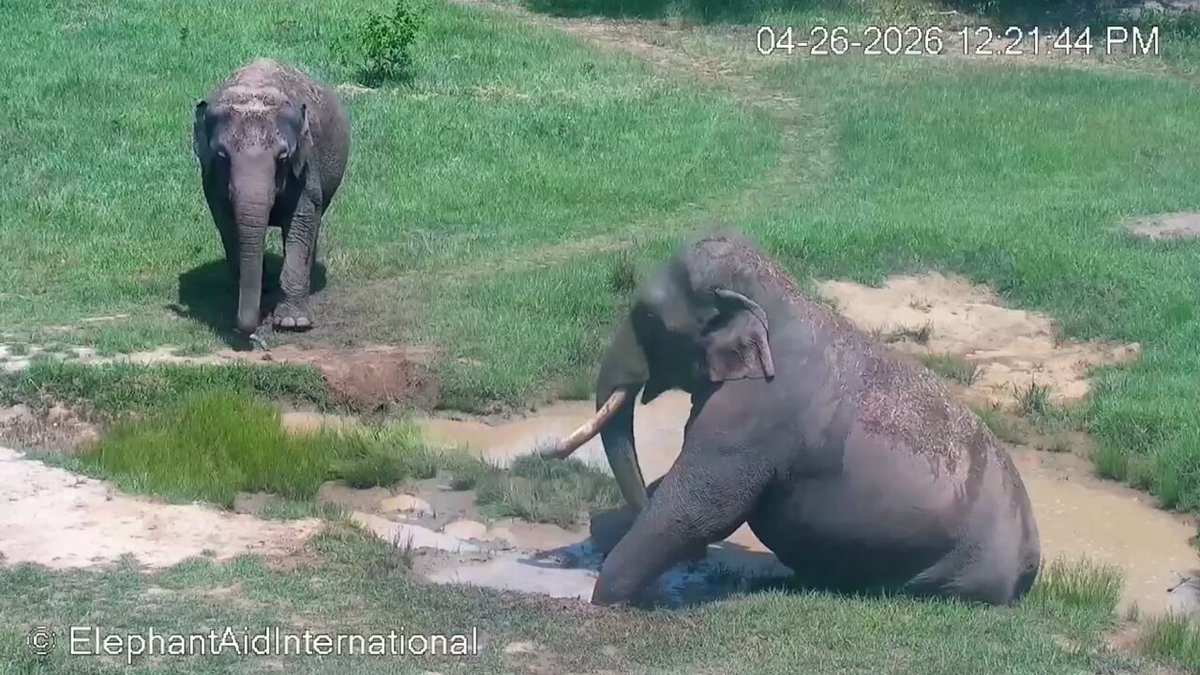
Mundi was enjoying the pond before Friday, and Saturday’s rains brought a good soaking to the Refuge. The ponds, puddles, and wallows got a much-needed refill. #Elephant #Elephants
2
14
136
1,804
Big Bo makes the most of a vanishing puddle. We’re thrilled that the next two days should bring much-needed rain, helping replenish the puddles, ponds, and wallows across the Refuge. #Elephant #Elephants
6
22
264
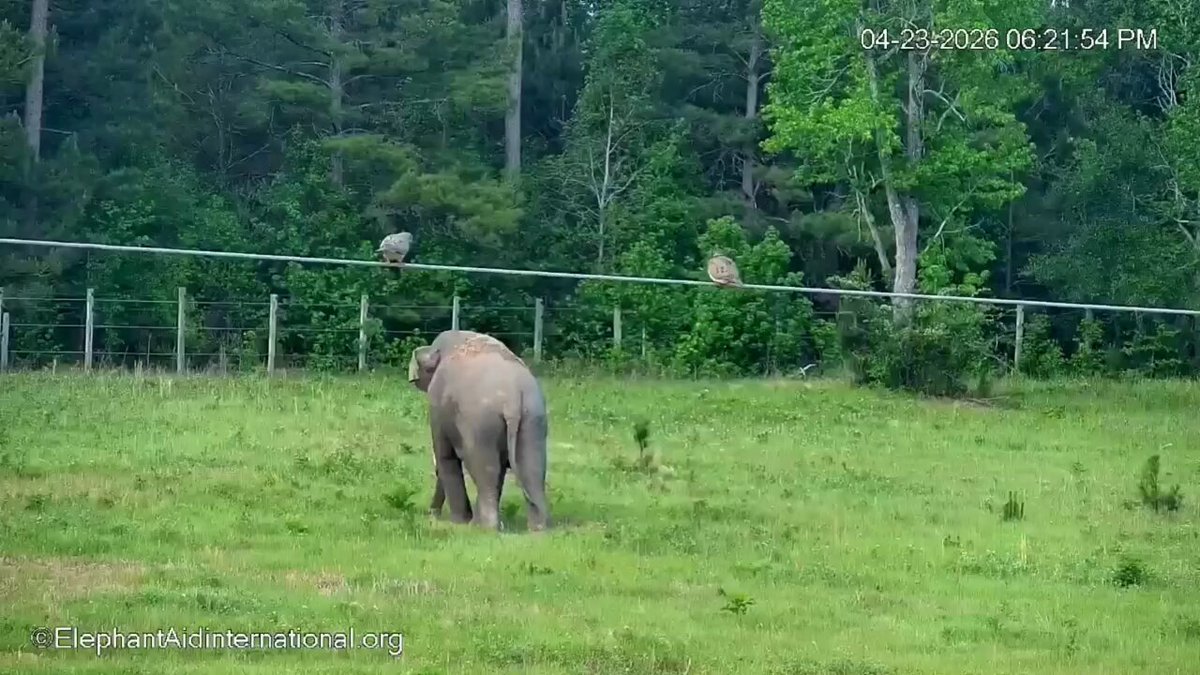
Bo and his feathered friends, two mourning doves. Mourning doves don’t follow elephants the way cattle egrets sometimes do, but they benefit from the open habitat and seed-rich ground our elephants help create. #Elephant #Elephants
1
6
32
420
Mundi slathers herself in mud at the Migratory Bird Pond, while two feathered friends keep watch nearby. #Elephant #Elephants
1
1
16
182
Bark stripping is a natural foraging behavior observed in both African and Asian elephants, though it is especially common in African elephants like Mundi. The inner bark and cambium layer are softer, more nutritious, and often sweeter than the rough outer bark. #Elephant
5
21
285
Mundi decides Bo’s hay hat is quite big enough already.
5m #Elephant #Elephants
2
20
165
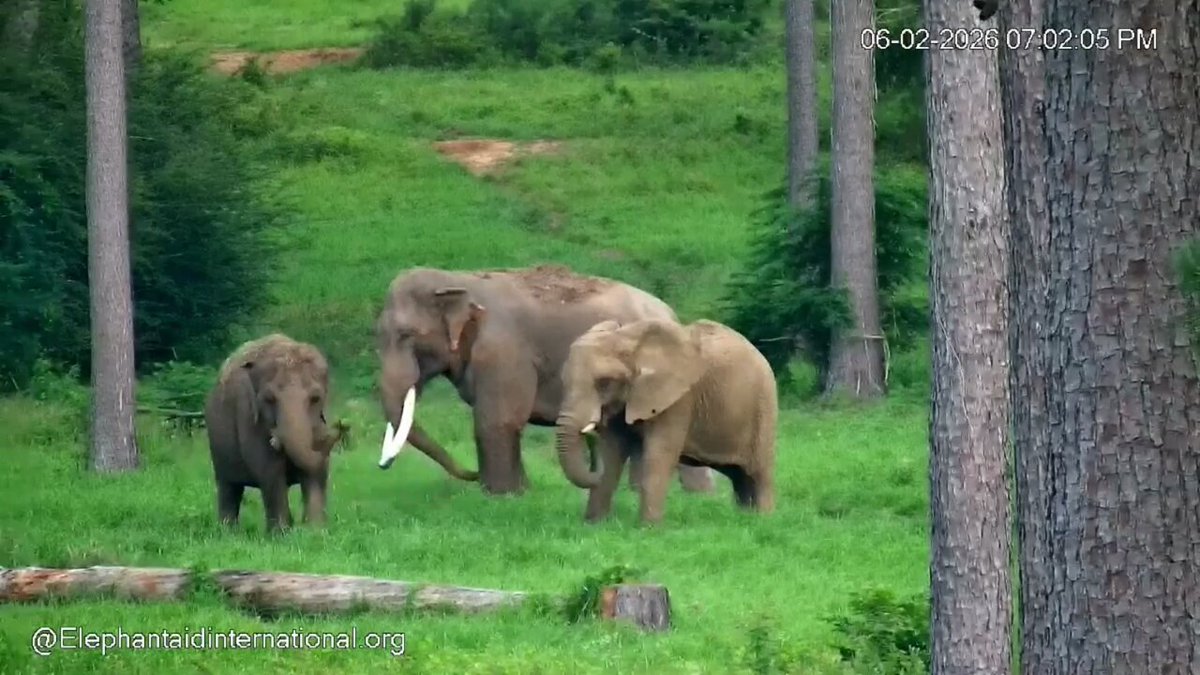
Mundi joins Tarra and Bo for a little trio time beneath the trees. #Elephant #Elephants
1
2
35
322
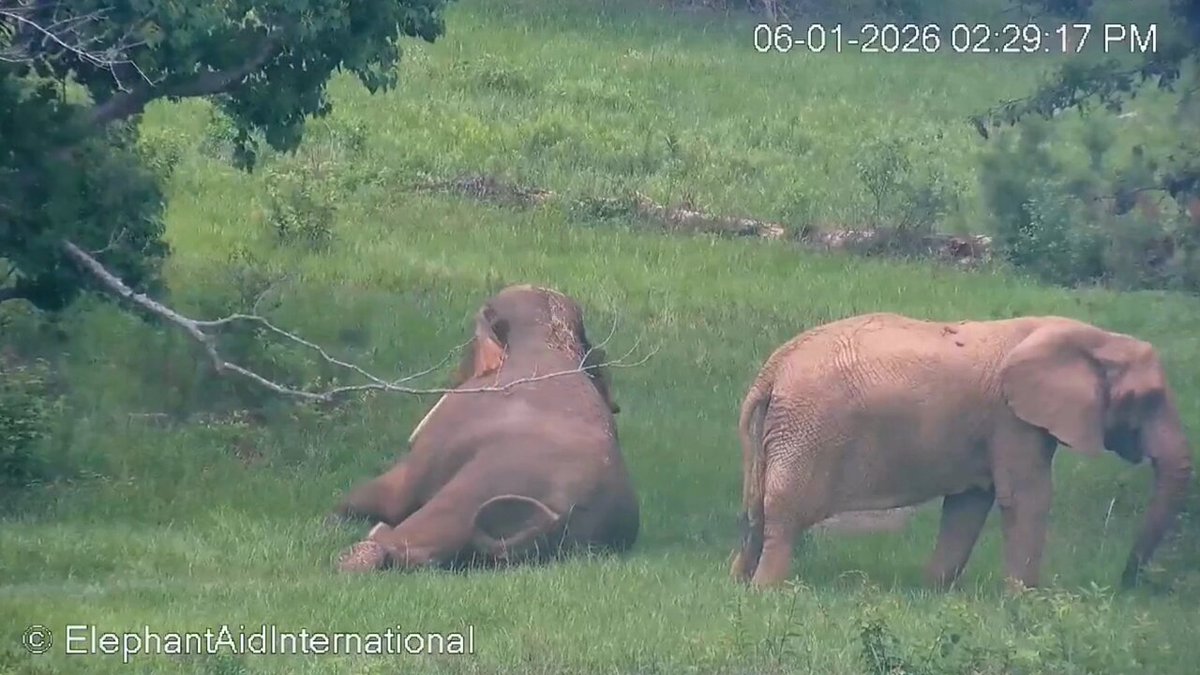
Belly scratches, elephant style! #Elephant #Elephants
15
165
7
32
306