
Kelime oyunlu mamulleri
Joined October 2017
- Tweets 50,354
- Following 400
- Followers 10,638
- Likes 264,673
3,756 Photos and videos

Pinned Tweet

10 Apr 2025
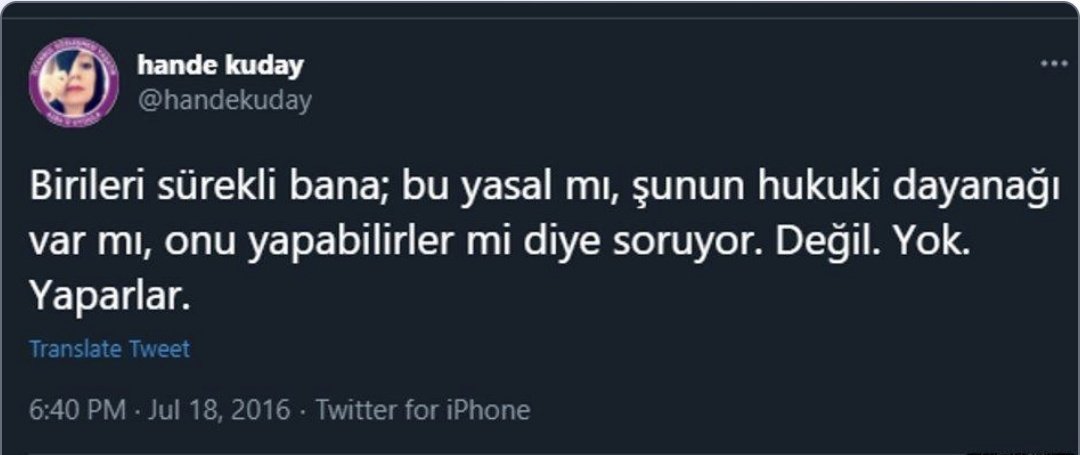
Dışarıda tam sevgiliyle el ele gezmelik hava var, ama bilin bakalım ne yok? Evet, cumhurbaşkanı adayımız sayın Ekrem İmamoğlu hakkında savcılığın oluşturduğu dosyada herhangi bir suç unsuru.
20
4,638
47,534
722,199

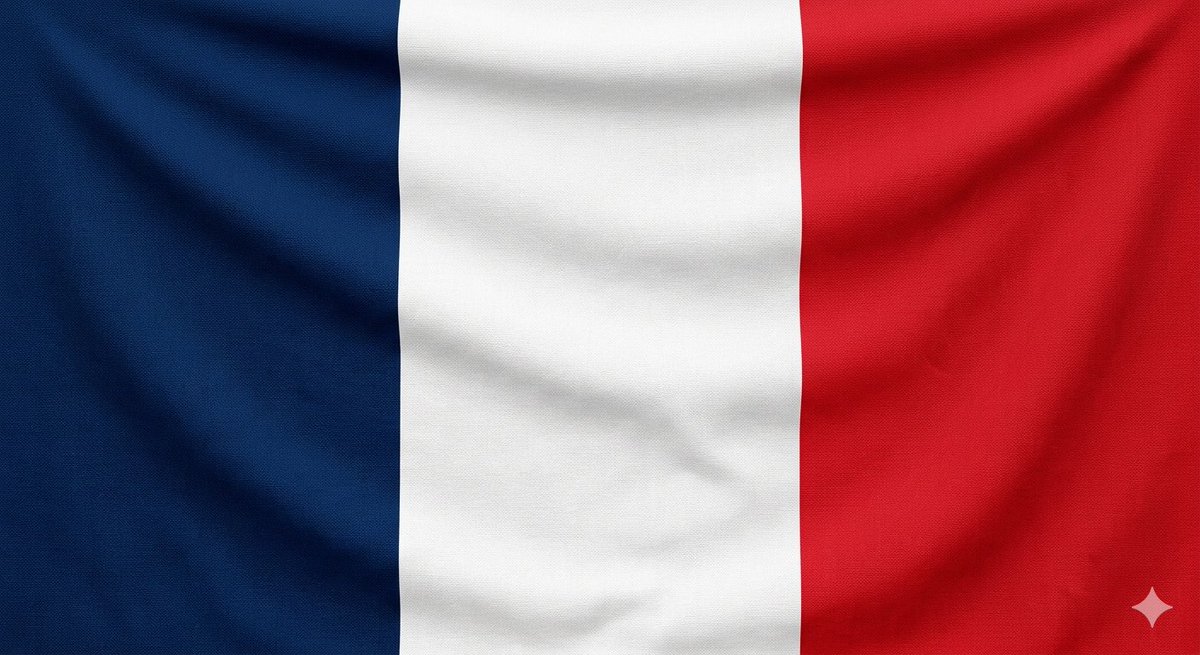
Bu akşam 2 afrika takımının mücadelesine şahit olacağız, Fransa ve Senegal.
1
22
616
Jun 14

lindo ver a dua lipa não se rendendo ao silicone em meio a tanta padronização estética


1
1
27
1,687
Jun 15
İspanya bizimle fazla mı yakınlaştı acaba ya, defans duvarını aynı bizim gibi aşamıyorlar.
1
1
23
620
Jun 14
Seni seçtim çünkü sen farklısın, Japonsun bi kere akıllı adamsın.
1
32
565
Jun 14
Niyet ettim allah rızası için milli maç izlemeye, uydum hazır olan taraftara
2
22
792
Jun 13
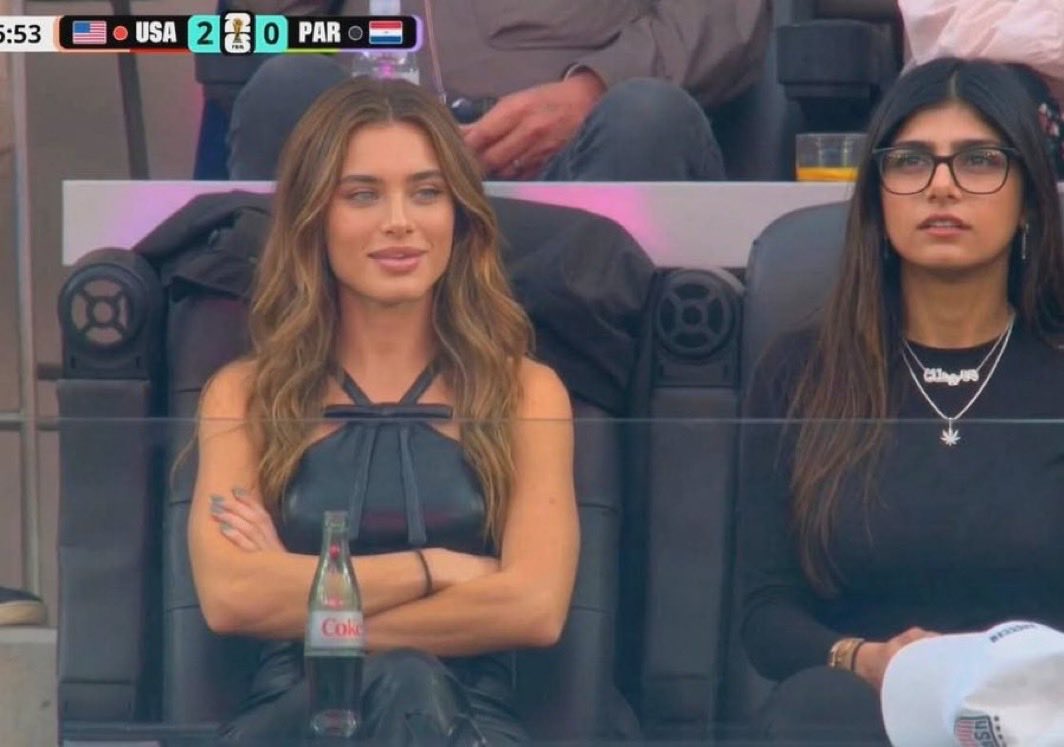
Tanıyorum ben sağdaki mücevher tasarımcısı

2
23
2,172
Jun 13
Haarp maarp her boku da biliyonuz aqmun grundschule mezunları
Jun 12

Could this have something to do with Spain criticizing Israel for genociding Palestinians?
The US HAARP installations in the Middle East created drought in Iran for years.
The drought ended a few months ago when Iran bombed the HAARP installation in UAE.
12
627
Jun 13
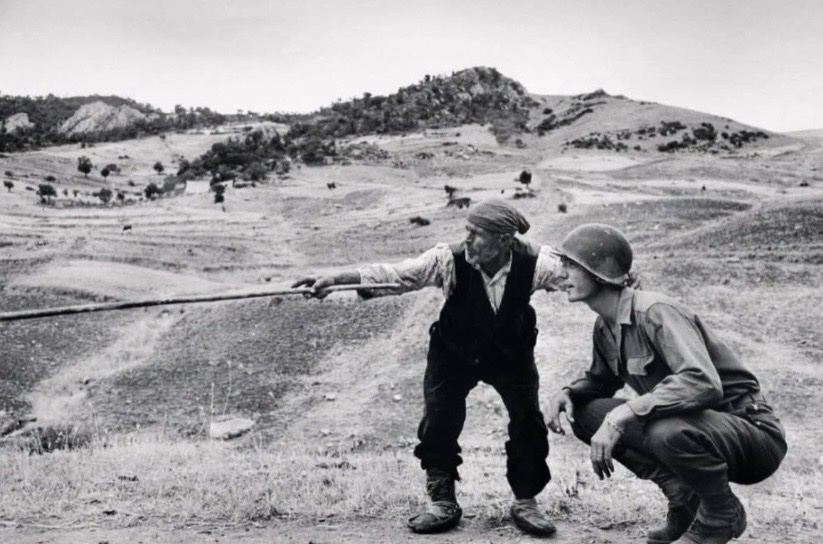
Köylünün ihbar etme özelliği ırkların ve coğrafyaların ötesine geçmiş bir kavram.
Jun 12

A Sicilian peasant points out the direction German forces had moved to an American officer in 1943.
This moment is from the Allied invasion of Sicily, Operation Husky, which began on July 10, 1943. Over 160,000 Allied troops landed in one of World War II’s largest amphibious assaults, with American forces under General George S. Patton and British forces under Field Marshal Bernard Montgomery pushing across the island against German and Italian defenses.
During the campaign, local civilians often played a key role by sharing knowledge of roads, terrain, and enemy movements—information that wasn’t always captured on military maps. This guidance frequently helped Allied units navigate Sicily’s difficult landscape and track enemy positions.
The operation lasted 38 days, ending on August 17, 1943 with the capture of Sicily. The victory opened Mediterranean supply routes, paved the way for the invasion of mainland Italy, and contributed to the fall of Benito Mussolini on July 25, 1943. However, despite the Allied success, around 100,000 Axis troops escaped across the Strait of Messina to continue fighting in Italy.
4
54
4,256
Jun 12
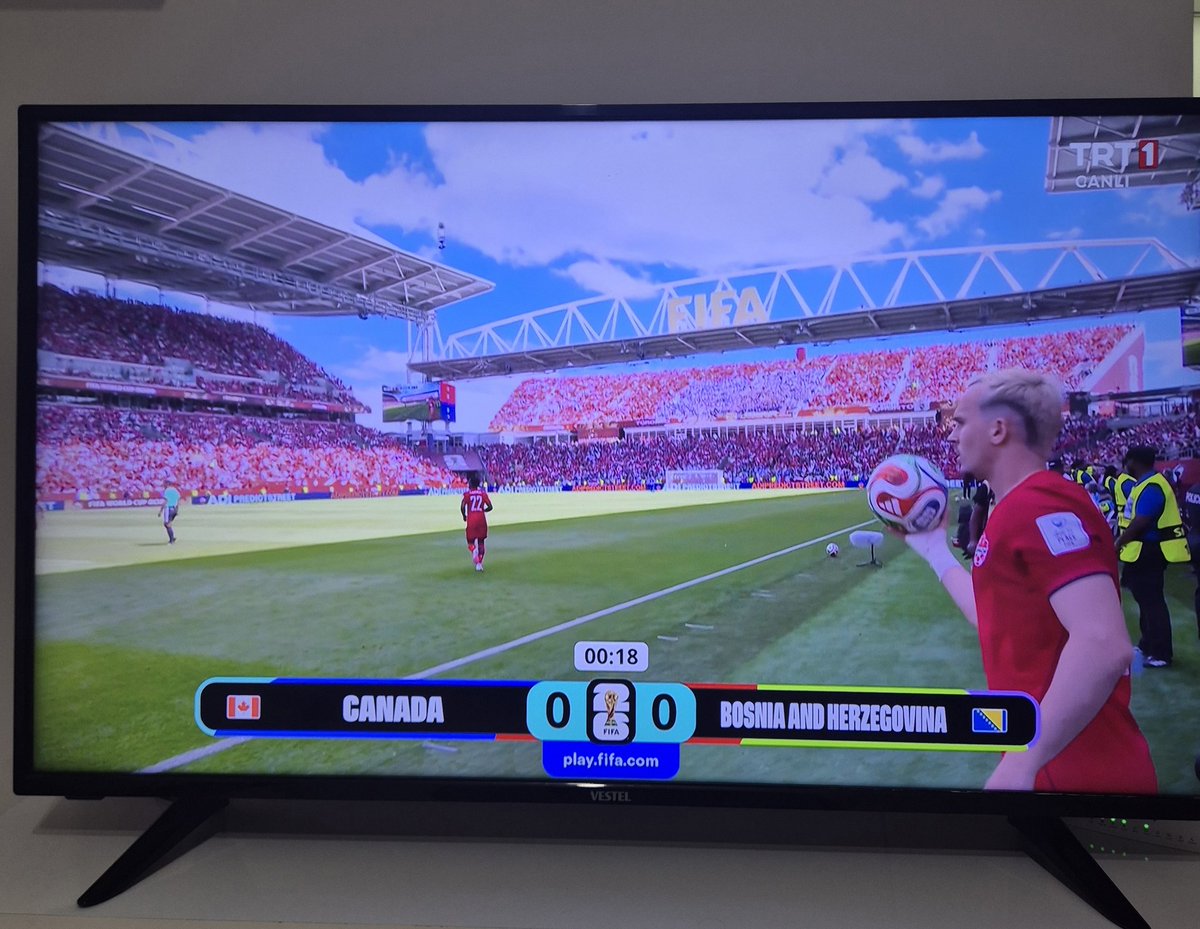
Gelelim dünya kupası tahminlerimize:
Kanada-Bosna maçı berabere başlar.
Diğer muhteşem tahminlerim için takipte kalın.
1
27
1,618
Jun 12
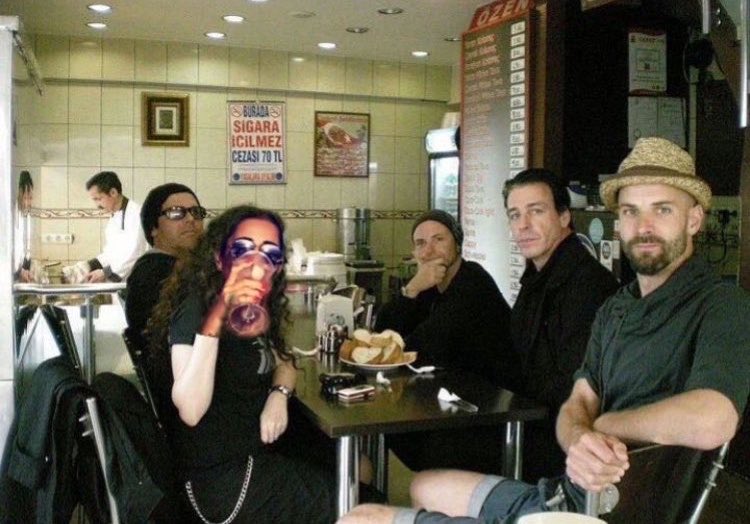
Twitter etkileşim çevrem

2
36
3,001
Jun 12
Abi o kadar uyuşturucu satıyorsunuz ne demek para yok
Jun 11

TRT, Dünya Kupası'nda maliyetlerden dolayı 4K yayın yapmayacak. (Webtekno)

2
6
68
1,420
Jun 11
Ayıpladığınız her şeyin başrolündesiniz.
Jun 11
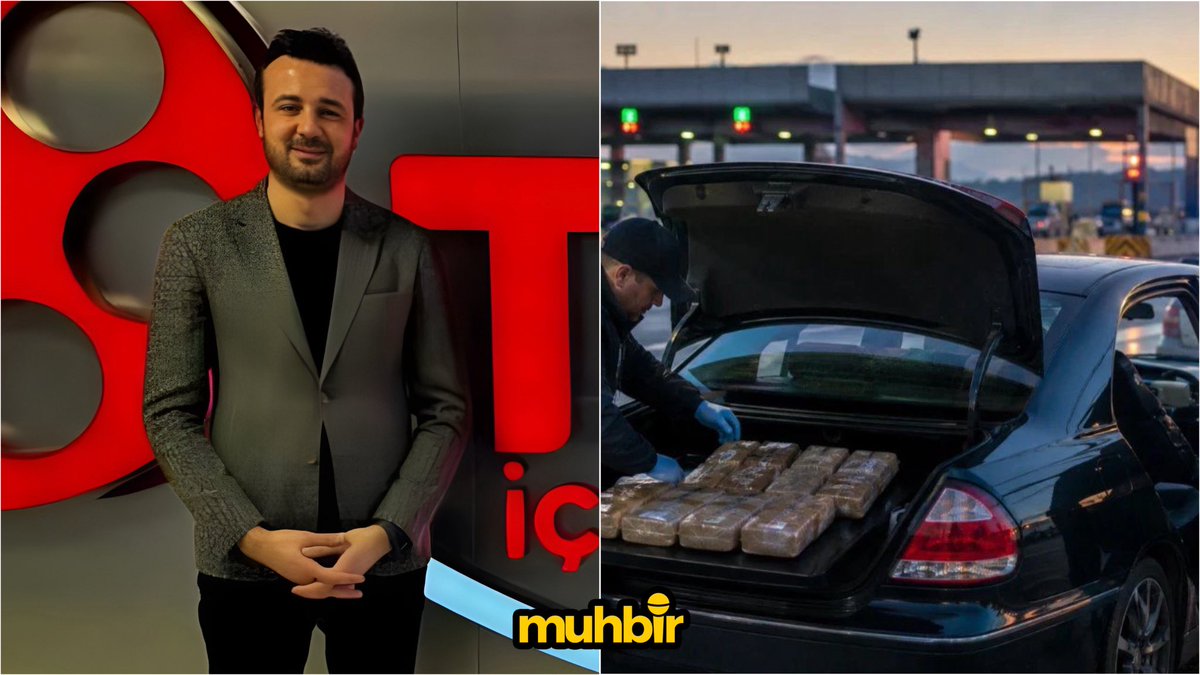
⚠️ TRT Genel Sekreteri’nin makam aracında uyuşturucu yakalandı!
TRT’de Genel Sekreter olarak görev yapan Mesut Eker’in makam aracında 7,5 kilo ağırlığında kokain, eroin ve esrar maddesi ele geçirildi.
Araçta Eker’in şoförü ile yine TRT’de şoförlük yapan bir personel yakalandı.
İki isim sorgulanmak üzere emniyete götürüldü.
Mesut Eker’in olayla bir ilgisinin bulunmadığı ileri sürüldü! (Nefes - Özgür Cebe)
39
721
13,768
Jun 11
Günaydınlar efendim. Amerika Birleşik Devletleri'nden ne kadar nefret etsek azdır. Dünya Kupası'nı orada düzenleyip bu nefreti harmanlamaya vesile olan FIFA'ya teşekkürlerimi sunuyorum. Yeri gelmişken çocuk tecavüzcüsü Trump'ın da yedi sülalesini sikeyim. Hayırlı sabahlar.
1
41
802
Jun 9
Yazarının şimdiye dek nobel almamış olması şaşırtıcı
Jun 9

Oyuncu Beril Pozam:
"Kur'an-ı Kerim, yazılmış en iyi kitap bence."


3
2
62
3,703