The student-edited Emory Law Journal has published academic, professional, and student-authored pieces on the full range of legal subjects since 1978.
Joined November 2014
- Tweets 427
- Following 425
- Followers 980
- Likes 169
89 Photos and videos
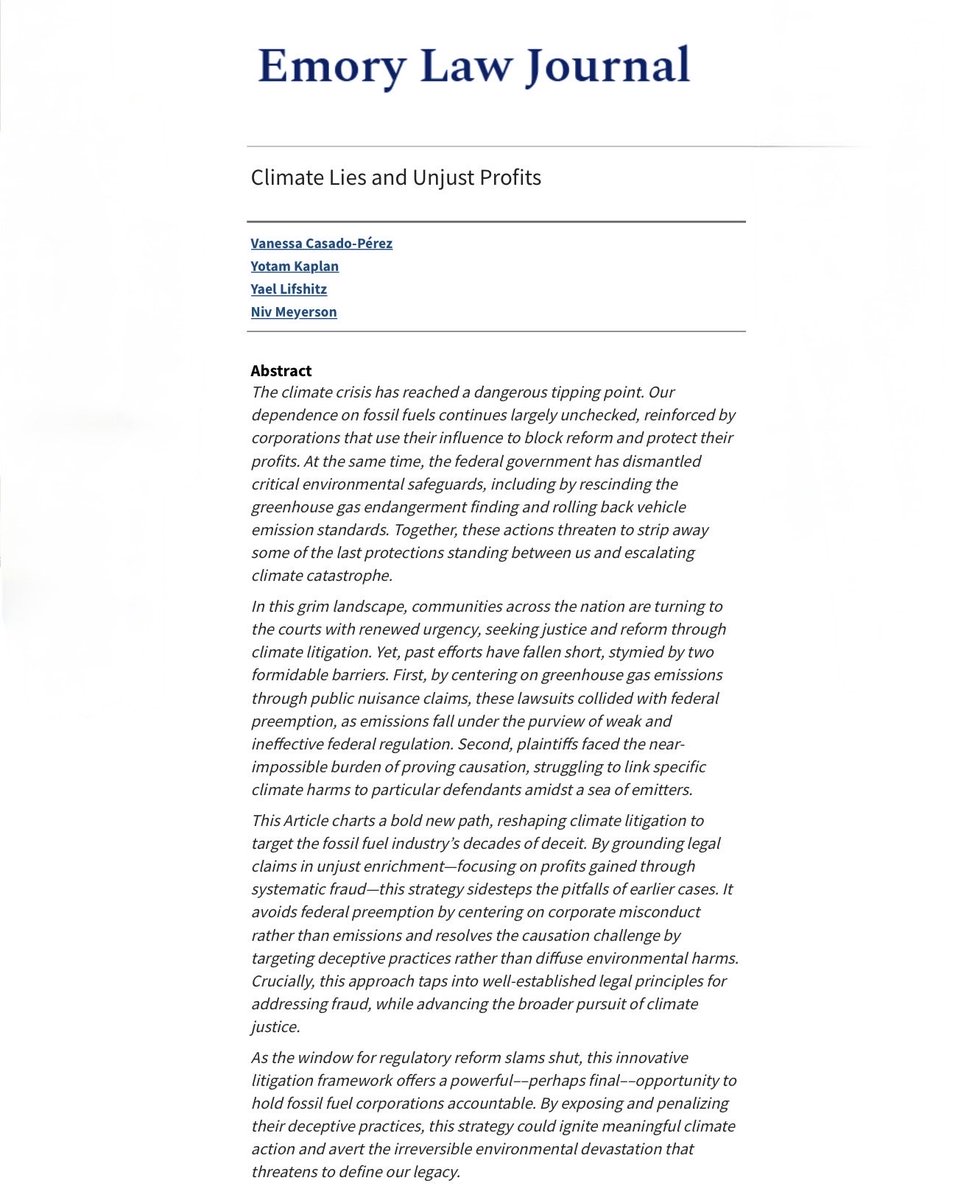
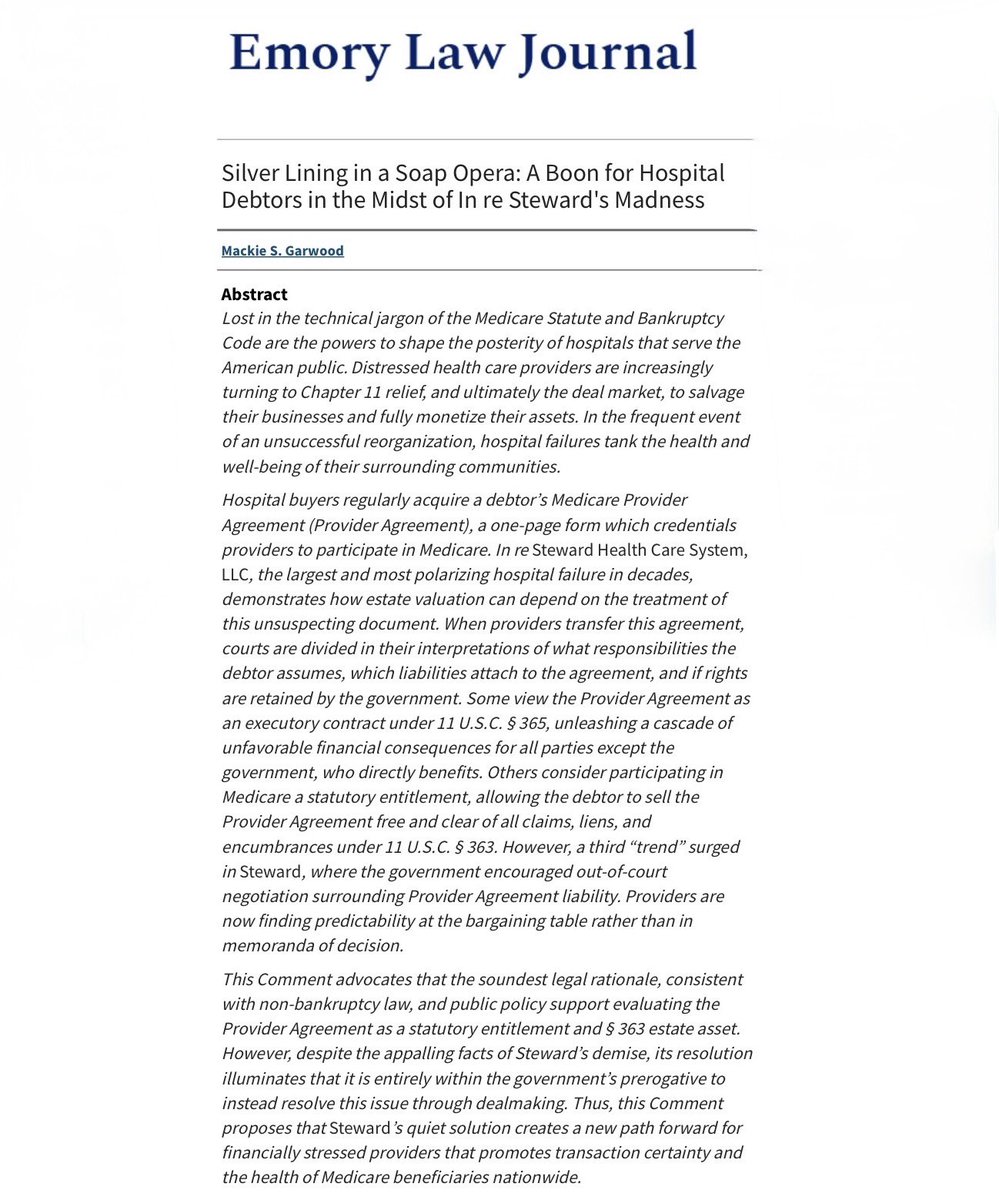
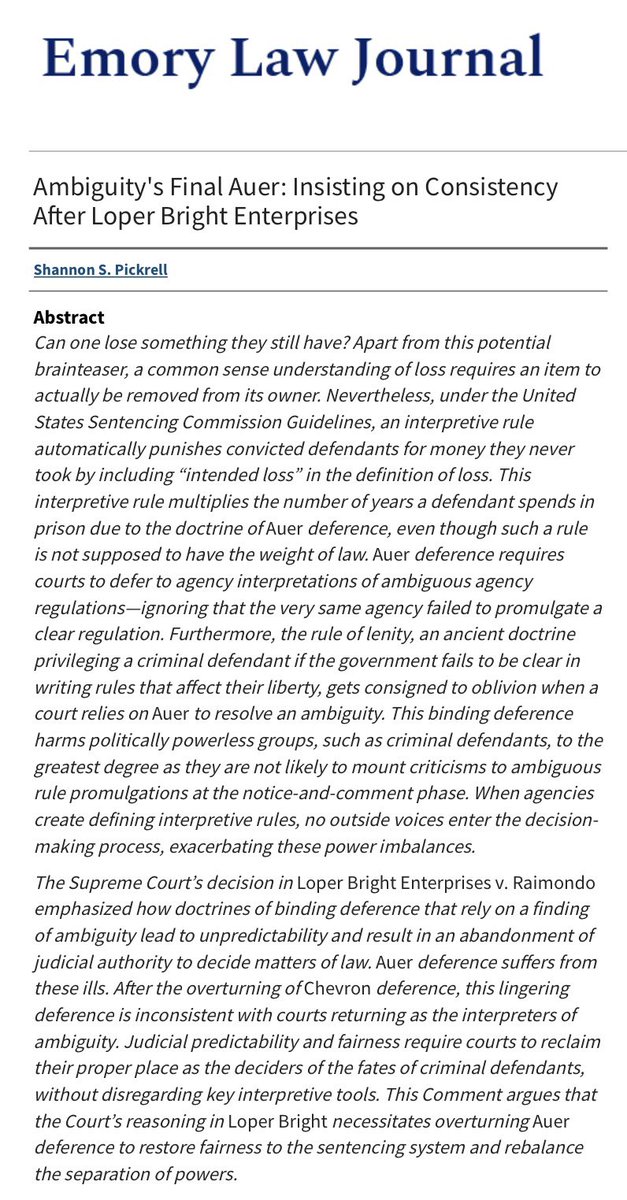
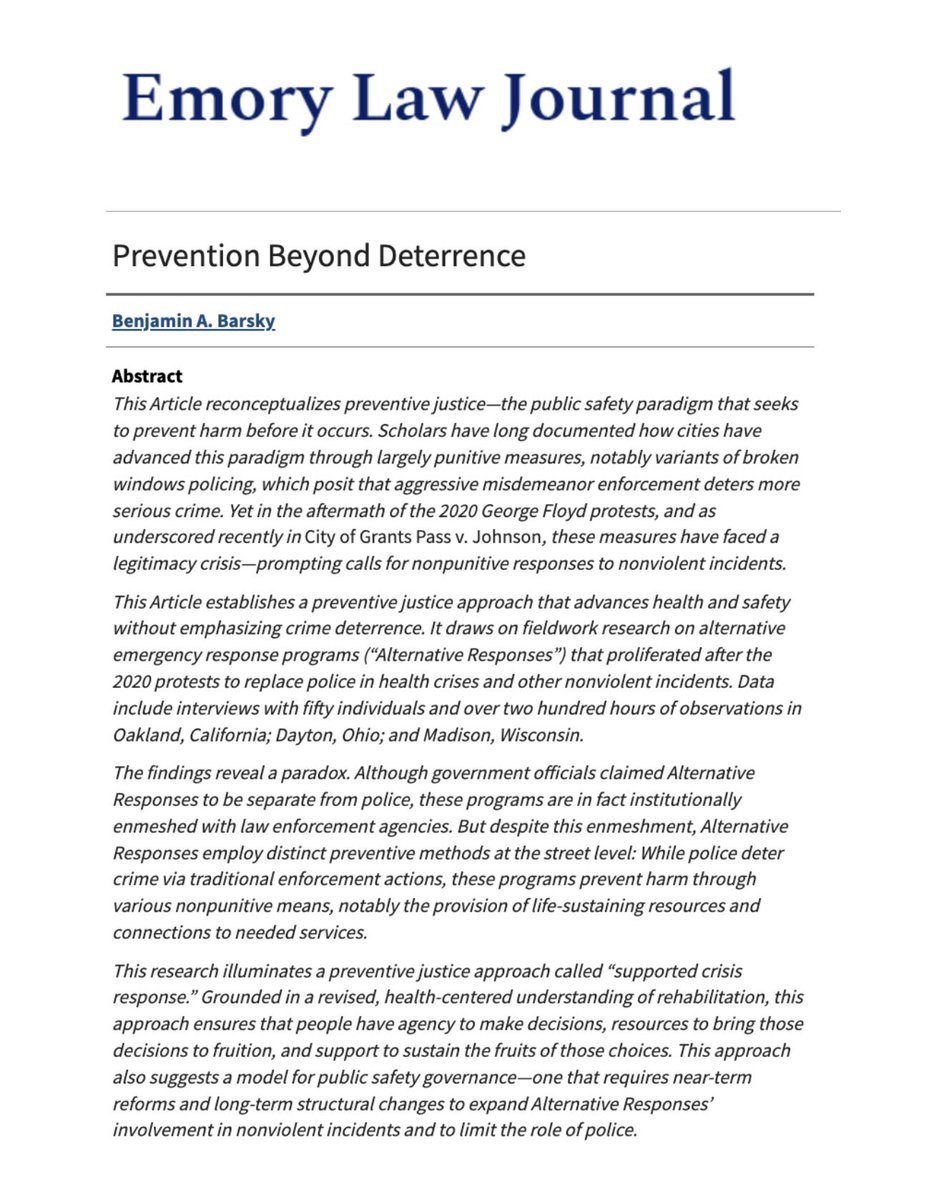

Despite the ongoing climate crisis, efforts to facilitate climate regulation have proven unsuccessful. But is there another way to advance climate policy?
2
48
Check out the article here: scholarlycommons.law.emory.e…
17
Professor Vanessa Casado-Pérez, Professor Yotam Kaplan, Associate Professor Yael Lifshitz, and Niv Meyerson consider in “Climate Lies and Unjust Profits” published in Volume 75 of the Emory Law Journal.
27
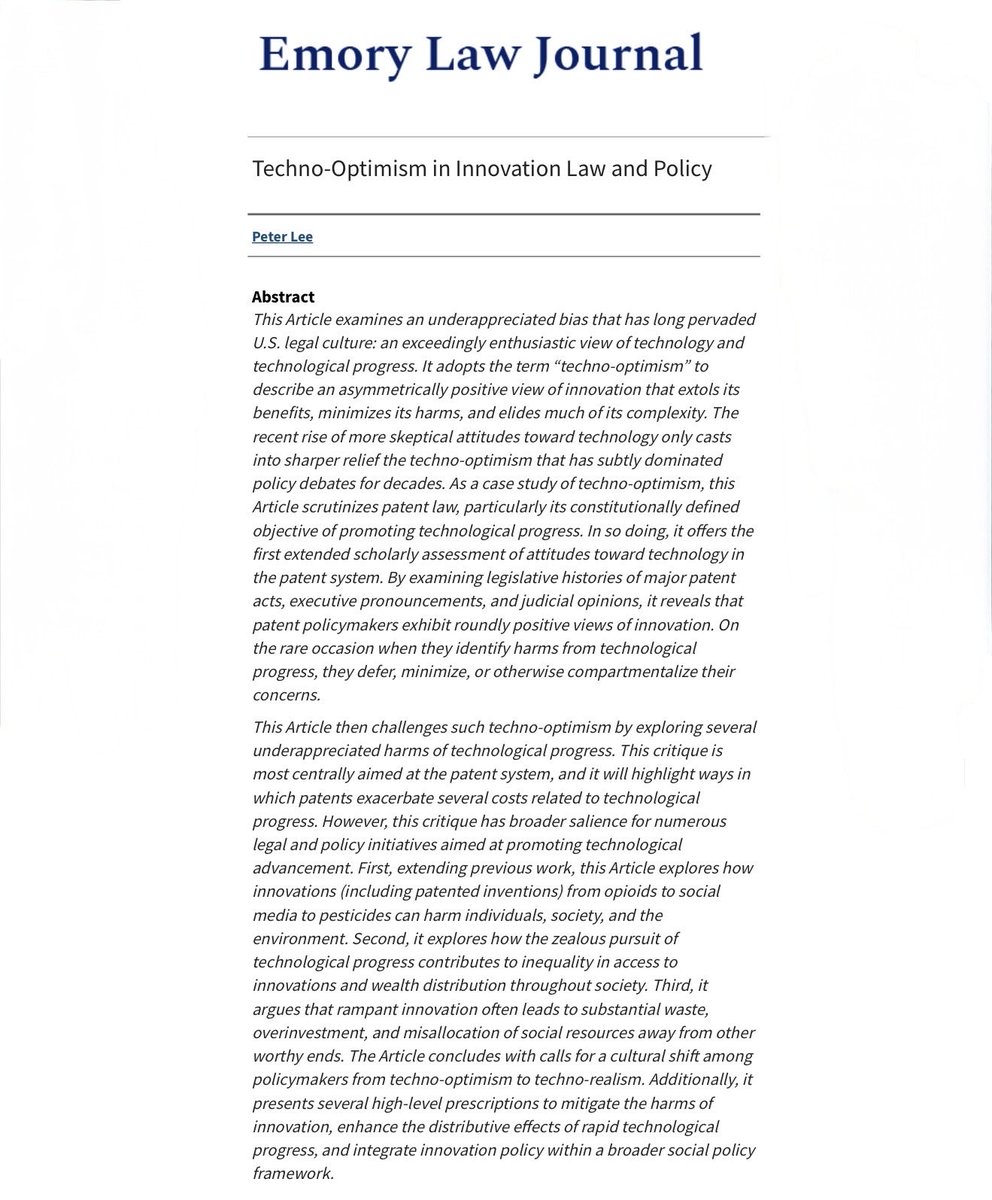
Professor Peter Lee (of University of California, Davis - School of Law) has published "Techno-Optimism in Innovation Law and Policy" in Volume 75 of the Emory Law Journal.
1
1
72
Technology receives substantial public support due to its
contributions to economic growth and other benefits, but do
policymakers fully appreciate the costs of innovation? Check out the article here: scholarlycommons.law.emory.e…
47
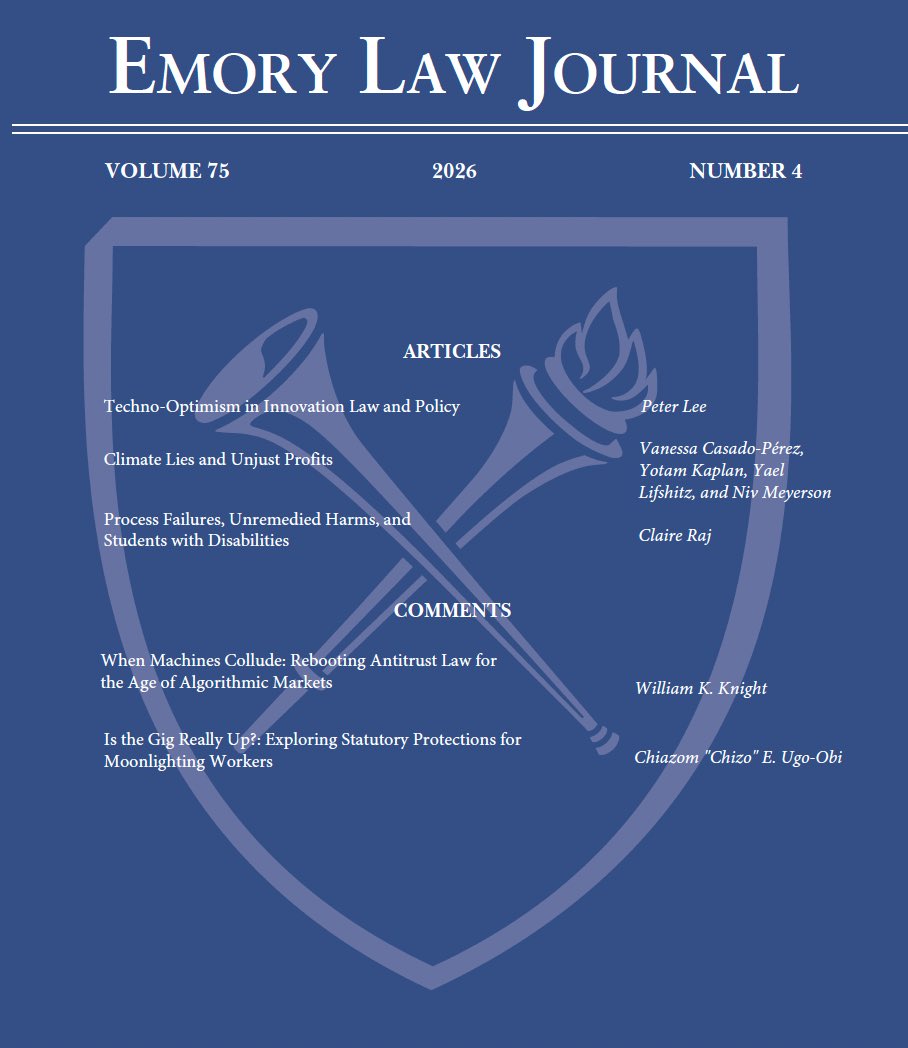
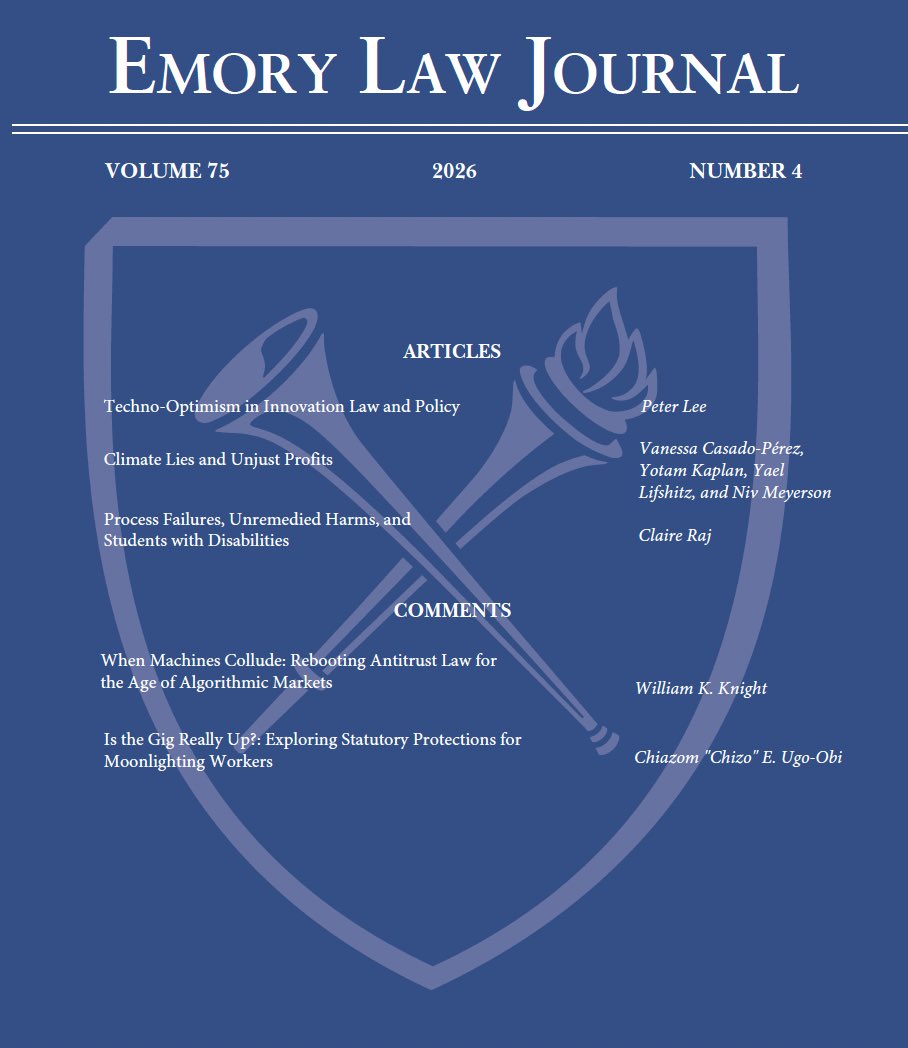
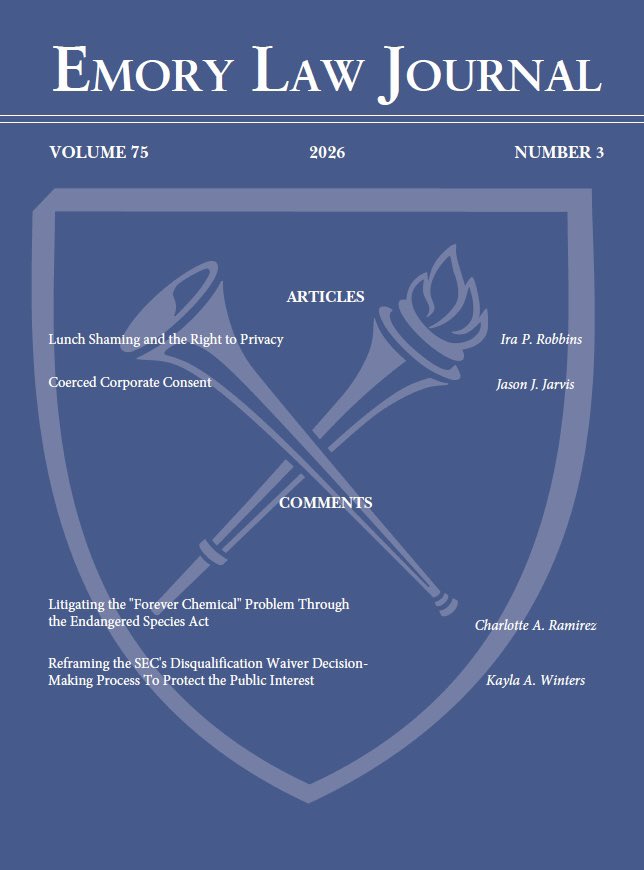
Issue 4, Volume 75 is live! It features three Articles, one by Professor Peter Lee; one by Professor Vanessa Casado-Pérez, Professor Yotam Kaplan, Associate Professor Yael Lifshitz, and Niv Meyerson; and one by Professor Claire Raj.
1
1
109
It also includes Comments by Will Knight and Chiazom “Chizo” Ugo-Obi.
Check out the issue here: scholarlycommons.law.emory.e…
64
Issue 4, Volume 75 is live! It features three Articles, one by Professor Peter Lee; one by Professor Vanessa Casado-Pérez, Professor Yotam Kaplan, Associate Professor Yael Lifshitz, and Niv Meyerson; and one by Professor Claire Raj.
1
101
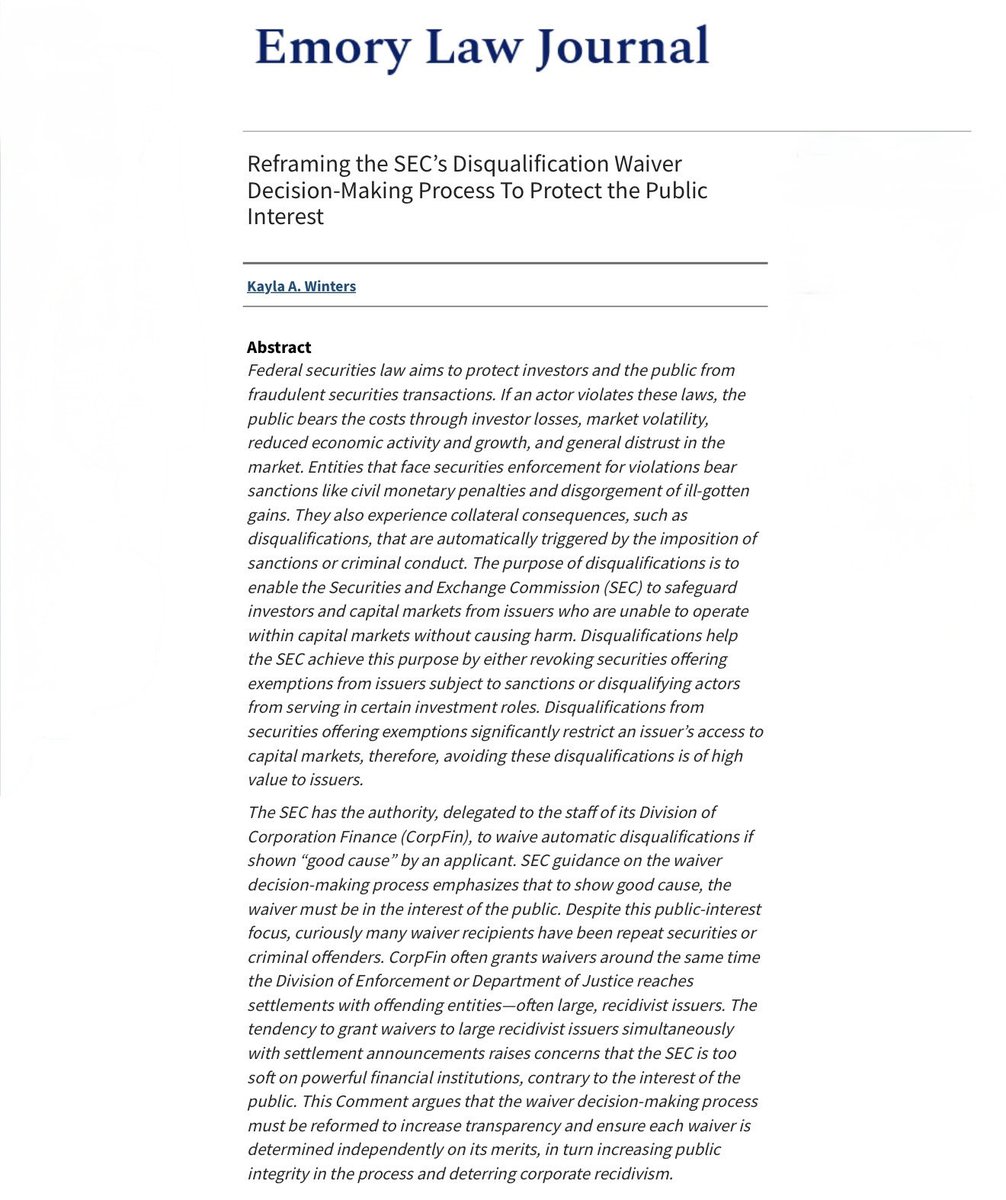
Congratulations to Kayla Winters! Her Comment, “Reframing the SEC’s Disqualification Waiver Decision-Making Process to Protect the Public Interest,” was recently published in Volume 75 of the Emory Law Journal.
1
1
45
Check out the article here: scholarlycommons.law.emory.e…
1
19
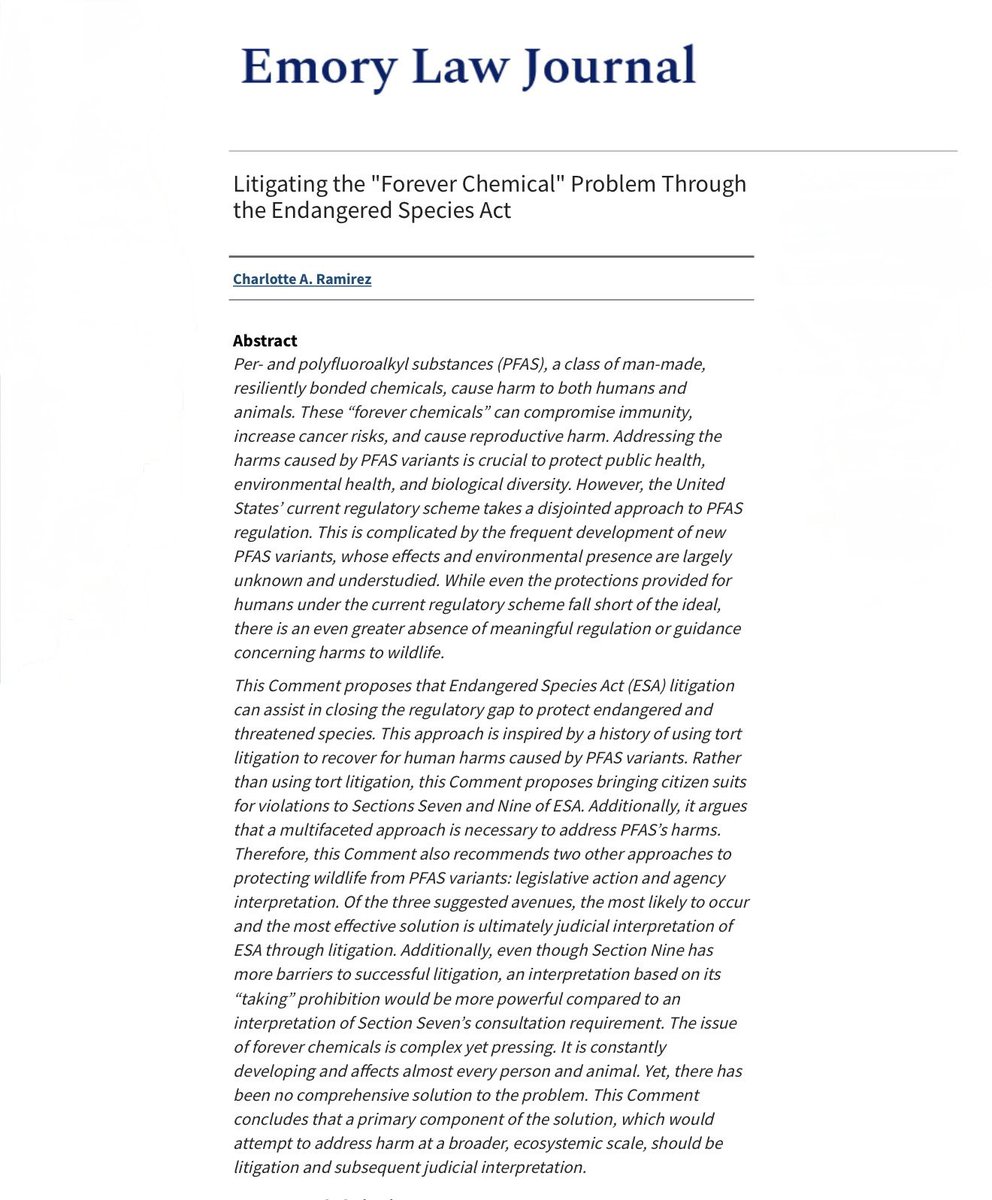
Congratulations to Charlotte Ramirez! Her Comment, “Litigating the ‘Forever Chemical’ Problem Through the Endangered Species Act,” was recently published in Volume 75 of the Emory Law Journal.
1
1
43
Check out the article here: scholarlycommons.law.emory.e…
1
21
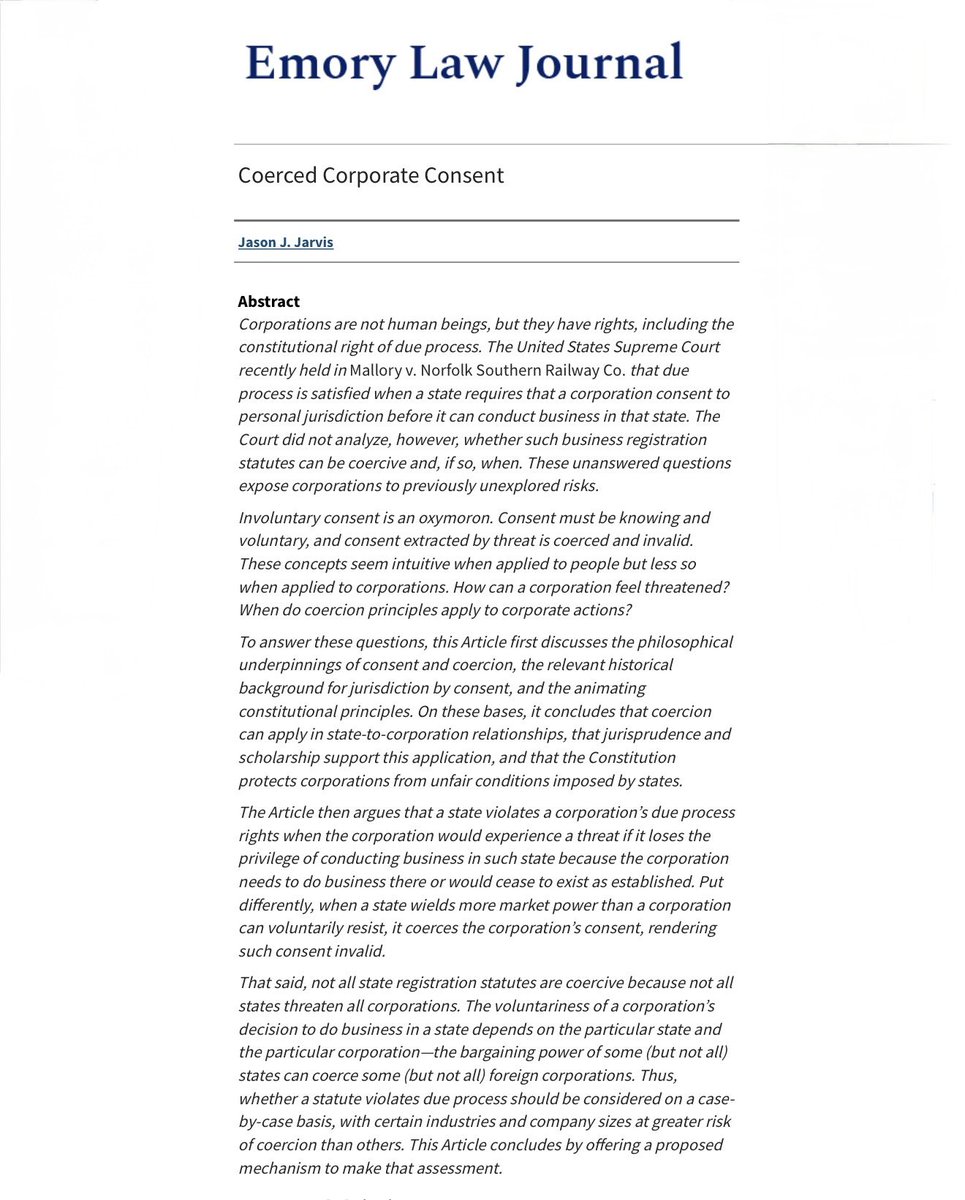
Business registration statutes require corporate consent, but can business registration statutes also be coercive? Professor Jason J. Jarvis (of Pepperdine Caruso Law) considers this in “Coerced Corporate Consent,” recently published in Volume 75 of the Emory Law Journal.
1
109
Check out the article here: scholarlycommons.law.emory.e…
17
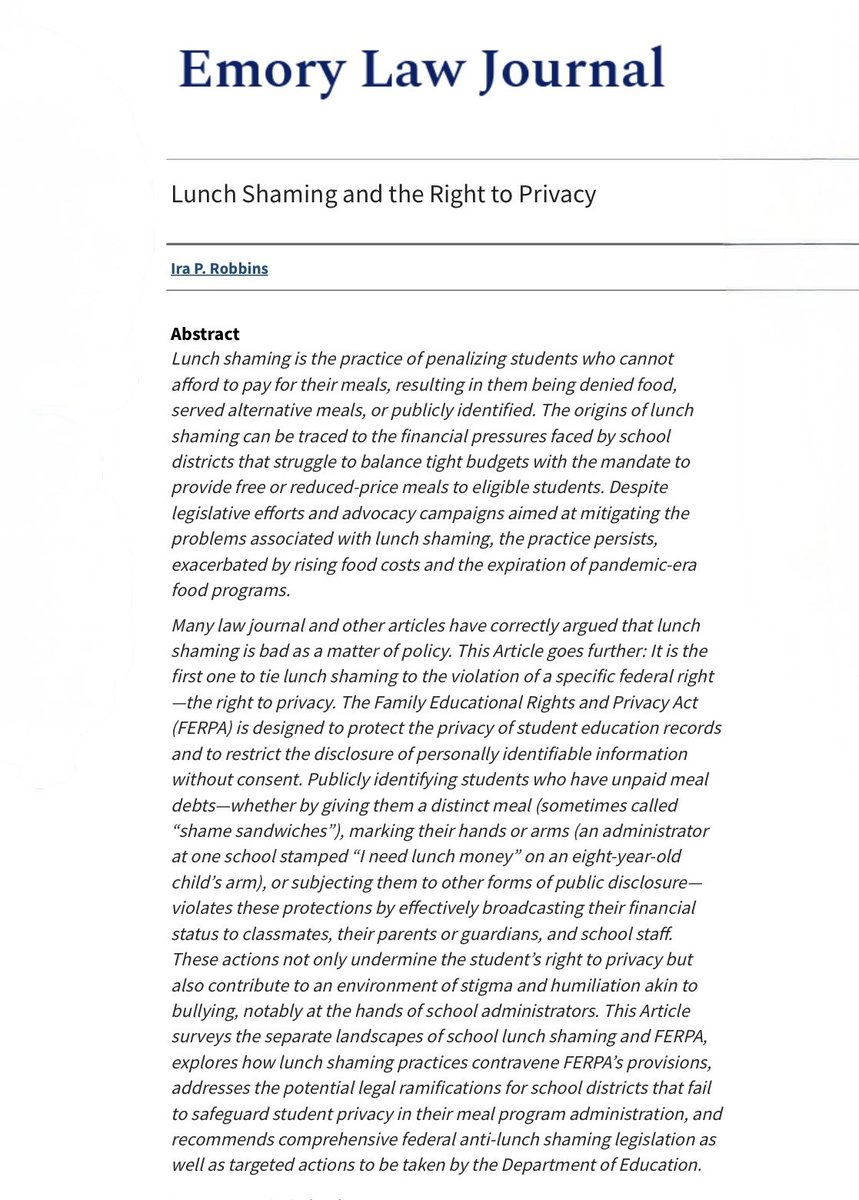
Policies and practices that allow school staff to publicly name and shame children who have outstanding lunch balances have led to a phenomenon known as “lunch shaming.” But is lunch shaming just a bad educational practice?
2
37
Check out the article here: scholarlycommons.law.emory.e…
13
Or has it created further underlying problems for children today? Professor Ira P. Robbins (of AU Washington College of Law) considers this in “Lunch Shaming and the Right to Privacy,” recently published in Volume 75 of the Emory Law Journal.
26
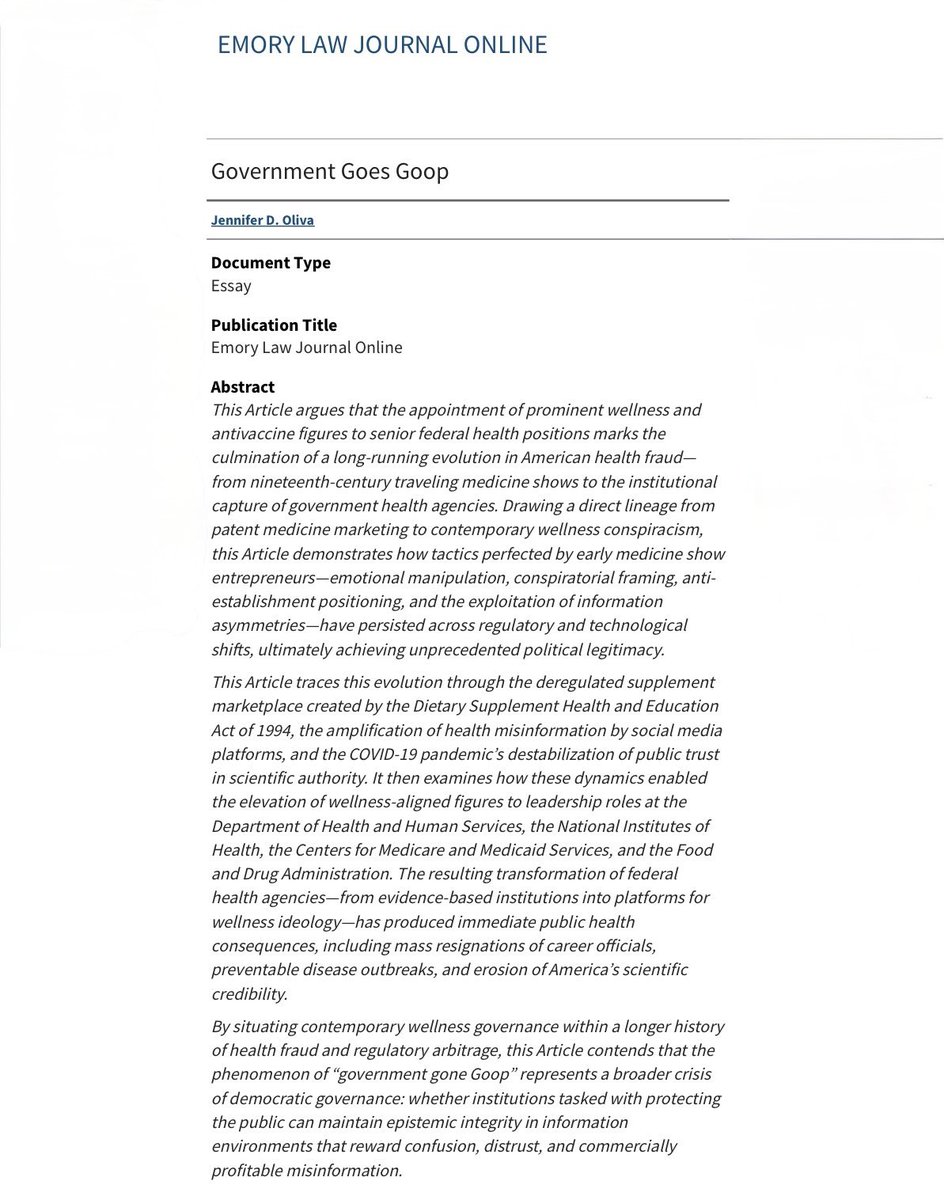
Although federal health agencies are known as evidence-based institutions designed to protect public health and prevent misinformation, what effect did the introduction of wellness figures to senior health positions have on federal health agencies and the overall health industry?
2
79
Check out the article here: scholarlycommons.law.emory.e…
32
Professor Oliva considers the effect of wellness figures on federal health industries in “Government Goes Goop,” recently published in Volume 75 of the Emory Law Journal Online.
1
50