
Devoted to data driven analyses of policies, plans, and technologies surrounding the supply and use of energy essential for human flourishing.
Joined March 2024
- Tweets 624
- Following 147
- Followers 646
- Likes 303
279 Photos and videos


Pinned Tweet

The UAE didn't storm out of OPEC. It walked out slowly, over years — and the organization couldn't stop it.
Overproducing its quota since 2019. Expanding capacity while others cut. A public clash with Saudi Arabia in 2021. The departure was inevitable.
Now the real question: does Venezuela follow? One of OPEC's founding five, 300 billion barrels in reserves, and a new government with every reason to produce freely.
A more competitive, more fragmented oil market is coming. NCEA Senior Fellow @NeilAtkinson58 explains what it means in his new issue brief, "After UAE Departure, What's Next for OPEC?"
🔗energyanalytics.org/uae-opec…
1
49
The Permian Basin has a water challenge most people don't know about.
20M barrels of salty produced water — every day.
Inject it underground → earthquakes.
Ignore it → wasted resource.
Desalinate it → protect the Ogallala Aquifer & West Texas cotton.
NCEA advisor Scott W. Tinker, PhD lays out the path forward in his latest @_RCEnergy article:
realclearenergy.org/articles…
1
1
34
National Center for Energy Analytics retweeted

Jun 10
Are We Sleepwalking Towards a Mineral Famine? youtu.be/CZcMXRc9ICM?si=nRqg… via @YouTube #energy #minerals #keyminerals @clareo @EnergyRealities @Miller_Report
1
4
65
National Center for Energy Analytics retweeted

Jun 9
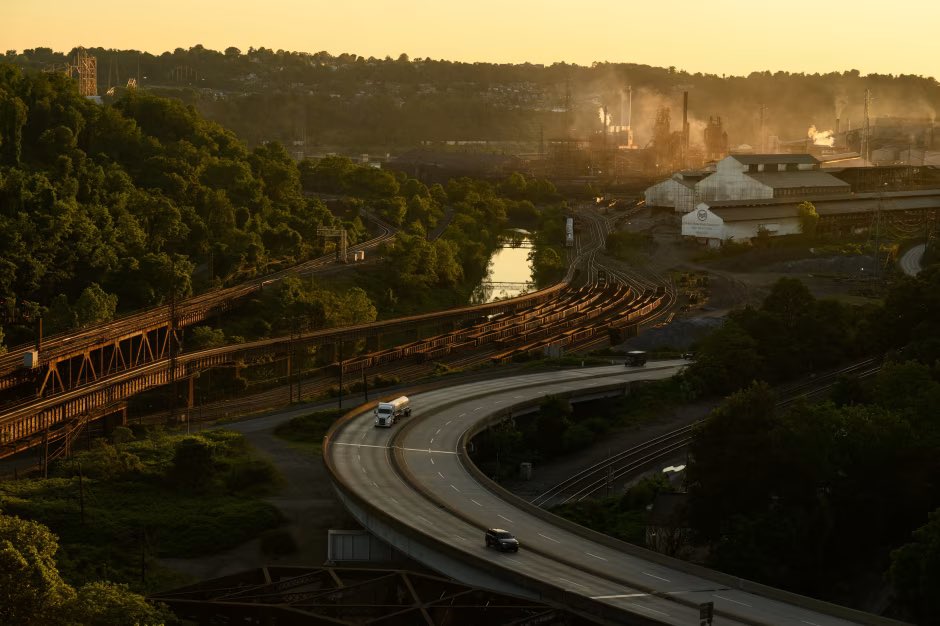
Great new from the world of steel!
Nippon, now owners of U.S. Steel, will invest $2-2.5 billion in Pennsylvania’s Mon Valley Works, creating up to 6.000 new jobs.
See the article link in the comments.
1
1
6
163
The U.S. wants to quadruple nuclear capacity by 2050. The workforce math doesn't add up.
Licensed operators: 18–24 month training pipeline, no shortcuts.
Skilled trades: demand surges to 60% of workers during construction.
Nuclear engineers: need to nearly double nationally.
And data centers, reshored factories, and grid upgrades are competing for the same people — right now.
Visiting Fellows @JimVinoski and @ShonHiatt break it down in their latest NCEA issue brief.
energyanalytics.org/nuclear-…
1
234
The UAE's OPEC exit didn't happen overnight.
It started quietly in 2019 — overproducing its quota while everyone looked the other way. Then came the clashes with Saudi Arabia, the expanding ambitions, the U.S. currency swap.
One of the biggest ruptures in OPEC's 65-year history had been building for years.
The full story from @NeilAtkinson58 in @RealClearWorld: realclearworld.com/articles/…
49
NCEA Visiting Fellow @JimVinoski broke down our latest — covering wind power economics, corn ethanol, nuclear workforce challenges, and the energy demands of the AI revolution — on his Manufacturing Talks Web Show and Podcast.
It's worth a listen: youtu.be/Gt_zNgpDCbM
Jun 3

My “Manufacturing Talks” episode this week shares all the latest from the National Center for Energy Analytics @EnergyRealities
The links are in the comments.

1
92
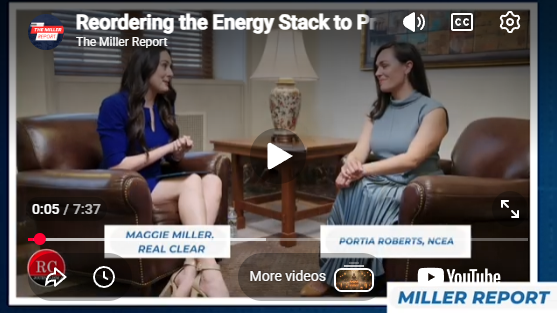
We've been asking the wrong question about energy.
It's not CAR (clean, affordable, reliable) — it's ARC.
Affordability first.
NCEA Deputy Executive Director @portiamills makes the case to @RealClearEnergy's Maggie Miller at the Energy Future Forum.
🔗 realclearenergy.org/video/20…
1
3
334
National Center for Energy Analytics retweeted

Reordering the Energy Stack to Prioritize Affordability...
Full interview: realclearenergy.org/video/20…
@EnergyRealities
1
1
166
Nuclear power: ~4,000 watts per square meter.
Wind power: ~1 watt per square meter.
That gap isn't a talking point — it's physics. And it has consequences for land use, transmission costs, and the communities asked to host turbines.
Jonathan Lesser, PhD & Portia Roberts dig into what that number really means in "Some Needed Realism on Wind Power."
🔗 energyanalytics.org/wind-pow…
3
7
410
America is betting big on nuclear. But do we have the workforce to build it?
Our new issue brief, The Nuclear Workforce: An Essential Energy Priority Facing the Nation, from Visiting Fellows @JimVinoski & @ShonHiatt breaks down the gap — and what it will take to close it.
🔗 energyanalytics.org/nuclear-…
1
2
84
The U.S. erased decades of energy security risk thanks to the shale revolution — and is now on track to wipe out most of those gains by 2035.
New NCEA research by Senior Fellow Iddo Wernick & Visiting Fellow Stephen Eule introduces the U.S. Energy Security Index: 18 indicators, 55 years of data, one sobering forecast.
The culprits: mineral import dependency & rising cyberattacks.
Full report: energyanalytics.org/esi/
Op-ed: nationalinterest.org/blog/en…
1
2
73
AI isn't just a software story — it's an energy story.
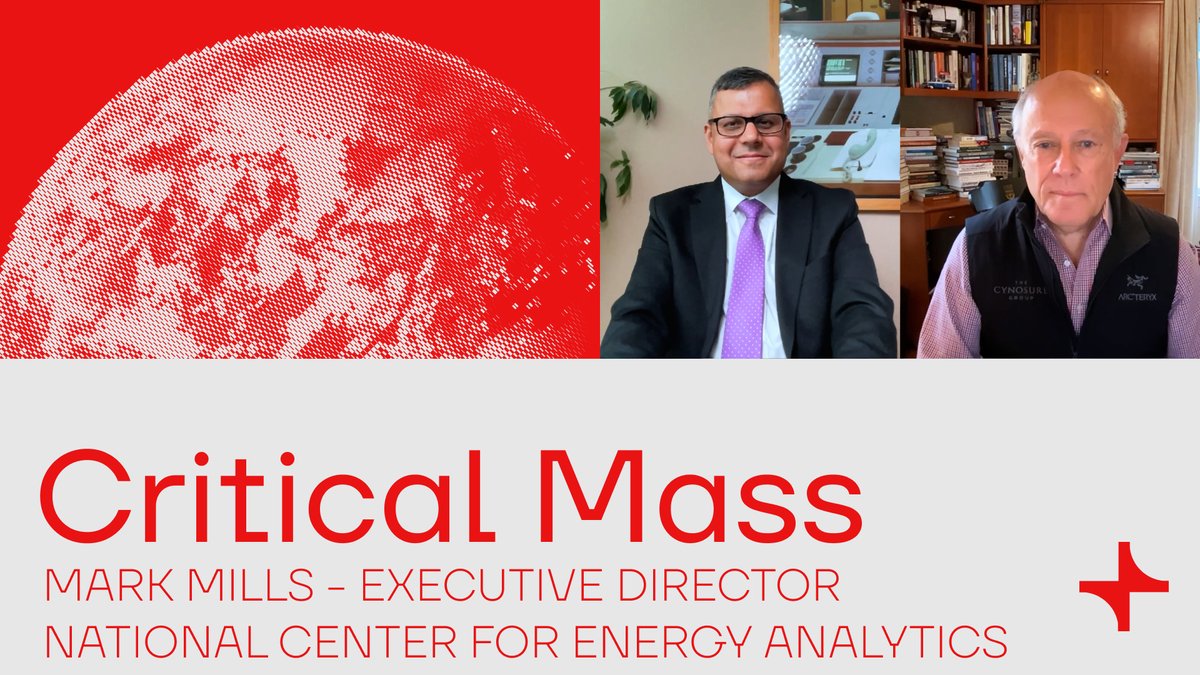
Episode 5 of Critical Mass digs into what powering the AI revolution actually requires, with NCEA Executive Director @MarkPMills.
May 20

I have spent the past month speaking with the sharpest voices across the nuclear industry. I walked away with incredible insights and projections that every nuclear enthusiast must hear.
Every interview is recorded to be shared exclusively on Critical Mass.
In Episode 5, now live, I sit down with @MarkPMills, author of The Cloud Revolution and Executive Director of @EnergyRealities, to discuss:
✦ Why AI is the primary driver of new energy demand.
✦ Can the world power the AI revolution, and at what cost?
✦ The geopolitical dependencies emerging around critical minerals and energy supply chains.
✦ Why the future of energy may depend as much on infrastructure velocity as innovation itself.
This conversation explores the collision between AI, energy systems, nuclear realities, ideologies, and geopolitics. Episode 5 is available across YouTube, Spotify, and Apple Podcasts (links below)👇
2
82
Wind power displaced the equivalent of fewer than 5 days of global CO₂ emissions last year.
Five days — from one of the most heavily subsidized energy buildouts in modern history.
And that's before accounting for the gas generation required to backstop wind's intermittency.
PJM ratepayers alone face $16B in added costs over the next 12 months.
Our new issue brief by Senior Fellow Jonathan Lesser & Deputy Executive Director @portiamills examines the growing gap between wind energy promises and real-world outcomes on cost, reliability, and environmental impact.
🔗energyanalytics.org/wind-pow…
2
4
242
AI isn’t just changing software — it’s reshaping America’s physical infrastructure.
In this @MorningWire interview, Executive Director @MarkPMills explains why the AI boom is driving massive growth in data centers, electricity demand, transmission lines, and energy infrastructure nationwide.
A must-listen conversation on the future of AI and energy.
May 16

The AI revolution isn’t just happening online anymore. It’s arriving in towns across America — in the form of massive data centers, new transmission lines, and warehouse-sized buildings that consume enormous amounts of electricity.
Supporters say these projects will fuel economic growth and help America stay ahead in the AI race. Critics warn about rising energy demands, water use, and the growing influence of Big Tech on local communities.
On this episode of Morning Wire, energy analyst @MarkPMills explains what’s really driving the data center boom, why AI requires so much infrastructure, and how the race for artificial intelligence is beginning to reshape America itself.
1
2
345
Important conversation on the geopolitical realities of global energy markets.
NCEA Senior Fellow @NeilAtkinson58 explains on @the_core_in how disruptions in Gulf supply chains ripple through Brent crude pricing, futures markets, and ultimately energy-importing economies like India.
Particularly insightful is his discussion of backwardation in oil markets and the potential cost implications if India is forced to source more crude outside the Middle East or Russia.
Worth watching.
May 13

India, as a high-importing country, has been severely affected by the disruption to the Gulf supply. This is largely because OMCs have to pay significantly more per barrel, at times over $150, as they diversify their sources.
@NeilAtkinson58, Senior Fellow at The National Center for Energy Analytics (@EnergyRealities), explains why in a conversation with @govindethiraj on The Core Report.
1
101
National Center for Energy Analytics retweeted
May 12
My new episode of my Manufacturing Talks Web Show and Podcast: Effective Software Solutions - Benny Buller with @uptool_ai
The links are in the comments.

2
2
5
141
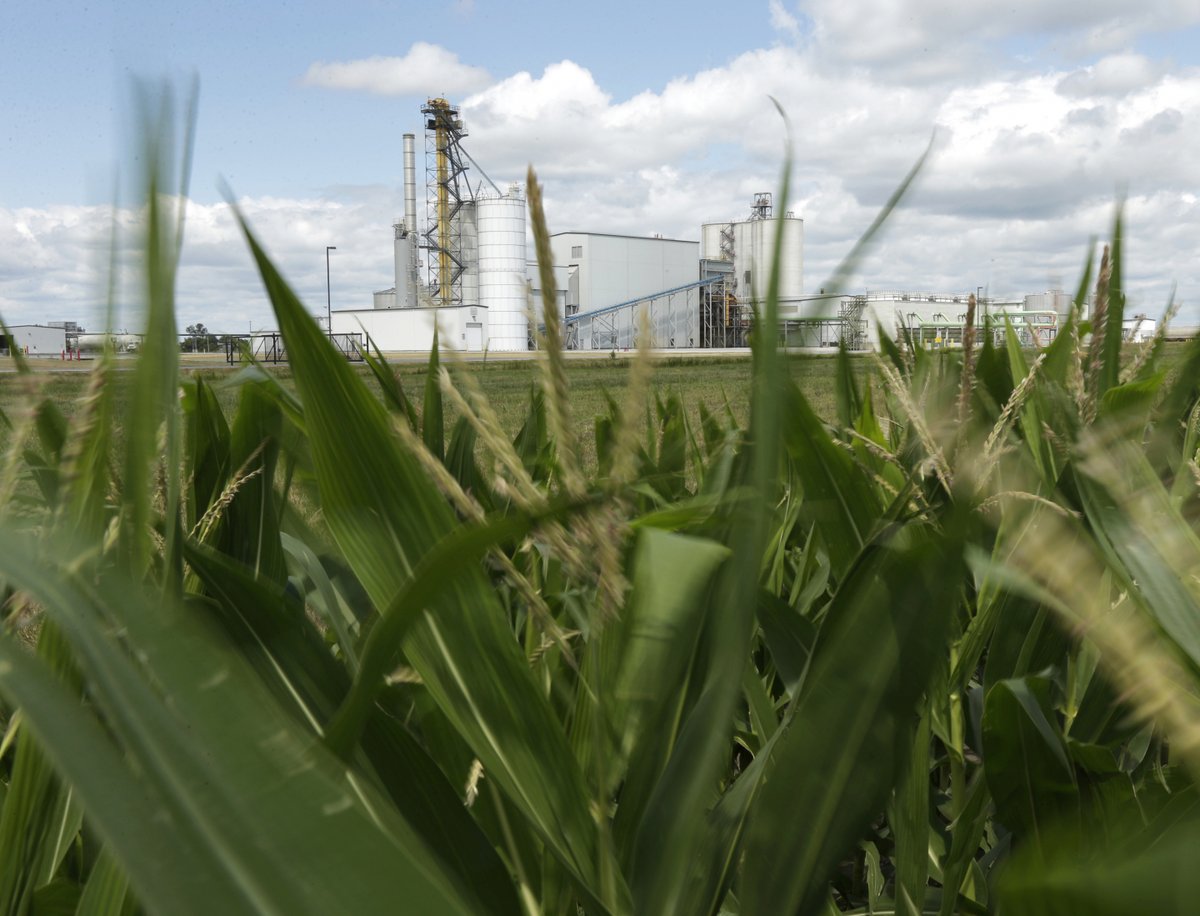
Corn ethanol was supposed to improve energy security and reduce emissions.
Instead, argues NCEA Visiting Fellow Ike Kiefer, it has raised costs, distorted markets, and increased environmental tradeoffs.
His latest @RCREnergy op-ed is based on new NCEA research:
Op-ed: realclearenergy.org/articles…
Research: energyanalytics.org/ethanol/
2
7
256
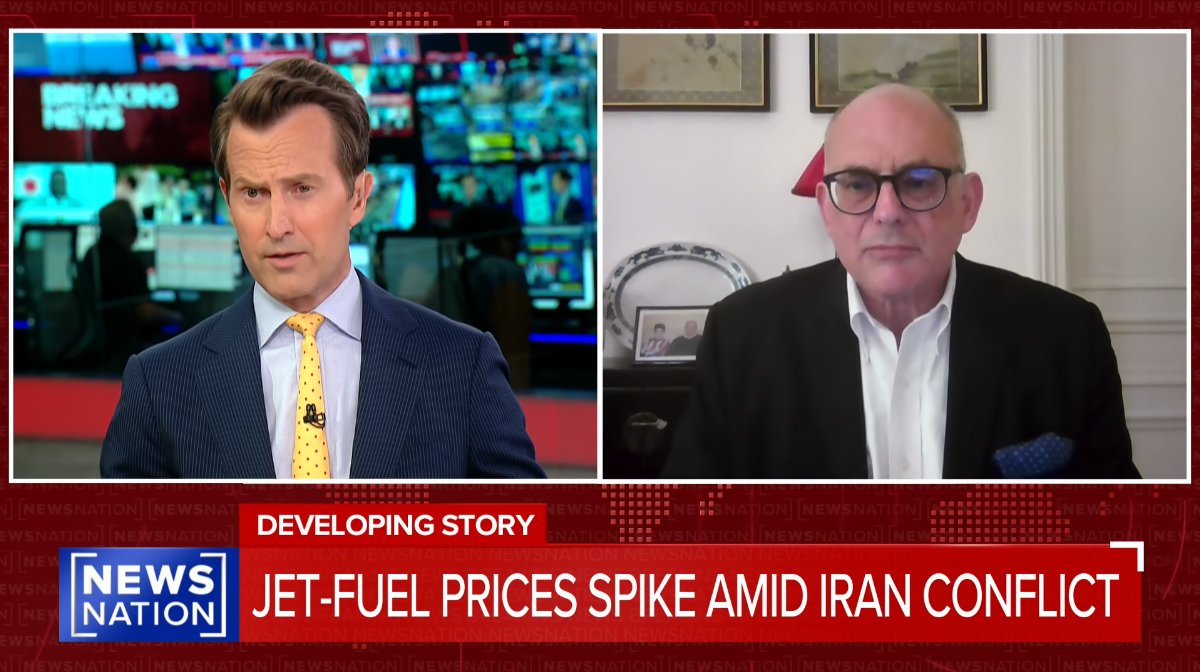
“Jet fuel or gasoline prices in the U.S. are set by global supply and demand pressures.”
NCEA Senior Fellow @NeilAtkinson58 joined @NewsNation to discuss rising oil & jet fuel prices, the Strait of Hormuz, and why geopolitical instability continues to drive market volatility.
“Unless there is a resolution… there is no end in sight to this.”
Watch the interview: app.latakoo.com/asset/237735…
1
1
3
93