Post Doc at @AarhusUni | Understanding the determinants of public support for the welfare state | Political Science
Joined May 2015
- Tweets 142
- Following 362
- Followers 255
- Likes 572
8 Photos and videos

Spørgsmålet om indførelse af en formueskat på de 22.000 rigeste danskere har været helt centralt i den første uge af valgkampen. Men hvad ved vi egentlig fra forskningen om, hvad der former danskernes holdning til at beskatte de rigeste? En kort tråd 🧵 (1/8)
1
1
5
135
Litteratur: Hansen, Kristina Jessen. 2023 Greed, Envy, and Admiration: The Distinct Nature of Public Opinion about Redistribution from the Rich. American Political Science Review.
Slothuus, R.& Bisgaard, M. 2020. How Political Parties Shape Public Opinion in the Real World. AJPS
1
57
Trump, Kris-Stella. 2024. When is it Fair to Tax the Rich? Comparative Political Studies. (8/8)
28
Matias Engdal retweeted

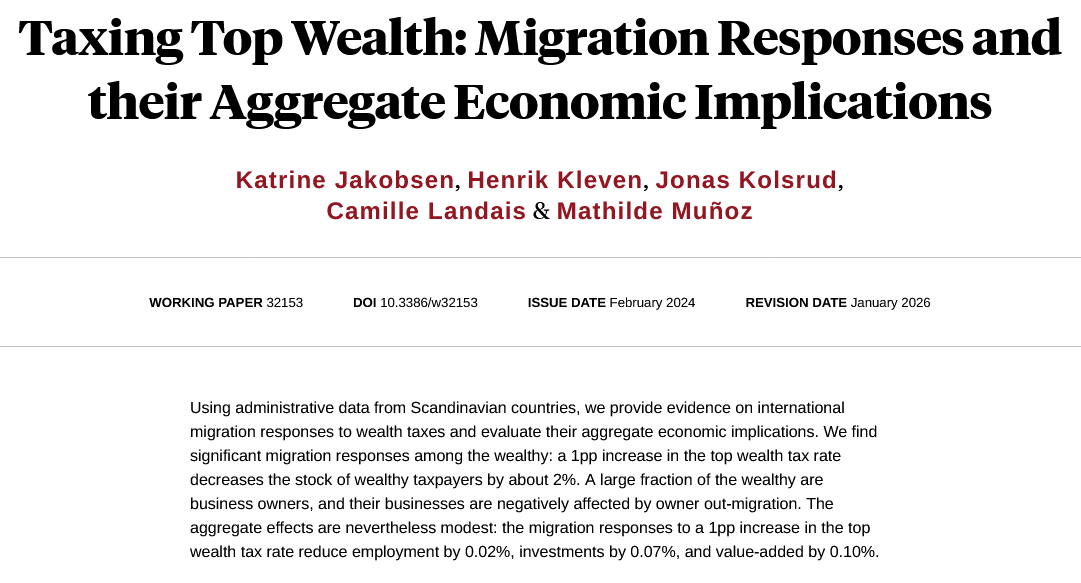
Hvis bare vi vidste noget mere om, hvordan skandinaver med store formuer reagerer på formueskat🤔
Hov: nber.org/papers/w32153
@CEBI_UCPH
1
5
94
Matias Engdal retweeted

2 May 2025
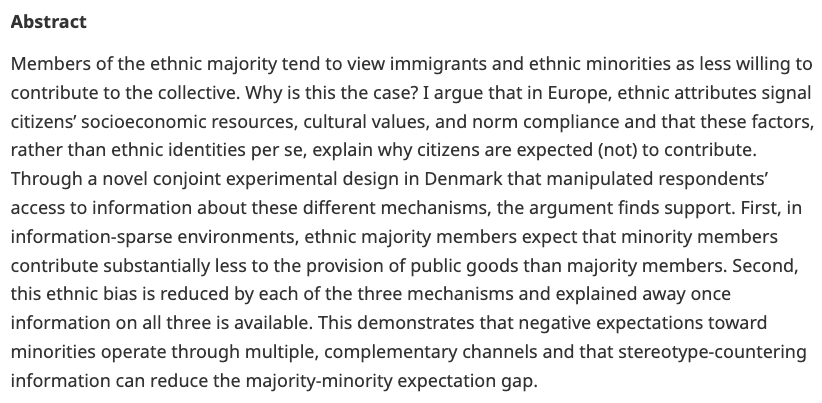
🚨New @BJPolS article🚨
Why does the ethnic majority expect that ethnic minorities "free ride" and contribute less to the collective? I show that negative expectations are driven by the correlates of ethnicity rather than ethnicity itself🧵👇
OA-link: cup.org/4lOX7jN
1
6
18
1,952
Matias Engdal retweeted

21 Feb 2025
NEW -
Educating for Democracy? Going to College Increases Political Participation - cup.org/3XaZx1x
"I find that attending college leads to a substantive increase in voter turnout."
- @AndreasViJensen
#OpenAccess
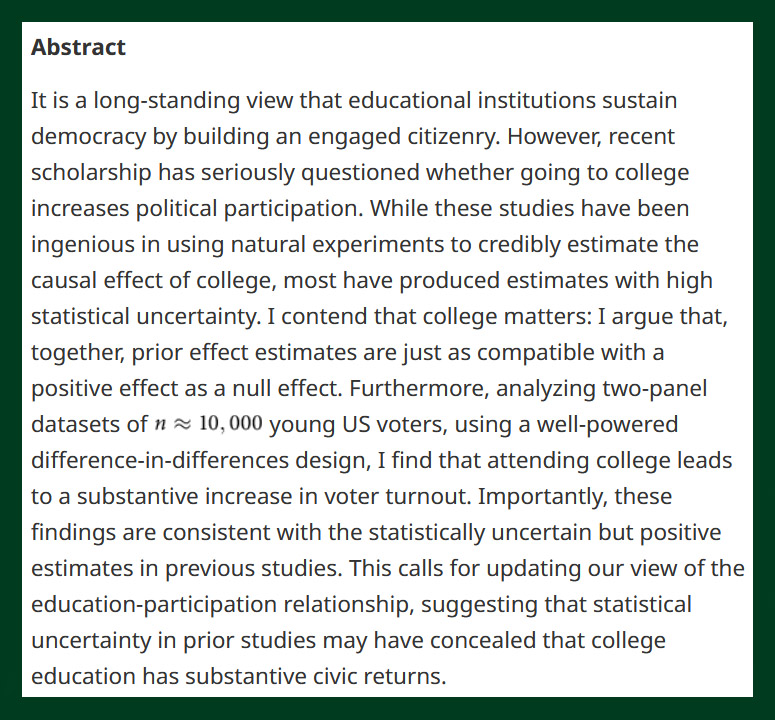
ALT BJPolS abstract from a scholarly article discussing the impact of higher education on civic engagement, suggesting that attending college leads to a significant increase in voter turnout and proposing a positive correlation with sustained civic returns.
11
30
28,676
Matias Engdal retweeted

2 May 2024
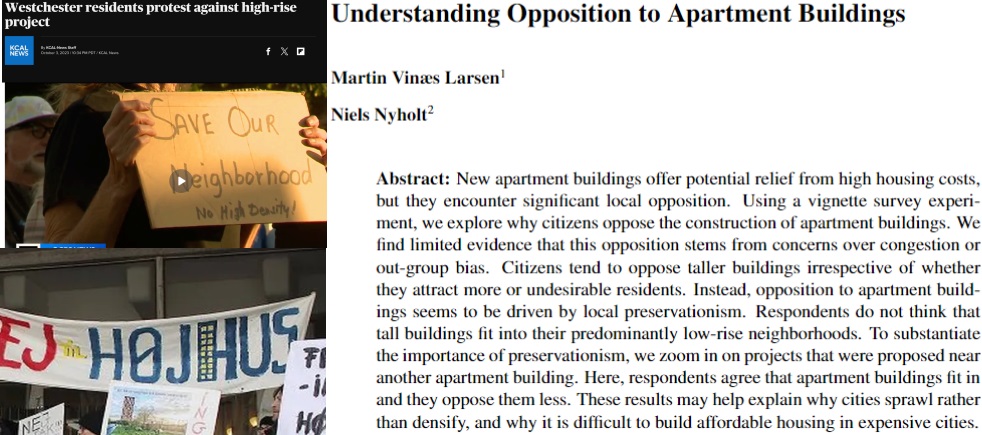
Local citizen opposition have made it hard for cities to permit new housing.
The focus of this #NIMBY-opposition tends to be apartment buildings.
In a new article, @NNyholt and I explore why there is so much opposition to this type of housing.
osf.io/nu98d
1
8
13
5,594
Matias Engdal retweeted
24 Apr 2024
Har skrevet en artikel om hvordan regeringens universitetspolitik risikerer at skabe endnu større ulighed mellem vores universiteter. politiken.dk/debat/debatindl…
2
12
82
12,803
Matias Engdal retweeted

23 Apr 2024
🚨NOW OUT in @JEPS_ed🍾🥳🚨
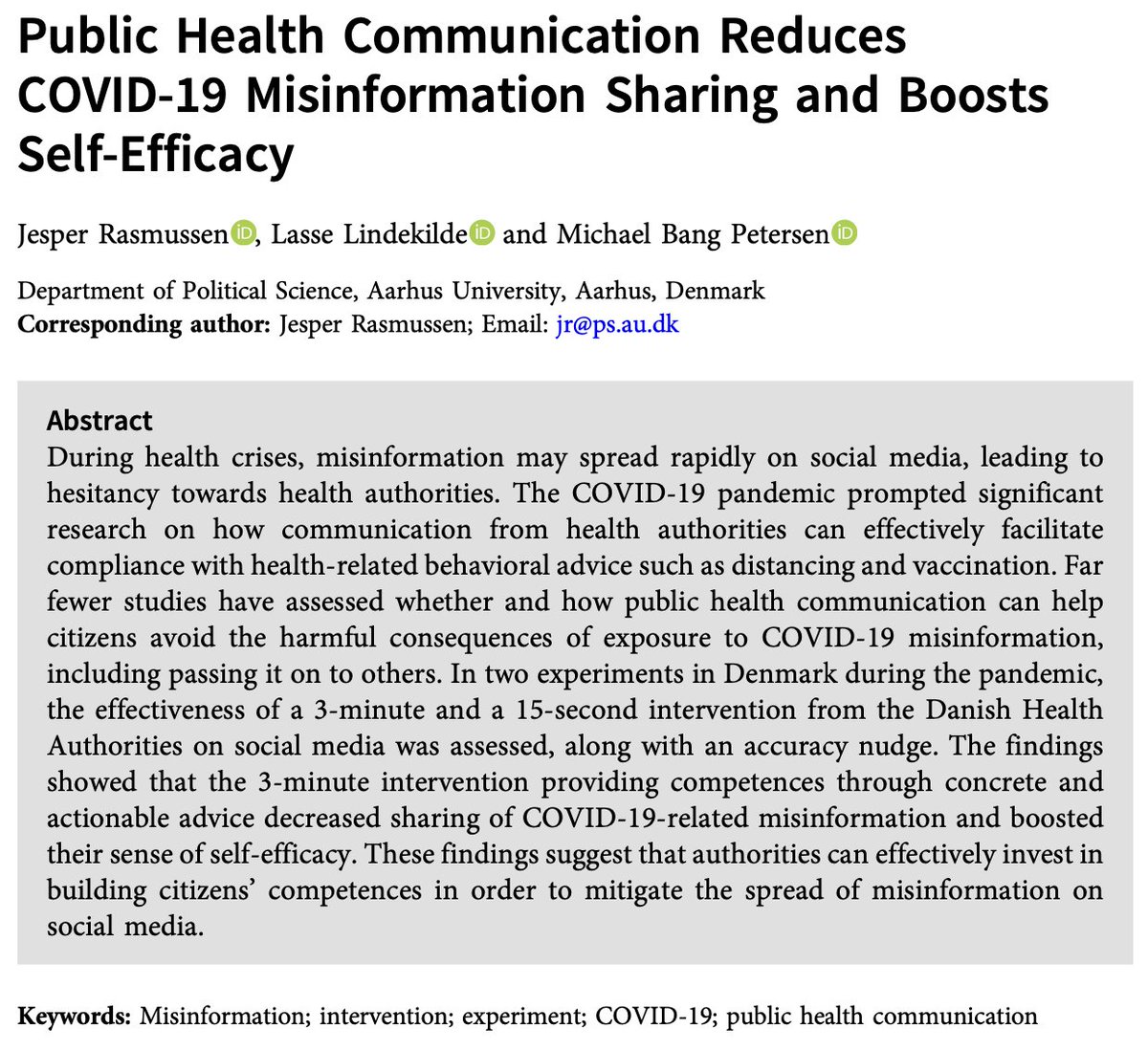
➡️Short interventions circulated on social media during the COVID-19 pandemic by @SSTSundhed reduce intentions to share misinformation and boost people's feelings of competence
Paper: cup.org/3QcmSwc /w @LasseLindekilde @M_B_Petersen
🧵 1/6

#OpenAccess from @JEPS_ed -
Public Health Communication Reduces #COVID19 Misinformation Sharing and Boosts Self-Efficacy - cup.org/3QcmSwc
- @jrpsau, @LasseLindekilde & @M_B_Petersen
#FirstView

2
13
30
7,160
Matias Engdal retweeted

#OpenAccess from @JEPS_ed -
Public Health Communication Reduces #COVID19 Misinformation Sharing and Boosts Self-Efficacy - cup.org/3QcmSwc
- @jrpsau, @LasseLindekilde & @M_B_Petersen
#FirstView
1
4
12
14,690
Matias Engdal retweeted

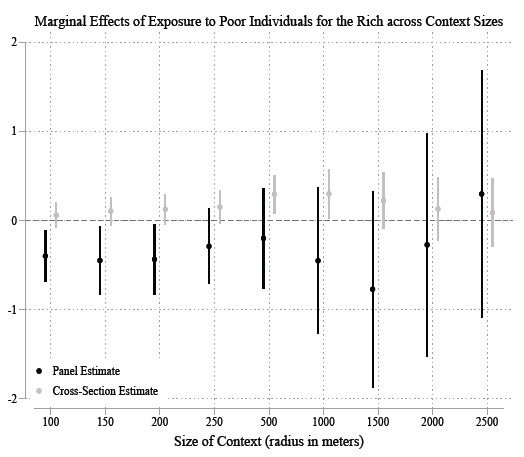
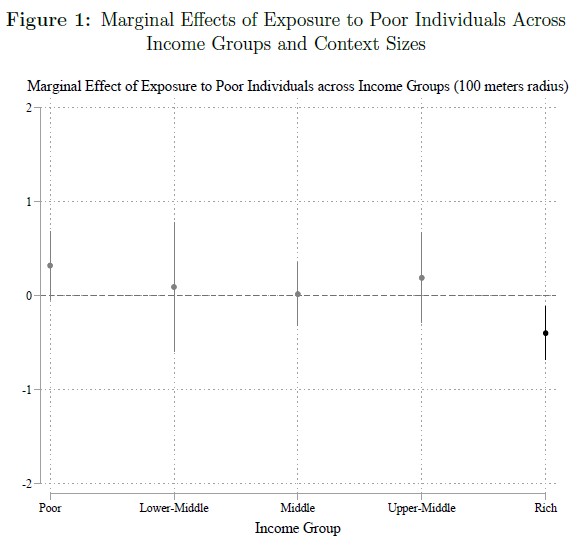
"Do the rich become more or less supportive of redistribution when exposed to poor people in their local surroundings?" - New Publication by Kim Mannemar Sønderskov in collaboration with Matias Engdal Christensen and @thistedpeter
15 Apr 2024

#OpenAccess -
Unequal and Unsupportive: Exposure to Poor People Weakens Support for Redistribution among the Rich - cup.org/3vP49Qr
- Matias Engdal Christensen (@AarhusUni_int), @thistedpeter & Kim Mannemar Sønderskov (@AarhusUni_int)
#FirstView
1
10
599

16 Apr 2024
Interested in the effect of cross-class exposure on attitudes toward redistribution?
In a new paper in @BJPolS, Kim Sønderskov, @ThistedPeter, and I find that local exposure to poor individuals reduces support for redistribution among the well-off.
OA: cup.org/3vP49Qr
15 Apr 2024
#OpenAccess -
Unequal and Unsupportive: Exposure to Poor People Weakens Support for Redistribution among the Rich - cup.org/3vP49Qr
- Matias Engdal Christensen (@AarhusUni_int), @thistedpeter & Kim Mannemar Sønderskov (@AarhusUni_int)
#FirstView
3
31
81
14,662
16 Apr 2024
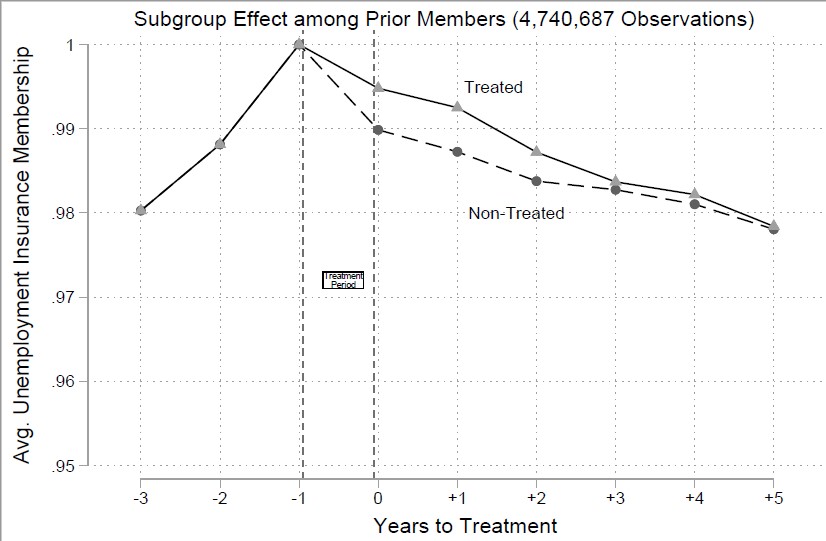
Our findings are robust to a host of various specifications, such as limiting the sample to people staying put in the neighborhood, adding the local Gini coefficient to our main models, and using alternative measures of exposure to poor people.
1
2
171
16 Apr 2024
In sum, our results thus support the negative effect of exposure to poor individuals on the better-off's support for redistribution and point to self-selection as being one plausible explanation for why some studies have found the opposite.
2
168