
Engineering in Zambia , is the country’s leading platform delivering to you wholesome content pertaining to all things Engineering in the nation.
Joined January 2023
- Tweets 71
- Following 21
- Followers 92
- Likes 62
3 Photos and videos



Pinned Tweet

22 Feb 2023
1.]Welcome to our engineering-focused media company in Zambia! Our company is dedicated to producing high-quality and informative content related to the field of engineering in Zambia. Our team consists of experienced engineers, content creators, and digital media professionals..
1
5
8
660
31 Mar 2024
Thank you for attending our space
We need your support.
Look out for our paper set to be published soon.
Empowering Zambia's Future: The Crucial Role of Manufacturing and Production in Economic Development.
1
2
160
29 Mar 2024
Empowering Zambia's Future: The Crucial Role of Manufacturing and Production in Economic Development.
29 Mar 2024

Join us this Sunday at 8 PM for the return of Engineering in Zambia. As the world celebrates the Easter holidays, let's come together for a discussion focused on enhancing our mindset and transforming our economy for the better. Your participation can make a difference!
105
29 Mar 2024
Join us this Sunday at 8 PM for the return of Engineering in Zambia. As the world celebrates the Easter holidays, let's come together for a discussion focused on enhancing our mindset and transforming our economy for the better. Your participation can make a difference!
1
1
212
29 Mar 2024
Growth is not done overnight, it is a process that involves education and hard work. Congratulations to Tanzania on the electrical production growth. #ZambiaKeepsLearning
27 Mar 2024

𝗧𝗮𝗻𝘇𝗮𝗻𝗶𝗮'𝘀 𝗲𝗹𝗲𝗰𝘁𝗿𝗶𝗰𝗶𝘁𝘆 𝗰𝗮𝗽𝗮𝗰𝗶𝘁𝘆 𝗰𝗿𝗼𝘀𝘀𝗲𝘀 𝟮,𝟬𝟬𝟬𝗠𝗪 𝗺𝗮𝗿𝗸, 𝗽𝗿𝗲𝘀𝗶𝗱𝗲𝗻𝗰𝘆 𝘀𝗮𝘆𝘀
◾ Government on course to reach 5,000MW target by 2025
March 27, 2024
𝑩𝒚 𝑻𝑩𝑰 𝑹𝒆𝒑𝒐𝒓𝒕𝒆𝒓
Dar es Salaam
Tanzania's installed power generation capacity currently stands at 2,129.85 megawatts as the country boosts electricity supply to meet rising energy demand.
The capacity recorded as of February 2024 is up from 1,694.55 megawatts in 2021/22, according to information released by the Tanzanian presidency.
This means that Tanzania added 435.3 megawatts of electricity to its installed power generation capacity over the past three years.
The installed capacity refers to the amount of energy that all of the country's power stations are able to produce:
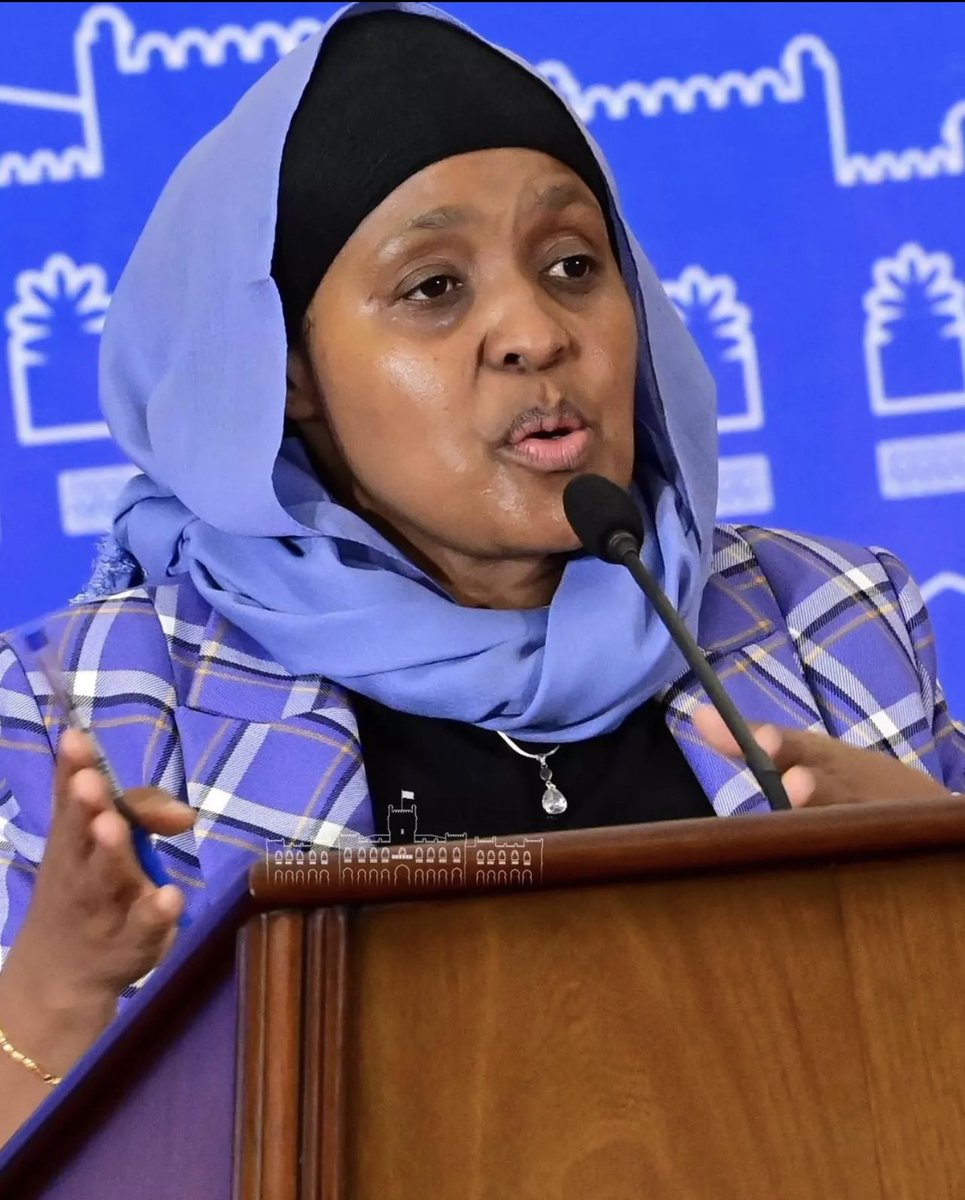
The Director of Presidential Communications, Zuhura Yunus (pictured), said in her latest "𝙎𝙤𝙣𝙜𝙖 𝙣𝙖 𝙎𝙖𝙢𝙞𝙖" video series on the energy sector that 95.4% of all villages in mainland Tanzania are now connected to electricity supply, which is equivalent to a total of 11,754 villages.
The 2,115MW Julius Nyerere Hydropower Project (JNHPP), which is nearing completion, is expected to double Tanzania's power capacity.
The first turbine at JNHPP was switched on last month, adding 235MW to the national power grid.
A second turbine is expected to come on line in the next few days and weeks, adding another 235MW to the grid, which could end national power shortages.
The African Development Bank (AfDB) estimates that Tanzania's mid-term peak demand will range between 1,300MW to 1,500MW.
The government's target is to reach 5,000MW of installed capacity by 2025 and plans to export excess power to EAC and SADC countries.
Apart from JNHPP, the government also plans to invest in gas-fired power plants, wind, solar, geothermal and coal-fired power plants to diversify its energy mix.
2
77
Engineering in Zambia retweeted
26 Mar 2024
Engineering in Zambia is back this Sunday discussing,
Empowering Zambia's Future: The Crucial Role of Manufacturing and Production in Economic Development.
Make a date with us Sunday at 8PM
26 Mar 2024
In engineering, economics, innovation, and technology, frontiers are being defined. To succeed, we need tangible results that can be published and applied. Who among us will be the next pioneers that will lead Zambia's journey towards progress, prosperity, and exploration? - EinZ
3
6
261
27 Mar 2024
Monetary policies play a crucial role in shaping an economy, but they alone cannot drive sustainable growth without a strong manufacturing and production base. For long term growth a country needs a robust manufacturing and production sector to create jobs and generate income.
1
55
26 Mar 2024
In engineering, economics, innovation, and technology, frontiers are being defined. To succeed, we need tangible results that can be published and applied. Who among us will be the next pioneers that will lead Zambia's journey towards progress, prosperity, and exploration? - EinZ
1
3
335
Engineering in Zambia retweeted

25 Mar 2024
Facts
25 Mar 2024
Engineering stands at the core of manufacturing and production, making it the primary driver of development and self-sustainability in any country. Welcome to Engineering in Zambia, the catalyst for transforming the cultural landscape of the next generation.
2
2
153
25 Mar 2024
Engineering stands at the core of manufacturing and production, making it the primary driver of development and self-sustainability in any country. Welcome to Engineering in Zambia, the catalyst for transforming the cultural landscape of the next generation.
4
10
315
8 Feb 2024
This is an absolutely brilliant piece on the one and only Wyman, deserves to be your lunchtime read.
8 Feb 2024

Here is my start-up blogspot! Follow me and enjoy the journey undertaken by the "boy from Mindolo", whose only dream was to become a mechanical engineer...
#thewyman
lnkd.in/dDJMmRYx
1
3
112
Engineering in Zambia retweeted

8 Feb 2024
Whatever you're reading now, stop reading it and read @WymanKaluba 's "boy from mindolo" instead because it's much better.
8 Feb 2024
Here is my start-up blogspot! Follow me and enjoy the journey undertaken by the "boy from Mindolo", whose only dream was to become a mechanical engineer...
#thewyman
lnkd.in/dDJMmRYx
2
2
240
Engineering in Zambia retweeted
7 Feb 2024
Calling all engineers and aspiring engineers in Zambia! Let's reignite the flame of credibility and excellence within our profession. Join us for this exciting meet and greet session! BE THERE! @WymanKaluba. #thewyman

10
17
690
3 Feb 2024
3 Feb 2024
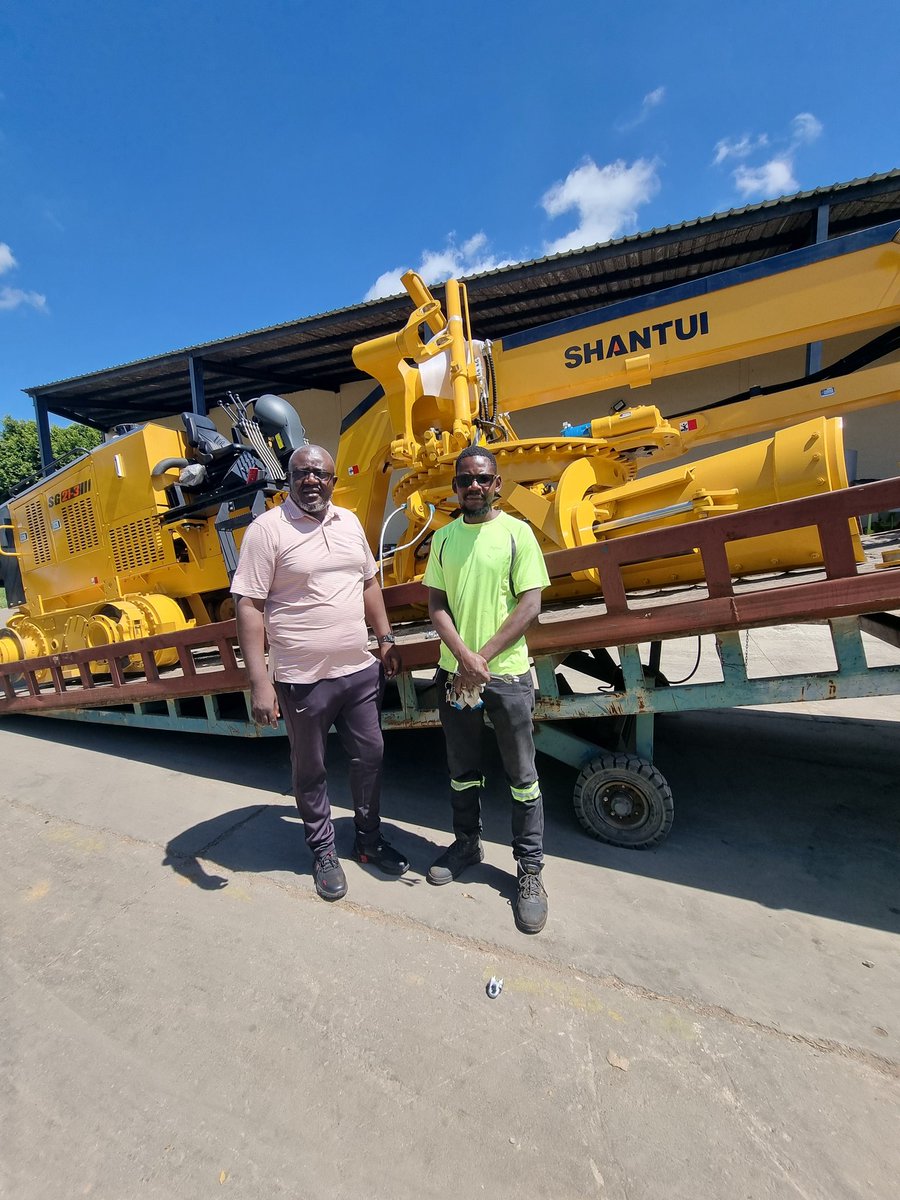
Engineering Practice thrives in an environment where policy and standards are enacted in liaison with those who implement these actions at the shopfloor #engineeringvoices2024
#thewyman
1
3
120
Engineering in Zambia retweeted

3 Feb 2024
Engineering Practice thrives in an environment where policy and standards are enacted in liaison with those who implement these actions at the shopfloor #engineeringvoices2024
#thewyman
6
34
1,003
Engineering in Zambia retweeted
31 Jan 2024
I have a story about meeting a witch doctor that told me how to end the pandemic. But it's possible that I'm overselling it... Join us this Sunday as we discuss, "Engineering solutions over the current Cholera Pandemic." @WymanKaluba @Oneil_Supremacy @HonMushimba

2
13
21
1,142