Environmental Physiology and Ergonomics Laboratory at Jozef Stefan Institute and PlanHab Planica which is an ESA Ground Based Research Facility
Joined October 2019
- Tweets 253
- Following 303
- Followers 544
- Likes 717
89 Photos and videos
Environmental Physiology and Ergonomics Lab IJS retweeted

Jun 2
Out now @ExpPhysiol from @EnvPhysLabIJS:
Development of and adherence to artificial gravity and resistive vibration exercises during 60 days of hypoxic 6° head-down tilt bed rest: BRAVE study
physoc.onlinelibrary.wiley.c…
1
5
5
667
Environmental Physiology and Ergonomics Lab IJS retweeted

May 22
BRAVE Study: Space Science from a Bed Analog in Slovenia 🛰️🛏️
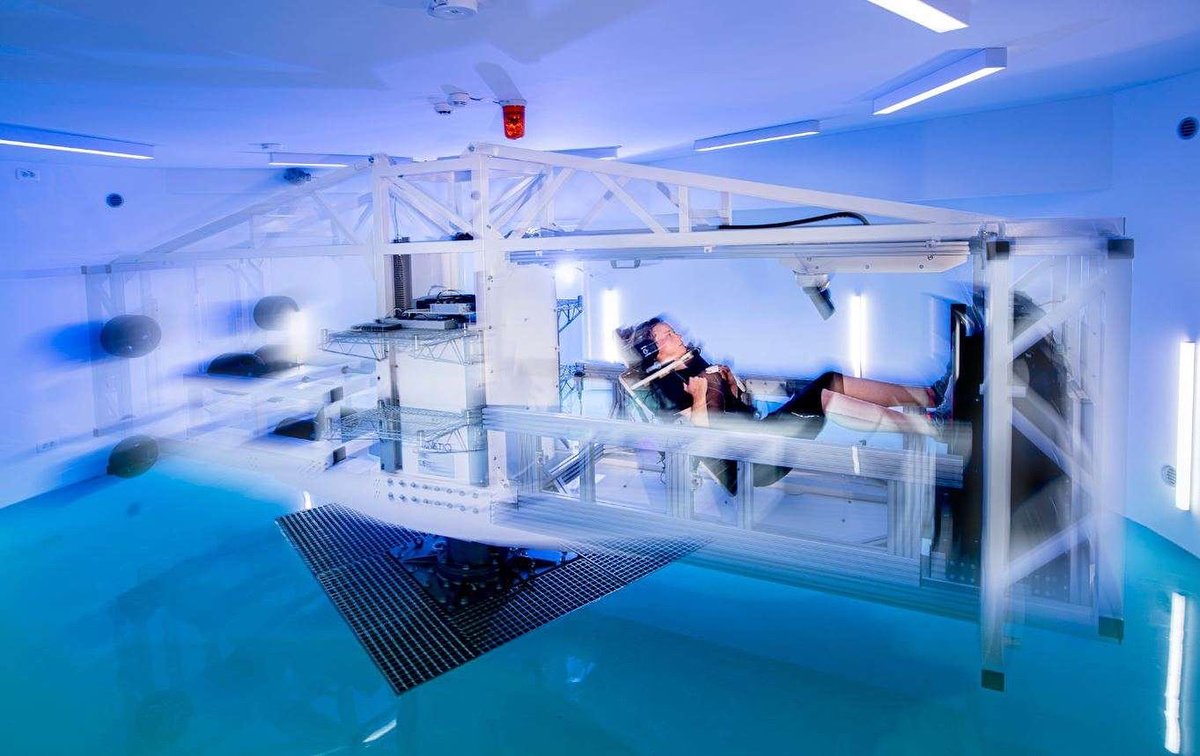
-For 60 days, 24 volunteers lay head-down to mimic microgravity and spaceflight. @ESA’s tests countermeasures to space-induced deconditioning, with big implications for #astronaut health and patient care on Earth.-
3 Jul 2025

Lie down. Spin, squat, cycle. Breathe harder. Repeat.
🛌🌀🏋️♂️🚴
A group of 24 volunteers followed this routine for two months to explore how prolonged inactivity affects the human body for a new bedrest study in Slovenia. 🇸🇮
Brave for space: esa.int/ESA_Multimedia/Image…
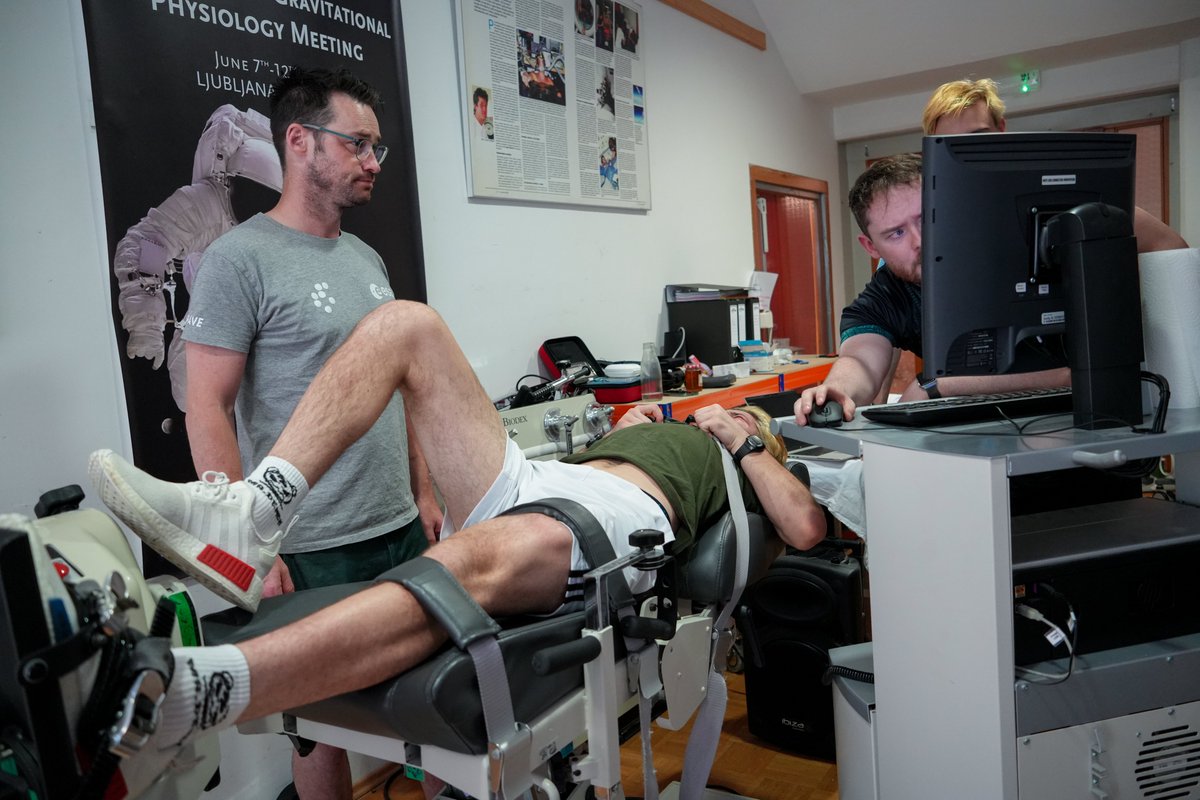
ALT Team of scientists monitor a bedrest study volunteer as he cycles lying down for space research at Slovenia’s Planica Nordic Centre.
1
7
175

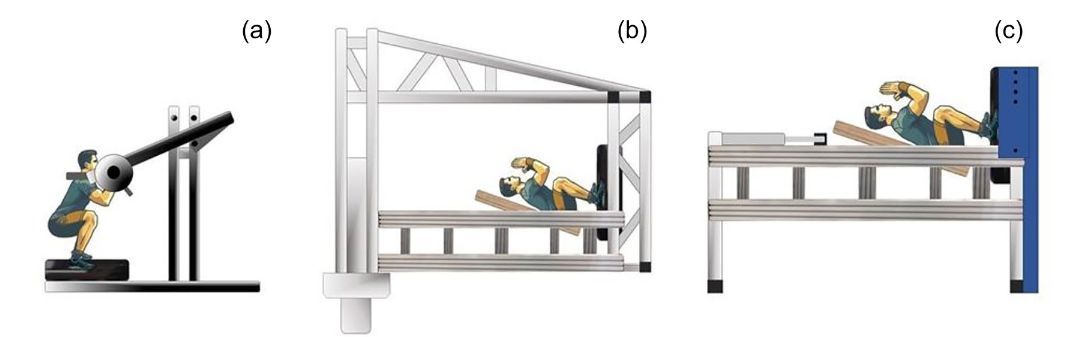
Is artificial gravity the key to better countermeasures in spaceflight?
In our latest study, led by Igor Mekjavic and our team, we found that combining artificial gravity with resistance vibration exercise improved muscle strength and increased muscle volume

Igor B. Mekjavic et al. (@JSI_SLO) examine the effect of artificial gravity on the outcome of a two-week resistance vibration exercise programme: BRAVE study.
📖 buff.ly/I2SsOZO
4
8
957
Environmental Physiology and Ergonomics Lab IJS retweeted

New in @ExpPhysiol by Danilo Bondi
Myths and methodologies: Exposure and measurements under normobaric hypoxia
physoc.onlinelibrary.wiley.c…
6
15
1,266
Environmental Physiology and Ergonomics Lab IJS retweeted

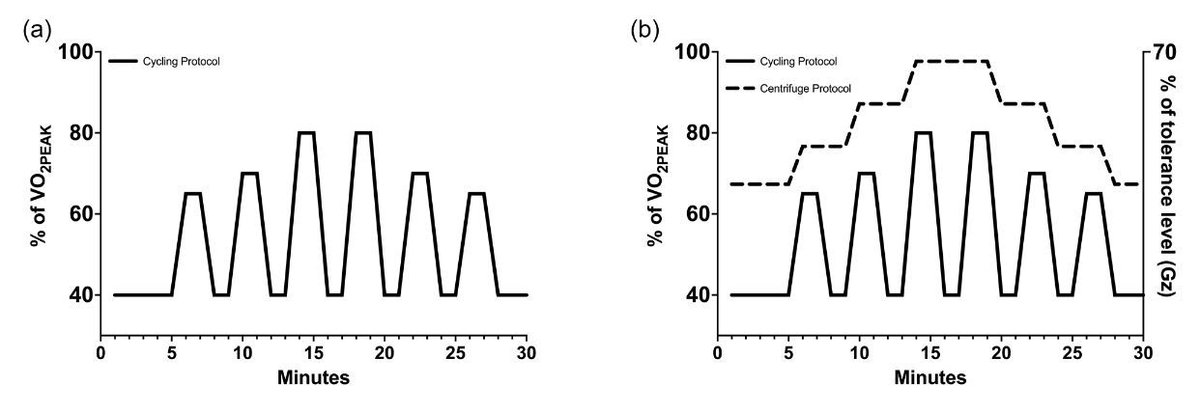
Rodrigo Fernandez-Gonzalo et al. (@karolinskainst, SIMPA, @NorthumbriaUni, @JSI_SLO, MEDES) discuss limited musculoskeletal benefits of artificial gravity combined with cycling during bed rest: results from the BRACE study.
📖 buff.ly/XWabg8N
1
4
405
We’re excited to announce the launch of our official Facebook page: Environmental Physiology and Ergonomics Laboratory, Jožef Stefan Institute.
Follow us to stay updated on our research, projects, publications, and life in the lab
facebook.com/share/1CEzTqMLY…
6
386
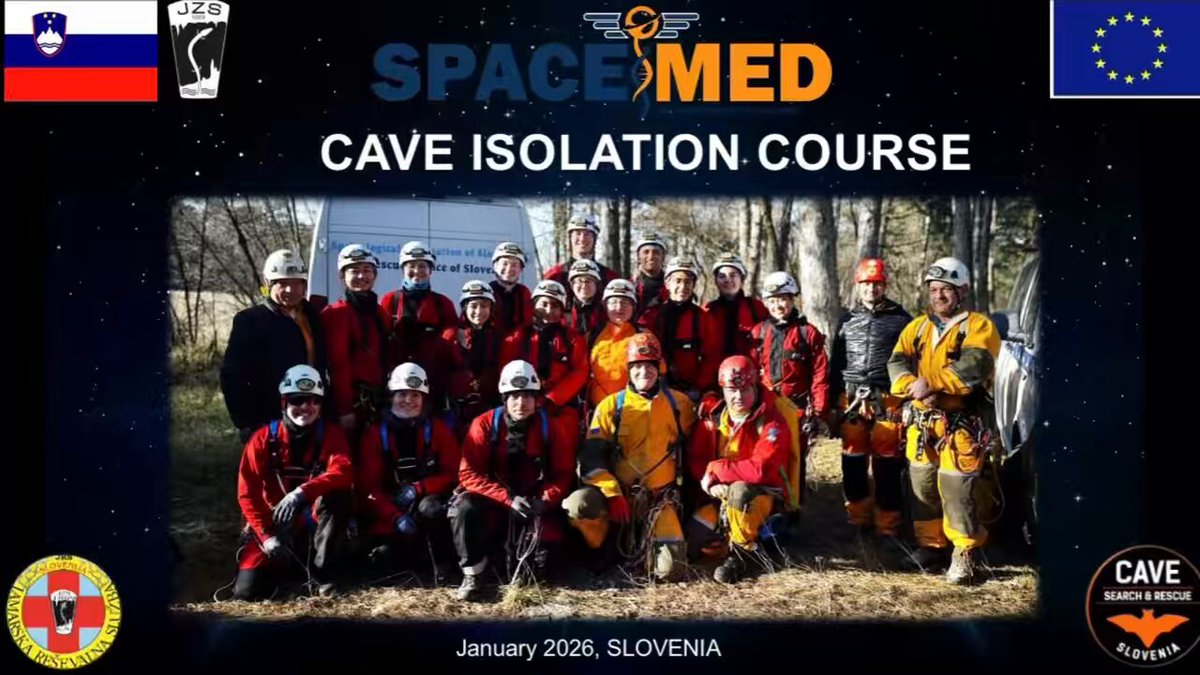
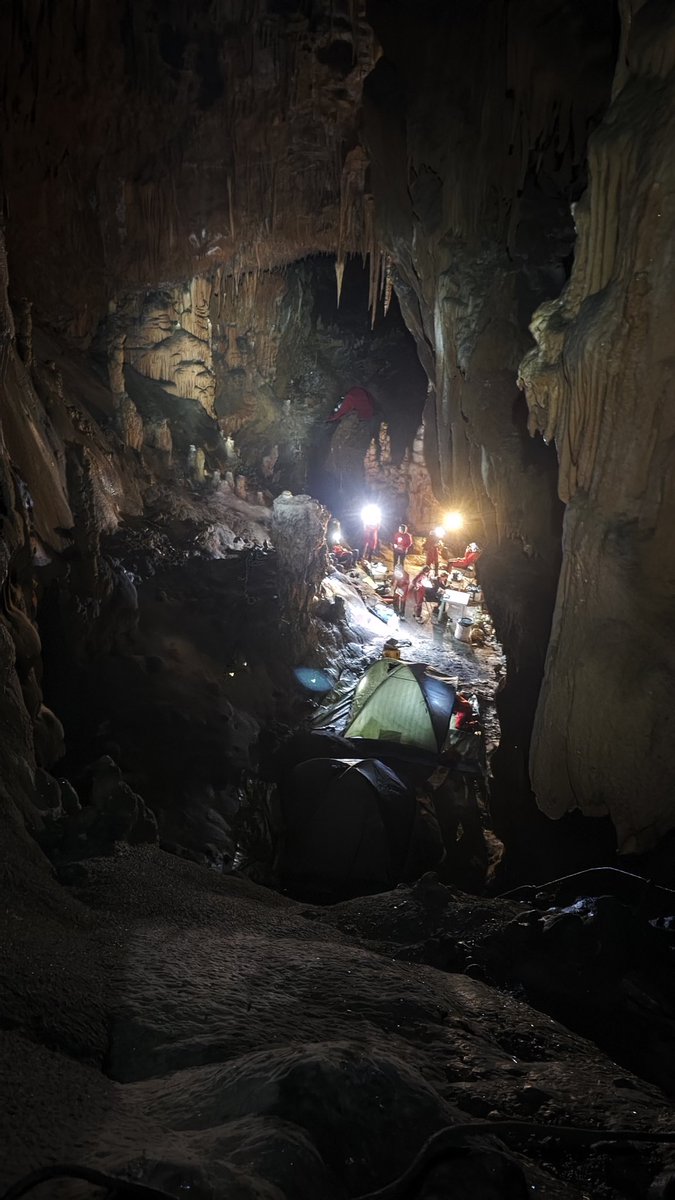
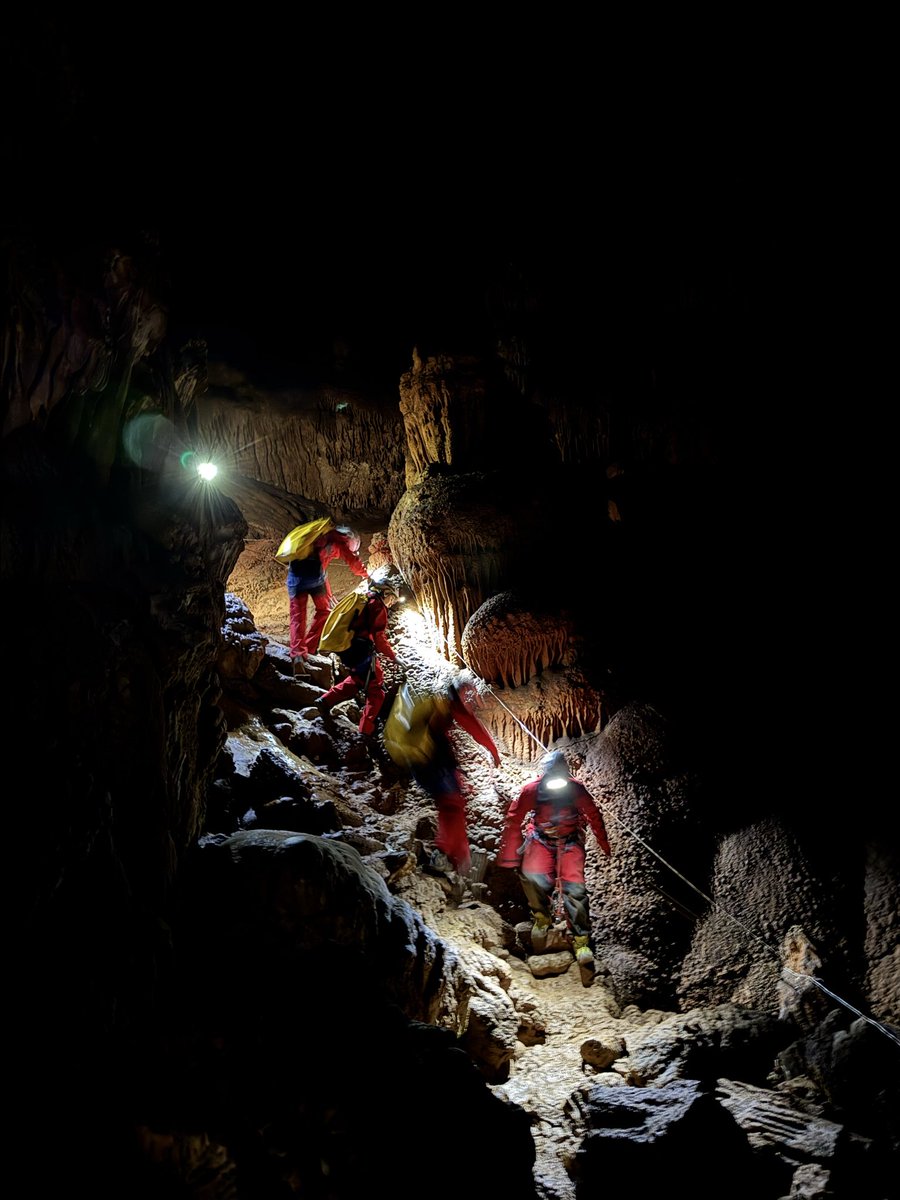
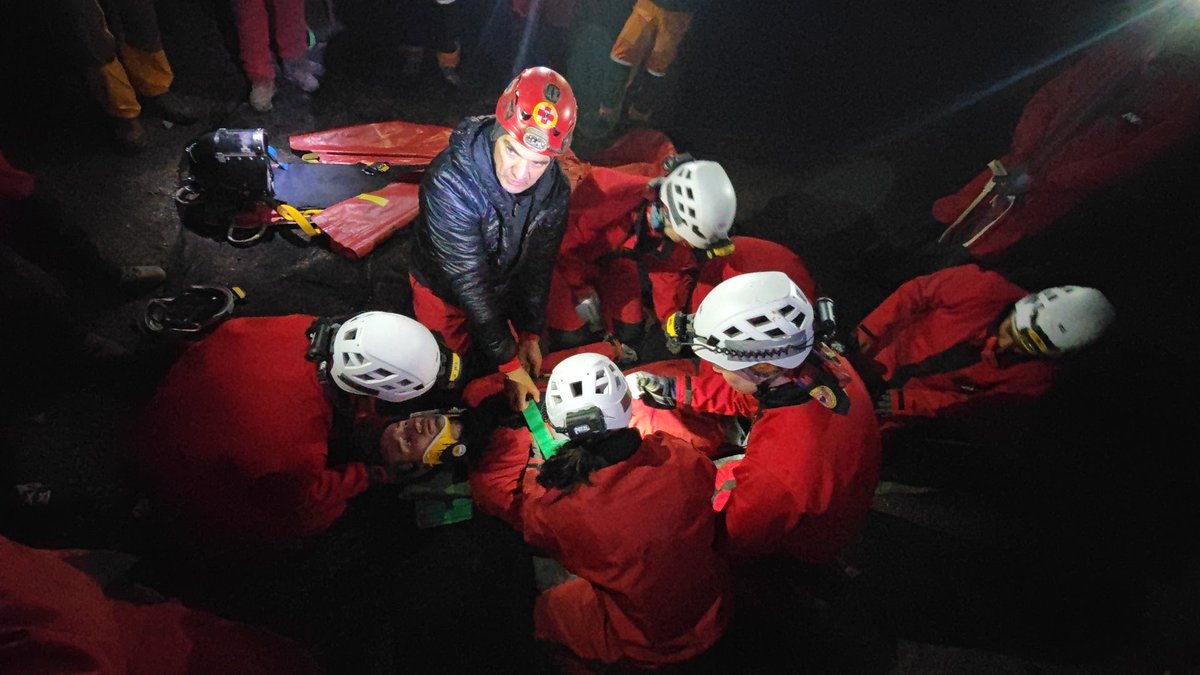
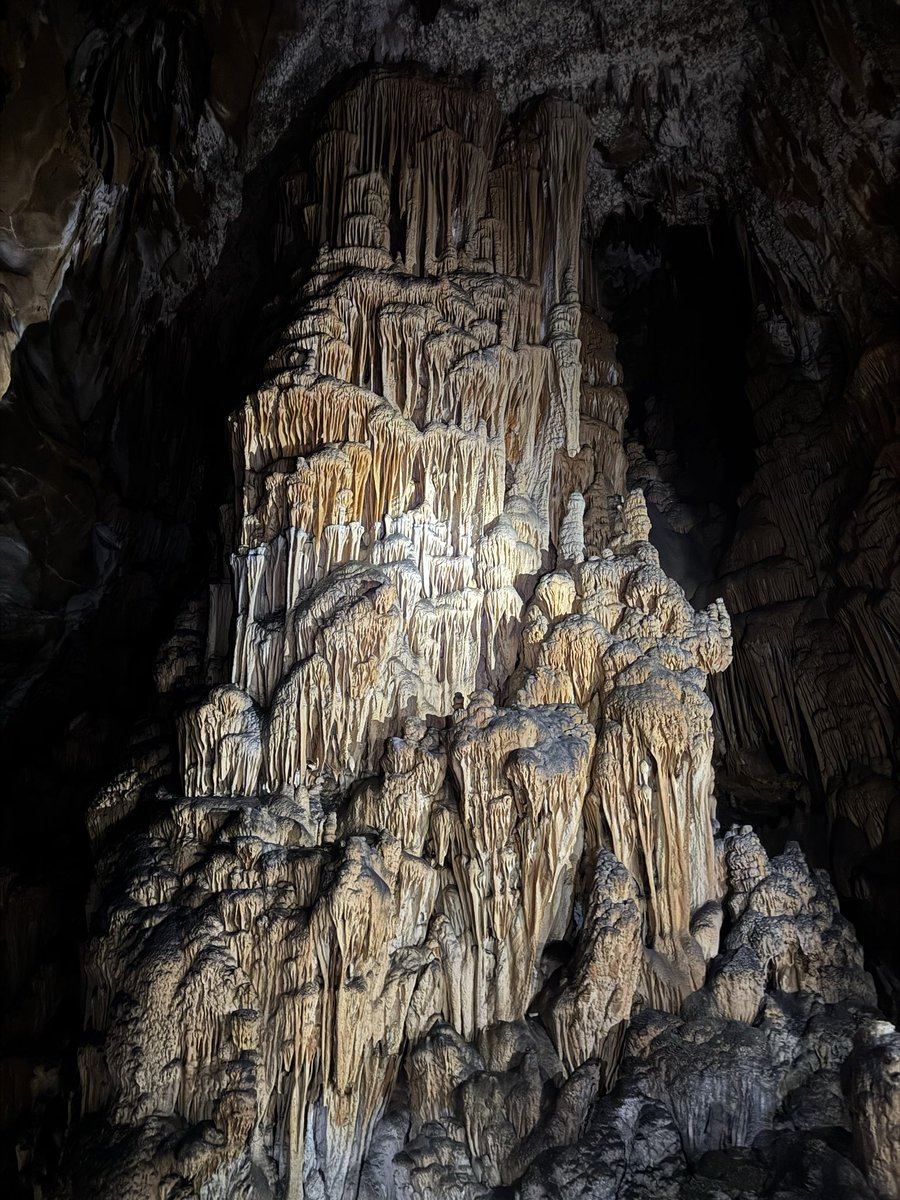
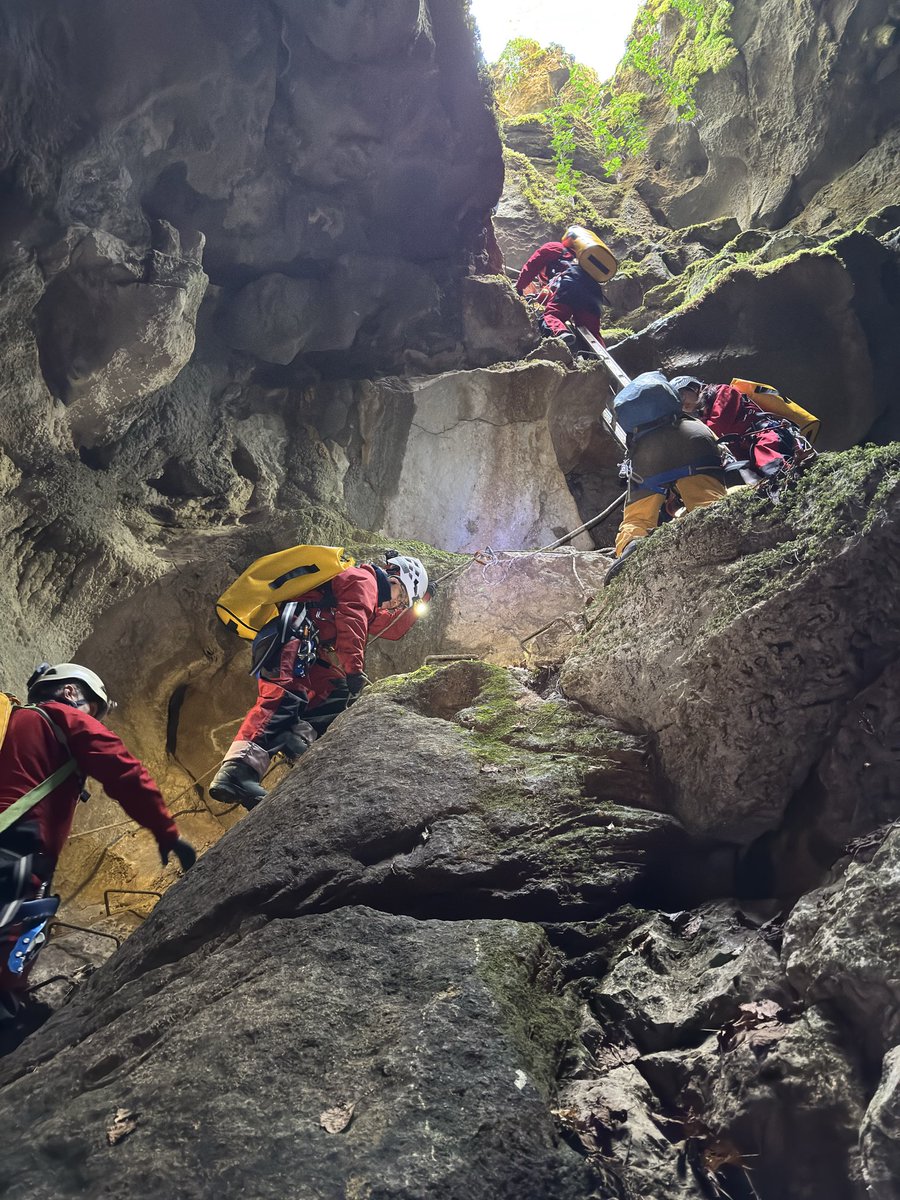
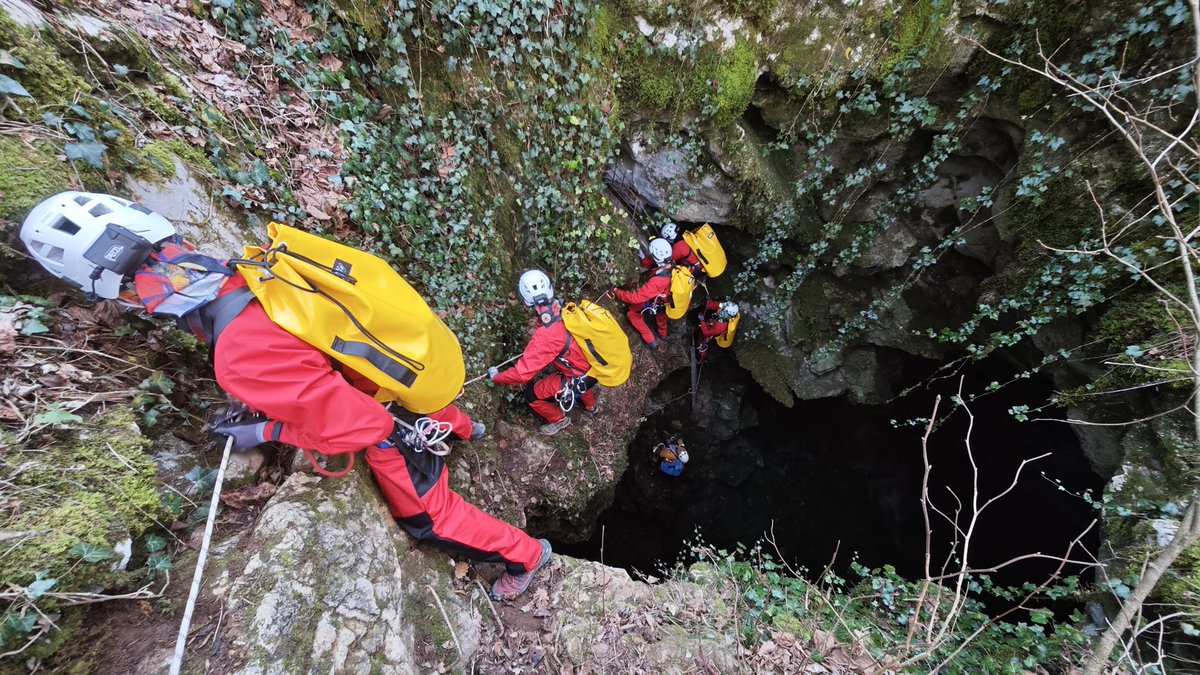
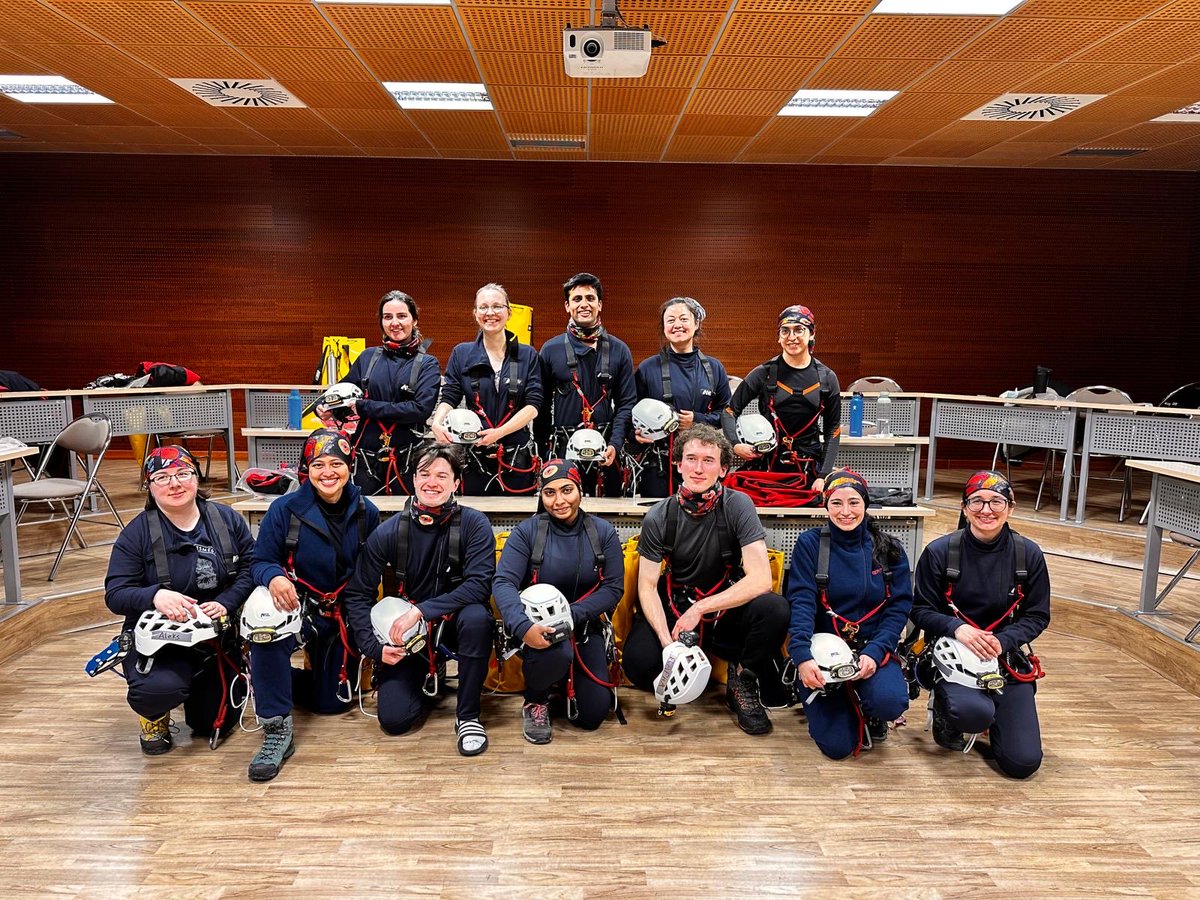
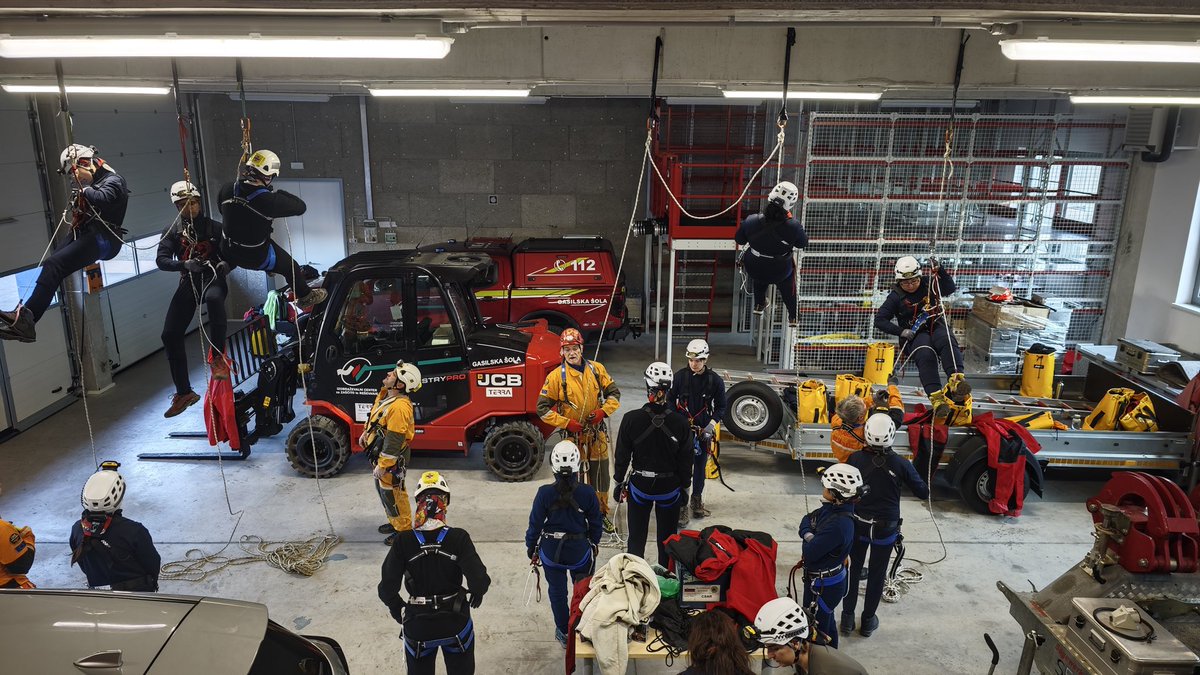
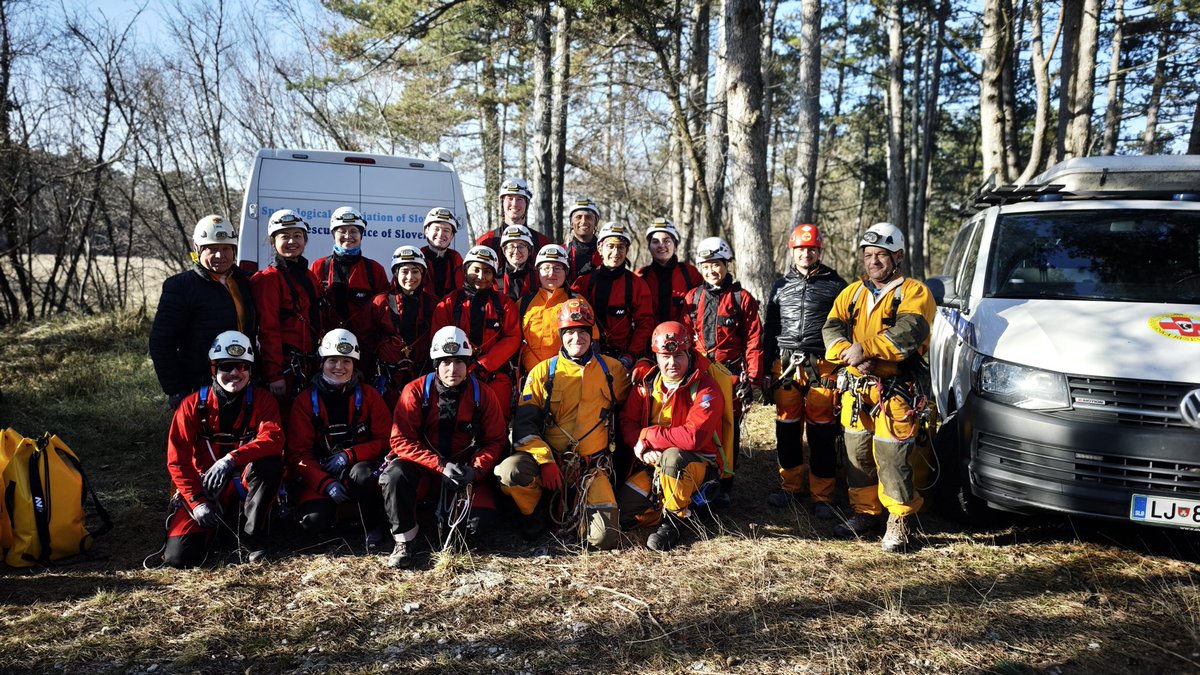
Speleo Expedition: The Documentary
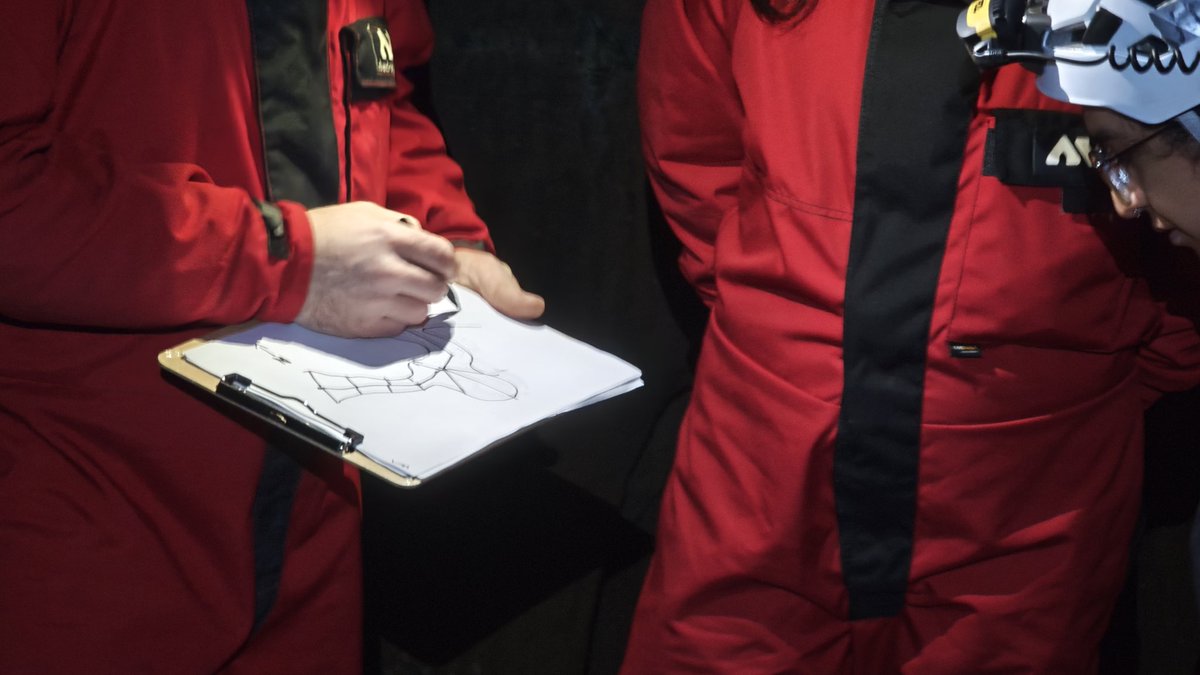
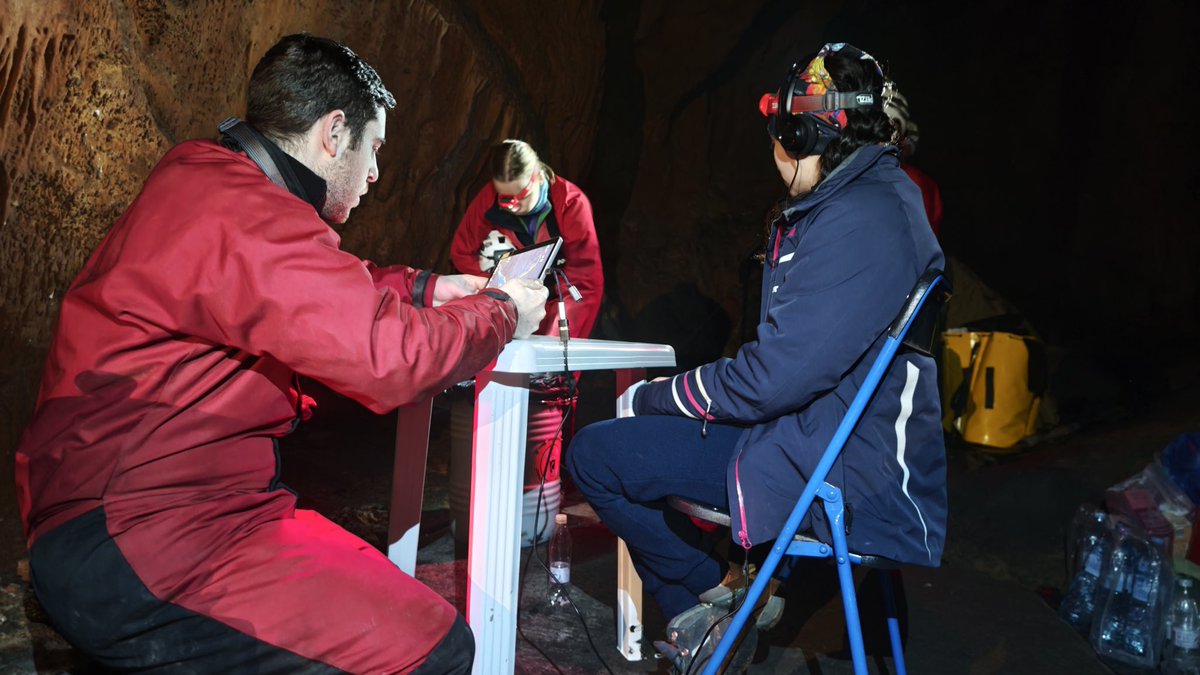
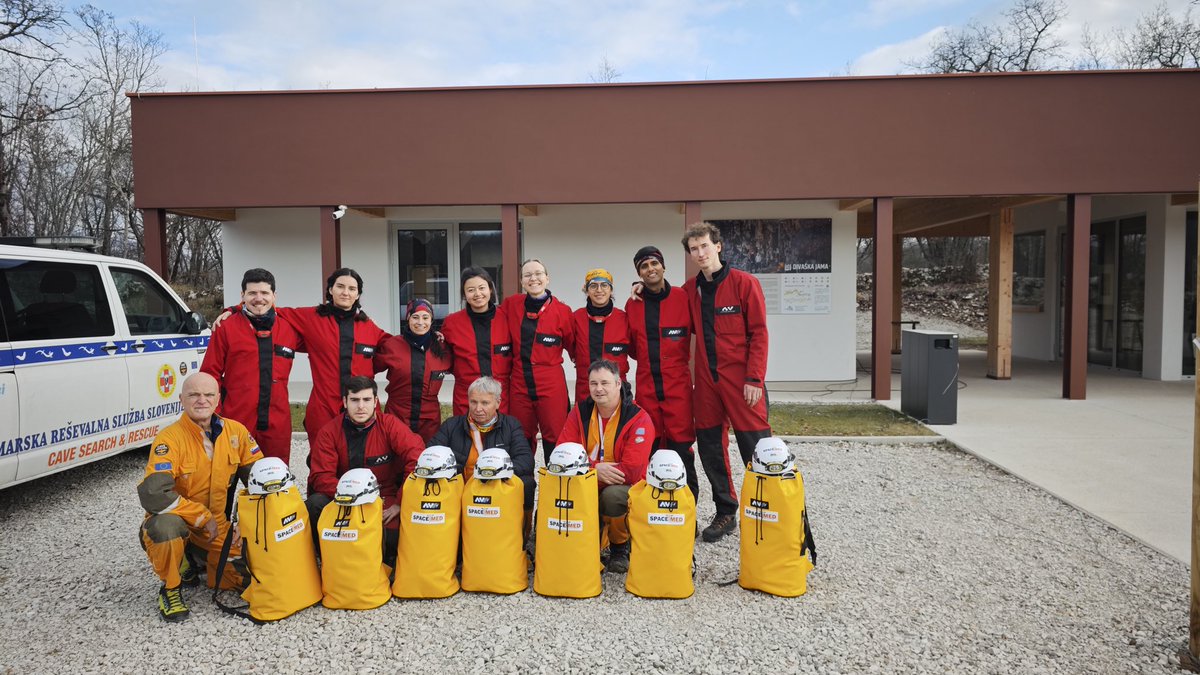
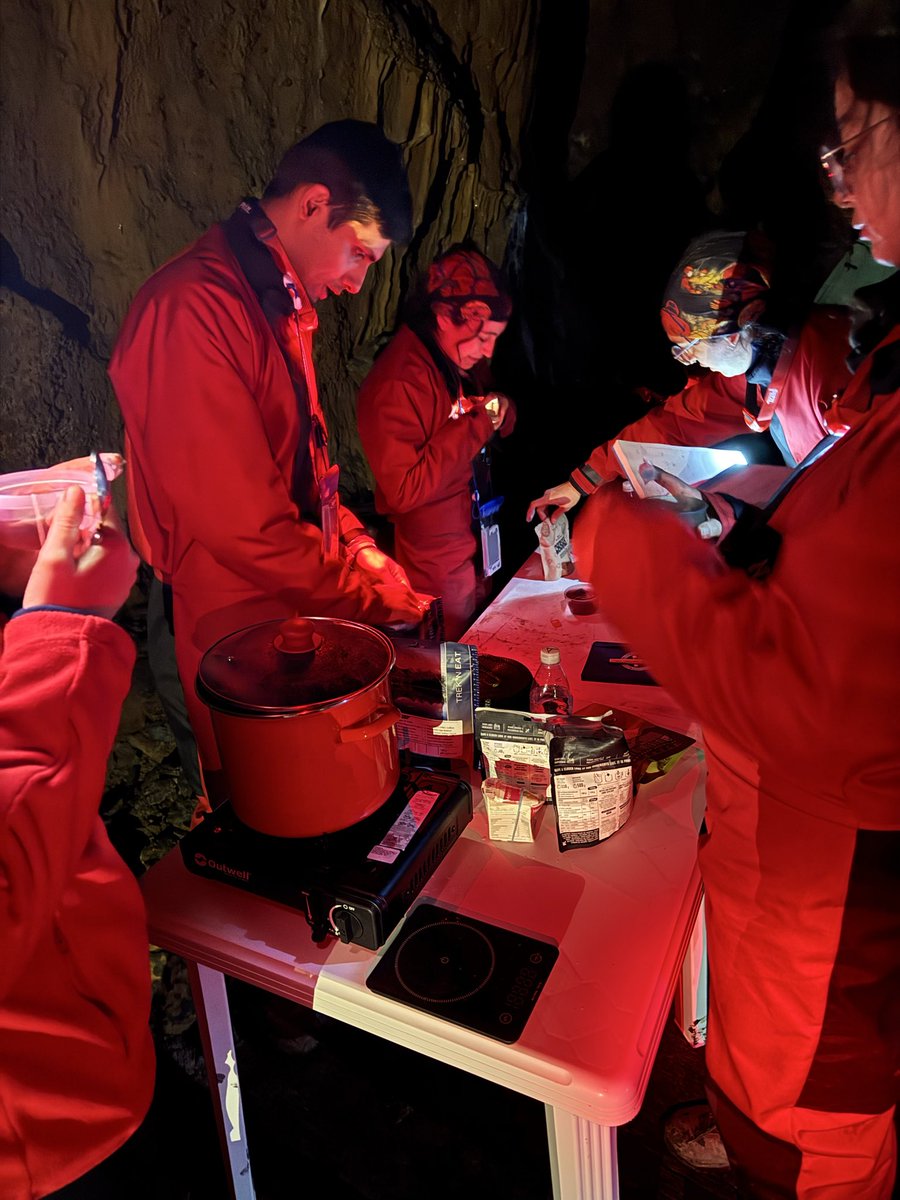
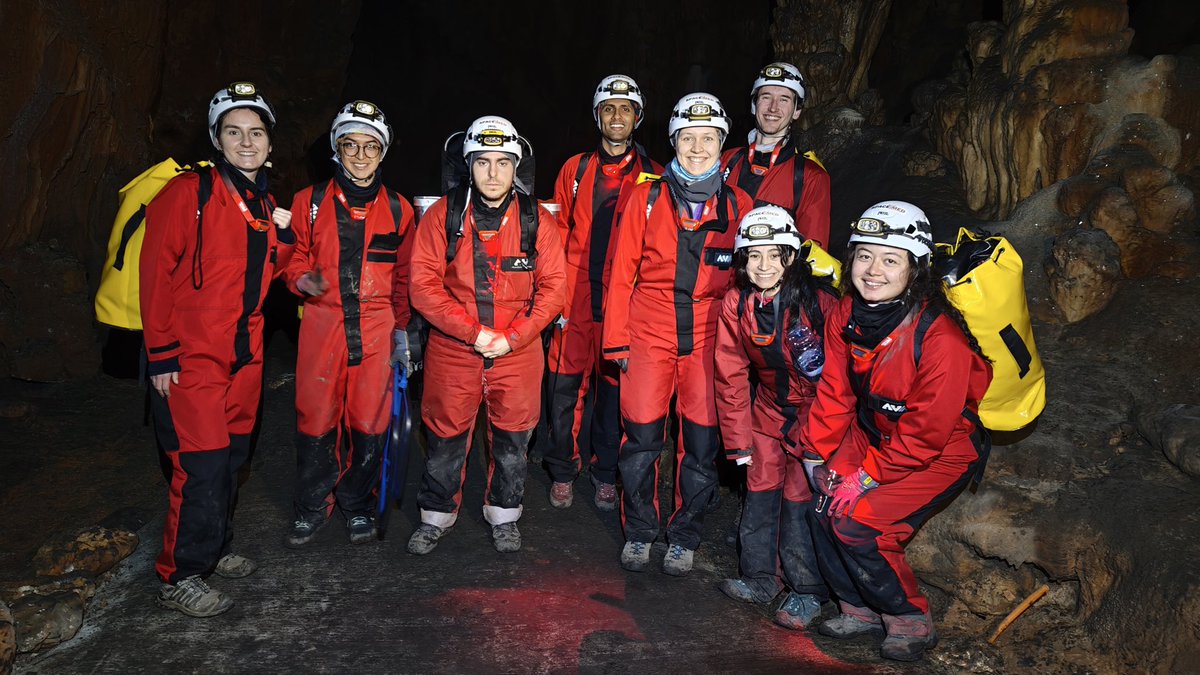
This documentary provides an overview of the Speleo Expedition, conducted as part of the Cariculum of the SpaceMed Program, in which students participated in immersive training and research activities within extreme subterranean environments.
1
2
4
841
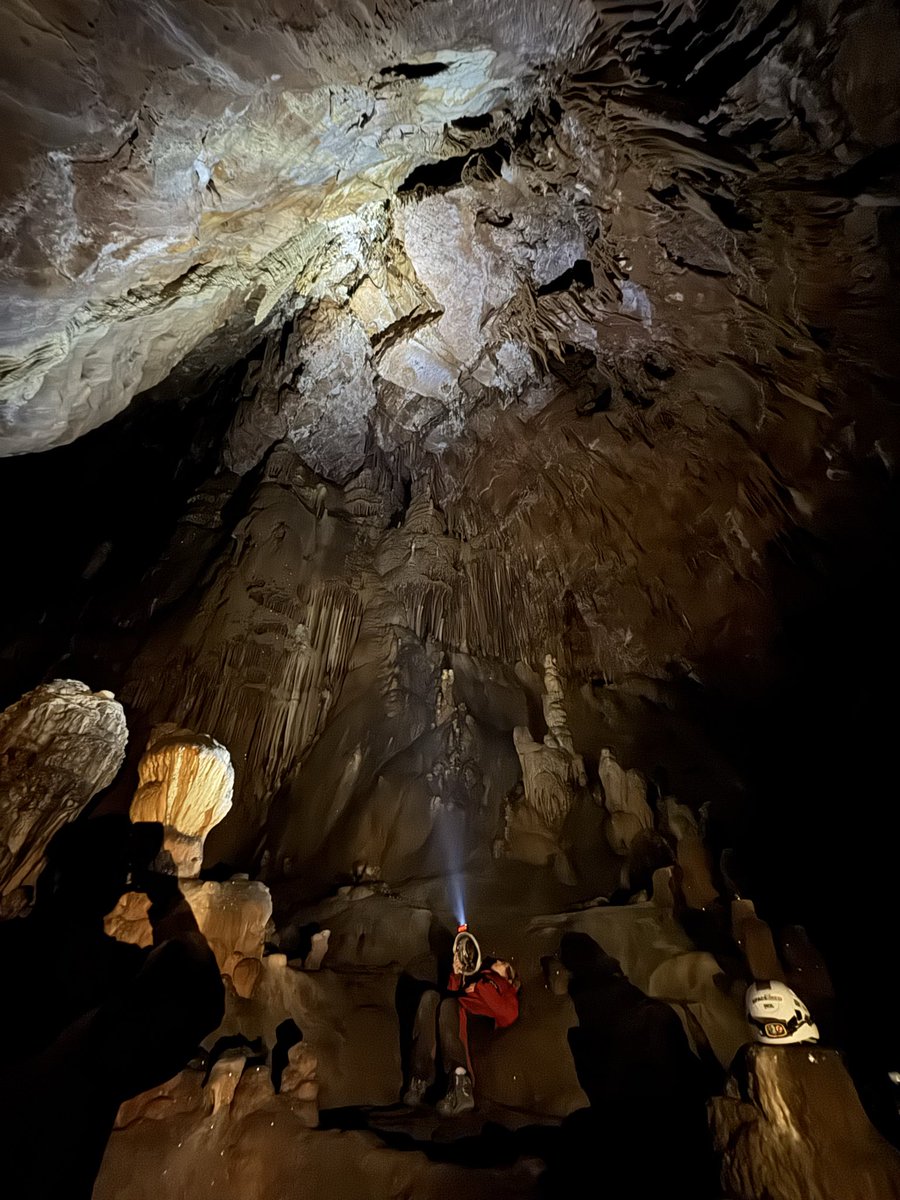
At a depth of 40 meters underground, students underwent 50 hours of continuous isolation without electronic devices, during which they conducted research on thermoregulation, nutrition, cognitive performance, and hormonal responses, alongside cave exploration and mapping.
1
67
The world above faded, distant as a dream and we moved in the hush of subterranean realms,where shadows of time and light danced along stone walls.
1
1
2
157
This Speleo Expedition enabled students to integrate practical skills, human performance assessment, and operational management, providing a unique opportunity to investigate physiological and cognitive responses under extreme conditions.
1
1
46
We express our appreciation to the Cave Rescue Service of Slovenia (JRS) and the Speleological Association of Slovenia (JZS) for their guidance, expertise, and support throughout the expedition.
1
54
✨ Inspiring the next generation of space scientists, we are reminded that when science reaches for the stars, moments like these bring space a little closer to Earth.
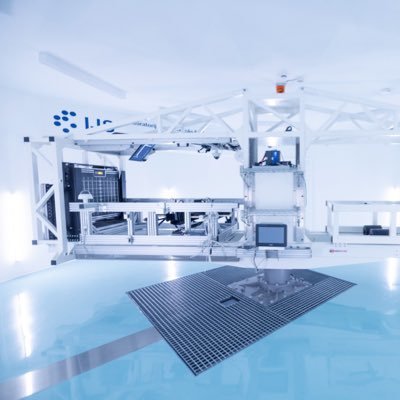
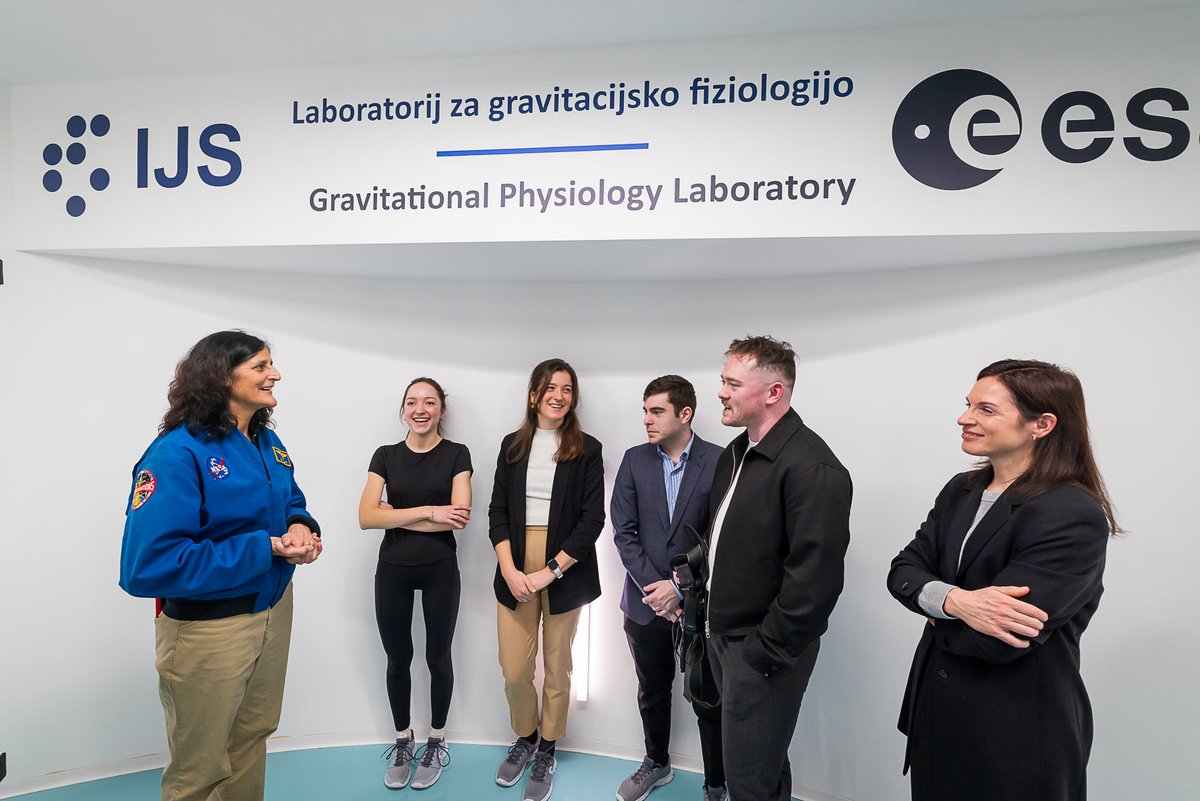
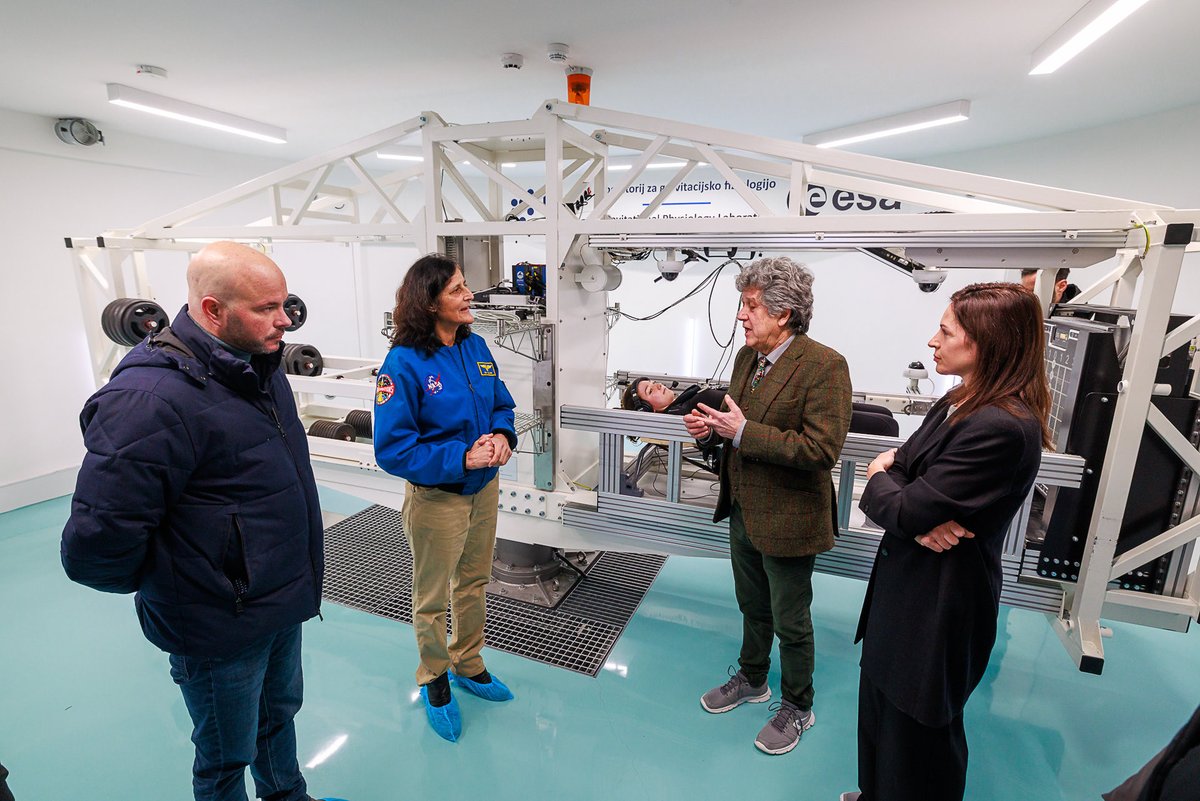
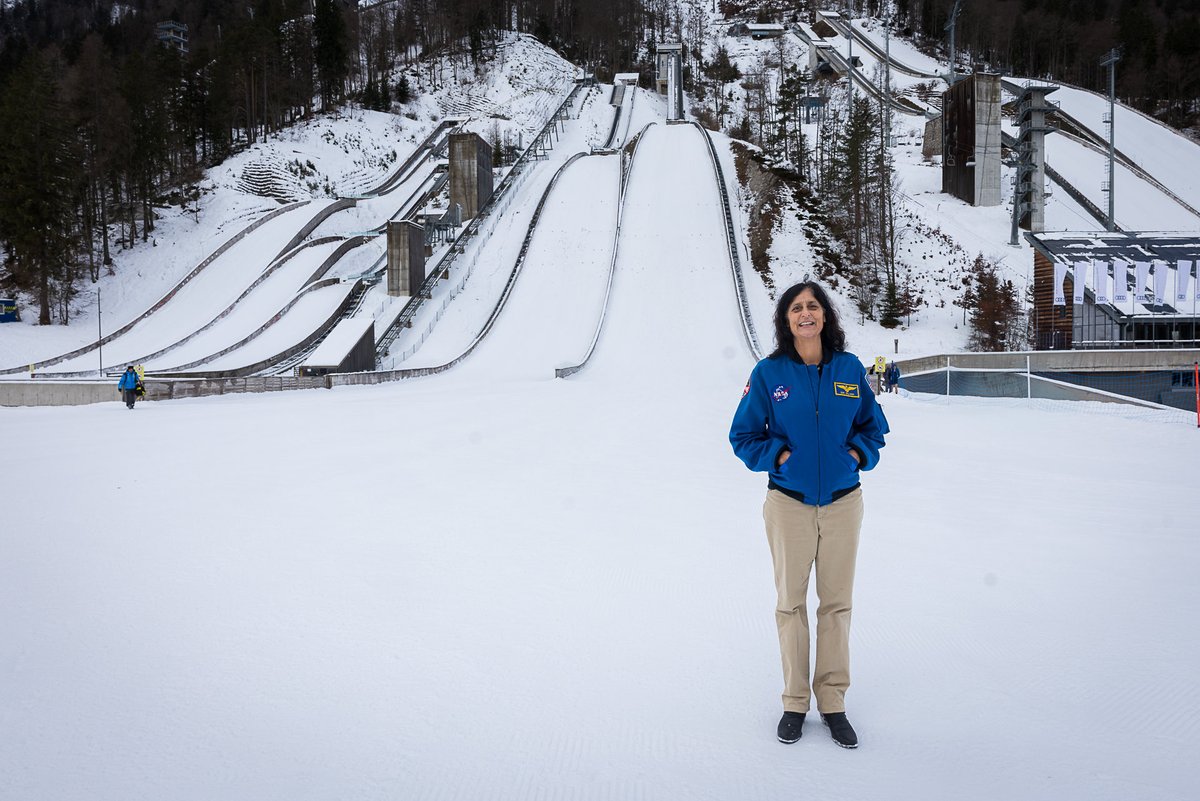
We were honored to welcome NASA astronaut Sunita Williams to our Laboratory for Gravitational Physiology.
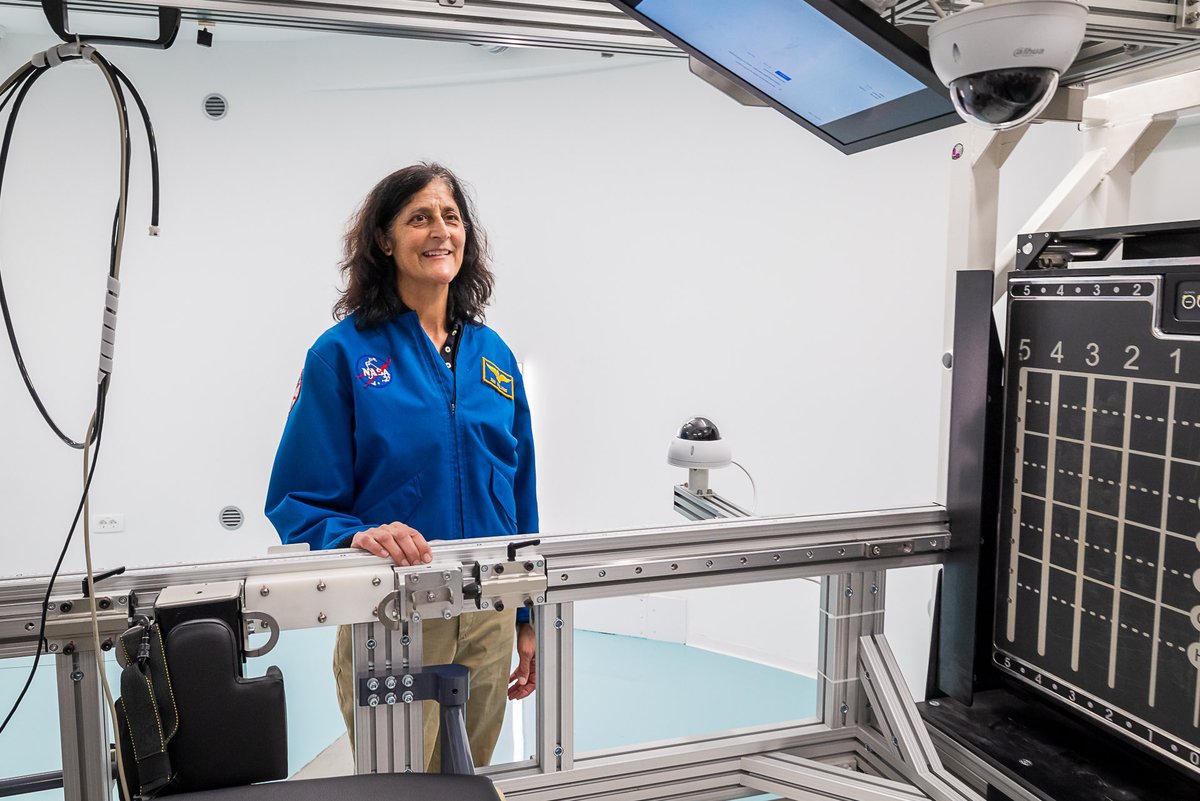
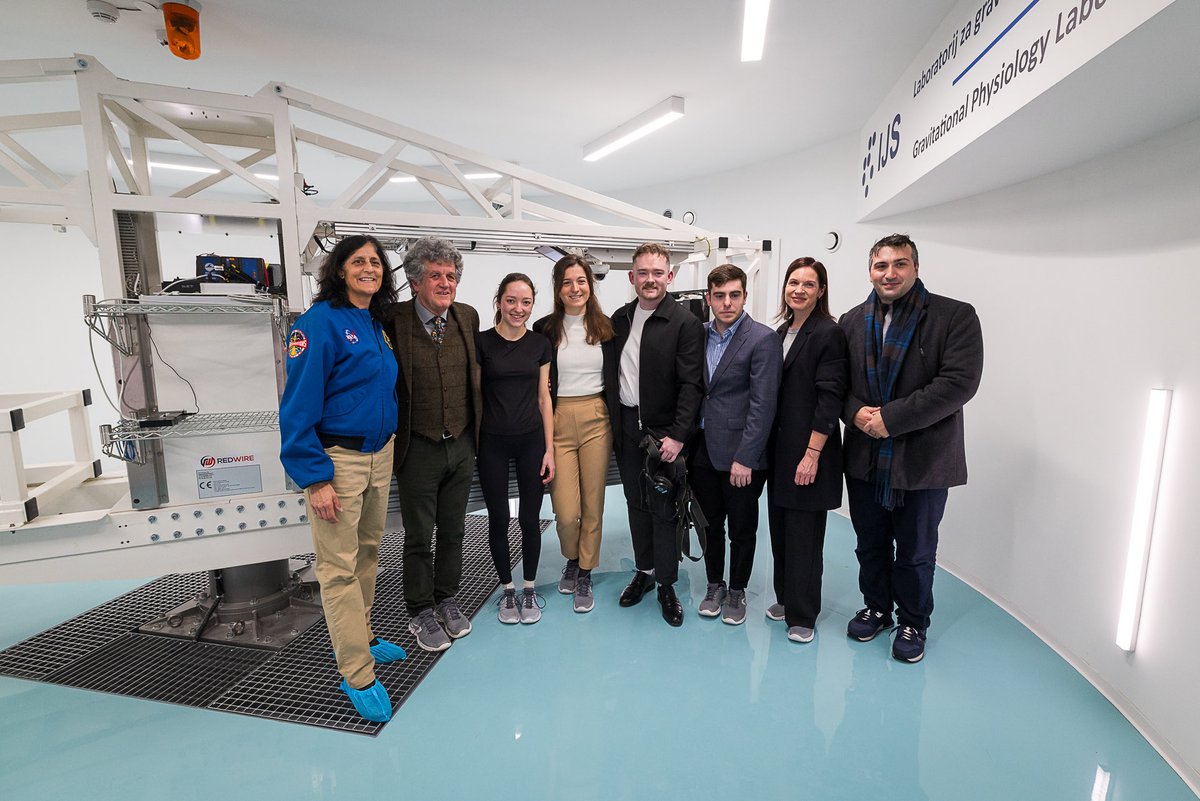
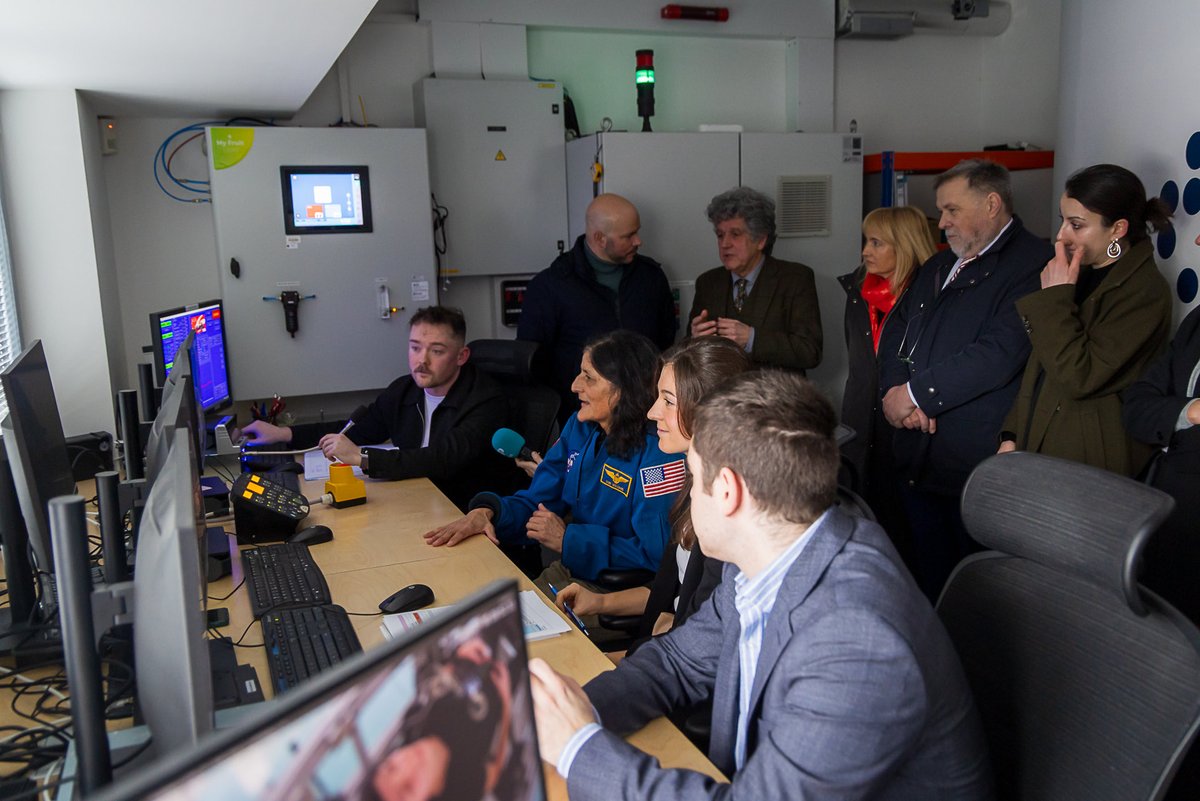
2
1
6
442
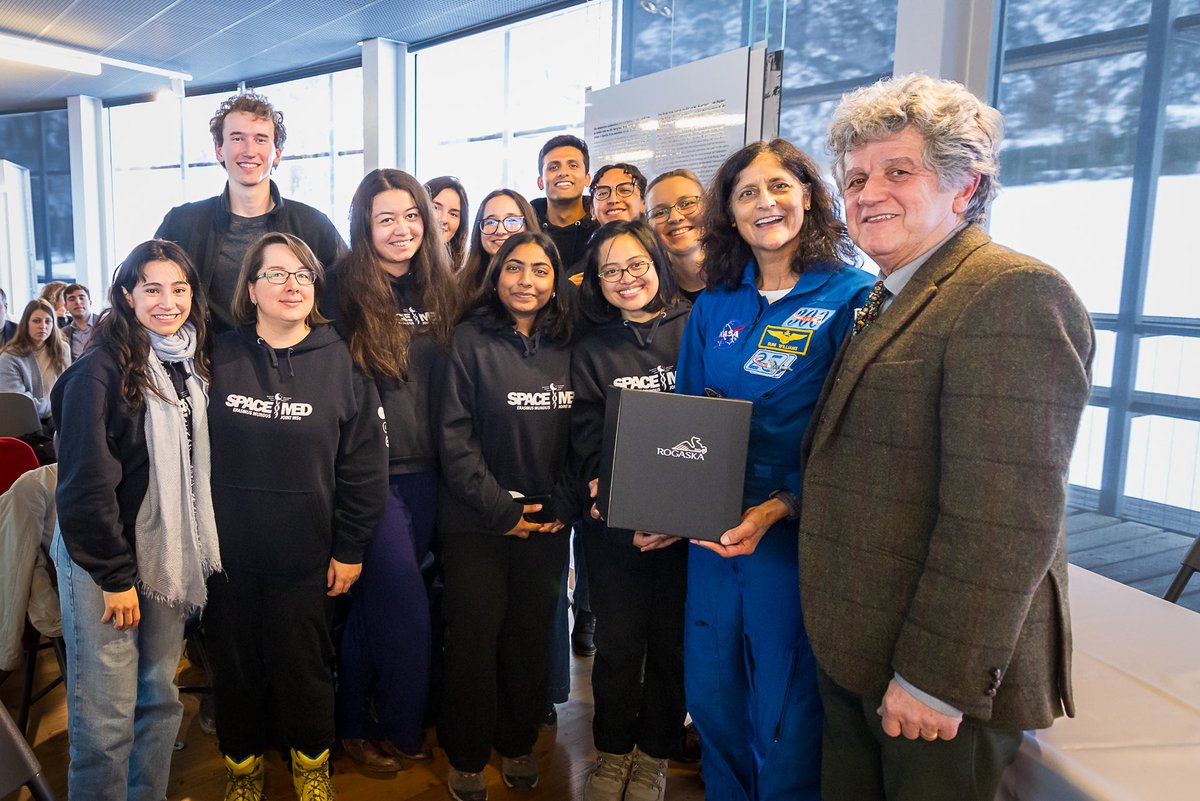
During her visit, NASA astronaut Sunita Williams officially became an ambassador of the SpaceMed Master’s Programme, an international Erasmus Mundus programme jointly developed by the Jožef Stefan International Postgraduate School.
1
2
166
Her presence emphasized the importance of ground-based space research in advancing knowledge of human physiology in altered gravity environments and in inspiring future generations of space medicine and life sciences experts.
Thank you, Sunita Williams, for your inspiration!!
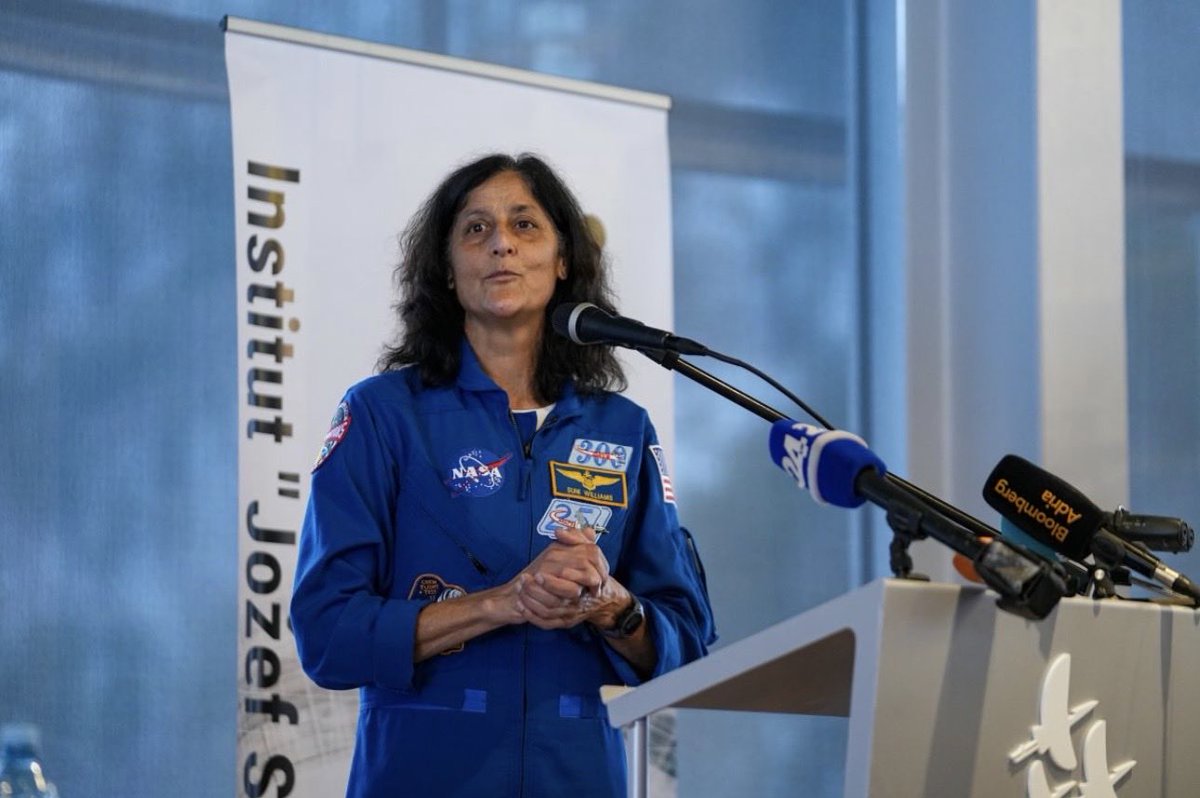
3
539