
Hosts @fossillibrarian, @westerndigs, @latinxscientist, and @PaleoParadoX take you on a journey through the history of life on Earth at youtube.com/eons!
Joined May 2017
- Tweets 1,838
- Following 73
- Followers 12,575
- Likes 903
1,192 Photos and videos





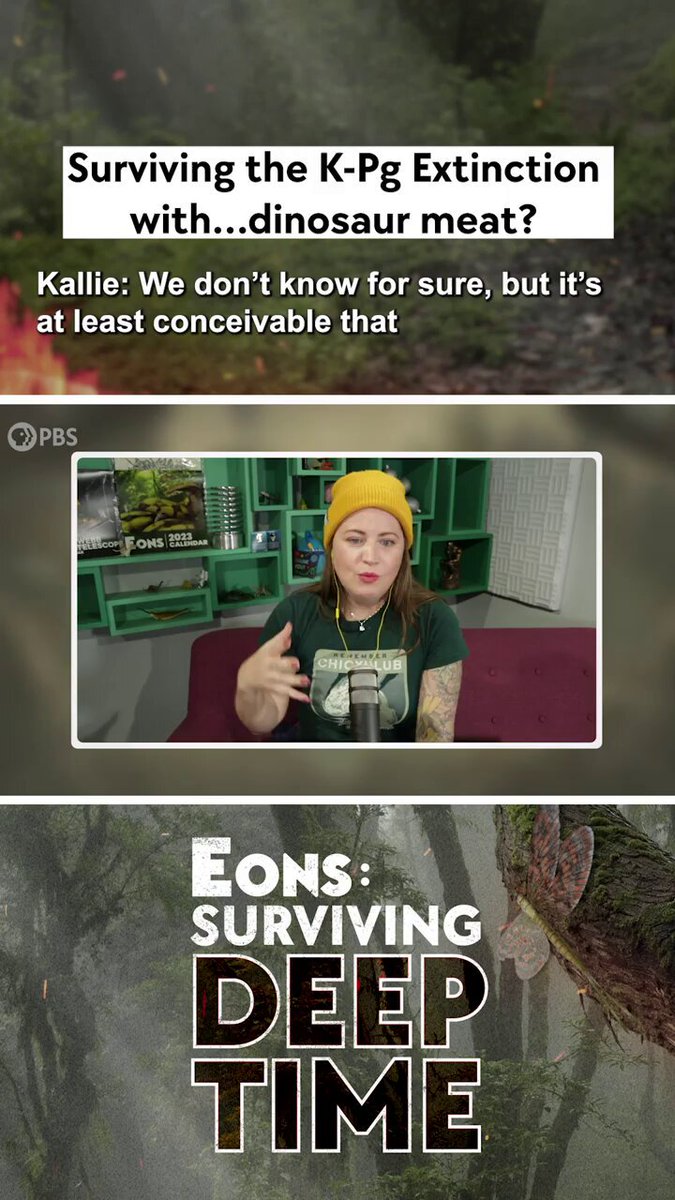

We won't be posting here as often, but for more insights into the history of life on Earth, follow us on IG @eonsshow, and subscribe on YouTube: youtube.com/eons
2
4
17
2,548
In today's new podcast episode, we're answering your questions! Like, "Did Smilodons purr?" "In which geological era did viruses begin?" And, "What did deep time forests smell like?"
Check it out wherever you get your podcasts! youtu.be/5JbPtVh5Uhk
6
25
1,735
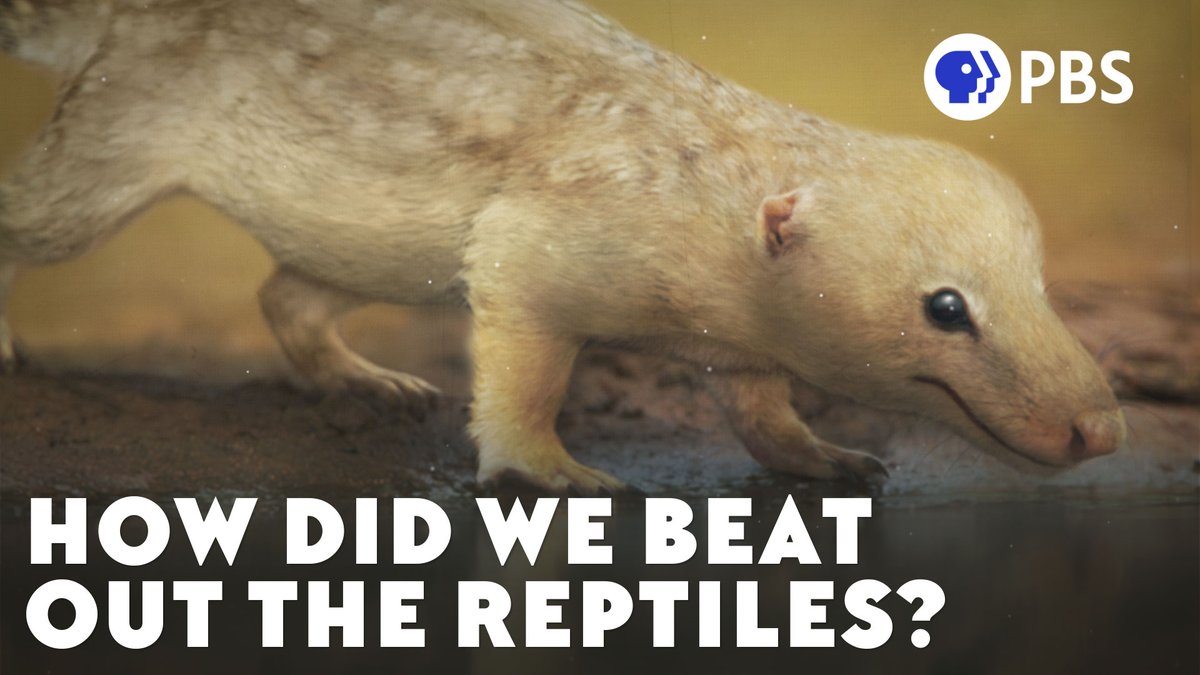
When Earth turned into a wasteland, well, it wasn't so bad if you actually like your land full of waste! 🍄 Notorious fans of death and decay, fungi, may have paved the way for mammals' rise in prominence after the KPG extinction. youtu.be/EPXbSx17030
1
12
43
2,015
Thank you, Patrons!!!
Support our work and get fun perks like bonus videos and paleo art puzzles at patreon.com/eons.
1
1
4
756
How are you enjoying this season of the podcast? Let us know in the comments!
Each episode of Surviving Deep Time explores a particular period of the geologic past and asks, how long could a human survive? complexly.info/survivingdeep…
2
11
689
Happy Darwin Day!!
We just happened to be filming an episode about Darwin TODAY on Darwin's Birthday! What do you think we're talking about?
And while you're waiting for this episode to post in May, be sure to check out our Darwin Playlist. complexly.info/darwin
4
15
664
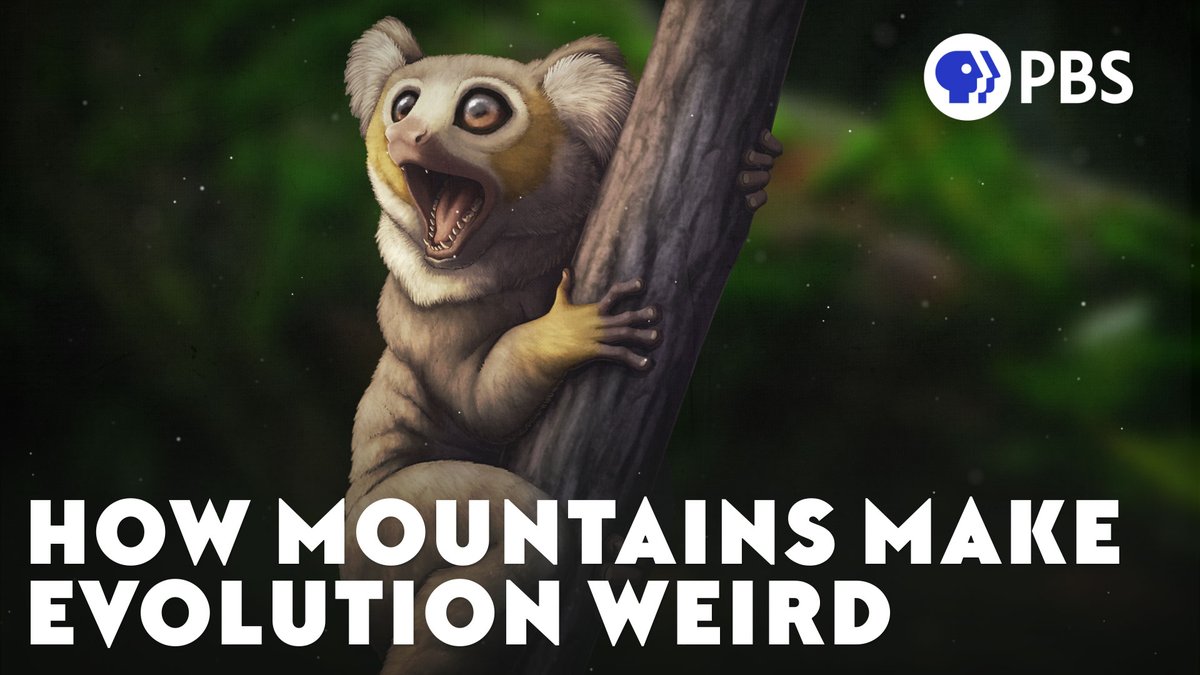
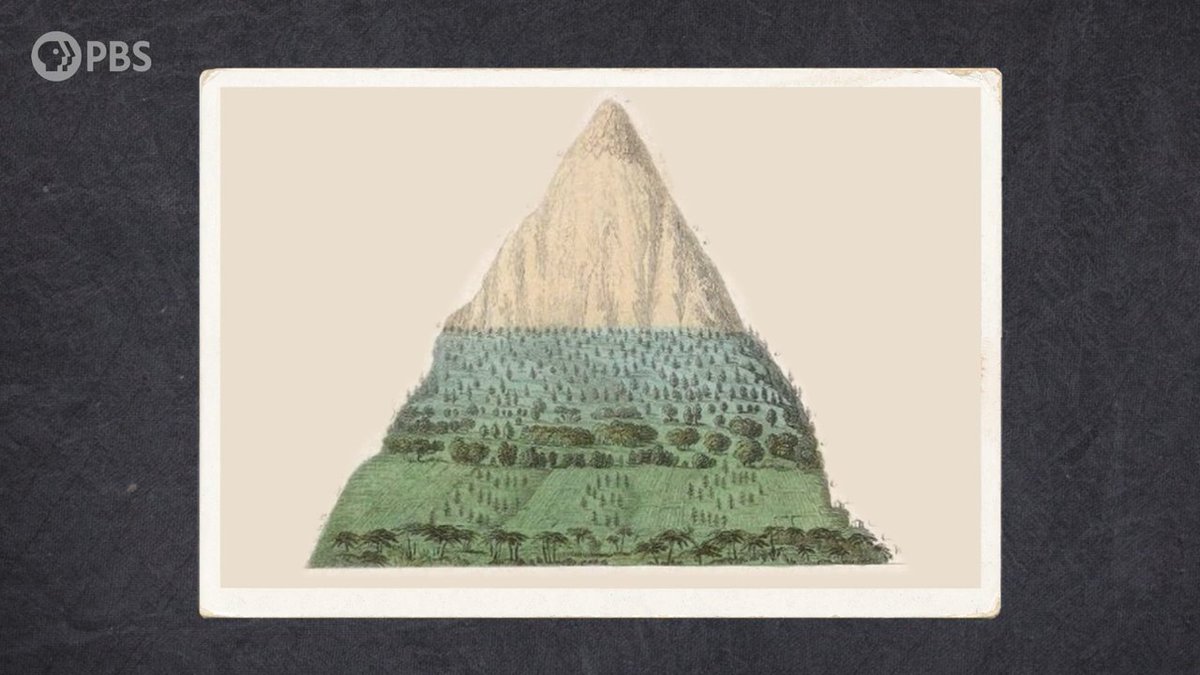
How does elevation affect evolution? Researchers hunting for fossils in the Rocky Mountains found that the higher they went, the less things make sense. These unexpected discoveries showed us how mountains make evolution...kind of weird. youtu.be/C6koLzdSves
11
39
1,197
Rare findings of frozen mummified remains of Late Pleistocene mammals have been discovered in the Indigirka River basin in the last decade. Now, fur, paws, and muscle mass of a juvenile sabre-toothed cat (Homotherium latidens) studied for the first time! complexly.info/mummifiedcat
6
33
919
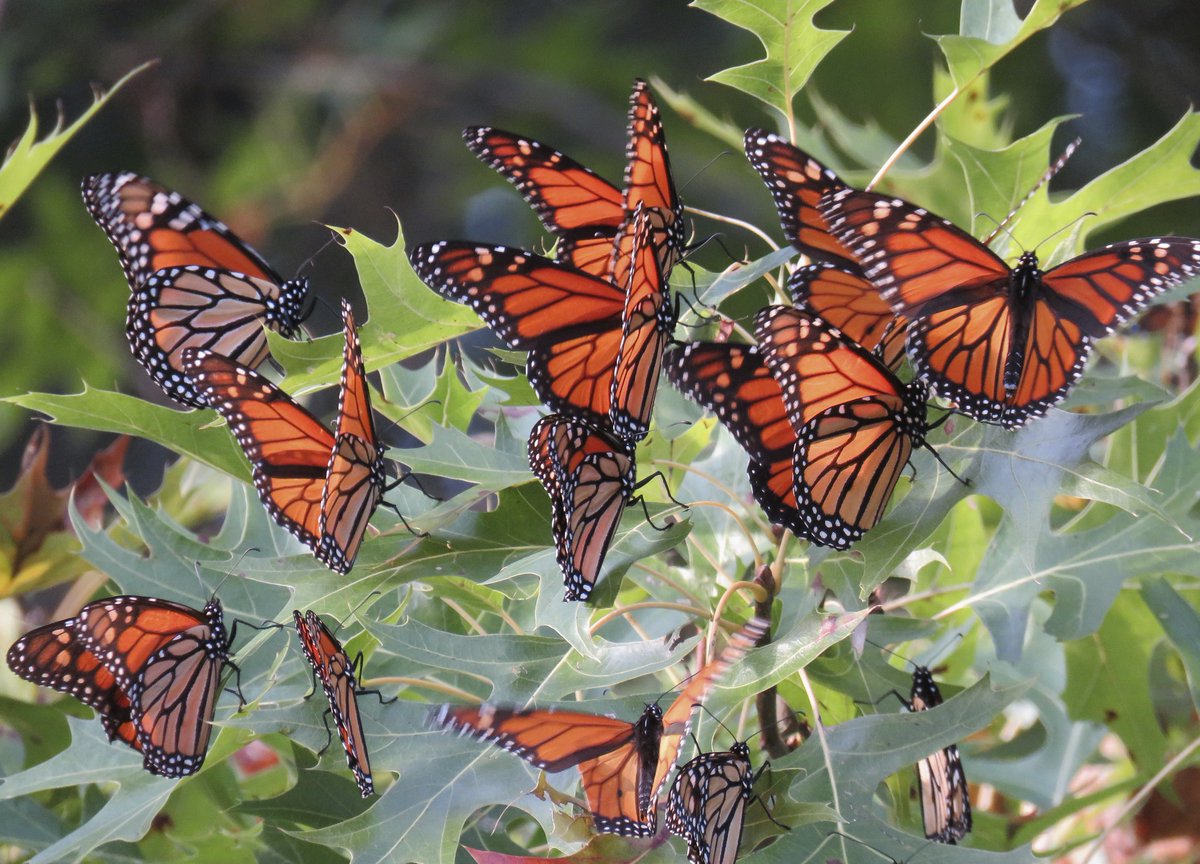
And going back farther to between 15–35 million years ago, D. plexippus split from queen butterfly Danaus gilippus.
But if you want to know more about butterfly evolution, check out our episode, "Beans And Bees Gave Us Butterflies". youtu.be/viTE77xIji0
5
737
Would you survive The Gerbil Event?? 🐹 New episode of Eons: Surviving Deep Time available now wherever you get your podcasts! youtu.be/CDB0m0hO8qk
3
17
647
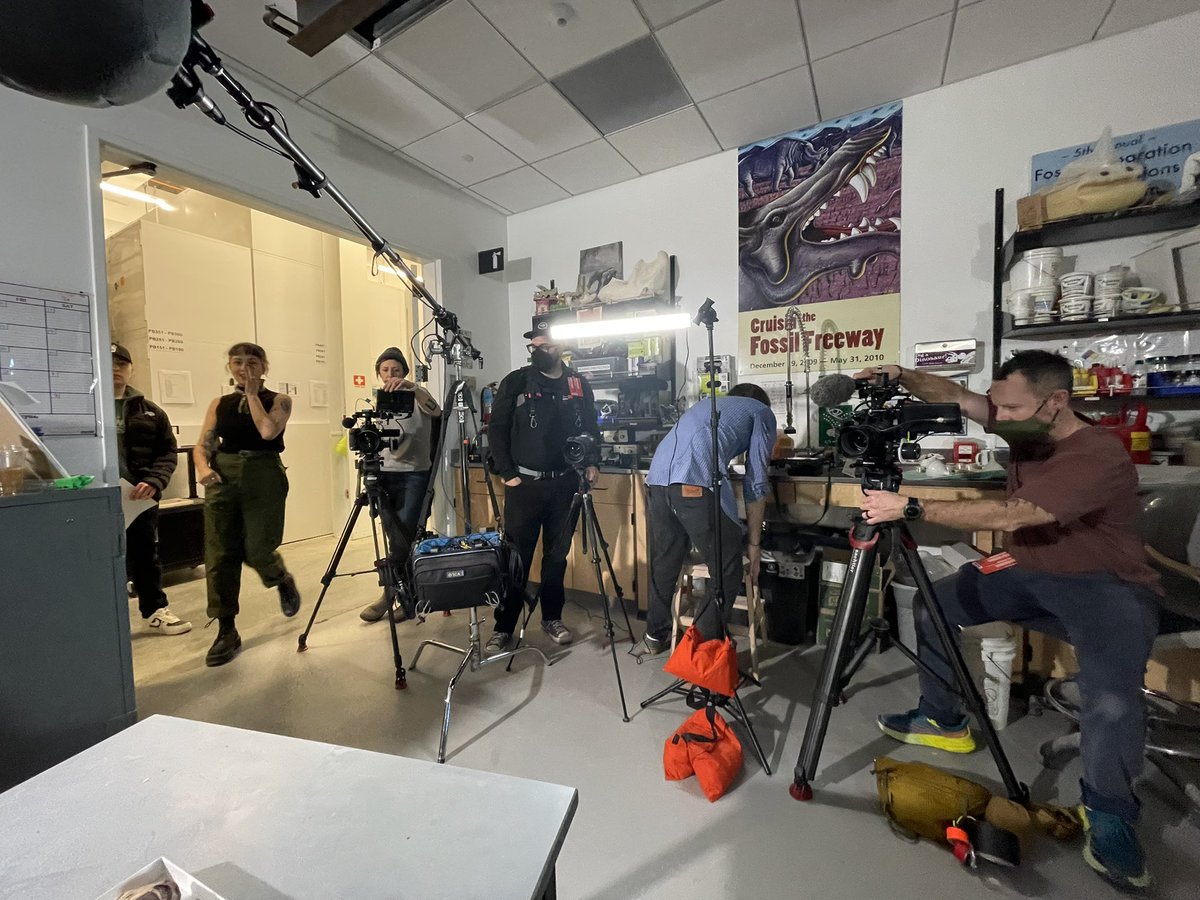
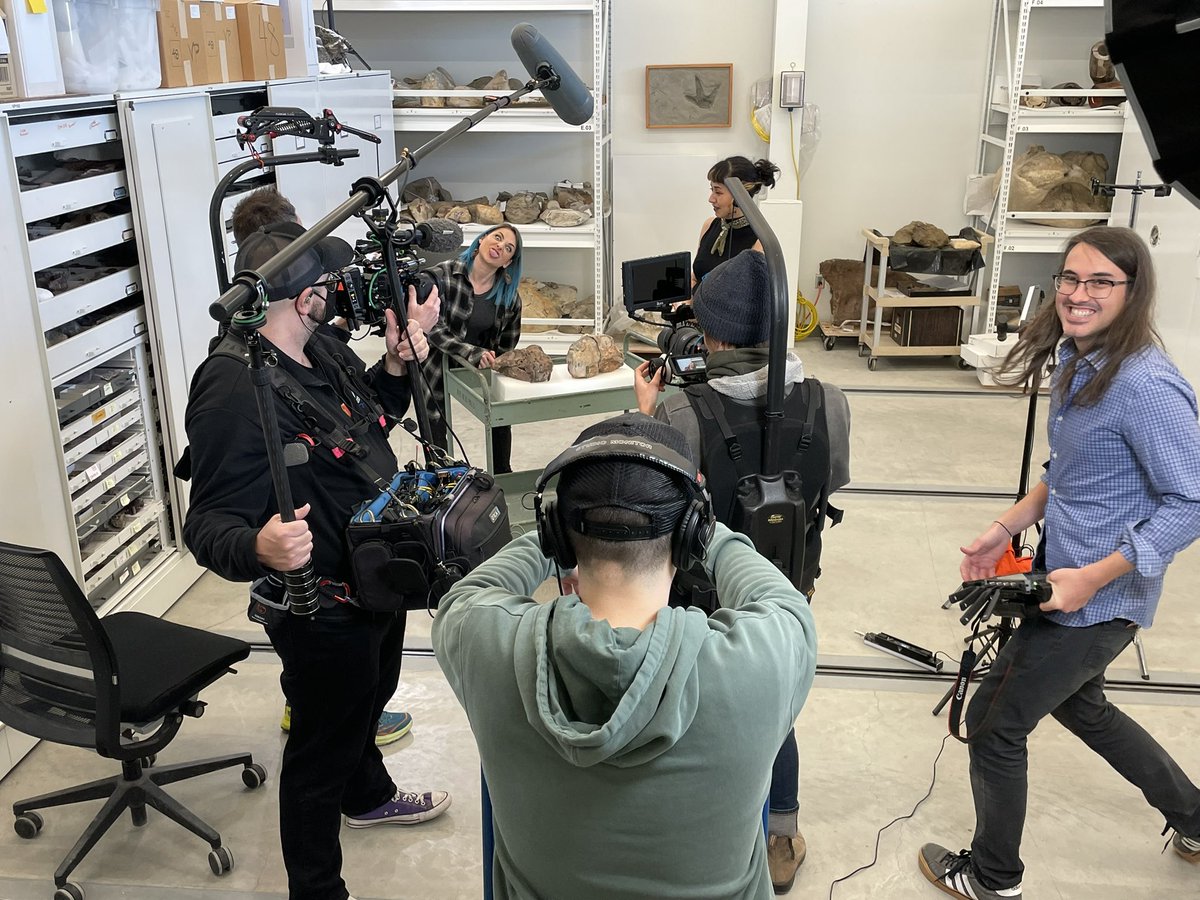
Did you know that our team makes bonus videos every month for our patrons? This month Michelle took us on a tour through the Burke Museum in Seattle and gave us insight into the inner workings of a museum!
Join us at Patreon.com/eons for more!
1
10
608
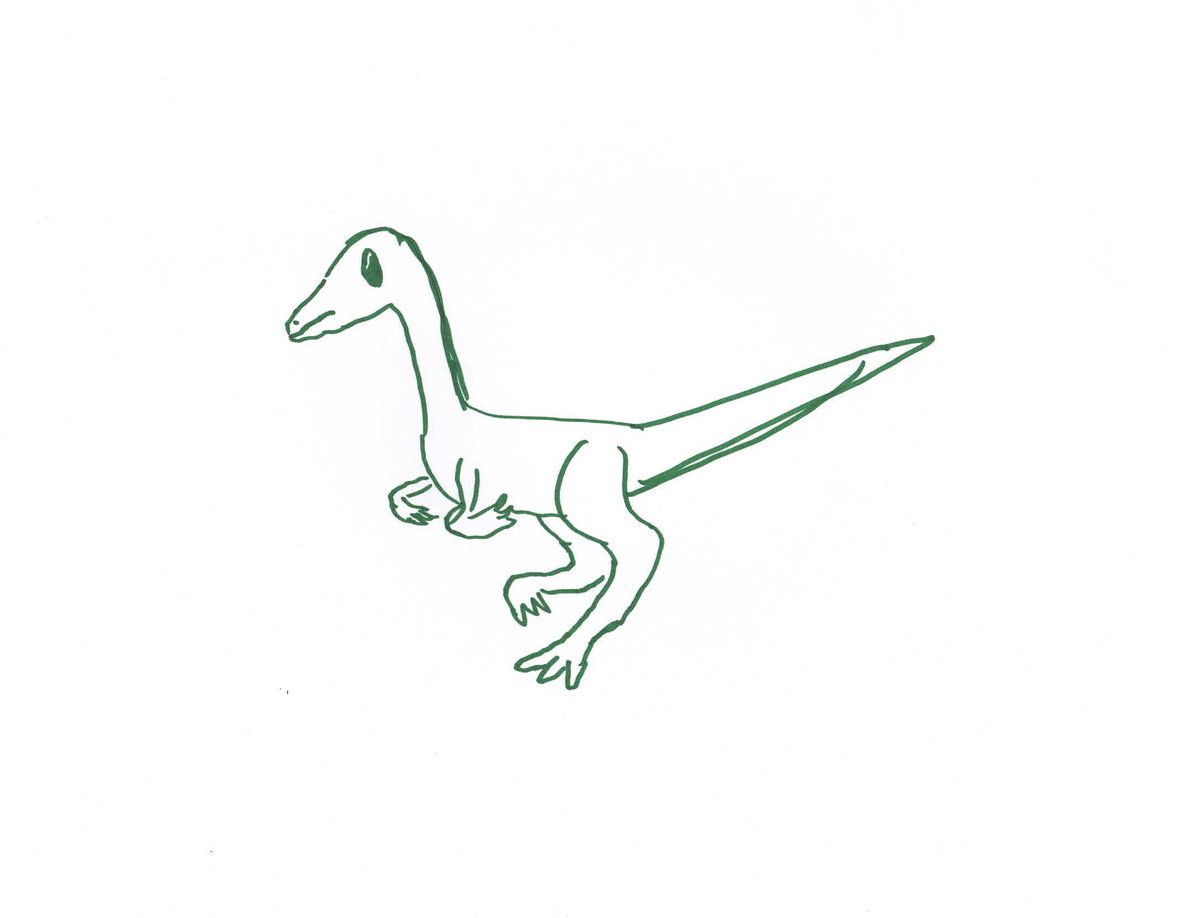
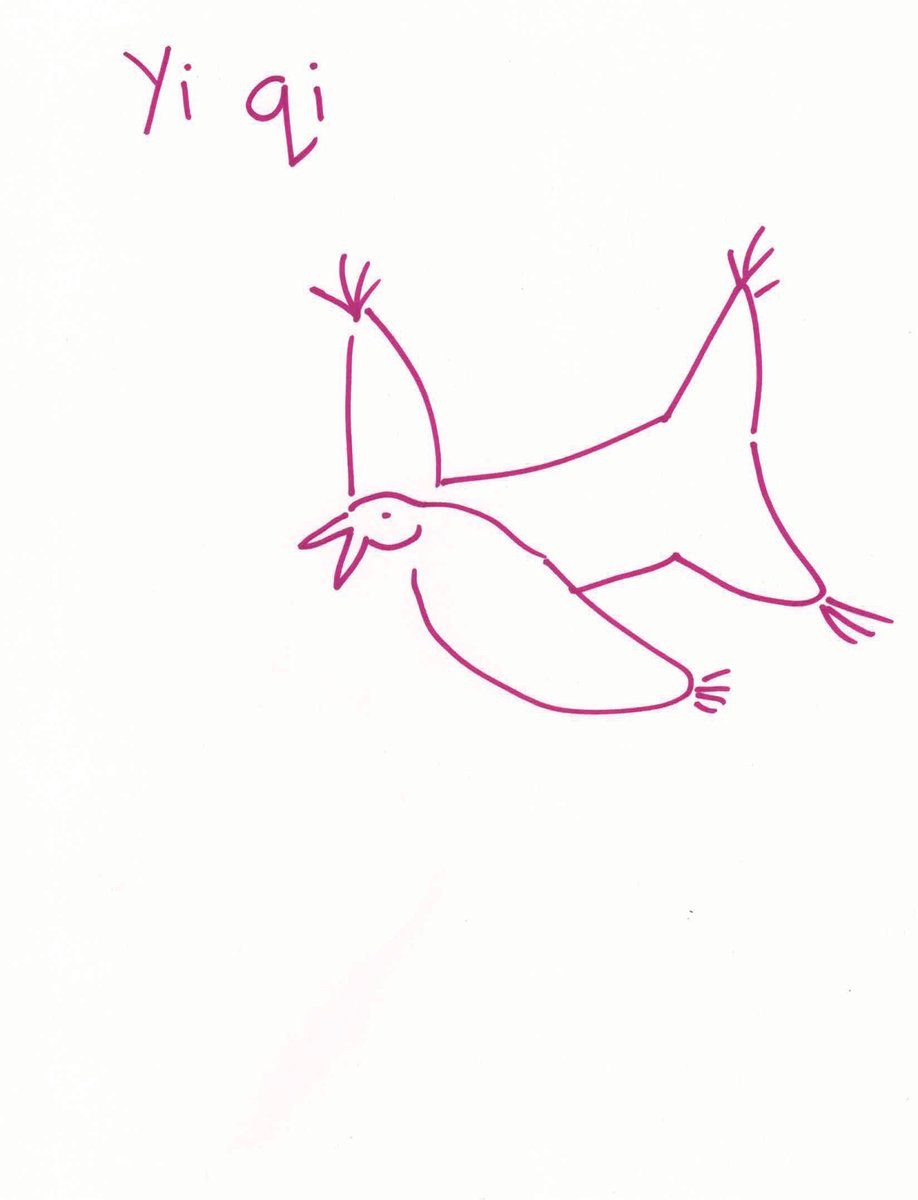
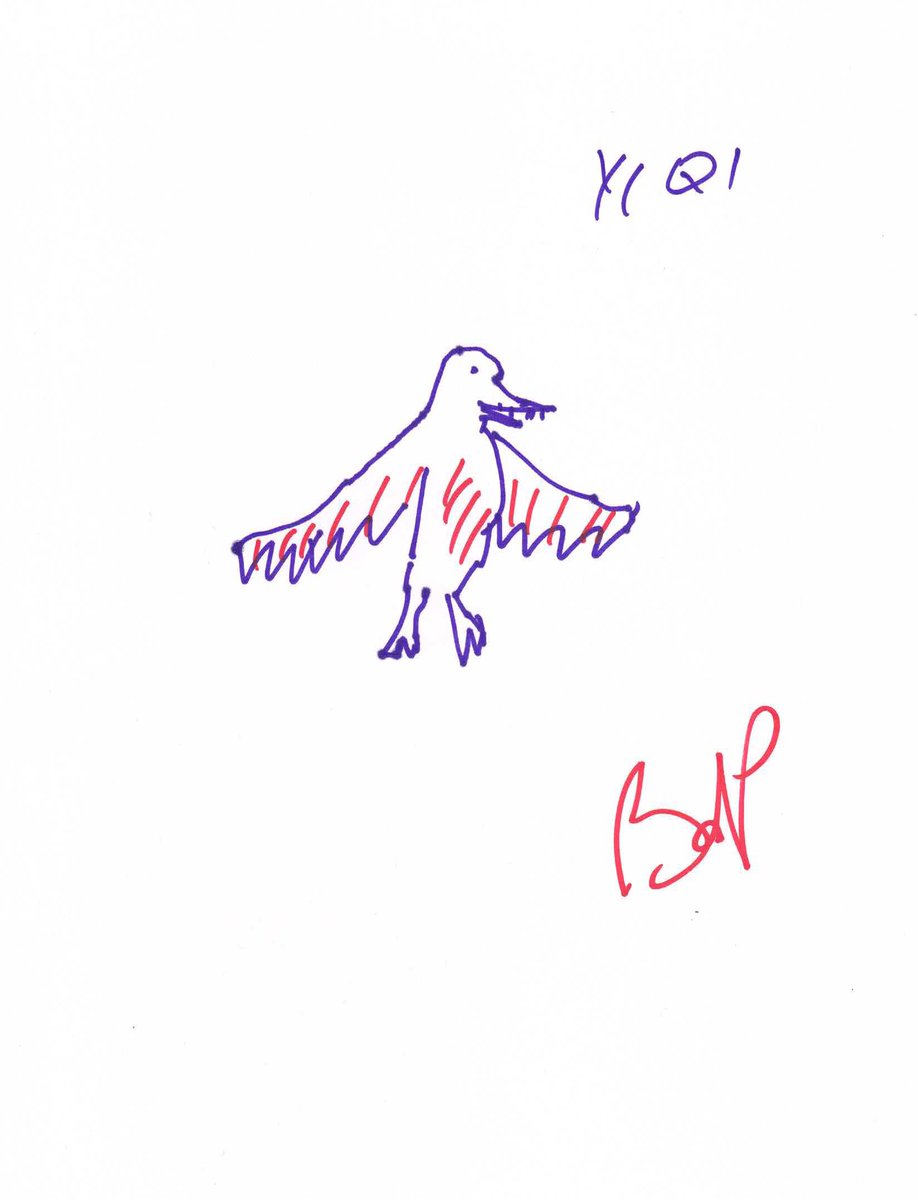
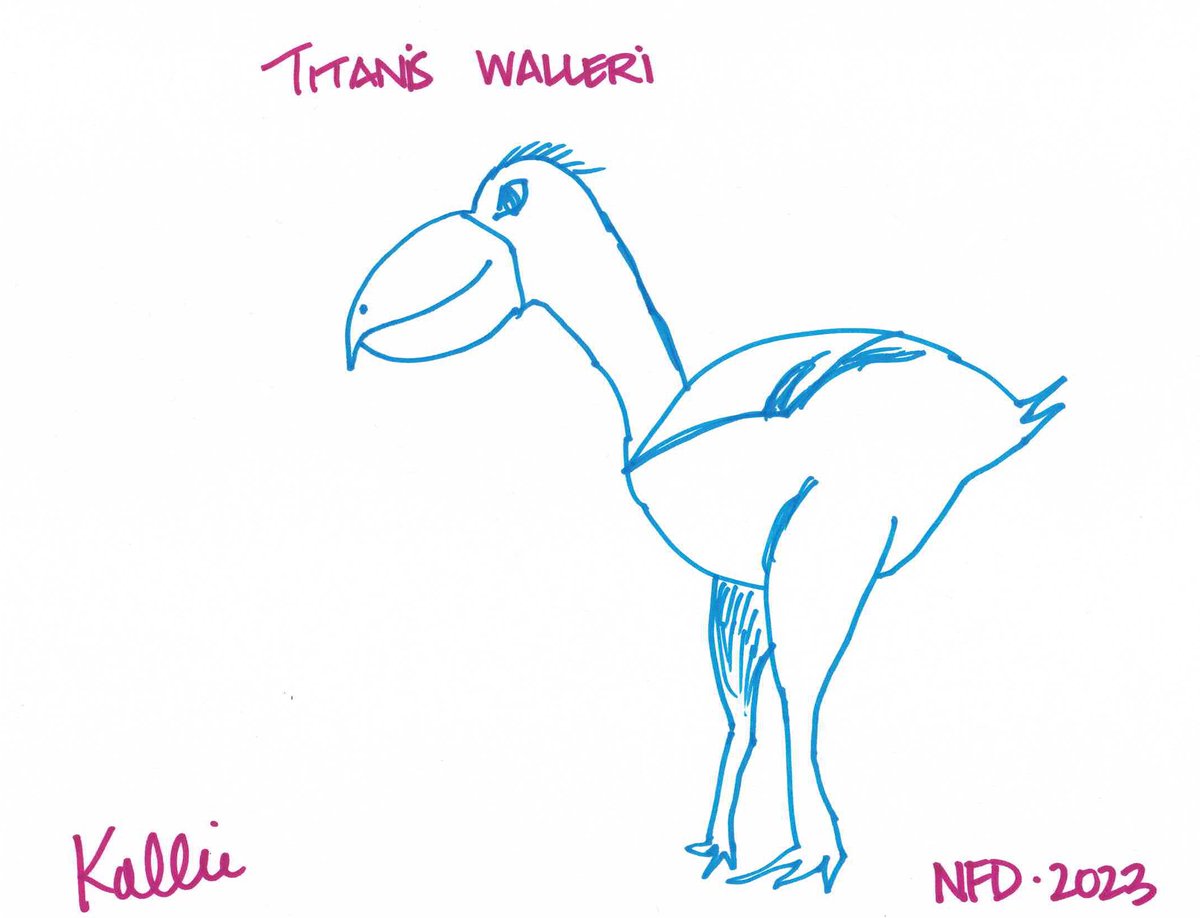
If you missed the fun of watching our hosts draw ancient creatures based only on their scientific names, you can watch the livestream replay here: youtube.com/live/bG3Kqzj-mSw
1
2
581
👏 Thank you Eons patrons! 👏
Get monthly bonus videos from our team, a monthly paleo art puzzle, and more when you become a patron at patreon.com/eons
1
3
488
Eons retweeted

28 Jan 2025
5
35
1,358
Were there two species of Mastodons living on the Pacific Coast at the same time? While more research is needed, a new study suggests that Mammut americanum and Mammut pacificus may have lived in the same place at the same time. complexly.info/Mastodons
1
12
33
1,255
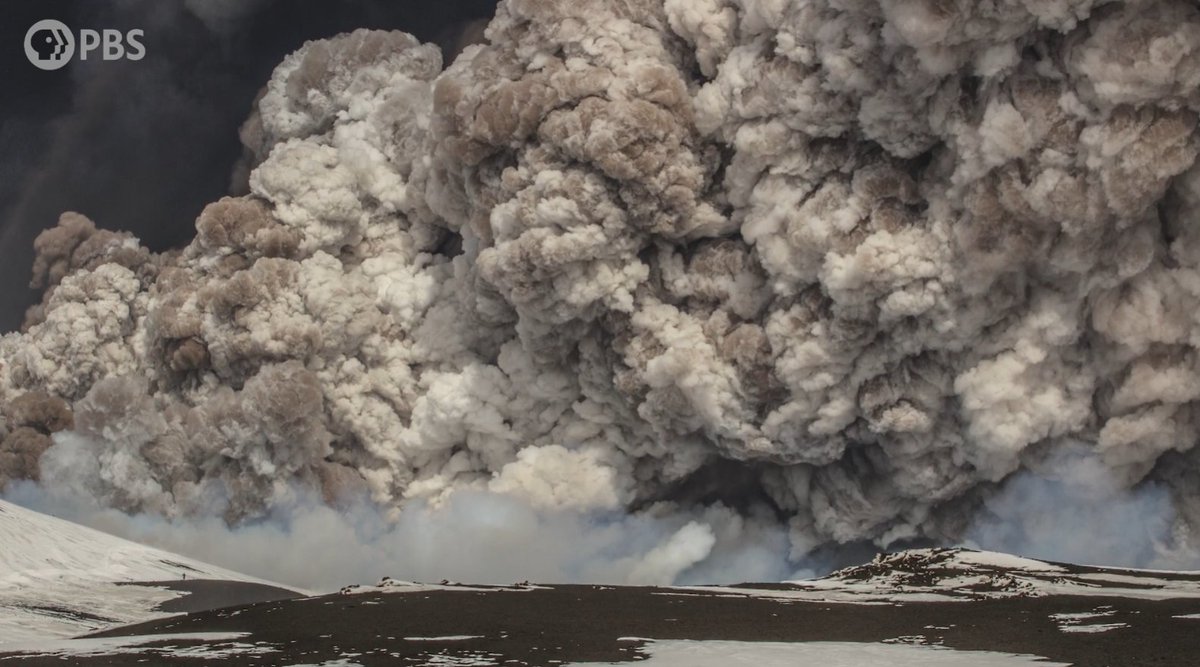
66 million years ago, an asteroid hit our planet triggering global wildfires, an impact winter, and the end of the Age of Dinosaurs. Could you make it through the darkest days of planet Earth?
New podcast episode now available! youtu.be/wiYzLexX8co
1
6
23
935