
UConn biomed research writer/mad scientist en libertie. My kitchen and garden are my labs. | Tweets my own.
Joined October 2014
- Tweets 9,329
- Following 1,101
- Followers 661
- Likes 8,358
472 Photos and videos






Pinned Tweet

2 Dec 2019
My personal triumphs are definitely celebrated with sacrificial offerings and public feasting HELL TO THE YES
(I also complain about decimate, thank you very much)
merriam-webster.com/words-at…
1
8
Jun 12
Using two thyroid hormones to treat hypothyroidism instead of one can lead to better balance @uconnhealth
today.uconn.edu/2026/06/new-…
8
Kim Krieger retweeted

Jun 12
Piecing together the responses, the set-up seems to be:
-Health Care Inc. started recommending high-sensitivity 3D mammograms
-These images catch and label as "cancer" anomalies that were previously ignored
-Doctors offer a 'wait & see' approach but most women opt for treatment
Jun 11

I've been in Minnesota for 5 days, preparing for my dad's funeral. In that time 3 women have told me they were diagnosed with "stage zero" breast cancer for which they are having the full array of treatments (surgery, chemo, radiation). I hear this nowhere else. Explain.
25
15
130
23,509
Jun 8
This, alas, is true. One of the great triumphs of public health is preventing swill milk.
But banning all raw milk was rather a blunt tool.
Jun 8

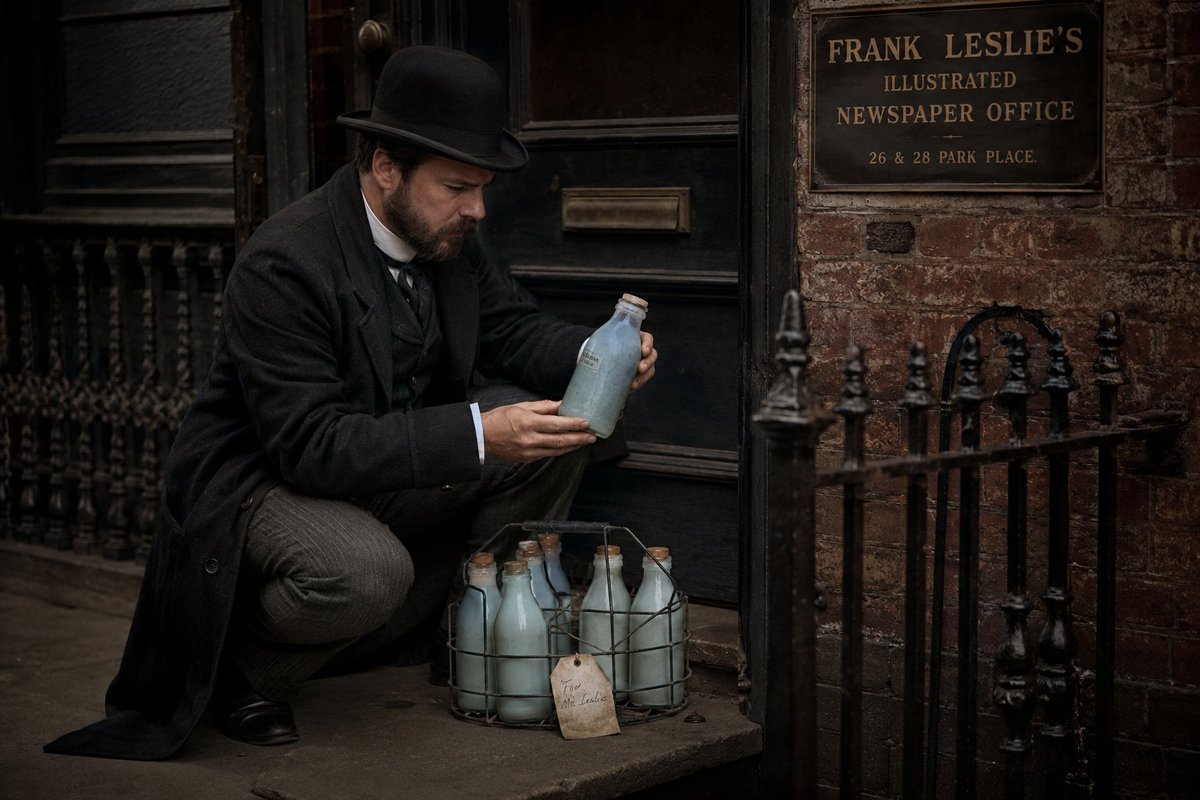
In 1858 a newspaperman named Frank Leslie found milk left at his New York door. It was bluish. It contained pus. He set out to find where it came from.
What he uncovered became one of the great scandals of the century.
The distilleries of Manhattan and Brooklyn had a waste problem. Whiskey left behind enormous quantities of hot fermented mash, and dumping it cost money. So someone had an idea. Feed it to cows. Hundreds of them, packed into sheds beside the stills, standing in their own manure, fed boiling spent grain until they sickened, their udders ulcerating, their bodies breaking out in sores.
The milk came out thin and blue. They fixed the colour with plaster of Paris and chalk. They thickened it with flour and rotten eggs. They cut it with water from a ditch that ran past the manure pile. Then they painted "Pure Country Milk" on the wagon and sold it from carts across the city as fresh from the meadows of Orange County.
The New York Times put the toll as high as eight thousand infants a year.
This is the milk that built the case for reform. The entire safety apparatus was designed around it. Sick animals, industrial filth, distillery slop, deliberate adulteration, urban sheds without a blade of grass for ten miles.
There were two ways to solve it.
You could stop feeding cows whiskey waste in filthy sheds. Let them eat grass on clean land and sell the milk fresh and local, the way every human had drunk it for ten thousand years.
Or you could keep the sheds, keep the mash, keep the scale, and heat the result until the bacteria died.
When the city finally investigated, the inspectors were tipped off in advance and the committee recommended better ventilation. You know which path they were always going to take. You can taste it.
The frightening thing was never raw milk from a healthy cow on good grass. It was a dying animal in a distillery, held upright by a sling while someone ran whiskey slop through its udder.
We solved that with a process, kept the process forever, banned the healthy version to be safe, and told you the cow was the danger.
Frank Leslie would have had questions.
17
Jun 3
I read the @npr article claiming it was cheaper to drive an electric vehicle than a gas vehicle, and the time to switch is now.
So I went to the Department of Energy website they recommended and compared my 12 years young Honda Civic with a 2023 Tesla 3 and a 2023 Chevy Bolt...
1
34
Jun 3
and it turns out @npr is wrong. Even if I keep the Honda another 15 years, it will always be cheaper to drive than the Tesla 3.
And it would take 7 years of driving before the Chevy Bolt beats the Honda in affordability.
npr.org/2026/06/01/nx-s1-580…
1
1
81
Jun 3
YMMV, of course. If you want to do your own comparison, check out @ENERGY's calculator here: afdc.energy.gov/calc/
21
Jun 2
Canada geese are the bane of golf course, beach, and park managers across much of North America. Thing is, it's not the geese's fault. It's us (or, If You Build It, They Will Come)
link in next tweet. story by the inimitable Laina Hancock @uconn
1
2
98
Kim Krieger retweeted

May 28
To ‘doff’ a hat is to take off a hat.
doff = do off
To ‘don’ a hat is to put on a hat.
don = do on
51
425
4,705
108,209
May 27
JOB OPP for reporter. I'd like to see the scope of this position also explore institutional malfeasance and poor/intentionally misleading official communications strategy as drivers of the decreasing trust in science, but hey, it's nice to see @STAT taking an interest.

STAT is hiring.
This is a unique job opportunity: We are looking for a reporter to cover the declining trust in science. This reporter will examine the forces eroding the authority of scientific institutions and mainstream medicine.
More details and how to apply here: statnews.com/careers/stat-re…
1
33
Kim Krieger retweeted

May 21
Let’s separate the facts from the spin around this Senate-released FDA pediatric VAERS report:
• 96 U.S. child death reports reviewed
• 0 classified as “certain” to the vaccine
• 2 probable 5 possible = 7 total
• The fatal myocarditis cases were the key safety signal
The FDA explicitly flagged fatal myocarditis outcomes as “new safety information” because “the reporting of fatal outcomes is not currently described in the prescribing information” for mRNA COVID vaccines.
Note: This NSI never made it to labeling. Why?
The report says what it says.
Senate release:
ronjohnson.senate.gov/servic…
1
4
8
1,863
May 21
Think you're allergic to penicillin? Maybe...or maybe not.
@UConnHealth is developing a service to test people for penicillin allergies, and help them remove them from their medical record if the allergy isn't real. Link in the next tweet.
1
37
Kim Krieger retweeted
May 18
Dictionary.
May 18

Starts with D and we all like it
35
628
6,697
151,962
Kim Krieger retweeted
May 13
You may have noticed that the word for ‘night’ in many languages appears to be that language’s word for ‘eight’ with an ‘N' in front of it.
English: N eight = Night
German: N acht = Nacht
French: N huit = Nuit
Spanish: N ocho = Noche
Italian: N otto = Notte
Portuguese: N oito = Noite
⬇️
494
2,090
27,903
3,842,290
Kim Krieger retweeted

May 13
I took heat - and death threats - for suggesting candy/fruit-flavored vapes target kids and create new nicotine addicts far more than they help adults quit.
That exact stance just got an FDA Commissioner fired.
Let’s at least demand real data collection transparency moving forward: adults who successfully quit vs. youth who start. This policy change will make some people really rich… but I simply don’t believe it will make America any healthier.
Track it. Report it. Be accountable.
May 12

Dr. Marty Makary has resigned as commissioner of the FDA.
Makary left over concerns about the FDA’s decision to authorize fruit-flavored vapes. He told those close to him that he could not in good conscience approve flavored vapes due to their appeal to young people.
nytimes.com/2026/05/12/us/po…
Community note
FDA did not fire Makary over flavored vapes, he resigned
nytimes.com/2026/05/12/us/…
washingtonpost.com/health/2026/05…
FDA tracks youth tobacco use
fda.gov/tobacco-produc…
Teen nicotine use at lowest levels ever recorded
fda.gov/tobacco-produc…
fda.gov/news-events/pr…
cdc.gov/media/releases…
FDA monitors marketing and acts if requirements aren't met
fda.gov/news-events/pr…
More adults quit smoking with vapes than youth currently use
pubmed.ncbi.nlm.nih.gov/39760947/
tobaccocrst.org/data-briefs
54
39
252
21,525
May 8
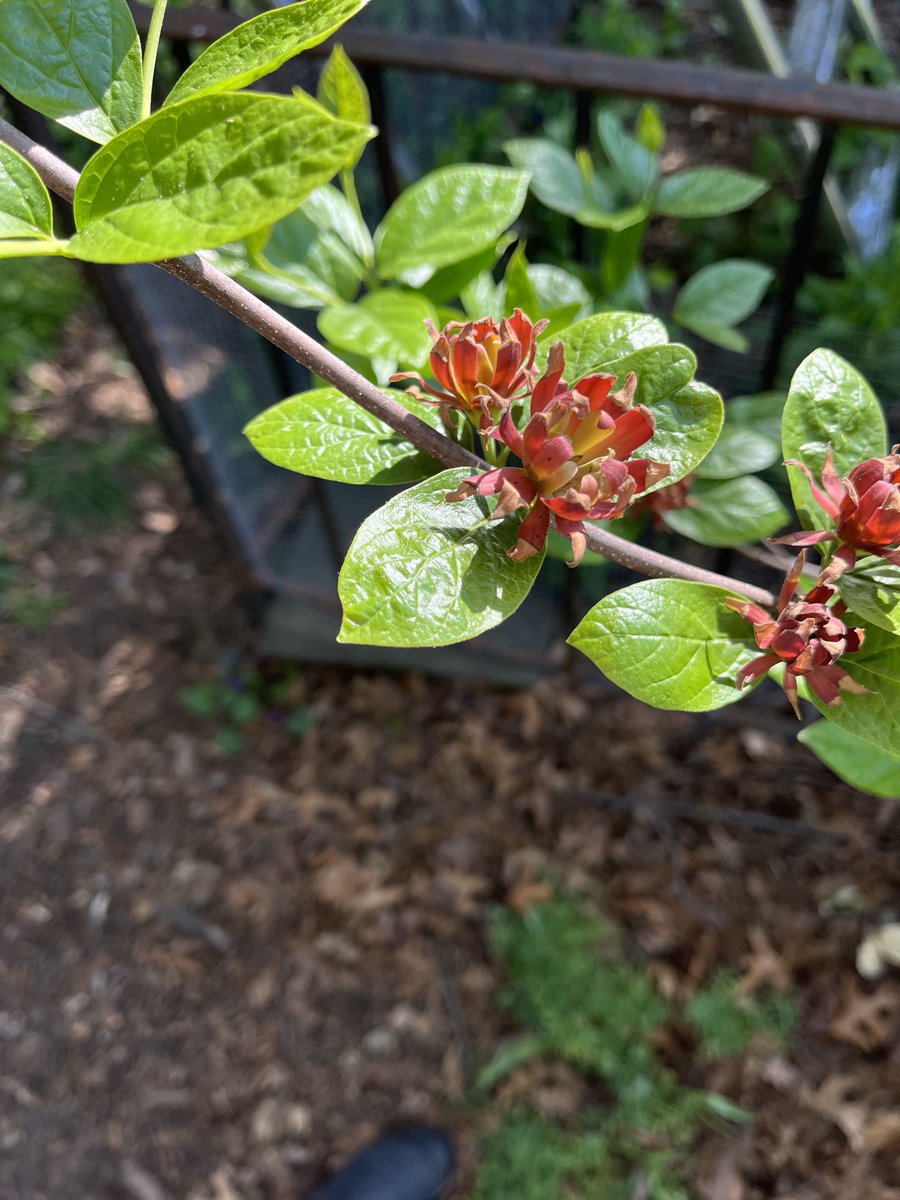
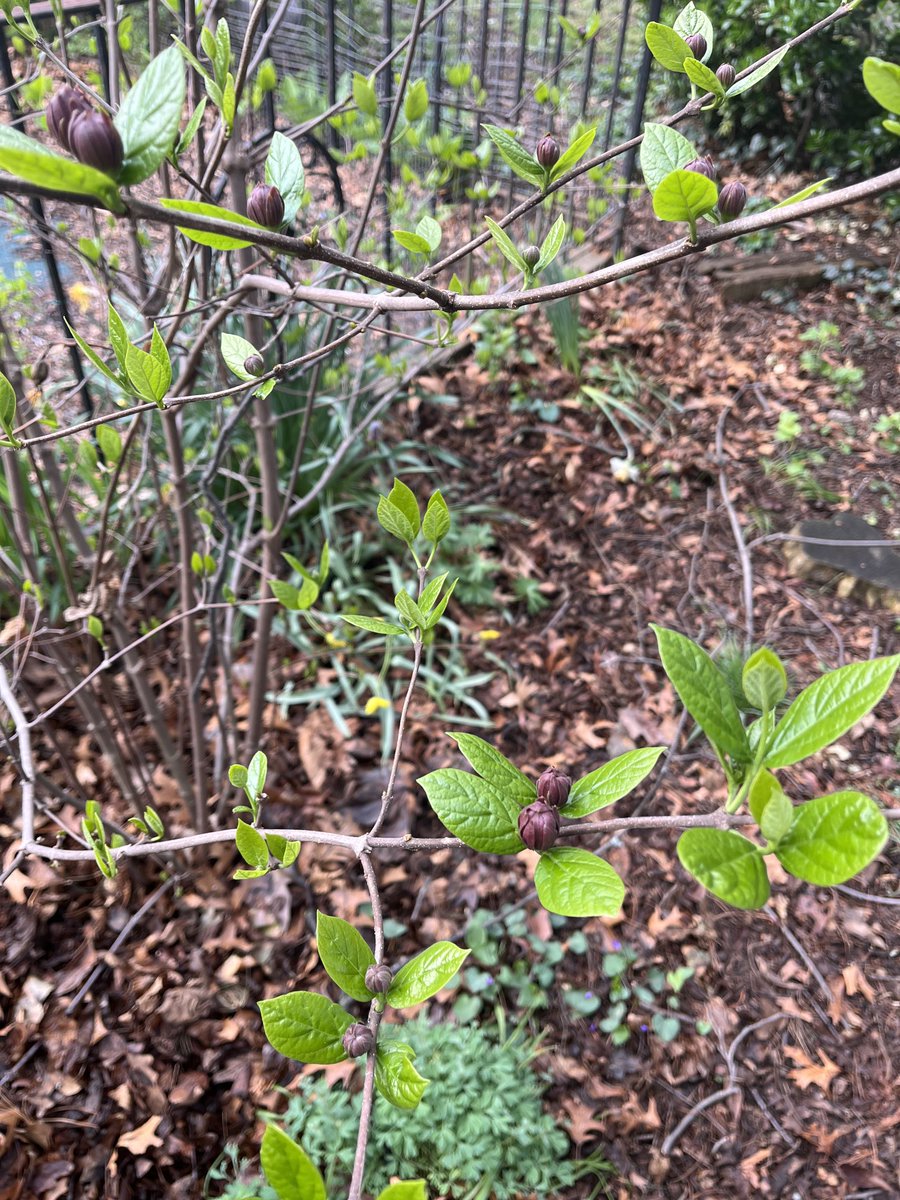
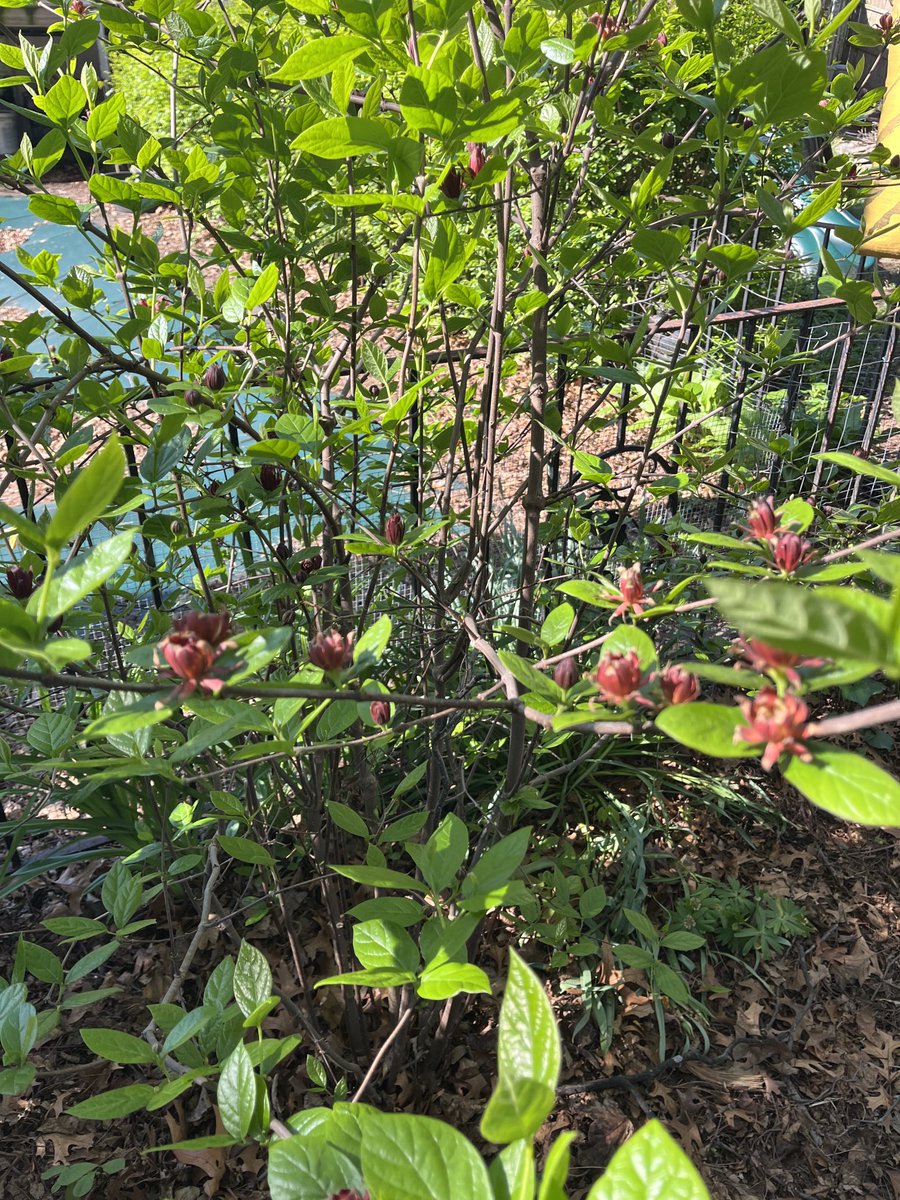
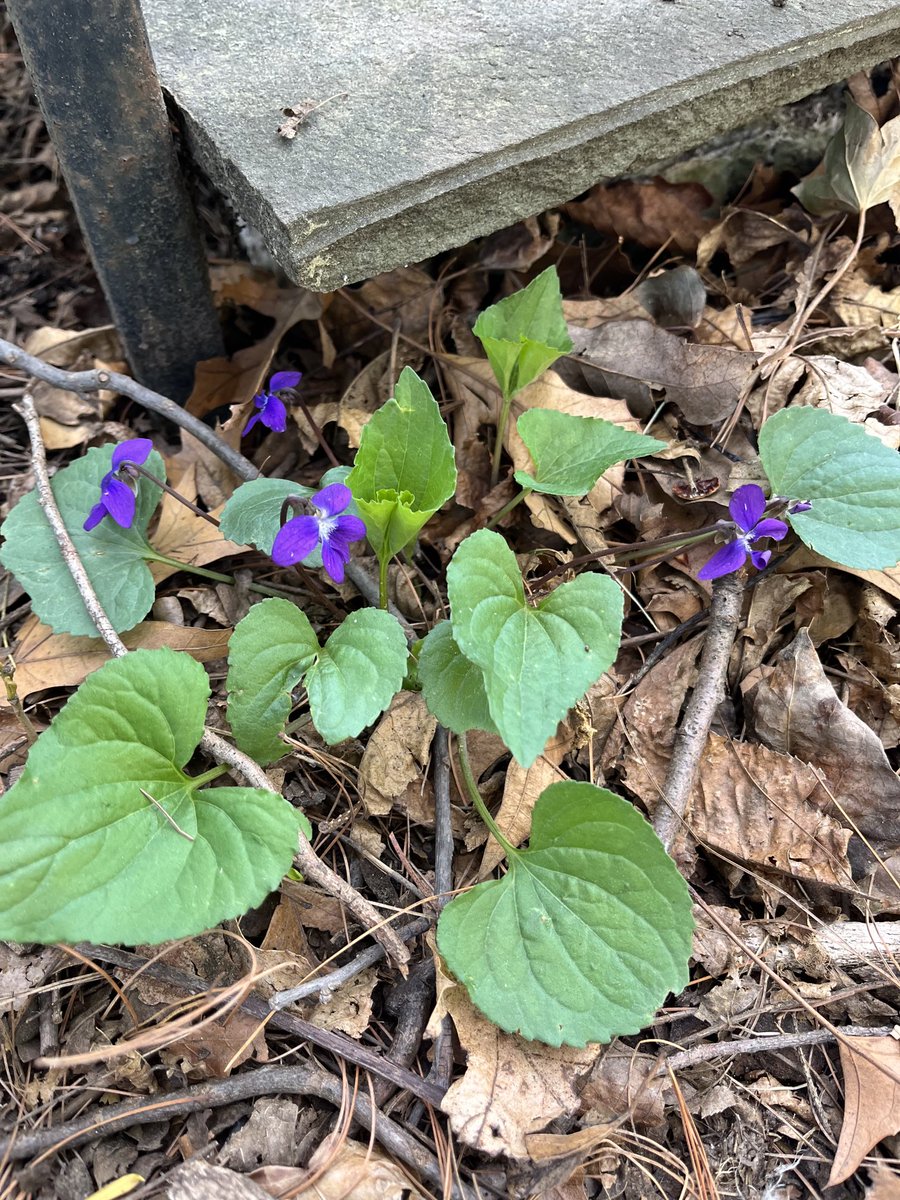
Nothing could be finer than to be with Carolina in the morning….
(Carolina allspice, I mean. And her friend Violet, too.)
1
3
25
May 8
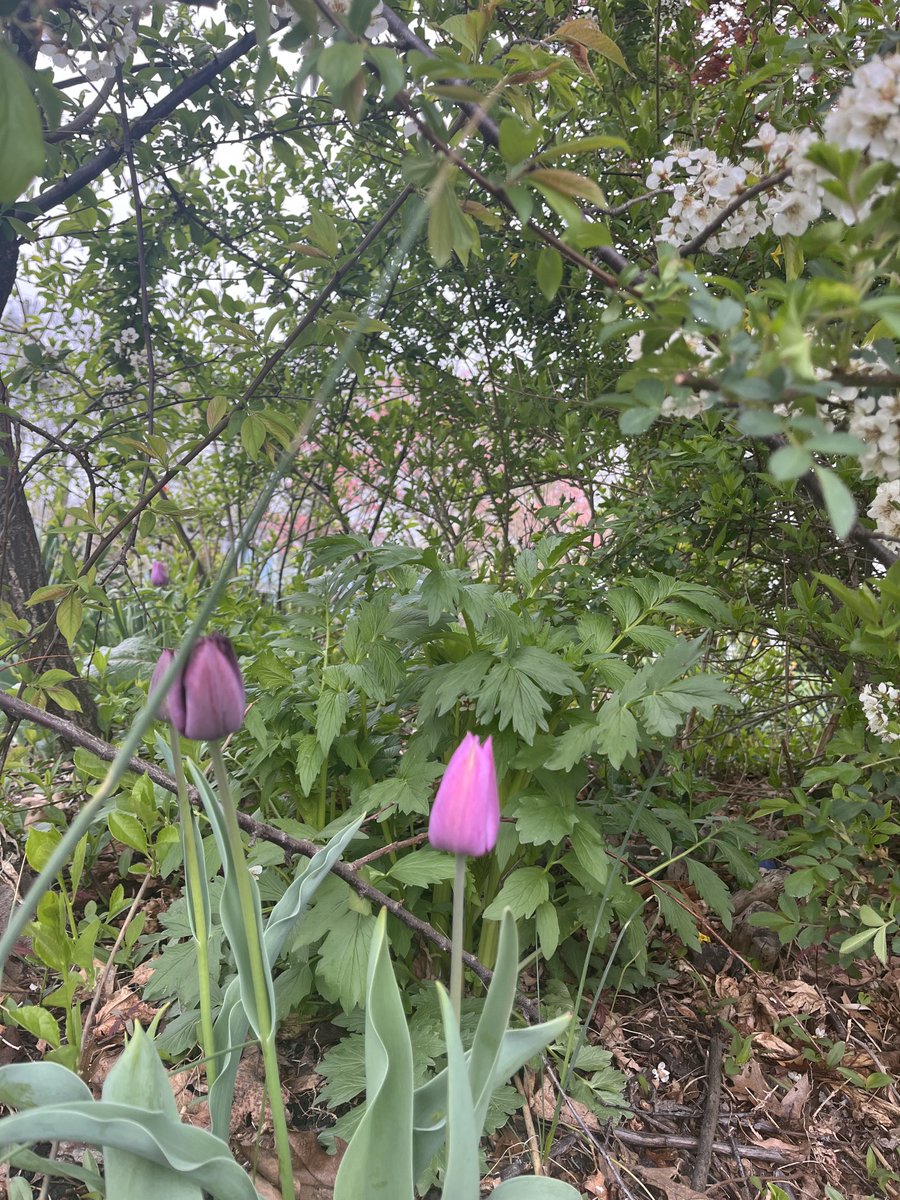
More spring beauties this morning: Pulmonaria among the ostrich ferns, geraniums, and angelica blossoms.


2
36
Kim Krieger retweeted

May 6
“There is a crime here that goes beyond denunciation. There is a sorrow here that weeping cannot symbolize. There is a failure here that topples all our success. The fertile earth, the straight tree rows, the sturdy trunks, and the ripe fruit. And children dying of pellagra must die because a profit cannot be taken from an orange. And coroners must fill in the certificate- died of malnutrition- because the food must rot, must be forced to rot. The people come with nets to fish for potatoes in the river, and the guards hold them back; they come in rattling cars to get the dumped oranges, but the kerosene is sprayed. And they stand still and watch the potatoes float by, listen to the screaming pigs being killed in a ditch and covered with quick-lime, watch the mountains of oranges slop down to a putrefying ooze; and in the eyes of the people there is the failure; and in the eyes of the hungry there is a growing wrath. In the souls of the people the grapes of wrath are filling and growing heavy, growing heavy for the vintage.”

California farmers to destroy 420,000 peach trees following Del Monte bankruptcy sfgate.com/centralcoast/arti…
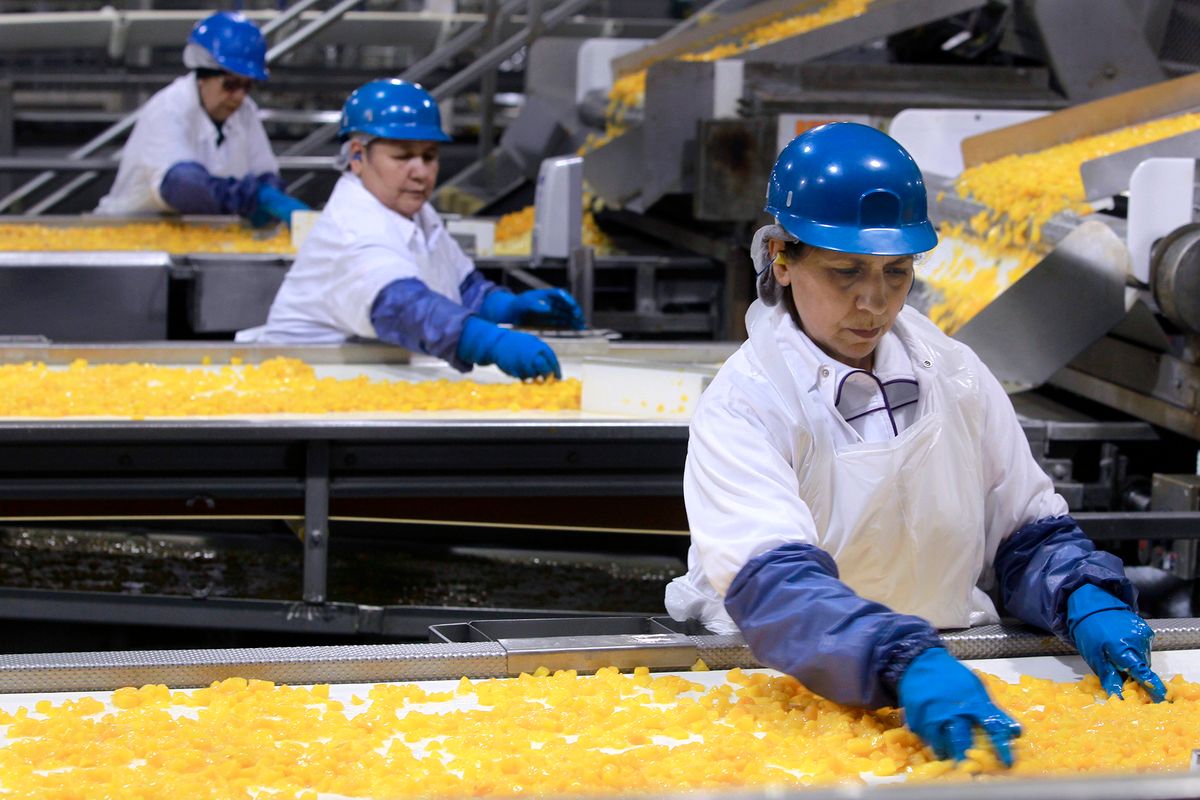
ALT California farmers to destroy 420,000 peach trees following Del Monte bankruptcy
55
3,857
14,696
512,620